
Nutrition comparison
Snail vs Beef Sirloin: Nutrition, Health, and Practicality Compared
Snail is leaner and more nutrient-dense per calorie, but beef sirloin is more practical for daily meals. Compare protein, fat, safety, and taste tradeoffs to choose the right option for your goals.
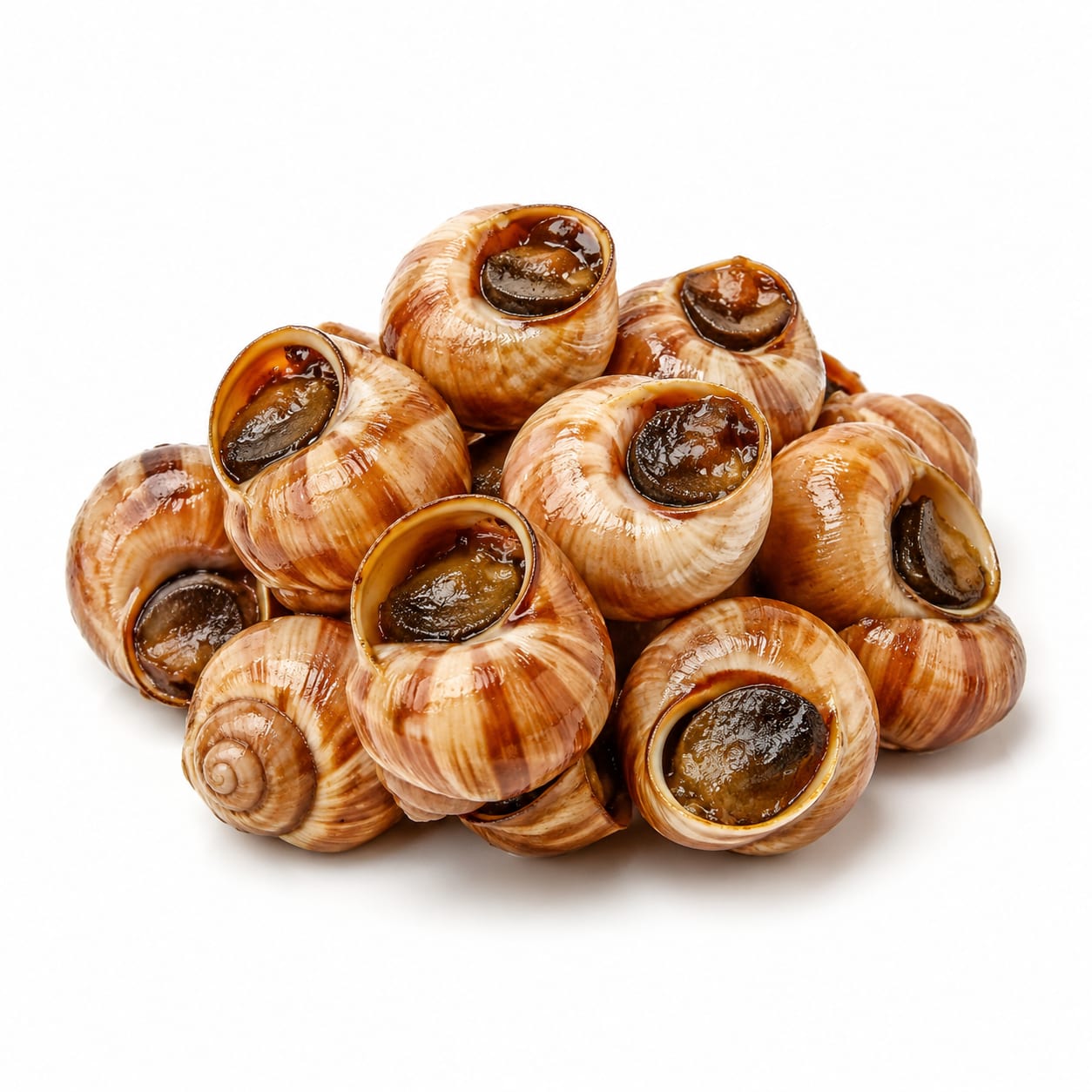
Snail
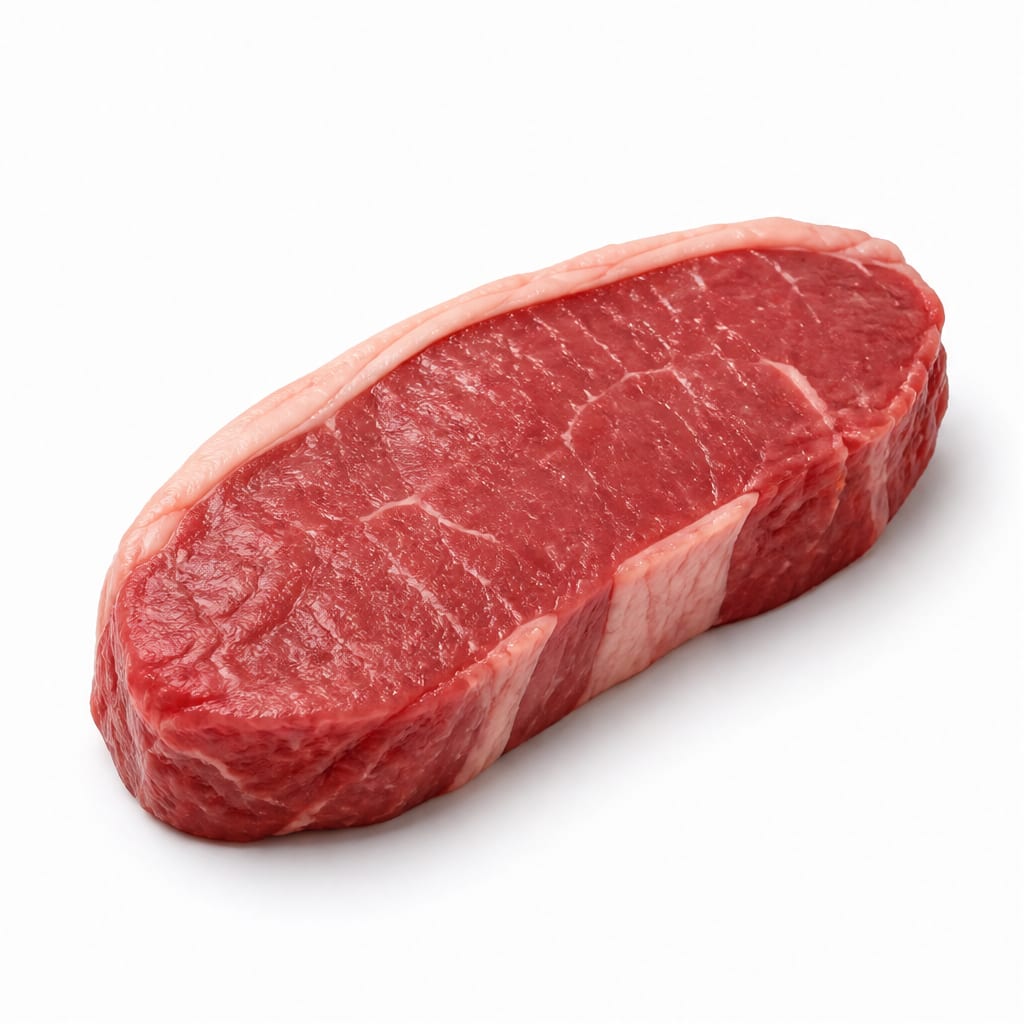
Beef Sirloin
Snail wins on leanness and micronutrient density per calorie; beef sirloin wins on practicality, protein quality familiarity, and everyday usability.
Snail edges ahead nutritionally due to its remarkable leanness and mineral density, but beef sirloin's practicality and everyday reliability narrow the gap significantly. The final choice depends heavily on whether health optimization or lifestyle practicality drives the decision.
Snail offers an exceptionally lean, mineral-rich protein with parasite safety concerns and limited availability. Beef sirloin delivers reliable high-quality protein with higher saturated fat and red meat health tradeoffs.
At a glance
Executive summary
Overall
It depends
Healthier
Snail
More practical
Beef Sirloin
Daily use
Beef Sirloin
Key comparison lenses
protein source comparison
Both are animal protein sources but with dramatically different fat and calorie profiles
heart health tradeoff
Snail is extremely low in saturated fat while beef sirloin carries typical red meat cardiovascular concerns
food safety and contamination
Snail carries unique parasite risks; beef sirloin carries standard red meat contamination and antibiotic concerns
practical accessibility
Beef sirloin is universally available; snail is culturally specific and harder to source
micronutrient density
Both deliver iron and B12 but through very different nutritional packages
Best choice for
Snail
- Weight-conscious eaters seeking maximum protein with minimal fat
- Anyone monitoring saturated fat intake closely
- Adventurous eaters in regions where snail is culturally normal
- Iron-deficient individuals wanting a low-calorie iron source
Beef Sirloin
- Consistent daily protein needs without sourcing hassle
- Households wanting familiar meal versatility
- Athletes needing reliable complete protein in predictable portions
- People who value cooking simplicity and widespread availability
Least suitable for
Snail
- Anyone squeamish about unfamiliar protein sources
- People without access to proper snail preparation and sourcing
- Those who need quick weeknight meal solutions
- Diners at restaurants with limited snail options
Beef Sirloin
- People actively reducing saturated fat for heart health
- Anyone following doctor advice to limit red meat consumption
- Budget-conscious shoppers compared to other protein sources
- Those concerned about long-term colorectal cancer risk from red meat
Deep comparison
Dimension by dimension
Each lens scores both foods and breaks down who each option suits.
- Dimension 1 · Priority 95Beef Sirloin
protein_quality_and_content
Snail · 75Beef Sirloin · 88Beef sirloin provides more protein per serving with a slightly more complete amino acid profile and better digestibility.
Tradeoff
Snail still delivers solid protein but at lower density and with less predictable absorption due to tougher connective tissue.
Why it matters
For muscle maintenance and satiety, higher protein density per bite makes meals more satisfying and effective.
Real-world impact
A standard beef sirloin portion feels more filling and post-workout satisfying than an equivalent snail portion.
Snail
- Lower calorie protein needs
- Lean diet phases
Better for
- Lower total protein per serving
- Tougher texture reduces enjoyment for some
Worse for
Beef Sirloin
- Post-workout recovery
- Muscle gain goals
- Higher daily protein targets
Better for
- Comes with more fat calories per protein gram
Worse for
- Dimension 2 · Priority 92Snail
fat_profile_and_heart_health
Snail · 92Beef Sirloin · 55Snail is remarkably lean with minimal saturated fat. Beef sirloin contains moderate saturated fat that adds up with regular consumption.
Tradeoff
Choosing snail means virtually no saturated fat concern; choosing beef sirloin means accepting a moderate but real cardiovascular tradeoff.
Why it matters
Saturated fat intake directly impacts LDL cholesterol and long-term heart disease risk with regular consumption.
Real-world impact
Eating snail regularly is unlikely to concern a cardiologist. Eating beef sirloin daily might prompt a conversation about heart health.
Snail
- Heart-conscious eaters
- Cholesterol management
- Lean physique goals
Better for
- Very low fat may leave some eaters less satisfied
Worse for
Beef Sirloin
- Those needing calorie surplus
- People not concerned about saturated fat
Better for
- Daily consumption raises cardiovascular risk
- Saturated fat adds hidden calories
Worse for
- Dimension 3 · Priority 85Snail
micronutrient_density
Snail · 86Beef Sirloin · 78Snail packs more iron, magnesium, and selenium per calorie than beef sirloin, making it a micronutrient powerhouse relative to its energy content.
Tradeoff
Beef sirloin still delivers excellent B12 and zinc but comes with more calories to get those nutrients.
Why it matters
Getting more vitamins and minerals per calorie means better nutritional efficiency, especially on restricted diets.
Real-world impact
Snail delivers similar iron to beef sirloin at roughly half the calories, which matters for anyone watching intake.
Snail
- Iron-deficient individuals on calorie budgets
- Mineral optimization per calorie
Better for
- Less total B12 per typical serving
Worse for
Beef Sirloin
- B12 and zinc needs with familiar food format
Better for
- More calories required to reach same mineral intake
Worse for
- Dimension 4 · Priority 88Beef Sirloin
food_safety_and_contamination
Snail · 52Beef Sirloin · 72Snail carries significant parasite risk requiring thorough cooking. Beef sirloin has standard meat safety protocols but carries antibiotic and processing contamination concerns.
Tradeoff
Snail demands careful preparation to avoid serious parasitic infection. Beef sirloin demands smart sourcing to minimize antibiotic and hormone exposure.
Why it matters
Foodborne illness from improperly prepared snail can be severe. Beef contamination risks are more cumulative than acute.
Real-world impact
Undercooked snail can cause rat lungworm or other serious parasites. Undercooked beef sirloin risks are generally lower for healthy adults.
Snail
- No antibiotic or hormone concerns with wild-caught varieties
Better for
- Serious parasite risk if undercooked
- Inconsistent sourcing and quality control
Worse for
Beef Sirloin
- Established safety inspection infrastructure
- Lower acute parasite risk with standard cooking
Better for
- Antibiotic residue in conventional production
- Possible hormone exposure
Worse for
- Dimension 5 · Priority 80Beef Sirloin
practicality_and_accessibility
Snail · 30Beef Sirloin · 90Beef sirloin is available at every grocery store and familiar to every cook. Snail requires specialty sourcing and specific preparation knowledge.
Tradeoff
Choosing snail means committing effort to finding, preparing, and cooking it properly. Beef sirloin is a grab-and-cook staple.
Why it matters
The best protein source nutritionally is meaningless if you cannot reliably access and prepare it.
Real-world impact
Beef sirloin works for Tuesday night dinner with zero planning. Snail requires a specialty shop and recipe research.
Snail
- Culinary enthusiasts who enjoy specialty cooking
Better for
- Hard to find in most regions
- Requires specific cooking technique
- Social resistance from unfamiliar eaters
Worse for
Beef Sirloin
- Busy households
- Meal prep routines
- Grocery store convenience
Better for
- Less culinary novelty or adventure
Worse for
- Dimension 6 · Priority 75Beef Sirloin
satiety_and_eating_experience
Snail · 60Beef Sirloin · 82Beef sirloin delivers a more satisfying mouthfeel and fuller eating experience. Snail can feel light to the point of unsatisfying for some.
Tradeoff
Snail's lightness is great for calorie control but may leave you hungry sooner. Beef sirloin's richness satisfies but can lead to overeating.
Why it matters
Meals that feel satisfying reduce snacking later. Meals that feel too light may trigger cravings.
Real-world impact
A beef sirloin dinner tends to carry you to breakfast. A snail-based meal might have you reaching for a snack by 9pm.
Snail
- Light meal preferences
- Smaller appetite situations
Better for
- May not feel like a complete meal
- Chewy texture can be off-putting
Worse for
Beef Sirloin
- Big appetite days
- Post-exercise meals
- Family dinners where satisfaction matters
Better for
- Richness can encourage larger portions
Worse for
Timeline
Health impact over time
Short-term
Hours to days
Snail
- Light feeling after eating due to very low fat content
- Possible digestive adjustment if unfamiliar with snail
- Risk of acute parasitic illness if improperly cooked
Beef Sirloin
- Satisfying fullness from protein and fat combination
- Possible sluggish feeling after large portions due to fat content
- Standard meat digestion over 4-6 hours
Long-term
Months to years
Snail
- Excellent cardiovascular markers from minimal saturated fat intake
- Strong iron status without calorie surplus
- Potential broadened palate and dietary diversity
Beef Sirloin
- Elevated LDL cholesterol with frequent consumption
- Reliable muscle maintenance from consistent high-quality protein
- Possible increased colorectal cancer risk with regular red meat intake above recommended limits
Risk profile
Safety & processing
Both foods are whole protein sources with minimal processing. Snail is typically sold fresh or frozen with no additives. Beef sirloin is a whole muscle cut with no added ingredients unless pre-marinated. Both score well on naturalness.
Snail
Parasitic infection
highSnails can carry rat lungworm and other parasites. Thorough cooking to at least 165°F/74°C is essential. Never eat raw or undercooked snail.
Contaminant accumulation
mediumSnails feed on soil and vegetation, potentially accumulating heavy metals or pesticides from their environment. Source from clean environments.
Allergic reactions
lowSome individuals may experience shellfish-like allergic reactions to snail proteins, particularly those with mollusk allergies.
Beef Sirloin
Antibiotic residues
mediumConventionally raised beef may contain antibiotic residues. Choose grass-fed or organic when possible to reduce exposure.
Hormone exposure
mediumHormone-treated beef is common in some countries. Look for hormone-free or organic labels to minimize intake.
Bacterial contamination
lowStandard food safety practices like proper refrigeration and cooking to 145°F/63°C effectively manage E. coli and salmonella risk.
Who wins for whom
Audience fit
Same foods, different winners depending on your goal.
children
Beef SirloinBeef sirloin is familiar, palatable, and easy to serve to kids. Snail's texture and appearance make it a hard sell for most children, and parasite risk demands extra caution.
daily consumption
Beef SirloinBeef sirloin is practical, accessible, and fits into routine meal planning. Snail's sourcing challenges and preparation demands make daily consumption unrealistic for most people.
diabetes
SnailBoth have zero carbohydrates, but snail's lower saturated fat content supports better metabolic and cardiovascular outcomes for diabetics.
elderly
It dependsSnail offers easier chewing when properly prepared and lower cardiovascular risk. Beef sirloin provides reliable protein for sarcopenia prevention. Choose based on individual heart health and dental status.
muscle gain
Beef SirloinBeef sirloin provides more total protein per serving with better digestibility and a complete amino acid profile optimized for muscle synthesis.
weight loss
SnailSnail delivers high protein and iron at a fraction of the calories and fat of beef sirloin, making it easier to maintain a calorie deficit.
Your move
Decision guide
Choose Snail
- You are actively managing weight or saturated fat intake
- You have access to properly sourced and prepared snail
- You enjoy exploring diverse protein sources
- You want maximum nutrition per calorie consumed
- You live in a region where snail is a normal food
Choose Beef Sirloin
- You need a reliable everyday protein without hassle
- You are building muscle and need predictable protein intake
- You cook for a family that expects familiar meals
- You value convenience and wide availability
- You have no specific reason to avoid moderate red meat consumption
Either works if
- You want a high-quality animal protein source
- You need iron and B12 in your diet
- You are eating a low-carb or ketogenic diet
- You enjoy cooking and experimenting with proteins
Avoid both if
- You follow a plant-based diet
- You have gout and need to limit purine intake
- You have severe kidney disease requiring protein restriction
Final recommendation
For most people, beef sirloin is the practical daily choice while snail is an excellent occasional alternative when available and properly prepared. If heart health is your top priority and you can source snail safely, it is nutritionally superior per calorie. If consistency and ease matter more, beef sirloin keeps you on track without the friction. The smartest approach: eat beef sirloin in moderation and try snail when the opportunity arises for a lean, mineral-rich change of pace.
Practical
Consumer tips
- 1
If cooking snail, always boil for at least 10 minutes before any other preparation to kill parasites
- 2
Source snail from reputable suppliers or farms rather than wild-foraging unless you are experienced
- 3
For beef sirloin, choose grass-fed when possible to improve omega-3 content and reduce antibiotic exposure
- 4
Limit beef sirloin to 2-3 servings per week to balance protein needs with long-term health risks
- 5
If trying snail for the first time, start with a small portion to check for any allergic reaction
- 6
Marinate snail in citrus or vinegar to help tenderize the naturally chewy texture
- 7
Pair either protein with leafy greens and whole grains for a more complete and satisfying meal