
Nutrition comparison
Snail vs Squid: Nutrition, Protein, and Health Comparison
Compare Snail vs Squid to see which lean protein is healthier. Discover the differences in iron, B12, safety risks, and the best cooking methods for each.
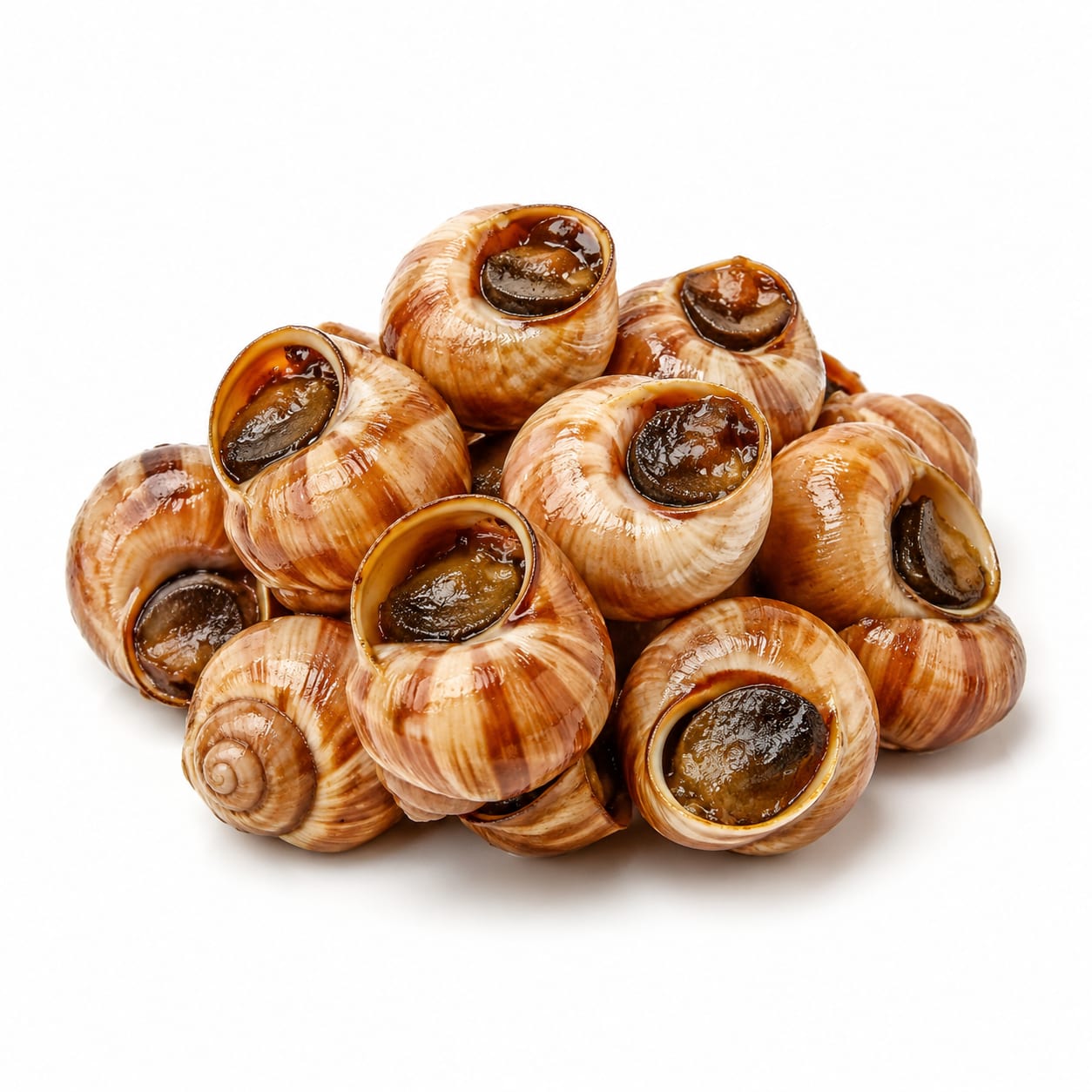
Snail
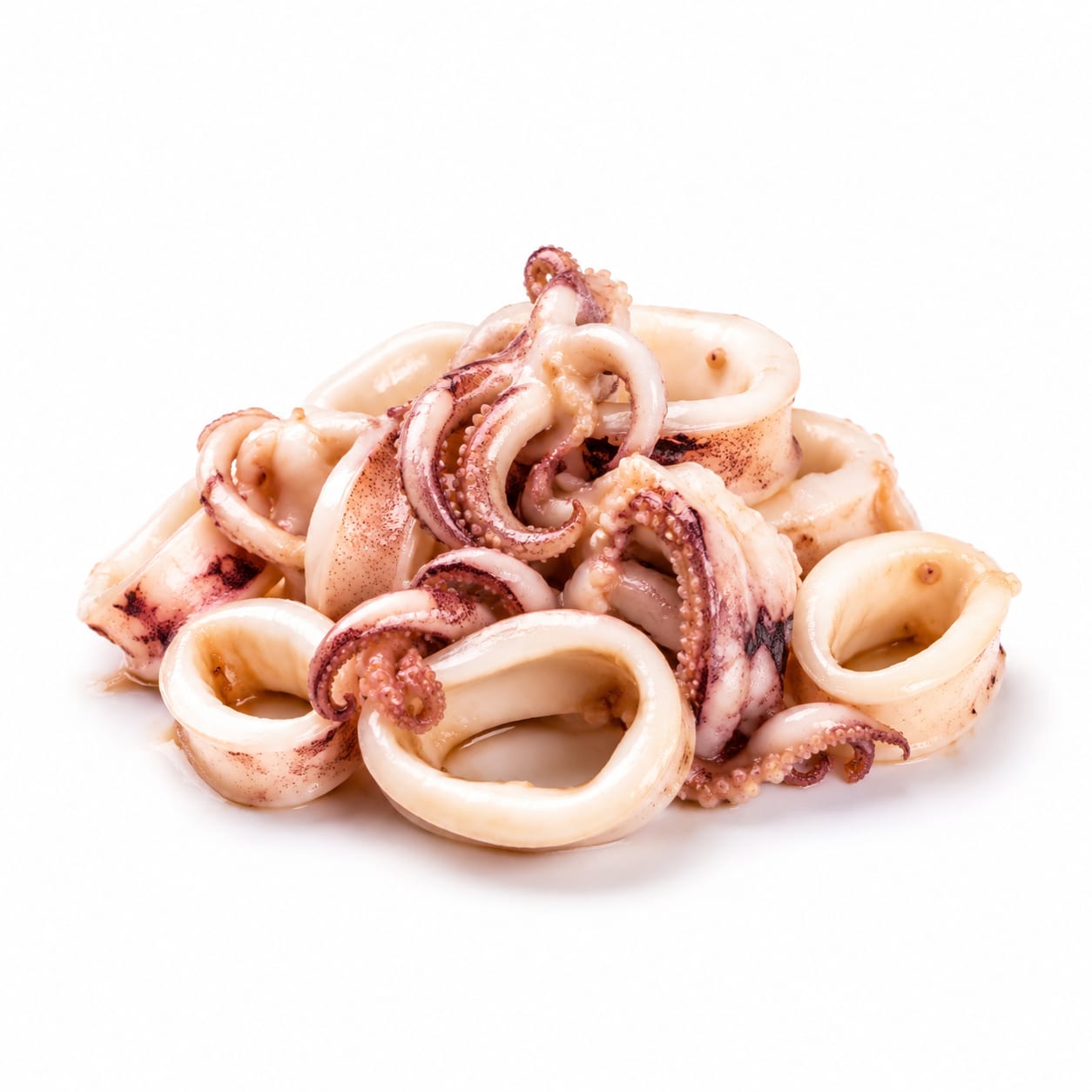
Squid
Snail edges out on iron and is lighter, while Squid offers more B12 and taurine, but both are excellent lean proteins that depend heavily on how you cook them.
Squid slightly wins due to broader availability, culinary versatility, and B12 content, but Snail is nutritionally competitive, especially for iron. The close scores reflect their similar lean protein profiles.
Snail provides superior iron for energy, whereas Squid delivers more brain-supporting B12 and taurine, but both carry unique contamination risks if not sourced carefully.
At a glance
Executive summary
Overall
It depends
Healthier
It depends
More practical
Squid
Daily use
Squid
Key comparison lenses
Lean protein source comparison
Both are prized as high-protein, low-fat alternatives to traditional meats, making them popular among health-conscious eaters.
Micronutrient density (Iron vs B12)
Snail is uniquely rich in iron, while Squid stands out for vitamin B12 and taurine, creating a clear nutritional tradeoff.
Food safety and contamination risks
Snails carry terrestrial parasite risks, whereas Squid faces marine concerns like microplastics and allergies, requiring different precautions.
Culinary preparation and hidden calories
Both are often prepared in ways that drastically alter their health profiles, such as garlic butter for Snails or deep-frying for Squid.
Best choice for
Snail
- Anemia-prone individuals needing an iron boost
- Those seeking a very low-fat whole food protein
- Adventurous eaters exploring West African or French cuisine
Squid
- People needing B12 and nervous system support
- Athletes looking for taurine and zinc for recovery
- Those wanting a more accessible, versatile lean seafood option
Least suitable for
Snail
- People squeamish about texture or preparation
- Those without trusted sourcing to avoid parasite risks
Squid
- People with shellfish or mollusk allergies
- Those strictly watching dietary cholesterol intake
Deep comparison
Dimension by dimension
Each lens scores both foods and breaks down who each option suits.
- Dimension 1 · Priority 90Squid
Protein & Satiety
Snail · 82Squid · 86Squid packs slightly more protein per calorie, making it a bit more filling for the same portion size.
Tradeoff
Snail is still highly satiating but you need a slightly larger portion to match Squid's protein hit.
Why it matters
Higher protein density helps control hunger and maintain muscle without overeating calories.
Real-world impact
A Squid salad will keep you full longer than an equal-calorie Snail dish.
Snail
- Light eaters wanting moderate protein
Better for
- Bodybuilders needing maximum protein per meal
Worse for
Squid
- Athletes needing higher protein intake
- Those wanting longer-lasting fullness
Better for
- Those who find heavy protein meals hard to digest
Worse for
- Dimension 2 · Priority 85It depends
Micronutrient Profile
Snail · 88Squid · 85Snail is an iron and magnesium powerhouse, while Squid excels in vitamin B12, copper, and taurine.
Tradeoff
Choosing between them depends on whether you need blood-building iron or nerve-supporting B12.
Why it matters
Iron deficiency causes fatigue, while B12 deficiency impairs nerve function and memory.
Real-world impact
Eating Snail can help fight afternoon fatigue if you are low on iron; Squid supports focus and recovery with B12 and taurine.
Snail
- Menstruating women needing iron
- Vegans transitioning who are iron deficient
Better for
- People with hemochromatosis prone to iron overload
Worse for
Squid
- Older adults needing B12 absorption
- Those seeking cardiovascular support from taurine
Better for
- Those already supplementing high copper
Worse for
- Dimension 3 · Priority 80Squid
Food Safety & Contamination
Snail · 65Squid · 72Snails carry a higher risk of parasites if undercooked or foraged improperly, while Squid's main risks are microplastics and allergies.
Tradeoff
Snail requires meticulous cooking to be safe, whereas Squid is safer to prepare but carries ocean-borne contaminants.
Why it matters
Parasitic infections from Snails can cause severe acute illness, while microplastics in Squid pose long-term low-grade risks.
Real-world impact
You must be certain of your Snail source and cook it thoroughly; Squid is generally safer to order at a restaurant.
Snail
- Those who farm their own or buy from highly regulated sources
Better for
- Immunocompromised individuals
- Those foraging wild snails
Worse for
Squid
- People eating out frequently
- Those who prefer quick-cooking seafood
Better for
- People with severe shellfish allergies
Worse for
- Dimension 4 · Priority 75Squid
Culinary Versatility & Calorie Traps
Snail · 60Squid · 78Squid can be grilled, sautéed, or fried quickly, while Snail often requires extensive purging and is typically served in heavy butter or sauces.
Tradeoff
Squid is easier to cook lean at home, whereas Snail's traditional preparations often drown its low-calorie nature in fat.
Why it matters
How you prepare these foods drastically changes their health profile.
Real-world impact
Ordering fried calamari or escargot in garlic butter turns both into high-calorie indulgences, but grilled Squid is much easier to achieve at home.
Snail
- Special occasion dining where rich flavors are desired
Better for
- Those trying to limit butter and heavy sauces
Worse for
Squid
- Home cooks wanting fast, lean weeknight meals
- Meal preppers looking for versatile proteins
Better for
- People prone to overcooking and making it rubbery
Worse for
Timeline
Health impact over time
Short-term
Hours to days
Snail
- Quick iron boost for energy
- Light feeling after eating due to extremely low fat
Squid
- Rapid protein absorption for muscle repair
- Taurine may help with exercise recovery and focus
Long-term
Months to years
Snail
- Improved iron stores reducing fatigue risk
- Potential parasite risk if sourcing is poor
Squid
- Better B12 status supporting nerve health
- Possible microplastic accumulation with frequent high intake
Risk profile
Safety & processing
Both Snail and Squid are whole, natural foods. Additive concerns only arise if they are canned, pre-cooked, or processed into products like frozen breaded calamari rings.
Snail
Parasites (Angiostrongylus)
highRat lungworm can be present in undercooked or improperly handled Snails; thorough cooking is mandatory to prevent severe illness.
Heavy metals
mediumForaged Snails can accumulate heavy metals from soil, though commercially farmed Snails are generally safer.
Squid
Allergic reactions
highMollusk and shellfish allergies can cause severe anaphylaxis in susceptible individuals.
Microplastics
mediumSquid can ingest microplastics from ocean environments, which may transfer to the consumer over time.
Who wins for whom
Audience fit
Same foods, different winners depending on your goal.
children
SquidSquid is more familiar, easier to chew when properly cooked, and carries lower acute parasite risks compared to Snail.
daily consumption
SquidSquid is more accessible, easier to cook, and fits more seamlessly into everyday meals like stir-fries and salads.
diabetes
It dependsBoth are virtually carb-free and will not spike blood sugar, but preparation methods matter more than the choice between them.
elderly
SquidThe high B12 in Squid supports nerve health and cognitive function, which are crucial for aging adults.
muscle gain
SquidSquid offers slightly more protein per serving and contains taurine, which aids in muscle recovery and performance.
weight loss
SquidSquid is easier to prepare without heavy sauces, like grilling or making a light salad, keeping calories lower compared to traditional butter-drenched Snail dishes.
Your move
Decision guide
Choose Snail
- You need a dietary iron boost to combat fatigue
- You have access to high-quality, safely farmed Snails
- You enjoy rich, traditional recipes and do not mind the extra butter
Choose Squid
- You want a quick, lean protein for weeknight dinners
- You need more B12 and taurine in your diet
- You prefer grilling or light sautéing over heavy sauces
Either works if
- You just need a low-carb, high-protein alternative to chicken or beef
- You are dining at a high-quality restaurant that sources seafood responsibly
Avoid both if
- You have a shellfish or mollusk allergy
- You are concerned about cholesterol and plan to fry them or drench them in butter
Final recommendation
Choose Squid for an accessible, B12-rich lean protein that is easy to cook at home. Opt for Snail when you need an iron boost and have a trusted, well-regulated source to ensure safety.
Practical
Consumer tips
- 1
If cooking Snail at home, always buy pre-purged farmed Snails to avoid foodborne illness and reduce prep time.
- 2
Grill or sauté Squid quickly over high heat to keep it tender; overcooking makes it unpleasantly rubbery.
- 3
Skip the garlic butter and fried breading—both Snail and Squid are healthiest when prepared with olive oil, garlic, and fresh herbs.
- 4
Pair Snail with vitamin C-rich foods like tomatoes or bell peppers to absorb its high iron content much more effectively.