
Nutrition comparison
Snail vs Chicken Breast: Protein, Iron, and Safety Compared
Is snail healthier than chicken breast? Compare protein, iron, B12, and food safety risks to see which lean meat is right for your diet.
Overall winner · Chicken Breast
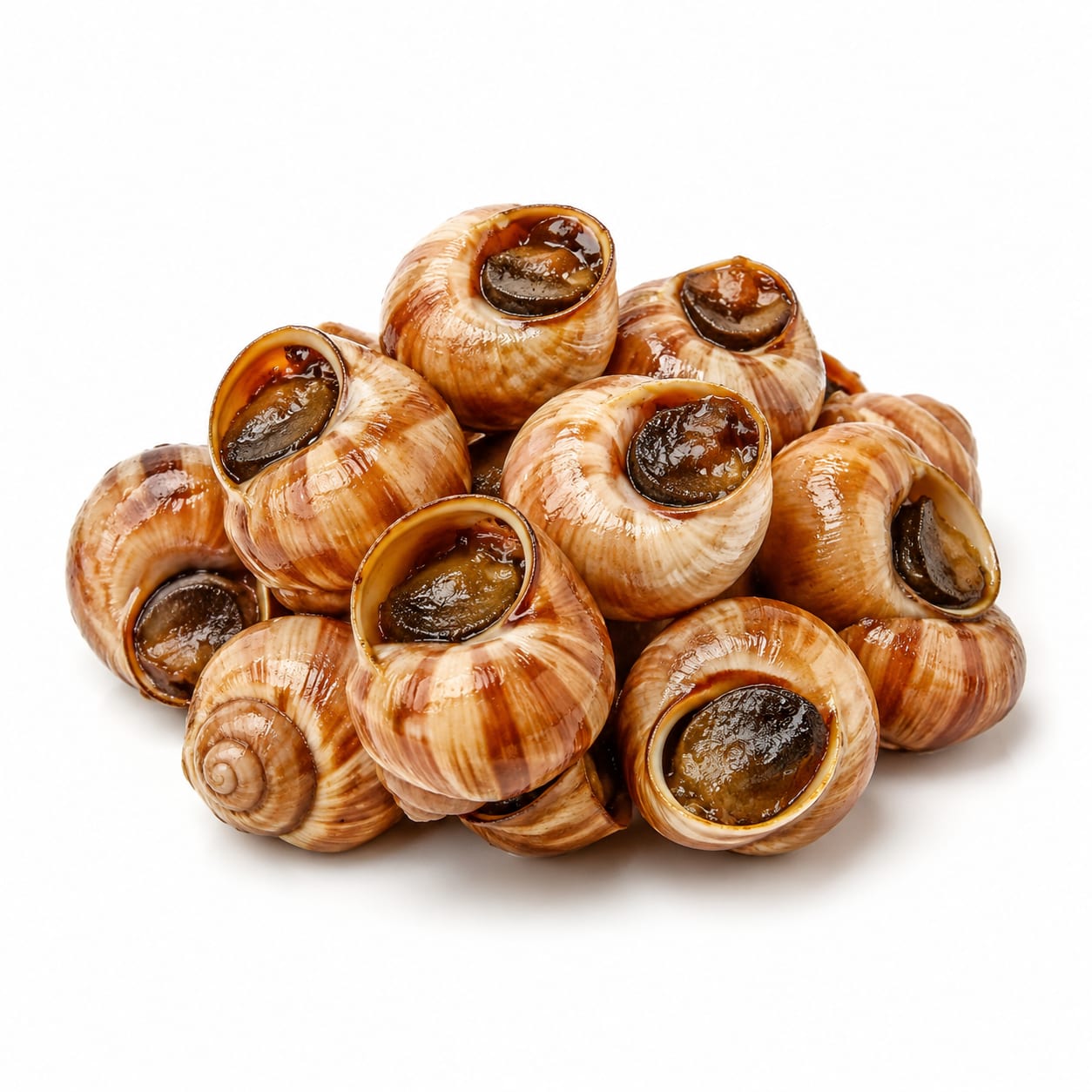
Snail
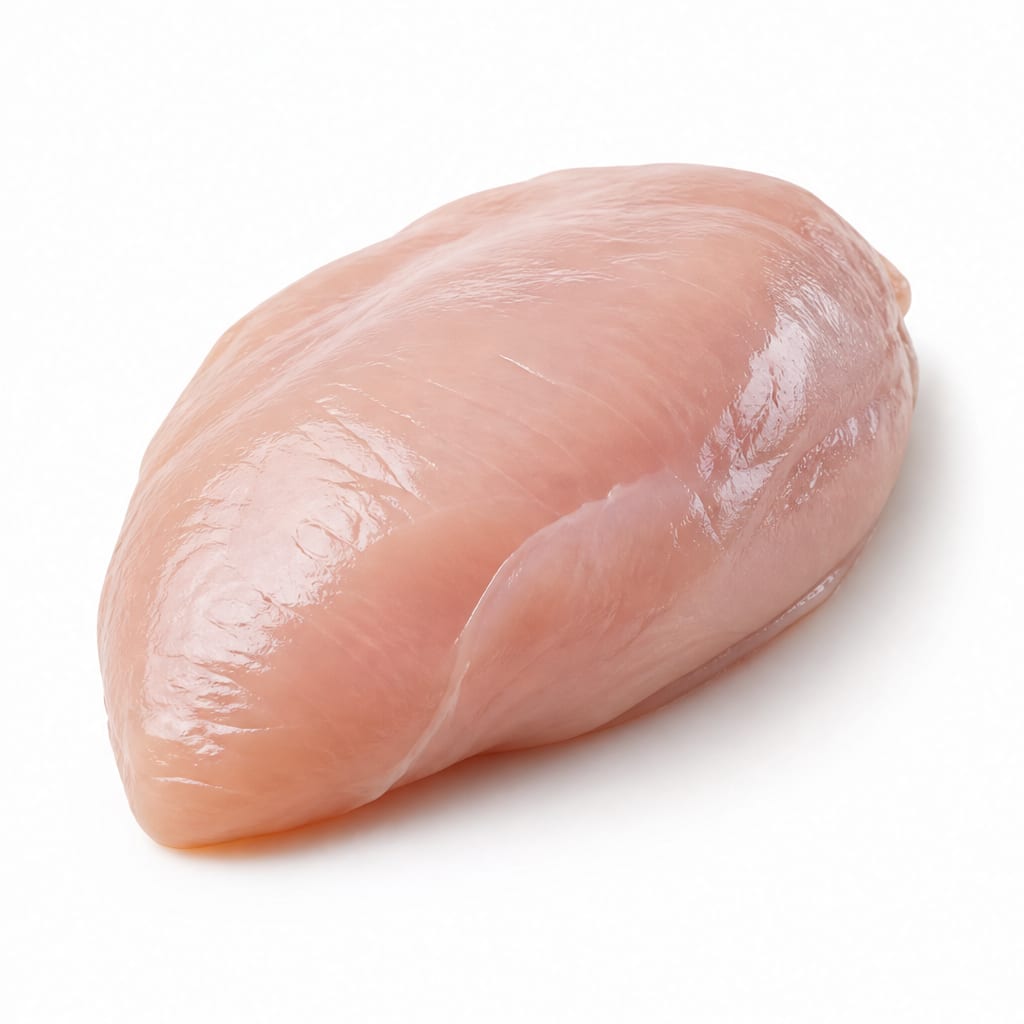
Chicken Breast
Chicken breast is the safer, more practical daily protein, but snail offers vastly superior iron and B12 if safely prepared.
Chicken breast wins overall due to unmatched convenience, safety, and protein density. Snail scores highly for micronutrients but is heavily penalized for safety risks and impracticality.
Everyday convenience and safety versus exceptional micronutrient density and culinary novelty.
At a glance
Executive summary
Overall
Chicken Breast
Healthier
It depends
More practical
Chicken Breast
Daily use
Chicken Breast
Key comparison lenses
Protein source selection for muscle gain vs micronutrient density
Users comparing these two are likely weighing standard lean protein against a highly nutritious but unconventional alternative.
Food safety and preparation risk tolerance
Snails carry specific parasite risks that demand careful cooking, whereas chicken has standard poultry handling requirements.
Dietary iron and B12 deficiency management
Snail is uniquely rich in iron and B12, making it a potential therapeutic food for anemia compared to standard poultry.
Best choice for
Snail
- Snail is best for naturally reversing iron-deficiency anemia
- Snail is ideal for adventurous eaters seeking massive B12 boosts
Chicken Breast
- Chicken breast is best for reliable, hassle-free muscle maintenance
- Chicken breast is ideal for predictable, low-calorie daily meal prep
Least suitable for
Snail
- Snail is a poor choice for immunocompromised individuals due to parasite risks
- Snail is unsuitable for quick weeknight dinners due to intensive prep
Chicken Breast
- Chicken breast is less suitable for those needing dense dietary iron
- Chicken breast is uninspiring for eaters bored of standard lean proteins
Deep comparison
Dimension by dimension
Each lens scores both foods and breaks down who each option suits.
- Dimension 1 · Priority 95Chicken Breast
Protein Power & Muscle Building
Snail · 75Chicken Breast · 95Chicken breast delivers more protein per standard serving, making it the gold standard for muscle repair and growth.
Tradeoff
Snail is impressively high in protein for a mollusk, but matching a chicken breast portion requires eating a large volume of snails.
Why it matters
Higher protein per bite means easier muscle recovery and better satiety without feeling overly stuffed.
Real-world impact
After a heavy workout, a single chicken breast fills your protein needs effortlessly, whereas snail requires a much larger or supplemented meal.
Snail
- Snail provides a protein source with built-in iron for oxygen transport to muscles
Better for
- Snail requires eating a high volume to hit standard muscle-building protein targets
Worse for
Chicken Breast
- Chicken breast offers pure, lean protein for efficient muscle repair
Better for
- Chicken breast lacks the iron that helps sustain energy during intense training
Worse for
- Dimension 2 · Priority 90Snail
Micronutrient Density
Snail · 95Chicken Breast · 60Snails are nutritional powerhouses, loaded with iron, magnesium, and vitamin B12 that chicken breast simply lacks.
Tradeoff
You gain massive iron and B12 benefits from snails, but sacrifice the sheer protein volume and convenience of chicken.
Why it matters
Iron and B12 are critical for energy and preventing anemia, which is common in restrictive diets.
Real-world impact
Eating snails can dramatically improve energy levels if you are prone to iron deficiency, whereas chicken offers mostly protein with minimal micronutrient perks.
Snail
- Snail is exceptional for boosting red blood cell production and fighting fatigue
Better for
- Snail may introduce heavy metals if sourced from polluted environments
Worse for
Chicken Breast
- Chicken breast provides reliable selenium and B vitamins for metabolic support
Better for
- Chicken breast falls short on dietary iron, offering very little for blood health
Worse for
- Dimension 3 · Priority 88Chicken Breast
Food Safety & Preparation Risk
Snail · 40Chicken Breast · 80Snails carry a high risk of parasites like rat lungworm if not thoroughly cooked, whereas chicken carries standard salmonella risks that are easily managed.
Tradeoff
Snails require rigorous cleaning and prolonged cooking, while chicken is relatively forgiving for the average home cook.
Why it matters
A single undercooked snail can lead to severe neurological parasite infections, making safe prep non-negotiable.
Real-world impact
You can quickly pan-sear chicken with minimal worry, but snails demand boiling and careful handling to ensure they are safe to eat.
Snail
- Snail poses zero risk of poultry-related antibiotic residues if wild-foraged cleanly
Better for
- Snail carries dangerous parasite risks if preparation is rushed or careless
Worse for
Chicken Breast
- Chicken breast has well-understood, easily managed safety protocols
Better for
- Chicken breast can harbor salmonella if cross-contamination occurs in the kitchen
Worse for
- Dimension 4 · Priority 85Chicken Breast
Practicality & Everyday Convenience
Snail · 25Chicken Breast · 98Chicken breast is available in every grocery store and cooks in minutes, while snails are niche and require specialty sourcing.
Tradeoff
Choosing snails means committing to harder sourcing, longer prep, and distinct flavors for your dinner.
Why it matters
The easier a protein is to source and cook, the more likely you are to stick with a healthy diet long-term.
Real-world impact
Chicken is a seamless weeknight staple; snails are a weekend project or a restaurant order.
Snail
- Snail offers a sustainable, low-impact protein if you have local foraging access
Better for
- Snail is incredibly impractical for busy households or quick meal prep
Worse for
Chicken Breast
- Chicken breast is universally available and effortlessly fits into any meal schedule
Better for
- Chicken breast can become monotonous if eaten too frequently without recipe variety
Worse for
- Dimension 5 · Priority 80Chicken Breast
Satiety & Caloric Efficiency
Snail · 70Chicken Breast · 92Chicken breast provides immense fullness per calorie due to its dense protein content and typical serving size.
Tradeoff
Snails are low in calories but often eaten in smaller portions or swimming in butter, which can undermine satiety or caloric goals.
Why it matters
Feeling full on fewer calories is the key to effortless weight management.
Real-world impact
A grilled chicken breast keeps you full for hours; a standard snail appetizer might leave you reaching for more food unless paired with heavy sides.
Snail
- Snail delivers high nutrients for very few calories if steamed without heavy sauces
Better for
- Snail portions are often too small to provide lasting fullness on their own
Worse for
Chicken Breast
- Chicken breast offers maximum physical fullness per calorie eaten
Better for
- Chicken breast is so lean it can feel dry or unsatisfying without added moisture
Worse for
Timeline
Health impact over time
Short-term
Hours to days
Snail
- Snail provides a rapid influx of heme iron for an instant energy boost
- Snail may cause digestive distress or worse if not thoroughly cooked to kill parasites
Chicken Breast
- Chicken breast delivers steady, crash-free satiety after a meal
- Chicken breast stabilizes blood sugar quickly without leaving you feeling heavy
Long-term
Months to years
Snail
- Regular snail consumption supports robust red blood cell production and nerve health
- Consistent intake safely prevents anemia, provided sourcing avoids heavy metal contamination
Chicken Breast
- Chicken breast maintains lean muscle mass and a healthy metabolic rate over the years
- Chicken breast supports long-term weight management through effortless calorie control
Risk profile
Safety & processing
Both are whole-food, single-ingredient proteins. Snail is entirely wild or farmed without additives, while chicken is natural but may carry farming residues depending on sourcing.
Snail
Parasitic infection (Rat lungworm)
highSnails can carry dangerous parasites that migrate to the human brain if ingested undercooked; rigorous boiling is mandatory.
Environmental heavy metals
mediumWild-foraged snails bioaccumulate toxins from their environment, making clean sourcing critical.
Chicken Breast
Salmonella contamination
mediumStandard poultry risk easily neutralized by cooking to 165°F and avoiding cross-contamination.
Antibiotic residues
lowConventional chicken may carry trace antibiotic residues, mitigated by choosing organic or certified antibiotic-free brands.
Who wins for whom
Audience fit
Same foods, different winners depending on your goal.
children
Chicken BreastChicken breast is much safer regarding parasite risks and is far more palatable and familiar for kids.
daily consumption
Chicken BreastChicken breast is affordable, widely available, and requires minimal prep compared to the rigorous cleaning and cooking snails demand.
diabetes
Chicken BreastChicken breast is a zero-carb, predictable protein that will not spike blood sugar and is easier to incorporate daily.
elderly
Chicken BreastChicken breast is easier to chew and safer for aging immune systems compared to the severe parasite risks of snails.
muscle gain
Chicken BreastChicken breast provides more protein per typical serving, which is critical for efficient muscle repair and growth.
weight loss
Chicken BreastChicken breast offers higher volume and satiety per calorie, making it far easier to stick to a calorie deficit without feeling hungry.
Your move
Decision guide
Choose Snail
- You need a massive dietary boost in iron and vitamin B12
- You have access to safely farmed snails and enjoy gourmet cooking
- You want a sustainable, low-impact protein source and know how to prepare it
Choose Chicken Breast
- You want a reliable, easy-to-cook lean protein for daily meals
- You are focused on muscle gain, weight loss, or strict meal prep
- You are cooking for a family and need a safe, universally accepted protein
Either works if
- You simply need a zero-carb, high-protein addition to a salad or stir-fry
- You are rotating protein sources to diversify your micronutrient intake safely
Avoid both if
- You follow a strict vegan or vegetarian diet
- You have severe allergies to poultry or shellfish/mollusks
Final recommendation
Default to chicken breast for your everyday protein needs—it is safer, easier, and more effective for muscle and weight goals. Treat snail as an occasional nutritional powerhouse to combat iron deficiency, but only if you are certain of its sourcing and cook it thoroughly to eliminate parasite risks.
Practical
Consumer tips
- 1
Always boil snails for at least 10 minutes before pan-frying to ensure all dangerous parasites are destroyed
- 2
Choose organic or antibiotic-free chicken breast to minimize exposure to farming chemicals
- 3
If eating snails at a restaurant, verify they are commercially farmed rather than wild-foraged for better safety
- 4
Marinate chicken breast in acidic liquids like lemon juice or yogurt to keep it tender and moist during cooking