
Nutrition comparison
Snail vs Mussel: Nutrition, Safety, and Taste Compared
Comparing snail and mussel nutrition? Discover which shellfish is better for iron, omega-3s, and safety, and how to choose the right one for your diet.
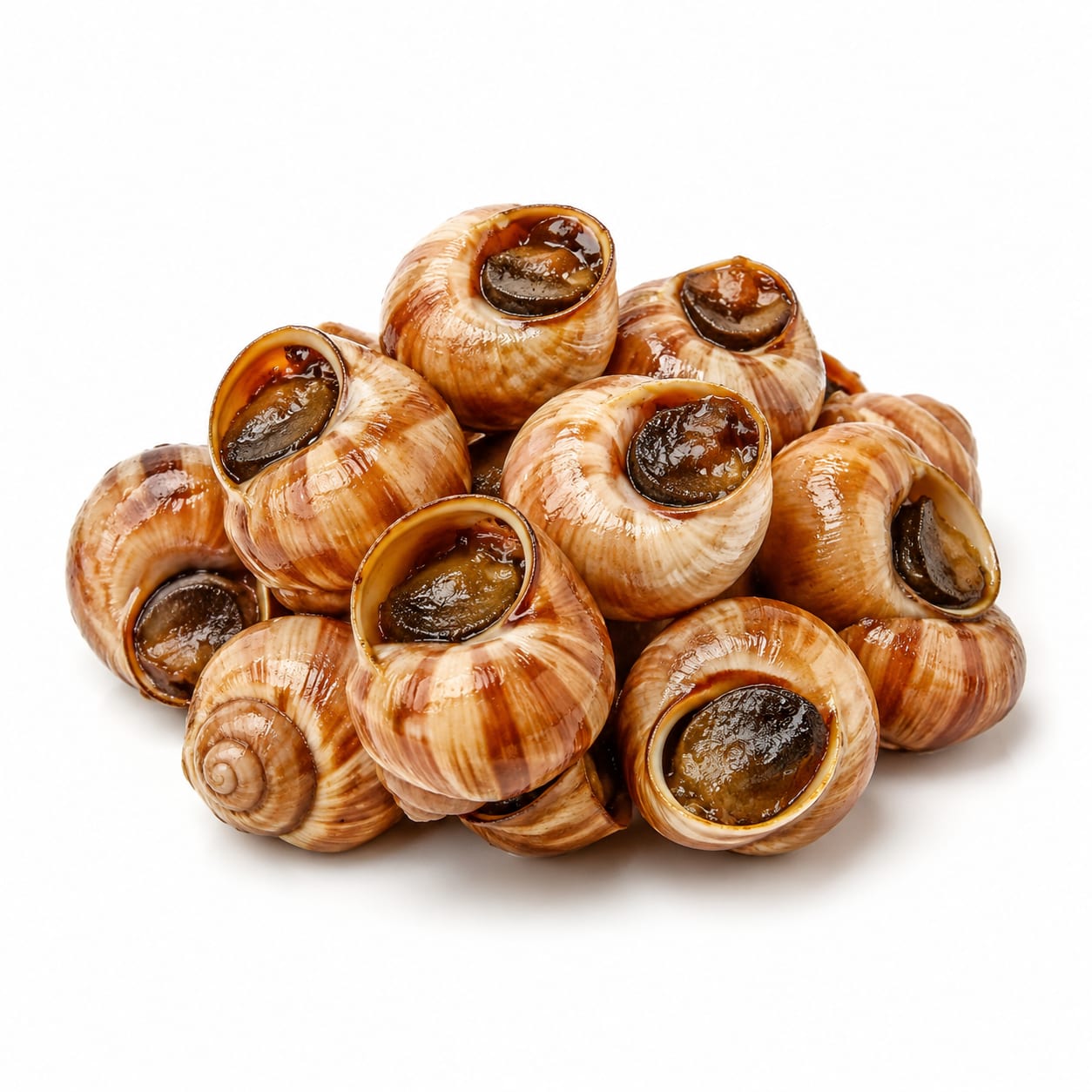
Snail
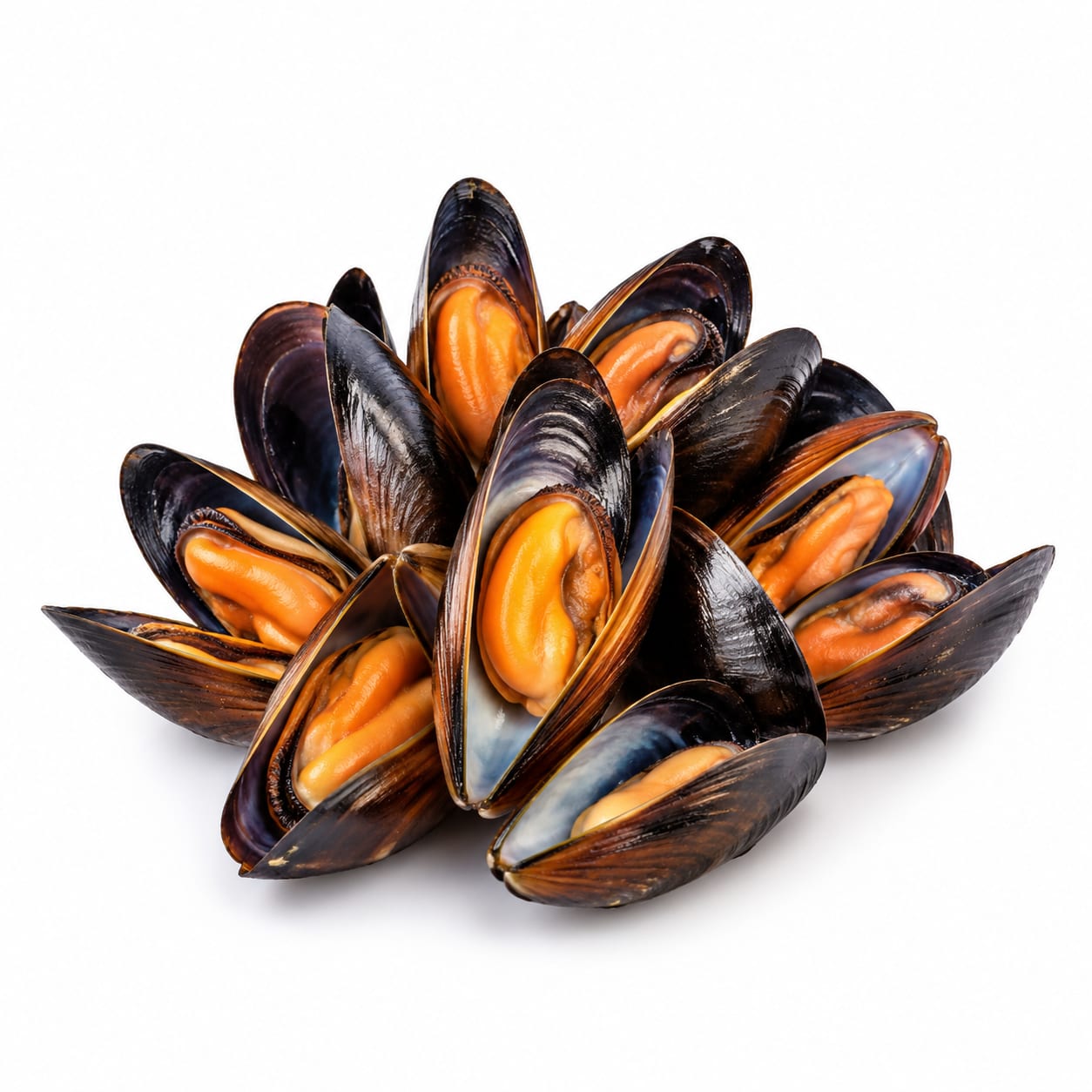
Mussel
Snails are an iron powerhouse, while mussels deliver heart-healthy omega-3s and B12; both are lean proteins but carry different safety and prep demands.
Mussels score slightly higher due to their beneficial omega-3 fats, B12 density, and easier everyday preparation, though snails remain an exceptional lean iron source.
Exceptional iron and lower fat from snails versus easier preparation and superior omega-3s from mussels.
At a glance
Executive summary
Overall
It depends
Healthier
It depends
More practical
Mussel
Daily use
Mussel
Key comparison lenses
Micronutrient superiority (Iron vs Omega-3/B12)
Snails are uniquely rich in iron, while mussels excel in B12 and omega-3 fatty acids, making the primary tradeoff about which nutrient gap you need to fill.
Food safety and contamination risks
Snails carry parasite risks if undercooked, whereas mussels are filter feeders prone to biotoxins and microplastics, requiring distinct safety considerations.
Culinary practicality and preparation ease
Mussels are quick to steam and widely available, while snails require specialized purging and longer cooking times, impacting everyday usability.
Best choice for
Snail
- Treating or preventing iron-deficiency anemia
- Very low-fat, high-protein diet phases
- Adventurous eaters comfortable with thorough cooking
Mussel
- Boosting heart health and brain function
- Quick, satisfying weeknight dinners
- Increasing B12 and zinc intake naturally
Least suitable for
Snail
- Those squeamish about extensive prep and purging
- People with compromised immune systems worried about parasites
Mussel
- Anyone with a shellfish allergy
- Those highly concerned about microplastic exposure
Deep comparison
Dimension by dimension
Each lens scores both foods and breaks down who each option suits.
- Dimension 1 · Priority 95It depends
Micronutrient Profile
Snail · 88Mussel · 90Snails dominate in iron and magnesium, while mussels provide massive amounts of B12, selenium, and zinc.
Tradeoff
You choose between unparalleled iron for energy or B12 and zinc for nerve and immune health.
Why it matters
Iron deficiency drains your energy, while B12 deficiency harms nerve function; both are common gaps in restrictive diets.
Real-world impact
Eating snails can fight afternoon fatigue from low iron, while mussels act like a natural brain-boosting supplement.
Snail
- Combating iron-deficiency anemia
- Supporting oxygen transport in athletes
Better for
- Those with hemochromatosis (iron overload)
Worse for
Mussel
- Supporting nervous system health
- Boosting immune resilience with zinc
Better for
- People needing to limit zinc intake
Worse for
- Dimension 2 · Priority 85Mussel
Heart Health & Fats
Snail · 65Mussel · 92Mussels offer valuable omega-3 fatty acids, whereas snails are virtually fat-free with negligible omega-3s.
Tradeoff
Snails are leaner per calorie, but mussels provide the essential fats your heart actually needs.
Why it matters
Omega-3s reduce inflammation and lower heart disease risk, something lean protein alone cannot do.
Real-world impact
A bowl of mussels gives you heart-protecting fats similar to salmon, while snails rely entirely on your cooking fat for this benefit.
Snail
- Strict low-fat diet protocols
Better for
- Relying on it for essential fatty acids
Worse for
Mussel
- Reducing cardiovascular risk
- Lowering systemic inflammation
Better for
- Strict fat-restricted medical diets
Worse for
- Dimension 3 · Priority 90It depends
Food Safety & Contamination
Snail · 70Mussel · 72Snails carry parasite risks if undercooked, while mussels risk biotoxins and microplastics from filter feeding.
Tradeoff
Parasite risk from snails versus environmental toxin risk from mussels.
Why it matters
Both are wild-foraged or farmed in environments that require strict oversight to prevent illness.
Real-world impact
Undercooked snails can cause serious parasitic infections, while bad mussels can cause immediate shellfish poisoning—both demand trusted sourcing.
Snail
- Farmed snails raised in controlled environments
Better for
- Wild-caught snails without proper purging and cooking
Worse for
Mussel
- Mussels from heavily regulated clean waters
Better for
- Mussels harvested during algal blooms
Worse for
- Dimension 4 · Priority 75Mussel
Culinary Practicality
Snail · 45Mussel · 85Mussels steam in minutes and are widely available, while snails require tedious purging and longer cooking.
Tradeoff
Quick weeknight convenience versus specialized, time-intensive preparation.
Why it matters
If a food is hard to prep, you simply won't eat it often enough to reap the nutritional benefits.
Real-world impact
Mussels can go from fridge to table in 10 minutes; snails usually require hours of cleaning and slow cooking.
Snail
- Specialty dinner parties
- Traditional French cuisine enthusiasts
Better for
- Quick lunches or busy evenings
Worse for
Mussel
- Fast weeknight meals
- Beginner home cooks
Better for
- Formal multi-course tasting menus
Worse for
Timeline
Health impact over time
Short-term
Hours to days
Snail
- High protein keeps you full without feeling heavy
- Rich iron delivers a noticeable energy lift if you are deficient
Mussel
- Quick-digesting protein feels light but satisfying
- Omega-3s can reduce post-meal sluggishness
Long-term
Months to years
Snail
- Consistently high iron intake supports stamina and prevents anemia
- Very low fat intake may require adding healthy oils to balance meals
Mussel
- Regular omega-3 consumption supports heart and brain health long-term
- High B12 protects against nerve damage and cognitive decline
Risk profile
Safety & processing
Both snails and mussels are whole, natural foods. The main concern is what they absorb from their environments rather than artificial additives.
Snail
Parasitic infection (Rat Lungworm)
highSnails can carry dangerous parasites if not thoroughly cooked; freezing and prolonged heat are essential.
Environmental contaminants
mediumWild snails forage on soil and plants that may contain pesticides or heavy metals.
Mussel
Biotoxins (Red Tide)
highMussels filter large volumes of water and can concentrate toxic algal blooms, causing paralytic shellfish poisoning.
Microplastics
mediumAs filter feeders, mussels inevitably retain microplastics from ocean water.
Who wins for whom
Audience fit
Same foods, different winners depending on your goal.
children
MusselMussels are easier to chew and offer brain-developing omega-3s, though shellfish allergies must be monitored.
daily consumption
MusselMussels are far easier to source, prep, and cook safely on a regular basis.
diabetes
MusselThe omega-3s in mussels help improve insulin sensitivity and reduce inflammation, which is crucial for diabetes management.
elderly
MusselMussels provide highly absorbable B12 for nerve health and soft texture for easier chewing.
muscle gain
SnailSnails provide slightly more protein per calorie, making them highly efficient for lean muscle building.
weight loss
MusselMussels offer more satiety per calorie due to their beneficial fat content, making it easier to eat less overall.
Your move
Decision guide
Choose Snail
- You have diagnosed iron-deficiency anemia
- You want a virtually fat-free protein source
- You enjoy traditional escargot preparations and are diligent about cooking
Choose Mussel
- You want to boost your omega-3 intake without taking fish oil
- You need a fast, healthy weeknight dinner
- You are focused on heart and brain health
Either works if
- You want high-quality, sustainable lean protein
- You are bored with standard chicken or fish options
Avoid both if
- You have a compromised immune system and cannot guarantee pristine sourcing and thorough cooking
- You have a known shellfish or mollusk allergy
Final recommendation
Choose mussels for an easy, heart-healthy meal packed with B12 and omega-3s. Opt for snails specifically when you need an iron boost or want a leaner, denser protein, provided you are committed to the rigorous prep and cooking they require.
Practical
Consumer tips
- 1
Always buy farmed snails or thoroughly purge wild snails for several days before cooking.
- 2
Discard any mussels with cracked shells or ones that remain open after tapping before cooking.
- 3
Be mindful of butter and cream sauces—both snails and mussels act like sponges, which can turn a lean protein into a calorie bomb.
- 4
Freeze snails for 24 hours before cooking as an extra safety measure against parasites.