
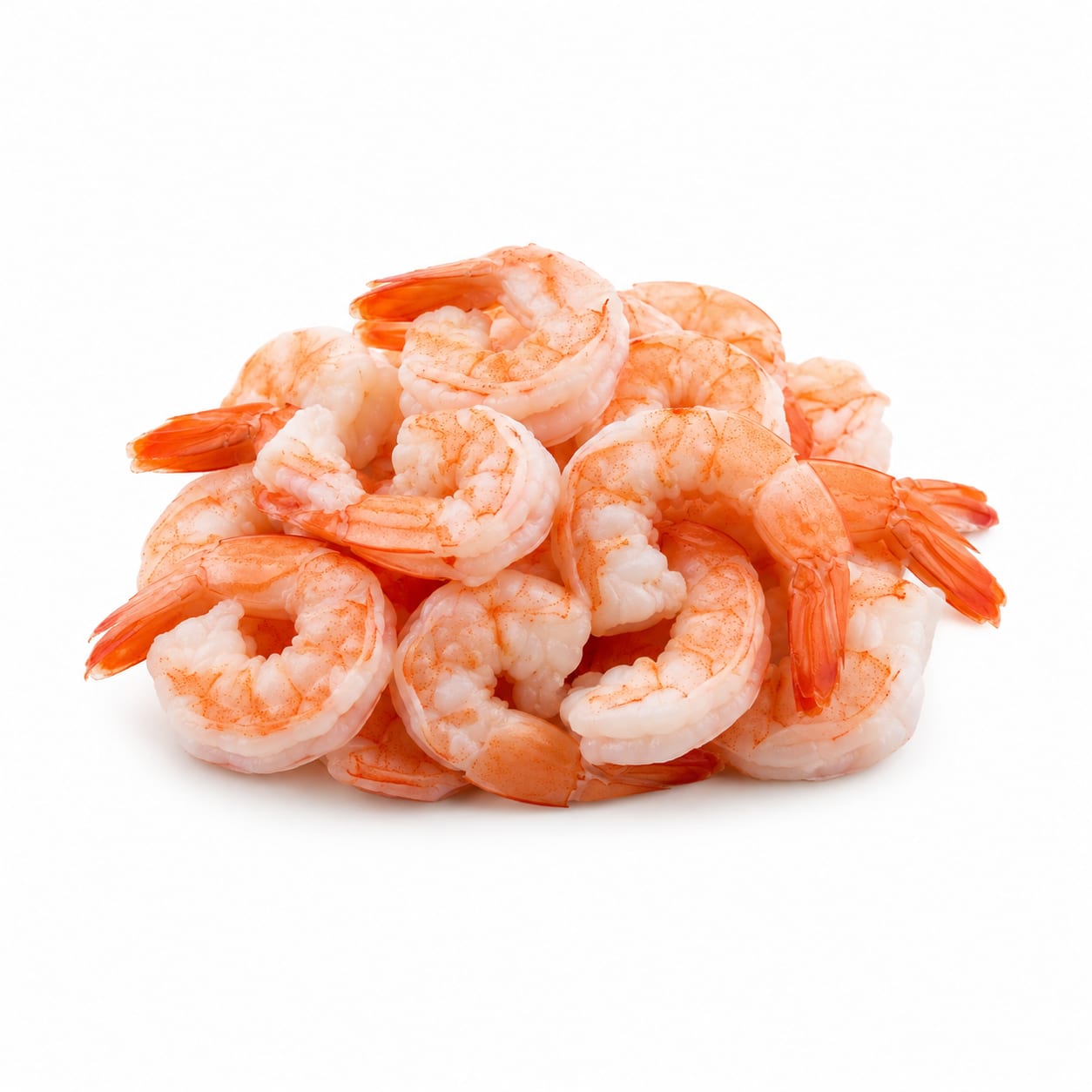
Seafood
Shrimp
Shrimp is a low-calorie, high-protein crustacean seafood rich in selenium and iodine, ideal for low-carb diets.
Shrimp is a popular crustacean seafood consumed worldwide, prized for its mild flavor, firm texture, and high protein content. It is naturally low in calories and carbohydrates while being rich in essential nutrients like selenium, iodine, and vitamin B12.
lean protein-dense shellfish
Typical serving · 85g
Common varieties · white shrimp, brown shrimp, pink shrimp, rock shrimp, tiger shrimp +1 more
Overall context score across nutrition, safety, and diet fit
At a glance
Quick facts
Simple indicators based on nutrition, processing, and diet fit.
The story
What makes it unique
Shrimp is a fast-digesting, lean protein source with virtually zero carbohydrates. Its high protein content promotes satiety, while its low energy density supports weight management. As a minimally processed whole food, it provides essential micronutrients and omega-3 fatty acids, though its dietary cholesterol content has minimal impact on blood cholesterol for most individuals.
Varieties: white shrimp · brown shrimp · pink shrimp · rock shrimp · tiger shrimp · spot prawns
Per 100g
Nutrition breakdown
Macro balance and key metrics at a glance.
Energy
Density 0.85 kcal/g
Protein
Carbs
Fat
Fiber
Sugar
0 g
Sodium
111 mg
Potassium
259 mg
Glycemic index
0
Glycemic load
0
Water content
75%
Standout compounds
Nutrient highlights
Selenium
highSupports thyroid function and protects cells from oxidative damage
Iodine
highEssential for synthesis of thyroid hormones regulating metabolism
Vitamin B12
moderateCrucial for nerve function and red blood cell formation
Astaxanthin
moderatePowerful anti-inflammatory antioxidant that supports heart and brain health
Protein
highProvides all essential amino acids for muscle growth and tissue repair
Wellness map
Health scores & processing
NOVA processing scale
minimally processed · Whole food
Fresh or frozen raw shrimp is a minimally processed whole food. Pre-cooked or breaded shrimp products may fall into Nova Group 3 or 4 due to added preservatives, sodium, or batter.
Diet compatibility
- Weight loss
- Muscle gain
- Diabetes
- Gut health
- Low carb
- High protein
- Heart health
Relative standing
Food rankings
Qualitative ranks compared to similar whole foods.
- Satietygood
- Blood sugarexcellent
- Nutrient densitygood
- Fitness fuelexcellent
- Processing qualityexcellent
Eat with confidence
Food safety profile
Shrimp poses a moderate risk for bacterial contamination if consumed raw or undercooked. Farmed imported shrimp carry a higher risk of antibiotic residues and heavy metal accumulation than wild-caught varieties. Proper cooking eliminates most microbial risks.
Evidence confidence 85%
- Pesticideslow
- Antibioticshigh
- Heavy metalsmoderate
- Contaminationmoderate
Watch for
- vibrio bacteria
- salmonella
- arsenic
- cadmium
- antibiotic residues
Safer choices
Wild-caught domestic shrimp or certified sustainably farmed shrimp with third-party testing.
Prep tips
Rinse raw shrimp under cold water, ensure thorough cooking to an internal temperature of 145°F (63°C), and avoid cross-contamination with raw juices.
Imported farm-raised shrimp frequently face scrutiny for illegal antibiotic residues and poor water quality standards compared to strict domestic regulations.
Deep dive
Health analysis
How this food may fit different goals and preparation choices.
Weight loss
Extremely low calorie and high protein, shrimp maximizes fullness per calorie and supports lean muscle retention during calorie deficits.
Blood sugar
With zero carbohydrates, shrimp has no glycemic impact and will not spike blood sugar, making it highly suitable for diabetic and low-carb diets.
Fitness & energy
Provides fast-digesting pure protein ideal for post-workout muscle repair, though it lacks carbohydrates for glycogen replenishment.
Gut health
Contains no dietary fiber, offering no direct prebiotic benefits. Some individuals may experience digestive discomfort due to shellfish sensitivities.
Processing quality
Raw or plain frozen shrimp is a whole, unprocessed food. Avoid pre-breaded or heavily seasoned shrimp which contain refined carbs and excess sodium.
Food safety
Primary concerns are bacterial contamination from raw handling and antibiotic residues in imported farmed varieties. Sourcing wild-caught or reputable farmed shrimp mitigates most risks.
Common mistakes
Drowning shrimp in butter, heavy sauces, or deep-frying batter negates its low-calorie benefits. Overcooking makes the texture rubbery and degrades delicate nutrients.
Best preparation
Grilling, steaming, boiling, or sautéing with minimal healthy oils like olive oil preserves its lean nutritional profile.
Practical guide
Best use cases
When and how this food fits real eating patterns.
post-workout recovery
Fast-digesting lean protein supports immediate muscle repair without heavy fat content slowing digestion.
low-carb meal base
Zero-carb protein foundation for keto pasta alternatives like zucchini noodles or shirataki.
weight loss entree
High volume and protein content provide fullness for very few calories when steamed or grilled.
iodine supplementation
Provides a highly bioavailable natural source of iodine essential for thyroid function.
Balance sheet
Pros & cons
Upsides
- Extremely high protein-to-calorie ratio
- Zero carbohydrates and zero sugar
- Rich in essential minerals like selenium and iodine
- Fast digesting for post-workout recovery
- Contains anti-inflammatory astaxanthin
- Very versatile for various cooking methods
Trade-offs
- High dietary cholesterol may concern some individuals
- Common allergen for shellfish-sensitive people
- Farmed varieties risk antibiotic and heavy metal contamination
- Zero fiber means it does not directly support gut motility
- Overcooking easily ruins texture and moisture
Fit check
Who is it for?
Great match
- weight loss diets
- low-carb and keto diets
- post-workout muscle recovery
- diabetes blood sugar management
- thyroid health support
Consider alternatives
- people with shellfish allergies
- strict whole-food plant-based diets
- those requiring high-fiber meals
- individuals highly sensitive to dietary cholesterol
Side by side
How it compares
Open the full head-to-head analysis for nutrition, safety, and practical tradeoffs.
This food
Shrimp
VS85% alike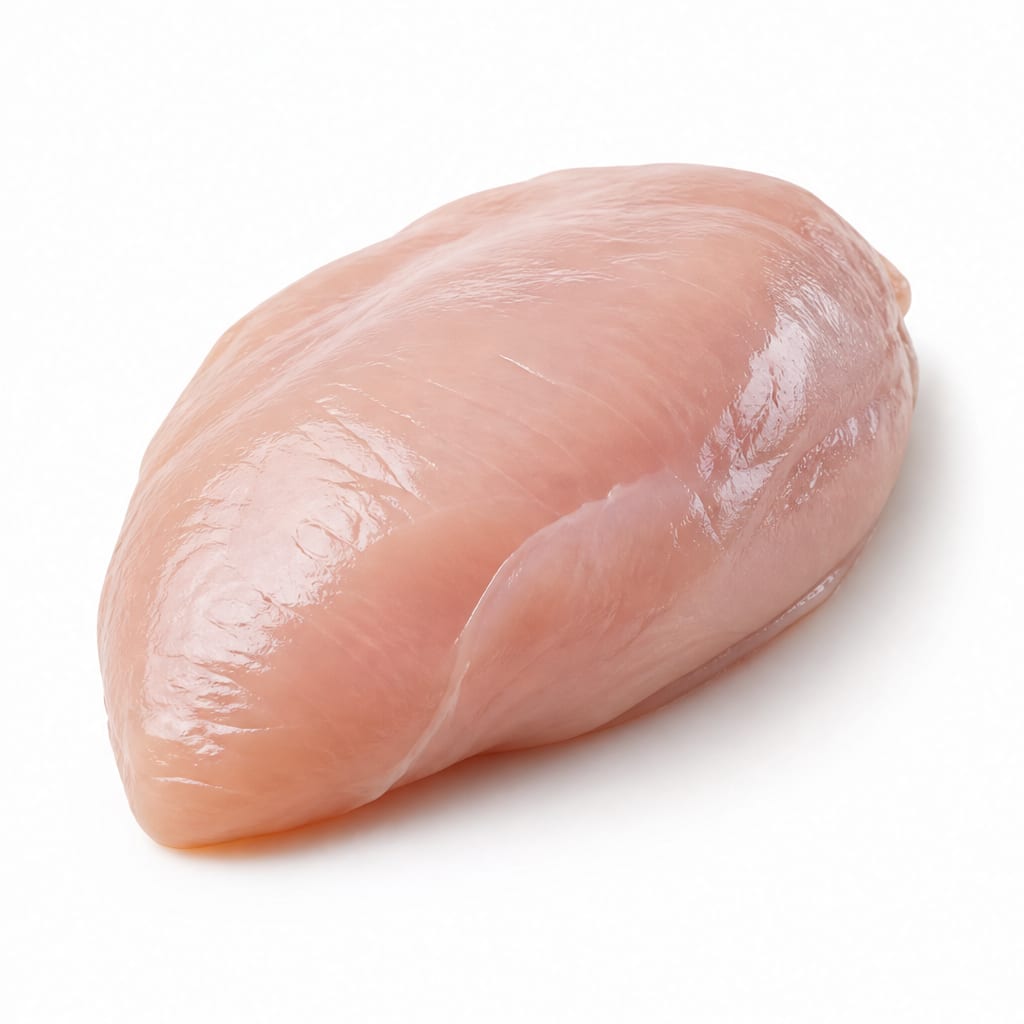
Compare with
Chicken Breast
Shrimp and chicken breast are both top-tier lean proteins. Shrimp offers more selenium and iodine, while chicken breast provides slightly more protein per dollar and is less prone to rubbery overcooking.
Shrimp provides more selenium and iodine, while chicken breast offers slightly better satiety and value per gram of protein.
This food
Shrimp
VS70% alike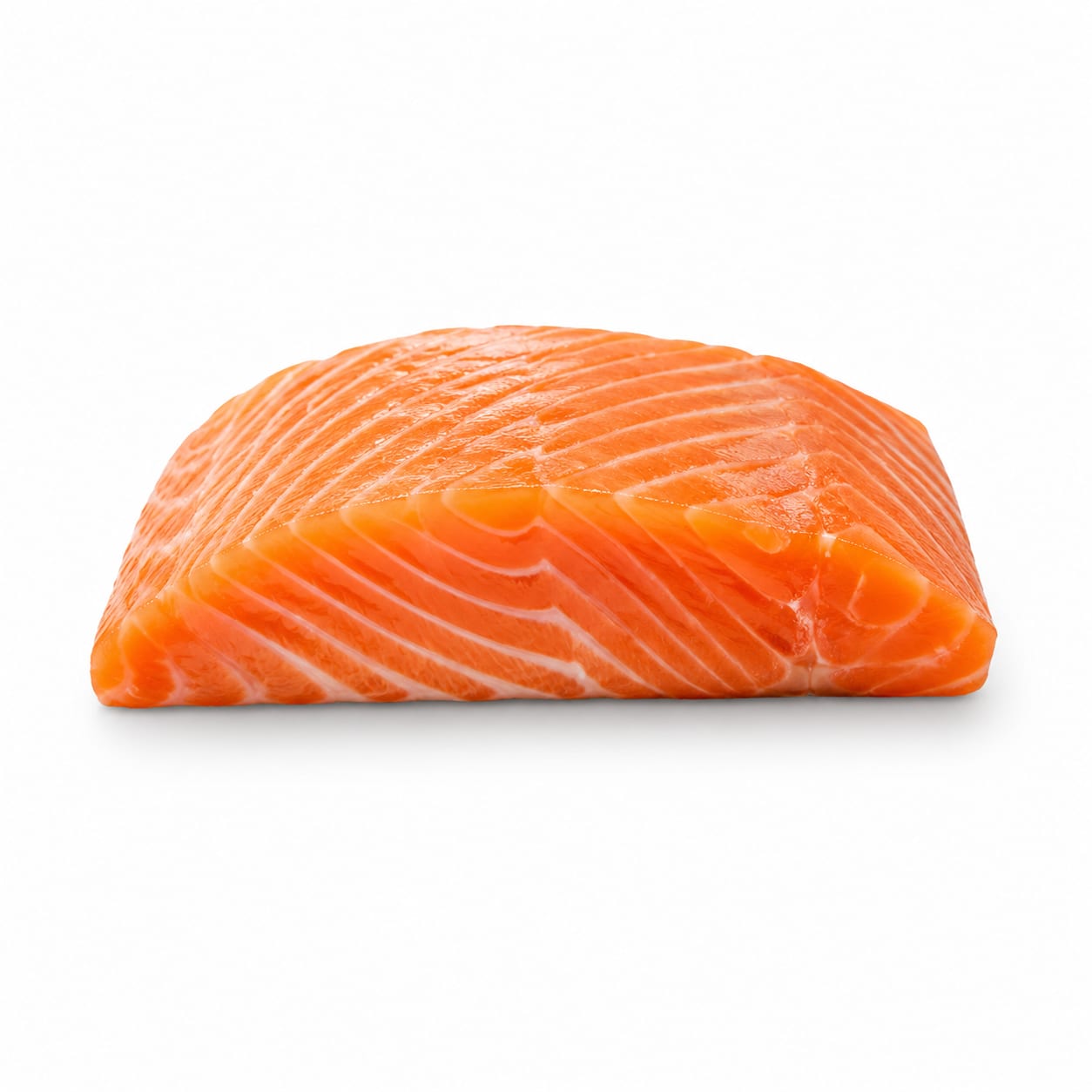
Compare with
Salmon
Salmon is high in omega-3 fats and calories, while shrimp is ultra-lean. Shrimp is better for strict low-calorie diets, whereas salmon excels for heart health and sustained energy.
Shrimp is much lower in calories and fat, while salmon provides abundant omega-3s for heart health and longer satiety.
This food
Shrimp
VS90% alike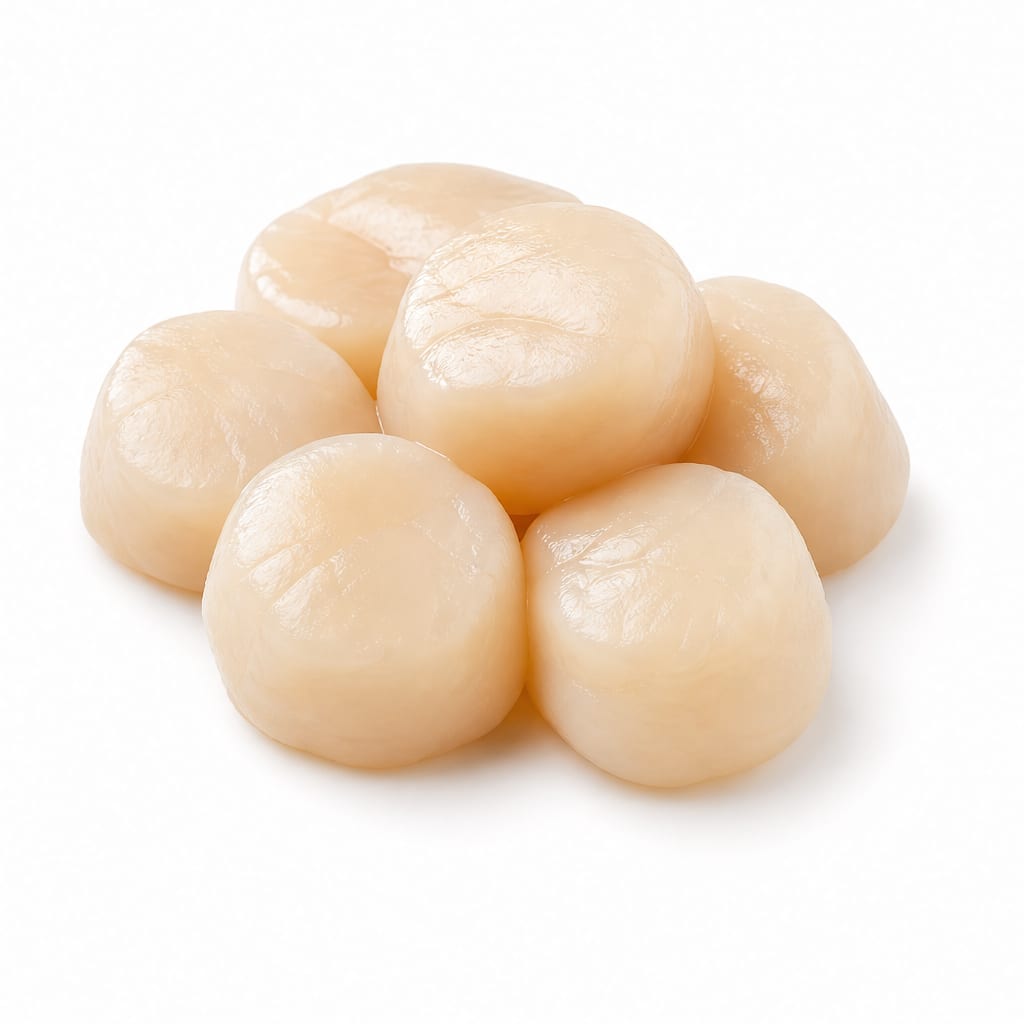
Compare with
Scallops
Scallops and shrimp are both lean, high-protein shellfish. Shrimp has slightly more cholesterol and a firmer texture, while scallops are marginally higher in calories and softer when cooked.
Shrimp is slightly lower in calories and higher in cholesterol, while scallops offer a tender texture and marginally higher calorie content.
This food
Shrimp
VS80% alike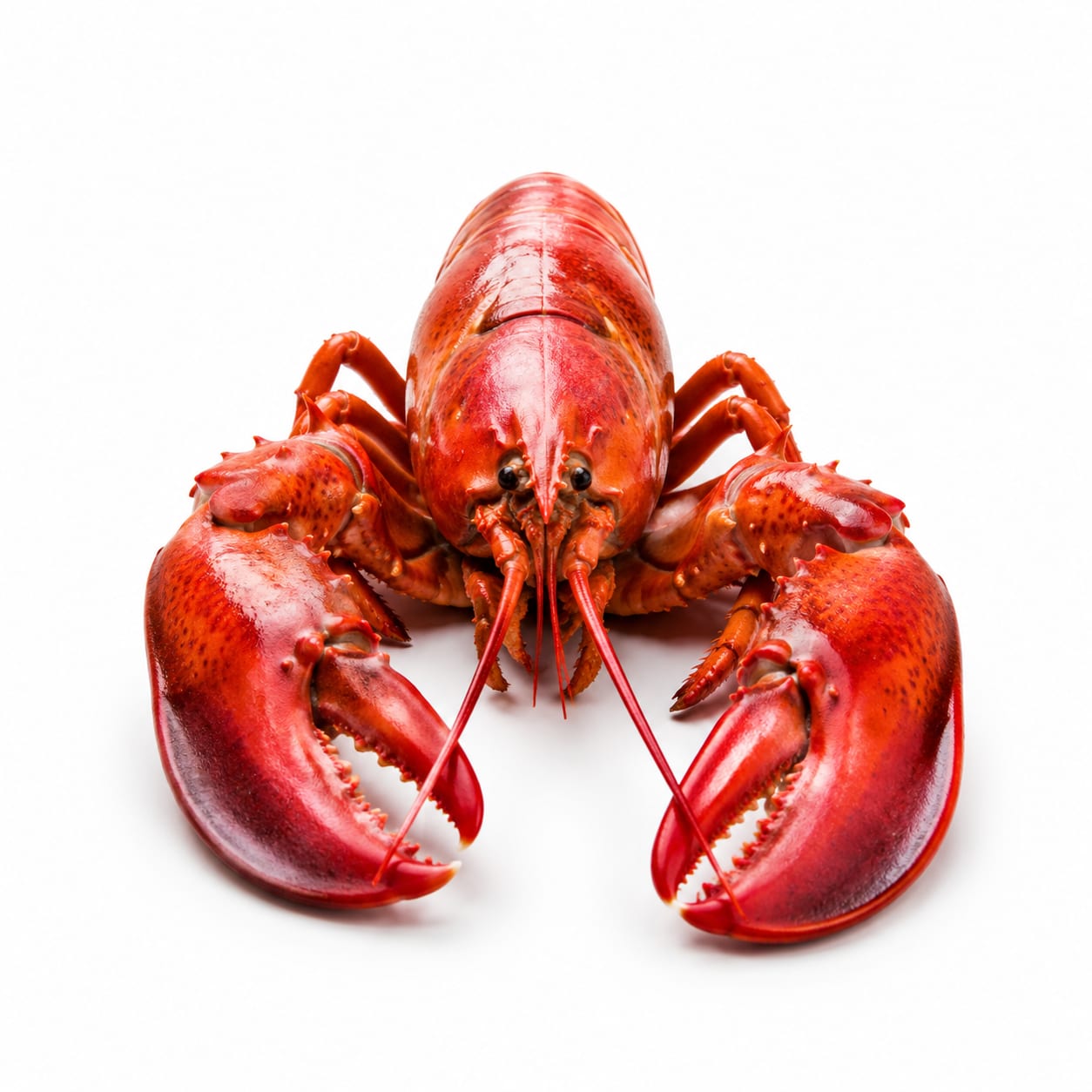
Compare with
Lobster
Lobster and shrimp are both very lean and low-calorie. Shrimp is more accessible, higher in selenium, and easier to prepare, while lobster is slightly higher in cholesterol and much more expensive.
Both are lean crustaceans, but shrimp is more affordable and convenient for daily meal prep while offering similar protein.
This food
Shrimp
VS60% alike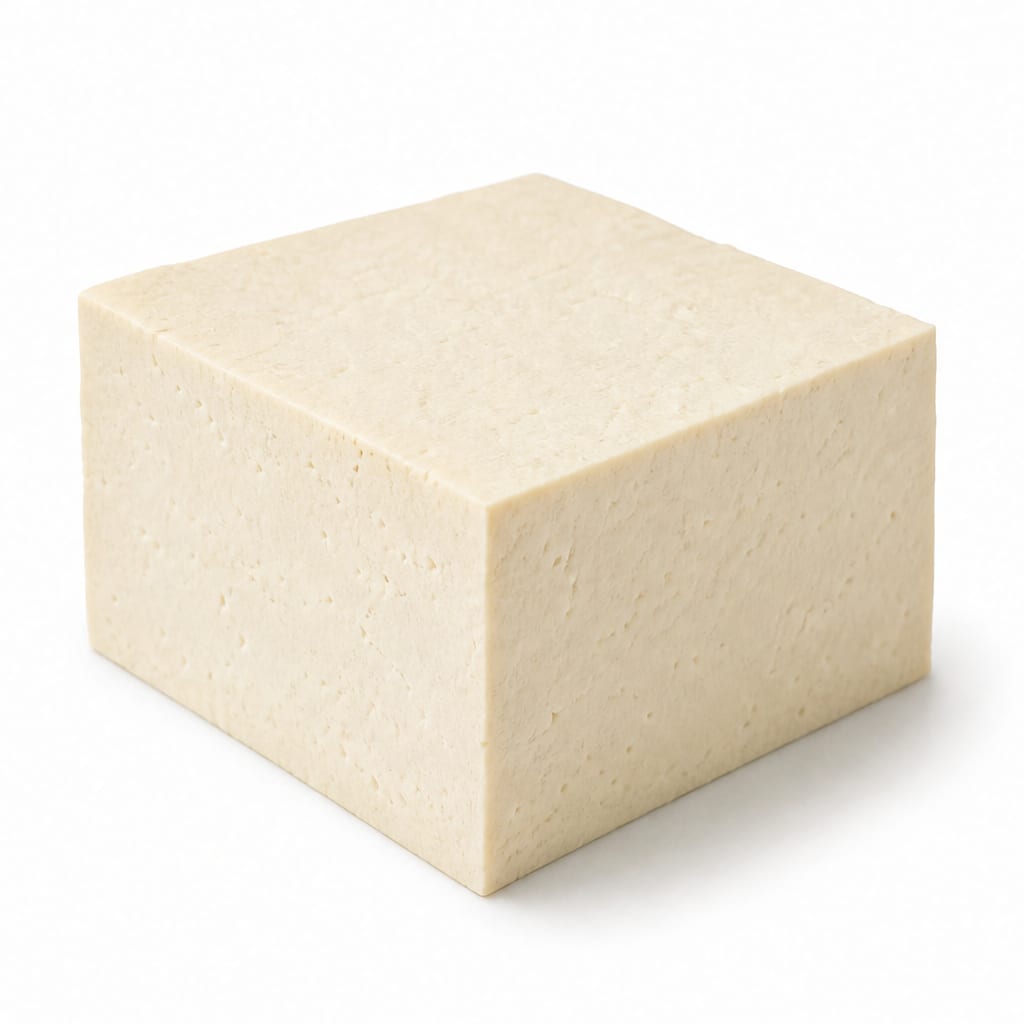
Compare with
Tofu
Shrimp is a zero-carb complete protein with no fiber, while tofu contains some carbs, healthy fats, and fiber. Tofu is better for gut health, while shrimp is superior for strict low-carb diets.
Shrimp is a zero-carb lean protein ideal for keto, while tofu provides plant-based protein with fiber and healthy fats for gut health.
This food
Shrimp
VS80% alike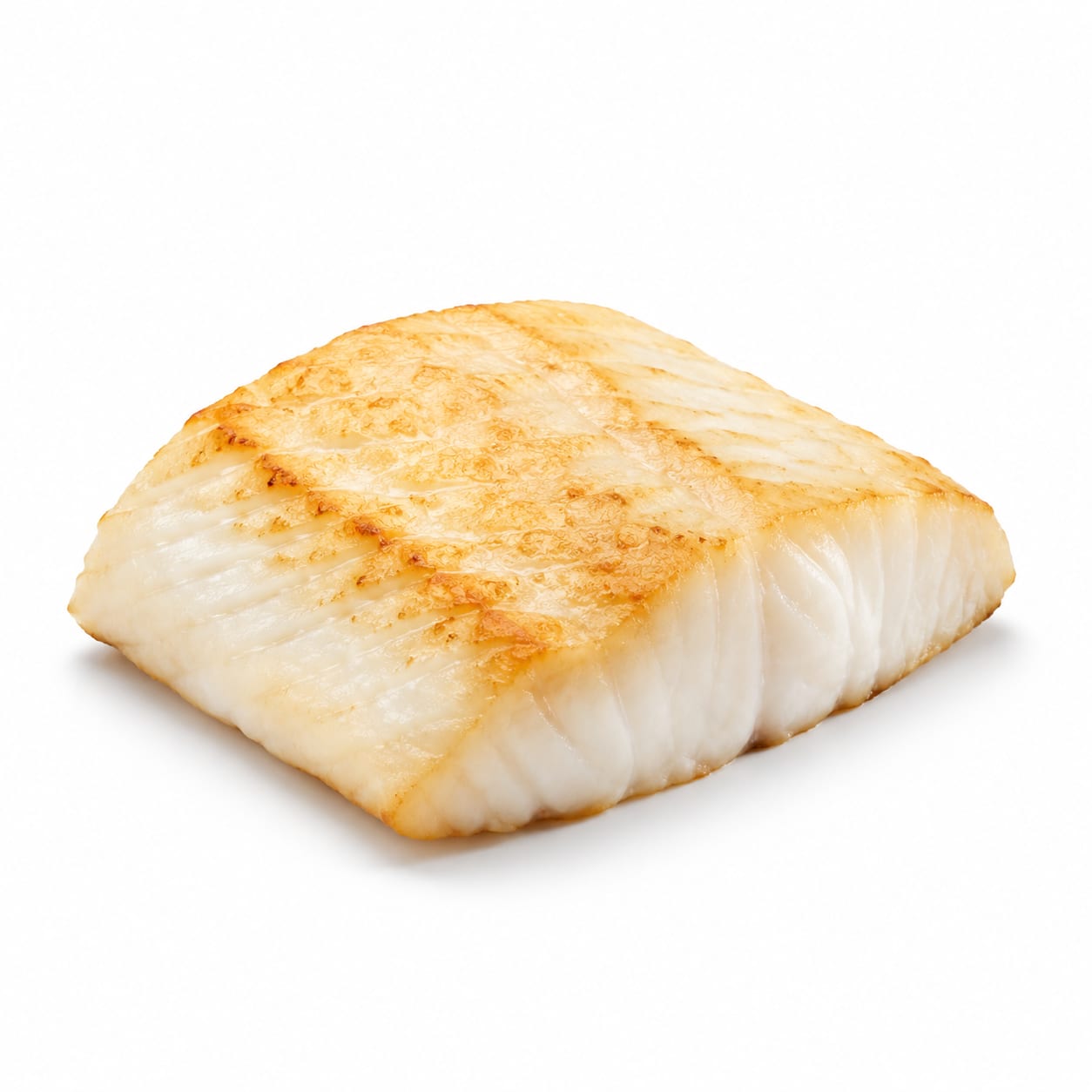
Compare with
Cod
Cod and shrimp are both ultra-lean white proteins. Shrimp has significantly more cholesterol and iodine, while cod is lower in sodium and offers larger, meatier fillets for main dishes.
Shrimp offers more iodine and selenium, while cod provides a meatier, low-sodium, low-cholesterol alternative with similar calories.
This food
Shrimp
VS75% alike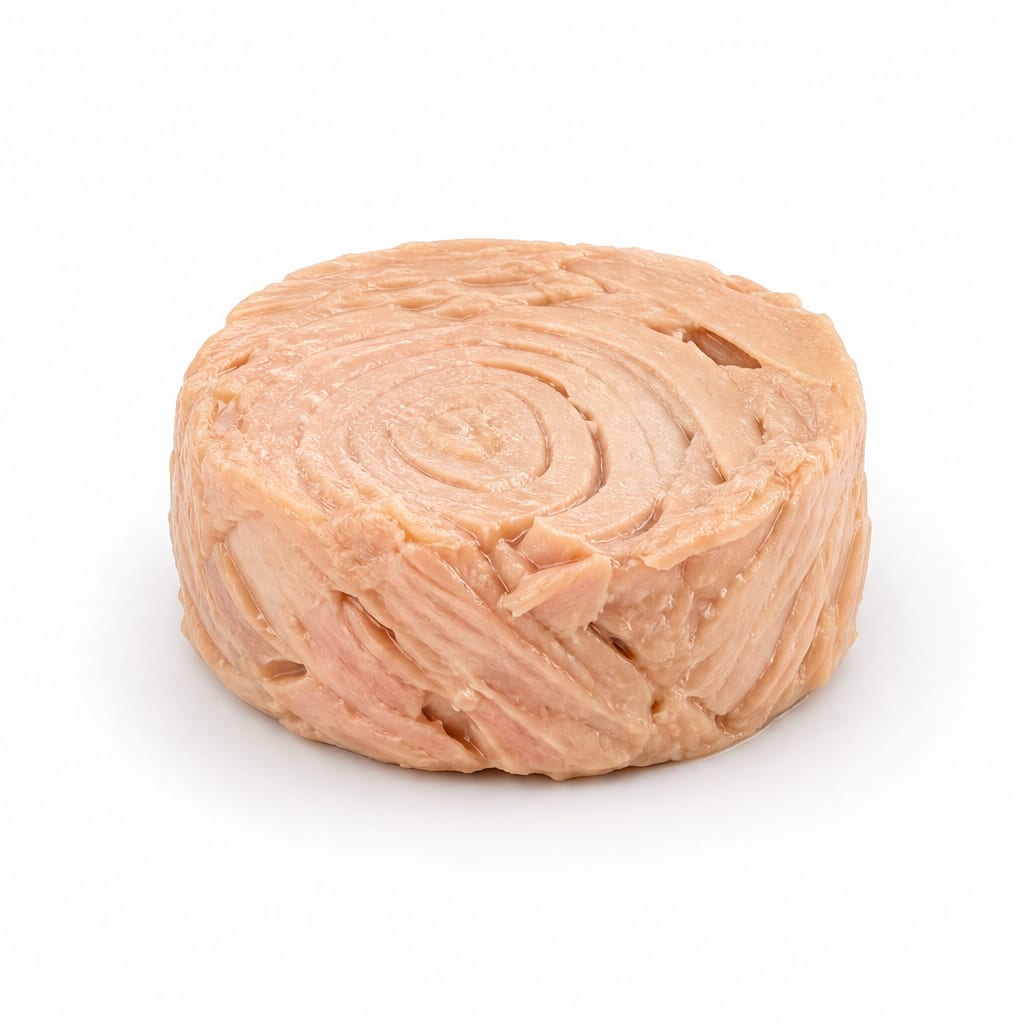
Compare with
Canned Tuna
Canned tuna is slightly higher in protein and much cheaper, but carries a higher mercury risk. Shrimp is lower in mercury and more versatile in cooking, but more perishable and expensive.
Canned tuna is cheaper and higher in protein, but shrimp is lower in mercury and more versatile for fresh cooking.
This food
Shrimp
VS70% alike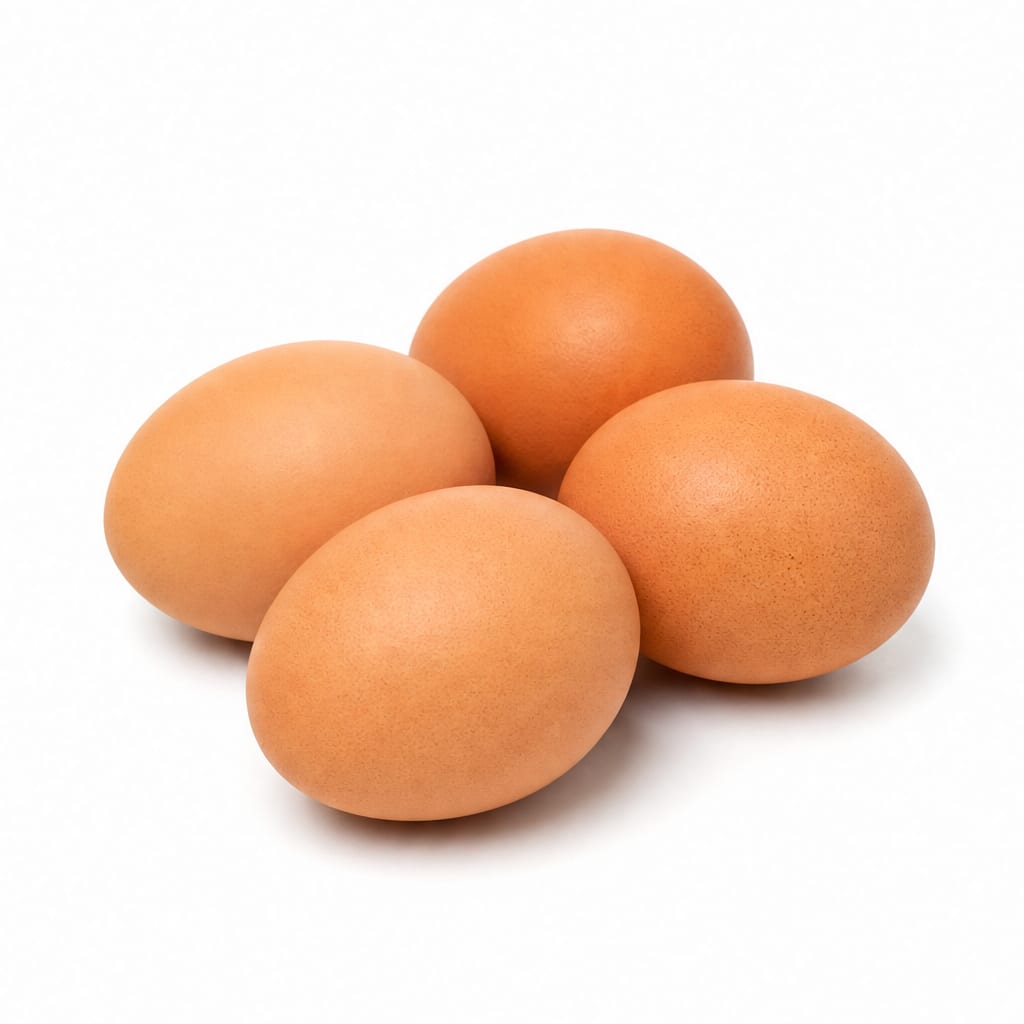
Compare with
Eggs
Eggs provide healthy fats, choline, and fat-soluble vitamins, while shrimp is almost fat-free and lower in calories. Shrimp is better for cutting, eggs are better for sustained energy and nutrient density.
Shrimp is much lower in calories and fat, making it better for weight loss, while eggs offer more fats, choline, and sustained energy.
This food
Shrimp
VS55% alike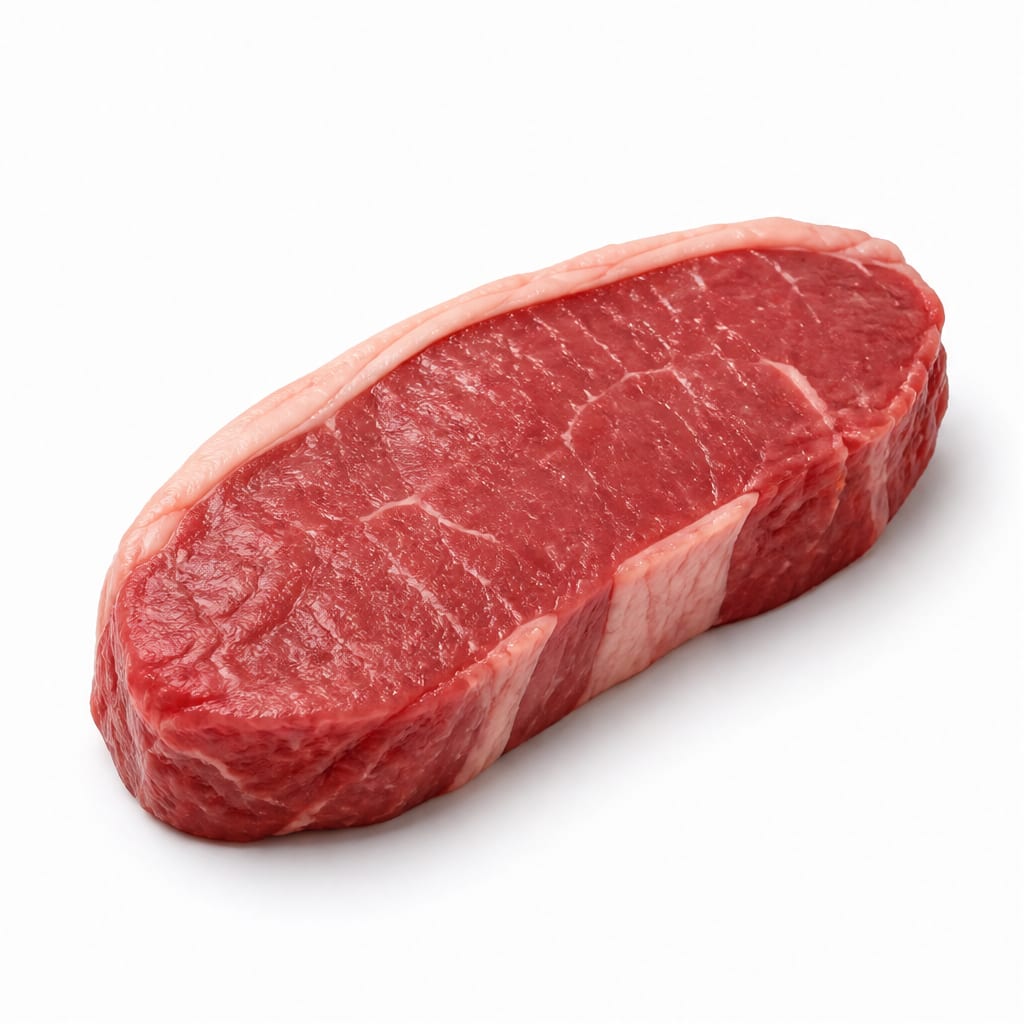
Compare with
Beef Sirloin
Beef sirloin provides iron, B vitamins, and higher fat, while shrimp is drastically lower in calories and saturated fat. Shrimp wins for low-calorie diets, beef wins for iron and satiety.
Shrimp is far lower in calories and saturated fat, while beef sirloin provides more iron, zinc, and lasting satiety.
This food
Shrimp
VS65% alike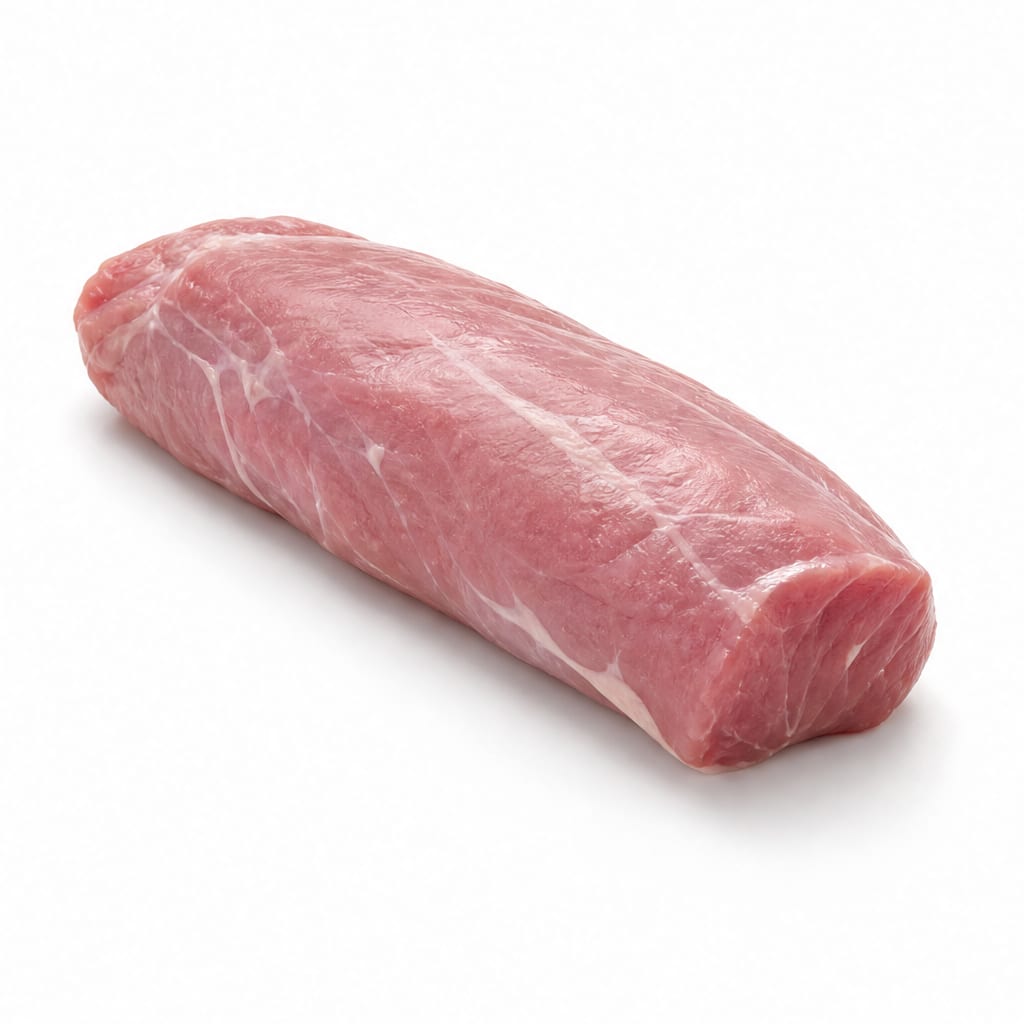
Compare with
Pork Tenderloin
Pork tenderloin is a very lean meat comparable to shrimp in protein quality but contains trace carbs and more fat. Shrimp is carb-free and lower calorie, while pork offers a heartier mouthfeel.
Shrimp is lower in calories and completely carb-free, while pork tenderloin provides a heartier texture with slightly more fat and B vitamins.
Common questions
FAQ
Answers aligned with how people search for this food.
Is shrimp good for weight loss?
Yes, shrimp is excellent for weight loss. It is very low in calories and high in protein, which increases satiety and helps maintain muscle mass while in a calorie deficit.
Does shrimp raise your cholesterol?
Shrimp contains dietary cholesterol, but for most people, dietary cholesterol has minimal impact on blood cholesterol. Saturated and trans fats impact blood cholesterol much more, and shrimp is very low in saturated fat.
Can diabetics eat shrimp?
Yes, shrimp contains zero carbohydrates and will not spike blood sugar. It is a safe and healthy protein choice for people managing diabetes.
Is farm-raised or wild-caught shrimp better?
Wild-caught shrimp generally has a better nutritional profile and lower risk of antibiotic or chemical contamination compared to conventionally farm-raised shrimp, though certified sustainable farms are improving their standards.
How much protein is in a serving of shrimp?
A standard 3-ounce (85g) serving of cooked shrimp provides about 20 grams of high-quality protein, making it comparable to chicken breast.
Can you eat shrimp on a keto diet?
Absolutely. Shrimp is naturally carb-free and fits perfectly into a ketogenic or strict low-carb diet, provided it is not breaded or served with sugary sauces.
What are the main vitamins in shrimp?
Shrimp is particularly rich in vitamin B12, selenium, iodine, and phosphorus. It also provides some omega-3 fatty acids and the antioxidant astaxanthin.
Why does shrimp turn pink when cooked?
Shrimp turns pink due to a heat-released antioxidant called astaxanthin. In raw shrimp, astaxanthin is bound to proteins that mask its color, but heat breaks these bonds, revealing the pink-red pigment.
Transparency
Data confidence
Estimated confidence for nutrition data, interpretation, safety notes, and comparisons.
Nutrition data
Health analysis
Food safety
Comparisons