
Nutrition comparison
Shrimp vs Lobster: Nutrition, Health Benefits, and Which to Choose
Compare shrimp and lobster side by side — protein, cholesterol, sodium, mercury, and cost. Find out which shellfish is better for weight loss, heart health, and weekly meal planning.
Overall winner · Shrimp
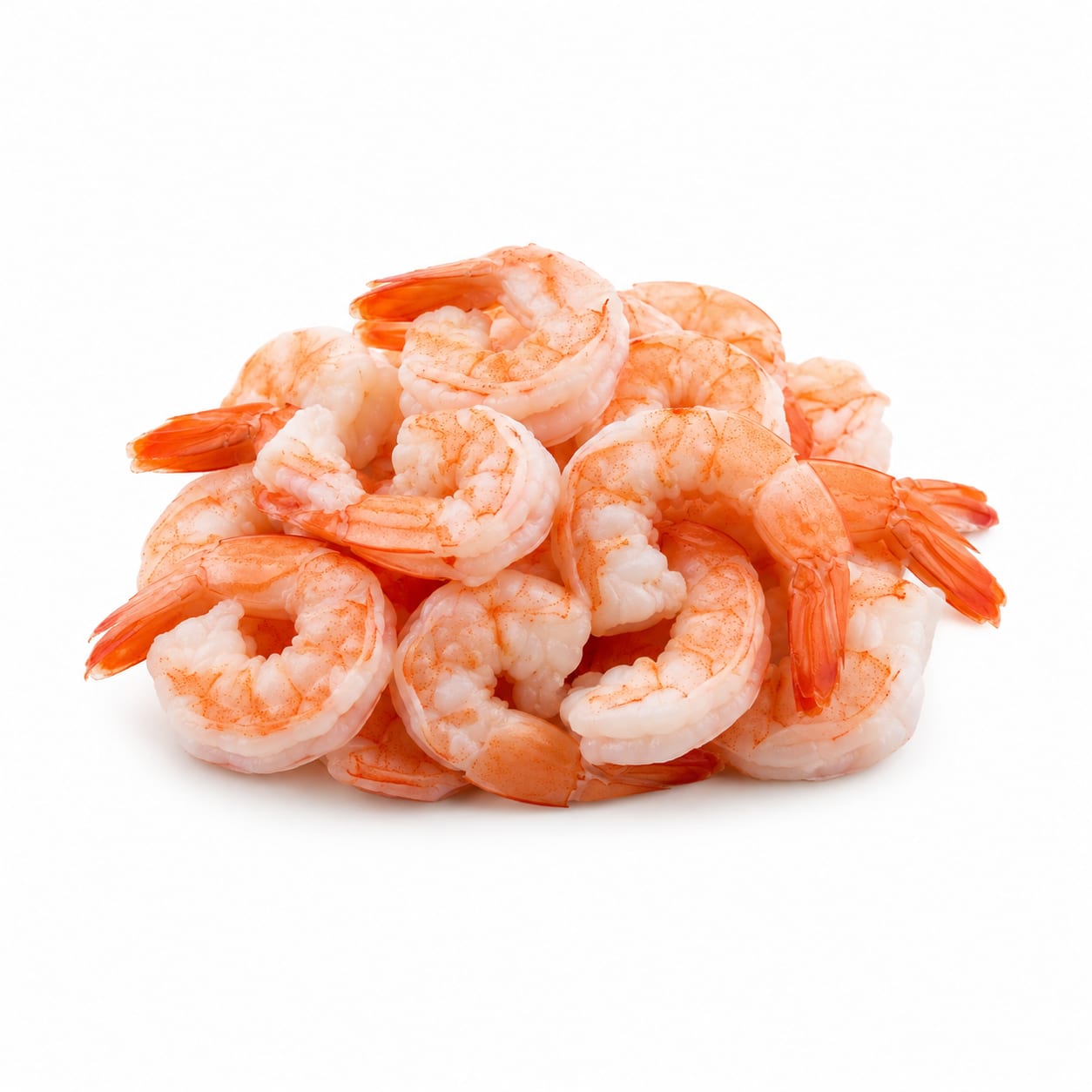
Shrimp
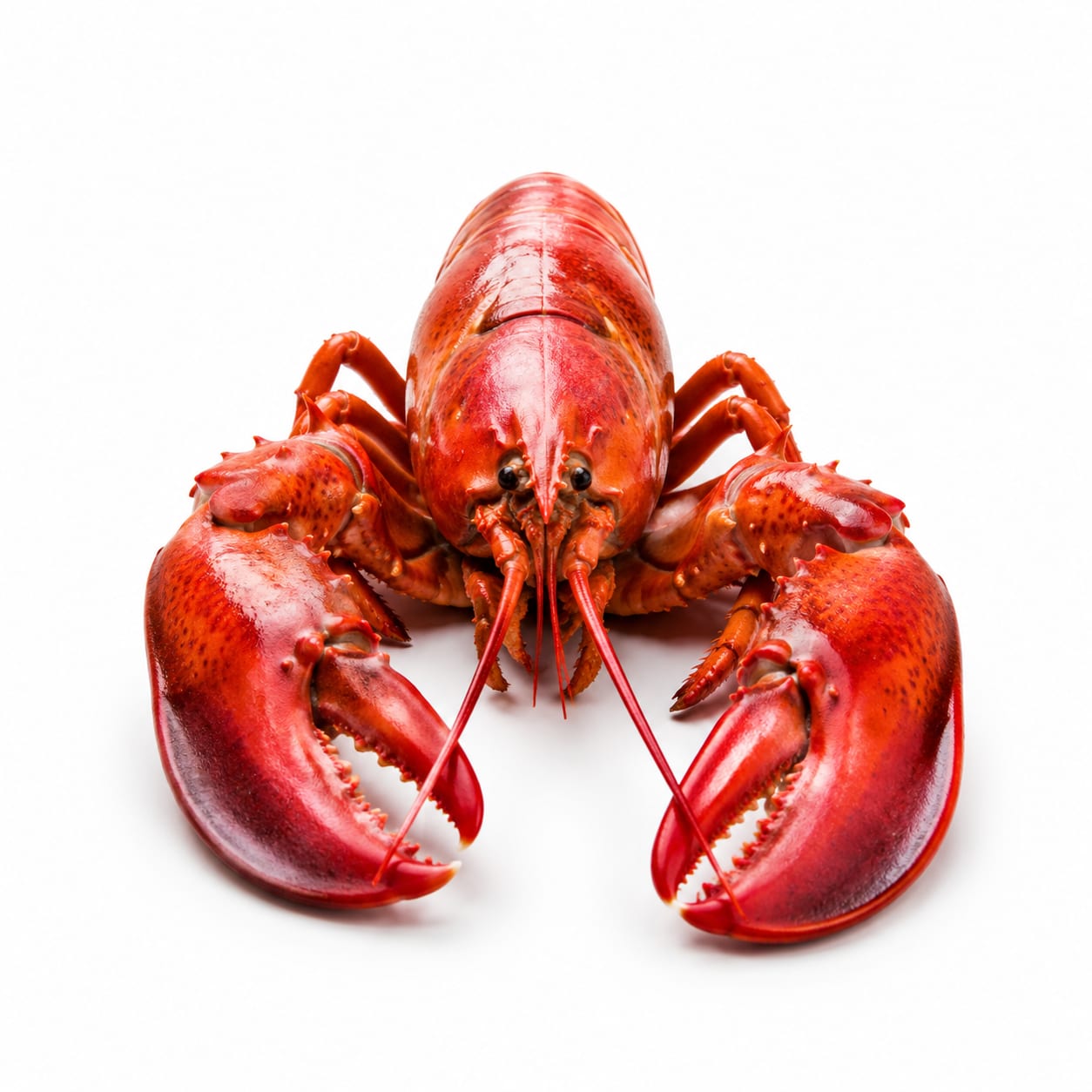
Lobster
Shrimp wins for everyday nutrition — lower calories, slightly more protein per bite, and far more affordable. Lobster is a richer indulgence with less cholesterol but higher sodium and cost.
Shrimp scores higher due to superior protein-to-calorie ratio, lower cost enabling frequent consumption, and slightly better nutrient density. Lobster loses ground on sodium, price, and practicality but remains a quality protein source for occasional enjoyment.
Shrimp gives you more protein per calorie and easier weekly access, while lobster offers a more luxurious eating experience with lower cholesterol but at triple the price and higher sodium.
At a glance
Executive summary
Overall
Shrimp
Healthier
Shrimp
More practical
Shrimp
Daily use
Shrimp
Key comparison lenses
protein quality and leanness for weight management
Both are lean shellfish prized for high-quality protein, but calorie and fat differences affect diet choices
cholesterol and heart health concerns
Shrimp is famously high in cholesterol, which scares some users despite updated science; lobster has less but still significant amounts
contaminant and heavy metal exposure
Shellfish accumulate mercury, microplastics, and contaminants differently based on habitat and farming practices
affordability and everyday practicality
Shrimp is a weeknight staple; lobster is a luxury item, making frequency of consumption very different
allergy and purine sensitivity
Both are shellfish allergens and high in purines, relevant for gout sufferers and allergic individuals
Best choice for
Shrimp
- Weekly meal prep and lean protein routines
- Calorie-conscious diets needing high satiety
- Budget-friendly seafood lovers
- Selenium and iodine optimization
Lobster
- Special occasion dining and celebrations
- Those specifically watching dietary cholesterol intake
- People wanting a richer, more satisfying seafood experience without butter
Least suitable for
Shrimp
- People strictly limiting dietary cholesterol
- Those with shellfish allergies
- Gout sufferers during flare-ups
Lobster
- Sodium-sensitive individuals on strict low-salt diets
- Budget-conscious weekly meal planners
- Those who need quick weeknight cooking options
Deep comparison
Dimension by dimension
Each lens scores both foods and breaks down who each option suits.
- Dimension 1 · Priority 93Shrimp
Protein Quality and Leanness
Shrimp · 90Lobster · 80Shrimp delivers more protein per calorie, making it one of the leanest animal proteins available. Lobster is still lean but slightly higher in calories per gram of protein.
Tradeoff
Shrimp gives you roughly 24g protein per 100 calories vs lobster's 19g — a meaningful difference when trimming body fat while preserving muscle.
Why it matters
Higher protein density means you stay fuller longer without overshooting your calorie budget, especially useful during cuts or weight maintenance phases.
Real-world impact
A shrimp stir-fry fills you up on fewer calories than a lobster roll, making it easier to stick to your plan without feeling deprived.
Shrimp
- Cutting phases where every calorie counts
- High-protein meal prep on a budget
Better for
- Those who find lean proteins unsatisfying without added fats
Worse for
Lobster
- Meals where richness and satisfaction matter more than calorie math
Better for
- Anyone tracking calories closely who needs maximum protein per bite
Worse for
- Dimension 2 · Priority 88Lobster
Cholesterol and Heart Health
Shrimp · 55Lobster · 72Lobster contains significantly less cholesterol than shrimp — roughly 60mg vs 190mg per 3oz serving. However, dietary cholesterol impacts blood cholesterol less than once believed for most people.
Tradeoff
If your doctor has specifically flagged your dietary cholesterol, lobster is the safer pick. For most healthy people, shrimp's cholesterol is unlikely to move the needle on heart risk.
Why it matters
About 20% of people are hyper-responders to dietary cholesterol. For them, shrimp's 190mg per serving could meaningfully raise LDL. For the other 80%, saturated fat matters far more.
Real-world impact
If you have a family history of high cholesterol or your last bloodwork showed elevated LDL, lobster lets you enjoy shellfish with less worry.
Shrimp
- People with normal cholesterol who prioritize overall diet quality over single nutrients
Better for
- Anyone already at or above their daily cholesterol limit from other foods
Worse for
Lobster
- Hyper-responders to dietary cholesterol
- Those following doctor-recommended low-cholesterol diets
Better for
- People who assume all shellfish are equal in cholesterol and overeat it
Worse for
- Dimension 3 · Priority 82Shrimp
Sodium Load
Shrimp · 78Lobster · 55Lobster naturally contains more sodium than shrimp — roughly 330mg vs 190mg per 3oz serving. Restaurant lobster preparations with butter and seasoning push this even higher.
Tradeoff
Shrimp's lower baseline sodium gives you more room to season it yourself. Lobster starts saltier and often gets served with drawn butter, easily doubling the sodium hit.
Why it matters
For blood pressure management, that 140mg difference per serving adds up across a week of eating, especially if seafood is a regular protein source.
Real-world impact
A lobster dinner at a restaurant can deliver 800-1200mg of sodium before sides. A home-cooked shrimp dish stays closer to 300-400mg with light seasoning.
Shrimp
- Hypertension patients monitoring sodium closely
- Home cooks who want control over salt content
Better for
- Those who over-salt shrimp dishes during cooking, negating the advantage
Worse for
Lobster
- Active individuals who lose more sodium through sweat and need replenishment
Better for
- Anyone on a 1500mg daily sodium limit trying to stay under budget
Worse for
- Dimension 4 · Priority 85It depends
Contaminant and Heavy Metal Exposure
Shrimp · 62Lobster · 65Both carry contamination risks but from different sources. Farmed shrimp often show antibiotic residues and higher microplastics. Lobster accumulates more mercury but generally comes from wild fisheries with better oversight.
Tradeoff
Wild-caught shrimp minimizes most contamination concerns but costs more. Lobster is almost always wild-caught, giving it a consistency advantage in purity, but its longer lifespan means more mercury accumulation.
Why it matters
If you eat shellfish weekly, cumulative exposure to antibiotics, microplastics, or mercury becomes a real consideration for hormonal and neurological health.
Real-world impact
Choosing wild-caught shrimp or domestic lobster significantly reduces your contaminant load compared to imported farmed shrimp from loosely regulated regions.
Shrimp
- Buyers who can source wild-caught domestic shrimp consistently
- Those concerned about mercury specifically
Better for
- Anyone regularly buying cheap imported farmed shrimp
Worse for
Lobster
- People who want wild-caught assurance without researching sourcing
- Those more worried about antibiotic residues than mercury
Better for
- Pregnant women who need to minimize mercury exposure
Worse for
- Dimension 5 · Priority 78Shrimp
Nutrient Density Beyond Protein
Shrimp · 82Lobster · 75Shrimp packs more selenium, iodine, and vitamin B12 per calorie than lobster. Both deliver solid micronutrients, but shrimp's lower calorie base makes its nutrient density shine brighter.
Tradeoff
Lobster offers slightly more zinc and copper, but shrimp wins on selenium — a critical mineral for thyroid function and antioxidant defense that many people under-consume.
Why it matters
Selenium deficiency affects thyroid health and immune resilience. A single serving of shrimp covers roughly 50% of your daily selenium needs for very few calories.
Real-world impact
Eating shrimp twice a week meaningfully supports thyroid health and antioxidant capacity without adding significant calories to your diet.
Shrimp
- Those with borderline thyroid function needing iodine and selenium
- Anyone wanting maximum micronutrients per calorie
Better for
- Those with selenium toxicity from supplementation who need less, not more
Worse for
Lobster
- People who already get plenty of selenium from Brazil nuts or other sources
Better for
- Anyone relying on shellfish as their primary selenium source
Worse for
- Dimension 6 · Priority 80Shrimp
Affordability and Practicality
Shrimp · 92Lobster · 35Shrimp costs $8-15 per pound and cooks in 2-3 minutes. Lobster runs $25-50+ per pound and requires more effort to prepare and eat. This isn't close.
Tradeoff
You can eat shrimp three times a week for what one lobster dinner costs. Frequency of consumption matters more for health outcomes than any single nutrient difference.
Why it matters
The healthiest food is the one you actually eat regularly. Shrimp's affordability makes consistent seafood intake realistic; lobster's price relegates it to special occasions.
Real-world impact
A bag of frozen shrimp thaws in 15 minutes and pairs with any vegetable for a complete meal. Lobster requires planning, expense, and usually a restaurant visit.
Shrimp
- Weekly meal preppers needing reliable protein
- Families wanting affordable seafood options
- Busy professionals needing fast cooking times
Better for
- Those who find frozen shrimp texture inferior and only want fresh
Worse for
Lobster
- Celebratory meals where the experience justifies the cost
- Diners who eat out occasionally and want something special
Better for
- Anyone trying to build a consistent seafood-eating habit on a budget
Worse for
Timeline
Health impact over time
Short-term
Hours to days
Shrimp
- Quick-digesting lean protein that satisfies hunger without heaviness
- Fast cooking makes it easy to avoid unhealthy preparation shortcuts
- Shellfish allergy risk — reactions can be severe and sudden
Lobster
- Richer mouthfeel provides more eating satisfaction from smaller portions
- Higher sodium content may cause bloating in sensitive individuals
- Same shellfish allergy risk as shrimp with potential cross-reactivity
Long-term
Months to years
Shrimp
- Regular lean protein intake supports muscle maintenance and metabolic health
- High selenium intake protects thyroid function and cellular antioxidant defenses
- Cholesterol concerns are minimal for most people but relevant for hyper-responders
- Frequent consumption of farmed shrimp may increase antibiotic and contaminant exposure
Lobster
- Occasional consumption as a luxury protein poses minimal health risks
- Mercury accumulation is a consideration if eaten more than once per week
- Lower cholesterol load makes it more compatible with heart-conscious diets long-term
- Higher sodium baseline becomes relevant with regular consumption
Risk profile
Safety & processing
Both are whole, minimally processed foods in their natural form. However, farmed shrimp often receives sodium tripolyphosphate (STPP) as a preservative to retain moisture, which adds sodium and creates a slightly soapy texture. Lobster is almost always sold fresh or frozen without additives. Wild-caught shrimp avoids this concern entirely.
Shrimp
Antibiotic residues in farmed shrimp
mediumImported farmed shrimp from Southeast Asia frequently test positive for banned antibiotics. Choose wild-caught or domestic farmed to minimize exposure.
Shellfish allergy
highShrimp is one of the top eight allergens. Reactions can range from hives to anaphylaxis. Cross-reactivity with lobster and other crustaceans is common.
Microplastic contamination
mediumShrimp ingest microplastics from polluted waters, and consumers eat the entire animal including the digestive tract unless deveined.
Sodium tripolyphosphate additive
lowCommon in commercial frozen shrimp to retain moisture. Adds sodium and can affect texture. Check labels for STPP-free options.
Lobster
Mercury accumulation
mediumLobster accumulates moderate mercury levels over its long lifespan. Not as high as swordfish or tuna, but worth monitoring if eaten frequently.
Shellfish allergy
highFull crustacean allergen. Cross-reactive with shrimp, crab, and crawfish. Reactions can be severe and unpredictable.
Foodborne illness from undercooking
mediumLobster must be cooked thoroughly. Undercooked lobster can harbor Vibrio bacteria, especially in warm-water harvests.
High natural sodium
lowNot a contamination risk per se, but lobster's naturally high sodium content is a health concern for salt-sensitive individuals.
Who wins for whom
Audience fit
Same foods, different winners depending on your goal.
children
ShrimpSmaller portions, milder flavor, easier texture for kids to handle, and lower mercury exposure. Lobster's higher sodium and mercury make it less ideal for developing bodies.
daily consumption
ShrimpAffordability, lower sodium, lower mercury, and faster cooking make shrimp realistic as a 2-3 times per week protein. Lobster is best limited to occasional meals due to cost and mercury.
diabetes
ShrimpBoth have zero carbs and minimal impact on blood sugar, but shrimp's lower calorie count makes portion management easier for weight control, which is the primary diabetes concern.
elderly
It dependsShrimp is better for those needing calorie-controlled protein and selenium for immune support. Lobster may suit those with cholesterol concerns or difficulty chewing, as the meat is softer and easier to digest.
muscle gain
ShrimpHigher protein density per calorie and per dollar means you can eat more shrimp more often, supporting consistent muscle protein synthesis throughout the week.
weight loss
ShrimpShrimp delivers more protein per calorie and costs less, making it easier to eat frequently as a lean protein staple during calorie deficits.
Your move
Decision guide
Choose Shrimp
- You want a lean protein you can afford to eat multiple times per week
- You're tracking calories and need maximum protein per bite
- You have normal cholesterol levels and no specific dietary cholesterol restrictions
- You meal prep and need something that thaws and cooks fast
- You want the highest selenium and iodine boost for thyroid support
Choose Lobster
- Your doctor has specifically asked you to limit dietary cholesterol
- It's a special occasion and you want something luxurious and satisfying
- You prefer wild-caught seafood but don't want to research shrimp sourcing
- You find lean proteins unsatisfying and prefer richer-tasting options
Either works if
- You have a shellfish allergy — both are equally off-limits
- You have gout and are avoiding purines — both are high-risk
- You just want a high-quality protein and price isn't a factor
Avoid both if
- You have a diagnosed shellfish allergy — reactions can be life-threatening
- You're in the middle of a gout flare — both are high-purine triggers
- You're pregnant and concerned about mercury — consult your doctor about safe shellfish frequency
Final recommendation
Make shrimp your everyday shellfish and save lobster for celebrations. Shrimp's combination of lower calories, higher protein density, better affordability, and lower sodium makes it the smarter weekly choice. When you do eat lobster, enjoy it without guilt — just go easy on the butter and watch portion sizes if sodium is a concern. For both, always source wild-caught when possible to minimize contaminant exposure.
Practical
Consumer tips
- 1
Buy wild-caught domestic shrimp to avoid antibiotic residues — look for 'product of USA' on the label
- 2
Check frozen shrimp labels for sodium tripolyphosphate (STPP) and choose additive-free brands
- 3
Thaw shrimp under cold running water for 15 minutes rather than microwaving to preserve texture
- 4
Lobster is almost always wild-caught, giving you automatic sourcing confidence
- 5
Skip the drawn butter with lobster — a squeeze of lemon saves you 200+ calories and 500mg+ sodium
- 6
If cholesterol concerns you, pair shrimp with soluble fiber sources like oats or beans to blunt absorption
- 7
Pregnant women can safely eat both in moderation — 2-3 servings of shrimp per week and 1 serving of lobster per week is generally considered safe
- 8
Devein shrimp to reduce microplastic and contaminant exposure from the digestive tract