
Nutrition comparison
Shrimp vs Beef Sirloin: Nutrition, Protein, and Health Comparison
Compare shrimp and beef sirloin to see which is better for weight loss, muscle gain, and heart health. Discover the nutritional tradeoffs between these two high-protein foods.
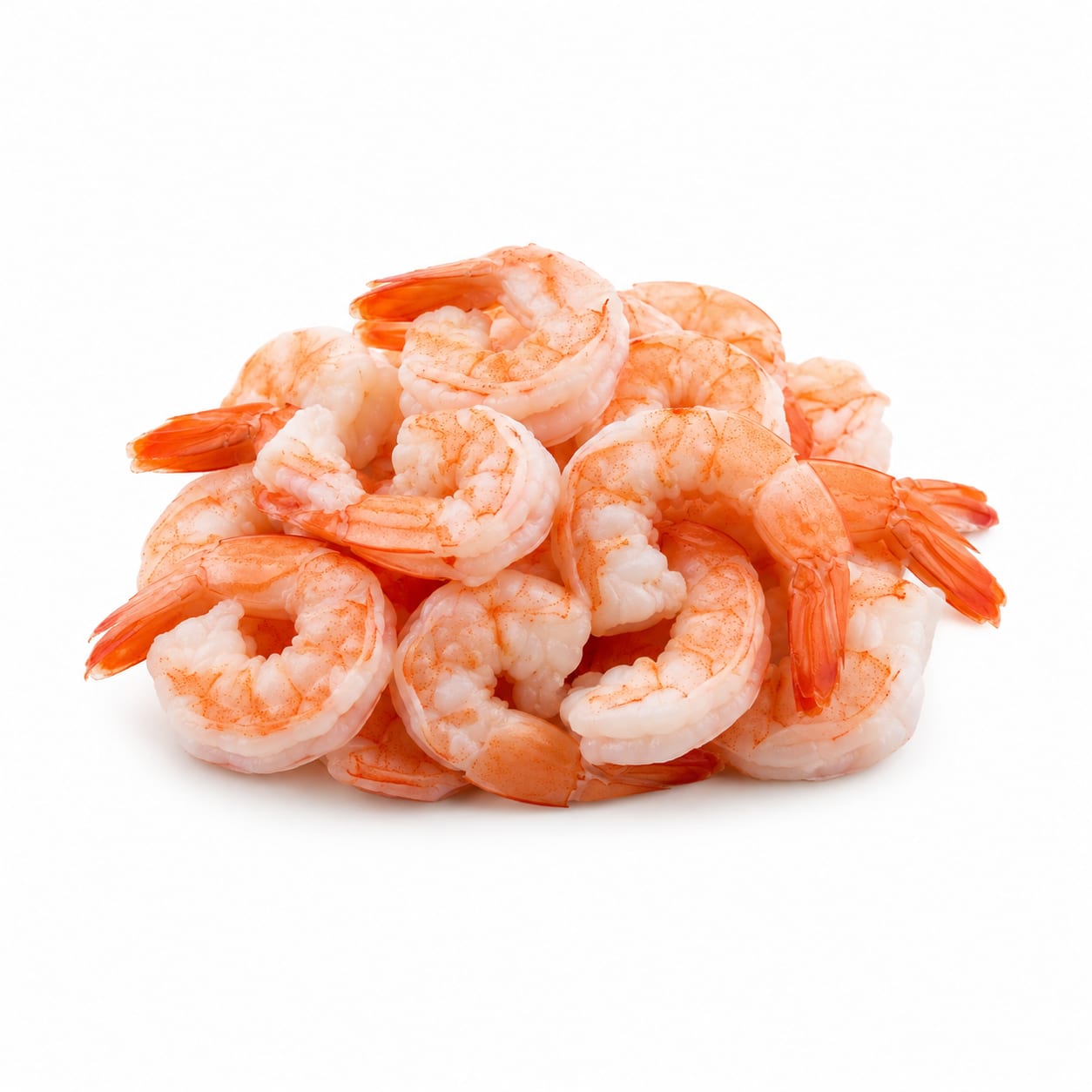
Shrimp
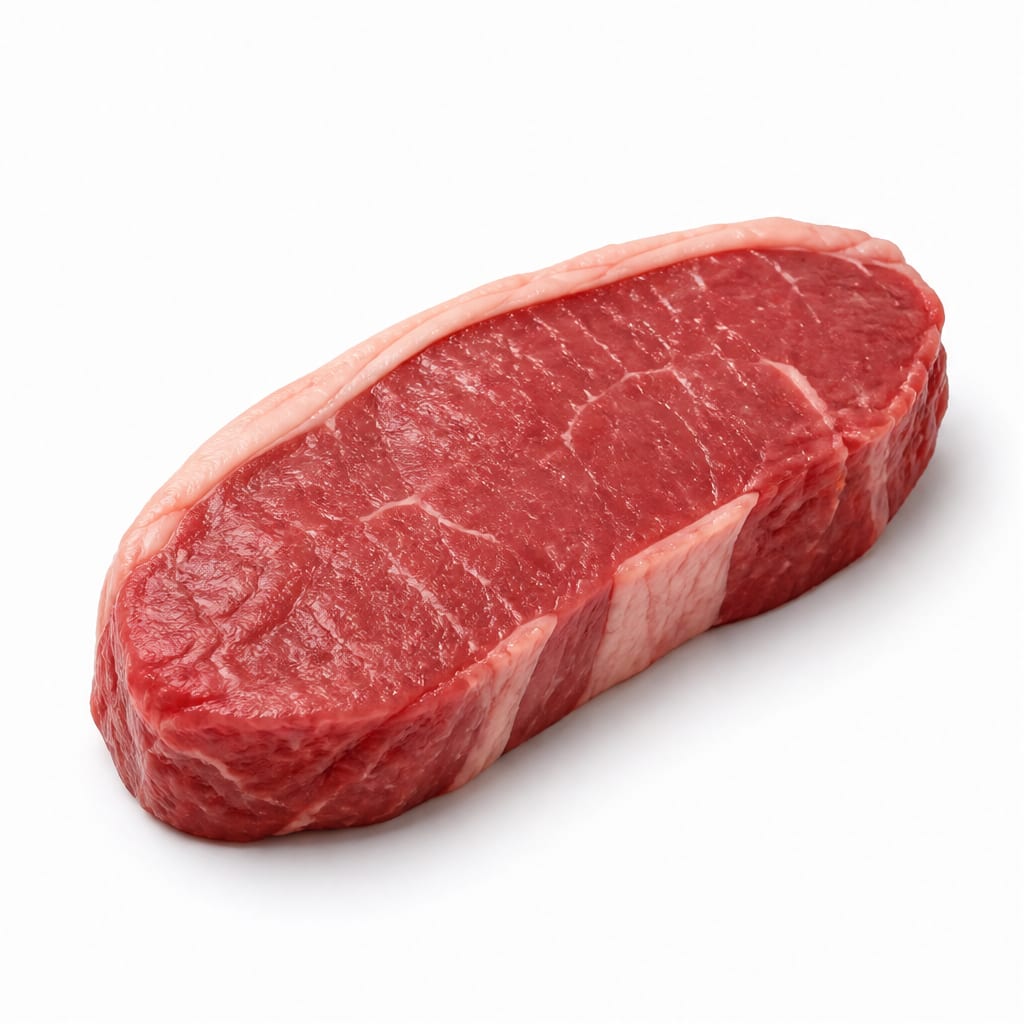
Beef Sirloin
Shrimp is lighter and heart-friendlier, while beef sirloin delivers heavier satiety and unmatched iron.
Shrimp edges ahead slightly for calorie efficiency and heart health, but beef sirloin's micronutrient density keeps it highly competitive.
Low-calorie lean protein with omega-3s versus higher-calorie protein with superior iron and B-vitamins.
At a glance
Executive summary
Overall
It depends
Healthier
It depends
More practical
It depends
Daily use
It depends
Key comparison lenses
Heart health vs iron needs
Shrimp is low in saturated fat but high in dietary cholesterol, while beef sirloin is higher in saturated fat but packed with bioavailable iron.
Calorie efficiency and weight management
Shrimp offers massive protein volume for very few calories, whereas beef sirloin is more calorie-dense.
Contamination and allergy risks
Shrimp carries shellfish allergy and heavy metal concerns, while beef sirloin carries antibiotic and hormone risks depending on sourcing.
Satiety and meal satisfaction
Beef sirloin provides longer-lasting fullness due to fat content, while shrimp digests quickly.
Best choice for
Shrimp
- Weight loss and calorie restriction
- Heart-conscious diets
- Light post-workout recovery
Beef Sirloin
- Muscle gain and heavy training
- Iron deficiency correction
- Sustained hunger relief
Least suitable for
Shrimp
- Shellfish allergy sufferers
- Gout flare-ups
- Those watching purines
Beef Sirloin
- Strict low-saturated-fat diets
- Those avoiding red meat
- Severe cholesterol hyper-responders
Deep comparison
Dimension by dimension
Each lens scores both foods and breaks down who each option suits.
- Dimension 1 · Priority 90Beef Sirloin
Protein Quality & Satiety
Shrimp · 82Beef Sirloin · 92Beef sirloin keeps you full longer due to its fat content and dense protein, while shrimp is lighter and digests faster.
Tradeoff
Shrimp offers leaner protein but less staying power; beef provides longer satiety but with more calories.
Why it matters
If you need to stay full for hours, beef wins. For a post-workout bite without feeling heavy, shrimp is better.
Real-world impact
A shrimp dinner might leave you reaching for a snack later, whereas a sirloin dinner typically holds you until morning.
Shrimp
- Light post-workout recovery
- Smaller appetites
Better for
- Going long stretches between meals
Worse for
Beef Sirloin
- Long workdays without breaks
- Heavy training days
Better for
- Eating right before bed or a light activity
Worse for
- Dimension 2 · Priority 95Shrimp
Heart Health & Lipid Profile
Shrimp · 88Beef Sirloin · 65Shrimp is very low in saturated fat and contains omega-3s, making it gentler on the heart than beef sirloin.
Tradeoff
Shrimp has high dietary cholesterol but low saturated fat; beef has moderate cholesterol but higher saturated fat.
Why it matters
Saturated fat impacts blood cholesterol more than dietary cholesterol, giving shrimp the heart-health edge.
Real-world impact
Regularly choosing shrimp over red meat can help maintain healthier blood lipid panels over time.
Shrimp
- Managing cholesterol
- Cardiovascular health
Better for
- Severe dietary cholesterol hyper-responders
Worse for
Beef Sirloin
- Those unconcerned with saturated fat intake
Better for
- Heart disease risk
- High blood pressure management
Worse for
- Dimension 3 · Priority 85Beef Sirloin
Micronutrient Density
Shrimp · 75Beef Sirloin · 90Beef sirloin is a powerhouse of bioavailable iron, zinc, and B12, while shrimp shines mainly in iodine and selenium.
Tradeoff
You trade the deep mineral richness of beef for the trace marine nutrients in shrimp.
Why it matters
Iron and B12 deficiencies are common, and beef delivers them in highly absorbable forms.
Real-world impact
If you feel fatigued or cold often, beef sirloin might correct an iron shortfall faster than shrimp.
Shrimp
- Thyroid support
- Antioxidant intake
Better for
- Correcting iron deficiency
Worse for
Beef Sirloin
- Anemia prevention
- Energy metabolism
- Immune support
Better for
- Those with excessive iron stores
Worse for
- Dimension 4 · Priority 80Shrimp
Calorie Efficiency & Weight Management
Shrimp · 95Beef Sirloin · 70Shrimp delivers massive protein portions for very few calories, making it a top-tier weight loss food.
Tradeoff
You can eat a large volume of shrimp for the calories of a small sirloin, but you lose the heavy satiety.
Why it matters
Volume eating helps with diet adherence and feeling physically full without overconsuming calories.
Real-world impact
A giant bowl of shrimp scampi (light on butter) feels indulgent but fits a strict calorie budget; sirloin requires stricter portion control.
Shrimp
- Calorie counting
- Volume eating
Better for
- Those needing to gain weight
Worse for
Beef Sirloin
- Low-carb or keto diets where fat calories are welcome
Better for
- Aggressive fat loss phases
Worse for
- Dimension 5 · Priority 75It depends
Contamination & Allergy Risk
Shrimp · 60Beef Sirloin · 65Shrimp carries shellfish allergy and heavy metal risks, while beef sirloin carries antibiotic and hormone concerns.
Tradeoff
Marine contaminants and severe allergies versus agricultural chemicals and red meat byproducts.
Why it matters
Both have realistic safety concerns depending on sourcing, but a shellfish allergy instantly disqualifies shrimp.
Real-world impact
Eating shrimp at a restaurant is risky for allergy sufferers, while budget beef might expose you to antibiotic residues.
Shrimp
- Those avoiding agricultural hormones and antibiotics (if wild-caught)
Better for
- Severe allergy sufferers
- Pregnant women avoiding heavy metals
Worse for
Beef Sirloin
- Those with shellfish allergies
Better for
- Those avoiding conventionally raised meats
Worse for
Timeline
Health impact over time
Short-term
Hours to days
Shrimp
- Quick digesting energy
- Light feeling after eating
- Possible allergic reaction if sensitive
Beef Sirloin
- Deep satiety
- Heavy feeling after large portions
- Sustained energy for hours
Long-term
Months to years
Shrimp
- Better blood lipid profile
- Supports thyroid health
- Potential gout triggers from purines
Beef Sirloin
- Improved iron status
- Risk of elevated cholesterol if overconsumed
- Supports muscle retention with aging
Risk profile
Safety & processing
Both shrimp and beef sirloin are whole, unprocessed foods. The main concerns come from how they were raised or caught, not from factory processing.
Shrimp
Shellfish Allergy
highOne of the top 8 allergens; reactions can be severe or life-threatening.
Heavy Metals and Microplastics
mediumShrimp can contain arsenic and microplastics, especially from polluted waters; sourcing matters.
Sulfite Preservatives
lowOften used to preserve color on shrimp, which can cause reactions in sensitive individuals.
Beef Sirloin
Antibiotic and Hormone Residues
mediumConventional beef may contain residues; choosing grass-fed or organic reduces this risk.
Foodborne Illness
mediumUndercooked beef carries bacterial risks like E. coli, though sirloin is safer than ground beef.
Heme Iron Overload
lowExcessive red meat consumption can lead to iron overload over time, increasing oxidative stress.
Who wins for whom
Audience fit
Same foods, different winners depending on your goal.
children
Beef SirloinBeef sirloin provides crucial iron and zinc for growth without the shellfish allergy risk or choking hazard of small shrimp.
daily consumption
It dependsShrimp can be eaten daily for heart health if allergies are absent, but beef is better daily for those needing iron and calories.
diabetes
ShrimpBoth have zero carbs, but shrimp's lower saturated fat content is better for the cardiovascular risks associated with diabetes.
elderly
ShrimpShrimp is easier to chew, lighter on the stomach, and supports heart health, which is vital for older adults.
muscle gain
Beef SirloinBeef sirloin offers more calories, saturated fat for hormone synthesis, and high bioavailable iron to support intense training.
weight loss
ShrimpShrimp provides far more food volume and protein per calorie, making dieting easier.
Your move
Decision guide
Choose Shrimp
- You want to lose weight without feeling deprived of protein portions
- Heart health is your top priority
- You need a light, quick-digesting protein source
- You have no shellfish allergies
Choose Beef Sirloin
- You need long-lasting satiety and energy
- You are iron-deficient or prone to anemia
- You are trying to build muscle and need extra calories
- You are eating one large meal a day
Either works if
- You just need high-quality, zero-carb protein
- You are rotating protein sources throughout the week
Avoid both if
- You are on a strict plant-based or vegan diet
- You have severe gout and must limit purines
Final recommendation
Choose shrimp for weight loss and heart health, or beef sirloin for iron, satiety, and muscle building. Rotating both gives you the best of marine and land-based nutrition.
Practical
Consumer tips
- 1
Buy wild-caught shrimp to avoid antibiotic concerns common in farmed shrimp.
- 2
Choose grass-fed beef sirloin when possible for a better omega-3 to omega-6 ratio.
- 3
Watch out for sodium in restaurant shrimp dishes; it can negate the heart benefits.
- 4
Pair beef sirloin with vitamin C-rich veggies to boost iron absorption even further.
- 5
If cooking shrimp at home, skip the sulfite preservatives by buying fresh or frozen without additives.