
Nutrition comparison
Cod vs Shrimp: Nutrition, Cholesterol, and Health Comparison
Compare Cod and Shrimp to see which is healthier. Learn about cholesterol, mercury, protein, and which seafood is best for weight loss and heart health.
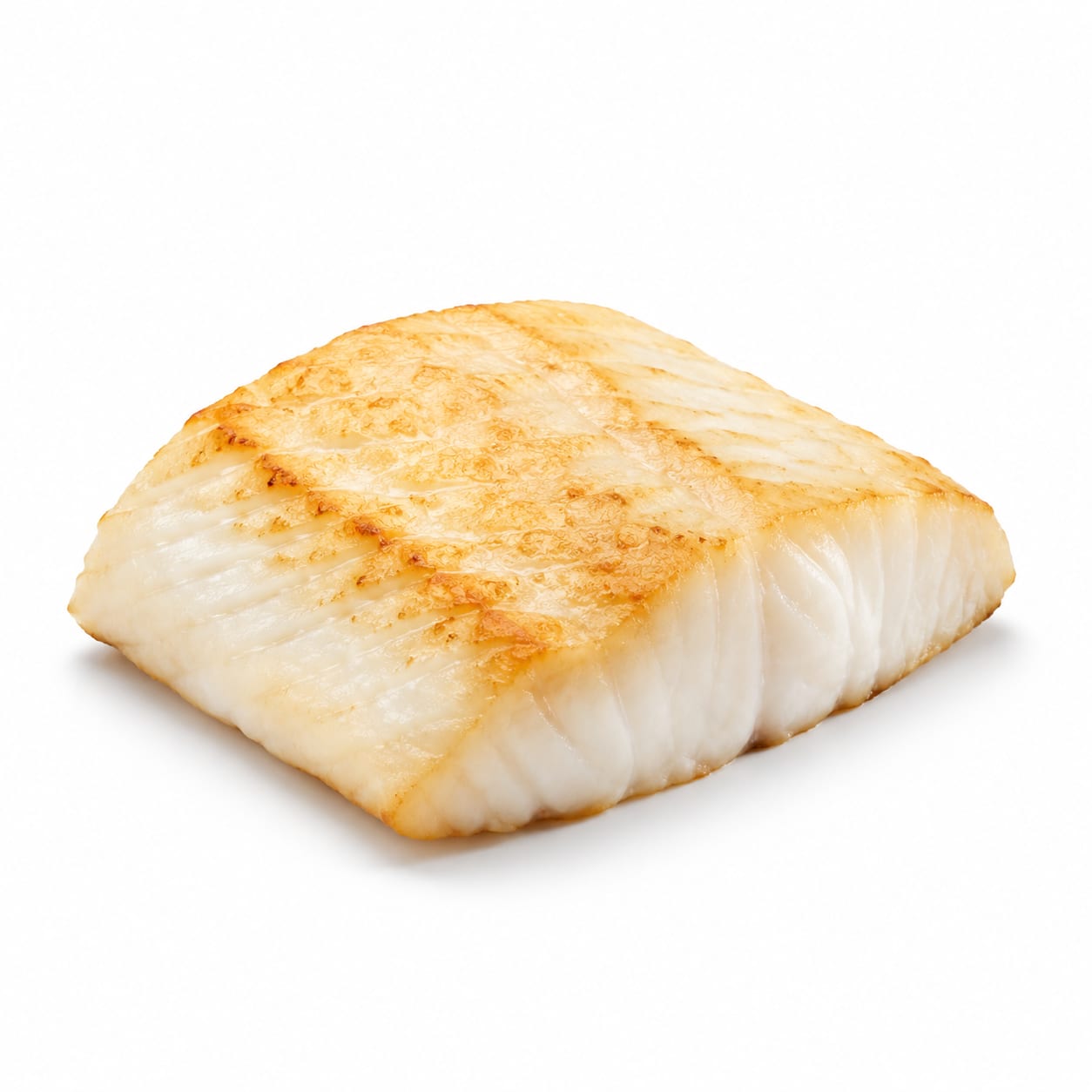
Cod
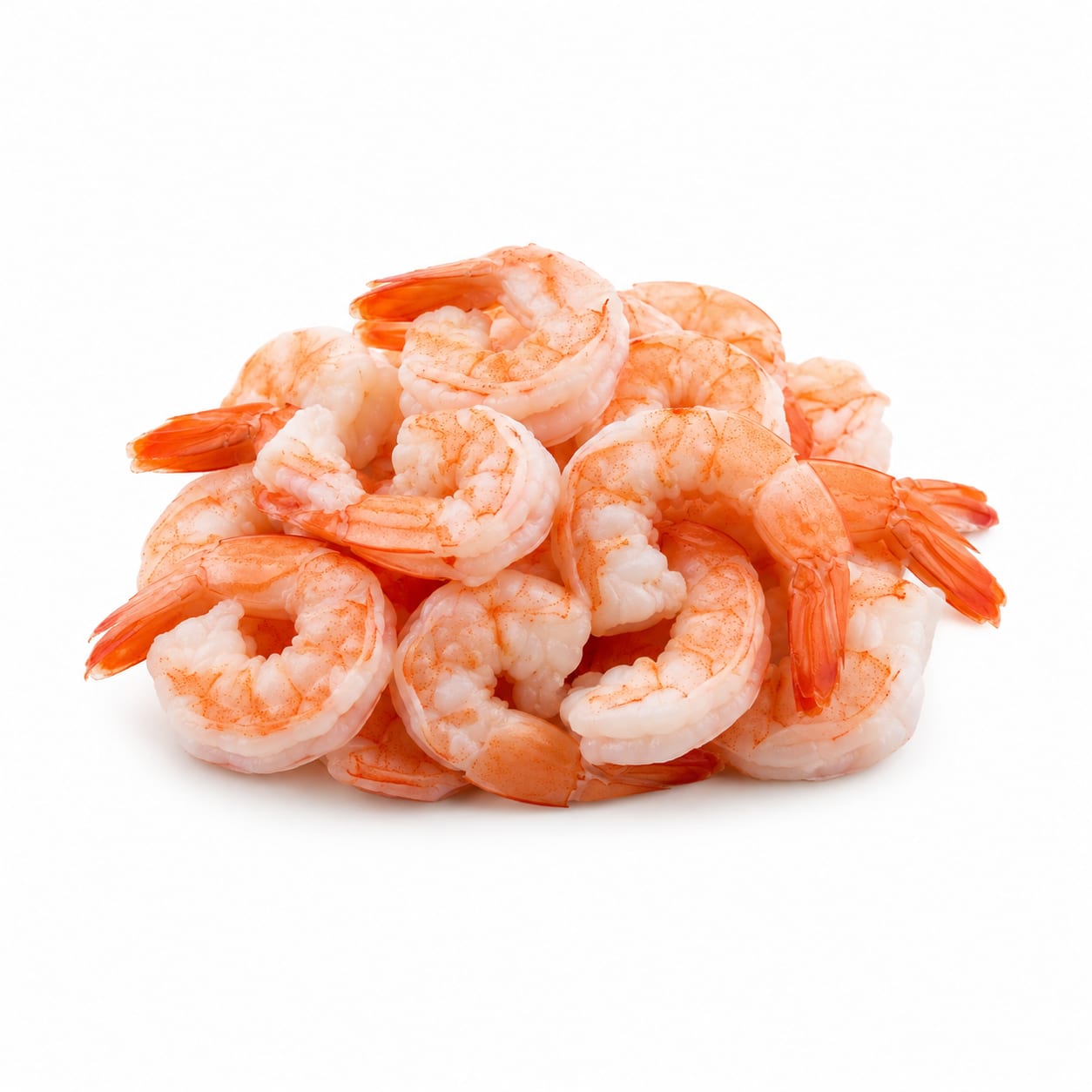
Shrimp
Cod is the safer daily staple for heart health and budget, while Shrimp is the ultimate low-calorie, high-iodine protein for occasional lean meals.
Cod scores slightly higher due to its cholesterol-friendly profile and affordability for daily use. Shrimp is nutritionally potent but its cholesterol content, allergy risk, and higher cost make it slightly less versatile for everyday consumption.
You trade Cod's cholesterol-friendly profile and lower cost for Shrimp's superior calorie-to-protein ratio and iodine content.
At a glance
Executive summary
Overall
It depends
Healthier
It depends
More practical
Cod
Daily use
Cod
Key comparison lenses
Heart health and cholesterol impact
Shrimp is notoriously high in dietary cholesterol while Cod is virtually cholesterol-free, making this a primary concern for many users.
Weight loss and calorie efficiency
Both are lean proteins, but Shrimp offers slightly more protein per calorie, making it a favorite for strict calorie counters.
Contamination and heavy metals
Cod carries a moderate mercury risk, whereas Shrimp has lower mercury but higher concerns about microplastics and antibiotic residues in farmed varieties.
Thyroid support and micronutrients
Shrimp is exceptionally rich in iodine, which is crucial for thyroid function, while Cod provides solid B-vitamins but less iodine.
Best choice for
Cod
- People actively managing high cholesterol
- Budget-conscious families needing lean protein
- Those eating seafood multiple times a week
Shrimp
- Calorie counters wanting maximum protein per bite
- People needing a thyroid-friendly iodine boost
- Those looking for quick-cooking, elegant meals
Least suitable for
Cod
- People with severe fish allergies
- Those needing high iodine intake
Shrimp
- People with shellfish allergies
- Those highly sensitive to dietary cholesterol
Deep comparison
Dimension by dimension
Each lens scores both foods and breaks down who each option suits.
- Dimension 1 · Priority 95Cod
Heart Health & Cholesterol
Cod · 92Shrimp · 65Cod is virtually free of cholesterol, making it a heart-healthy staple. Shrimp contains high dietary cholesterol, though its low saturated fat softens the impact.
Tradeoff
Shrimp provides lean protein but packs a significant cholesterol punch, which can be a dealbreaker for those with hyperlipidemia, whereas Cod keeps arteries clear of dietary cholesterol.
Why it matters
Dietary cholesterol impacts blood cholesterol in about 30% of the population, making Shrimp a risky regular choice for this group.
Real-world impact
Eating Shrimp several times a week might raise LDL cholesterol in sensitive individuals, while Cod can be eaten daily without this concern.
Cod
- People managing high cholesterol
- Those on a heart-healthy Mediterranean diet
Better for
- Those who assume all white fish are identical in lipid profile
Worse for
Shrimp
- People whose blood cholesterol is not sensitive to dietary cholesterol
Better for
- People with a family history of hyperlipidemia
Worse for
- Dimension 2 · Priority 85Shrimp
Calorie Efficiency & Weight Loss
Cod · 80Shrimp · 95Shrimp offers more protein per calorie than almost any other animal food. Cod is lean but slightly less protein-dense.
Tradeoff
You get more filling protein per calorie from Shrimp, but Cod offers more food volume, which can feel more satisfying for big eaters.
Why it matters
For strict calorie deficits, maximizing protein per calorie helps preserve muscle while shedding fat.
Real-world impact
A 4-ounce serving of Shrimp feels lighter but delivers more protein than the same calorie amount of Cod, making it ideal for cutting phases.
Cod
- Those wanting larger portion sizes for the same calories
Better for
- Those wanting the absolute lowest calorie protein
Worse for
Shrimp
- Calorie counters wanting maximum protein per calorie
- Keto dieters looking for lean shellfish
Better for
- Those who find small portions unsatisfying
Worse for
- Dimension 3 · Priority 80It depends
Contamination & Safety Profile
Cod · 70Shrimp · 72Cod has moderate mercury levels, while Shrimp has very low mercury but higher risks of microplastics, antibiotic residues, and STPP additives.
Tradeoff
Cod poses a moderate mercury risk, but Shrimp brings hidden risks from farming practices and ocean contamination that are harder to detect.
Why it matters
Long-term exposure to mercury or antibiotics can disrupt hormones and gut health, even in small amounts.
Real-world impact
Pregnant women might prefer Shrimp for its low mercury, but must ensure it is wild-caught to avoid farmed antibiotic residues, while Cod should be limited to a few times a week.
Cod
- People avoiding shellfish allergies
- Those concerned about antibiotic residues in farmed seafood
Better for
- Those worried about moderate mercury levels in larger fish
Worse for
Shrimp
- Pregnant women needing very low mercury options
- People avoiding moderate-mercury fish
Better for
- People with severe shellfish allergies
- Those avoiding microplastics in crustaceans
Worse for
- Dimension 4 · Priority 75Shrimp
Micronutrient Density
Cod · 75Shrimp · 88Shrimp is a powerhouse of iodine, B12, and the antioxidant astaxanthin. Cod offers good B12 and selenium but lacks the iodine punch.
Tradeoff
Shrimp delivers unique thyroid-supporting iodine and anti-inflammatory astaxanthin, while Cod provides solid baseline nutrition without the standout extras.
Why it matters
Iodine deficiency is common, and Shrimp is one of the best food sources to support thyroid metabolism and energy levels.
Real-world impact
Eating Shrimp once a week can significantly boost iodine intake, improving energy and metabolism, whereas Cod acts more as a general health maintainer.
Cod
- Those needing a mild, easy-to-digest source of B12 and phosphorus
Better for
- People with thyroid issues needing high iodine
Worse for
Shrimp
- People needing an iodine boost for thyroid health
- Those wanting antioxidant benefits from astaxanthin
Better for
- Those who get enough iodine and prioritize other nutrients
Worse for
- Dimension 5 · Priority 70It depends
Practicality & Meal Experience
Cod · 85Shrimp · 78Cod is affordable and forgiving to cook, making it great for families. Shrimp cooks in minutes but is expensive and easy to overcook.
Tradeoff
Cod offers budget-friendly, filling family meals, while Shrimp offers speed and a premium feel at a higher price point.
Why it matters
Cost and cooking ease determine whether a food actually makes it into your weekly rotation or just sits in the freezer.
Real-world impact
Cod can be baked in bulk for meal prep without drying out badly, whereas Shrimp is best cooked fresh and quickly, making it less ideal for batch cooking.
Cod
- Budget-conscious meal prep
- Families wanting a mild fish that flakes easily
Better for
- Last-minute cooking since it takes slightly longer to cook through
Worse for
Shrimp
- Quick weeknight dinners
- Elegant entertaining and appetizers
Better for
- Budget meal planning
- Large family dinners due to cost
Worse for
Timeline
Health impact over time
Short-term
Hours to days
Cod
- Provides steady, clean energy without feeling heavy
- Very filling due to volume, keeping hunger at bay for hours
Shrimp
- Feels very light in the stomach, digests quickly
- Can cause mild indigestion if cooked in heavy butter or garlic sauces
Long-term
Months to years
Cod
- Supports cardiovascular health due to zero cholesterol and low saturated fat
- Moderate mercury means it should be rotated with other proteins rather than eaten daily forever
Shrimp
- Regular consumption may raise LDL cholesterol in hyper-responders
- Excellent for maintaining thyroid function and metabolic rate due to high iodine
Risk profile
Safety & processing
Fresh or frozen Cod is usually free of additives. Shrimp, however, is frequently treated with sodium tripolyphosphate (STPP) to retain moisture, which adds unnecessary sodium and a soggy texture.
Cod
Mercury exposure
mediumCod is a moderate-mercury fish; safe for weekly consumption but should not be the sole daily protein for pregnant women.
Parasites
lowLike all wild fish, Cod can carry parasites, but proper cooking or freezing eliminates this risk entirely.
Shrimp
Shellfish allergy
highShellfish allergies are among the most common and severe food allergies, potentially causing anaphylaxis.
Antibiotic residues
mediumImported farmed shrimp often contain detectable levels of antibiotics banned in many countries, making sourcing critical.
Sodium tripolyphosphate (STPP)
lowA common preservative in frozen shrimp that adds sodium and can mask spoilage or water weight.
Who wins for whom
Audience fit
Same foods, different winners depending on your goal.
children
CodCod is milder, easier to chew, and avoids the high allergy risk and potential antibiotic exposure associated with Shrimp.
daily consumption
CodCod is more affordable and free from cholesterol concerns, making it a safer and more sustainable daily lean protein.
diabetes
CodBoth have zero carbs, but Cod lacks the dietary cholesterol that can complicate cardiovascular health in diabetic patients.
elderly
CodCod is gentler on the cardiovascular system and easier to digest, with a softer texture that is easier to chew.
muscle gain
ShrimpShrimp has a slightly higher protein density, which is beneficial when you need high protein without excessive calories.
weight loss
ShrimpShrimp provides more protein per calorie, making it easier to stay in a deficit while maintaining muscle.
Your move
Decision guide
Choose Cod
- You are actively managing your cholesterol or have a family history of heart disease
- You need an affordable, family-friendly fish for weekly meal prep
- You want a filling portion size without worrying about mercury every day
Choose Shrimp
- You are counting calories and want the most protein per bite
- You need a quick-cooking protein for busy weeknights
- You want to boost your iodine intake for thyroid support
Either works if
- You just want a lean, zero-carb protein source for a salad
- You are rotating seafood to avoid mercury buildup from any single source
Avoid both if
- You have a seafood allergy
- You are strictly following a plant-based diet
Final recommendation
Keep Cod as your reliable, heart-friendly daily driver, and treat Shrimp as your high-impact, low-calorie ally for special meals or strict cutting phases. Rotate them to balance Cod's moderation in mercury with Shrimp's iodine benefits.
Practical
Consumer tips
- 1
Check frozen Shrimp labels for STPP; brands that skip it usually proudly state 'no preservatives' on the bag.
- 2
Buy wild-caught Shrimp when possible to avoid antibiotic residues common in farmed varieties.
- 3
Pat Cod dry before cooking to get a better sear and avoid a mushy texture.
- 4
If you are sensitive to cholesterol, balance Shrimp with plenty of fiber-rich vegetables to help mitigate absorption.