
Nutrition comparison
Shrimp vs Eggs: Which Protein Is Better for Your Health Goals?
Compare shrimp and eggs on protein, cholesterol, cost, and nutrition. Find out which is better for weight loss, muscle gain, daily eating, and heart health.
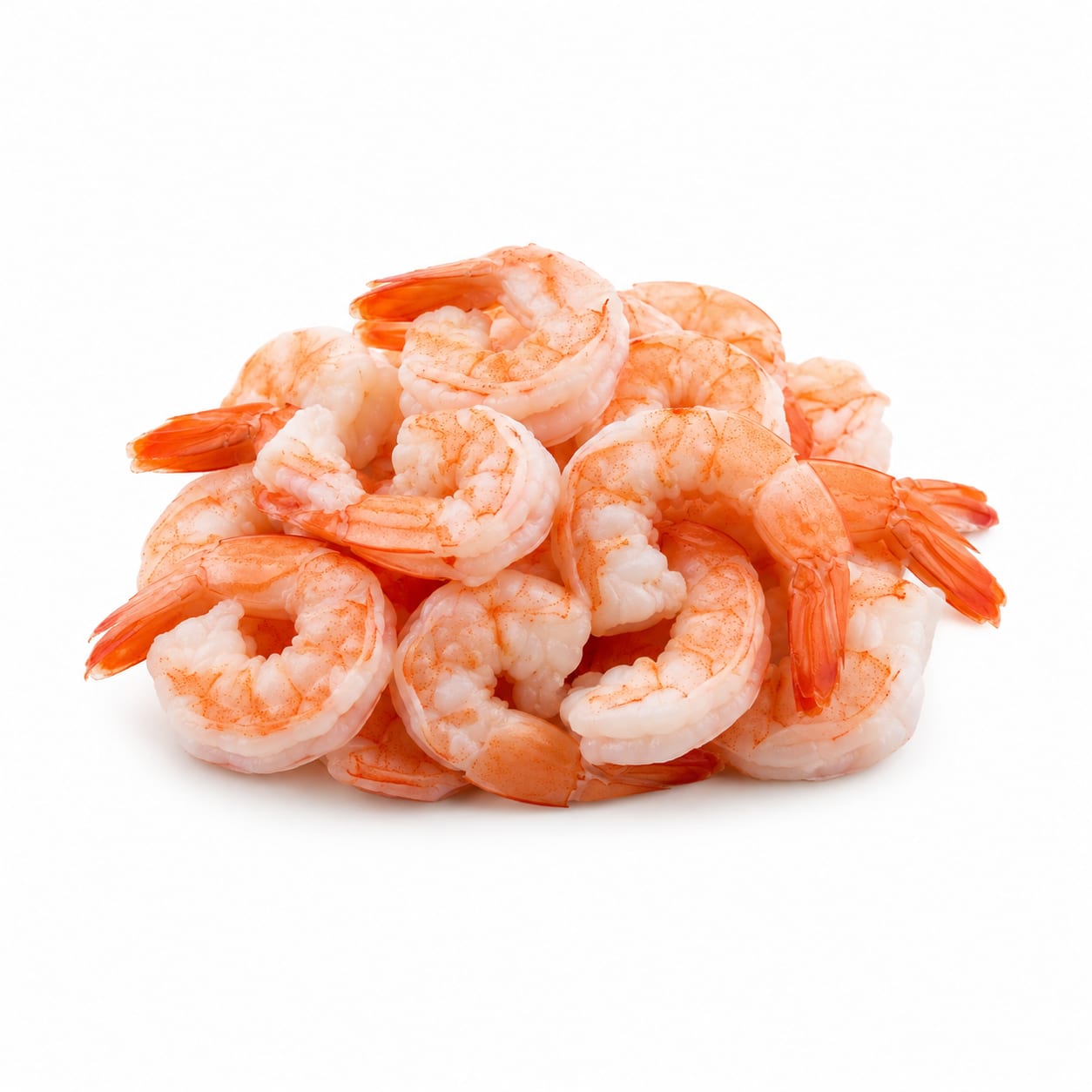
Shrimp
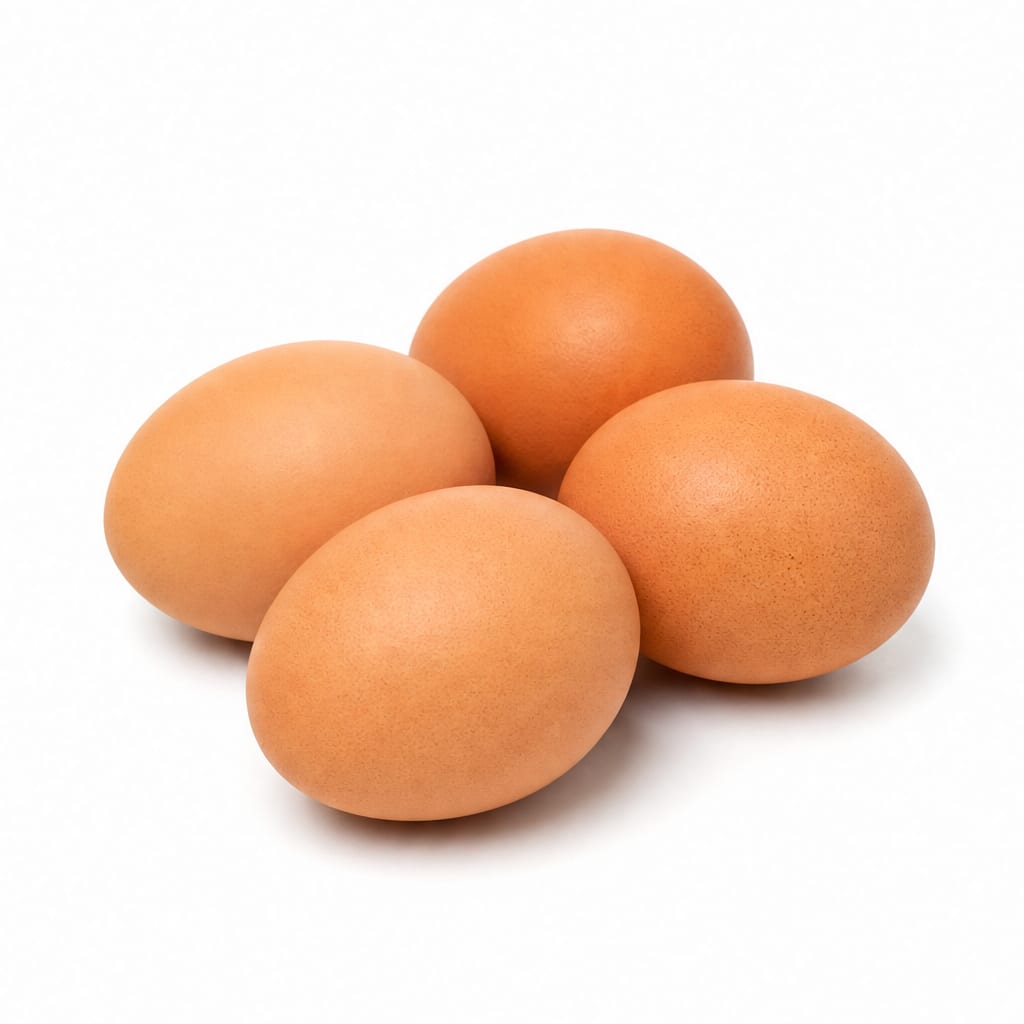
Eggs
Eggs win on versatility, cost, and daily convenience. Shrimp wins on leanness and iodine. Both are excellent proteins with different strengths.
Eggs score higher primarily due to superior daily practicality, affordability, and choline content. Shrimp is nutritionally excellent but loses ground on cost, convenience, and allergy prevalence. The gap is moderate because both are genuinely high-quality protein sources.
Eggs offer unmatched everyday practicality and choline, while shrimp delivers leaner protein with virtually zero saturated fat but at higher cost and lower convenience.
At a glance
Executive summary
Overall
It depends
Healthier
It depends
More practical
Eggs
Daily use
Eggs
Key comparison lenses
protein source selection
Both are top-tier lean protein sources, and users are likely deciding which to prioritize for meals
cholesterol and heart health concerns
Both foods are famously high in cholesterol, creating genuine decision anxiety for many consumers
daily versatility and convenience
Eggs are a breakfast staple while shrimp is more of a dinner protein, affecting daily practicality
contamination and safety
Shrimp carries seafood contamination risks while eggs carry salmonella risk, both real concerns
budget and accessibility
Eggs are significantly cheaper per gram of protein, making this a practical tradeoff
Best choice for
Shrimp
- People targeting very low saturated fat intake
- Those needing iodine support, especially thyroid concerns
- Pescatarian diets seeking lean protein variety
- Low-carb or keto dieters wanting near-zero-fat protein
- Anyone watching calorie density closely
Eggs
- Budget-conscious households needing affordable protein
- Daily breakfast eaters wanting quick, satisfying meals
- Pregnant women needing choline for fetal development
- People who want one versatile ingredient for any meal
- Anyone prioritizing long-term brain health nutrients
Least suitable for
Shrimp
- Shellfish-allergic individuals
- Very tight grocery budgets
- People who want quick no-cook protein options
- Those avoiding high sodium naturally occurring in seafood
Eggs
- Vegans and strict vegetarians
- People with egg allergies
- Those strictly limiting dietary cholesterol on physician advice
- Anyone needing ultra-lean protein for contest prep
Deep comparison
Dimension by dimension
Each lens scores both foods and breaks down who each option suits.
- Dimension 1 · Priority 95Shrimp
protein_quality_and_leanness
Shrimp · 92Eggs · 85Shrimp delivers more protein per calorie with almost no fat. Eggs offer excellent protein but come with more fat and calories per gram of protein.
Tradeoff
Shrimp is leaner, but eggs provide a more balanced amino acid profile alongside fat-soluble vitamins that shrimp cannot match.
Why it matters
If you are counting calories or cutting fat, shrimp gets you more protein with less baggage. Eggs give you a more complete nutritional package per serving.
Real-world impact
A 4-ounce shrimp serving gives you 24g protein for only 112 calories. Two large eggs give you 12g protein for 140 calories with 10g fat.
Shrimp
- Calorie-restricted cutting phases
- Lean protein needs after late workouts
- Anyone tracking macros closely
Better for
- Those finding lean proteins leave them hungry
- Anyone needing calorie-dense recovery meals
Worse for
Eggs
- Balanced meals needing fat for satiety
- Growing teenagers needing calorie-dense nutrition
- People who find lean proteins unsatisfying alone
Better for
- Strict calorie counters
- People prescribed low-fat diets
Worse for
- Dimension 2 · Priority 90It depends
cholesterol_and_heart_health
Shrimp · 72Eggs · 68Both are high-cholesterol foods, but dietary cholesterol affects most people less than once feared. Shrimp has almost no saturated fat, which matters more for heart health.
Tradeoff
Shrimp has more cholesterol per serving but virtually zero saturated fat. Eggs have less cholesterol but contain saturated fat, which is the stronger heart risk driver.
Why it matters
For most healthy people, neither food is a heart threat in moderate amounts. But if you have elevated LDL or a family history of heart disease, the saturated fat in eggs is the bigger concern.
Real-world impact
Three ounces of shrimp has about 166mg cholesterol but 0.1g saturated fat. Two eggs have 372mg cholesterol and 3g saturated fat. The saturated fat difference matters more than the cholesterol number.
Shrimp
- People monitoring saturated fat specifically
- Those with mildly elevated LDL wanting leaner options
- Heart-conscious eaters who still want animal protein
Better for
- Anyone with severe hypercholesterolemia advised to limit all dietary cholesterol
Worse for
Eggs
- People whose doctors have cleared dietary cholesterol
- Those without heart disease risk factors
Better for
- People with existing heart disease needing low saturated fat
- Those on strict cardiac diets
Worse for
- Dimension 3 · Priority 88Eggs
nutrient_density_beyond_protein
Shrimp · 70Eggs · 88Eggs are one of the most nutrient-dense foods available, packed with choline, vitamin D, B12, and lutein. Shrimp has strong points in iodine and selenium but a narrower nutrient profile.
Tradeoff
Eggs are a multi-vitamin in a shell. Shrimp excels at a few specific nutrients like iodine and selenium but cannot match the breadth of eggs.
Why it matters
Choline alone makes eggs extraordinary for brain health, and most people are deficient. Iodine in shrimp is valuable but easier to get from other sources like iodized salt.
Real-world impact
Two eggs provide about 294mg choline, over half your daily need, plus vitamin D, lutein, and folate. Shrimp gives you excellent B12 and selenium but needs other foods to round out your day.
Shrimp
- Those with iodine deficiency or thyroid concerns
- People low in selenium
- Anyone not taking a multivitamin needing B12
Better for
- Those expecting one food to cover many nutritional bases
Worse for
Eggs
- Pregnant and breastfeeding women needing choline
- Older adults wanting lutein for eye health
- Anyone seeking broad nutrient coverage from fewer foods
Better for
- People already getting plenty of choline from other sources
Worse for
- Dimension 4 · Priority 85Eggs
convenience_and_versatility
Shrimp · 55Eggs · 92Eggs are arguably the most versatile protein on earth. Shrimp requires more prep, cooks faster but is less forgiving, and is rarely a grab-and-go option.
Tradeoff
Eggs work for breakfast, lunch, dinner, and snacks with minimal effort. Shrimp is delicious but demands more planning, thawing, and careful cooking.
Why it matters
The food you can actually make quickly on a Tuesday night always beats the theoretically superior one that sits in your freezer.
Real-world impact
Scrambled eggs take 3 minutes with no thawing. Shrimp needs thawing, peeling sometimes, and overcooks in seconds. Eggs also work in baking, salads, and meal prep far more easily.
Shrimp
- Weekend dinner cooking when you have time
- Impressive meals for guests
- Stir-fry and pasta dishes where shrimp shines
Better for
- Quick weeknight meals after long workdays
- Breakfast protein needs
- Meal prepping in bulk
Worse for
Eggs
- Rushed weekday mornings
- Meal prep for the week
- Anyone cooking for one with minimal effort
- Baking and recipe versatility
Better for
- Elegant dinner parties where shrimp impresses
- Cuisines where eggs feel out of place
Worse for
- Dimension 5 · Priority 75Eggs
cost_and_accessibility
Shrimp · 45Eggs · 90Eggs remain one of the cheapest protein sources available. Shrimp is a premium protein that costs 3-5 times more per gram of protein.
Tradeoff
You can eat eggs daily without financial strain. Shrimp as a daily protein is unsustainable for most budgets, pushing it toward occasional meal status.
Why it matters
Nutrition only works if you can afford it consistently. Eggs make high-quality protein accessible to nearly everyone.
Real-world impact
A dozen eggs costs roughly $3-5 and provides about 72g protein. The same money gets you roughly 6-8 ounces of shrimp with only 42-56g protein.
Shrimp
- Special occasion meals where cost is secondary
- Those with generous food budgets
Better for
- Households with limited grocery budgets
- Anyone needing to eat 100g+ protein daily affordably
Worse for
Eggs
- Families feeding multiple people
- Students and young adults on tight budgets
- Anyone eating protein-heavy diets daily
Better for
- Situations where only seafood feels appropriate
Worse for
- Dimension 6 · Priority 80Eggs
satiety_and_fullness
Shrimp · 65Eggs · 82Eggs keep you fuller longer thanks to their fat and protein combination. Shrimp is satisfying during the meal but hunger returns sooner.
Tradeoff
The fat in eggs that adds calories also slows digestion and extends fullness. Shrimp's leanness is great for calories but less effective at keeping you satisfied for hours.
Why it matters
If you are ravenous two hours after lunch, the leaner option was not actually the better choice for your daily intake.
Real-world impact
A shrimp salad often needs dressing, croutons, or sides to feel like a complete meal. Two eggs with toast feel like a real breakfast that carries you to lunch.
Shrimp
- Light lunches before afternoon workouts
- Small frequent meal patterns
- Hot weather eating when heavy meals feel wrong
Better for
- Those prone to hunger between meals
- Active people needing sustained energy
Worse for
Eggs
- Breakfast to prevent mid-morning crashes
- Anyone trying to reduce snacking between meals
- People who feel hungry on lean-protein-only diets
Better for
- People who feel sluggish after heavier meals
Worse for
Timeline
Health impact over time
Short-term
Hours to days
Shrimp
- Quick-digesting lean protein that feels light in the stomach
- May leave you hungry sooner if eaten without fat or fiber
- Can cause mild digestive upset if undercooked
- Higher sodium content may cause temporary water retention
Eggs
- Sustained energy and fullness lasting 3-4 hours after a meal
- Fat and protein combination stabilizes blood sugar effectively
- Can feel heavy if eaten in large quantities before exercise
- Cooking method dramatically affects how you feel after eating
Long-term
Months to years
Shrimp
- Regular consumption supports thyroid function through iodine intake
- Selenium content provides ongoing antioxidant protection
- Potential cumulative exposure to heavy metals if eating shrimp very frequently
- Very low saturated fat intake benefits cardiovascular markers over time
Eggs
- Choline intake supports brain health and may reduce dementia risk
- Lutein protects eye health with consistent consumption
- Daily egg intake is neutral or beneficial for most people's heart health
- Consistent protein intake supports muscle maintenance with aging
Risk profile
Safety & processing
Both foods are naturally whole and minimally processed in their basic forms. However, frozen shrimp often contains sodium tripolyphosphate as a preservative to retain moisture, which adds sodium and can affect texture. Fresh or properly sourced shrimp avoids this. Eggs are remarkably additive-free straight from the shell, making them the cleaner whole-food choice.
Shrimp
Heavy metal and contaminant exposure
mediumShrimp can contain arsenic, cadmium, and microplastics, especially from certain farming regions. Wild-caught generally has lower contaminant risk than farmed, but both require sourcing awareness.
Antibiotic residues in farmed shrimp
mediumImported farmed shrimp, particularly from Southeast Asia, may contain banned antibiotics. Buying domestic or certified sustainable shrimp significantly reduces this risk.
Shellfish allergy
highShellfish is one of the top allergens and reactions can be severe or life-threatening. This is not a risk for the general population but critical for those affected.
Sodium tripolyphosphate sensitivity
lowThis common preservative in frozen shrimp can cause digestive discomfort in sensitive individuals and adds unwanted sodium.
Eggs
Salmonella contamination
mediumRaw or undercooked eggs carry salmonella risk. Proper cooking eliminates this. Pasteurized eggs are available for recipes requiring raw eggs.
Egg allergy
highEgg allergy is one of the most common food allergies, especially in children. Many outgrow it, but it can cause significant reactions.
Spoilage with improper storage
lowEggs require refrigeration in many regions and can spoil if left out. Properly stored eggs last weeks safely.
Who wins for whom
Audience fit
Same foods, different winners depending on your goal.
children
EggsEggs are easier for children to eat, less likely to cause choking, provide choline for brain development, and are far more affordable for growing appetites.
daily consumption
EggsEggs are affordable, quick to prepare, versatile across meals, and have a strong safety record for daily eating. Shrimp works better as a few-times-per-week option due to cost and contaminant considerations.
diabetes
EggsEggs have virtually zero carbs and their fat content slows digestion, preventing blood sugar spikes. Shrimp also works well but eggs provide more sustained satiety.
elderly
EggsEggs are softer, easier to chew, provide choline for cognitive health, and deliver vitamin D which elderly people often lack. Shrimp can be rubbery and harder to eat.
muscle gain
EggsEggs provide a more complete amino acid profile with leucine for muscle synthesis, plus the calories and fat needed for a caloric surplus.
weight loss
ShrimpShrimp provides more protein per calorie with almost zero fat, making it easier to stay in a calorie deficit while maintaining protein intake.
Your move
Decision guide
Choose Shrimp
- You are cutting calories and need maximum protein with minimum fat
- You have thyroid concerns and want natural iodine intake
- You eat pescatarian and need lean dinner protein options
- Cost is not a primary concern for your grocery budget
- You want an impressive protein for entertaining and special meals
Choose Eggs
- You need affordable daily protein that never gets boring
- You want brain-health nutrients like choline on a regular basis
- You cook for a family and need one ingredient that works for any meal
- You are pregnant or breastfeeding and need folate and choline
- You want a protein that keeps you full for hours without snacking
Either works if
- You simply need high-quality complete protein and both are available
- You rotate proteins throughout the week for variety
- You have no allergies, budget constraints, or specific health conditions
- You are building a balanced diet and both fit your meal plan
Avoid both if
- You have both shellfish and egg allergies
- Your doctor has advised a strict low-cholesterol diet limiting both
- You are vegan or following a plant-only dietary pattern
Final recommendation
Make eggs your daily protein staple and enjoy shrimp as a premium addition 2-3 times per week. This combination gives you the everyday practicality and choline from eggs plus the leanness and iodine from shrimp, while keeping costs reasonable and contaminant exposure moderate. If you must pick only one, eggs win for most people because consistency beats perfection in nutrition.
Practical
Consumer tips
- 1
Check frozen shrimp labels for sodium tripolyphosphate and choose brands without it when possible
- 2
Buy domestic or certified sustainable shrimp to reduce antibiotic and contaminant exposure
- 3
Pasture-raised eggs contain significantly more omega-3s and vitamin D than conventional eggs
- 4
Thaw shrimp in the refrigerator overnight rather than under hot water to preserve texture and safety
- 5
Two eggs at breakfast plus a shrimp dinner gives you the best of both worlds in one day
- 6
If cholesterol concerns you, egg whites give you the protein without the cholesterol while keeping the cost advantage
- 7
Do not overcook shrimp. It goes from perfect to rubbery in about 30 seconds, which makes people think they dislike shrimp
- 8
Hard-boiled eggs keep for a week in the fridge and are the easiest grab-and-go protein available