
Nutrition comparison
Shrimp vs Scallops: Nutrition, Cholesterol, and Health Compared
Comparing Shrimp and Scallops? Discover the key nutritional differences, cholesterol content, and which seafood is better for weight loss, heart health, and muscle gain.
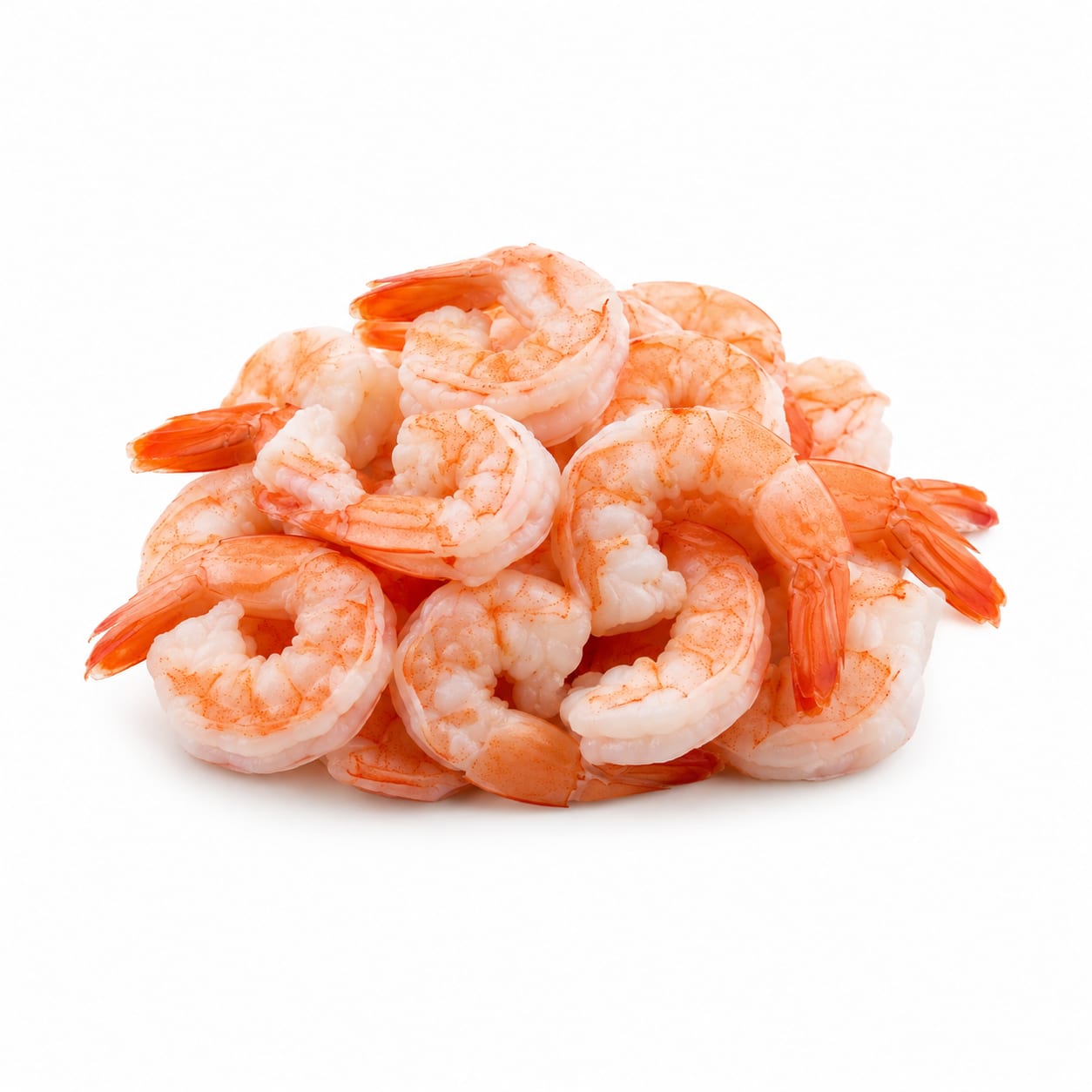
Shrimp
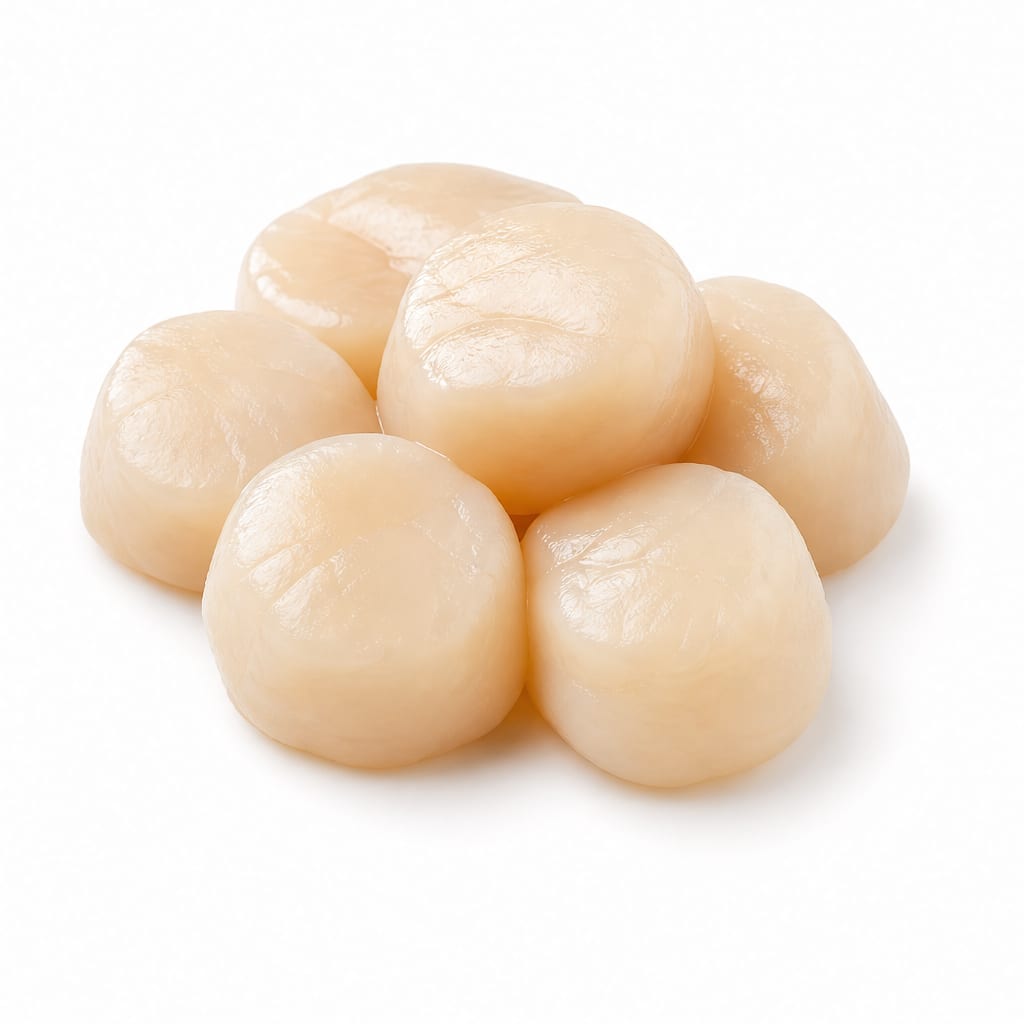
Scallops
Shrimp wins on protein and price, but Scallops win on heart health and purity.
Scallops score slightly higher due to a superior heart-health profile and cleaner contaminant record, though Shrimp's unbeatable protein density and affordability keep it highly competitive.
You trade Shrimp's high protein and low cost for its high cholesterol and potential farming contaminants, whereas Scallops offer a cleaner, heart-friendlier profile at a premium price.
At a glance
Executive summary
Overall
It depends
Healthier
Scallops
More practical
Shrimp
Daily use
Scallops
Key comparison lenses
Cholesterol and heart health impact
Shrimp is famously high in dietary cholesterol while Scallops are virtually cholesterol-free, a major deciding factor for many consumers.
Protein density for muscle and satiety
Shrimp offers significantly more protein per calorie, making it a favorite for lean muscle diets.
Contaminant and farming practices
Farmed shrimp often faces antibiotic and contamination concerns, whereas scallops generally have a cleaner sourcing profile.
Culinary ease and cost
Shrimp is cheaper and more forgiving to cook, while scallops are pricier and require precise cooking techniques.
Best choice for
Shrimp
- Budget-conscious meal prep
- High-protein, low-calorie diets
- Quick weeknight stir-fries and pastas
Scallops
- Heart-healthy and low-cholesterol diets
- Special occasion dinners
- Those avoiding farmed seafood antibiotics
Least suitable for
Shrimp
- People strictly monitoring dietary cholesterol
- Those avoiding farmed seafood with antibiotics
Scallops
- Tight grocery budgets
- Beginner cooks who struggle with searing techniques
Deep comparison
Dimension by dimension
Each lens scores both foods and breaks down who each option suits.
- Dimension 1 · Priority 90Shrimp
Protein & Satiety
Shrimp · 92Scallops · 75Shrimp packs significantly more protein per serving than Scallops, making it more filling for the same calories.
Tradeoff
You get more muscle-fueling protein from Shrimp, but Scallops offer a lighter, more delicate meal experience.
Why it matters
Higher protein means you stay full longer, which helps prevent overeating later in the day.
Real-world impact
A Shrimp-based lunch will keep you satisfied until dinner, while a Scallops lunch might leave you reaching for a snack.
Shrimp
- Post-workout recovery
- Weight loss through high satiety
Better for
- Those who prefer lighter, less dense meals
Worse for
Scallops
- Lighter meals where you don't want to feel stuffed
Better for
- Athletes needing a major protein hit
Worse for
- Dimension 2 · Priority 95Scallops
Heart Health & Cholesterol
Shrimp · 55Scallops · 95Scallops are virtually free of cholesterol, while Shrimp is notoriously high in it.
Tradeoff
Choosing Shrimp means accepting a significant dose of dietary cholesterol, whereas Scallops let you enjoy seafood without the heart-health tradeoff.
Why it matters
For those with lipid concerns, dietary cholesterol can directly impact blood cholesterol levels.
Real-world impact
If your doctor told you to watch your cholesterol, Scallops are a worry-free treat, while Shrimp requires portion caution.
Shrimp
- Healthy individuals without cholesterol issues who exercise regularly
Better for
- Anyone strictly limiting dietary cholesterol
Worse for
Scallops
- People with high blood cholesterol
- Those following a heart-healthy Mediterranean diet
Better for
- No real downside here for heart health
Worse for
- Dimension 3 · Priority 85Scallops
Contaminant & Purity Profile
Shrimp · 60Scallops · 88Farmed Shrimp often carries antibiotic residues and higher contaminant loads, while Scallops are mostly wild-caught and cleaner.
Tradeoff
Shrimp is cheaper partly due to intensive farming practices, whereas Scallops usually come from cleaner, wild fisheries.
Why it matters
Antibiotics and heavy metals can disrupt gut health and accumulate over time.
Real-world impact
Eating cheap Shrimp regularly might expose you to unwanted chemicals, while Scallops are generally a cleaner weekly staple.
Shrimp
- Wild-caught Shrimp specifically, which is much cleaner but pricier
Better for
- Budget farmed Shrimp from questionable sources
Worse for
Scallops
- Those wanting a clean, low-toxin seafood option
- People avoiding farmed seafood
Better for
- No significant contaminant concerns
Worse for
- Dimension 4 · Priority 75Shrimp
Culinary Ease & Affordability
Shrimp · 90Scallops · 65Shrimp is cheaper, faster to cook, and much more forgiving, while Scallops are expensive and easy to ruin.
Tradeoff
Shrimp is an everyday convenience food, whereas Scallops require careful searing and a bigger budget.
Why it matters
If a food is hard to cook right, you are less likely to make it at home, reducing its practical health benefits.
Real-world impact
You can toss Shrimp into a weeknight pasta in 3 minutes, but Scallops demand a hot pan, perfect timing, and attention.
Shrimp
- Busy weeknight dinners
- Meal prepping in bulk
Better for
- High-end dining experiences
Worse for
Scallops
- Impressive date-night dinners
- Special occasions where cost is not the priority
Better for
- Casual, low-effort cooking
Worse for
Timeline
Health impact over time
Short-term
Hours to days
Shrimp
- Quick, high-quality protein boost
- Very filling for low calories
Scallops
- Light, easily digestible meal
- Provides steady energy without feeling heavy
Long-term
Months to years
Shrimp
- Potential cholesterol concerns if eaten daily in large amounts
- Risk of antibiotic exposure if consuming low-quality farmed Shrimp
Scallops
- Excellent for cardiovascular health maintenance
- Low contaminant burden supports long-term cellular health
Risk profile
Safety & processing
Both are whole, natural seafood, but Shrimp is more likely to be treated with sodium tripolyphosphate to retain moisture, which adds unnecessary sodium.
Shrimp
Antibiotic residues in farmed varieties
mediumImported farmed Shrimp often contains traces of antibiotics banned in many countries, which can disrupt gut flora.
High dietary cholesterol
mediumA single serving of Shrimp can exceed half your daily recommended cholesterol limit, impacting sensitive individuals.
Scallops
Mislabeling and imitation products
lowSome cheaper restaurants use cookie-cutter shark or skate wing punched into scallop shapes, lacking the nutritional benefits of real Scallops.
Shellfish allergy
highLike Shrimp, Scallops are mollusks and pose a severe risk to those with shellfish allergies.
Who wins for whom
Audience fit
Same foods, different winners depending on your goal.
children
ShrimpShrimp is easier to chew, more familiar to kids, and provides the high protein growing bodies need.
daily consumption
ScallopsScallops' clean contaminant profile and low cholesterol make them safer to eat regularly without long-term heart concerns.
diabetes
ScallopsScallops have zero carbs and virtually no cholesterol, reducing cardiovascular risk which is a major concern for diabetics.
elderly
ScallopsScallops are extremely tender, easy to digest, and their low cholesterol profile is ideal for aging hearts.
muscle gain
ShrimpThe higher protein density in Shrimp makes it more efficient for muscle repair and growth.
weight loss
ShrimpShrimp provides more protein per calorie, keeping you fuller on fewer calories, which is crucial for dieting.
Your move
Decision guide
Choose Shrimp
- You need a high-protein, low-calorie addition to your diet
- You are cooking on a budget and need versatile, easy protein
- You are meal-prepping for the week
Choose Scallops
- You are watching your cholesterol closely
- You want to avoid farmed seafood and potential antibiotics
- You are cooking a special meal and want something delicate and impressive
Either works if
- You just want a lean, zero-carb seafood option and plan to rotate your protein sources
- You have no specific cholesterol or budget constraints
Avoid both if
- You have a diagnosed shellfish allergy
- You are following a strict vegan or plant-based diet
Final recommendation
Let your health goals decide: choose Shrimp for budget-friendly protein and satiety, but opt for Scallops when heart health and clean sourcing are your top priorities. Rotating between the two gives you the best of both worlds.
Practical
Consumer tips
- 1
Look for dry-packed Scallops to avoid the water weight and chemical additives found in wet-packed versions.
- 2
Buy wild-caught Shrimp whenever possible to avoid antibiotic residues common in imported farmed varieties.
- 3
Do not overcook Shrimp; it goes from perfectly tender to rubbery in seconds.
- 4
Pat Scallops completely dry before searing to achieve that golden crust without steaming them.