
Nutrition comparison
Shrimp vs Canned Tuna: Mercury, Protein, and Health Compared
Compare Shrimp vs Canned Tuna for protein, mercury levels, and cost. Find out which lean seafood is safer for daily use and better for your budget.
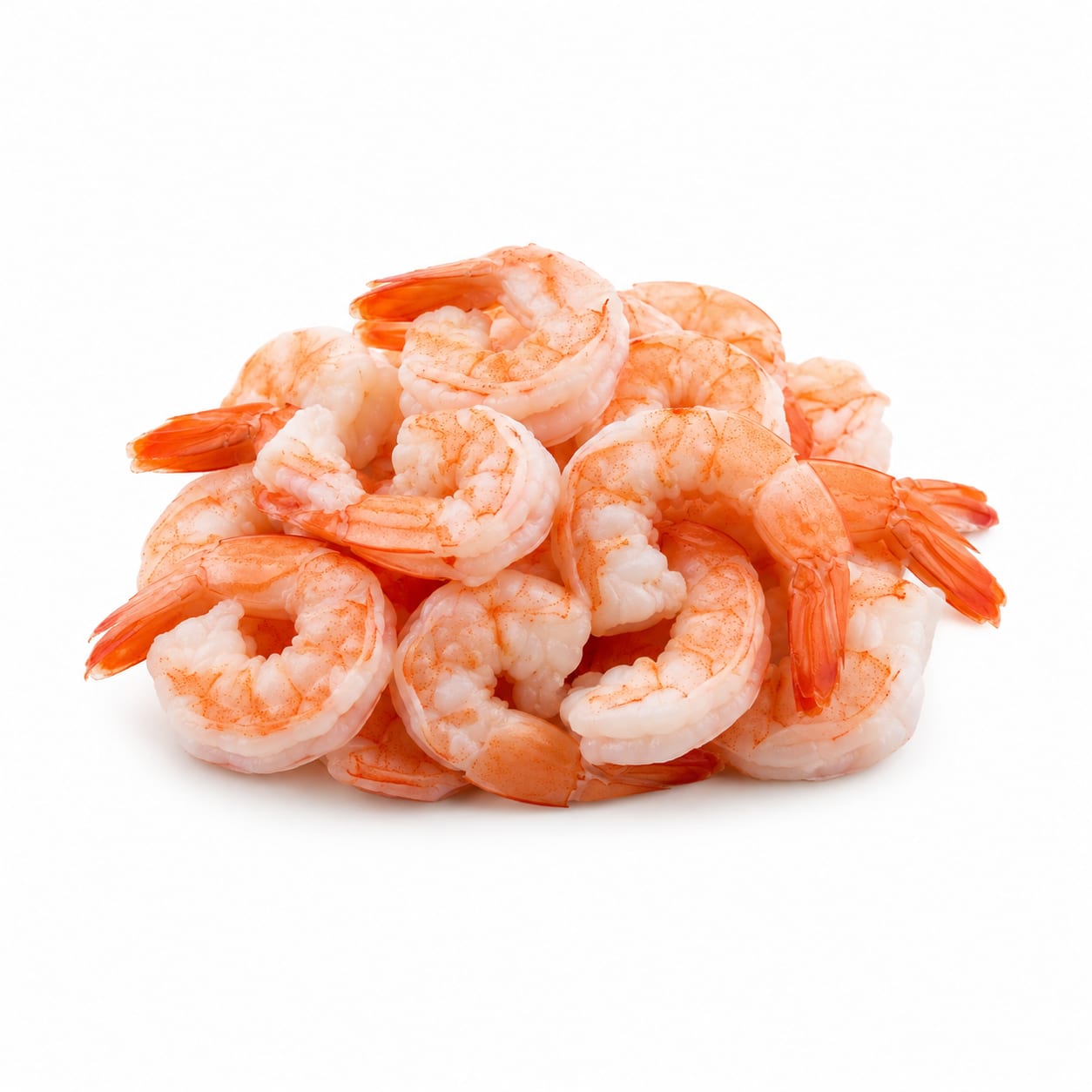
Shrimp
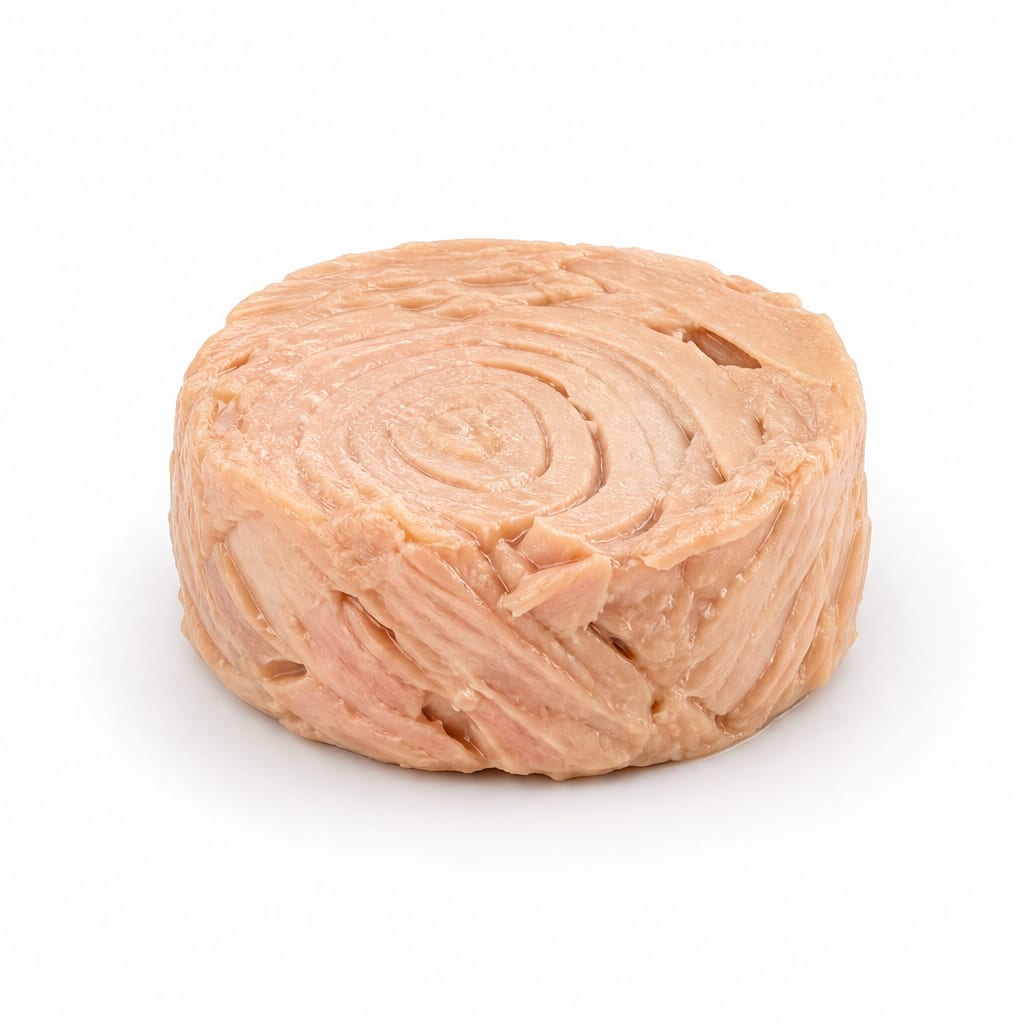
Canned Tuna
Shrimp is safer for frequent consumption due to low mercury, while Canned Tuna offers unmatched convenience and protein-per-dollar but carries higher heavy metal risks.
Shrimp scores slightly higher due to lower mercury contamination, making it safer for regular consumption, though Canned Tuna's convenience and affordability keep it highly competitive.
Mercury safety and dietary cholesterol versus convenience and cost.
At a glance
Executive summary
Overall
It depends
Healthier
Shrimp
More practical
Canned Tuna
Daily use
Shrimp
Key comparison lenses
Mercury and heavy metal exposure
Tuna accumulates significantly more mercury than shrimp, making this the primary safety differentiator for regular consumers.
Convenience and cost efficiency
Canned tuna is a cheap, shelf-stable pantry staple, while shrimp requires refrigeration, prep, and cooking.
Heart health and cholesterol impact
Shrimp is naturally high in dietary cholesterol, whereas canned tuna has virtually none, creating a distinct tradeoff for heart-conscious eaters.
Lean protein sourcing
Both are excellent low-fat, high-protein seafood options, but they differ in protein density per dollar and per serving.
Best choice for
Shrimp
- Pregnant women and children
- Frequent seafood eaters
- Those monitoring mercury exposure
Canned Tuna
- Budget-conscious meal preppers
- Pantry stocking and emergencies
- Quick post-workout protein
Least suitable for
Shrimp
- Very low-cholesterol diets
- Extremely tight grocery budgets
Canned Tuna
- Pregnant women
- Children
- Heavy metal detox protocols
Deep comparison
Dimension by dimension
Each lens scores both foods and breaks down who each option suits.
- Dimension 1 · Priority 95Shrimp
Heavy Metal & Contamination Risk
Shrimp · 90Canned Tuna · 45Shrimp has significantly lower mercury levels compared to Canned Tuna, making it much safer to eat regularly.
Tradeoff
You give up the shelf-stability of canned tuna to avoid mercury accumulation.
Why it matters
High mercury intake impacts neurological health and is especially risky for developing brains.
Real-world impact
Eating canned tuna multiple times a week can push mercury levels into risky territory, whereas shrimp can be eaten far more often safely.
Shrimp
- Pregnant women
- Children
- Frequent seafood eaters
Better for
Canned Tuna
- Occasional convenience eaters
Better for
- Daily lunch eaters
- Developing nervous systems
Worse for
- Dimension 2 · Priority 90Canned Tuna
Convenience & Cost
Shrimp · 40Canned Tuna · 95Canned Tuna is shelf-stable, pre-cooked, and incredibly cheap, while Shrimp requires refrigeration, freezing, and cooking.
Tradeoff
You save money and time with Canned Tuna but lose the lower mercury profile of Shrimp.
Why it matters
When you need a quick, affordable protein, convenience often dictates food choices over optimal health.
Real-world impact
A can of tuna can be opened at your desk for a $2 lunch; shrimp requires cooking and costs significantly more per serving.
Shrimp
- Dinner recipes
- Special occasions
Better for
- Quick desk lunches
- Ultra-tight budgets
Worse for
Canned Tuna
- Meal prep
- Pantry emergencies
- Budget diets
Better for
- Gourmet dining
- Fresh meal experiences
Worse for
- Dimension 3 · Priority 85Canned Tuna
Heart Health & Cholesterol
Shrimp · 60Canned Tuna · 85Shrimp is notoriously high in dietary cholesterol, while Canned Tuna has virtually none.
Tradeoff
Tuna is easier on blood cholesterol concerns, but Shrimp's cholesterol does not negatively impact everyone's blood lipid levels.
Why it matters
For people with genetic lipid disorders, dietary cholesterol can still move the needle on heart health.
Real-world impact
If your doctor told you to watch your cholesterol, a shrimp cocktail might spike your numbers more than a tuna sandwich.
Shrimp
- People without lipid issues
- Low-fat diets
Better for
- Strict low-cholesterol diets
Worse for
Canned Tuna
- Managing high cholesterol
- Heart-healthy diets
Better for
- Dimension 4 · Priority 80It depends
Lean Protein Quality
Shrimp · 88Canned Tuna · 90Both are excellent lean proteins, but Canned Tuna packs slightly more protein per calorie and per dollar.
Tradeoff
Shrimp offers a lighter culinary texture, while Tuna offers denser protein volume for less money.
Why it matters
High-quality lean protein supports muscle maintenance and satiety without excess calories.
Real-world impact
A can of tuna delivers about 20-25g of protein for 100 calories; shrimp delivers about 20g for 100 calories, but costs much more.
Shrimp
- Lighter meals
- Appetizers
Better for
- Budget bulk eating
Worse for
Canned Tuna
- Muscle gain on a budget
- High-protein volume eating
Better for
- Delicate palates
Worse for
Timeline
Health impact over time
Short-term
Hours to days
Shrimp
- Quick digesting protein
- Potential shellfish allergic reactions
Canned Tuna
- Fast satiety from dense protein
- Sodium spike if canned with salt
Long-term
Months to years
Shrimp
- Safe mercury levels allow frequent consumption
- Dietary cholesterol may impact sensitive individuals
Canned Tuna
- Mercury accumulation if overconsumed
- Convenient protein supports long-term muscle retention
Risk profile
Safety & processing
Shrimp is typically sold fresh or frozen with minimal additives. Canned Tuna is processed, cooked twice, and often contains added sodium and potential BPA from can linings.
Shrimp
Shellfish allergy
highShrimp is a top allergen that can cause severe anaphylactic reactions in sensitive individuals.
Antibiotic residue
mediumImported farm-raised shrimp sometimes carry unauthorized antibiotics, making sourcing important.
Canned Tuna
Mercury toxicity
highTuna accumulates methylmercury, which is neurotoxic, especially concerning for pregnant women and children.
Sodium overload
mediumCanned tuna often contains high sodium unless specifically bought as no-salt-added.
Who wins for whom
Audience fit
Same foods, different winners depending on your goal.
children
ShrimpShrimp has much lower mercury, making it significantly safer for developing nervous systems.
daily consumption
ShrimpLow mercury levels make Shrimp safe to eat more frequently than Canned Tuna.
diabetes
It dependsNeither contains carbs, so both are safe for blood sugar. Choose based on sodium and cholesterol needs.
elderly
Canned TunaCanned Tuna is easier to chew, requires no cooking, and provides affordable protein for fixed incomes, provided mercury intake is monitored.
muscle gain
Canned TunaCanned Tuna provides more protein per serving and per dollar, making it easier to hit high protein targets consistently.
weight loss
It dependsBoth are low-calorie, high-protein options. Shrimp is lower in calories per ounce, but Tuna is more filling per serving due to density.
Your move
Decision guide
Choose Shrimp
- You eat seafood 3 or more times a week
- You are pregnant or feeding children
- You want a low-mercury lean protein
- Dietary cholesterol is not a concern for you
Choose Canned Tuna
- You are on a tight grocery budget
- You need shelf-stable emergency protein
- You only eat seafood occasionally
- You want easy post-workout protein without cooking
Either works if
- You need a zero-carb protein source
- You are meal-prepping a salad
- You want to vary your lean protein sources
Avoid both if
- You have gout, as both are moderate in purines
- You are on a strict low-sodium diet and cannot find no-salt-added options
Final recommendation
Choose Shrimp for regular, frequent seafood meals due to its low mercury, and rely on Canned Tuna for budget-friendly, convenient protein a couple of times a month. Rotating both gives you the best of convenience and safety.
Practical
Consumer tips
- 1
Buy frozen shrimp to save money without sacrificing quality; it is often fresher than the thawed counter shrimp.
- 2
Choose skipjack or light canned tuna over albacore to cut mercury levels by about a third.
- 3
Rinse canned tuna under water to remove up to 25 percent of the sodium.
- 4
Look for BPA-free canned tuna to reduce endocrine-disrupting chemical exposure.
- 5
If watching cholesterol, limit shrimp to moderate portions rather than all-you-can-eat buffets.