
Nutrition comparison
Shrimp vs Tofu: Nutrition, Protein, and Health Comparison
Comparing Shrimp and Tofu? Discover the nutritional differences, protein quality, and health benefits to decide which is better for your diet.
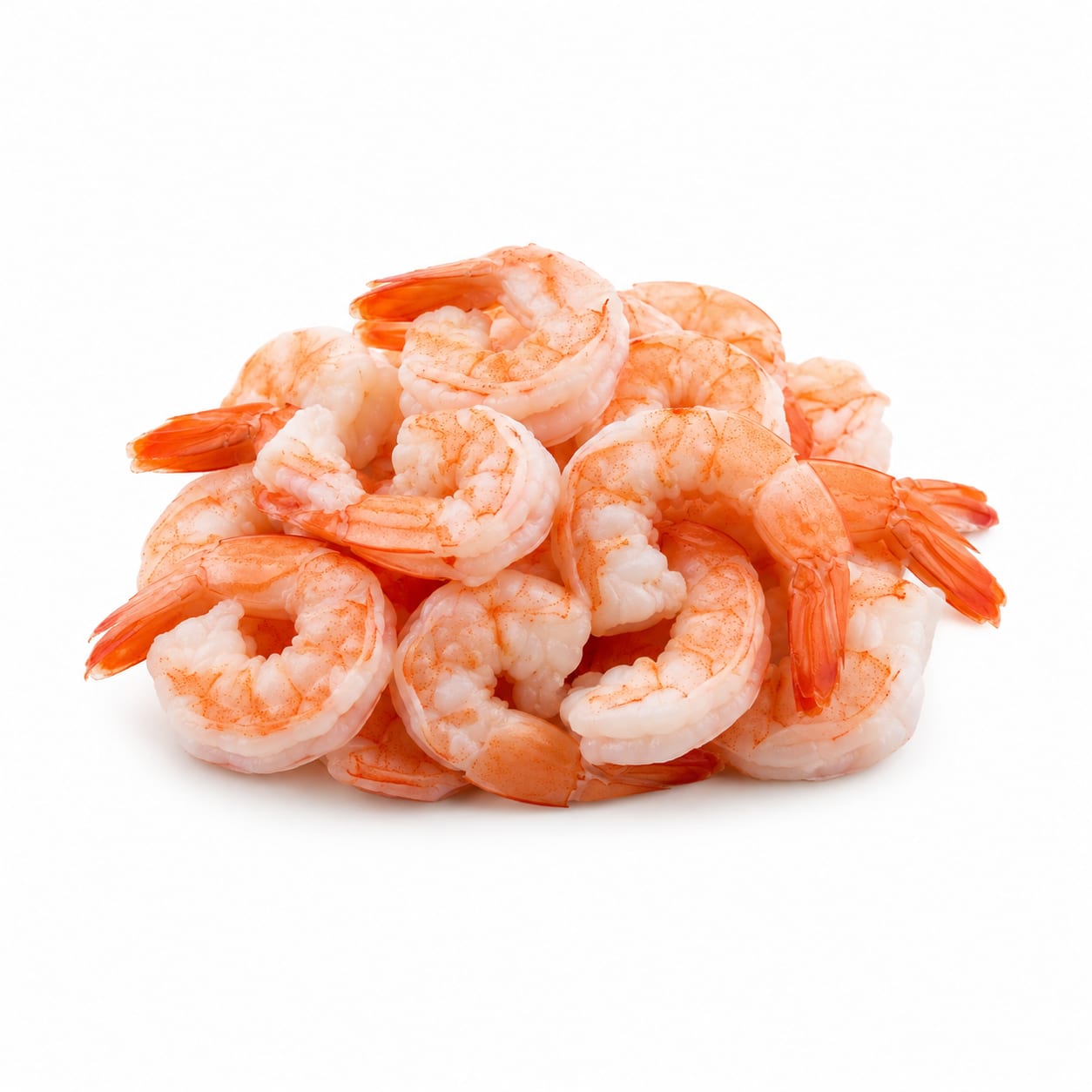
Shrimp
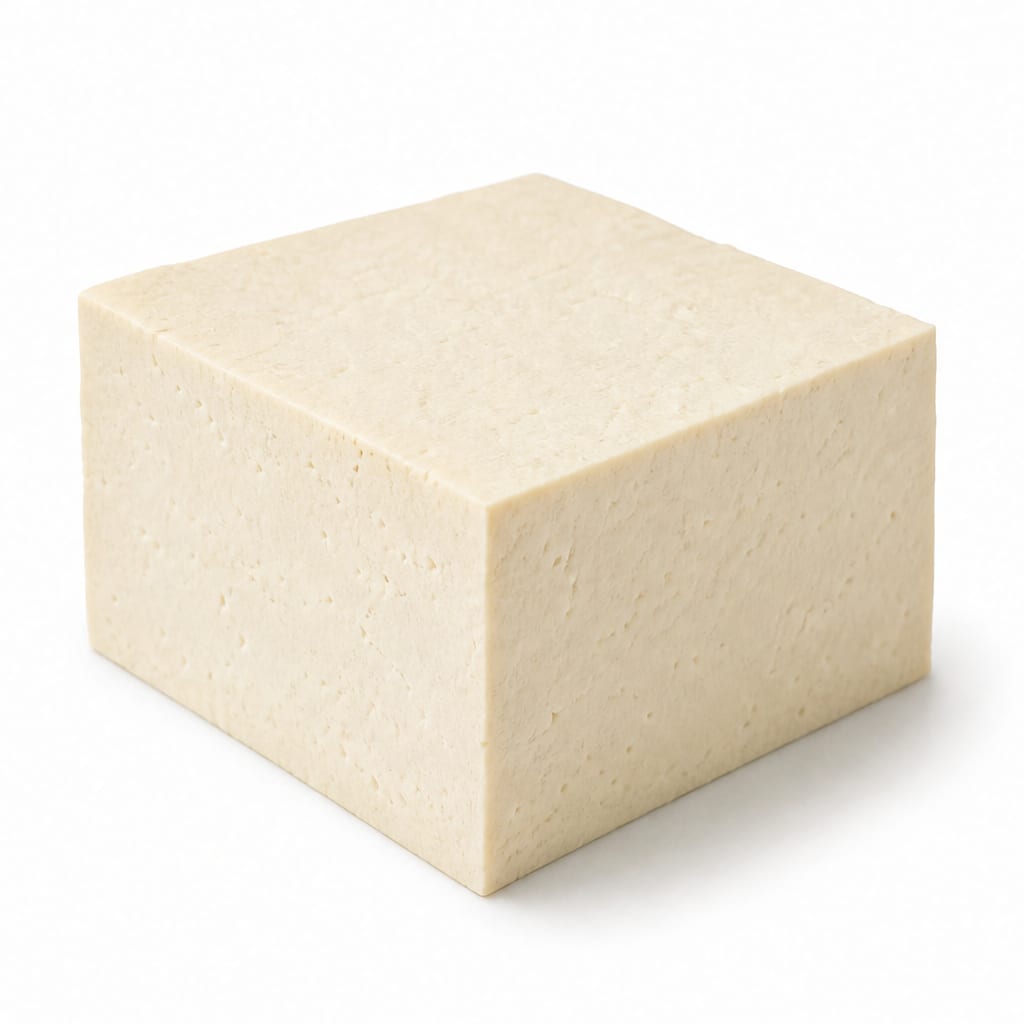
Tofu
Shrimp offers leaner, higher-quality protein, while Tofu provides heart-healthy fats, calcium, and better daily affordability.
Tofu scores slightly higher due to its broader micronutrient profile, heart health benefits, and daily sustainability. Shrimp is excellent for lean protein but loses points on cost, allergen risk, and cholesterol concerns for some individuals.
You trade the superior protein density and lightness of Shrimp for the heart-protective, bone-supporting, and budget-friendly profile of Tofu.
At a glance
Executive summary
Overall
It depends
Healthier
Tofu
More practical
Tofu
Daily use
Tofu
Key comparison lenses
Animal vs Plant Protein Quality
Users often compare seafood and soy to understand if plant protein measures up for muscle and satiety.
Cholesterol and Heart Health Impact
Shrimp is high in dietary cholesterol while Tofu actively helps lower it, making this a key decision factor.
Allergen and Contaminant Safety
Shellfish allergies and heavy metals in Shrimp contrast with soy allergies and GMO concerns in Tofu.
Best choice for
Shrimp
- Low-calorie dieters needing high protein
- People avoiding soy
- Those seeking a light, quick-digesting meal
Tofu
- People managing cholesterol or heart disease
- Vegans and vegetarians
- Budget-conscious meal preppers
Least suitable for
Shrimp
- People with shellfish allergies
- Those strictly managing dietary cholesterol
- Vegans and vegetarians
Tofu
- People with soy allergies
- Those avoiding phytoestrogens
- Individuals needing high-protein, low-fat sources
Deep comparison
Dimension by dimension
Each lens scores both foods and breaks down who each option suits.
- Dimension 1 · Priority 95Shrimp
Protein Quality & Muscle Building
Shrimp · 92Tofu · 75Shrimp packs more protein per calorie with a complete amino acid profile rich in leucine, making it better for muscle repair.
Tradeoff
Tofu's protein is decent but lower in methionine, while Shrimp offers a more efficient protein hit with almost zero carbs or fat.
Why it matters
Better protein quality means you need less food to trigger muscle growth and recovery after workouts.
Real-world impact
Eating Shrimp after a workout gives you a lean, fast-digesting protein boost without feeling heavy.
Shrimp
- Post-workout recovery
- Lean muscle maintenance
- High-protein, low-calorie diets
Better for
- Vegan lifestyles
Worse for
Tofu
- Sustained energy meals
- Plant-based athletes combining proteins
Better for
- Maximizing protein per calorie
Worse for
- Dimension 2 · Priority 90Tofu
Heart Health & Cholesterol
Shrimp · 65Tofu · 95Tofu actively lowers LDL cholesterol, while Shrimp is surprisingly high in dietary cholesterol despite being low in saturated fat.
Tradeoff
Shrimp's dietary cholesterol doesn't affect everyone's blood cholesterol, but Tofu offers guaranteed heart-protective benefits with zero cholesterol.
Why it matters
Heart disease risk is more heavily influenced by saturated fat and overall diet, but dietary cholesterol still matters for sensitive individuals.
Real-world impact
Choosing Tofu a few times a week can actively improve your lipid panel, whereas Shrimp is safe in moderation but less therapeutic.
Shrimp
- Diets already low in cholesterol
- People with normal lipid panels
Better for
- Hyper-responders to dietary cholesterol
Worse for
Tofu
- Managing high cholesterol
- Heart disease prevention
- Mediterranean or plant-forward diets
Better for
- Very low-fat diet requirements
Worse for
- Dimension 3 · Priority 80Tofu
Bone Health & Minerals
Shrimp · 60Tofu · 90Calcium-set Tofu is a massive source of calcium and iron, while Shrimp provides some selenium and iodine but lacks bone-building minerals.
Tradeoff
You give up the iron and calcium density of Tofu when choosing Shrimp, though Shrimp offers unique trace minerals from the ocean.
Why it matters
Bone density relies heavily on consistent calcium intake, and iron is crucial for energy, especially for women.
Real-world impact
A block of Tofu can cover a third of your daily calcium needs, making it an easy win for bone health without dairy.
Shrimp
- Thyroid support via iodine
- Antioxidant support via selenium
Better for
- Those needing calcium
Worse for
Tofu
- Preventing osteoporosis
- Boosting iron intake
- Dairy-free calcium sources
Better for
- Iodine-deficient diets
Worse for
- Dimension 4 · Priority 85Tofu
Allergen & Contaminant Safety
Shrimp · 55Tofu · 75Shrimp carries a high risk for shellfish allergies and can contain heavy metals or microplastics, whereas Tofu's main risks are soy allergies and GMO pesticides.
Tradeoff
Shrimp's ocean-borne contaminants are harder to avoid than Tofu's agricultural concerns, which can be mitigated by choosing organic.
Why it matters
Long-term exposure to heavy metals and microplastics poses hidden health risks that are impossible to feel immediately.
Real-world impact
Choosing organic Tofu removes most pesticide and GMO worries, but avoiding contaminants in Shrimp requires careful sourcing.
Shrimp
- People with soy allergies
Better for
- Shellfish allergy sufferers
- Those concerned about ocean contaminants
Worse for
Tofu
- People with shellfish allergies
- Those avoiding heavy metals
- Organic-focused consumers
Better for
- People with severe soy allergies
Worse for
- Dimension 5 · Priority 75It depends
Satiety & Calorie Efficiency
Shrimp · 80Tofu · 85Shrimp is incredibly low in calories, while Tofu's healthy fats and firm texture make it more filling and satisfying per serving.
Tradeoff
Shrimp lets you eat a large volume for few calories, but Tofu keeps you full longer due to its fat and protein combination.
Why it matters
Weight management depends on whether you prefer large portions or long-lasting fullness between meals.
Real-world impact
A Shrimp stir-fry feels light and won't weigh you down, while a Tofu bowl keeps afternoon hunger at bay.
Shrimp
- Large portion eaters
- Cutting weight for competitions
- Light dinner preferences
Better for
- Those who get hungry quickly after meals
Worse for
Tofu
- Long workdays without snacks
- Sustained energy needs
- Reducing overall snacking
Better for
- Strict calorie counters wanting maximum volume
Worse for
Timeline
Health impact over time
Short-term
Hours to days
Shrimp
- Quick-digesting protein that feels light in the stomach
- Provides immediate iodine and selenium for thyroid and energy
Tofu
- Steadier, slower-digesting energy that prevents blood sugar spikes
- Very filling, reducing the urge to snack shortly after eating
Long-term
Months to years
Shrimp
- Supports lean muscle maintenance with low calorie intake
- Potential accumulation of ocean contaminants if eaten too frequently
Tofu
- Actively lowers cardiovascular disease risk through cholesterol reduction
- Supports bone density and prevents age-related mineral loss
Risk profile
Safety & processing
Shrimp is a whole, natural food, while Tofu is made by coagulating soy milk—a traditional process that is lightly processed but not ultra-processed. Both are clean choices.
Shrimp
Shellfish Allergy
highOne of the top 8 allergens; reactions can be severe and life-threatening.
Heavy Metals and Microplastics
mediumShrimp can contain arsenic and microplastics from ocean pollution; sourcing matters greatly.
Antibiotic Residue
mediumImported farmed shrimp sometimes contain banned antibiotics; choose wild or reputable farms.
Tofu
Soy Allergy
mediumCommon allergen, especially in children, though often outgrown.
GMO and Pesticide Exposure
lowMost soy is GMO; choosing organic Tofu eliminates this concern entirely.
Phytoestrogen Sensitivity
lowSoy isoflavones can mimic estrogen, but moderate intake shows no harm in healthy adults.
Who wins for whom
Audience fit
Same foods, different winners depending on your goal.
children
TofuTofu is softer, rich in calcium for growing bones, and avoids the high allergen risk and potential heavy metals found in Shrimp.
daily consumption
TofuTofu is cheaper, stores longer, and has a more favorable long-term health profile for daily eating without cholesterol or contaminant buildup.
diabetes
TofuTofu's healthy fats and low carbohydrate content provide steady energy without blood sugar spikes, plus it improves heart health, a key concern for diabetics.
elderly
TofuTofu is easy to chew, supports bone density with calcium, and helps manage cholesterol, which is crucial for aging hearts.
muscle gain
ShrimpShrimp has a superior amino acid profile and more leucine per gram, which is the primary trigger for muscle protein synthesis.
weight loss
ShrimpShrimp provides massive protein with minimal calories, making it easier to stay in a deficit while preserving muscle.
Your move
Decision guide
Choose Shrimp
- You want the most protein for the fewest calories
- You are lifting weights and need high-quality recovery fuel
- You are avoiding soy products
Choose Tofu
- You want a heart-healthy, cholesterol-lowering protein
- You need a budget-friendly, daily staple
- You follow a plant-based diet or eat mostly plants
Either works if
- You are making a stir-fry and want a healthy protein base
- You need a low-carb option to pair with vegetables
Avoid both if
- You have both a shellfish and soy allergy
- You are on a strict potassium-restricted diet
Final recommendation
Let your primary health goal decide. Choose Shrimp for lean, high-quality protein and weight loss, but lean toward Tofu for daily use, heart health, and bone support. Alternating both gives you the best of ocean and plant benefits.
Practical
Consumer tips
- 1
Buy frozen Shrimp with the shell on for better flavor and texture; it is often fresher than the thawed counter shrimp.
- 2
Look for Tofu set with calcium sulfate to get a significant calcium boost per serving.
- 3
Choose wild-caught Shrimp or verify farmed sources to avoid antibiotic residues.
- 4
Opt for organic, non-GMO Tofu to eliminate pesticide and GMO concerns entirely.
- 5
Press your Tofu before cooking to improve texture and help it absorb marinades better.