
Nutrition comparison
Salmon vs Shrimp: Nutrition, Health Benefits & Which to Choose
Compare salmon and shrimp to see which seafood is better for weight loss, heart health, and meal prep. Discover the nutritional tradeoffs between these popular proteins.
Overall winner · Salmon
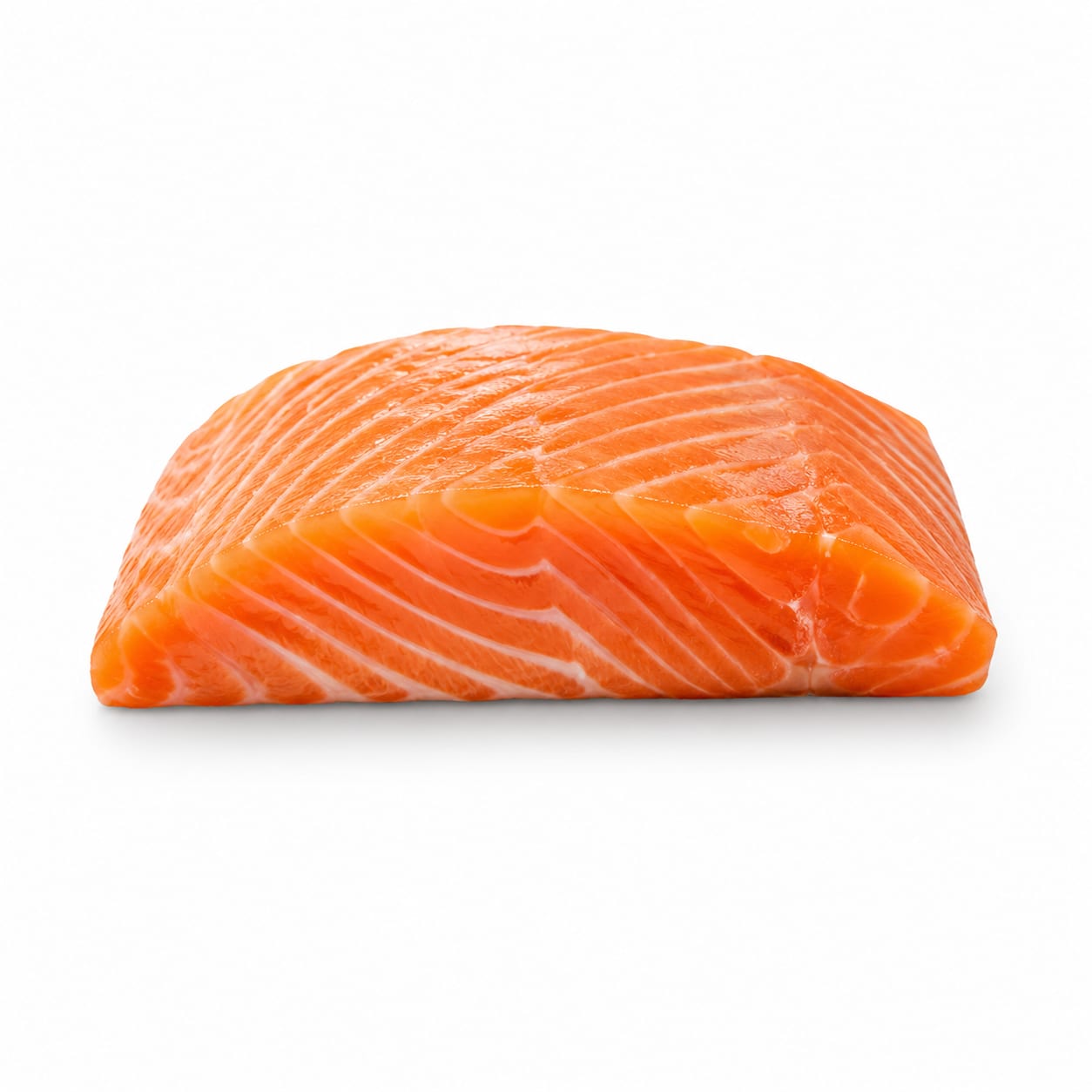
Salmon
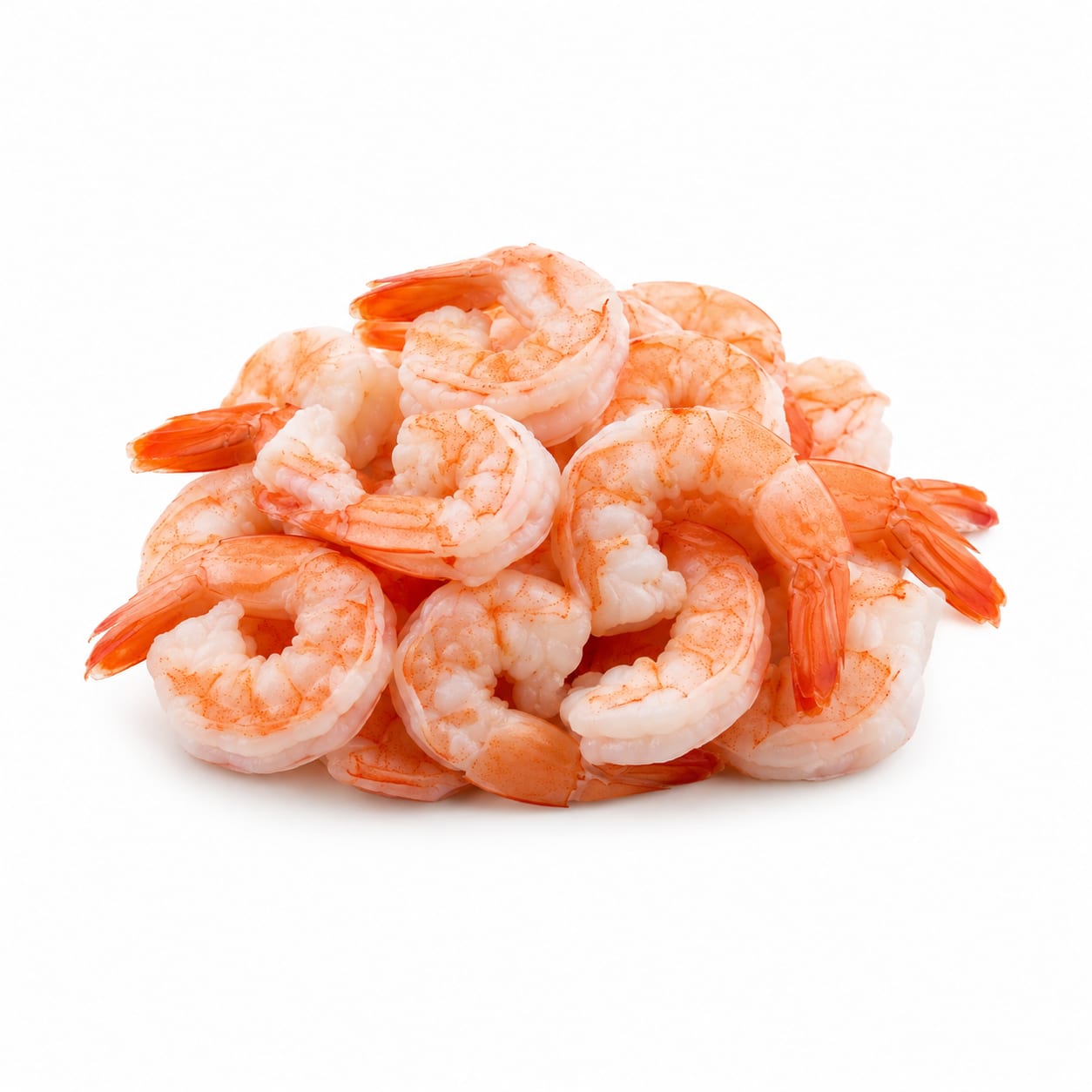
Shrimp
Salmon delivers unmatched omega-3s for brain and heart health, while shrimp offers lean, low-calorie protein that cooks in minutes.
Salmon scores higher due to its superior omega-3 density and satiety, but shrimp remains an excellent lean protein choice.
Rich, filling healthy fats in salmon versus light, ultra-lean protein in shrimp.
At a glance
Executive summary
Overall
Salmon
Healthier
Salmon
More practical
Shrimp
Daily use
Salmon
Key comparison lenses
Heart and brain health via omega-3 intake
Salmon is a top source of EPA and DHA, while shrimp offers minimal fat, making this the most critical nutritional divergence.
Calorie efficiency and lean protein for weight management
Shrimp provides massive protein for very few calories, appealing to strict macro trackers, whereas salmon is more calorie-dense.
Contaminant and heavy metal exposure
Both seafoods carry distinct sourcing risks: PCBs in farmed salmon versus antibiotics in imported shrimp.
Cooking convenience and weeknight practicality
Shrimp cooks in minutes, making it a go-to for quick meals, while salmon requires more careful preparation to avoid drying out.
Best choice for
Salmon
- Cardiovascular support
- Brain health and mood
- Sustained energy and satiety
Shrimp
- Strict calorie counting
- Quick weeknight meals
- Lean muscle maintenance
Least suitable for
Salmon
- Very low-fat diets
- Quick meal prep on busy nights
Shrimp
- Severe shellfish allergies
- Those needing omega-3 supplementation from food
Deep comparison
Dimension by dimension
Each lens scores both foods and breaks down who each option suits.
- Dimension 1 · Priority 95Salmon
Heart & Brain Nutrition
Salmon · 98Shrimp · 55Salmon is a powerhouse of EPA and DHA omega-3s, while shrimp offers minimal fats.
Tradeoff
You trade the anti-inflammatory benefits of salmon's fat for shrimp's lean profile.
Why it matters
Omega-3s are critical for cognitive function and reducing heart disease risk.
Real-world impact
Eating salmon regularly can improve mood and focus; shrimp won't move the needle on omega-3s.
Salmon
- Reducing inflammation
- Supporting brain health
Better for
- Meeting strict low-fat macro targets
Worse for
Shrimp
- Keeping fat macros low
Better for
- Getting adequate omega-3s from food alone
Worse for
- Dimension 2 · Priority 85Shrimp
Calorie & Protein Efficiency
Salmon · 75Shrimp · 95Shrimp delivers massive protein for very few calories, making it highly efficient for weight loss.
Tradeoff
Shrimp keeps calories trivially low, but salmon's fat makes it far more filling.
Why it matters
If you're counting calories, shrimp lets you eat a larger volume of food.
Real-world impact
A shrimp stir-fry feels light but packs protein; a salmon dinner feels rich and satisfying but costs more calories.
Salmon
- Staying full for hours
- Avoiding late-night snacking
Better for
- Rapid weight loss diets requiring low calories
Worse for
Shrimp
- Fitting into tight calorie budgets
- Post-workout lean protein
Better for
- Satiety between meals
Worse for
- Dimension 3 · Priority 80It depends
Contaminant & Safety Profile
Salmon · 70Shrimp · 70Salmon carries PCB and mercury risks depending on farming, while shrimp risks involve antibiotics and allergens.
Tradeoff
Choosing wild salmon avoids farmed contaminants, but wild shrimp is harder to verify for antibiotic use.
Why it matters
Accumulated toxins or allergic reactions can negate the benefits of healthy protein.
Real-world impact
You must source salmon carefully to avoid PCBs, and shrimp carefully to avoid farm antibiotics.
Salmon
- People with shellfish allergies
Better for
- Those worried about PCBs in farmed fish
Worse for
Shrimp
- People avoiding dietary cholesterol or higher fat toxins
Better for
- Those with severe shellfish allergies
Worse for
- Dimension 4 · Priority 75Shrimp
Convenience & Cooking Speed
Salmon · 60Shrimp · 95Shrimp cooks in 2-3 minutes, making it the ultimate fast protein. Salmon takes longer and is easier to overcook.
Tradeoff
Shrimp saves time on busy weeknights, while salmon requires more careful preparation.
Why it matters
Convenience often dictates what you actually cook instead of ordering takeout.
Real-world impact
Shrimp can be tossed straight from frozen into a boiling pot; salmon needs thawing and careful timing to stay moist.
Salmon
- Meal prepping for the week
Better for
- Rushed weeknight cooking
Worse for
Shrimp
- Last-minute dinners
- Quick lunch proteins
Better for
- Slow-roasted or braised recipe needs
Worse for
Timeline
Health impact over time
Short-term
Hours to days
Salmon
- High satiety after eating
- Steady energy without crashes
- Feeling comfortably full
Shrimp
- Light feeling after meals
- Quick digestion
- Rapid protein availability for muscles
Long-term
Months to years
Salmon
- Improved cardiovascular markers
- Better cognitive aging
- Reduced systemic inflammation
Shrimp
- Easier weight maintenance
- Preserved lean muscle mass
- Potential cholesterol sensitivity in some individuals
Risk profile
Safety & processing
Both are typically sold as whole, minimally processed proteins. The main concerns are environmental contaminants rather than artificial additives.
Salmon
PCBs and Dioxins
mediumPrimarily a concern in farmed salmon; wild salmon has significantly lower levels.
Mercury
lowSalmon is generally low in mercury compared to large predatory fish, making it safe for regular consumption.
Shrimp
Antibiotic Residue
mediumImported farmed shrimp often test positive for banned antibiotics; look for wild or domestically farmed shrimp.
Shellfish Allergy
highShrimp is a top allergen that can cause severe, life-threatening reactions in sensitive individuals.
Who wins for whom
Audience fit
Same foods, different winners depending on your goal.
children
SalmonSalmon's omega-3s are crucial for brain development, and it lacks the high allergy risk of shellfish.
daily consumption
SalmonSalmon's nutrient density and omega-3 profile make it an ideal daily staple, whereas shrimp's cholesterol and allergy risks limit daily intake for some.
diabetes
SalmonThe healthy fats in salmon slow digestion, stabilizing blood sugar far better than lean shrimp alone.
elderly
SalmonThe anti-inflammatory properties and cognitive protection of salmon's fats are highly beneficial for aging bodies.
muscle gain
SalmonSalmon provides high-quality protein alongside anti-inflammatory omega-3s that aid in muscle recovery.
weight loss
ShrimpShrimp's ultra-low calorie count makes it incredibly easy to maintain a calorie deficit.
Your move
Decision guide
Choose Salmon
- You want to boost your omega-3 intake naturally
- Brain and heart health are top priorities
- You need a meal that keeps you full for hours
- You are cooking for someone with a shellfish allergy
Choose Shrimp
- You are strictly counting calories or macros
- You need a protein that cooks in under 5 minutes
- You prefer a lighter, less filling meal
- You want an easy addition to salads or pasta
Either works if
- You need high-quality, complete protein sources
- You are tired of chicken or beef
- You want to support a low-carb or keto lifestyle
Avoid both if
- You are following a strict plant-based or vegan diet
- You have severe seafood allergies
Final recommendation
Choose salmon for overall health benefits and lasting fullness, or shrimp for a lean, lightning-fast protein fix. Rotating both gives you the best of both worlds—omega-3s from salmon and low-calorie efficiency from shrimp.
Practical
Consumer tips
- 1
Choose wild-caught salmon when possible to avoid PCBs and get a better omega-3 ratio.
- 2
Look for domestic or certified sustainable shrimp to avoid antibiotic-treated imports.
- 3
Keep frozen shrimp on hand for emergency meals—it thaws in minutes under cold water.
- 4
Don't fear the cholesterol in shrimp; dietary cholesterol has minimal impact on blood cholesterol for most people.