
Nutrition comparison
Shrimp vs Pork Tenderloin: Which Lean Protein Is Better for You?
Compare Shrimp and Pork Tenderloin on calories, protein, heart health, safety, and cost. Find out which lean protein fits your diet, budget, and health goals best.
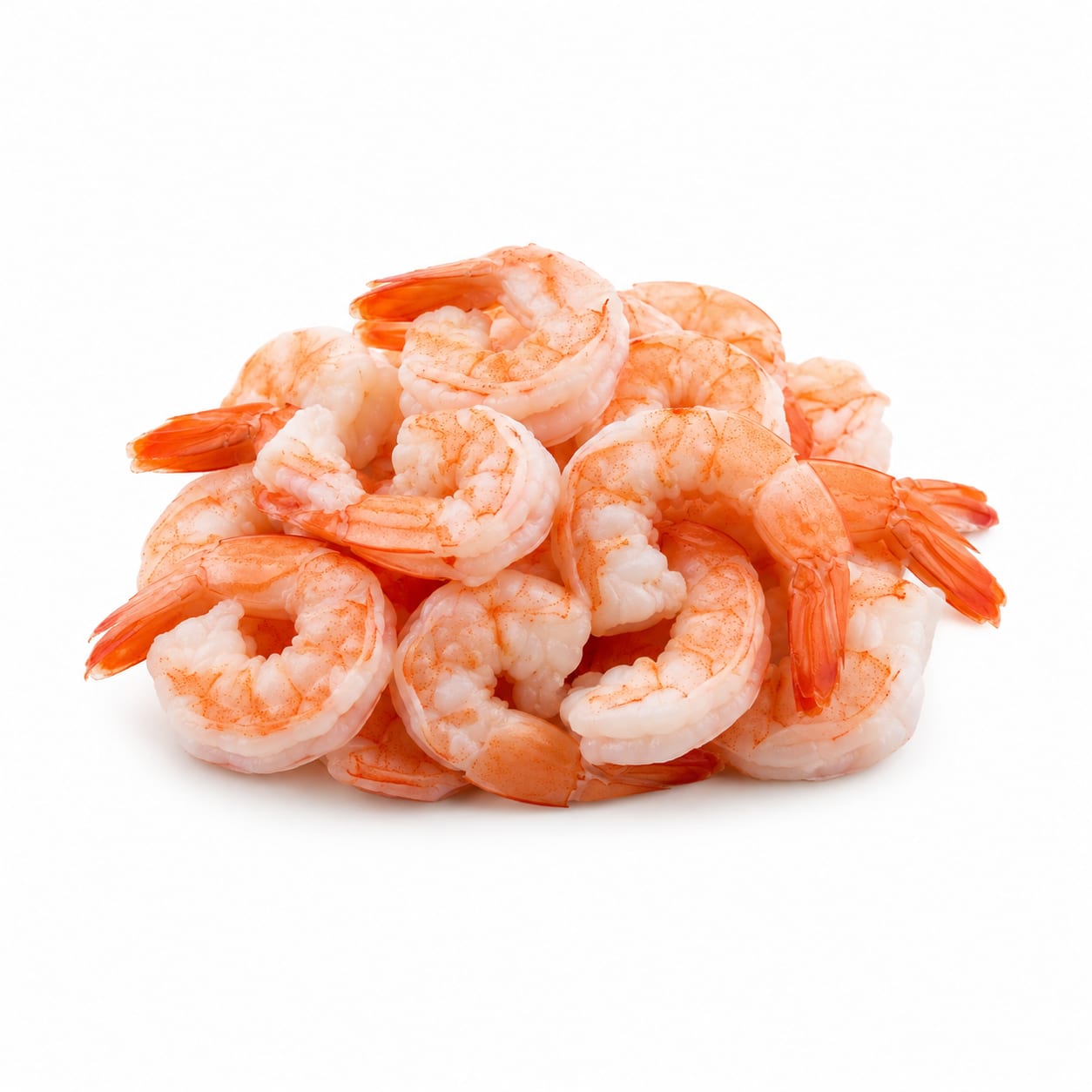
Shrimp
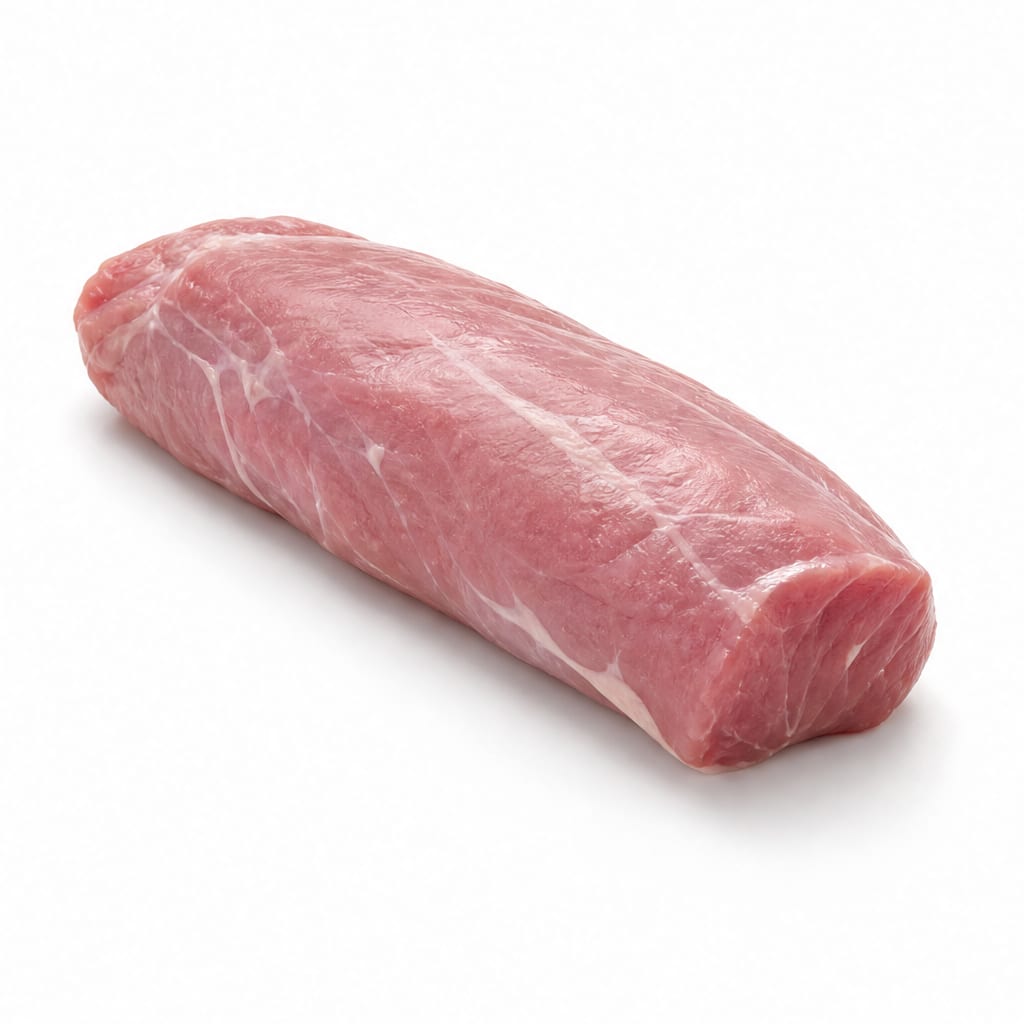
Pork Tenderloin
Shrimp wins for calorie density and unique micronutrients like iodine, while Pork Tenderloin wins for satiety, B-vitamin content, and everyday affordability.
Pork Tenderloin edges ahead due to better satiety, affordability, and mineral density, but Shrimp remains excellent for low-calorie needs. The close scores reflect that both are strong lean protein choices with different strengths.
Lower calories and ocean-sourced nutrients in shrimp versus more filling, budget-friendly, and iron-rich pork tenderloin.
At a glance
Executive summary
Overall
It depends
Healthier
It depends
More practical
Pork Tenderloin
Daily use
Pork Tenderloin
Key comparison lenses
lean protein source selection
Both are top-tier lean proteins, so users are likely deciding which fits their meal plan better
heart health and cholesterol concerns
Shrimp's cholesterol content and pork's saturated fat profile create a meaningful cardiovascular tradeoff
contaminant and safety awareness
Seafood contamination risks versus conventional meat antibiotic concerns are both significant
weight management protein choice
Both are low-calorie, high-protein options popular in weight loss diets
budget and everyday practicality
Price difference and cooking versatility affect long-term sustainability of either choice
Best choice for
Shrimp
- Strict calorie counters wanting maximum protein per calorie
- People needing more iodine and selenium in their diet
- Pescatarian or red-meat-avoiding eaters
- Quick-cooking weeknight meals in under 10 minutes
Pork Tenderloin
- Budget-conscious households wanting lean protein regularly
- Those who find seafood unsatisfying and need longer-lasting fullness
- Anyone needing more iron, thiamin, and zinc
- Meal preppers who want protein that reheats well
Least suitable for
Shrimp
- People with shellfish allergies
- Those monitoring dietary cholesterol closely
- Budget-limited families needing affordable daily protein
- Anyone concerned about ocean contaminants and microplastics
Pork Tenderloin
- Vegetarians and pescatarians
- Those avoiding red meat for personal or religious reasons
- People highly sensitive to saturated fat intake
- Anyone worried about conventional farming antibiotic residues
Deep comparison
Dimension by dimension
Each lens scores both foods and breaks down who each option suits.
- Dimension 1 · Priority 95Shrimp
Protein Quality and Density
Shrimp · 88Pork Tenderloin · 84Shrimp delivers slightly more protein per calorie, making it the most protein-dense option bite for bite.
Tradeoff
Shrimp has a higher protein-to-calorie ratio, but Pork Tenderloin provides more total protein per typical serving at a lower cost.
Why it matters
If every calorie counts, Shrimp gets you more protein with less energy cost. If total protein intake matters more than calorie precision, Pork Tenderloin is more practical.
Real-world impact
A 4-ounce serving of Shrimp gives you roughly 24g protein for only 112 calories. The same amount of Pork Tenderloin delivers about 22g protein for around 130 calories — nearly identical, but Shrimp shaves off a few calories.
Shrimp
- Strict calorie-tracking diets
- Competition prep where every calorie is budgeted
Better for
- Large portion eaters who find Shrimp too expensive per gram of protein
Worse for
Pork Tenderloin
- Higher total protein needs without calorie restriction
- Athletes in a building phase who eat larger portions
Better for
- Very low-calorie diets where protein-per-calorie must be maximized
Worse for
- Dimension 2 · Priority 88Pork Tenderloin
Satiety and Fullness
Shrimp · 62Pork Tenderloin · 81Pork Tenderloin keeps you full longer due to its slightly higher fat content and denser texture.
Tradeoff
Shrimp digests quickly and leaves you hungry sooner, while Pork Tenderloin provides steadier, longer-lasting satisfaction.
Why it matters
If you find yourself snacking an hour after a Shrimp dinner, the lack of staying power may undermine your dietary goals.
Real-world impact
A Pork Tenderloin dinner at 7pm likely holds you until morning. A Shrimp dinner might have you reaching for a snack by 9pm.
Shrimp
- Light meals where you want to feel satisfied without feeling heavy
- Hot weather eating when lighter fare feels better
Better for
- Anyone who struggles with hunger between meals
Worse for
Pork Tenderloin
- Long gaps between meals
- People prone to late-night snacking
- Physically demanding days requiring sustained energy
Better for
- Meals right before exercise where feeling heavy is uncomfortable
Worse for
- Dimension 3 · Priority 85It depends
Heart Health Profile
Shrimp · 70Pork Tenderloin · 72Both are lean, but they stress the heart differently — Shrimp through dietary cholesterol, Pork Tenderloin through saturated fat.
Tradeoff
Shrimp has more cholesterol but almost no saturated fat. Pork Tenderloin has less cholesterol but more saturated fat. The net heart health impact depends on your specific risk factors.
Why it matters
If your doctor flagged your LDL cholesterol, Shrimp's dietary cholesterol may be a concern. If triglycerides and saturated fat are your focus, Pork Tenderloin requires portion awareness.
Real-world impact
For most healthy people, both are fine in moderation. But if you have existing heart disease, the cholesterol in Shrimp and the saturated fat in Pork Tenderloin both warrant attention.
Shrimp
- People whose primary concern is limiting saturated fat
- Those with normal LDL cholesterol levels
Better for
- Anyone with elevated LDL cholesterol who is sensitive to dietary cholesterol
Worse for
Pork Tenderloin
- People specifically advised to limit dietary cholesterol
- Those managing familial hypercholesterolemia
Better for
- People who need to minimize saturated fat intake strictly
Worse for
- Dimension 4 · Priority 82It depends
Micronutrient Value
Shrimp · 80Pork Tenderloin · 83Shrimp excels in iodine, selenium, and B12, while Pork Tenderloin dominates in thiamin, zinc, and iron.
Tradeoff
Ocean-sourced micronutrients versus land-animal mineral density. Each fills different nutritional gaps.
Why it matters
If you rarely eat seafood, Shrimp provides iodine and selenium you might be missing. If you avoid red meat, Pork Tenderloin supplies iron and zinc that are harder to get elsewhere.
Real-world impact
One serving of Shrimp provides over 50% of your daily selenium and nearly all your iodine. One serving of Pork Tenderloin delivers over 70% of your thiamin needs and a solid iron hit.
Shrimp
- Iodine-deficient individuals, especially inland dwellers
- Those needing more selenium for thyroid support
Better for
- Those who need heme iron specifically for anemia management
Worse for
Pork Tenderloin
- Women prone to iron deficiency
- Anyone needing more B-vitamins, especially thiamin
- Older adults at risk for zinc deficiency
Better for
- People who get enough iron and zinc from other sources already
Worse for
- Dimension 5 · Priority 80Pork Tenderloin
Contaminant and Safety Risk
Shrimp · 58Pork Tenderloin · 72Shrimp carries higher contamination concerns from ocean pollutants and farming practices, while Pork Tenderloin's main risk is antibiotic residues in conventional farming.
Tradeoff
Ocean-sourced contaminants including microplastics and potential heavy metals in Shrimp versus antibiotic and hormone concerns in conventionally raised pork.
Why it matters
If you eat Shrimp frequently, cumulative exposure to ocean contaminants becomes a real consideration. Pork Tenderloin from quality sources mitigates most of its risks.
Real-world impact
Choosing wild-caught or well-certified Shrimp reduces but doesn't eliminate contaminant concerns. Buying organic or antibiotic-free Pork Tenderloin significantly reduces its primary risk.
Shrimp
- Wild-caught shrimp from trusted sources eaten occasionally
Better for
- Farmed imported shrimp eaten multiple times per week
- Children and pregnant women more vulnerable to heavy metals
Worse for
Pork Tenderloin
- Organic or antibiotic-free pork tenderloin as a regular protein staple
Better for
- Conventionally farmed pork from unknown sources eaten daily
Worse for
- Dimension 6 · Priority 75Pork Tenderloin
Cost and Everyday Practicality
Shrimp · 52Pork Tenderloin · 85Pork Tenderloin is significantly more affordable and versatile for daily cooking, while Shrimp is a pricier option that cooks faster but costs more per gram of protein.
Tradeoff
Shrimp cooks in minutes but costs two to three times more. Pork Tenderloin takes longer to cook but stretches your grocery budget much further.
Why it matters
If you are feeding a family or eating lean protein daily, cost becomes a deciding factor in long-term sustainability.
Real-world impact
Pork Tenderloin often costs $3-5 per pound. Shrimp typically runs $8-15 per pound. Over a month of regular consumption, that difference is substantial.
Shrimp
- Special occasion meals where quick cooking matters more than cost
- Small households where the price per meal is manageable
Better for
- Budget-constrained households needing daily affordable protein
Worse for
Pork Tenderloin
- Families needing affordable lean protein multiple times per week
- Meal preppers cooking in bulk for several days
Better for
- Quick weeknight meals where 20-minute cook times feel too long
Worse for
- Dimension 7 · Priority 68Shrimp
Digestive Tolerance
Shrimp · 82Pork Tenderloin · 74Shrimp is lighter and easier to digest for most people, while Pork Tenderloin can feel heavier, especially in larger portions.
Tradeoff
Quick-digesting Shrimp is gentler on the stomach but leaves you hungry sooner. Slower-digesting Pork Tenderloin is more filling but may feel heavy for sensitive digestions.
Why it matters
If you have a sensitive stomach or eat late at night, lighter proteins digest more comfortably.
Real-world impact
A Shrimp stir-fry at 8pm sits lighter than a Pork Tenderloin dinner at the same hour. But by 10pm, the Shrimp eater may be hungry again.
Shrimp
- Late dinners
- People with sensitive digestion
- Post-illness recovery when light eating is preferred
Better for
- Anyone who needs long-lasting satiety from a single meal
Worse for
Pork Tenderloin
- Active people who need sustained energy release
- Those who prefer one satisfying meal over grazing
Better for
- People with sluggish digestion or acid reflux triggered by heavier meats
Worse for
Timeline
Health impact over time
Short-term
Hours to days
Shrimp
- Quick energy from easily digested protein without feeling weighed down
- Rapid satiety that fades within 1-2 hours
- Possible mild allergic reactions in shellfish-sensitive individuals
Pork Tenderloin
- Sustained fullness lasting 3-4 hours after a meal
- Steadier blood sugar due to slightly higher fat content slowing digestion
- Possible heaviness if eaten in large portions before physical activity
Long-term
Months to years
Shrimp
- Excellent iodine and selenium intake supporting thyroid health
- Potential cumulative exposure to ocean contaminants if consumed very frequently
- Dietary cholesterol impact remains debated but may affect sensitive individuals
Pork Tenderloin
- Strong B-vitamin and iron status, particularly beneficial for women and older adults
- Saturated fat intake warrants monitoring if Pork Tenderloin is a daily staple
- Choosing quality-sourced pork reduces long-term antibiotic and hormone exposure risks
Risk profile
Safety & processing
Both Shrimp and Pork Tenderloin are whole, minimally processed foods in their natural form. Concerns arise from farming practices rather than processing — sodium tripolyphosphate in some frozen Shrimp and sodium solutions in some packaged Pork Tenderloin are the main additives to watch for.
Shrimp
Shellfish allergy
highOne of the top eight allergens. Reactions can be severe or life-threatening. Always confirm no allergy exists before serving.
Heavy metal and microplastic contamination
mediumOcean-sourced Shrimp may contain trace arsenic, lead, and microplastics. Farmed Shrimp from certain regions carry higher risk. Wild-caught and well-sourced options reduce this significantly.
Antibiotic residues in farmed varieties
mediumImported farmed Shrimp, particularly from Southeast Asia, may contain banned antibiotics. Look for certified or domestic sources.
Sodium tripolyphosphate additive
lowUsed to retain moisture in frozen Shrimp. Can increase sodium content and affect texture. Check labels if avoiding additives.
Pork Tenderloin
Trichinosis
lowExtremely rare in commercially raised pork in developed countries. Cooking to 145°F eliminates any risk.
Antibiotic residues in conventional farming
mediumConventional pork operations may use antibiotics. Residues in meat are regulated but remain a concern for some consumers. Organic or antibiotic-free labels reduce this.
Sodium enhancement in packaged cuts
lowSome Pork Tenderloin is enhanced with sodium solutions. Check packaging for 'enhanced' or 'injected' language if watching sodium.
Who wins for whom
Audience fit
Same foods, different winners depending on your goal.
children
Pork TenderloinPork Tenderloin provides iron, zinc, and B-vitamins critical for growth, and lacks the shellfish allergy risk and contaminant concerns that make frequent Shrimp consumption less ideal for developing bodies.
daily consumption
Pork TenderloinPork Tenderloin is more affordable, more filling, and has fewer cumulative contaminant concerns for daily eating. Shrimp is best enjoyed a few times per week rather than daily.
diabetes
It dependsBoth are low-carb, high-protein options that stabilize blood sugar. Shrimp has zero carbs and virtually no fat to slow digestion, while Pork Tenderloin's slight fat content provides steadier glucose response. Choose based on your specific blood sugar patterns.
elderly
Pork TenderloinOlder adults benefit more from Pork Tenderloin's iron, zinc, thiamin, and higher satiety. Shrimp's lighter texture is easier to chew, but the micronutrient and fullness advantages of Pork Tenderloin matter more for aging bodies.
muscle gain
Pork TenderloinPork Tenderloin provides slightly more total protein per typical serving, better satiety for training appetite, and more iron and zinc which support muscle recovery and growth.
weight loss
ShrimpShrimp provides maximum protein with minimum calories, making it easier to stay within a calorie deficit. However, its lower satiety means you may eat more overall if not careful.
Your move
Decision guide
Choose Shrimp
- You want the lowest-calorie lean protein available
- Thyroid health and iodine intake are priorities for you
- You eat red meat rarely and prefer seafood-based meals
- You need a protein that cooks in under 5 minutes
- You have no shellfish allergy and can source quality Shrimp
Choose Pork Tenderloin
- You want satisfying meals that keep you full for hours
- Affordability matters for your weekly grocery budget
- You need more iron, zinc, and B-vitamins in your diet
- You meal prep and want protein that reheats well
- You feed a family and need cost-effective lean protein
Either works if
- You simply want a lean, whole-food protein source
- Heart health is a priority and you are monitoring both cholesterol and saturated fat
- You rotate proteins throughout the week for variety
- You enjoy cooking and want versatile options
Avoid both if
- You follow a vegetarian or vegan diet
- You have both shellfish allergy and red meat restrictions
- You require a low-purine diet for gout management, as both are moderate in purines
Final recommendation
Eat both, but lean toward Pork Tenderloin as your everyday staple and Shrimp as your 2-3 times per week upgrade. Pork Tenderloin gives you more staying power, better mineral nutrition, and a friendlier price tag for daily use. Shrimp shines when you want something lighter, faster, or need an iodine boost. Rotating between them gives you the broadest micronutrient coverage without overloading on either's specific risks.
Practical
Consumer tips
- 1
Buy wild-caught or domestically farmed Shrimp to reduce contaminant and antibiotic exposure
- 2
Look for Pork Tenderloin labeled 'antibiotic-free' or 'organic' for the cleanest option
- 3
Avoid frozen Shrimp with sodium tripolyphosphate — check the ingredient list for just Shrimp
- 4
Pork Tenderloin is one of the most underrated lean cuts — it is as lean as chicken breast when trimmed
- 5
Cook Shrimp just until pink and curled; overcooking makes it rubbery and less enjoyable
- 6
Use a meat thermometer for Pork Tenderloin — 145°F is safe and keeps it juicy, no need to overcook
- 7
If cost is a barrier for Shrimp, use it as a flavor accent in stir-fries rather than the main protein
- 8
Both freeze well — buy Pork Tenderloin in bulk on sale and portion for future meals