
Nutrition comparison
Shrimp vs Chicken Breast: Which Lean Protein is Better?
Compare shrimp and chicken breast for protein, weight loss, and health. Discover the tradeoffs between omega-3s, cholesterol, budget, and muscle gain.
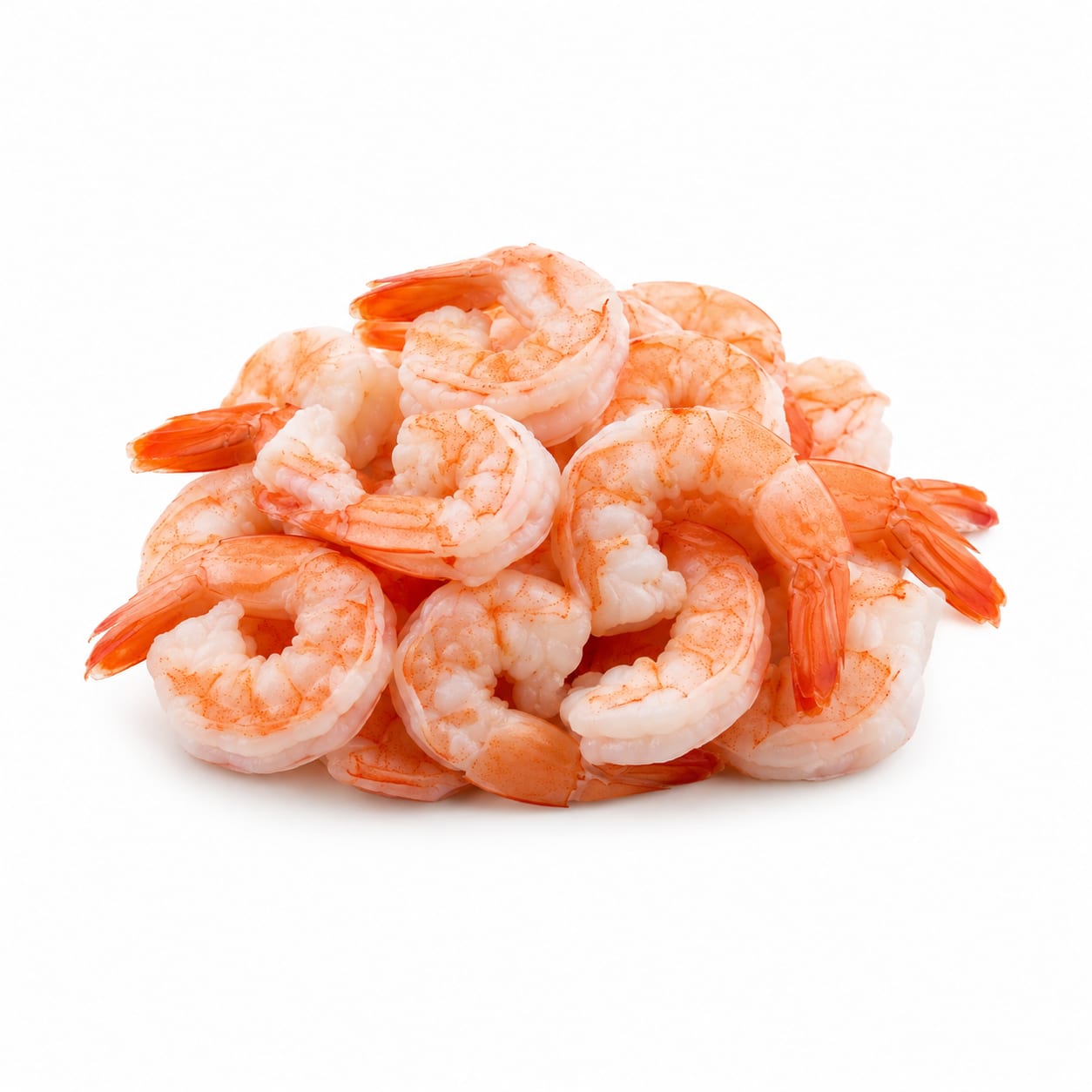
Shrimp
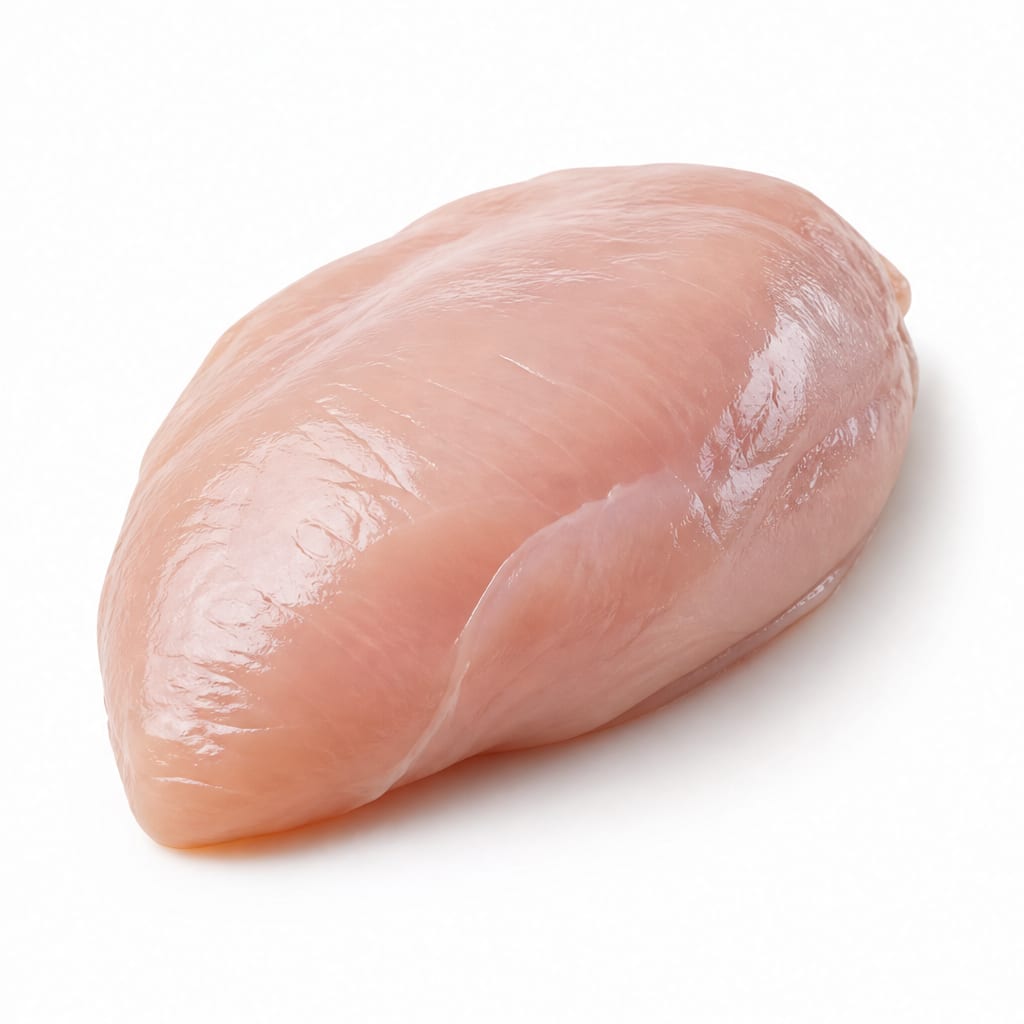
Chicken Breast
Chicken breast is the affordable, everyday lean protein workhorse, while shrimp offers unique marine nutrients and faster cooking at a higher price.
Chicken breast scores slightly higher due to better affordability, versatility, and everyday practicality. Shrimp remains an excellent choice but is held back by cost and allergy concerns.
Budget and versatility versus seafood-specific micronutrients and culinary convenience.
At a glance
Executive summary
Overall
It depends
Healthier
It depends
More practical
Chicken Breast
Daily use
Chicken Breast
Key comparison lenses
lean protein source selection
Both are top-tier lean proteins, making the choice highly relevant for muscle gain and fat loss diets.
heart health and cholesterol impact
Shrimp is high in dietary cholesterol while chicken breast has more saturated fat, creating a common nutritional dilemma.
budget and meal prep practicality
Chicken breast is a staple for affordable bulk cooking, whereas shrimp is typically more expensive and less suited for heavy meal prep.
micronutrient diversity
Shrimp offers unique marine nutrients like iodine and omega-3s, while chicken breast provides B vitamins essential for energy.
Best choice for
Shrimp
- People needing more omega-3s but who dislike fish
- Those watching saturated fat intake strictly
- Quick weeknight dinner needs
- Anyone needing an iodine boost for thyroid health
Chicken Breast
- Budget-conscious meal preppers
- Bodybuilders needing high protein volume
- Families looking for versatile, kid-friendly lean meat
- People with shellfish allergies looking for a safe alternative
Least suitable for
Shrimp
- People with severe shellfish allergies
- Those on a tight grocery budget
- Individuals highly sensitive to dietary cholesterol
Chicken Breast
- Vegetarians or pescetarians
- People bored with bland meal-prep diets
- Those seeking marine-source omega-3s
Deep comparison
Dimension by dimension
Each lens scores both foods and breaks down who each option suits.
- Dimension 1 · Priority 95Chicken Breast
Protein Quality and Density
Shrimp · 88Chicken Breast · 94Both are elite lean proteins, but chicken breast provides slightly more protein per calorie and per dollar.
Tradeoff
Shrimp is lighter and cooks in minutes, while chicken breast offers more satiating protein volume for the same calories.
Why it matters
Higher protein density helps with muscle retention during weight loss and keeps you fuller longer.
Real-world impact
A chicken breast keeps you satisfied through a busy afternoon better than a modest shrimp portion.
Shrimp
- Lighter meals where you want protein without feeling stuffed
- Appetizer or tapas-style eating
Better for
- Bodybuilders needing massive protein intake on a budget
Worse for
Chicken Breast
- Post-workout muscle recovery
- Making a large batch of protein for the week
Better for
- Quick meals where long cook times are a dealbreaker
Worse for
- Dimension 2 · Priority 85It depends
Heart Health Profile
Shrimp · 80Chicken Breast · 82Shrimp is high in cholesterol but very low in saturated fat. Chicken breast has moderate saturated fat but no dietary cholesterol.
Tradeoff
Dietary cholesterol in shrimp affects some people's blood lipids, while the saturated fat in chicken breast can raise LDL cholesterol more consistently.
Why it matters
Managing blood lipids is crucial for long-term cardiovascular health.
Real-world impact
If your doctor told you to watch your cholesterol numbers, shrimp might spike your levels more than chicken, despite having less saturated fat.
Shrimp
- People strictly limiting saturated fat intake
- Those with normal blood cholesterol responses to dietary cholesterol
Better for
- People with genetically high cholesterol who are sensitive to dietary sources
Worse for
Chicken Breast
- Hyper-responders to dietary cholesterol
- Those following a Mediterranean-style low-saturated-fat diet
Better for
- Diets requiring ultra-low saturated fat intake
Worse for
- Dimension 3 · Priority 80Shrimp
Micronutrient Density
Shrimp · 90Chicken Breast · 78Shrimp delivers unique marine nutrients like iodine, selenium, and omega-3s, while chicken breast excels in B vitamins like niacin and B6.
Tradeoff
Shrimp supports thyroid and brain health better, while chicken breast fuels energy metabolism more effectively.
Why it matters
Micronutrient gaps can cause fatigue, poor recovery, and metabolic slowdowns over time.
Real-world impact
Eating shrimp a few times a week can fix an iodine gap that leaves you feeling sluggish, whereas chicken helps convert food into steady energy.
Shrimp
- Supporting thyroid function
- Getting anti-inflammatory omega-3s without eating fish
- Boosting antioxidant selenium intake
Better for
- Those relying solely on shrimp might miss out on B-vitamin abundance
Worse for
Chicken Breast
- Preventing B-vitamin deficiencies
- Sustaining high energy output for active lifestyles
Better for
- Missing out on marine-source omega-3s and iodine
Worse for
- Dimension 4 · Priority 85Chicken Breast
Budget and Practicality
Shrimp · 55Chicken Breast · 92Chicken breast is one of the cheapest lean proteins available, while shrimp is often considered a luxury protein.
Tradeoff
Shrimp cooks in just a few minutes, saving time, but chicken breast saves significant money and stores better for meal prep.
Why it matters
Cost and convenience determine whether a healthy diet is sustainable long-term.
Real-world impact
You can grill 5 pounds of chicken breast for the week on a budget; doing the same with shrimp would break the bank and the texture would suffer.
Shrimp
- Last-minute dinners since shrimp thaws and cooks incredibly fast
Better for
- Students or large families on tight food budgets
Worse for
Chicken Breast
- Family grocery budgets
- Batch cooking and weekly meal prep
Better for
- Days when you only have 10 minutes to cook dinner
Worse for
Timeline
Health impact over time
Short-term
Hours to days
Shrimp
- Cooks rapidly, making a quick, light, and satisfying meal
- Very easy to digest, leaving you feeling light and energized
Chicken Breast
- Highly satiating, keeping hunger at bay for hours
- Takes longer to cook and digest, providing a heavier fullness
Long-term
Months to years
Shrimp
- Omega-3s and selenium support brain health and reduce inflammation
- Iodine intake helps maintain a healthy metabolic rate
- High dietary cholesterol may be a concern for hyper-responders
Chicken Breast
- Consistent high protein intake preserves muscle mass as you age
- Niacin and B6 support long-term cardiovascular and neurological health
- Over-reliance without dietary variety can lead to micronutrient gaps
Risk profile
Safety & processing
Both are whole, minimally processed foods. However, frozen shrimp often contains sodium tripolyphosphate (STPP) to retain moisture, which adds unnecessary sodium and a soggy texture, whereas fresh or frozen chicken breast typically has no additives.
Shrimp
Shellfish allergy
highOne of the top 8 allergens; reactions can be severe or anaphylactic, making shrimp unsafe for a significant portion of the population.
Cholesterol oxidation
mediumOvercooking or grilling shrimp at very high temperatures can oxidize its cholesterol, which is more harmful to arteries than unoxidized cholesterol.
Heavy metals and microplastics
lowDepending on the sourcing, shrimp can contain traces of heavy metals and microplastics, especially from polluted farming waters.
Chicken Breast
Salmonella contamination
mediumRaw chicken is a common carrier of salmonella, requiring strict kitchen hygiene and thorough cooking to prevent foodborne illness.
Antibiotic residues
mediumConventionally raised chicken may carry antibiotic residues, contributing to antimicrobial resistance, though regulations have improved.
Who wins for whom
Audience fit
Same foods, different winners depending on your goal.
children
Chicken BreastChicken breast is safer for children due to the high risk and severity of shellfish allergies, and its milder flavor is usually more kid-friendly.
daily consumption
Chicken BreastChicken breast is cheaper, has a neutral flavor that doesn't fatigue the palate, and carries a lower allergy risk, making it better for daily eating.
diabetes
It dependsBoth have zero carbohydrates and will not spike blood sugar. The choice comes down to individual lipid goals and taste preference.
elderly
ShrimpShrimp is easier to chew and digest, and its omega-3s and selenium support cognitive health and joint inflammation common in older adults.
muscle gain
Chicken BreastChicken breast provides more total protein per serving and per dollar, making it easier to hit high daily protein targets consistently.
weight loss
It dependsBoth are incredibly low in calories and high in protein. Chicken breast offers more volume for the calories, while shrimp feels more indulgent, helping diet adherence.
Your move
Decision guide
Choose Shrimp
- You want a quick-cooking, lighter protein with marine nutrients
- You need an iodine and omega-3 boost but dislike fish
- You are cooking a nice dinner where flavor and elegance matter
Choose Chicken Breast
- You are meal-prepping on a budget for the week
- You need maximum protein per calorie for muscle gain
- You are feeding kids or people with unknown allergy histories
Either works if
- You just need a lean, zero-carb protein source for a salad or bowl
- You are trying to lose weight and need low-calorie satiety
Avoid both if
- You are following a strict plant-based or vegan diet
- You have severe kidney disease requiring strict protein restriction
Final recommendation
Make chicken breast your daily protein staple for its affordability and versatility, and treat shrimp as your nutritional upgrade a couple of times a week for its unique omega-3s and iodine.
Practical
Consumer tips
- 1
Check frozen shrimp labels for STPP (sodium tripolyphosphate); buy 'chemical-free' or 'no additives' shrimp for better texture and lower sodium.
- 2
Pound chicken breast to an even thickness before cooking to prevent dry, overcooked edges and a raw middle.
- 3
Buy whole chicken breasts on sale and freeze them; pre-cook and slice shrimp only right before eating to maintain their tender texture.
- 4
Marinate chicken in acidic dressings (lemon, yogurt) to keep it moist during meal prep; shrimp only needs 15 minutes in a marinade before it gets mushy.