
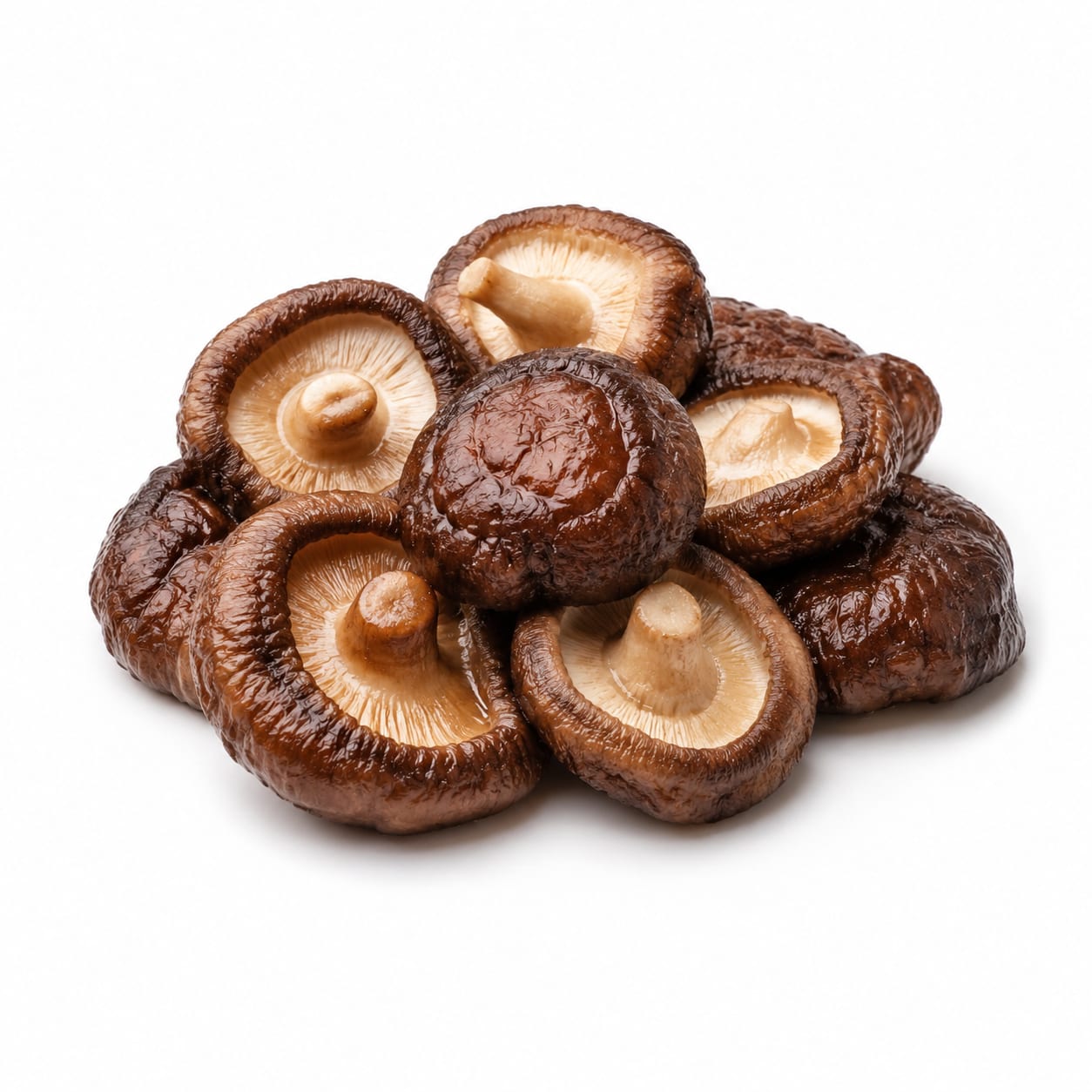
Vegetable / Fungus
Shiitake Mushroom
Shiitake mushrooms are a low-calorie, nutrient-dense fungus known for their savory umami flavor and immune-supporting beta-glucans.
Shiitake mushrooms are edible fungi native to East Asia, prized for their rich umami flavor and medicinal properties, particularly immune and cardiovascular support.
low-calorie umami-flavored functional fungus
Typical serving · 100g
Common varieties · Donko, Koshin, White Shiitake, Black Forest
Overall context score across nutrition, safety, and diet fit
At a glance
Quick facts
Simple indicators based on nutrition, processing, and diet fit.
The story
What makes it unique
Shiitake mushrooms are low-calorie, water-dense fungi providing moderate fiber and protein. They digest slowly due to chitin and beta-glucan content, promoting stable blood sugar and sustained satiety. Their macronutrient profile is minimal, but their bioactive compounds, like lentinan and eritadenine, offer distinct physiological benefits. As a whole food, they are minimally processed.
Varieties: Donko · Koshin · White Shiitake · Black Forest
Per 100g
Nutrition breakdown
Macro balance and key metrics at a glance.
Energy
Density 0.34 kcal/g
Protein
Carbs
Fat
Fiber
Sugar
2.4 g
Sodium
5 mg
Potassium
304 mg
Glycemic index
10
Glycemic load
1
Water content
83%
Standout compounds
Nutrient highlights
Beta-glucans
highModulates immune system and lowers cholesterol
Copper
moderateSupports iron absorption and cardiovascular health
Selenium
moderateActs as a powerful antioxidant protecting cells from damage
Ergothioneine
highUnique antioxidant that protects against oxidative stress and inflammation
Vitamin B5
moderateEssential for synthesizing coenzyme A and metabolizing fats
Wellness map
Health scores & processing
NOVA processing scale
Minimally processed · Whole food
Fresh shiitake mushrooms are whole, unadulterated agricultural products requiring no industrial processing.
Diet compatibility
- Weight loss
- Muscle gain
- Diabetes
- Gut health
- Low carb
- High protein
- Heart health
Relative standing
Food rankings
Qualitative ranks compared to similar whole foods.
- Satietygood
- Blood sugarexcellent
- Nutrient densitygood
- Fitness fuelmoderate
- Processing qualityexcellent
Eat with confidence
Food safety profile
Commercial shiitake mushrooms are generally safe, though they can bioaccumulate heavy metals from contaminated soil. Always cook them to break down tough chitin and avoid shiitake dermatitis, a rare skin reaction to raw lentinan.
Evidence confidence 85%
- Pesticideslow
- Antibioticslow
- Heavy metalsmoderate
- Contaminationlow
Watch for
- heavy metals (from substrate)
- spores (respiratory irritant)
Safer choices
Organically grown shiitake on controlled hardwood substrates minimize heavy metal and pesticide risks.
Prep tips
Wipe with a damp cloth instead of soaking to prevent waterlogging. Always cook thoroughly to neutralize lentinan and improve digestibility.
Wild-foraged mushrooms carry misidentification risk; commercial varieties are heavily regulated and safe.
Deep dive
Health analysis
How this food may fit different goals and preparation choices.
Weight loss
Low energy density and high water content allow for large portion sizes with minimal caloric intake, while fiber provides bulk.
Blood sugar
Very low glycemic index and load. Beta-glucans slow glucose absorption, preventing blood sugar spikes.
Fitness & energy
Not a primary energy source due to low calories and carbs, but useful for adding flavor to meals without adding macros.
Gut health
Chitin and beta-glucans act as prebiotics, feeding beneficial gut bacteria and supporting microbiome diversity.
Processing quality
Whole food with no additives. Dried versions are also minimally processed, concentrating nutrients without synthetic chemicals.
Food safety
Safe when cooked. Rare risk of shiitake dermatitis if consumed raw. Heavy metal accumulation is a minor concern dependent on growing substrate.
Common mistakes
Eating them raw in salads, soaking them in water before cooking, or overcooking until mushy which destroys texture and some nutrients.
Best preparation
Sautéing, roasting, or simmering in soups. Cooking breaks down chitin for better nutrient absorption and eliminates dermatitis risk.
Practical guide
Best use cases
When and how this food fits real eating patterns.
Flavor enhancer for low-calorie meals
Their umami profile adds depth to soups and stir-fries without the need for high-calorie sauces or excessive salt.
Immune-supporting broth base
Simmering stems and caps creates a nutrient-dense, beta-glucan-rich broth for cold season.
Low-carb diet staple
Provides bulk and texture to replace higher-carb ingredients in keto and low-carb recipes.
Balance sheet
Pros & cons
Upsides
- Very low calorie and low energy density
- Rich in immune-modulating beta-glucans
- High in unique antioxidants like ergothioneine
- Provides deep umami flavor without added sodium
- Very low glycemic impact
Trade-offs
- Must be cooked to avoid shiitake dermatitis
- Not a significant source of protein or energy
- Stems are too tough to eat and must be discarded or used for broth
- Can be more expensive than common button mushrooms
Fit check
Who is it for?
Great match
- low-calorie dieting
- blood sugar management
- immune system support
- flavoring clean-eating recipes
Consider alternatives
- raw food diets
- high-protein muscle-building diets
- calorie-dense meal prep
Side by side
How it compares
Open the full head-to-head analysis for nutrition, safety, and practical tradeoffs.
This food
Shiitake Mushroom
VS90% alike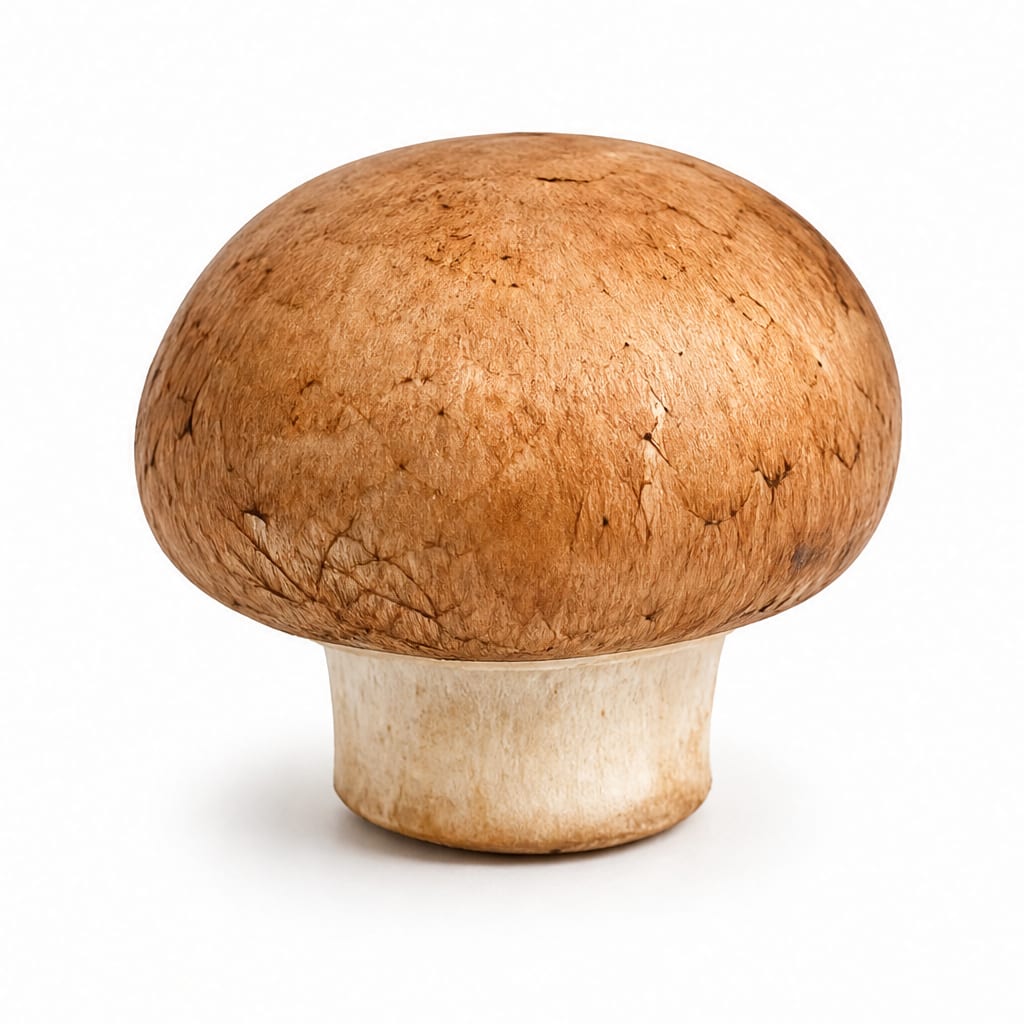
Compare with
Cremini Mushroom
Shiitake offers more immune-supporting beta-glucans and a stronger umami flavor, while cremini is milder and slightly lower in calories.
Shiitake mushrooms provide stronger umami and more immune benefits, while cremini mushrooms offer a milder flavor for everyday dishes.
This food
Shiitake Mushroom
VS85% alike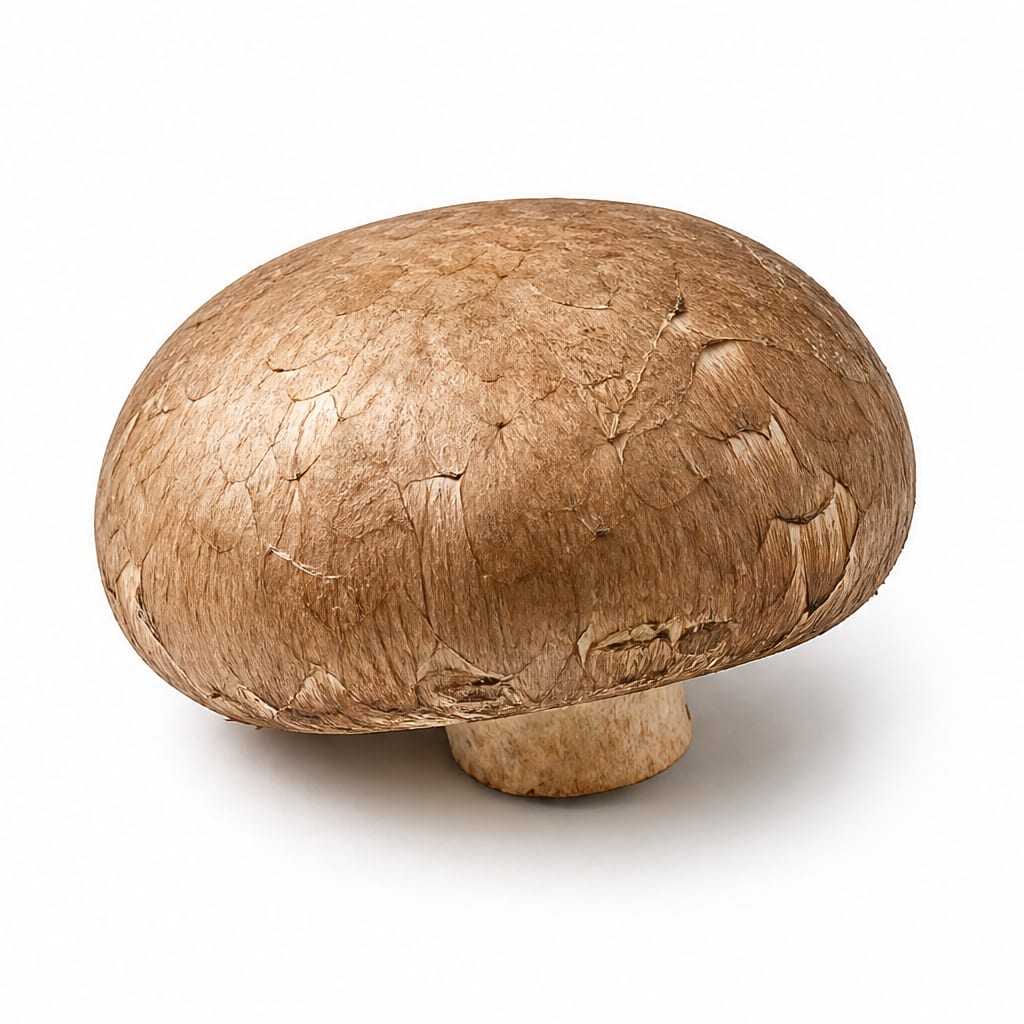
Compare with
Portobello Mushroom
Portobello provides more volume and protein per serving, but shiitake delivers higher concentrations of B vitamins and unique bioactive compounds.
Portobello mushrooms are better for satiety and protein, while shiitake mushrooms win for micronutrient density and immune support.
This food
Shiitake Mushroom
VS88% alike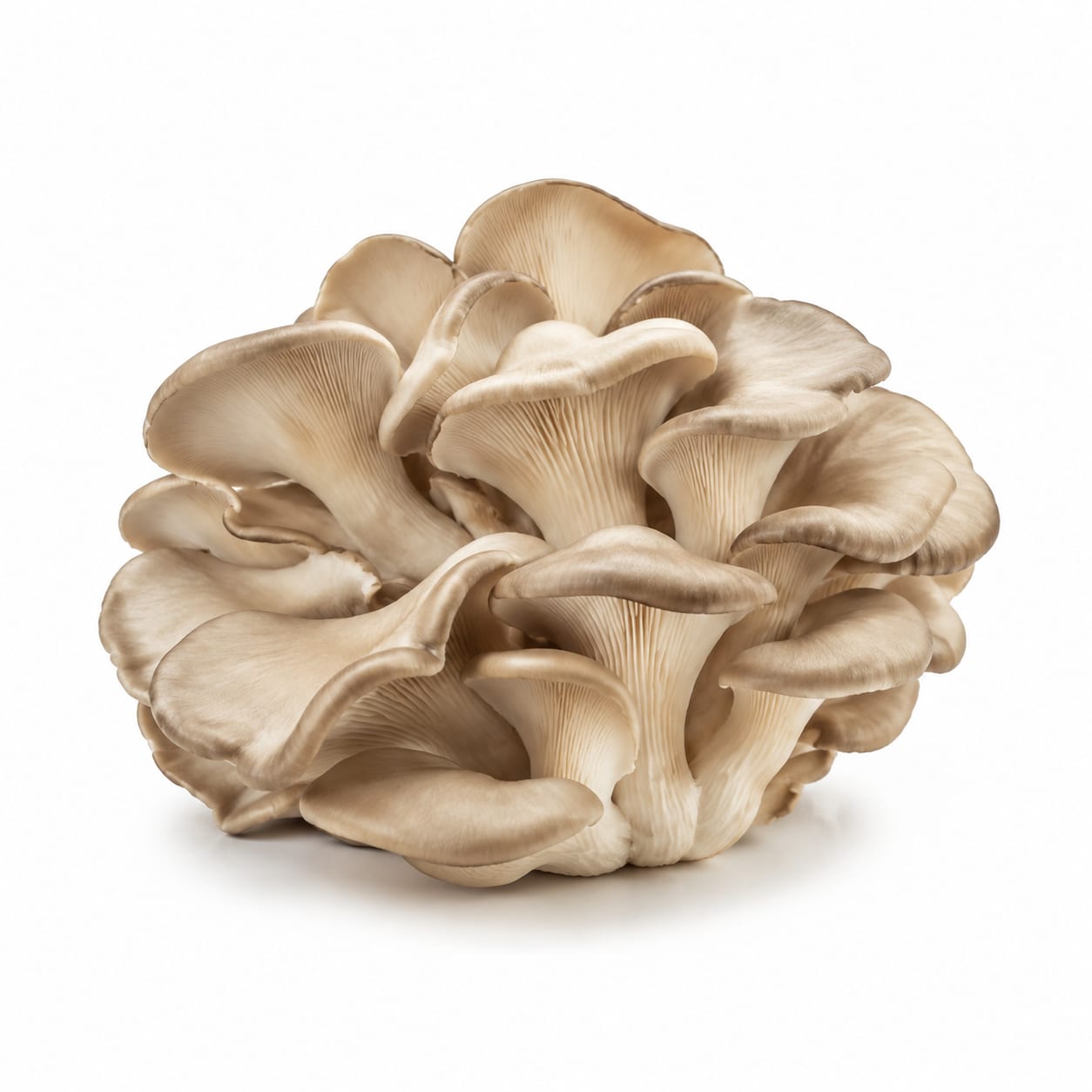
Compare with
Oyster Mushroom
Oyster mushrooms are slightly higher in protein and easier to digest, while shiitake offers stronger cholesterol-lowering eritadenine and deeper flavor.
Oyster mushrooms are slightly higher in protein, while shiitake mushrooms offer deeper umami flavor and more targeted cardiovascular benefits.
This food
Shiitake Mushroom
VS85% alike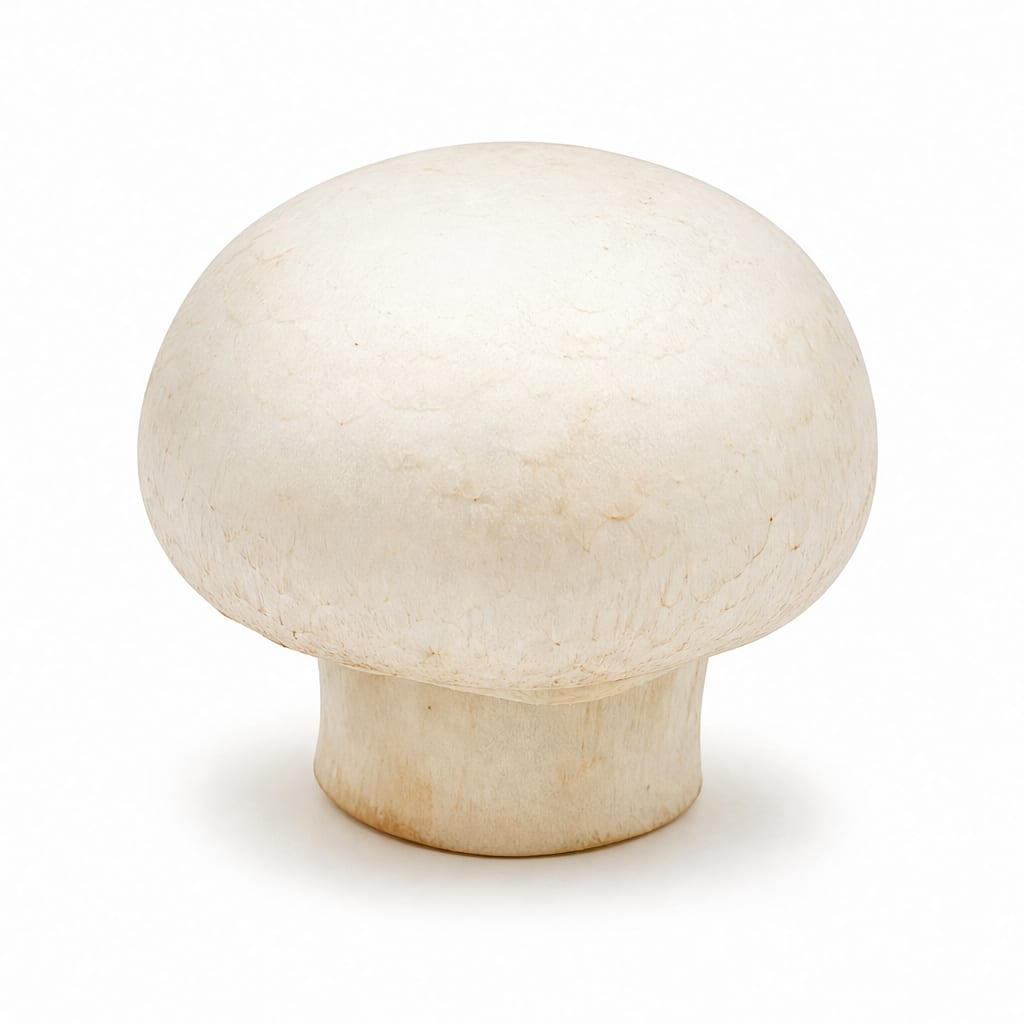
Compare with
White Button Mushroom
White buttons are cheaper and milder, but shiitake mushrooms are superior in micronutrient density and therapeutic polysaccharides.
White button mushrooms are more affordable, but shiitake mushrooms deliver more nutrients and a richer, savory flavor.
This food
Shiitake Mushroom
VS82% alike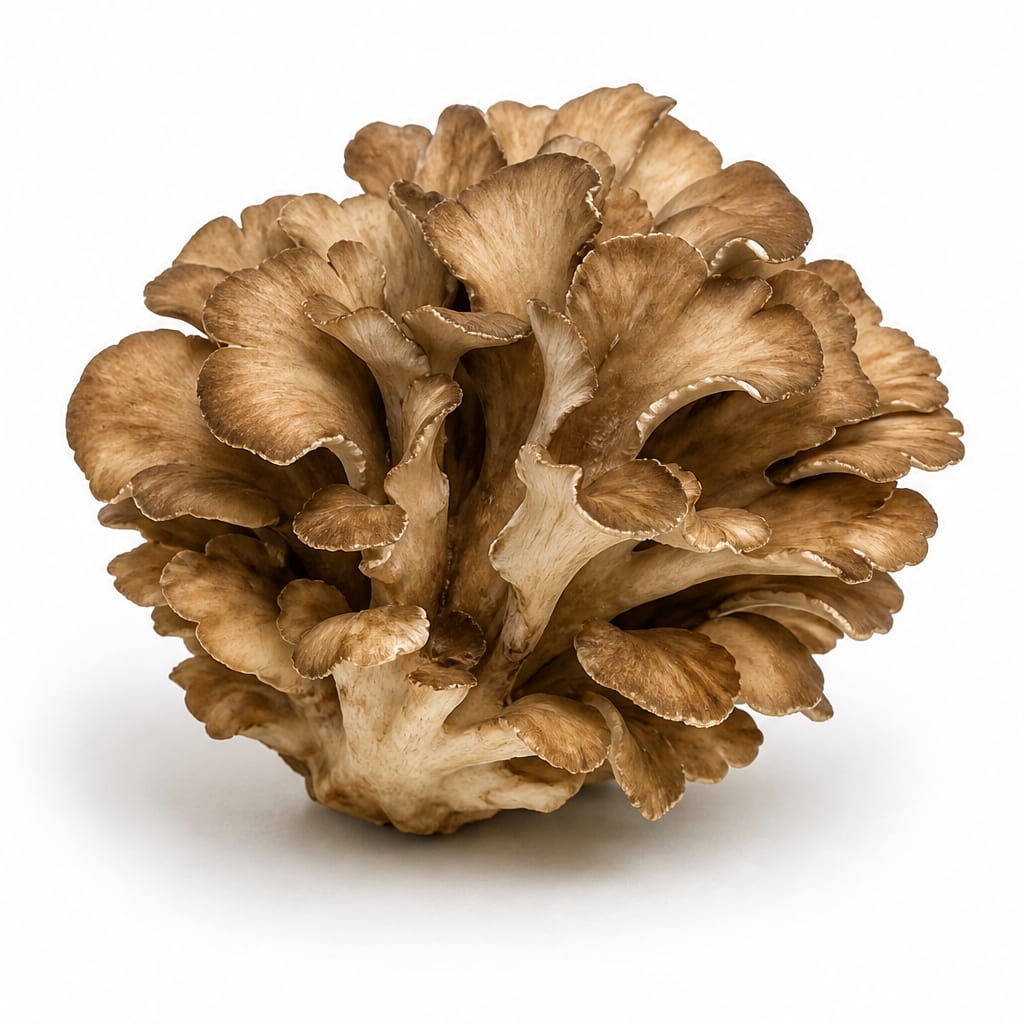
Compare with
Maitake Mushroom
Maitake edges out shiitake slightly in immune-modulating beta-glucans, but shiitake provides more iron and a meatier texture for stir-fries.
Maitake mushrooms are slightly better for blood sugar and immune support, while shiitake mushrooms offer more iron and better culinary texture.
This food
Shiitake Mushroom
VS75% alike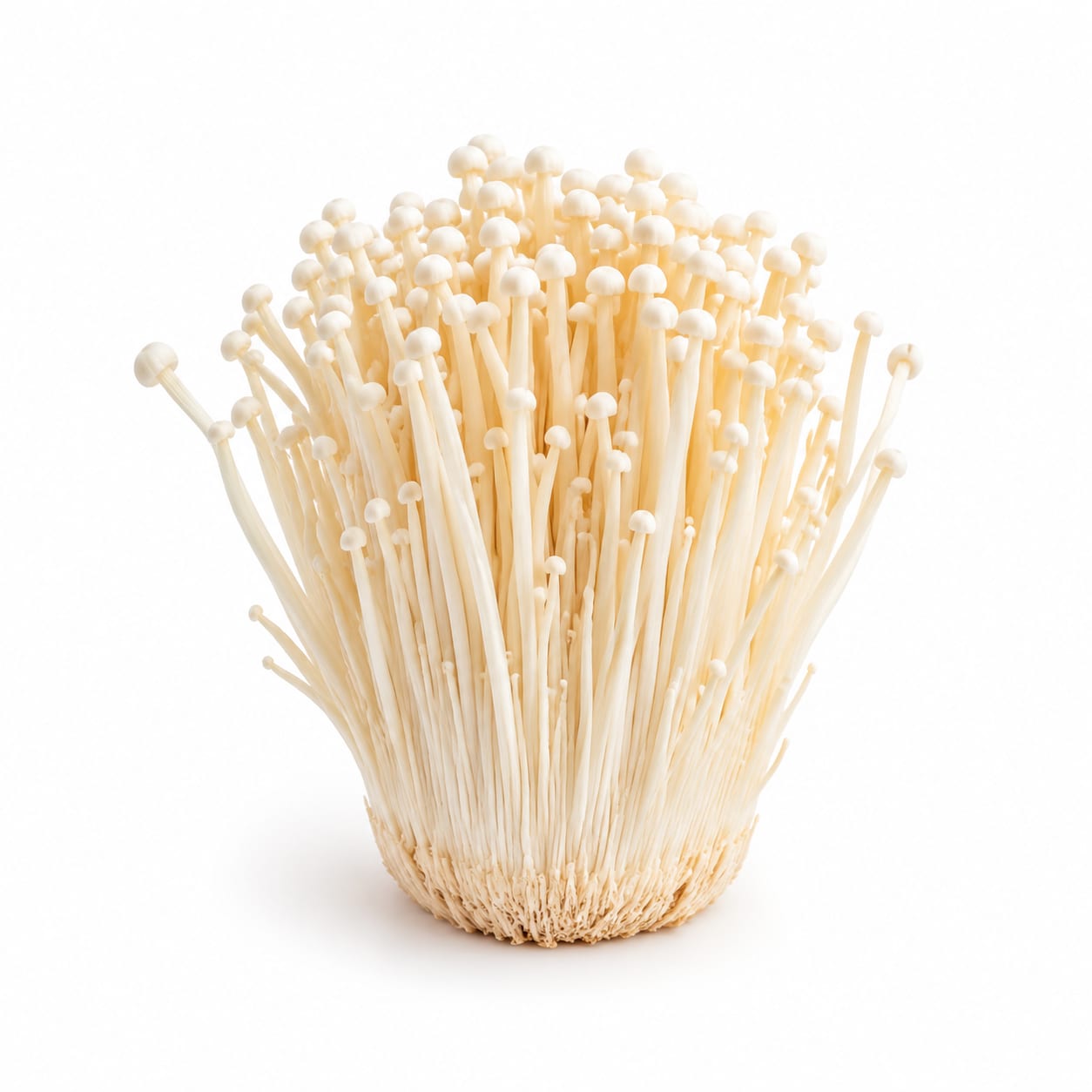
Compare with
Enoki Mushroom
Enoki is lower in calories and higher in fiber per calorie, but shiitake provides a richer nutrient profile and more robust culinary versatility.
Enoki mushrooms are lower in calories and great for soups, while shiitake mushrooms provide more overall nutrients and a stronger umami taste.
This food
Shiitake Mushroom
VS70% alike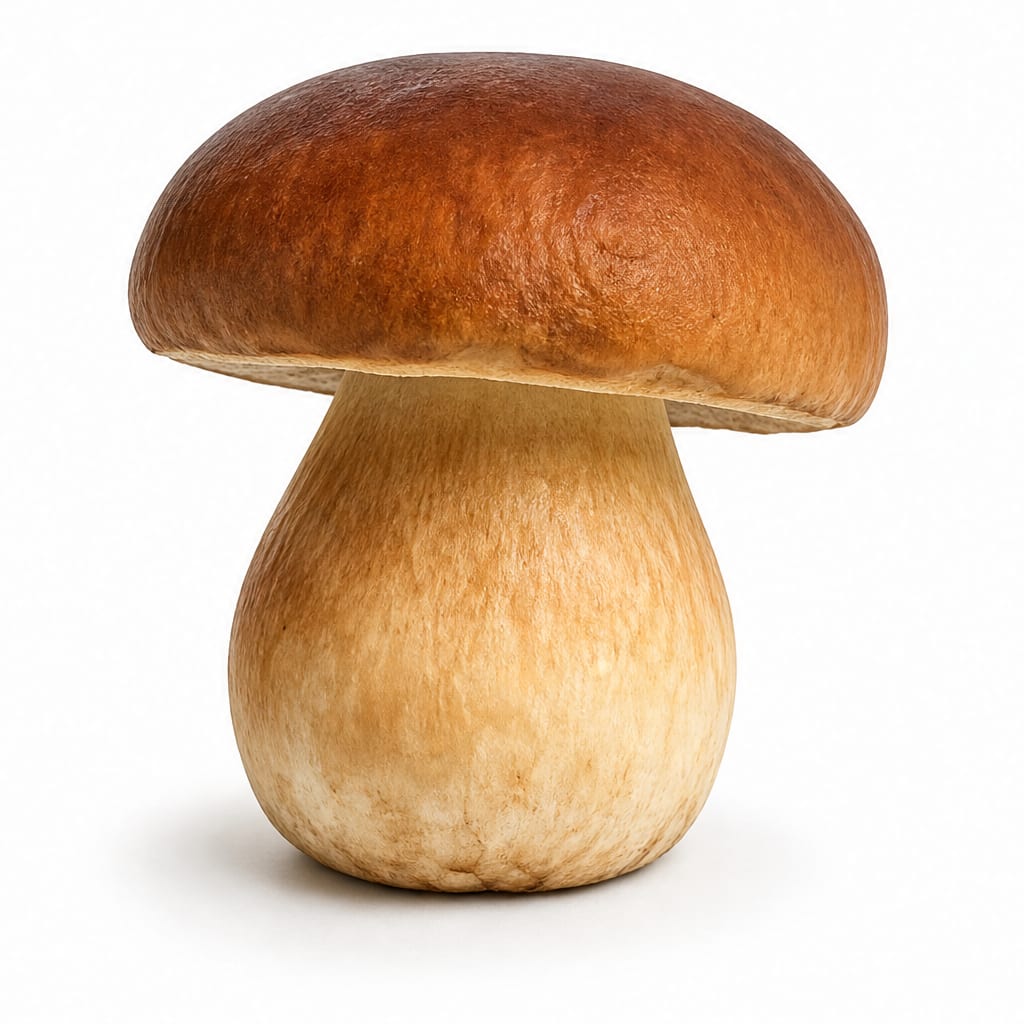
Compare with
Porcini Mushroom
Porcini excels in thiamin and copper, while shiitake offers more B5 and unique lentinan; both are umami powerhouses but porcini is often dried.
Porcini mushrooms offer a deeper earthy flavor and more protein, while shiitake mushrooms are more accessible and rich in specific immune compounds.
This food
Shiitake Mushroom
VS95% alike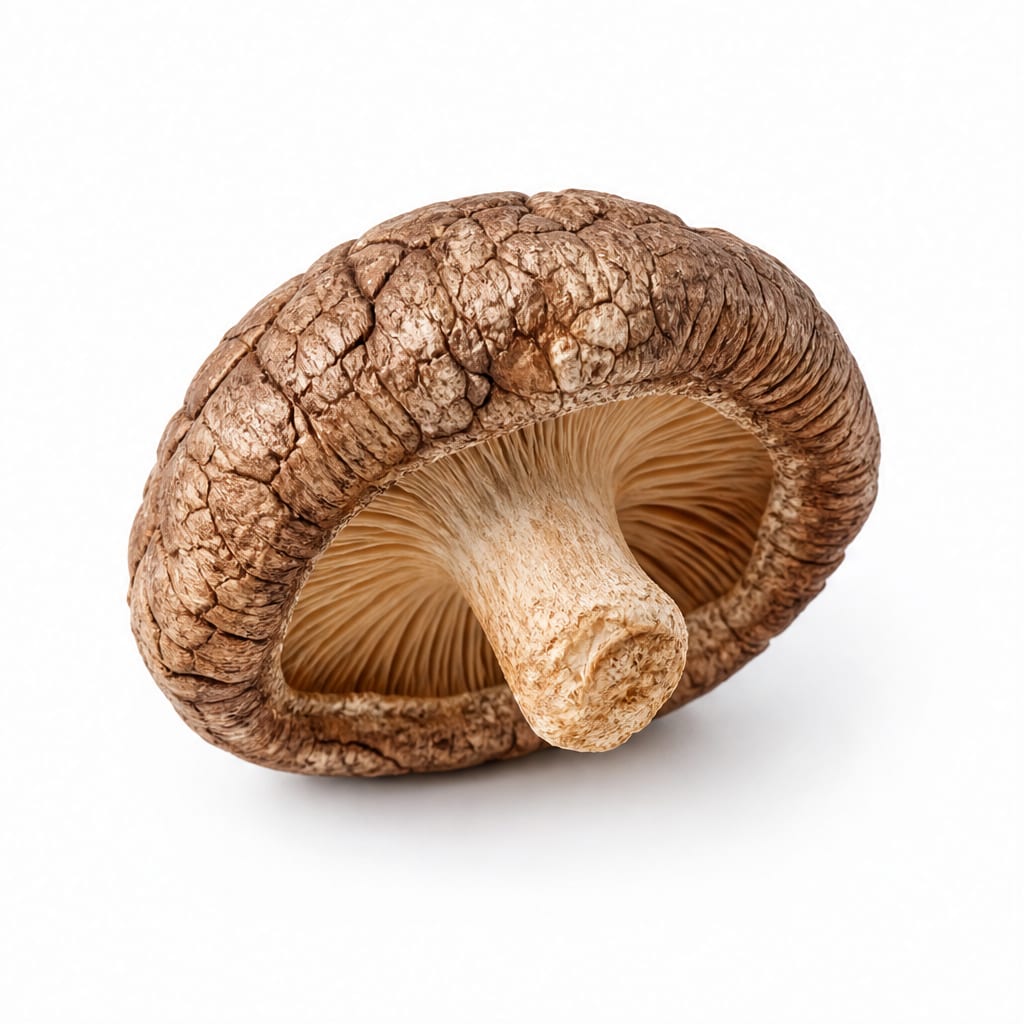
Compare with
Dried Shiitake Mushroom
Dried shiitake concentrates nutrients, calories, and umami flavor significantly compared to fresh, making it far more nutrient-dense per gram.
Dried shiitake mushrooms pack more flavor and nutrients per gram, but fresh shiitake mushrooms are better for volume eating and low calories.
This food
Shiitake Mushroom
VS78% alike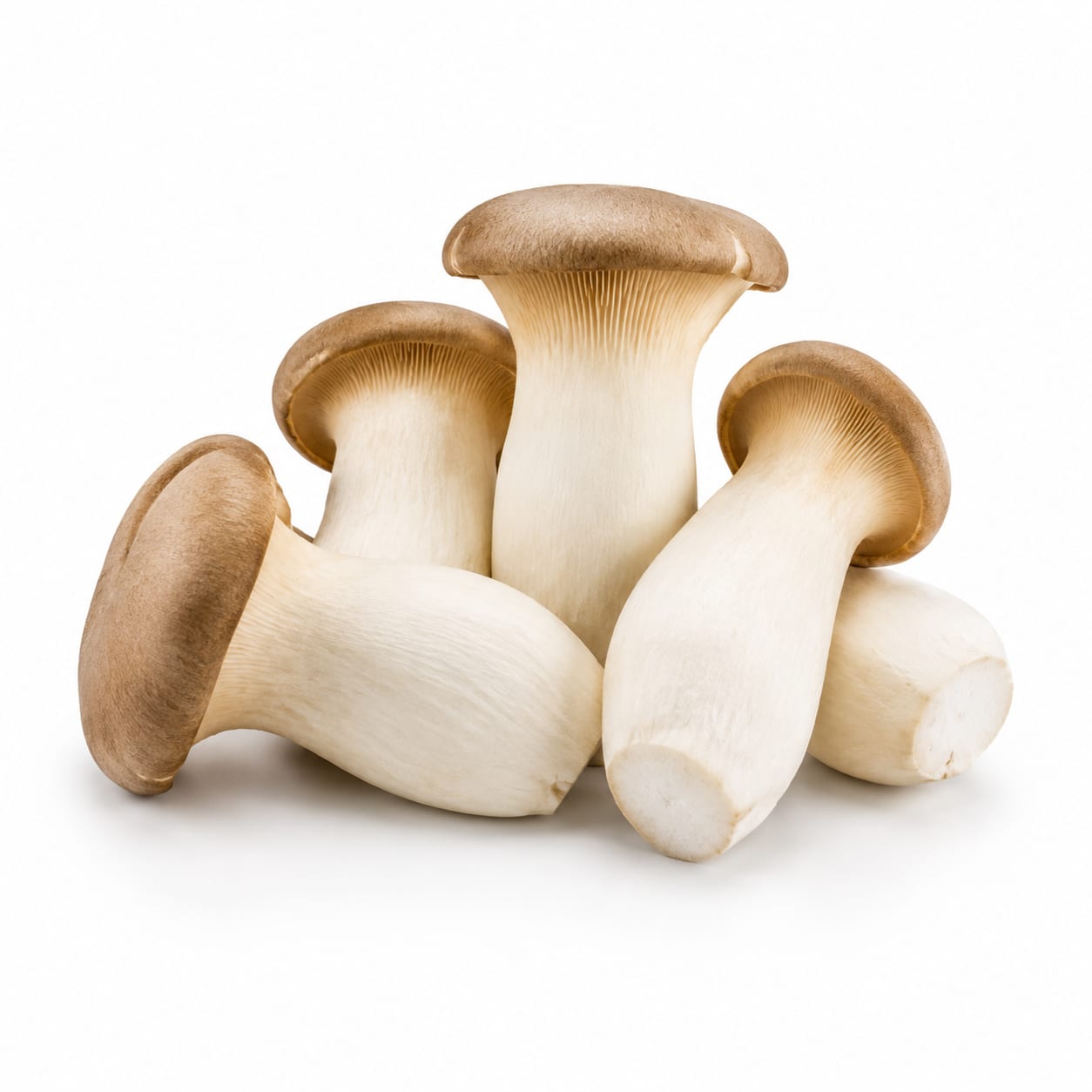
Compare with
King Oyster Mushroom
King oyster provides a meatier texture and more potassium, while shiitake offers broader micronutrient diversity and immune benefits.
King oyster mushrooms are better for a meaty texture and satiety, while shiitake mushrooms provide more vitamins and immune-boosting compounds.
This food
Shiitake Mushroom
VS65% alike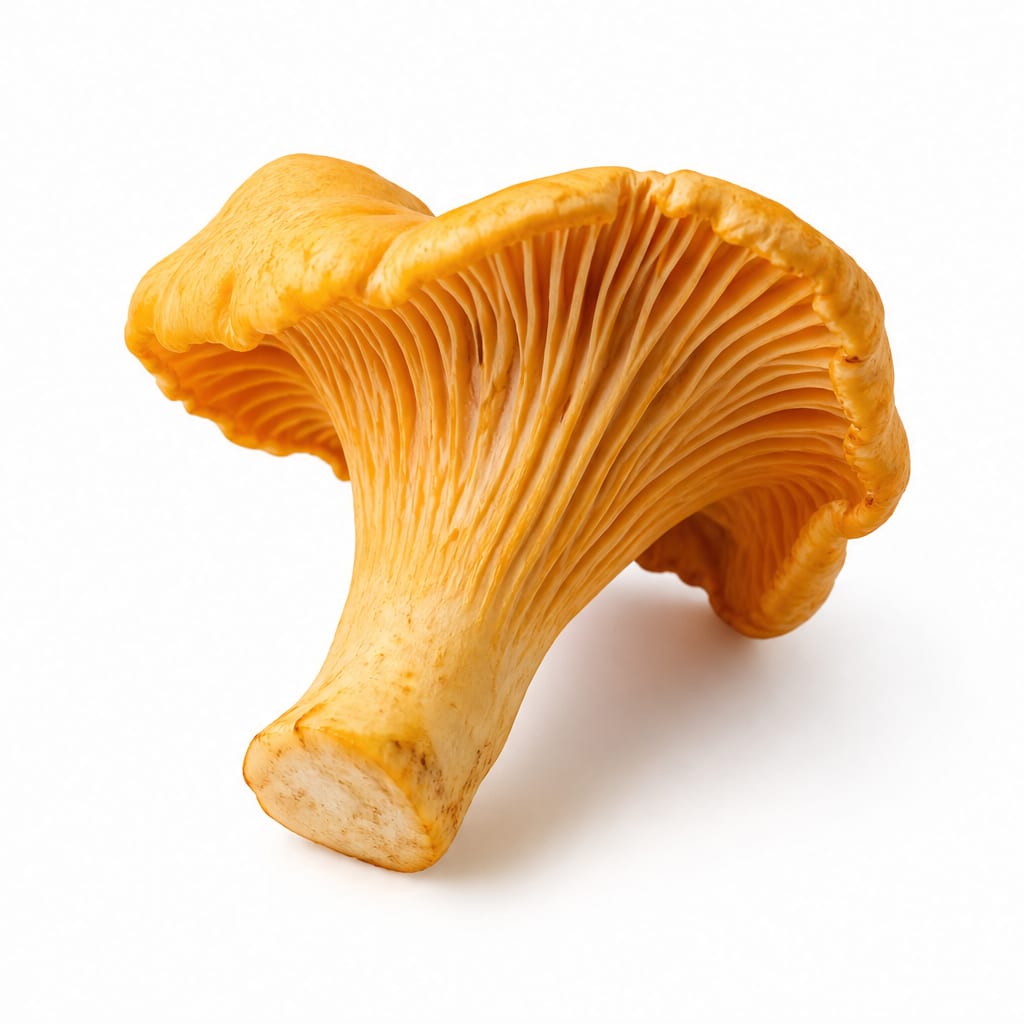
Compare with
Chanterelle Mushroom
Chanterelles are richer in vitamin D and potassium, whereas shiitake provides more B vitamins and accessible beta-glucans.
Chanterelle mushrooms are higher in vitamin D and potassium, while shiitake mushrooms are richer in B vitamins and easier to find fresh.
Common questions
FAQ
Answers aligned with how people search for this food.
Are shiitake mushrooms good for weight loss?
Yes, they are very low in calories and high in water content, allowing you to eat large portions without overconsuming calories.
Can diabetics eat shiitake mushrooms?
Yes, they have a very low glycemic index and contain fiber that helps regulate blood sugar levels effectively.
What happens if you eat raw shiitake mushrooms?
Eating raw shiitake can cause shiitake dermatitis, a whiplash-like skin rash, due to the lentinan compound. Always cook them.
Are shiitake mushrooms anti-inflammatory?
Yes, they contain bioactive compounds like beta-glucans and ergothioneine that have demonstrated anti-inflammatory and antioxidant properties.
Do shiitake mushrooms have a lot of protein?
No, while they contain some protein (2.2g per 100g), they are not considered a high-protein food and should be paired with other protein sources.
Are dried shiitake mushrooms as healthy as fresh?
Dried shiitake are highly nutritious and concentrate vitamin D and umami flavor, but they lose some B vitamins in the drying process.
Do shiitake mushrooms interact with medications?
They may have mild blood-thinning effects and can potentially interact with immunosuppressants due to their immune-stimulating properties.
Can you eat shiitake mushroom stems?
The stems are tough and woody, making them difficult to eat directly, but they are excellent for making flavorful vegetable broths.
Transparency
Data confidence
Estimated confidence for nutrition data, interpretation, safety notes, and comparisons.
Nutrition data
Health analysis
Food safety
Comparisons