
Nutrition comparison
Shiitake vs King Oyster Mushroom: Nutrition, Texture & Safety
Compare Shiitake Mushroom and King Oyster Mushroom. Discover which is healthier, which has the best meaty texture, and the hidden safety risk of Shiitake.
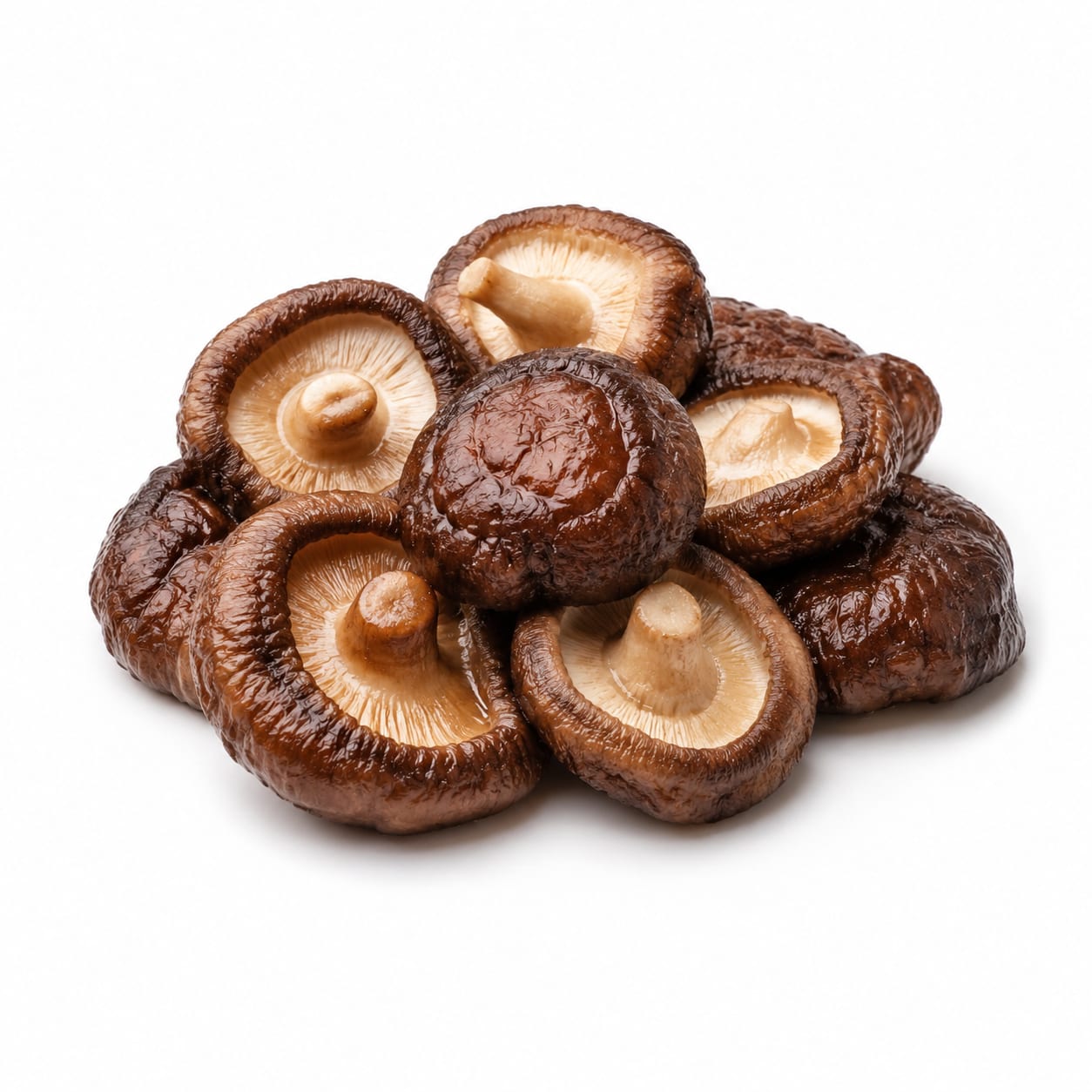
Shiitake Mushroom
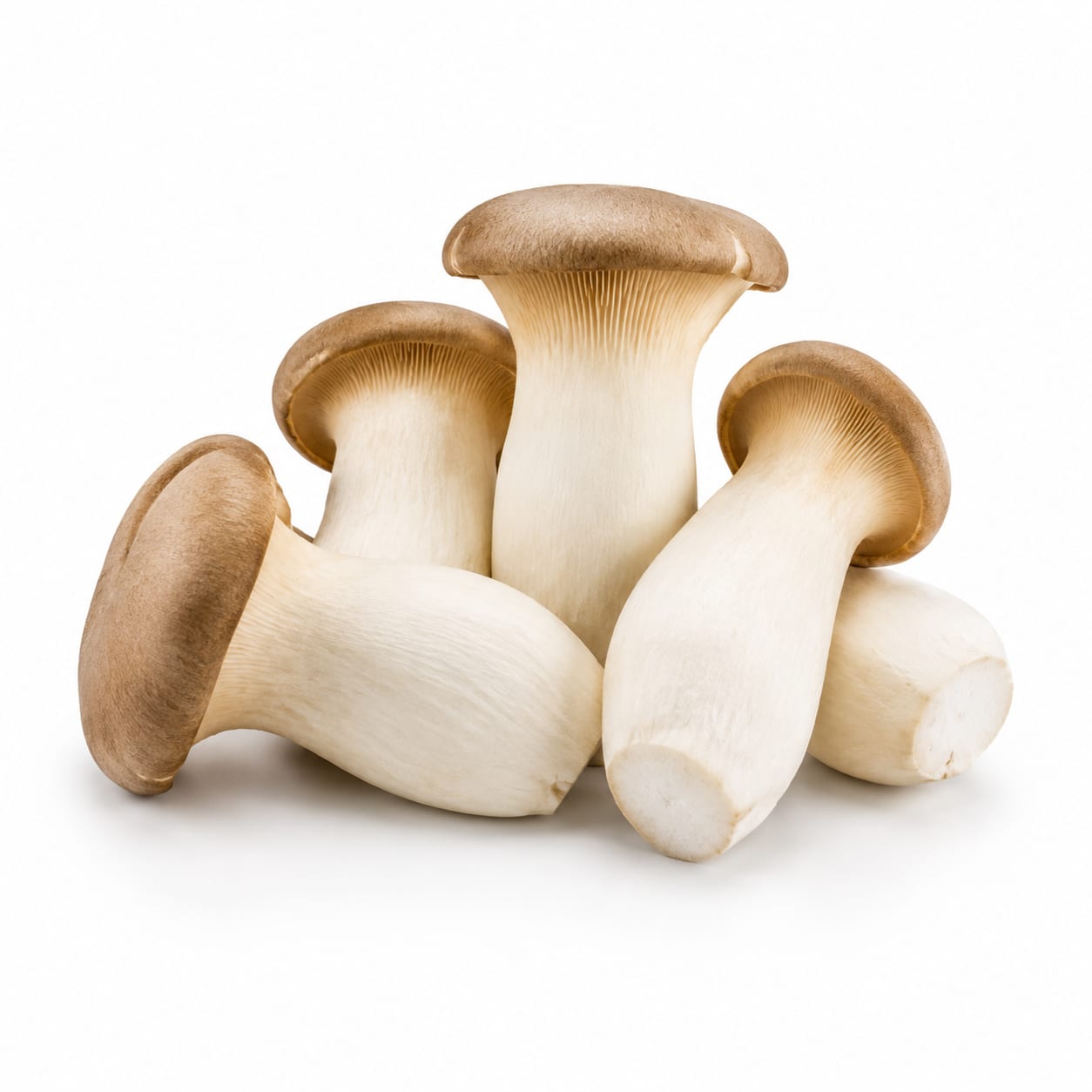
King Oyster Mushroom
Shiitake Mushroom delivers deeper nutritional and immune benefits, while King Oyster Mushroom provides a superior meaty texture and safer everyday eating.
Shiitake Mushroom scores higher for its dense micronutrient profile and medicinal compounds, but King Oyster Mushroom remains a strong contender due to its culinary versatility and safer digestion.
You trade Shiitake's concentrated health boosters and rich umami for King Oyster's unmatched bite, versatility, and worry-free digestion.
At a glance
Executive summary
Overall
It depends
Healthier
Shiitake Mushroom
More practical
King Oyster Mushroom
Daily use
King Oyster Mushroom
Key comparison lenses
Nutritional density and medicinal benefits
Shiitake mushrooms are renowned for immune-boosting compounds, while King Oyster mushrooms are milder nutritionally.
Culinary texture and meat substitution
King Oyster mushrooms offer a uniquely thick, meaty bite that shreds and sears beautifully, making them a top-tier plant-based meat alternative.
Safety and digestibility
Shiitake mushrooms can cause a specific skin reaction if eaten undercooked, a risk entirely absent in King Oyster mushrooms.
Best choice for
Shiitake Mushroom
- People wanting immune system support
- Those seeking cholesterol-lowering foods
- Anyone needing a natural B-vitamin boost
King Oyster Mushroom
- Home cooks wanting a convincing meat substitute
- People with sensitive digestion
- Those who prefer large, sliceable mushroom pieces
Least suitable for
Shiitake Mushroom
- People who eat raw mushrooms in salads
- Those prone to skin sensitivities or dermatitis
King Oyster Mushroom
- People looking for potent medicinal mushroom compounds
- Those wanting a strong, earthy umami flavor
Deep comparison
Dimension by dimension
Each lens scores both foods and breaks down who each option suits.
- Dimension 1 · Priority 95Shiitake Mushroom
Micronutrient & Bioactive Density
Shiitake Mushroom · 92King Oyster Mushroom · 65Shiitake Mushroom is a nutritional powerhouse, rich in copper, selenium, and B vitamins, plus unique compounds like lentinan.
Tradeoff
You get significantly more immune-supporting and cholesterol-lowering compounds with Shiitake Mushroom, but fewer calories and less physical bulk than King Oyster Mushroom.
Why it matters
Regular consumption of Shiitake Mushroom can tangibly support heart health and immune resilience over time.
Real-world impact
Eating Shiitake Mushroom regularly might mean fewer winter colds and better bloodwork at your annual checkup.
Shiitake Mushroom
- Boosting immune defense
- Lowering cholesterol naturally
- Increasing B-vitamin intake
Better for
- Those avoiding high purine foods
Worse for
King Oyster Mushroom
- Keeping meals light and low-calorie
- Adding bulk without dense nutrients
Better for
- Addressing specific nutrient deficiencies
Worse for
- Dimension 2 · Priority 88King Oyster Mushroom
Culinary Texture & Satiety
Shiitake Mushroom · 70King Oyster Mushroom · 95King Oyster Mushroom has a thick, meaty stem that sears beautifully and provides a satisfying chew that Shiitake Mushroom cannot match.
Tradeoff
You sacrifice the delicate cap texture and deep earthy flavor of Shiitake Mushroom for the substantial, steak-like bite of King Oyster Mushroom.
Why it matters
Texture drives satisfaction. A meaty bite keeps you fuller and happier, especially when replacing animal proteins.
Real-world impact
King Oyster Mushroom makes you feel like you are eating a real scallop or pulled pork, making plant-based meals far more satisfying.
Shiitake Mushroom
- Adding umami depth to broths and soups
- Creating delicate flavor profiles
Better for
- Those craving a substantial, meaty chew
Worse for
King Oyster Mushroom
- Making vegan steaks or scallops
- Creating satisfying, chewy meals
- Bulkier, more filling dishes
Better for
- Dishes requiring a soft, melting texture
Worse for
- Dimension 3 · Priority 80King Oyster Mushroom
Safety & Digestive Tolerance
Shiitake Mushroom · 60King Oyster Mushroom · 95Shiitake Mushroom can cause shiitake dermatitis (itchy welts) if eaten raw or undercooked, while King Oyster Mushroom is very gentle on the gut.
Tradeoff
Shiitake Mushroom requires careful cooking to neutralize a specific toxin, whereas King Oyster Mushroom is highly forgiving and safe even if slightly undercooked.
Why it matters
A food cannot be healthy if it makes you uncomfortable. The risk of itchy, burning skin from Shiitake Mushroom is an often-overlooked downside.
Real-world impact
Eating undercooked Shiitake Mushroom could leave you with a painful, itchy rash for days. King Oyster Mushroom lets you cook freely without that worry.
Shiitake Mushroom
- Experienced cooks who always thoroughly cook their mushrooms
Better for
- Raw salad preparations
- People prone to skin reactions
Worse for
King Oyster Mushroom
- Beginner cooks
- People with sensitive stomachs
- Quick-prep meal scenarios
Better for
Timeline
Health impact over time
Short-term
Hours to days
Shiitake Mushroom
- Provides a quick umami flavor boost to meals
- Risk of shiitake dermatitis if consumed undercooked
King Oyster Mushroom
- High fiber content promotes immediate fullness
- Gentle on the digestive system, causing no adverse reactions
Long-term
Months to years
Shiitake Mushroom
- Lentinan supports long-term immune system regulation
- Eritadenine helps maintain healthier cholesterol levels
King Oyster Mushroom
- Consistent fiber intake supports a healthy gut microbiome
- Low calorie density aids sustainable weight management
Risk profile
Safety & processing
Both mushrooms are whole, natural foods. Fresh versions have zero artificial additives, though dried Shiitake Mushroom may contain sulfites as a preservative.
Shiitake Mushroom
Shiitake dermatitis
mediumCaused by lentinan, a carbohydrate that triggers a toxic skin reaction (whip-like, itchy welts) if the mushroom is not cooked thoroughly.
Sulfite sensitivity (dried versions)
lowDried Shiitake Mushroom is sometimes treated with sulfites, which can trigger asthma in sensitive individuals.
King Oyster Mushroom
General mushroom foraging misidentification
lowOnly applies if wild-foraged; store-bought King Oyster Mushroom is cultivated and extremely safe.
Who wins for whom
Audience fit
Same foods, different winners depending on your goal.
children
King Oyster MushroomKing Oyster Mushroom is safer, milder in flavor, and can be cut into fun, meaty shapes that kids enjoy without the dermatitis risk.
daily consumption
King Oyster MushroomKing Oyster Mushroom is safer for daily use since it lacks the dermatitis risk associated with daily Shiitake Mushroom consumption if accidentally undercooked.
diabetes
Shiitake MushroomShiitake Mushroom contains bioactive compounds that help improve insulin sensitivity and regulate blood sugar more actively.
elderly
Shiitake MushroomThe immune-boosting lentinan and potential vitamin D content in Shiitake Mushroom are highly beneficial for aging immune systems and bone health.
muscle gain
It dependsNeither is high in protein, but King Oyster Mushroom works better as a low-calorie meat substitute alongside actual protein sources.
weight loss
King Oyster MushroomKing Oyster Mushroom has a lower calorie density and more physical bulk, making it easier to fill up on fewer calories.
Your move
Decision guide
Choose Shiitake Mushroom
- You want targeted immune and cardiovascular benefits
- You are making a rich broth, stir-fry, or soup where deep umami is the goal
- You are diligent about cooking mushrooms thoroughly
Choose King Oyster Mushroom
- You want a satisfying, meat-like texture for plant-based meals
- You have a sensitive stomach or are prone to skin reactions
- You want a forgiving ingredient for quick weeknight cooking
Either works if
- You simply need a low-calorie, nutritious vegetable to round out a meal
- You are making a mixed mushroom dish that benefits from varied textures
Avoid both if
- You have a severe allergy to all fungi
- You are strictly following a very low-FODMAP diet, as mushrooms contain polyols
Final recommendation
Keep both in your kitchen. Use Shiitake Mushroom when you need a health-boosting, flavor-deepening powerhouse for soups and sauces. Turn to King Oyster Mushroom when you want a filling, meaty centerpiece that cooks up safely and satisfyingly every time.
Practical
Consumer tips
- 1
Always cook Shiitake Mushroom thoroughly to destroy lentinan and prevent shiitake dermatitis.
- 2
Slice King Oyster Mushroom into thick medallions and score them in a crosshatch pattern; they sear beautifully and absorb marinades like a sponge.
- 3
If buying dried Shiitake Mushroom, check the label for added sulfites if you have asthma or sensitivities.
- 4
Store both mushrooms in a paper bag in the fridge; plastic traps moisture and turns them slimy.