
Nutrition comparison
Shiitake vs Oyster Mushroom: Which Is Healthier for You?
Compare shiitake and oyster mushrooms on immune support, cholesterol benefits, digestion, and everyday use. Find out which mushroom fits your health goals better.
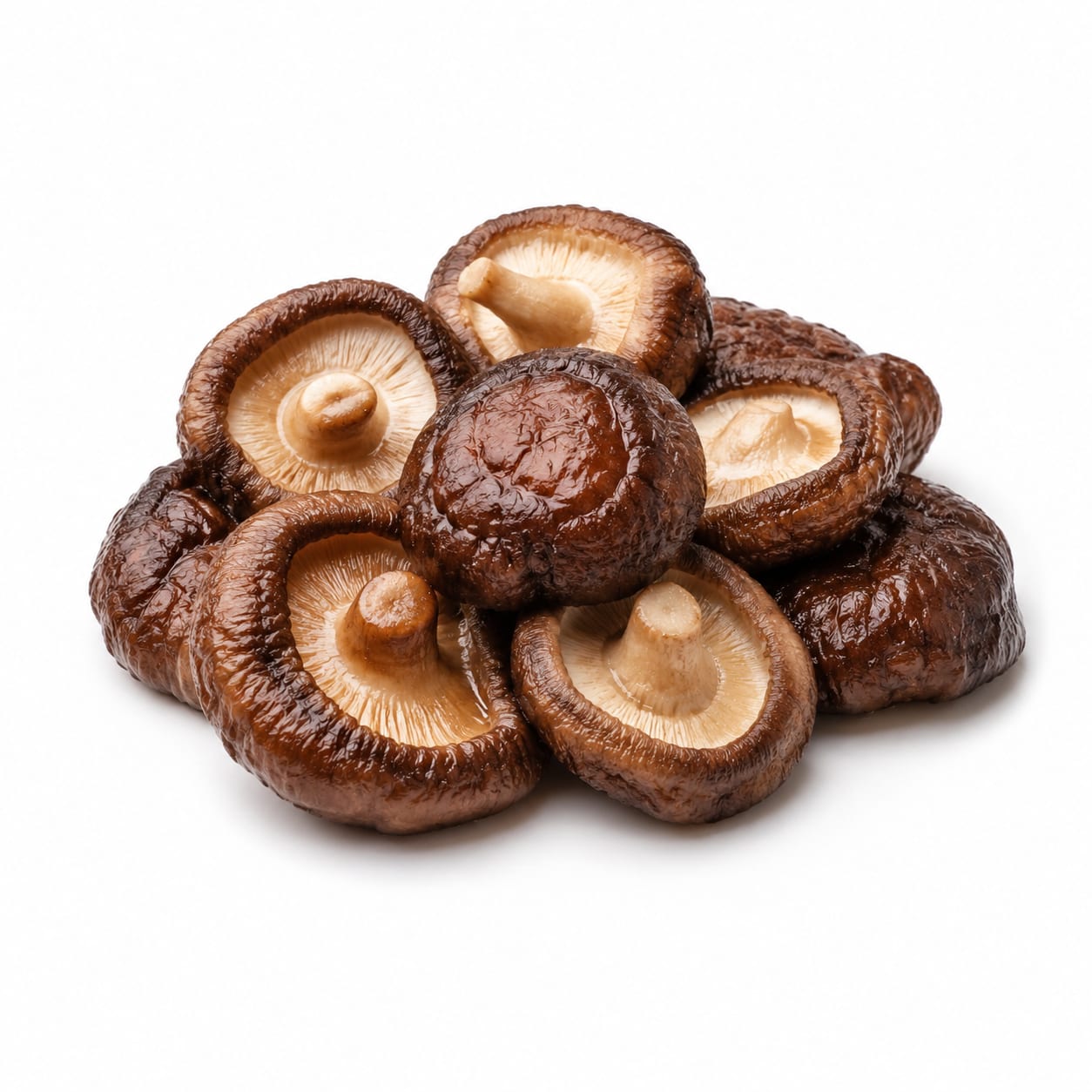
Shiitake Mushroom
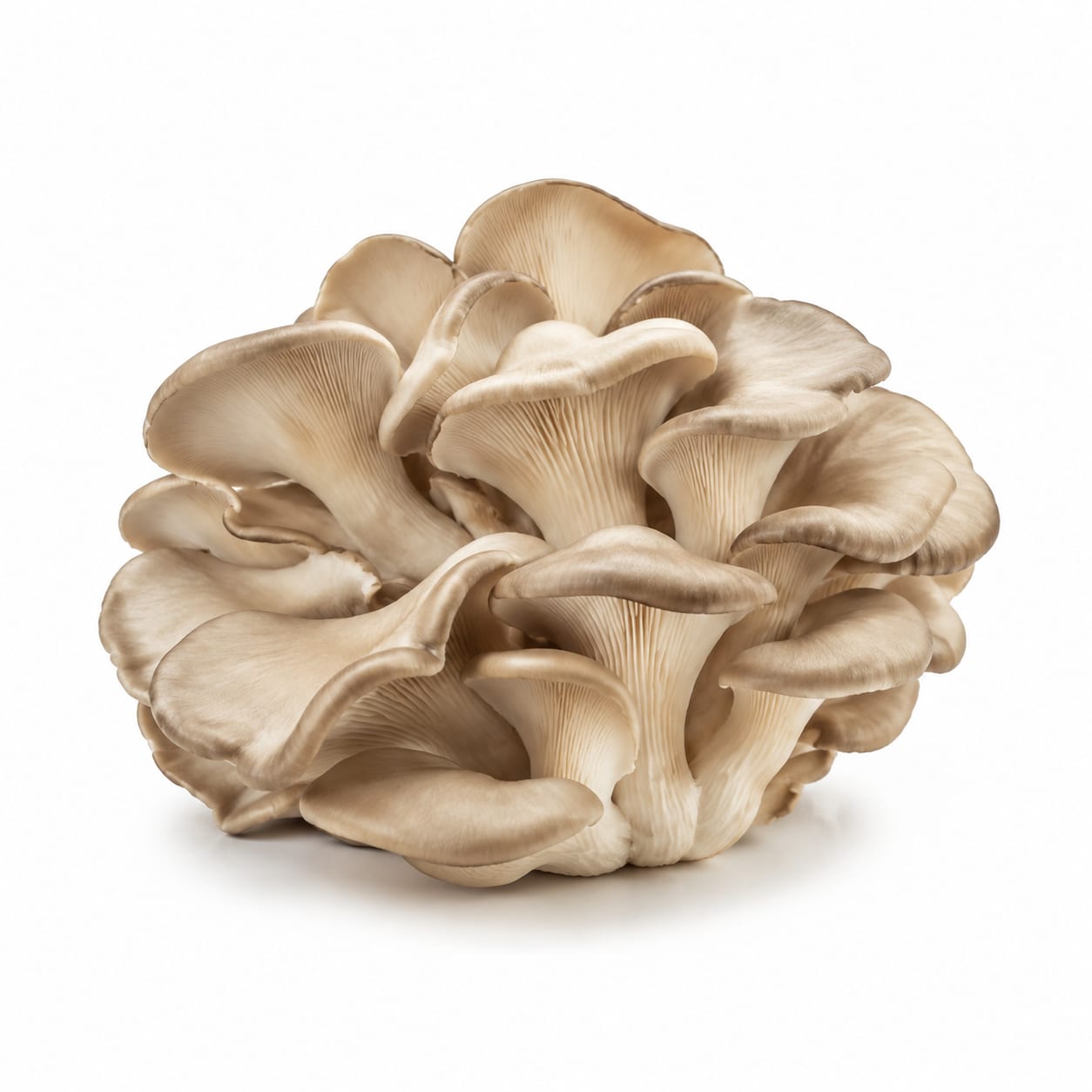
Oyster Mushroom
Shiitake wins for immune potency and nutrient density; oyster wins for digestibility, versatility, and gentler everyday use.
Shiitake scores slightly higher due to stronger medicinal compounds and richer nutrient profile, but oyster stays competitive thanks to better digestibility and everyday practicality. The gap is small because both are excellent whole foods.
Shiitake delivers stronger medicinal compounds and more nutrients but carries a rare skin reaction risk and bolder flavor that not everyone wants daily. Oyster is milder, easier on the stomach, and more adaptable to cooking but has less dramatic health benefits.
At a glance
Executive summary
Overall
It depends
Healthier
Shiitake Mushroom
More practical
Oyster Mushroom
Daily use
Oyster Mushroom
Key comparison lenses
immune system support
Both mushrooms are renowned for beta-glucans and immune-modulating compounds, making this the primary reason users compare them
cholesterol and heart health
Shiitake contains eritadenine and oyster contains lovastatin, both with distinct cholesterol-lowering mechanisms
culinary and everyday use
Flavor, texture, and cooking versatility differ significantly and affect daily meal planning
nutrient density comparison
Users want to know which mushroom delivers more vitamins and minerals per serving
safety and tolerance
Shiitake dermatitis and digestive differences are real concerns for regular consumers
Best choice for
Shiitake Mushroom
- People seeking maximum immune support
- Anyone targeting cholesterol reduction through diet
- Home cooks wanting deep umami flavor
- Those needing more B vitamins and minerals from food
Oyster Mushroom
- People with sensitive digestion
- Anyone wanting a mild-flavored mushroom for daily meals
- Budget-conscious shoppers
- Beginners exploring medicinal mushrooms
Least suitable for
Shiitake Mushroom
- People who have experienced shiitake dermatitis
- Those who dislike strong mushroom flavor
- People with severe purine sensitivity
Oyster Mushroom
- Anyone seeking the most potent immune-boosting effects
- People wanting high copper intake from food
- Those looking for maximum vitamin D from mushrooms
Deep comparison
Dimension by dimension
Each lens scores both foods and breaks down who each option suits.
- Dimension 1 · Priority 92Shiitake Mushroom
immune_system_potency
Shiitake Mushroom · 88Oyster Mushroom · 74Shiitake contains lentinan, one of the most studied immune-activating beta-glucans, giving it a clear edge for immune support.
Tradeoff
You get stronger immune stimulation with shiitake but must cook it thoroughly to avoid shiitake dermatitis, a rare but uncomfortable skin reaction.
Why it matters
If you are choosing mushrooms specifically for immune defense during cold season or during periods of high stress, shiitake is the more targeted option.
Real-world impact
Someone eating shiitake regularly may notice fewer sick days during winter, while oyster provides gentler, background immune support.
Shiitake Mushroom
- Active immune support during illness-prone periods
- Targeted beta-glucan intake
Better for
- Anyone who has had shiitake dermatitis before
Worse for
Oyster Mushroom
- Gentle immune maintenance without strong effects
- People who want subtle support rather than active stimulation
Better for
- Those wanting maximum therapeutic impact from food
Worse for
- Dimension 2 · Priority 88It depends
cholesterol_management
Shiitake Mushroom · 82Oyster Mushroom · 80Shiitake uses eritadenine to help lower cholesterol, while oyster naturally contains lovastatin, the same compound found in prescription cholesterol drugs.
Tradeoff
Oyster mushroom gives you a statin-like compound directly, but in small dietary amounts. Shiitake takes a different pathway that may complement statin therapy better.
Why it matters
If you are managing cholesterol through diet alone, both help through different mechanisms. Using both could be synergistic.
Real-world impact
A person eating oyster mushrooms regularly gets a tiny daily dose of lovastatin, while someone eating shiitake gets cholesterol support through a different metabolic pathway.
Shiitake Mushroom
- People already on statin drugs who want a complementary approach
- Those who want to avoid adding more statin compounds
Better for
- Those specifically seeking lovastatin from food sources
Worse for
Oyster Mushroom
- People managing cholesterol through diet alone
- Anyone wanting a natural statin-like effect from food
Better for
- People already on maximum statin therapy who want a different mechanism
Worse for
- Dimension 3 · Priority 80Shiitake Mushroom
nutrient_density
Shiitake Mushroom · 84Oyster Mushroom · 72Shiitake delivers more copper, selenium, vitamin B5, and vitamin D per serving, making it the more nutrient-packed option.
Tradeoff
Higher nutrient density comes with more purines, which matters for anyone managing gout.
Why it matters
If you are relying on mushrooms as a meaningful mineral source, shiitake gives you more per bite.
Real-world impact
A serving of shiitake covers a larger portion of your daily copper and selenium needs compared to the same amount of oyster mushroom.
Shiitake Mushroom
- Anyone needing more copper and selenium
- People looking to maximize nutrient intake per calorie
- Those concerned about B vitamin intake
Better for
- People with gout or high uric acid
Worse for
Oyster Mushroom
- People who need to limit purine intake
- Anyone getting sufficient minerals from other sources already
Better for
- Those relying on mushrooms as a primary mineral source
Worse for
- Dimension 4 · Priority 82Oyster Mushroom
digestive_tolerance
Shiitake Mushroom · 68Oyster Mushroom · 86Oyster mushrooms are gentler on the digestive system with lower purine content and a softer texture when cooked.
Tradeoff
Shiitake's tougher texture and higher purine load can bother sensitive stomachs, especially in larger portions.
Why it matters
If you have IBS, gout, or general digestive sensitivity, oyster is the safer everyday choice.
Real-world impact
Someone with a sensitive gut can eat oyster mushrooms comfortably multiple times a week, while shiitake might cause bloating or discomfort at the same frequency.
Shiitake Mushroom
- People with robust digestion who tolerate all mushrooms well
Better for
- People with gout flares
- Those prone to mushroom-related bloating
Worse for
Oyster Mushroom
- Anyone with IBS or sensitive digestion
- People managing gout or uric acid levels
- Those who experience bloating from other mushrooms
Better for
- Dimension 5 · Priority 85Oyster Mushroom
culinary_versatility
Shiitake Mushroom · 72Oyster Mushroom · 84Oyster mushrooms have a milder flavor and more adaptable texture, making them easier to incorporate into diverse recipes without dominating the dish.
Tradeoff
Shiitake brings bold umami that elevates specific dishes but can overpower delicate flavors.
Why it matters
If you want a mushroom you can add to almost anything without thinking twice, oyster is more forgiving.
Real-world impact
Oyster mushrooms disappear into soups, stir-fries, and pasta seamlessly. Shiitake announces itself in every bite, which is great for Asian dishes but limiting elsewhere.
Shiitake Mushroom
- Asian-inspired cooking where bold umami is desired
- Soups and broths where deep flavor is the goal
Better for
- Delicate dishes where strong flavor is unwanted
- Cooking for picky eaters
Worse for
Oyster Mushroom
- Everyday cooking across multiple cuisines
- Dishes where mushroom should complement, not dominate
- Recipes for mushroom-hesitant eaters
Better for
- Recipes specifically calling for intense umami depth
Worse for
- Dimension 6 · Priority 70Oyster Mushroom
affordability_and_accessibility
Shiitake Mushroom · 65Oyster Mushroom · 80Oyster mushrooms are generally cheaper and easier to grow at home, making them more accessible for regular consumption.
Tradeoff
Dried shiitake is affordable and shelf-stable, but fresh shiitake tends to cost more than fresh oyster at most stores.
Why it matters
If cost determines how often you eat mushrooms, oyster makes daily consumption more realistic.
Real-world impact
A budget-conscious household can afford oyster mushrooms multiple times per week, while fresh shiitake might be a once-a-week purchase.
Shiitake Mushroom
- Anyone using dried mushrooms where shiitake is cost-competitive
Better for
- Those on tight grocery budgets needing fresh mushrooms often
Worse for
Oyster Mushroom
- Budget-conscious shoppers buying fresh
- Home growers wanting an easy first crop
- Anyone wanting daily mushroom intake at lower cost
Better for
Timeline
Health impact over time
Short-term
Hours to days
Shiitake Mushroom
- Noticeable umami satisfaction that makes meals more filling
- Potential mild digestive discomfort if eaten in large quantities
- Rare but possible shiitake dermatitis if consumed raw or undercooked
Oyster Mushroom
- Light, easy digestion with minimal bloating
- Gentle satiety without heaviness
- Very low risk of adverse reactions
Long-term
Months to years
Shiitake Mushroom
- Stronger immune resilience with consistent consumption
- Cholesterol support through eritadenine pathway
- Improved trace mineral status, especially copper and selenium
- Potential gout risk if consumed excessively due to higher purines
Oyster Mushroom
- Steady, mild cholesterol support from natural lovastatin content
- Consistent gentle immune maintenance
- Lower cumulative purine load safer for long-term joint health
- Reliable daily nutrition without accumulation risks
Risk profile
Safety & processing
Both mushrooms are whole, minimally processed foods with essentially zero additive concerns when purchased fresh or dried without preservatives.
Shiitake Mushroom
Shiitake dermatitis
mediumA whiplash-like skin rash that can occur 1-2 days after eating raw or undercooked shiitake. Affects roughly 2% of consumers. Fully cooking eliminates this risk.
Purine load
lowHigher purine content than oyster mushrooms, which may trigger gout in susceptible individuals eating large quantities frequently.
Oyster Mushroom
Spoilage sensitivity
lowOyster mushrooms spoil faster than shiitake and should be consumed within a few days of purchase. Slime or discoloration means discard.
Allergic reaction
lowRare but possible mushroom allergy. Much less common than shiitake dermatitis.
Who wins for whom
Audience fit
Same foods, different winners depending on your goal.
children
Oyster MushroomMilder flavor and softer texture make oyster mushrooms more kid-friendly, with no shiitake dermatitis risk to worry about.
daily consumption
Oyster MushroomLower risk profile, better digestive tolerance, and culinary versatility make oyster mushrooms the more sustainable daily habit.
diabetes
It dependsBoth have minimal impact on blood sugar. Shiitake offers more chromium which supports insulin sensitivity, but the difference is small enough that either works well.
elderly
Oyster MushroomEasier digestion, lower purine load, and gentler texture make oyster mushrooms a safer choice for older adults, especially those with joint concerns.
muscle gain
Shiitake MushroomShiitake has slightly more protein per serving and higher copper content, which supports energy production during training.
weight loss
Oyster MushroomOyster mushrooms are slightly lower in calories and easier to eat in larger volumes without digestive discomfort, making them more practical for filling plates on a calorie budget.
Your move
Decision guide
Choose Shiitake Mushroom
- You want the strongest immune-supporting mushroom available in grocery stores
- You are specifically targeting cholesterol through diet and want a complementary mechanism to statins
- You love bold umami flavor and cook a lot of Asian-inspired dishes
- You want maximum mineral intake from your mushrooms
Choose Oyster Mushroom
- You have sensitive digestion or a history of bloating with mushrooms
- You want a mushroom you can eat daily without thinking about side effects
- You are cooking for kids or mushroom-hesitant people
- You are on a budget and want affordable fresh mushrooms regularly
- You have gout or are managing uric acid levels
Either works if
- You simply want to add more whole-food mushrooms to your diet
- You are looking for general cholesterol support from food
- You enjoy cooking and can rotate both varieties across the week
Avoid both if
- You have a known mushroom allergy
- You are on immunosuppressant medications without consulting your doctor, as beta-glucans can stimulate immune activity
Final recommendation
For most people, the best approach is rotating both. Use shiitake when you want deeper flavor and stronger immune support, and oyster for everyday meals where gentleness and versatility matter more. If you must pick one for daily use, oyster is the safer long-term choice. If you are specifically seeking therapeutic benefits, shiitake is the more potent option.
Practical
Consumer tips
- 1
Always cook shiitake thoroughly to eliminate the risk of shiitake dermatitis — never eat it raw
- 2
Dried shiitake is more affordable and shelf-stable than fresh, and rehydrating liquid makes excellent broth
- 3
Oyster mushrooms spoil quickly — use within 3 days of purchase or freeze them
- 4
If growing mushrooms at home, oyster is the easiest and fastest variety for beginners
- 5
UV-exposed shiitake can contain significant vitamin D — check packaging if this matters to you
- 6
Both mushrooms absorb water like sponges, so wipe them clean instead of soaking when possible