
Nutrition comparison
Shiitake vs Enoki Mushrooms: Nutrition, Safety, and Which to Choose
Compare shiitake and enoki mushrooms on nutrition, immune benefits, food safety, and culinary uses. Learn which mushroom is healthier and when to choose each.
Overall winner · Shiitake Mushroom
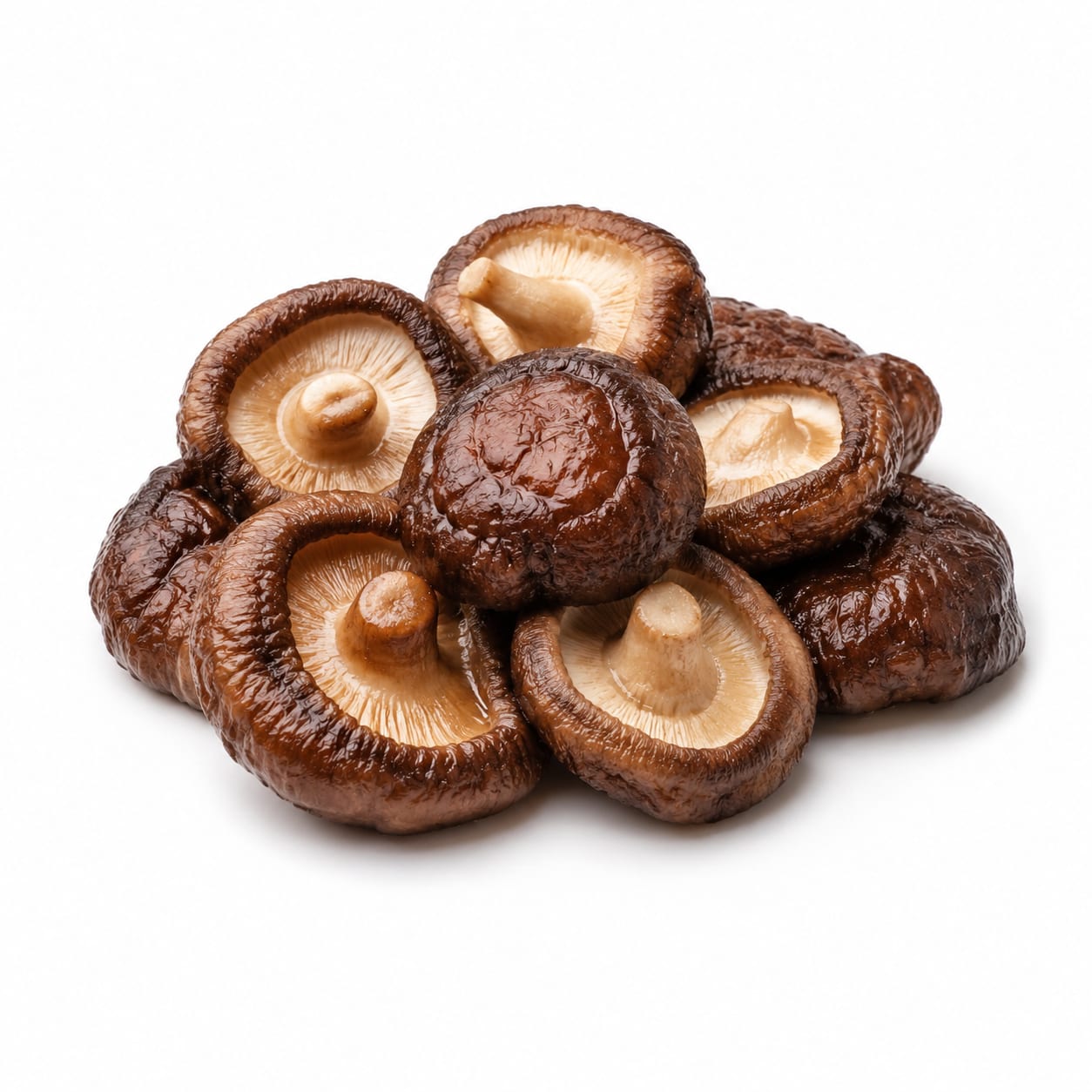
Shiitake Mushroom
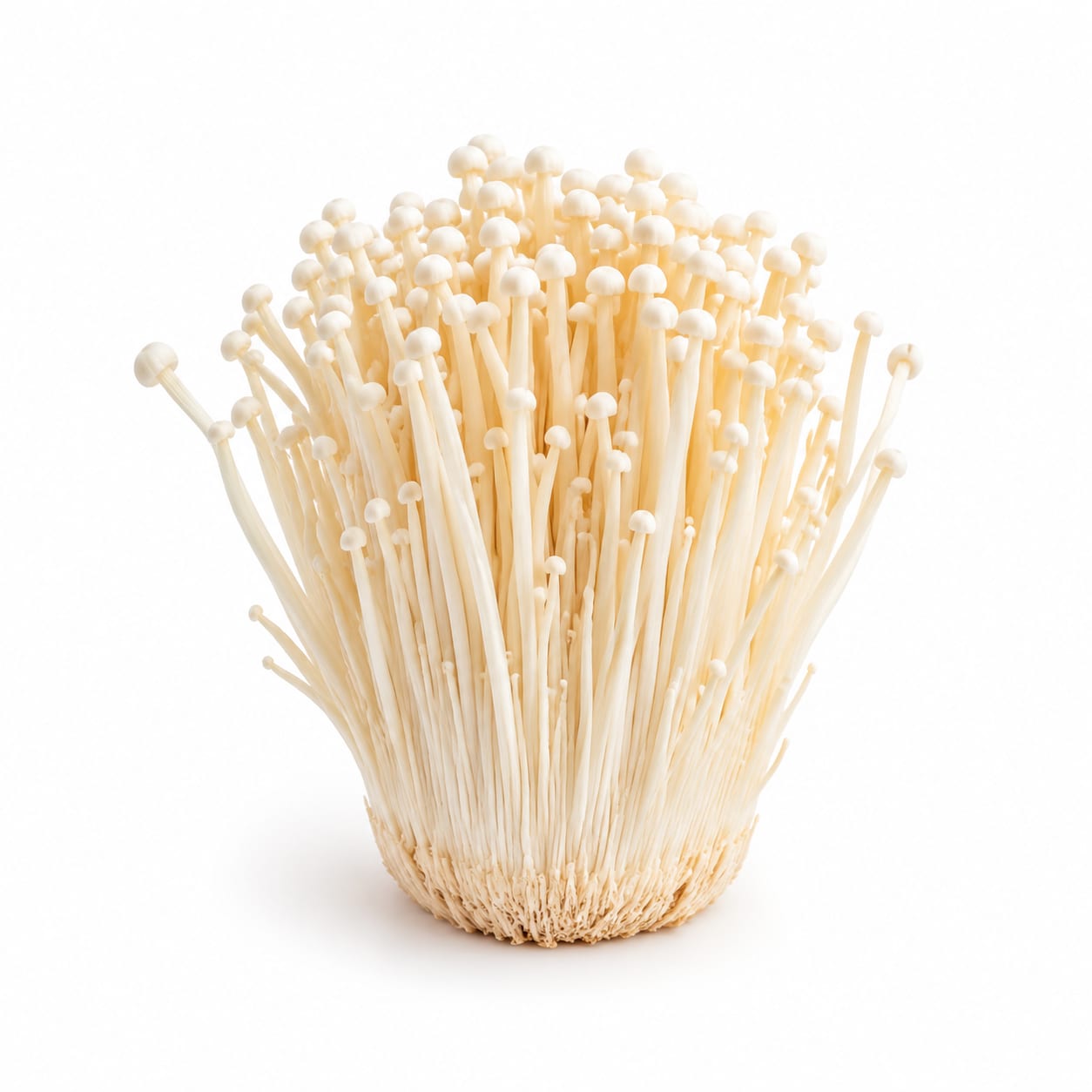
Enoki Mushroom
Shiitake mushrooms deliver significantly more nutrients, stronger immune compounds, and better culinary versatility, while enoki offers a lighter crunch but carries notable food safety risks
Shiitake wins decisively on nutrient density, vitamin D content, immune compound research, and food safety. Enoki remains a valid choice for specific culinary uses but carries meaningful safety caveats and delivers less nutritional value per serving
Shiitake gives you deeper nutrition and richer flavor but costs more and has a meatier texture that doesn't suit every dish — enoki is cheaper and more delicate but nutritionally thinner and riskier raw
At a glance
Executive summary
Overall
Shiitake Mushroom
Healthier
Shiitake Mushroom
More practical
Shiitake Mushroom
Daily use
Shiitake Mushroom
Key comparison lenses
immune system support
Both mushrooms are prized for immune-boosting compounds, but through different mechanisms — lentinan in shiitake vs flammulin in enoki
nutrient density comparison
Users choosing between mushroom varieties want to know which delivers more vitamins and minerals per bite
food safety concerns
Enoki has been linked to serious Listeria outbreaks, making safety a critical decision factor
culinary versatility
These mushrooms serve very different roles in cooking — robust umami vs delicate crunch
weight management
Both are extremely low calorie, but users may wonder if one offers more satiety or nutritional payoff per calorie
Best choice for
Shiitake Mushroom
- People wanting maximum immune and cardiovascular support
- Anyone needing more B vitamins and minerals from their meals
- Home cooks wanting one versatile mushroom for soups, stir-fries, and sides
- Those concerned about food safety who want a lower-risk option
Enoki Mushroom
- Hot pot and ramen lovers wanting that signature delicate crunch
- People seeking the absolute lowest calorie mushroom option
- Anyone specifically interested in flammulin's potential anti-tumor properties
- Budget-conscious shoppers looking for affordable mushrooms
Least suitable for
Shiitake Mushroom
- People with shiitake dermatitis sensitivity
- Anyone wanting a very mild mushroom that disappears into a dish
- Raw mushroom enthusiasts — shiitake should always be cooked
Enoki Mushroom
- Pregnant women or immunocompromised individuals due to Listeria risk
- Anyone seeking nutrient-dense foods per calorie eaten
- People who dislike the stringy texture of long thin stems
Deep comparison
Dimension by dimension
Each lens scores both foods and breaks down who each option suits.
- Dimension 1 · Priority 92Shiitake Mushroom
Nutrient Density
Shiitake Mushroom · 88Enoki Mushroom · 55Shiitake mushrooms pack significantly more vitamins and minerals per serving than enoki, especially B vitamins, copper, selenium, and vitamin D
Tradeoff
Enoki's lower nutrient density means you need to eat more volume to get similar micronutrient payoff, though both are still nutritious choices
Why it matters
If you're eating mushrooms partly for their health benefits, shiitake gives you considerably more per bite — especially vitamin D which many people lack
Real-world impact
A cup of shiitake covers meaningful portions of your daily B vitamin and mineral needs; enoki covers far less, leaving nutritional gaps you'll need to fill elsewhere
Shiitake Mushroom
- Meeting daily B vitamin needs from whole foods
- Boosting copper and selenium intake naturally
- Getting dietary vitamin D without supplements
Better for
- Nothing significant — shiitake is clearly superior here
Worse for
Enoki Mushroom
- Keeping meals extremely light while still getting some nutrients
Better for
- Relying on enoki as a primary nutrient source
- Getting adequate selenium or vitamin D from mushrooms alone
Worse for
- Dimension 2 · Priority 90Shiitake Mushroom
Immune and Medicinal Compounds
Shiitake Mushroom · 91Enoki Mushroom · 72Shiitake's lentinan has far more research backing its immune-modulating effects, while enoki's flammulin shows promise but with less clinical evidence
Tradeoff
Both mushrooms offer unique immune compounds not found in the other — eating both gives you broader immune coverage than either alone
Why it matters
If you're choosing mushrooms specifically for immune support during cold season or illness recovery, shiitake has stronger evidence behind it
Real-world impact
Regular shiitake consumption has been shown to improve immune markers in human studies; enoki's benefits are more theoretical at this point
Shiitake Mushroom
- Immune support during cold and flu season
- Complementary support alongside conventional treatments
- Long-term immune resilience building
Better for
- People who want novel compounds beyond beta-glucans
Worse for
Enoki Mushroom
- Adding variety to your immune-supporting mushroom rotation
- Potential anti-tumor properties from flammulin specifically
Better for
- Anyone wanting clinically-validated immune support right now
Worse for
- Dimension 3 · Priority 85Shiitake Mushroom
Food Safety
Shiitake Mushroom · 82Enoki Mushroom · 48Enoki mushrooms have been linked to multiple deadly Listeria outbreaks, while shiitake's main risk is a rare skin reaction in sensitive individuals
Tradeoff
Enoki's Listeria risk is manageable with thorough cooking, but the consequences of improper preparation are severe — shiitake is simply safer to handle
Why it matters
For pregnant women, elderly individuals, or anyone immunocompromised, enoki's Listeria risk is a genuine health concern that shouldn't be dismissed
Real-world impact
Listeria outbreaks from enoki have caused deaths and multiple recalls — this isn't theoretical. Proper cooking eliminates the risk, but cross-contamination in your kitchen is easy
Shiitake Mushroom
- Pregnant women who still want to eat mushrooms safely
- Immunocompromised individuals needing lower-risk foods
- Home cooks who sometimes eat mushrooms slightly undercooked
Better for
- People with known shiitake dermatitis sensitivity — rare but real
Worse for
Enoki Mushroom
- No safety advantage over shiitake
Better for
- Pregnant women unless enoki is cooked to steaming hot throughout
- Anyone with weakened immune systems
- Careless food preparation habits
Worse for
- Dimension 4 · Priority 78Shiitake Mushroom
Culinary Versatility
Shiitake Mushroom · 90Enoki Mushroom · 62Shiitake's rich umami flavor and meaty texture work in stir-fries, soups, pasta, risotto, and more — enoki is mostly limited to Asian soups and hot pot
Tradeoff
Enoki provides a unique delicate crunch and visual appeal that shiitake simply cannot replicate, but it's a one-trick culinary player
Why it matters
If you want one mushroom that works across many cuisines and cooking methods, shiitake is far more practical for weekly meal prep
Real-world impact
Shiitake can replace meat in vegetarian dishes, deepen any broth, and stand alone as a side — enoki really only shines floating in soup
Shiitake Mushroom
- Stir-fries and sautés where you want depth and body
- Vegetarian cooking needing meaty texture and umami
- Western dishes like pasta and risotto
- Making mushroom-based broths and stocks
Better for
- Recipes requiring that signature enoki crunch and delicate appearance
Worse for
Enoki Mushroom
- Hot pot and Asian noodle soups specifically
- Garnishing with visual elegance and mild crunch
- Dishes where you want mushroom flavor without mushroom dominance
Better for
- Any dish where you want bold mushroom flavor
- Standalone side dishes or main courses
- Non-Asian cuisine applications
Worse for
- Dimension 5 · Priority 72Enoki Mushroom
Calorie Efficiency and Satiety
Shiitake Mushroom · 68Enoki Mushroom · 78Enoki is marginally lower in calories per cup but shiitake provides more satiety per calorie due to higher protein and fiber content
Tradeoff
Enoki lets you eat more volume for fewer calories, but shiitake's extra protein and fiber make each calorie more filling and nutritionally rewarding
Why it matters
For strict calorie counters, enoki's near-zero calorie count is appealing, but shiitake keeps you satisfied longer which matters more for weight management
Real-world impact
You can eat a massive bowl of enoki for almost no calories — great for volume eating — but you'll be hungry again sooner than with shiitake
Shiitake Mushroom
- Meals where you want lasting fullness
- Getting more protein from plant sources
- Satiety per calorie eaten
Better for
- Ultra-low-calorie diet phases where every calorie counts
Worse for
Enoki Mushroom
- Volume eating strategies for weight loss
- Keeping dishes extremely light before a heavier main course
Better for
- Staying full between meals
- Getting meaningful protein from your mushroom portions
Worse for
- Dimension 6 · Priority 80Shiitake Mushroom
Cardiovascular Support
Shiitake Mushroom · 86Enoki Mushroom · 58Shiitake contains eritadenine, a compound shown to help lower cholesterol, plus more fiber and heart-healthy B vitamins than enoki
Tradeoff
Enoki still supports heart health through general mushroom benefits, but lacks the specific cholesterol-lowering compound that makes shiitake notable
Why it matters
If heart health is a priority, shiitake is one of the best mushrooms you can eat regularly — eritadenine is rare and valuable
Real-world impact
Regular shiitake intake can contribute meaningfully to a cholesterol-lowering eating pattern; enoki helps indirectly but less powerfully
Shiitake Mushroom
- Managing cholesterol through diet
- Supporting overall cardiovascular health long-term
- Getting heart-protective B vitamins naturally
Better for
- Nothing significant — shiitake is clearly superior for heart health
Worse for
Enoki Mushroom
- General heart health as part of a varied mushroom intake
Better for
- Targeted cholesterol management through food choices
Worse for
Timeline
Health impact over time
Short-term
Hours to days
Shiitake Mushroom
- Improved satiety from higher protein and fiber content
- Rich umami flavor may reduce the need for added salt or seasonings
- Possible mild digestive adjustment if you're not used to high-fiber mushrooms
Enoki Mushroom
- Very light on the stomach — easy to eat in large volumes
- Minimal digestive load due to high water content
- Risk of foodborne illness if consumed raw or undercooked
Long-term
Months to years
Shiitake Mushroom
- Consistent immune system support from regular lentinan intake
- Potential cholesterol improvement from eritadenine compounds
- Better B vitamin status, particularly for plant-based eaters
- Rare possibility of developing shiitake dermatitis with frequent consumption
Enoki Mushroom
- Potential anti-tumor benefits from flammulin, though evidence is still emerging
- Very low calorie intake support for weight management long-term
- Continued Listeria risk if preparation habits are inconsistent
Risk profile
Safety & processing
Both shiitake and enoki mushrooms are whole, minimally processed foods when purchased fresh. Dried shiitake is also minimally processed and actually concentrates nutrients and vitamin D. Neither typically contains additives in their whole form
Shiitake Mushroom
Shiitake dermatitis
lowA rare whiplash-like skin rash triggered by consuming raw or undercooked shiitake. Affects roughly 2% of the population. Completely prevented by thorough cooking
Standard agricultural contamination
lowAs with any fresh produce, conventional shiitake may carry pesticide residue. Washing and cooking eliminates most concern
Enoki Mushroom
Listeria monocytogenes contamination
highMultiple deadly outbreaks linked to enoki mushrooms, particularly imports. Listeria can grow at refrigerator temperatures. Cooking to 165°F eliminates the risk, but cross-contamination in kitchens is a real danger
Raw consumption danger
highUnlike some mushrooms that are occasionally eaten raw, enoki should never be consumed raw due to documented Listeria risk — this is not theoretical
Who wins for whom
Audience fit
Same foods, different winners depending on your goal.
children
Shiitake MushroomShiitake is safer for children due to lower contamination risk and provides more nutrients for growing bodies — enoki's Listeria risk is concerning for young immune systems
daily consumption
Shiitake MushroomShiitake's superior nutrient density, stronger safety profile, and culinary versatility make it a better everyday staple mushroom
diabetes
Shiitake MushroomShiitake's higher fiber content and eritadenine may help with blood sugar regulation and cholesterol management, both important for diabetic health
elderly
Shiitake MushroomOlder adults face higher Listeria vulnerability, making shiitake the safer choice. Shiitake also delivers more vitamin D and B vitamins that elderly individuals often lack
muscle gain
Shiitake MushroomShiitake contains more protein per serving and more B vitamins that support energy metabolism during training — though neither is a significant protein source
weight loss
Enoki MushroomEnoki's extremely low calorie count makes it ideal for volume eating strategies, though shiitake provides better satiety per calorie which matters for sustainability
Your move
Decision guide
Choose Shiitake Mushroom
- You want the most nutritionally rewarding mushroom for regular meals
- Immune support or cholesterol management is a health priority
- You're cooking for pregnant women, elderly, or immunocompromised people
- You want one mushroom that works across many different cuisines
- You're concerned about food safety and want lower-risk produce
Choose Enoki Mushroom
- You're making hot pot, ramen, or Asian soups where enoki's texture shines
- You're strictly calorie counting and want maximum volume for minimal calories
- You already eat shiitake regularly and want to diversify your mushroom compounds
- You can commit to always cooking enoki thoroughly and avoiding cross-contamination
Either works if
- You simply want to add more mushrooms to your diet for general health
- You're making a mixed mushroom dish that benefits from variety
- Both are available fresh and affordable at your local store
Avoid both if
- You have a known mushroom allergy or sensitivity
- You're seeking a significant protein source — neither mushroom delivers meaningful protein
- You cannot reliably cook mushrooms thoroughly due to kitchen limitations
Final recommendation
Make shiitake your daily driver mushroom for its nutritional depth, safety, and versatility. Add enoki occasionally for culinary variety and its unique compounds, but always cook it thoroughly. If you can only stock one, shiitake is the clear winner for both health and practicality
Practical
Consumer tips
- 1
Always cook both mushroom varieties thoroughly — never eat enoki raw under any circumstances
- 2
Dried shiitake mushrooms are a budget-friendly pantry staple that actually contains more vitamin D than fresh, especially if sun-dried
- 3
Store enoki in the refrigerator and use within a few days — its high water content makes it spoil faster than shiitake
- 4
If buying enoki, check for recalls from the FDA website, especially for imported brands
- 5
Keep enoki physically separated from ready-to-eat foods in your refrigerator to prevent Listeria cross-contamination
- 6
Slice shiitake stems before cooking — they're tougher than the caps but equally nutritious and add great texture to stocks
- 7
For maximum vitamin D, choose dried shiitake that has been sun-exposed, or place fresh shiitake gill-side-up in direct sunlight for a few hours before cooking