
Nutrition comparison
Shiitake vs Porcini Mushrooms: Nutrition, Benefits & Safety
Compare Shiitake vs Porcini mushrooms. Learn which is better for immune health, daily cooking, and safety from heavy metals. Discover the nutritional tradeoffs.
Overall winner · Shiitake Mushroom
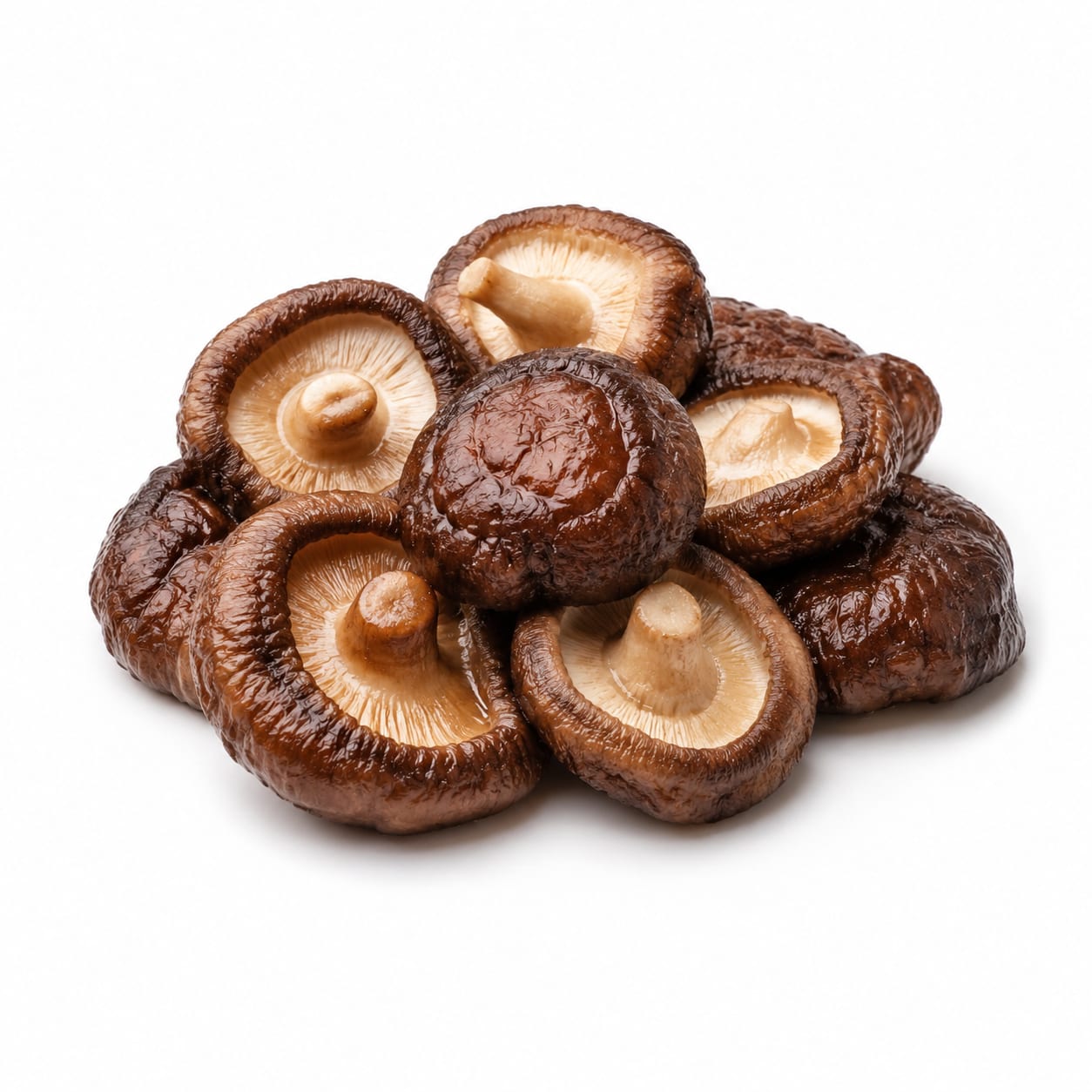
Shiitake Mushroom
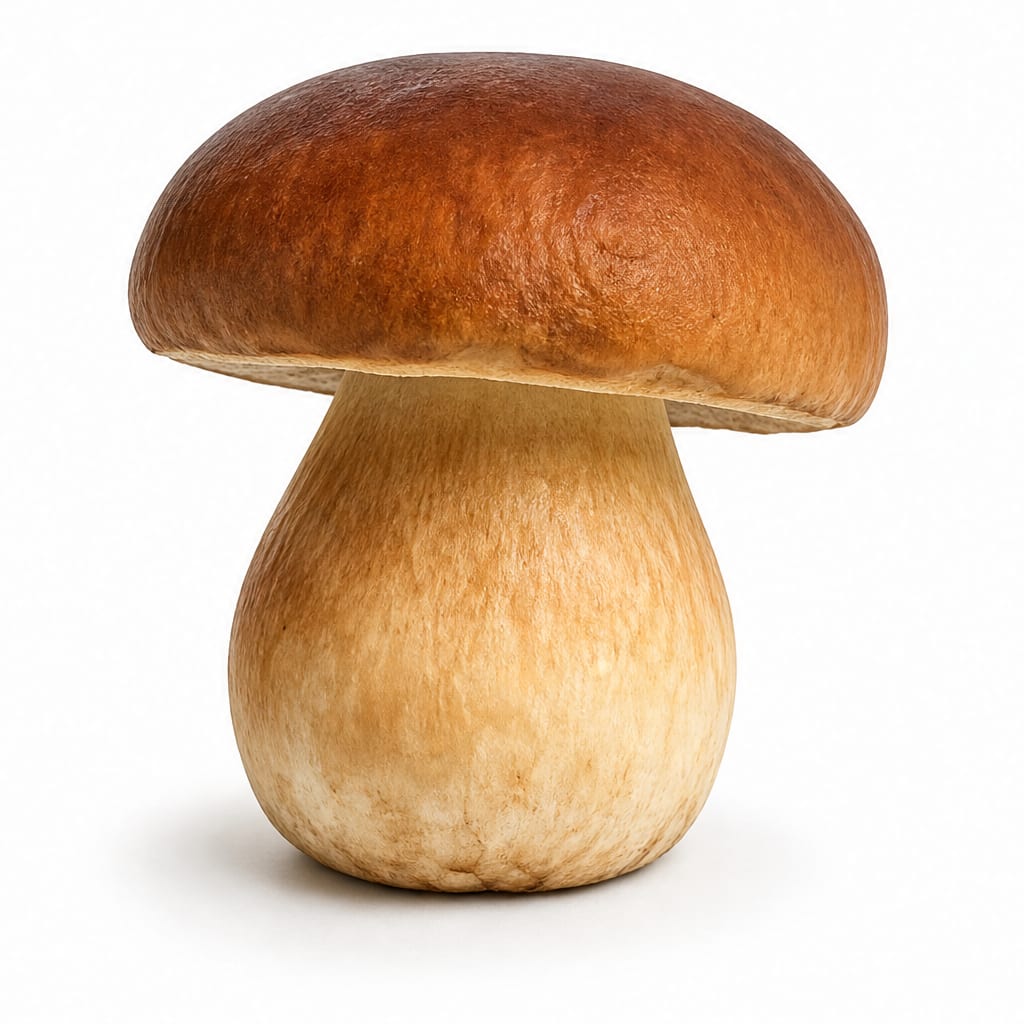
Porcini Mushroom
Shiitake is the safer, more practical choice for daily health support, while porcini serves as an intense flavor enhancer for occasional use.
Shiitake scores higher due to its unique medicinal compounds, cultivated safety, and fresh convenience. Porcini is a nutritional and flavor powerhouse, but its wild-harvested nature and dried form limit its suitability for unrestricted daily use.
You trade the deep, nutty umami and mineral density of porcini for the reliable immune benefits, fresh availability, and cultivation safety of shiitake.
At a glance
Executive summary
Overall
Shiitake Mushroom
Healthier
Shiitake Mushroom
More practical
Shiitake Mushroom
Daily use
Shiitake Mushroom
Key comparison lenses
Immune and cardiovascular benefits
Shiitake contains unique compounds like lentinan and eritadenine that actively lower cholesterol and modulate the immune system.
Heavy metal and contamination safety
Porcini is wild-harvested and naturally absorbs soil contaminants like heavy metals, whereas shiitake is safely cultivated.
Culinary practicality and form
Fresh shiitake is readily available and quick to cook, while porcini is primarily found dried and requires rehydration.
Nutritional density and mineral intake
Dried porcini offers a highly concentrated source of fiber, protein, and essential minerals per gram.
Best choice for
Shiitake Mushroom
- Daily immune and cardiovascular support
- Quick fresh meals like stir-fries
- Worry-free regular consumption
Porcini Mushroom
- Intense umami flavor in gourmet recipes
- Concentrated mineral and fiber boosts
- Making rich, slow-cooked broths
Least suitable for
Shiitake Mushroom
- Recipes requiring a deep, dark, nutty mushroom flavor
Porcini Mushroom
- Daily heavy consumption due to potential heavy metal accumulation
Deep comparison
Dimension by dimension
Each lens scores both foods and breaks down who each option suits.
- Dimension 1 · Priority 90Shiitake Mushroom
Immune & Cardiovascular Support
Shiitake Mushroom · 92Porcini Mushroom · 70Shiitake contains lentinan and eritadenine, which actively support immune function and help lower cholesterol.
Tradeoff
You miss out on the deeper earthy flavor of porcini, but gain proven medicinal compounds for heart and immune health.
Why it matters
Regular consumption of shiitake provides measurable benefits for blood lipids and immune defense.
Real-world impact
Eating shiitake a few times a week can help keep cholesterol in check and fend off seasonal bugs more effectively.
Shiitake Mushroom
- Lowering cholesterol naturally
- Bolstering everyday immune defense
Better for
Porcini Mushroom
- Targeted heart health regimens
Worse for
- Dimension 2 · Priority 75Porcini Mushroom
Nutritional Density & Mineral Content
Shiitake Mushroom · 75Porcini Mushroom · 91Dried porcini mushrooms are incredibly dense in fiber, protein, and minerals like potassium and zinc.
Tradeoff
Porcini offers more nutrients per gram, but this density comes in a dried form that requires rehydration and portion control.
Why it matters
If you need a concentrated source of minerals and fiber, porcini delivers heavily without adding bulk to your plate.
Real-world impact
Adding a small handful of dried porcini to a meal significantly boosts its fiber and potassium content.
Shiitake Mushroom
- Maximizing mineral intake per gram
Worse for
Porcini Mushroom
- Boosting potassium and zinc intake
- Adding concentrated fiber to heavy meals
Better for
- Dimension 3 · Priority 80Shiitake Mushroom
Culinary Versatility & Practicality
Shiitake Mushroom · 88Porcini Mushroom · 72Fresh shiitake is widely available, easy to cook, and fits into everything from quick stir-fries to soups.
Tradeoff
Porcini usually requires rehydrating and has a very strong flavor that can overpower delicate dishes.
Why it matters
Convenience dictates how often you actually use an ingredient in your daily routine.
Real-world impact
You can toss fresh shiitake into a weeknight dinner in minutes, while porcini requires planning and soaking time.
Shiitake Mushroom
- Quick weeknight dinners
- Recipes needing fresh mushroom texture
Better for
- Creating intensely flavored dark stocks
Worse for
Porcini Mushroom
- Slow-cooked stews and risottos
- Making rich, savory broths
Better for
- Spontaneous cooking without prep time
Worse for
- Dimension 4 · Priority 85Shiitake Mushroom
Safety & Contamination Risk
Shiitake Mushroom · 94Porcini Mushroom · 65Shiitake is cultivated in controlled environments, while wild-harvested porcini can accumulate heavy metals from soil.
Tradeoff
Porcini's wild nature gives it superior flavor but introduces a slight risk of soil contaminants like cadmium.
Why it matters
Heavy metals can build up in the body over time if you consume large amounts of wild mushrooms frequently.
Real-world impact
Eating porcini occasionally is perfectly safe, but daily consumption of wild mushrooms isn't recommended due to soil accumulation risks.
Shiitake Mushroom
- Worry-free daily consumption
- Avoiding heavy metal exposure
Better for
Porcini Mushroom
- Those highly cautious about soil contaminants in wild foods
Worse for
Timeline
Health impact over time
Short-term
Hours to days
Shiitake Mushroom
- Quick to prepare for a nutritious, filling meal
- Gentle on digestion when thoroughly cooked
Porcini Mushroom
- Provides a rich, satisfying umami hit that makes meals feel more indulgent
- Requires rehydration which adds time to meal prep
Long-term
Months to years
Shiitake Mushroom
- Supports cardiovascular health and helps maintain healthy cholesterol
- Enhances immune system resilience over time
Porcini Mushroom
- Excellent for maintaining mineral levels like potassium and zinc
- Risk of heavy metal accumulation if consumed in large quantities daily
Risk profile
Safety & processing
Both mushrooms are whole, natural foods. Fresh shiitake is completely unprocessed, while dried porcini undergoes minimal dehydration with no additives.
Shiitake Mushroom
Shiitake dermatitis
lowA rare whiplash-like skin rash caused by eating raw or undercooked shiitake. Cooking thoroughly eliminates this risk entirely.
Porcini Mushroom
Heavy metal accumulation
mediumWild porcini can absorb cadmium and lead from soil. Sourcing from clean regions and eating in moderation minimizes this risk.
Foraging misidentification
lowIf foraged personally, wild mushrooms pose toxicity risks. Commercially sold dried porcini are generally safe and identified correctly.
Who wins for whom
Audience fit
Same foods, different winners depending on your goal.
children
Shiitake MushroomMilder flavor and guaranteed cultivated safety make shiitake a better introduction to mushrooms for kids.
daily consumption
Shiitake MushroomCultivated safety profile and fresh availability make shiitake a worry-free daily staple.
diabetes
Shiitake MushroomFresh shiitake has a lower carbohydrate density and helps regulate blood sugar without the concentrated carbs found in dried mushrooms.
elderly
Shiitake MushroomThe immune-boosting and cholesterol-lowering properties of shiitake are highly beneficial for aging bodies, with a softer texture when cooked.
muscle gain
Porcini MushroomDried porcini has a higher concentration of protein per gram, making it easier to add protein to meals in small amounts.
weight loss
Shiitake MushroomFresh shiitake is low in calories and high in water content, making it more filling per calorie than dense dried porcini.
Your move
Decision guide
Choose Shiitake Mushroom
- You want a safe, everyday mushroom for heart and immune health
- You prefer cooking with fresh ingredients on busy weeknights
- You are cautious about heavy metal exposure from wild foods
Choose Porcini Mushroom
- You need an intense umami flavor boost for a special recipe
- You want a concentrated source of dietary minerals and fiber
- You are making a risotto, stew, or rich soup
Either works if
- You are looking to add more savory depth and fiber to your diet
- You want to reduce meat consumption by using flavorful mushrooms
Avoid both if
- You have a severe mold or fungal allergy
Final recommendation
Keep shiitake mushrooms in your regular rotation for their accessible health benefits and fresh convenience. Treat porcini as a flavorful supplement—use it to elevate special dishes, but rely on shiitake for your daily nutritional foundation.
Practical
Consumer tips
- 1
Always cook shiitake mushrooms thoroughly to prevent the rare but uncomfortable shiitake dermatitis.
- 2
When using dried porcini, save the soaking liquid to add concentrated flavor to sauces and broths.
- 3
Buy dried porcini from reputable suppliers who test for heavy metals, especially if you plan to eat them often.
- 4
Rotate your mushroom varieties to get a broad spectrum of nutrients and avoid over-accumulation of any single soil contaminant.