
Nutrition comparison
Shiitake Mushroom vs Dried Shiitake Mushroom: Nutrition, Flavor, and Cooking Comparison
Fresh shiitake vs dried shiitake — which is healthier? Compare vitamin D, umami flavor, sodium, shelf life, and cooking uses to find the right mushroom for your kitchen.
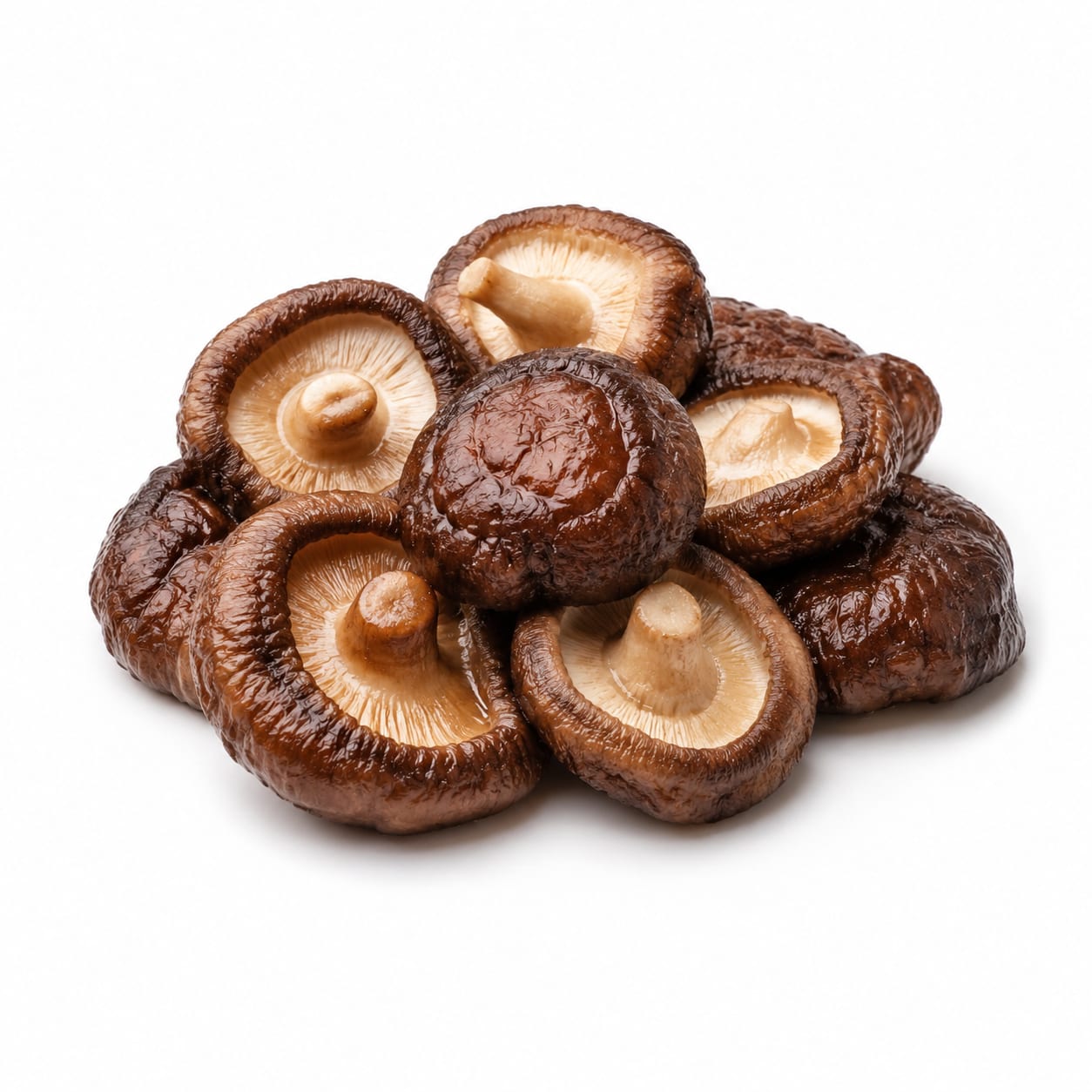
Shiitake Mushroom
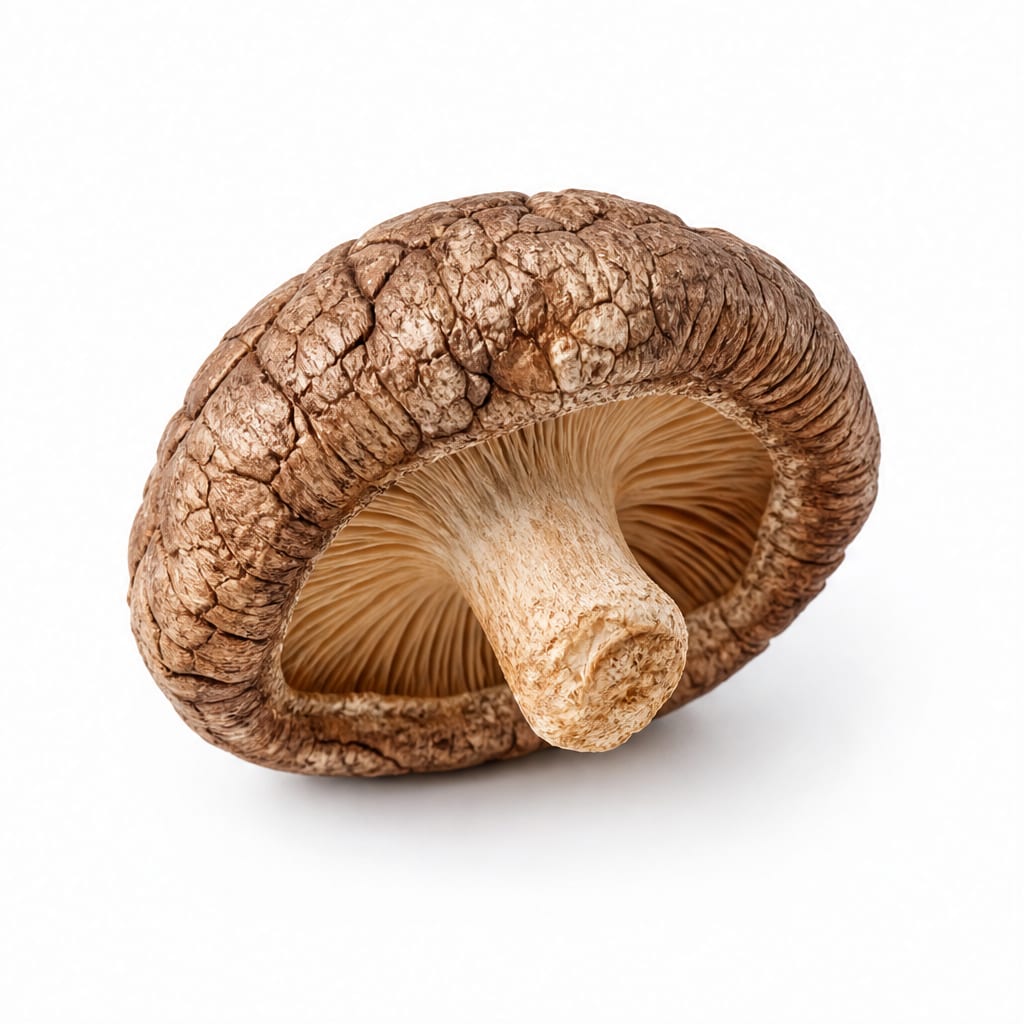
Dried Shiitake Mushroom
Fresh shiitake offers lighter texture and more B vitamins, while dried shiitake delivers concentrated umami, more vitamin D, and pantry convenience. Each shines in different kitchens and recipes.
Dried shiitake edges ahead slightly due to concentrated nutrients, vitamin D potential, and unmatched shelf stability. Fresh shiitake remains excellent for texture and B vitamins, making this a near-tie that depends heavily on how you cook.
Flavor depth and nutrient concentration versus freshness, texture, and B vitamin retention
At a glance
Executive summary
Overall
It depends
Healthier
It depends
More practical
Dried Shiitake Mushroom
Daily use
Shiitake Mushroom
Key comparison lenses
nutrient concentration vs freshness tradeoff
Drying concentrates some nutrients while degrading others, making this the core decision factor
umami flavor intensity for cooking
Dried shiitake is prized specifically for its deeper, more concentrated savory flavor
shelf stability and convenience
Storage life and pantry readiness differ dramatically between fresh and dried forms
vitamin D content
Dried shiitake, especially sun-dried, can contain significantly more vitamin D
sodium and mineral concentration
Drying concentrates minerals including sodium, which may matter for blood pressure management
Best choice for
Shiitake Mushroom
- Stir-fries and sautés where texture matters
- People watching sodium intake closely
- Those wanting more B vitamins from their mushrooms
- Quick weeknight cooking with no rehydration step
- Raw or lightly cooked applications
Dried Shiitake Mushroom
- Broths, soups, and stocks needing deep umami
- Pantry-stocking and emergency meal prep
- People seeking more vitamin D naturally
- Hikers and campers needing lightweight ingredients
- Budget-conscious cooks getting more flavor per dollar
Least suitable for
Shiitake Mushroom
- Long-term storage without refrigeration
- Recipes requiring intense mushroom flavor from small quantities
- Backpacking or off-grid cooking
Dried Shiitake Mushroom
- Dishes where tender mushroom texture is essential
- People sensitive to concentrated minerals or sulfites
- Quick meals when you forgot to soak them ahead of time
Deep comparison
Dimension by dimension
Each lens scores both foods and breaks down who each option suits.
- Dimension 1 · Priority 92Dried Shiitake Mushroom
nutrient density per serving
Shiitake Mushroom · 60Dried Shiitake Mushroom · 88Dried shiitake packs far more nutrients per gram because water removal concentrates everything — fiber, protein, minerals, and vitamin D.
Tradeoff
Some heat-sensitive B vitamins degrade during drying, so fresh shiitake retains more of those specifically.
Why it matters
If you eat small portions, dried shiitake delivers more nutritional bang per bite.
Real-world impact
A small handful of dried shiitake in soup gives you more fiber and minerals than a similar weight of fresh, but you lose some B vitamin diversity.
Shiitake Mushroom
- B vitamin intake, especially B5 and B2
- Lower calorie density if watching portions by volume
Better for
- Lower total nutrient content per gram
Worse for
Dried Shiitake Mushroom
- Fiber per serving
- Mineral intake including copper, selenium, and zinc
- Vitamin D if sun-dried
Better for
- Reduced B vitamin levels from heat and storage
- Higher sodium concentration per serving
Worse for
- Dimension 2 · Priority 90It depends
flavor and culinary versatility
Shiitake Mushroom · 75Dried Shiitake Mushroom · 85Dried shiitake produces a richer, deeper umami flavor that transforms broths. Fresh shiitake offers a milder, more delicate taste and satisfying chew.
Tradeoff
Dried wins for flavor intensity but cannot replicate the tender bite of fresh mushrooms in stir-fries.
Why it matters
The form you choose changes the entire character of your dish.
Real-world impact
Japanese dashi and Chinese braises rely on dried shiitake for that deep savory base. Fresh shiitake shines in a quick garlic sauté where texture is the star.
Shiitake Mushroom
- Stir-fries and sautés needing good bite
- Dishes where subtle mushroom flavor is preferred
- Salads or light preparations
Better for
- Cannot achieve the same depth of broth flavor
- Milder contribution to complex dishes
Worse for
Dried Shiitake Mushroom
- Soups, stews, and braises needing rich umami
- Making mushroom stock or dashi
- Sauces where deep savory notes elevate everything
Better for
- Tougher texture even after rehydration
- Overpowers delicate dishes if used generously
Worse for
- Dimension 3 · Priority 80Dried Shiitake Mushroom
vitamin D content
Shiitake Mushroom · 35Dried Shiitake Mushroom · 90Sun-dried shiitake can contain dramatically more vitamin D because UV exposure triggers ergosterol conversion. Fresh shiitake grown indoors has very little.
Tradeoff
Only sun-dried or UV-exposed dried shiitake gets this benefit. Commercially dried without UV exposure may not differ much.
Why it matters
Vitamin D deficiency is widespread, and few food sources exist. This is a genuinely meaningful difference.
Real-world impact
Eating sun-dried shiitake regularly can meaningfully contribute to your daily vitamin D intake, while fresh indoor-grown shiitake contributes almost nothing.
Shiitake Mushroom
- No real advantage here for vitamin D
Better for
- Negligible vitamin D unless grown with UV exposure
Worse for
Dried Shiitake Mushroom
- Substantially more vitamin D if sun-dried
- One of the few plant-based vitamin D sources available
Better for
- Vitamin D benefit depends entirely on drying method
Worse for
- Dimension 4 · Priority 78Dried Shiitake Mushroom
shelf stability and convenience
Shiitake Mushroom · 40Dried Shiitake Mushroom · 95Dried shiitake lasts months to years in a pantry. Fresh shiitake spoils within a week refrigerated.
Tradeoff
Dried requires planning ahead for rehydration, while fresh can be cooked immediately.
Why it matters
Food waste from spoilage is a real budget and nutrition issue. Dried mushrooms eliminate that concern entirely.
Real-world impact
You can keep dried shiitake in your pantry for emergency meals and always have umami ready. Fresh shiitake demands a shopping trip and prompt use.
Shiitake Mushroom
- Ready to cook immediately, no soaking needed
- Better for spontaneous meal decisions
Better for
- Spoils within 5-7 days refrigerated
- Takes up more storage space due to water weight
Worse for
Dried Shiitake Mushroom
- Months of shelf life at room temperature
- Lightweight for transport and storage
- No refrigeration required
- Less food waste from spoilage
Better for
- Requires 20-30 minutes of soaking before use
- Cannot be used spontaneously without planning
Worse for
- Dimension 5 · Priority 65Shiitake Mushroom
digestive tolerance and gut comfort
Shiitake Mushroom · 78Dried Shiitake Mushroom · 62Fresh shiitake is gentler on digestion with its higher water content and softer fiber. Dried shiitake concentrates chitin and fiber, which can be harder to break down.
Tradeoff
Rehydrated dried shiitake may still be tougher and more fibrous than fresh, even after long soaking.
Why it matters
People with sensitive digestion or IBS may notice discomfort from concentrated mushroom fiber.
Real-world impact
A bowl of soup with rehydrated dried shiitake might feel heavier in the stomach than the same dish with fresh, especially if under-soaked.
Shiitake Mushroom
- Softer texture easier on the digestive tract
- Higher water content aids comfortable processing
Better for
- Lower fiber contribution per serving
Worse for
Dried Shiitake Mushroom
- More fiber per serving supports gut health if tolerated
Better for
- Concentrated fiber can cause bloating in sensitive people
- Tougher texture even after rehydration
Worse for
- Dimension 6 · Priority 60Shiitake Mushroom
sodium and mineral load
Shiitake Mushroom · 82Dried Shiitake Mushroom · 55Fresh shiitake is naturally low in sodium. Dried shiitake concentrates all minerals including sodium, and some products add salt or sulfites during processing.
Tradeoff
More minerals like selenium and copper in dried is good, but the sodium bump matters for blood pressure management.
Why it matters
For people managing hypertension or on sodium-restricted diets, concentrated dried mushrooms can add unexpected salt.
Real-world impact
If you rehydrate dried shiitake and use the soaking liquid in soup, you consume all the concentrated minerals including sodium. This can silently push your salt intake higher.
Shiitake Mushroom
- Very low sodium per serving
- No added sulfites or preservatives typically
Better for
- Fewer total minerals per gram consumed
Worse for
Dried Shiitake Mushroom
- More selenium, copper, and zinc per serving
Better for
- Higher sodium concentration
- Possible sulfite preservatives in some commercial products
Worse for
Timeline
Health impact over time
Short-term
Hours to days
Shiitake Mushroom
- Light, easy-to-digest addition to meals
- Quick to prepare, supporting spontaneous healthy cooking
- Very low sodium impact on same-day blood pressure
Dried Shiitake Mushroom
- More filling per gram due to concentrated fiber
- Rich umami may increase meal satisfaction with less food
- Potential mild bloating if consumed in large quantities without adequate soaking
Long-term
Months to years
Shiitake Mushroom
- Consistent B vitamin intake supports energy metabolism
- Low sodium supports healthy blood pressure over time
- Regular consumption supports immune function through beta-glucans
Dried Shiitake Mushroom
- Sun-dried versions provide meaningful vitamin D for bone and immune health
- Concentrated beta-glucans support cholesterol management
- Higher mineral intake supports thyroid and antioxidant function long-term
Risk profile
Safety & processing
Fresh shiitake is essentially unprocessed. Dried shiitake undergoes dehydration, which is a traditional and generally gentle process, but some commercial products include sulfites or salt as preservatives. Always check the ingredient list on dried shiitake — the only ingredient should be shiitake mushrooms.
Shiitake Mushroom
spoilage and foodborne illness
mediumFresh shiitake spoils within days and can harbor bacteria if stored improperly or consumed past prime. Slimy or discolored mushrooms should be discarded.
shiitake dermatitis
lowRaw or undercooked shiitake can cause a whiplash-like skin rash in sensitive individuals. Cooking thoroughly eliminates this risk.
Dried Shiitake Mushroom
sulfite sensitivity reaction
mediumSome commercially dried shiitake contains sulfur dioxide as a preservative, which can trigger reactions in sulfite-sensitive people, particularly those with asthma.
heavy metal concentration
lowDrying concentrates any heavy metals present in the original mushrooms. Sourcing from clean growing environments matters more with dried forms.
inadequate rehydration
lowUnder-soaked dried shiitake remains tough and may cause digestive discomfort. Soak for at least 20-30 minutes in warm water.
Who wins for whom
Audience fit
Same foods, different winners depending on your goal.
children
Shiitake MushroomSofter texture and milder flavor make fresh shiitake more kid-friendly. Dried shiitake's chewiness and intense flavor can be off-putting to young palates.
daily consumption
Shiitake MushroomFresh shiitake is gentler on the digestive system with daily use and has a lower risk of sodium accumulation. Dried shiitake is better as a several-times-per-week ingredient.
diabetes
Shiitake MushroomFresh shiitake has negligible impact on blood sugar and lower sodium. The concentrated carbohydrates in dried shiitake, while still modest, have a higher glycemic load per gram.
elderly
It dependsFresh shiitake is easier to chew and digest, but dried shiitake provides more vitamin D, which is critical for older adults. Choose based on individual dental and digestive health.
muscle gain
Dried Shiitake MushroomDried shiitake provides more protein per gram and more minerals like zinc that support recovery, though neither is a primary protein source.
weight loss
Shiitake MushroomFresh shiitake has far fewer calories per volume, letting you eat larger portions with less caloric impact. Its high water content adds bulk to meals without adding energy density.
Your move
Decision guide
Choose Shiitake Mushroom
- You cook stir-fries, sautés, or dishes where mushroom texture matters
- You are watching your sodium intake carefully
- You want maximum B vitamin retention
- You prefer lighter, more delicate flavors in your cooking
- You have reliable access to fresh produce and refrigeration
Choose Dried Shiitake Mushroom
- You make lots of soups, broths, or braised dishes
- You want a pantry-stable ingredient that never spoils
- You are specifically seeking more vitamin D from food sources
- You camp, hike, or need lightweight portable ingredients
- You want the most umami flavor per dollar spent
Either works if
- You enjoy mushrooms and want variety in your cooking
- You are looking for immune-supporting beta-glucans from either form
- You want to reduce meat usage by adding savory depth to dishes
Avoid both if
- You have a known shiitake allergy or have experienced shiitake dermatitis
- You are on a very strict low-FODMAP diet, as mushrooms contain polyols
Final recommendation
Keep both in your kitchen. Fresh shiitake for quick weeknight cooking and dishes where texture shines. Dried shiitake for soups, stocks, and that deep umami you cannot get any other way. If you must pick one, dried shiitake offers more versatility and less waste, but fresh shiitake delivers a eating experience that dried cannot fully replicate.
Practical
Consumer tips
- 1
Check dried shiitake ingredient lists — the only ingredient should be shiitake mushrooms. Avoid products with added sulfites if you are sensitive.
- 2
Save the soaking liquid from dried shiitake. It is liquid gold for soups and sauces, packed with umami compounds and dissolved nutrients.
- 3
Sun-dried shiitake contains significantly more vitamin D than oven-dried. Look for brands that specify sun-drying on the package.
- 4
Fresh shiitake should feel firm and dry, not slimy. Store in a paper bag in the refrigerator to extend shelf life by a few days.
- 5
Soak dried shiitake in warm water for 20-30 minutes, or cold water for several hours for better texture. Hot boiling water can make them tough.
- 6
If you have experienced shiitake dermatitis, always cook shiitake thoroughly regardless of form — heat destroys the lentinan compound responsible.