
Nutrition comparison
Shiitake vs Chanterelle Mushroom: Nutrition, Health Benefits & Which to Choose
Compare shiitake and chanterelle mushrooms side by side. Discover which is better for immunity, vitamin D, cholesterol, and daily use with practical expert guidance.
Overall winner · Shiitake Mushroom
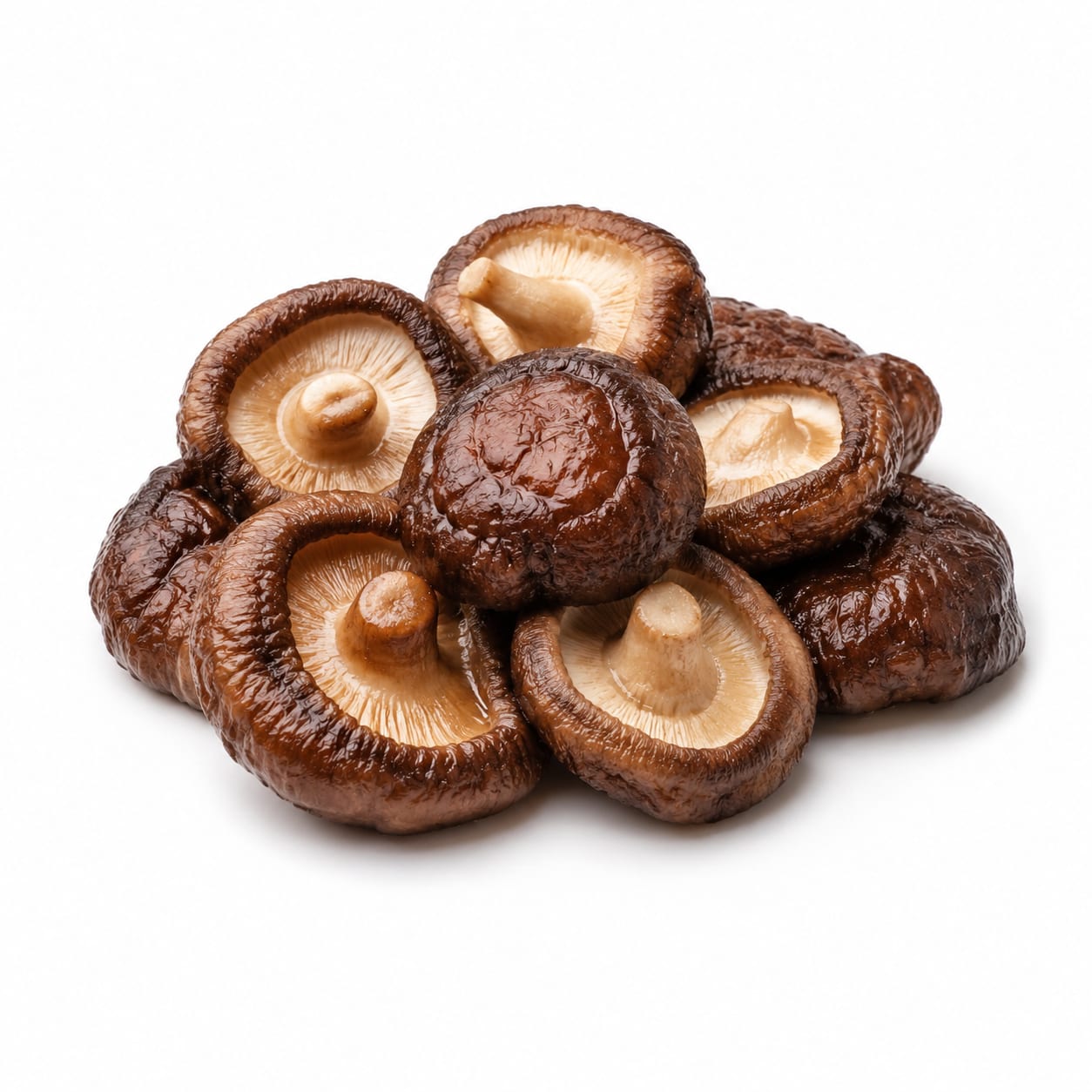
Shiitake Mushroom
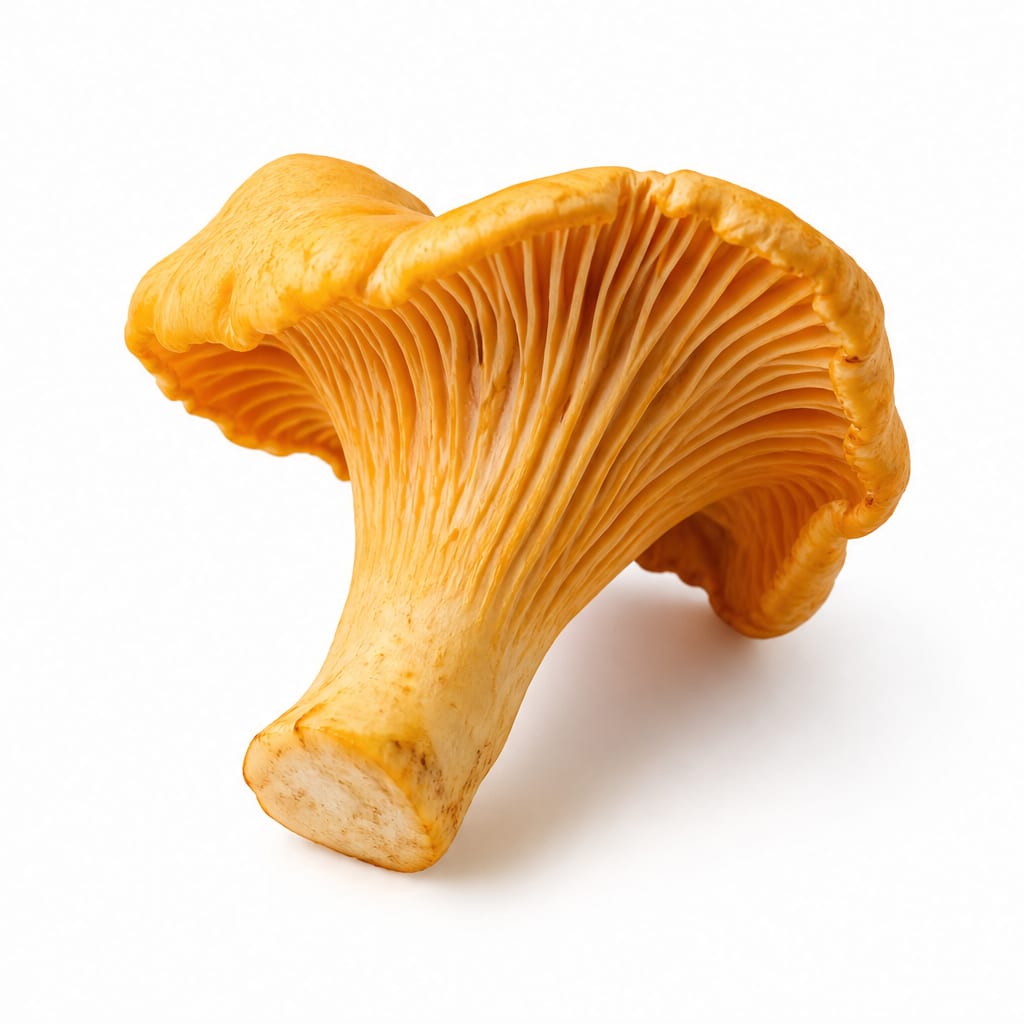
Chanterelle Mushroom
Shiitake edges ahead thanks to stronger immune benefits, cholesterol support, and far better availability, though chanterelle wins on vitamin D and offers a unique flavor experience.
Shiitake scores higher due to its researched immune compounds, cholesterol-lowering potential, and reliable availability. Chanterelle is nutritionally excellent, especially for vitamin D, but its seasonal scarcity and wild-foraging risks hold it back for everyday use.
Shiitake gives you more consistent health benefits and practical access; chanterelle rewards you with superior vitamin D and a delicate, prized flavor that is harder to get regularly.
At a glance
Executive summary
Overall
Shiitake Mushroom
Healthier
Shiitake Mushroom
More practical
Shiitake Mushroom
Daily use
Shiitake Mushroom
Key comparison lenses
immune system support
Shiitake contains lentinan, a well-studied beta-glucan with immune-modulating properties; chanterelle offers different but less researched immune compounds
vitamin d intake
Chanterelle is one of the richest mushroom sources of vitamin D, a nutrient many people lack; shiitake also provides D but typically less per serving
cholesterol and heart health
Shiitake contains eritadenine, which may help lower cholesterol; chanterelle lacks this specific compound
wild vs cultivated safety
Shiitake is widely cultivated with consistent safety; chanterelle is primarily wild-foraged, raising contamination and misidentification concerns
culinary accessibility
Shiitake is available year-round in most grocery stores; chanterelle is seasonal, expensive, and harder to find fresh
Best choice for
Shiitake Mushroom
- People wanting daily immune and cholesterol support
- Home cooks needing reliable year-round mushroom access
- Anyone on a budget seeking functional food benefits
- Those focused on heart health and inflammation reduction
Chanterelle Mushroom
- People low in vitamin D who need a natural boost
- Food enthusiasts seeking premium flavor and aroma
- Anyone eating seasonally and foraging sustainably
- Those wanting variety beyond common cultivated mushrooms
Least suitable for
Shiitake Mushroom
- People with shiitake dermatitis sensitivity
- Those seeking wild-foraged food experiences
- Anyone avoiding mushrooms with strong umami intensity
Chanterelle Mushroom
- People on tight grocery budgets
- Those who need consistent weekly availability
- Anyone concerned about wild-foraged contamination risks
- People with limited access to specialty or farmers markets
Deep comparison
Dimension by dimension
Each lens scores both foods and breaks down who each option suits.
- Dimension 1 · Priority 92Shiitake Mushroom
immune_system_support
Shiitake Mushroom · 88Chanterelle Mushroom · 65Shiitake contains lentinan and other beta-glucans extensively studied for immune activation; chanterelle has general immune-supportive nutrients but less targeted research.
Tradeoff
Shiitake offers proven immune compounds you can count on daily; chanterelle contributes more broadly but without the same clinical backing.
Why it matters
If you are choosing mushrooms specifically to bolster your immune system during cold season or stress, shiitake delivers more reliable results.
Real-world impact
Regular shiitake consumption may mean fewer sick days and faster recovery; chanterelle supports immunity more indirectly through overall nutrition.
Shiitake Mushroom
- Daily immune maintenance
- Cold and flu season support
- People with weakened immune systems
Better for
- People with autoimmune conditions needing immune moderation
Worse for
Chanterelle Mushroom
- Seasonal variety in immune-supportive eating
- Those already supplementing beta-glucans elsewhere
Better for
- Anyone relying on a single mushroom for targeted immune support
Worse for
- Dimension 2 · Priority 88Chanterelle Mushroom
vitamin_d_content
Shiitake Mushroom · 60Chanterelle Mushroom · 92Chanterelle is one of the richest natural mushroom sources of vitamin D, often containing several times more than shiitake per serving.
Tradeoff
Chanterelle can meaningfully move the needle on your vitamin D intake; shiitake provides some D but not enough to rely on as a primary source.
Why it matters
Vitamin D deficiency is widespread, especially in northern climates and winter months. A food source this rich is genuinely valuable.
Real-world impact
A serving of chanterelle can cover a significant portion of your daily vitamin D needs; shiitake helps but you would need other sources too.
Shiitake Mushroom
- Those already getting vitamin D from sunlight or supplements
Better for
- Those counting on mushrooms alone for vitamin D
Worse for
Chanterelle Mushroom
- People with diagnosed vitamin D deficiency
- Anyone living in low-sunlight regions
- Older adults who absorb vitamin D less efficiently
- Winter months when sun exposure drops
Better for
- People who cannot access fresh chanterelles regularly enough for consistent intake
Worse for
- Dimension 3 · Priority 80Shiitake Mushroom
heart_health_and_cholesterol
Shiitake Mushroom · 82Chanterelle Mushroom · 55Shiitake contains eritadenine, a compound shown to help lower cholesterol, plus fiber and compounds that support cardiovascular health; chanterelle lacks this specific benefit.
Tradeoff
Shiitake actively works to improve your cholesterol profile; chanterelle is heart-healthy by being low in fat and calories but does not offer the same targeted support.
Why it matters
For the millions managing borderline cholesterol, a food that actively helps is worth more than one that simply does not hurt.
Real-world impact
Eating shiitake regularly could contribute to measurably better cholesterol numbers over months; chanterelle keeps things neutral.
Shiitake Mushroom
- People with elevated LDL cholesterol
- Anyone with family history of heart disease
- Those seeking food-based cholesterol management
Better for
- Anyone assuming shiitake alone will fix serious cholesterol problems
Worse for
Chanterelle Mushroom
- Those already managing cholesterol effectively through other means
Better for
- People wanting their food to actively improve heart markers
Worse for
- Dimension 4 · Priority 72It depends
antioxidant_profile
Shiitake Mushroom · 74Chanterelle Mushroom · 76Both mushrooms offer strong but different antioxidants. Shiitake provides lentinan and selenium; chanterelle delivers canthaxanthin and beta-carotene-like compounds.
Tradeoff
Shiitake leans toward immune-linked antioxidants; chanterelle offers pigments that protect cells differently. Both are valuable, just in distinct ways.
Why it matters
Antioxidant diversity matters more than quantity from a single source. Rotating both gives you broader protection.
Real-world impact
Eating both mushrooms across a week gives your body a wider range of defensive compounds than either alone.
Shiitake Mushroom
- Those prioritizing immune-linked antioxidant activity
- People wanting selenium alongside antioxidants
Better for
- Anyone eating only one type of mushroom long-term
Worse for
Chanterelle Mushroom
- Those wanting carotenoid-type antioxidants rare in other mushrooms
- People seeking visual variety as a marker of different phytonutrients
Better for
- Those missing the deeper immune-specific antioxidant research
Worse for
- Dimension 5 · Priority 70Shiitake Mushroom
availability_and_practicality
Shiitake Mushroom · 90Chanterelle Mushroom · 40Shiitake is cultivated year-round and available in nearly every grocery store; chanterelle is seasonal, wild-foraged, expensive, and often found only at specialty markets.
Tradeoff
Shiitake is always there when you need it at a fair price; chanterelle is a treat you hunt for and pay more to enjoy.
Why it matters
The healthiest food only works if you can actually buy and eat it regularly. Consistency beats perfection.
Real-world impact
You can build shiitake into your weekly meal prep without thinking; chanterelle requires planning, luck, and a bigger budget.
Shiitake Mushroom
- Weekly meal preppers
- Budget-conscious shoppers
- Anyone without access to specialty markets
- People who value consistency over novelty
Better for
- Those bored by always eating the same mushroom
Worse for
Chanterelle Mushroom
- Adventurous home cooks seeking special ingredients
- Those near good foraging grounds or farmers markets
- People who treat mushrooms as an occasional luxury
Better for
- Anyone needing reliable weekly nutrition from mushrooms
- People in food deserts or areas without specialty stores
Worse for
- Dimension 6 · Priority 68Shiitake Mushroom
safety_and_contamination_risk
Shiitake Mushroom · 85Chanterelle Mushroom · 62Shiitake is cultivated under controlled conditions with consistent safety; chanterelle is primarily wild-foraged, carrying risks of misidentification and environmental contamination.
Tradeoff
Shiitake gives you peace of mind with every bite; chanterelle requires trusting your forager or supplier and accepting slightly more uncertainty.
Why it matters
Mushroom foraging errors can be serious. Even correct identification does not eliminate soil contamination concerns.
Real-world impact
You can eat shiitake confidently every day; chanterelle demands a bit more caution, especially if source quality is unknown.
Shiitake Mushroom
- Daily mushroom eaters wanting zero worry
- People new to cooking with mushrooms
- Anyone serving mushrooms to children or elderly
Better for
- People with shiitake dermatitis sensitivity, which is a specific but real reaction
Worse for
Chanterelle Mushroom
- Experienced foragers who know their terrain
- Those buying from trusted certified suppliers
Better for
- Anyone unsure about the foraging source
- People in areas with heavy soil pollution or industrial runoff
Worse for
Timeline
Health impact over time
Short-term
Hours to days
Shiitake Mushroom
- May boost immune cell activity within days of regular consumption
- Can cause shiitake dermatitis in sensitive individuals if eaten raw or undercooked
- Provides noticeable umami satisfaction that can reduce cravings for salty or meaty foods
Chanterelle Mushroom
- Delivers a quick vitamin D boost, especially helpful in winter
- Very gentle on the digestive system due to low fiber density
- Aromatic compounds may stimulate appetite and digestive enzyme release
Long-term
Months to years
Shiitake Mushroom
- Consistent intake may contribute to lower LDL cholesterol over months
- Regular beta-glucan exposure supports sustained immune resilience
- Long-term daily use is well-studied and generally considered safe for most people
Chanterelle Mushroom
- Regular consumption when available can help maintain vitamin D levels naturally
- Antioxidant variety from carotenoid compounds supports long-term cellular protection
- Seasonal availability makes consistent long-term daily intake impractical for most people
Risk profile
Safety & processing
Both mushrooms are whole, minimally processed foods. Fresh shiitake and chanterelle are about as natural as it gets. Dried shiitake is also minimally processed and retains most nutrients. The main difference is that cultivated shiitake grows in controlled substrate while chanterelle is wild-harvested, which is natural but less controlled.
Shiitake Mushroom
Shiitake dermatitis
lowA whip-like skin rash can occur in some people who eat raw or undercooked shiitake. Cooking thoroughly eliminates this risk. Affects a small percentage of the population.
Substrate residue
lowCultivated on wood-based substrates that may contain agricultural chemicals. Reputable growers follow safety standards. Washing before cooking is sufficient.
Chanterelle Mushroom
Misidentification by foragers
mediumFalse chanterelles and jack-o-lantern mushrooms resemble chanterelle but can cause gastrointestinal distress. Buying from reputable suppliers or having expert foraging knowledge is essential.
Environmental contamination
mediumWild chanterelles absorb heavy metals and pollutants from soil. Foraging near roads, industrial sites, or contaminated land increases risk. Source matters significantly.
Parasite and insect contamination
lowWild mushrooms may harbor tiny insects or larvae. Thorough cleaning and cooking resolves this. More of a texture concern than a health threat.
Who wins for whom
Audience fit
Same foods, different winners depending on your goal.
children
Shiitake MushroomCultivated shiitake has more consistent safety standards and milder flavor when cooked. Chanterelle is safe when sourced properly but the wild-foraging variable introduces unnecessary risk for kids.
daily consumption
Shiitake MushroomShiitake is available year-round, affordable, well-researched for daily use, and cultivated under controlled conditions. Chanterelle is wonderful but impractical as a daily staple for most people.
diabetes
Shiitake MushroomShiitake has more research supporting blood sugar regulation through its beta-glucan content. Both are excellent low-glycemic choices, but shiitake has a slight edge for glucose management.
elderly
Chanterelle MushroomChanterelle's exceptional vitamin D content is especially valuable for older adults who absorb D less efficiently and face higher deficiency risk. The soft texture when cooked is also easy to chew.
muscle gain
Shiitake MushroomShiitake provides more protein per serving and a broader amino acid profile, making it a slightly better complement to a muscle-building diet, though neither is a primary protein source.
weight loss
It dependsBoth are extremely low in calories. Shiitake offers slightly more protein and fiber for satiety; chanterelle is lighter and less filling. Choose based on whether you want more substance or lighter meals.
Your move
Decision guide
Choose Shiitake Mushroom
- You want a reliable daily mushroom with proven immune and cholesterol benefits
- Availability and budget matter to your weekly meal planning
- You are cooking for a family and want consistent safety
- You are building a long-term functional food habit
- You need a versatile mushroom that works in soups, stir-fries, and grain bowls
Choose Chanterelle Mushroom
- You are specifically trying to boost vitamin D through food
- You have access to fresh chanterelle at farmers markets or trusted foragers
- You want a premium culinary experience with delicate, fruity aroma
- You eat seasonally and enjoy ingredients at their peak moment
- You already eat shiitake regularly and want antioxidant diversity
Either works if
- You simply want a low-calorie, nutrient-dense whole food
- You are rotating mushrooms for broader nutritional coverage
- Both are available and you want to enjoy what is freshest
Avoid both if
- You have a diagnosed mushroom allergy
- You are on immunosuppressant medications and have been advised to avoid immune-stimulating foods
- You cannot verify the source of wild-foraged mushrooms
Final recommendation
Make shiitake your everyday mushroom for its consistent health benefits, affordability, and availability. Treat chanterelle as a seasonal upgrade that fills your vitamin D gap and adds beautiful flavor variety. The best approach for most people is shiitake as the foundation with chanterelle whenever you can get it fresh and from a trusted source.
Practical
Consumer tips
- 1
Always cook both mushrooms thoroughly. Raw shiitake can cause skin reactions, and cooking unlocks nutrients in both varieties.
- 2
If buying dried shiitake, rehydrate the soaking liquid and use it as broth. It is rich in flavor and water-soluble nutrients.
- 3
For chanterelle, buy from certified foragers or reputable markets. Avoid roadside foraging unless you are trained.
- 4
Store fresh chanterelle in a paper bag in the fridge and use within 3 to 4 days. It spoils faster than shiitake.
- 5
Dried shiitake retains most nutrients and is a cost-effective way to keep shiitake available year-round.
- 6
If you are vitamin D deficient, chanterelle is worth seeking out during its season. Pair it with a fat source to improve D absorption.
- 7
Rotate both mushrooms in your diet when possible. Different antioxidants and compounds complement each other better than eating only one type.