
Nutrition comparison
Shiitake vs Cremini Mushroom: Nutrition, Benefits, and Which to Choose
Compare shiitake and cremini mushrooms side by side. Discover which offers better immune support, heart health benefits, and everyday cooking value for your needs.
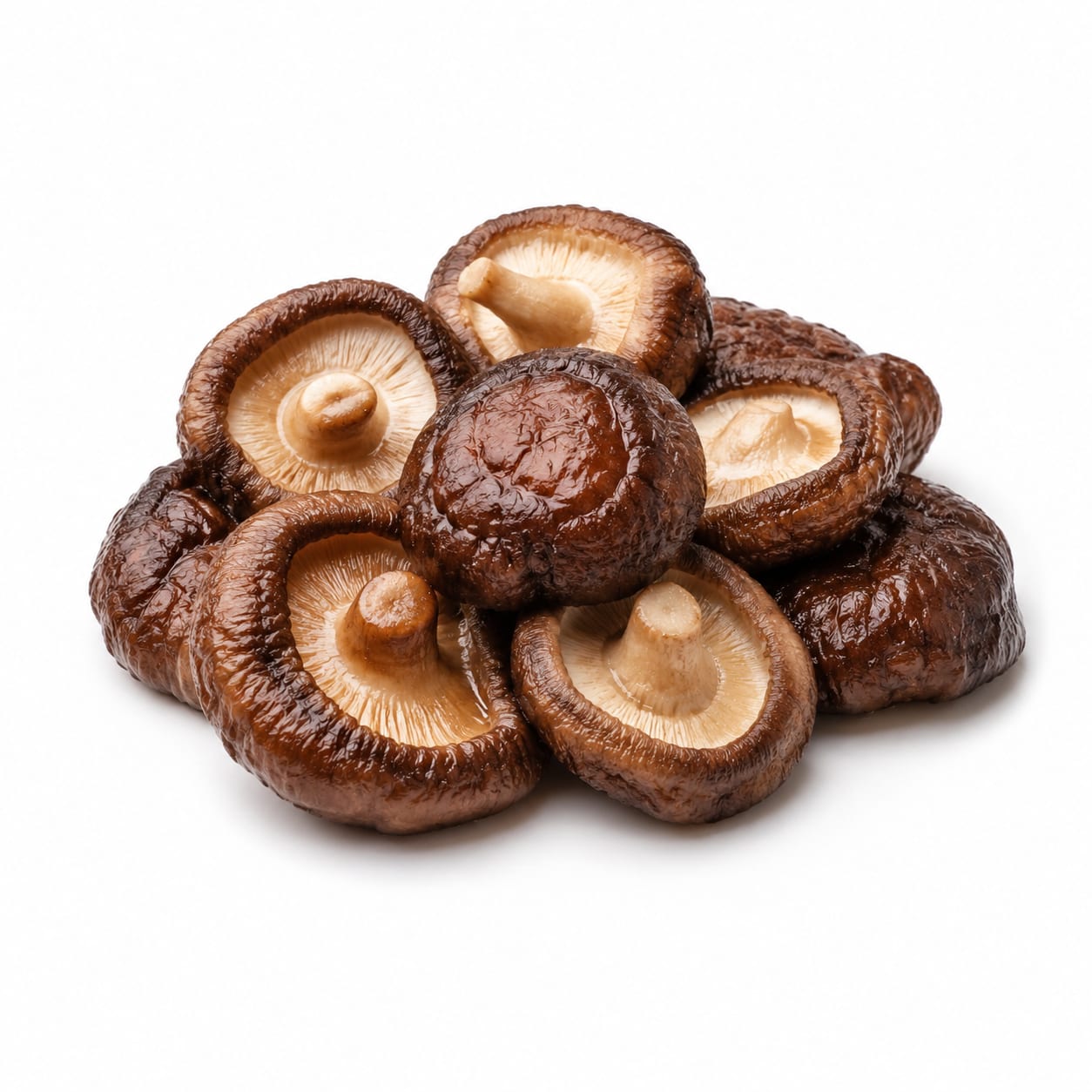
Shiitake Mushroom
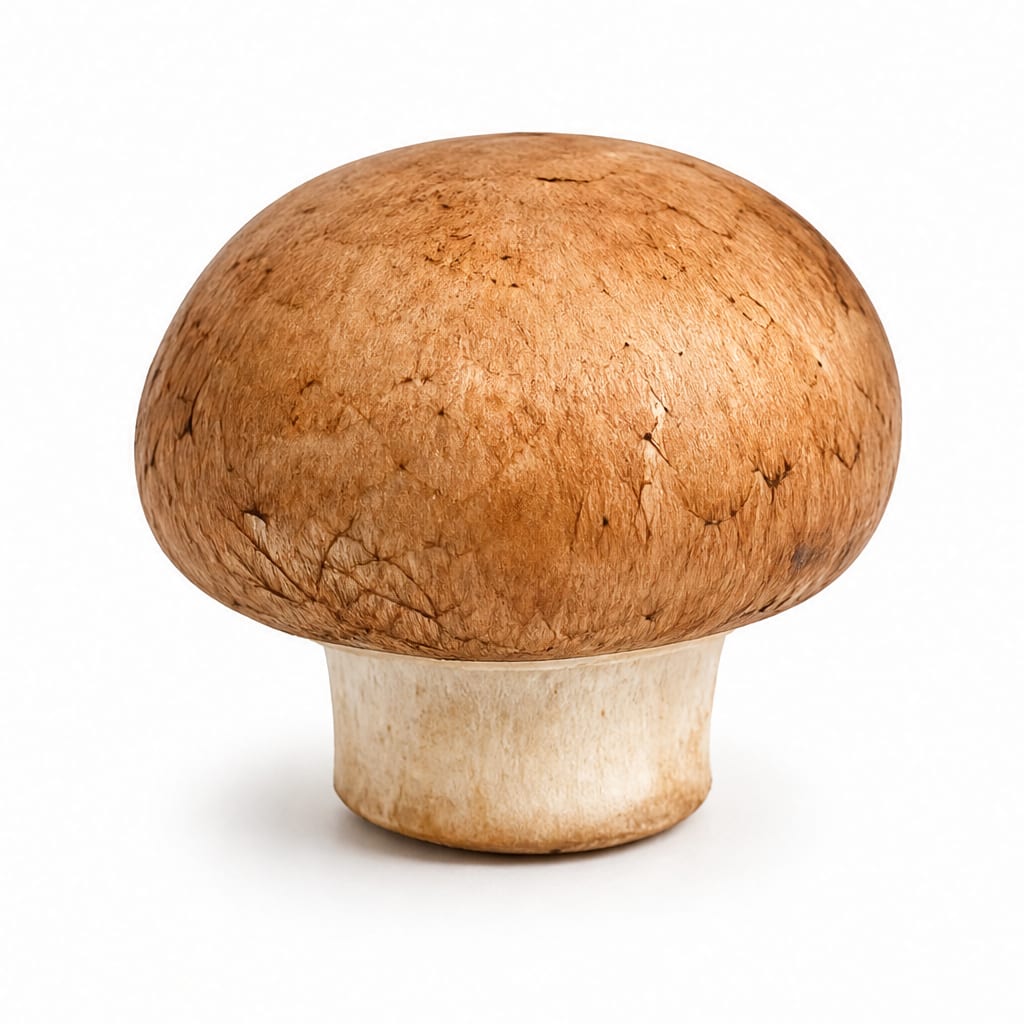
Cremini Mushroom
Shiitake brings stronger medicinal benefits and deeper flavor, while cremini wins on affordability, availability, and everyday cooking ease.
Shiitake scores higher on medicinal and nutritional depth, but cremini stays competitive through superior practicality and near-parity on basic nutrition. The gap is modest because both are healthy whole foods.
You gain immune support and cholesterol-lowering compounds with shiitake, but pay more and deal with less availability. Cremini gives you 80% of the nutritional value at half the hassle.
At a glance
Executive summary
Overall
It depends
Healthier
Shiitake Mushroom
More practical
Cremini Mushroom
Daily use
Cremini Mushroom
Key comparison lenses
immune system support
Shiitake contains lentinan, a well-studied beta-glucan with immune-modulating properties that cremini lacks in meaningful amounts
everyday cooking versatility
Users choosing between these two are likely deciding what to cook with tonight, making practicality a core concern
nutrient density comparison
Both are low-calorie fungi, but their micronutrient profiles differ enough to influence health-conscious choices
budget and accessibility
Price and availability gaps between specialty and everyday mushrooms affect real-world decisions
heart health benefits
Shiitake contains eritadenine, a compound shown to help lower cholesterol, giving it a unique cardiovascular edge
Best choice for
Shiitake Mushroom
- People seeking immune system support during cold season
- Anyone targeting cholesterol management through diet
- Home cooks wanting deep umami flavor in Asian dishes
- Those interested in functional food benefits
Cremini Mushroom
- Budget-conscious meal preppers
- Families needing versatile everyday mushrooms
- People who want reliable nutrition without specialty shopping
- Anyone new to cooking with mushrooms
Least suitable for
Shiitake Mushroom
- People with shiitake dermatitis sensitivity
- Those on tight grocery budgets
- Quick weeknight cooks who need ingredients at any supermarket
Cremini Mushroom
- People specifically seeking beta-glucan immune benefits
- Anyone wanting pronounced medicinal mushroom properties
- Cooks aiming for authentic East Asian flavor profiles
Deep comparison
Dimension by dimension
Each lens scores both foods and breaks down who each option suits.
- Dimension 1 · Priority 92Shiitake Mushroom
Immune Support
Shiitake Mushroom · 88Cremini Mushroom · 52Shiitake delivers lentinan and higher beta-glucan levels that actively modulate immune function. Cremini offers basic immune-relevant nutrients but lacks the concentrated bioactives.
Tradeoff
You need to eat shiitake regularly for immune benefits to accumulate, which costs more than daily cremini consumption.
Why it matters
If you're prone to seasonal colds or want food-as-medicine approaches, shiitake is the clear functional choice.
Real-world impact
Regular shiitake consumption may mean fewer sick days over winter, while cremini keeps baseline nutrition solid without targeted immune effects.
Shiitake Mushroom
- Cold and flu season immune reinforcement
- People with frequent respiratory infections
- Functional food enthusiasts
Better for
- Anyone expecting instant immune boosts from a single meal
Worse for
Cremini Mushroom
- Those who just want basic antioxidant coverage
- People already taking immune supplements separately
Better for
- People relying solely on food for immune support during illness
Worse for
- Dimension 2 · Priority 80Shiitake Mushroom
Nutrient Density
Shiitake Mushroom · 82Cremini Mushroom · 68Shiitake packs more B vitamins, copper, selenium, and vitamin D per serving. Cremini is no slouch but delivers a flatter micronutrient profile.
Tradeoff
The nutrient gap is real but not dramatic. You'd need to eat both regularly to notice a meaningful difference in bloodwork.
Why it matters
For people eating mushrooms as a primary vegetable, shiitake squeezes more vitamins into each calorie.
Real-world impact
A shiitake-heavy diet subtly supports energy metabolism and bone health more than cremini, but the difference unfolds over months, not days.
Shiitake Mushroom
- Vegetarians needing B-vitamin support
- People with low copper or selenium intake
Better for
- Those who assume one serving covers all micronutrient needs
Worse for
Cremini Mushroom
- Anyone already eating a varied nutrient-dense diet
Better for
- People relying heavily on mushrooms as a primary nutrient source
Worse for
- Dimension 3 · Priority 70Shiitake Mushroom
Heart Health
Shiitake Mushroom · 79Cremini Mushroom · 58Shiitake contains eritadenine, which helps lower cholesterol by altering lipid metabolism. Cremini offers fiber and potassium but no targeted cardio-protective compounds.
Tradeoff
Eritadenine benefits require consistent intake, and shiitake alone won't fix a poor diet. Cremini still contributes to heart health through general nutrition.
Why it matters
For people managing cholesterol through lifestyle, shiitake is one of the few foods with a direct lipid-lowering compound.
Real-world impact
Eating shiitake several times weekly could contribute to modest LDL reductions over time, while cremini simply avoids harming heart health.
Shiitake Mushroom
- People with borderline high cholesterol
- Anyone building a heart-healthy dietary pattern
Better for
- People expecting shiitake to replace statin therapy
Worse for
Cremini Mushroom
- Those whose heart health plan already includes targeted interventions
Better for
- Anyone seeking active cholesterol-lowering from food alone
Worse for
- Dimension 4 · Priority 75Cremini Mushroom
Affordability and Availability
Shiitake Mushroom · 45Cremini Mushroom · 90Cremini is available at virtually every grocery store at low prices. Fresh shiitake often requires specialty stores or Asian markets and costs significantly more per pound.
Tradeoff
Dried shiitake is cheaper and shelf-stable but requires rehydration, adding prep time and changing texture.
Why it matters
The best mushroom nutritionally means nothing if you can't find or afford it regularly.
Real-world impact
Cremini fits effortlessly into any weekly grocery run. Shiitake may require a separate trip or online order, creating a practical barrier to consistent use.
Shiitake Mushroom
- Home cooks near Asian grocery stores
- People comfortable buying dried mushrooms in bulk
Better for
- Rural shoppers with limited grocery access
- Anyone meal planning around weekly sales
Worse for
Cremini Mushroom
- One-stop shoppers at conventional supermarkets
- Large families feeding many people on a budget
Better for
- Dimension 5 · Priority 78It depends
Flavor and Cooking Versatility
Shiitake Mushroom · 75Cremini Mushroom · 80Shiitake delivers deep, smoky umami that dominates dishes. Cremini offers milder, more adaptable flavor that plays well in anything from pasta to salads.
Tradeoff
Shiitake's strong personality makes it a star or a mismatch. Cremini's neutrality makes it a reliable team player everywhere.
Why it matters
Flavor determines whether you actually eat the mushroom regularly, which matters more than theoretical nutrition.
Real-world impact
Shiitake elevates stir-fries and soups beautifully but can feel out of place in Mediterranean or Mexican dishes. Cremini disappears into any cuisine without fuss.
Shiitake Mushroom
- Asian stir-fries and ramen
- Any dish where mushroom is the star ingredient
- Umami-forward soups and broths
Better for
- Delicate dishes where strong flavor overwhelms
- Cuisines where mushroom flavor should stay subtle
Worse for
Cremini Mushroom
- Pasta sauces and risottos
- Salads and pizza toppings
- Breakfast omelets and frittatas
Better for
- Dishes specifically calling for intense mushroom depth
Worse for
- Dimension 6 · Priority 65Cremini Mushroom
Digestive Tolerance and Safety
Shiitake Mushroom · 60Cremini Mushroom · 85Shiitake can cause shiitake dermatitis—a whiplash-like rash—when eaten raw or undercooked. Cremini has no such risk and is gentler on sensitive stomachs.
Tradeoff
Proper cooking eliminates the dermatitis risk, but the possibility exists and some people are more susceptible.
Why it matters
If you've ever reacted to shiitake, the choice is made for you. For everyone else, it's a minor but real consideration.
Real-world impact
Most people tolerate cooked shiitake fine, but the rare dermatitis reaction is unpleasant enough to warrant awareness. Cremini carries essentially zero risk.
Shiitake Mushroom
- Experienced cooks who always thoroughly cook mushrooms
Better for
- Raw mushroom snackers
- People who've previously had shiitake dermatitis
Worse for
Cremini Mushroom
- People with sensitive digestion
- Anyone who occasionally eats raw or lightly cooked mushrooms
- Those with history of food reactions
Better for
Timeline
Health impact over time
Short-term
Hours to days
Shiitake Mushroom
- Satisfying umami flavor may reduce overall food cravings at that meal
- Slight digestive adjustment period if you're new to higher fiber mushrooms
- Must be cooked thoroughly to avoid potential dermatitis reaction
Cremini Mushroom
- Easy digestion with minimal adjustment needed
- Mild flavor won't interfere with other meal components
- Comfortable to eat in larger quantities without GI upset
Long-term
Months to years
Shiitake Mushroom
- Consistent intake supports immune resilience through beta-glucan exposure
- Cholesterol management benefits accumulate with regular consumption
- Higher selenium and copper intake supports thyroid and connective tissue health over years
Cremini Mushroom
- Steady baseline antioxidant protection from regular mushroom consumption
- Reliable fiber contribution supports gut health and regularity
- Selenium intake supports long-term thyroid and immune function
Risk profile
Safety & processing
Both mushrooms are whole, unprocessed foods with essentially identical naturalness profiles. Neither carries additive concerns when purchased fresh or dried without preservatives.
Shiitake Mushroom
Shiitake dermatitis
mediumRaw or undercooked shiitake can cause a painful whiplash-like rash in susceptible individuals. Thorough cooking eliminates the lentinan responsible. Affects roughly 2% of consumers.
Agricultural residue on imported shiitake
lowImported dried shiitake may have higher pesticide exposure depending on country of origin. Buying organic or domestic reduces this concern.
Cremini Mushroom
Minimal food safety concerns
lowCremini mushrooms are among the safest produce items. Standard washing and cooking eliminates virtually all risk.
Who wins for whom
Audience fit
Same foods, different winners depending on your goal.
children
Cremini MushroomCremini's milder flavor is more kid-friendly, and the absence of dermatitis risk makes it safer for children who might not chew thoroughly.
daily consumption
Cremini MushroomCremini's affordability, availability, mild flavor, and safety profile make it the more sustainable daily choice for most people.
diabetes
Shiitake MushroomShiitake's higher fiber and beta-glucan content provides slightly better blood sugar stabilization, and both have negligible carbohydrate impact.
elderly
Shiitake MushroomShiitake's immune-supporting compounds and higher vitamin D content are especially valuable for older adults with declining immune function and bone density concerns.
muscle gain
Shiitake MushroomShiitake contains slightly more protein per serving and higher B vitamins that support energy metabolism during training, though neither mushroom is a significant protein source.
weight loss
It dependsBoth are extremely low calorie and high in volume. Shiitake's stronger flavor may increase meal satisfaction with less food, while cremini's lower cost makes it easier to eat in larger filling quantities.
Your move
Decision guide
Choose Shiitake Mushroom
- You want functional food benefits beyond basic nutrition
- Cholesterol management is a personal health priority
- You cook Asian cuisines regularly and love deep umami
- You can access and afford shiitake consistently
- Immune support during winter matters to you
Choose Cremini Mushroom
- You want reliable everyday nutrition without specialty shopping
- Budget is a primary concern
- You cook diverse cuisines where mushroom should stay subtle
- You're feeding kids or people with sensitive digestion
- You prefer one mushroom type that works in everything
Either works if
- You simply want to add more whole foods to your diet
- Both are available and affordable where you shop
- You enjoy variety and can rotate between them
- Your health goals are general wellness rather than targeted
Avoid both if
- You have a diagnosed mushroom allergy
- You're following a strict low-FODMAP elimination phase
Final recommendation
Keep cremini as your daily driver and treat shiitake as your functional upgrade. Use cremini for everyday meals where you need reliable, affordable nutrition. Add shiitake a few times weekly when you want immune support, deeper flavor, or cholesterol-lowering benefits. This combo gives you the best of both worlds without forcing an either-or choice.
Practical
Consumer tips
- 1
Buy dried shiitake in bulk online for better value and indefinite shelf life—just rehydrate in hot water for 20 minutes
- 2
Always cook shiitake thoroughly to eliminate dermatitis risk, even if you've never reacted before
- 3
Save shiitake rehydration liquid as a flavor-packed broth for soups and sauces
- 4
Choose organic cremini when possible since mushrooms absorb what they're grown in, including contaminants
- 5
Mix both mushrooms in dishes like risotto or stir-fries to get layered flavor and combined nutritional benefits
- 6
Store both in paper bags in the fridge—plastic traps moisture and speeds spoilage