
Nutrition comparison
Shiitake vs Maitake Mushroom: Nutrition, Immunity, and Health Benefits
Compare Shiitake Mushroom vs Maitake Mushroom for immune support, blood sugar, and heart health. Discover which medicinal mushroom is best for your diet.
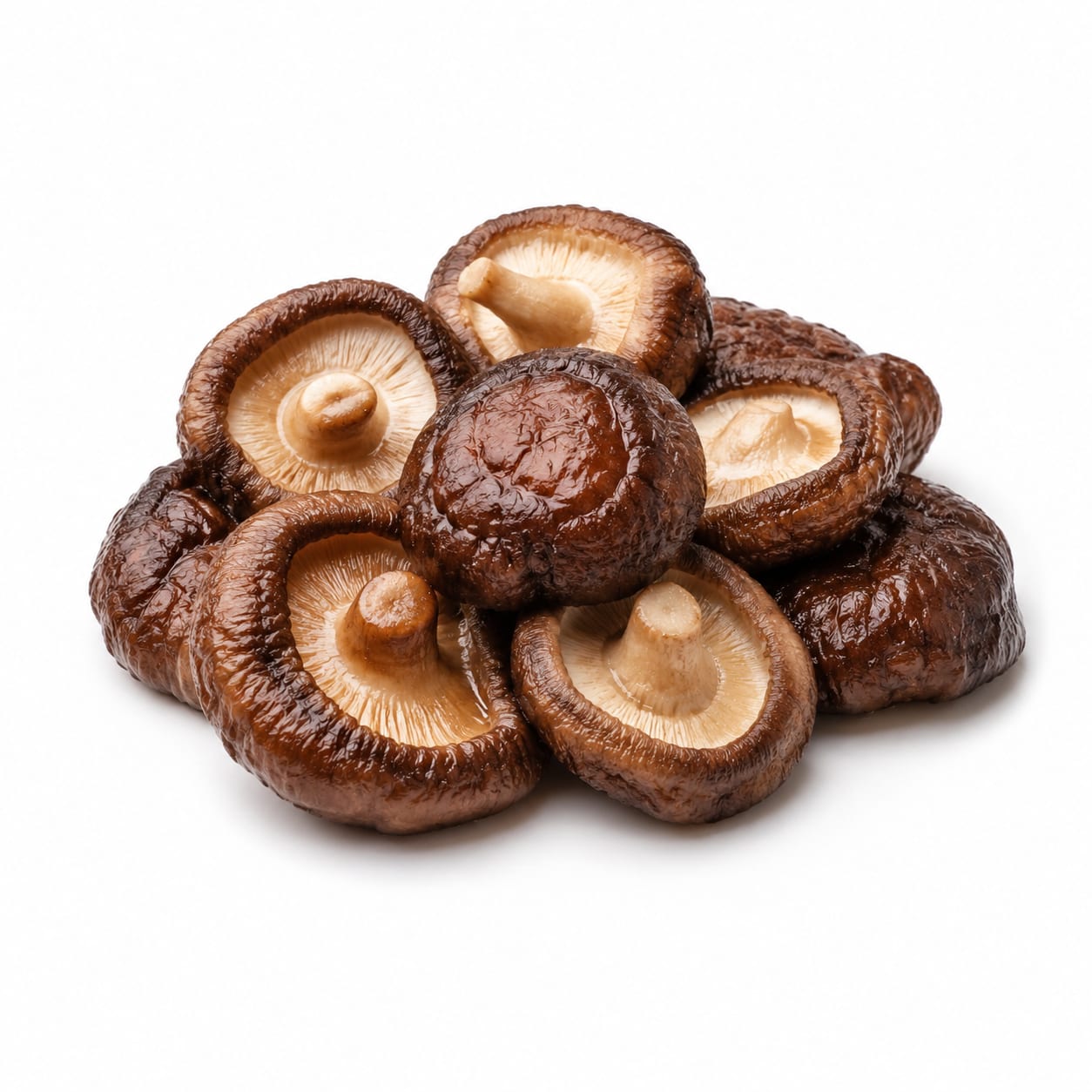
Shiitake Mushroom
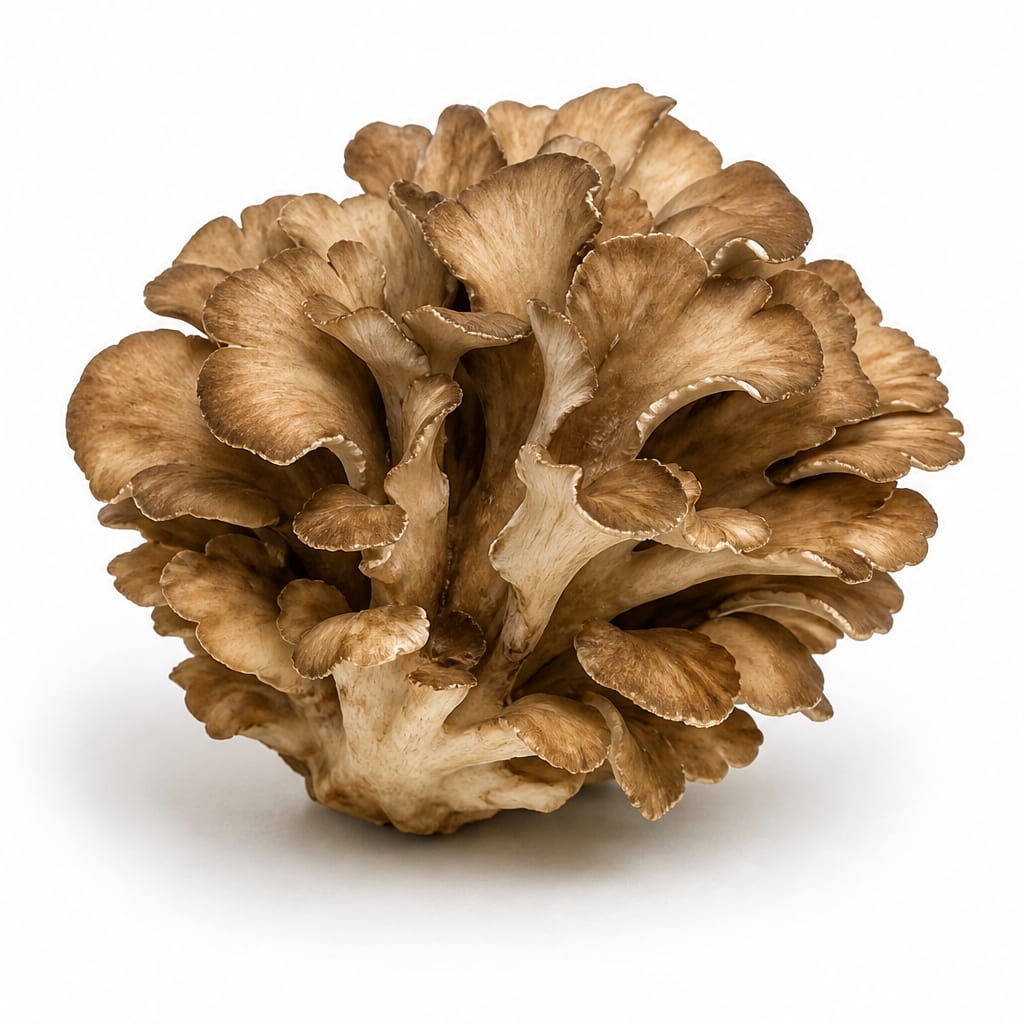
Maitake Mushroom
Shiitake Mushroom is the accessible culinary champion with unique cholesterol-lowering perks, while Maitake Mushroom is the targeted powerhouse for immune resilience and blood sugar balance.
Maitake Mushroom scores slightly higher due to its more potent therapeutic compounds for immunity and blood sugar, but Shiitake Mushroom remains incredibly close because of its unmatched culinary practicality and heart-health benefits.
You trade the everyday cooking convenience and heart benefits of Shiitake Mushroom for the deeper immune and metabolic support of Maitake Mushroom.
At a glance
Executive summary
Overall
It depends
Healthier
Maitake Mushroom
More practical
Shiitake Mushroom
Daily use
Shiitake Mushroom
Key comparison lenses
immune system support
Both mushrooms are renowned for beta-glucans, but Maitake Mushroom is specifically prized for its concentrated immune-activating D-fraction compounds.
heart health and cholesterol
Shiitake Mushroom contains eritadenine, a unique compound that helps lower cholesterol, making cardiovascular impact a key differentiator.
blood sugar regulation
Maitake Mushroom has shown notable effects on insulin sensitivity and glucose control, which matters greatly for metabolic health.
culinary versatility and access
Shiitake Mushroom is a kitchen staple available almost everywhere, while Maitake Mushroom can be harder to find fresh, affecting daily practicality.
Best choice for
Shiitake Mushroom
- Heart health and cholesterol management
- Adding deep umami flavor to everyday meals
- Budget-friendly immune and nutrient support
Maitake Mushroom
- Immune system fortification during cold season
- Blood sugar management and insulin sensitivity
- Supplementing cancer treatment protocols under medical supervision
Least suitable for
Shiitake Mushroom
- People with severe skin sensitivities or histamine issues
- Those who refuse to cook mushrooms thoroughly
Maitake Mushroom
- Shoppers on a tight budget with limited specialty grocery access
- People wanting a mild, unobtrusive flavor profile
Deep comparison
Dimension by dimension
Each lens scores both foods and breaks down who each option suits.
- Dimension 1 · Priority 95Maitake Mushroom
Immune System Support
Shiitake Mushroom · 82Maitake Mushroom · 95Maitake Mushroom delivers a more concentrated and heavily researched immune response modulator compared to Shiitake Mushroom.
Tradeoff
Shiitake Mushroom still offers solid immune support via lentinan, but Maitake Mushroom's D-fraction beta-glucans are considered more potent for activating immune cells.
Why it matters
If you are specifically eating medicinal mushrooms to avoid seasonal bugs or support a weakened immune system, Maitake Mushroom works faster and more aggressively.
Real-world impact
You might bounce back from a scratchy throat faster with Maitake Mushroom extract, whereas Shiitake Mushroom acts more like a daily maintenance shield.
Shiitake Mushroom
- Daily immune maintenance in soups and stir-fries
Better for
- Intensive immune recovery protocols
Worse for
Maitake Mushroom
- Acute immune support when feeling run down
- Targeted immune therapy adjunct
Better for
- Affordable daily dietary inclusion
Worse for
- Dimension 2 · Priority 85Shiitake Mushroom
Heart Health and Cholesterol
Shiitake Mushroom · 90Maitake Mushroom · 72Shiitake Mushroom contains eritadenine, a unique compound that actively helps lower blood cholesterol, giving it a distinct cardiovascular edge.
Tradeoff
While Maitake Mushroom supports general metabolism, it lacks the specific cholesterol-clearing action that makes Shiitake Mushroom a heart-health standout.
Why it matters
For the millions managing high cholesterol through diet, Shiitake Mushroom offers a food-as-medicine approach that Maitake Mushroom cannot replicate.
Real-world impact
Eating Shiitake Mushroom regularly can help keep lipid panels in check, acting like a natural statin-booster on your plate.
Shiitake Mushroom
- Lowering LDL cholesterol
- Supporting arterial health
Better for
- Direct blood sugar control
Worse for
Maitake Mushroom
- General metabolic support
Better for
- Targeted cholesterol reduction
Worse for
- Dimension 3 · Priority 80Maitake Mushroom
Blood Sugar Regulation
Shiitake Mushroom · 68Maitake Mushroom · 88Maitake Mushroom contains specific polysaccharides that improve insulin sensitivity and help stabilize post-meal blood sugar.
Tradeoff
Shiitake Mushroom is a low-calorie, low-glycemic food, but it does not actively improve insulin function the way Maitake Mushroom does.
Why it matters
For prediabetics or those fighting afternoon energy crashes, Maitake Mushroom helps smooth out the metabolic rollercoaster more effectively.
Real-world impact
Adding Maitake Mushroom to a carb-heavy meal can blunt the resulting blood sugar spike, keeping energy steadier for hours.
Shiitake Mushroom
- Low-calorie dieting
Better for
- Active glucose management
Worse for
Maitake Mushroom
- Managing insulin resistance
- Preventing afternoon energy crashes
Better for
- Situations requiring high-calorie energy
Worse for
- Dimension 4 · Priority 75Shiitake Mushroom
Culinary Versatility and Availability
Shiitake Mushroom · 92Maitake Mushroom · 70Shiitake Mushroom is universally available, easy to cook, and delivers a rich umami flavor that Maitake Mushroom matches but with less accessibility.
Tradeoff
Maitake Mushroom has a delightful feathery texture and earthy taste, but it is harder to find fresh and is rarely available dried in standard supermarkets.
Why it matters
The healthiest mushroom only works if you can actually buy and cook it. Shiitake Mushroom wins on sheer convenience and flavor impact.
Real-world impact
You can grab Shiitake Mushroom at nearly any grocery store for a quick weeknight stir-fry, while Maitake Mushroom might require a specialty market or farmers market trip.
Shiitake Mushroom
- Quick weeknight cooking
- Stocking the pantry in dried form
- Flavoring broths and sauces
Better for
- Acting as a meaty texture substitute
Worse for
Maitake Mushroom
- Roasting as a vegetarian centerpiece
- Delicate, flaky texture dishes
Better for
- Budget meal prep
- One-stop grocery shopping
Worse for
Timeline
Health impact over time
Short-term
Hours to days
Shiitake Mushroom
- Provides a satisfying, savory flavor that makes healthy meals more enjoyable
- Delivers a quick hit of B vitamins for natural energy
Maitake Mushroom
- Helps stabilize energy levels after eating by blunting blood sugar spikes
- Supports immediate immune cell activity
Long-term
Months to years
Shiitake Mushroom
- Consistently lowers cholesterol levels, reducing heart disease risk
- Maintains daily immune vigilance without overstimulating the system
Maitake Mushroom
- Improves long-term insulin sensitivity, aiding diabetes prevention
- Builds deep immune resilience, potentially reducing chronic disease risk
Risk profile
Safety & processing
Both Shiitake Mushroom and Maitake Mushroom are whole, natural foods with virtually no processing concerns when bought fresh or dried without additives.
Shiitake Mushroom
Shiitake Dermatitis
mediumEating raw or undercooked Shiitake Mushroom can cause a painful, whip-like rash called shiitake dermatitis in sensitive individuals due to the lentinan polysaccharide. Always cook thoroughly.
Maitake Mushroom
Misidentification in the wild
highForaging Maitake Mushroom (Hen of the Woods) is popular but carries the risk of misidentifying toxic lookalikes. Commercially sourced Maitake Mushroom is extremely safe.
Who wins for whom
Audience fit
Same foods, different winners depending on your goal.
children
Maitake MushroomMaitake Mushroom lacks the shiitake dermatitis risk and has a milder, less chewy texture when cooked, making it safer and more kid-friendly.
daily consumption
Shiitake MushroomShiitake Mushroom is cheaper, easier to find, and seamlessly integrates into daily cooking routines, making consistent consumption realistic.
diabetes
Maitake MushroomMaitake Mushroom actively improves insulin sensitivity and helps regulate blood glucose, making it superior for metabolic management.
elderly
Maitake MushroomThe combined benefits of blood sugar regulation and potent immune support make Maitake Mushroom especially protective for aging bodies.
muscle gain
It dependsNeither is a significant protein source. Both serve best as flavor enhancers and nutrient boosters alongside high-protein foods.
weight loss
It dependsBoth are incredibly low in calories and high in satiating fiber. Shiitake Mushroom is easier to incorporate daily, but Maitake Mushroom helps control blood sugar cravings.
Your move
Decision guide
Choose Shiitake Mushroom
- You want to lower your cholesterol naturally
- You need an easy-to-find, budget-friendly mushroom for daily cooking
- You love a rich, meaty umami flavor in your soups and stir-fries
Choose Maitake Mushroom
- You are focused on blood sugar management or insulin resistance
- You want maximum immune system support during stressful periods
- You have access to specialty grocers or farmers markets
Either works if
- You simply want to add more medicinal mushrooms to your diet
- You are looking for low-calorie, nutrient-dense flavor boosters
- You want to improve your overall gut microbiome diversity
Avoid both if
- You have a known severe allergy to mushrooms
- You are strictly following a low-FODMAP diet, as large portions may trigger IBS symptoms
Final recommendation
Keep Shiitake Mushroom in your weekly grocery rotation for heart health and everyday flavor, but seek out Maitake Mushroom when you need targeted immune or metabolic support. Blending the two in a soup or broth gives you the best of both worlds.
Practical
Consumer tips
- 1
Always cook both mushrooms thoroughly to neutralize potential irritants and unlock nutrients.
- 2
Dried Shiitake Mushroom is a pantry superhero; soak the soaking liquid to use as a nutrient-rich broth.
- 3
Tear Maitake Mushroom into pieces instead of slicing it to preserve its beautiful, feathery texture when roasting.
- 4
If you cannot find fresh Maitake Mushroom, look for high-quality dual-extracted tinctures or powders to add to coffee or smoothies.