
Nutrition comparison
Shiitake vs White Button Mushrooms: Which Is Healthier?
Compare shiitake and white button mushrooms on health benefits, flavor, safety, and price. Learn which mushroom fits your cooking and wellness goals best.
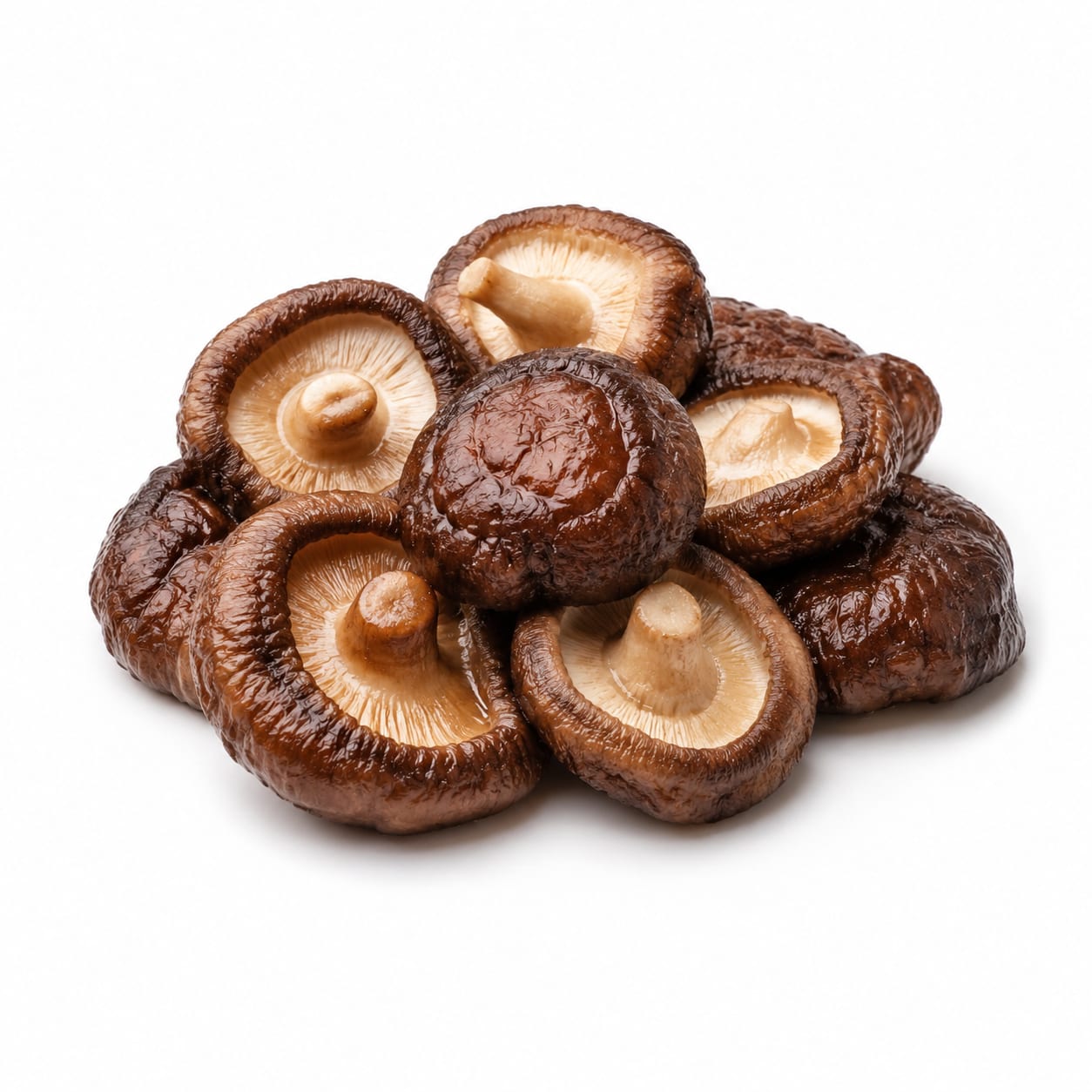
Shiitake Mushroom
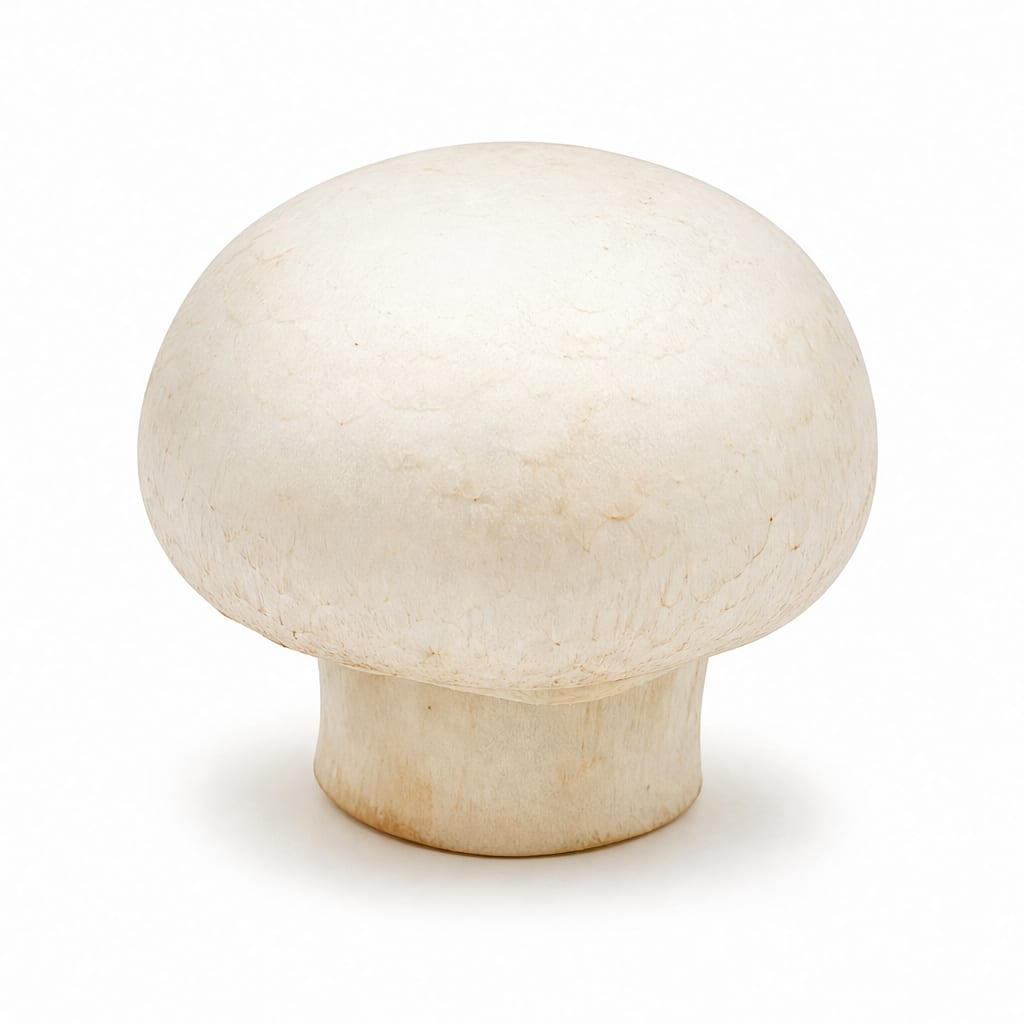
White Button Mushroom
Shiitake brings stronger medicinal compounds and bolder flavor, while white button mushrooms win on price, availability, and everyday safety.
Shiitake scores slightly higher for unique health compounds and flavor impact, but white buttons stay competitive through superior practicality and safety for daily use.
Functional potency and umami depth versus affordability and worry-free daily use.
At a glance
Executive summary
Overall
It depends
Healthier
Shiitake Mushroom
More practical
White Button Mushroom
Daily use
White Button Mushroom
Key comparison lenses
immune support and functional compounds
Shiitake contains lentinan and eritadenine, unique compounds with researched immune and cholesterol benefits that white buttons lack
everyday affordability and accessibility
White button mushrooms are significantly cheaper and available everywhere, making them the default daily choice for most people
culinary flavor and versatility
Shiitake delivers deep umami that transforms dishes, while white buttons offer neutral versatility that works in anything
safety and tolerance
Shiitake can cause flagellate dermatitis when raw or undercooked, a unique risk white buttons do not carry
nutrient density per calorie
Both are low-calorie nutrient powerhouses, but shiitake edges ahead on B vitamins, copper, and fiber
Best choice for
Shiitake Mushroom
- People seeking immune-supporting functional foods
- Home cooks wanting deep umami flavor without added salt
- Those targeting cholesterol management through diet
- Anyone eating mushrooms primarily for therapeutic compounds
White Button Mushroom
- Budget-conscious households needing affordable nutrition
- People who cook with mushrooms daily and want a safe staple
- Families with children who prefer milder flavors
- Anyone new to cooking with mushrooms
Least suitable for
Shiitake Mushroom
- People with history of shiitake dermatitis
- Those who need a cheap everyday mushroom staple
- Anyone who might accidentally eat them raw in salads
White Button Mushroom
- People specifically seeking lentinan or eritadenine benefits
- Cooks wanting bold umami without adding seasoning
- Those willing to pay more for concentrated functional compounds
Deep comparison
Dimension by dimension
Each lens scores both foods and breaks down who each option suits.
- Dimension 1 · Priority 92Shiitake Mushroom
immune_and_functional_compounds
Shiitake Mushroom · 91White Button Mushroom · 62Shiitake contains lentinan, a beta-glucan studied for immune modulation, plus eritadenine which supports healthy cholesterol. White buttons have antioxidants but lack these signature compounds.
Tradeoff
You gain real therapeutic potential with shiitake, but must cook them thoroughly to avoid skin reactions that white buttons never cause.
Why it matters
If you eat mushrooms partly for their medicinal reputation, shiitake delivers on that promise more convincingly.
Real-world impact
Regular shiitake consumption may translate to fewer sick days and better cholesterol numbers over months, while white buttons offer gentler, less targeted support.
Shiitake Mushroom
- Immune support during cold and flu season
- Cholesterol-conscious eaters wanting a food-based approach
- People building functional meals around specific health goals
Better for
- Anyone who might eat mushrooms raw or lightly sautéed
Worse for
White Button Mushroom
- General antioxidant intake without specific therapeutic targets
- People who want simple nutrition without researching compounds
Better for
- Those specifically seeking lentinan or eritadenine benefits
Worse for
- Dimension 2 · Priority 80Shiitake Mushroom
flavor_and_culinary_impact
Shiitake Mushroom · 88White Button Mushroom · 72Shiitake delivers concentrated savory depth that reduces the need for salt and seasoning. White buttons offer clean, mild flavor that blends into anything without standing out.
Tradeoff
Bold shiitake flavor dominates dishes, which is great for soups and stir-fries but limiting when you want subtlety. White buttons adapt to any recipe without arguing.
Why it matters
Flavor-driven cooking benefits from shiitake's intensity, while meal-prep efficiency favors white buttons' predictability.
Real-world impact
A handful of shiitake can make a plain broth taste restaurant-quality. White buttons reliably disappear into omelets, pasta, and casseroles without complaint.
Shiitake Mushroom
- Broths, soups, and sauces needing deep umami
- Stir-fries where mushroom flavor should shine
- Reducing added sodium through natural savoriness
Better for
- Delicate dishes where strong flavor overwhelms
Worse for
White Button Mushroom
- Dishes where mushrooms should complement, not lead
- Kid-friendly meals requiring mild flavors
- Recipes where texture matters more than taste
Better for
- Any dish where you want mushroom as the star flavor
Worse for
- Dimension 3 · Priority 85White Button Mushroom
affordability_and_accessibility
Shiitake Mushroom · 48White Button Mushroom · 93White button mushrooms are among the cheapest produce items in any grocery store. Fresh shiitake cost two to four times more and dried shiitake require rehydration planning.
Tradeoff
White buttons let you eat mushrooms daily without budget strain. Shiitake's higher price means most people reserve them for special meals.
Why it matters
The best functional food is the one you actually eat consistently. Affordability drives consistency.
Real-world impact
A week of daily white button mushrooms might cost three dollars. The same frequency with fresh shiitake could exceed twelve dollars.
Shiitake Mushroom
- Occasional meals where quality matters more than cost
Better for
- Anyone needing cheap daily produce
Worse for
White Button Mushroom
- Daily mushroom consumption on any budget
- Bulk cooking and meal prep
- Families feeding multiple people affordably
Better for
- Special occasion meals where premium ingredients feel appropriate
Worse for
- Dimension 4 · Priority 70Shiitake Mushroom
nutrient_density_per_calorie
Shiitake Mushroom · 82White Button Mushroom · 75Both are low-calorie nutrient powerhouses, but shiitake provides more B vitamins, copper, fiber, and selenium per serving. White buttons stay competitive on selenium and potassium.
Tradeoff
The nutrient gap is real but modest. You would need to eat shiitake consistently to notice a meaningful difference in bloodwork.
Why it matters
For most people, the nutrient difference matters less than whether they actually cook and eat mushrooms regularly.
Real-world impact
Shiitake gives you slightly more nutritional bang per bite, but white buttons already deliver excellent value for the calories.
Shiitake Mushroom
- Maximizing micronutrient intake from limited calories
- People tracking B vitamin and copper intake closely
Better for
- Budget-limited eaters who cannot afford consistent shiitake consumption
Worse for
White Button Mushroom
- Anyone already getting adequate B vitamins from other sources
Better for
- Those relying heavily on mushrooms as a primary nutrient source
Worse for
- Dimension 5 · Priority 75White Button Mushroom
safety_and_tolerance
Shiitake Mushroom · 58White Button Mushroom · 88Shiitake can cause shiitake dermatitis, a distinctive whip-streaked rash, when eaten raw or undercooked. White button mushrooms carry no unique reaction risk beyond general mushroom precautions.
Tradeoff
Shiitake's therapeutic compounds come with a rare but real safety consideration that white buttons avoid entirely.
Why it matters
The dermatitis risk is uncommon but alarming when it occurs, and many home cooks underestimate how thoroughly shiitake must be cooked.
Real-world impact
One undercooked shiitake mushroom in a salad can cause dramatic skin rashes lasting days. White buttons simply do not carry this risk.
Shiitake Mushroom
- Experienced cooks who always thoroughly cook their mushrooms
Better for
- Raw salad preparations
- People unfamiliar with proper shiitake preparation
Worse for
White Button Mushroom
- Anyone who occasionally eats raw or lightly cooked mushrooms
- Casual cooks who may not always achieve full doneness
- People with sensitive skin or history of food reactions
Better for
- No significant safety disadvantage compared to shiitake
Worse for
Timeline
Health impact over time
Short-term
Hours to days
Shiitake Mushroom
- Rich umami satisfaction that may reduce cravings for salty snacks
- Slight digestive adjustment if you are not used to high-fiber mushrooms
- Potential skin reaction within days if consumed undercooked
White Button Mushroom
- Gentle on digestion with mild flavor and soft texture
- Easy addition to meals without any adjustment period
- Virtually no risk of adverse reactions when prepared normally
Long-term
Months to years
Shiitake Mushroom
- Consistent intake may support healthier cholesterol levels through eritadenine
- Immune-modulating effects from lentinan could reduce infection frequency
- Higher B vitamin intake supports sustained energy metabolism
- Long-term safety is excellent when properly cooked
White Button Mushroom
- Reliable daily antioxidant intake from ergothioneine and selenium
- Consistent low-calorie fiber source supports healthy digestion
- Sustainable affordability makes long-term daily consumption realistic
- May support immune health through general mushroom beta-glucans
Risk profile
Safety & processing
Both mushrooms are whole, minimally processed foods. Dried shiitake are simply dehydrated with no additives. Fresh white buttons are sold as-is. Neither raises processing concerns.
Shiitake Mushroom
Shiitake dermatitis
mediumRaw or undercooked shiitake can cause flagellate erythema, a dramatic whip-like rash. Thorough cooking eliminates the lentinan-related compound responsible. Affects a minority but is underreported.
Dried shiitake sulfite residue
lowSome commercially dried shiitake may contain sulfite preservatives. Check labels if you are sulfite-sensitive.
White Button Mushroom
Standard mushroom handling hygiene
lowLike all fresh mushrooms, white buttons can harbor bacteria on the surface. Rinse briefly or wipe clean before cooking. Not a unique risk.
Agaritine content
lowWhite button mushrooms contain small amounts of agaritine, a compound that showed carcinogenic effects in very high-dose animal studies. Cooking reduces it significantly. Risk at normal consumption levels is considered negligible by health authorities.
Who wins for whom
Audience fit
Same foods, different winners depending on your goal.
children
White Button MushroomMilder flavor, no dermatitis risk, softer texture, and lower cost make white buttons a safer and more practical introduction to mushrooms for kids.
daily consumption
White Button MushroomAffordability, safety, and mild versatility make white buttons the more sustainable daily staple for most people.
diabetes
Shiitake MushroomShiitake's slightly higher fiber content and eritadenine may offer marginal benefits for blood sugar and lipid management, though both are excellent diabetic-friendly foods.
elderly
Shiitake MushroomShiitake's concentrated B vitamins, immune-supporting compounds, and potential cholesterol benefits align well with concerns that become more relevant with age.
muscle gain
It dependsNeither mushroom is a significant protein source. Both work equally well as low-calorie sides alongside protein-rich foods.
weight loss
White Button MushroomBoth are extremely low in calories, but white buttons are cheaper to eat in larger volumes, helping you fill up without budget strain.
Your move
Decision guide
Choose Shiitake Mushroom
- You want mushrooms specifically for their functional health compounds
- Flavor depth and umami matter more to you than cost
- You are an experienced cook who always thoroughly cooks mushrooms
- You are managing cholesterol and want a food-based strategy
- You are making broth, soup, or stir-fry where bold flavor elevates the dish
Choose White Button Mushroom
- You eat mushrooms daily and need an affordable staple
- You cook for children or picky eaters who prefer mild flavors
- You sometimes eat mushrooms raw or lightly sautéed
- You want a versatile mushroom that works in any recipe without dominating
- Budget is a primary factor in your food decisions
Either works if
- You simply want a low-calorie, nutrient-dense vegetable side
- You are already eating a varied diet with plenty of other nutrient sources
- You are adding mushrooms to a dish where they play a supporting role
Avoid both if
- You have a diagnosed mushroom allergy
- You are following a strict low-FODMAP diet during elimination phase, as mushrooms contain polyols
Final recommendation
Keep white button mushrooms as your affordable daily staple and buy shiitake for specific meals where their umami depth and functional compounds earn the extra cost. The best approach for most people is using both: white buttons for everyday cooking, shiitake for soups, broths, and targeted health support. Always cook shiitake thoroughly to eliminate the dermatitis risk.
Practical
Consumer tips
- 1
Always cook shiitake mushrooms thoroughly for at least five minutes to eliminate the compound that causes shiitake dermatitis
- 2
Dried shiitake offer excellent value and concentrated flavor for broths, but check labels for sulfites if you are sensitive
- 3
White button mushrooms and cremini mushrooms are the same species at different maturity stages, so choose based on flavor preference
- 4
Store both varieties in paper bags in the refrigerator to absorb moisture and prevent sliminess
- 5
Never eat raw shiitake, even in salads or as garnish, regardless of how fresh they look
- 6
If trying shiitake for the first time, eat a small cooked portion and monitor for any skin reaction over the next 48 hours
- 7
Freeze dried shiitake powder makes an excellent umami booster for soups and sauces without the cost of fresh shiitake