
Nutrition comparison
Shiitake vs Portobello Mushroom: Which Is Healthier?
Compare shiitake and Portobello mushrooms on immune benefits, nutrition, taste, price, and cooking uses. Find out which mushroom fits your health goals and kitchen best.
Overall winner · Shiitake Mushroom
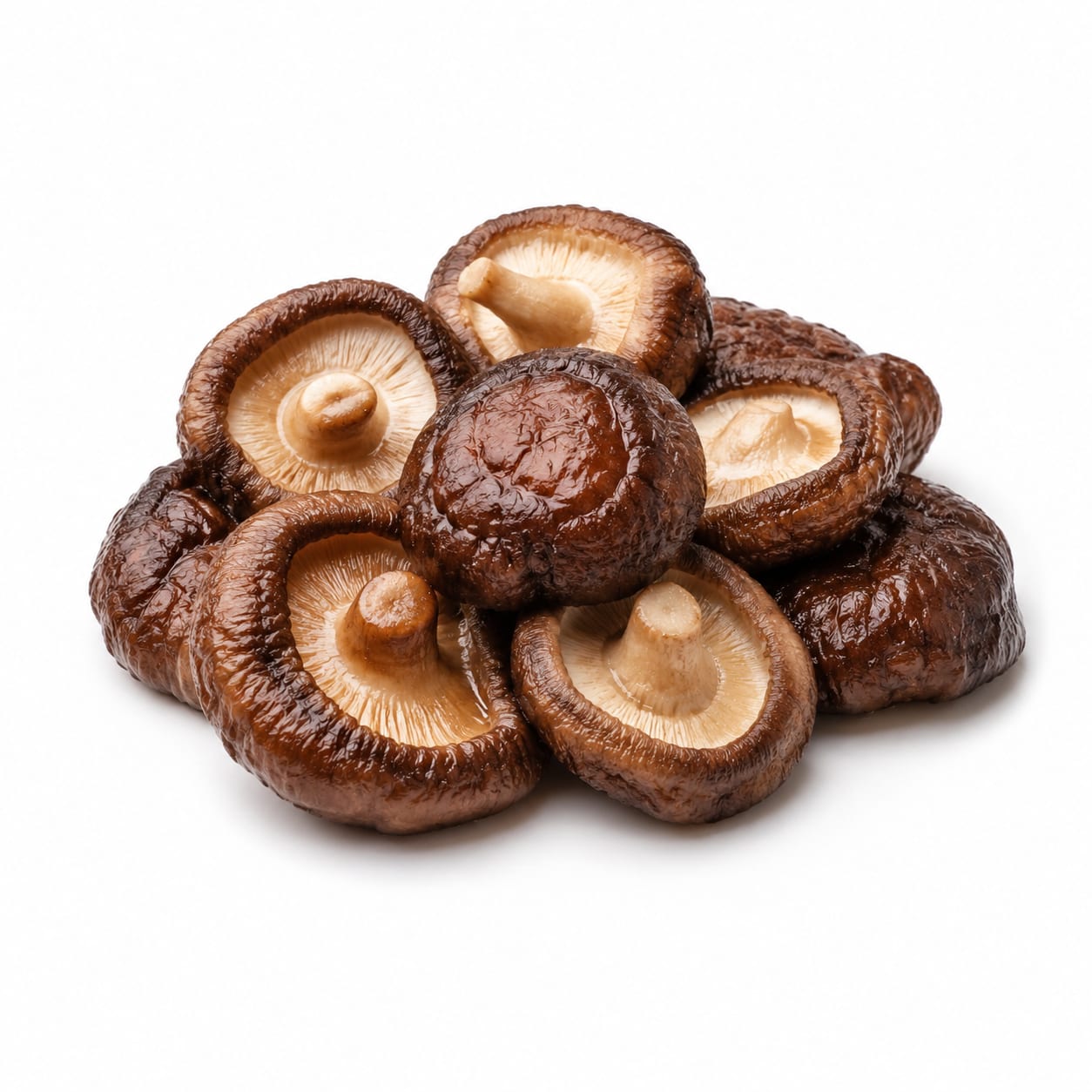
Shiitake Mushroom
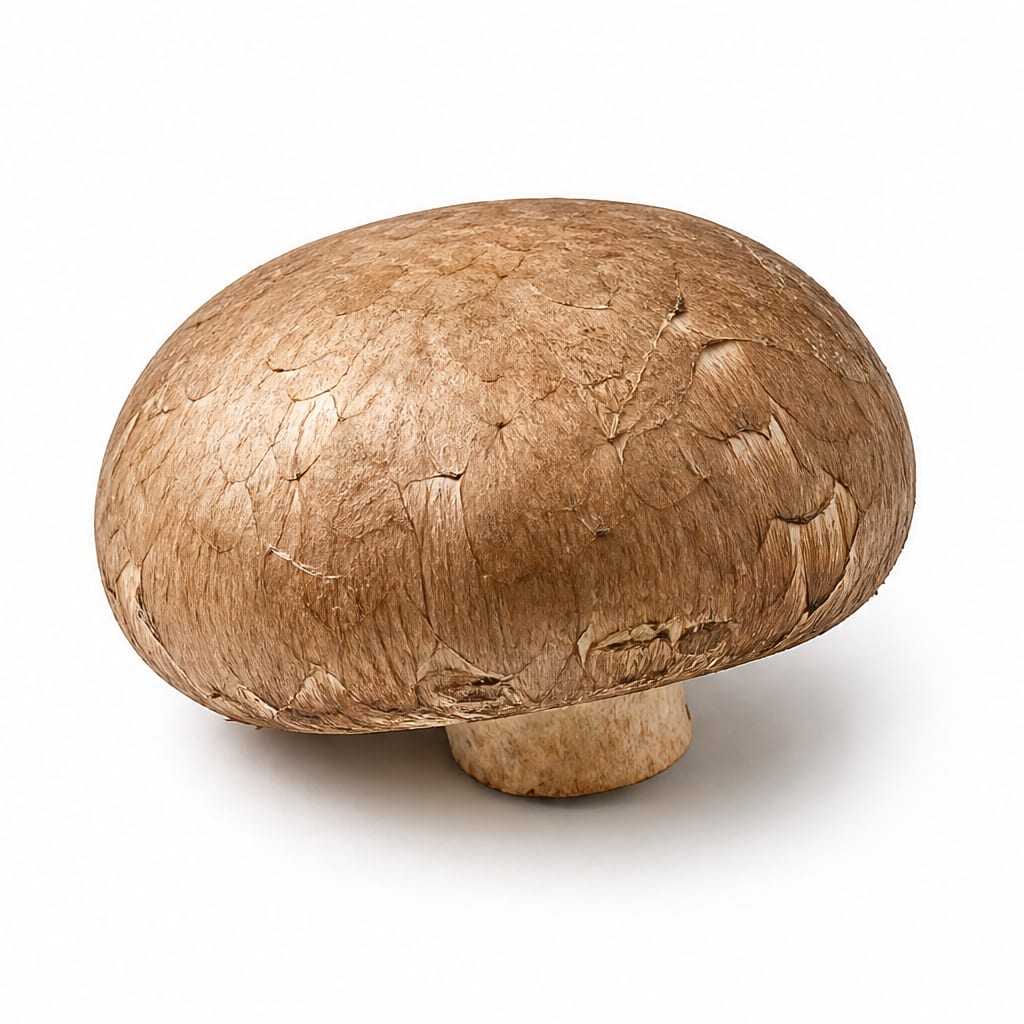
Portobello Mushroom
Shiitake mushrooms deliver significantly more immune and heart-health benefits per bite, while Portobello wins on size, price, and grillability.
Shiitake scores higher due to superior nutrient density and documented medicinal compounds, but Portobello remains competitive through accessibility, volume, and culinary flexibility.
Medicinal potency versus practical versatility — shiitake is the supplement-grade mushroom, portobello is the kitchen workhorse.
At a glance
Executive summary
Overall
Shiitake Mushroom
Healthier
Shiitake Mushroom
More practical
Portobello Mushroom
Daily use
It depends
Key comparison lenses
nutrient density and immune benefits
Shiitake mushrooms are renowned for immune-modulating compounds like lentinan, making this the most clinically meaningful differentiator
culinary versatility and meat substitution
Portobello's large cap and meaty texture make it a go-to burger replacement, while shiitake excels in umami flavor enhancement
everyday value and accessibility
Portobello is cheaper and more available in standard grocery stores, affecting real-world adoption
heart health and cholesterol management
Shiitake contains eritadenine, which supports cholesterol regulation, a unique advantage worth highlighting
Best choice for
Shiitake Mushroom
- People seeking immune system support during cold season
- Anyone managing cholesterol levels naturally
- Home cooks wanting deep umami flavor in soups and stir-fries
- Those interested in adaptogenic and functional food benefits
Portobello Mushroom
- Grill enthusiasts needing a hearty meat substitute
- Families wanting an affordable, kid-friendly mushroom
- Meal preppers building large-volume low-calorie dishes
- Anyone making stuffed mushroom recipes or burger alternatives
Least suitable for
Shiitake Mushroom
- People with shiitake dermatitis sensitivity
- Tight grocery budgets requiring bulk volume per dollar
- Recipes needing a large flat cap for stuffing or grilling
Portobello Mushroom
- Those specifically seeking immune-modulating compounds
- People wanting concentrated B-vitamin intake per calorie
- Cuisines where intense umami flavor would overpower delicate dishes
Deep comparison
Dimension by dimension
Each lens scores both foods and breaks down who each option suits.
- Dimension 1 · Priority 93Shiitake Mushroom
nutrient_density
Shiitake Mushroom · 88Portobello Mushroom · 62Shiitake packs more B vitamins, copper, selenium, and zinc per serving than Portobello, which is mostly water by weight.
Tradeoff
You get more micronutrients per calorie with shiitake, but less total food volume on your plate.
Why it matters
If you eat mushrooms partly for their functional benefits, shiitake delivers substantially more per bite.
Real-world impact
A handful of shiitake in your soup gives you more nutritional upside than twice the volume of Portobello.
Shiitake Mushroom
- Boosting B5 and B6 intake
- Getting more selenium per calorie
- Adding copper for energy metabolism
Better for
- Cost per nutrient can feel steep at specialty prices
Worse for
Portobello Mushroom
- Filling a plate with satisfying volume cheaply
- Getting more potassium per serving
Better for
- Lower concentration of most micronutrients per calorie
Worse for
- Dimension 2 · Priority 91Shiitake Mushroom
immune_and_functional_benefits
Shiitake Mushroom · 94Portobello Mushroom · 48Shiitake contains lentinan, a beta-glucan with well-studied immune-modulating effects, plus eritadenine for cholesterol support. Portobello has minimal amounts of these compounds.
Tradeoff
Shiitake functions almost like a food-based supplement, while Portobello is simply a healthy vegetable without notable medicinal properties.
Why it matters
During cold season or periods of high stress, shiitake's immune compounds can provide a meaningful edge.
Real-world impact
Eating shiitake regularly may translate to fewer sick days and better cholesterol numbers over months.
Shiitake Mushroom
- Cold and flu season immune reinforcement
- Cholesterol management without supplements
- Functional food enthusiasts seeking documented benefits
Better for
- Overconsumption can trigger shiitake dermatitis in sensitive individuals
Worse for
Portobello Mushroom
- People who just want a tasty vegetable without overthinking it
Better for
- Lacks the concentrated beta-glucans found in shiitake
Worse for
- Dimension 3 · Priority 86Portobello Mushroom
culinary_versatility_and_satiety
Shiitake Mushroom · 70Portobello Mushroom · 85Portobello's large cap makes it ideal for grilling, stuffing, and substituting for burger patties. Shiitake is smaller and better suited for slicing into dishes.
Tradeoff
Portobello fills you up and replaces meat visually; shiitake enhances flavor but disappears into dishes.
Why it matters
If you are reducing meat intake, Portobello gives you the satisfying mouthfeel and plate presence that makes the transition easier.
Real-world impact
A grilled Portobello cap on a bun feels like a real meal. Shiitake slices in a stir-fry feel like a flavor upgrade, not a centerpiece.
Shiitake Mushroom
- Adding depth to broths and sauces
- Umami bombs for Asian-inspired dishes
- Dried shiitake as a pantry staple with concentrated flavor
Better for
- Too small to serve as a main dish component on its own
Worse for
Portobello Mushroom
- Portobello burger nights
- Stuffed mushroom appetizers
- Grilled steak alternatives at barbecues
Better for
- Milder flavor means dishes may need additional seasoning
Worse for
- Dimension 4 · Priority 79Portobello Mushroom
value_and_accessibility
Shiitake Mushroom · 55Portobello Mushroom · 82Portobello is widely available, inexpensive, and sold in large caps. Shiitake is pricier and sometimes only found in specialty or Asian grocery stores.
Tradeoff
You pay more for shiitake's health benefits and flavor intensity, while Portobello gives you bulk and convenience on a budget.
Why it matters
The best mushroom is the one you actually buy and eat regularly. Affordability drives consistency.
Real-world impact
A family of four can grill Portobello caps for under five dollars. The same meal with shiitake would cost two to three times as much.
Shiitake Mushroom
- Dried shiitake offers long shelf life and concentrated value
- Worth the premium if you prioritize functional benefits
Better for
- Fresh shiitake can cost 2-3x more per pound
- May require a trip to an Asian market for best selection
Worse for
Portobello Mushroom
- Weekly grocery budgets under pressure
- One-stop shopping at standard supermarkets
- Feeding a crowd affordably
Better for
- Less nutritional return per dollar spent compared to shiitake
Worse for
- Dimension 5 · Priority 72Portobello Mushroom
digestive_tolerance_and_safety
Shiitake Mushroom · 60Portobello Mushroom · 78Shiitake can cause a unique skin reaction called shiitake dermatitis when consumed raw or in large quantities. Portobello is gentler on the digestive system for most people.
Tradeoff
Shiitake's medicinal potency comes with a rare but real sensitivity risk; Portobello is the safer bet for cautious eaters.
Why it matters
If you have sensitive skin or a history of food reactions, shiitake dermatitis is an unpleasant surprise worth avoiding.
Real-world impact
About 2% of people develop whip-like skin markings after eating large amounts of raw or undercooked shiitake. Cooking reduces this risk significantly.
Shiitake Mushroom
- Thorough cooking eliminates most dermatitis risk
- Functional benefits may outweigh rare sensitivity for most people
Better for
- Shiitake dermatitis risk with raw consumption
- Must be cooked thoroughly to neutralize lentinan-related skin reactions
Worse for
Portobello Mushroom
- Lower risk of adverse reactions
- Better tolerated in large quantities
- Safer for mushroom newcomers
Better for
- Agaritine content raises minor theoretical concerns, though cooking reduces it
Worse for
Timeline
Health impact over time
Short-term
Hours to days
Shiitake Mushroom
- Noticeable umami satisfaction that can reduce the need for added salt
- Mild immune activation within hours of consumption
- Potential skin reaction if eaten raw in large amounts
Portobello Mushroom
- Quick feeling of fullness from volume and fiber
- Gentle on the stomach with minimal intolerance reports
- Mild energy support from B vitamins
Long-term
Months to years
Shiitake Mushroom
- Cholesterol reduction through eritadenine with consistent intake
- Enhanced immune resilience over months of regular consumption
- Improved trace mineral status from copper and selenium
Portobello Mushroom
- Steady fiber intake supporting gut health and regularity
- Low-calorie volume eating that supports weight maintenance
- Modest antioxidant protection from ergothioneine
Risk profile
Safety & processing
Both mushrooms are whole foods sold fresh with minimal intervention. Dried shiitake is simply dehydrated without additives. Neither raises processing concerns.
Shiitake Mushroom
Shiitake dermatitis
mediumRaw or undercooked shiitake can cause flagellate erythema in sensitive individuals. Always cook thoroughly to neutralize the lentinan compound responsible.
Spoilage from improper storage
lowFresh shiitake spoils faster than Portobello. Use within 5-7 days or opt for dried versions with months of shelf life.
Portobello Mushroom
Agaritine content
lowPortobello contains agaritine, a naturally occurring compound with theoretical carcinogenic potential in extreme doses. Cooking reduces levels significantly, and normal consumption is considered safe.
Heavy metal accumulation
lowLike all mushrooms, Portobello can absorb heavy metals from soil. Source from reputable suppliers and avoid foraged specimens from contaminated areas.
Who wins for whom
Audience fit
Same foods, different winners depending on your goal.
children
Portobello MushroomPortobello's milder flavor and fun burger-like shape make it more appealing to kids, plus it carries lower risk of adverse reactions.
daily consumption
It dependsShiitake is better if you want daily functional benefits and can afford it. Portobello is better if you need affordable, filling volume every day.
diabetes
Shiitake MushroomShiitake's beta-glucans help moderate blood sugar response, and its higher nutrient density supports overall metabolic health more effectively.
elderly
Shiitake MushroomShiitake's immune-modulating compounds and cholesterol-lowering eritadenine address health concerns more common in aging populations.
muscle gain
It dependsNeither mushroom is a significant protein source. Shiitake has slightly more protein per calorie, but both need pairing with protein-rich foods for muscle goals.
weight loss
Portobello MushroomPortobello's larger volume and lower calorie density make it easier to fill up without overeating, supporting portion control visually and physically.
Your move
Decision guide
Choose Shiitake Mushroom
- You want documented immune and cholesterol benefits from food
- You cook Asian-inspired dishes where umami depth matters
- You are willing to pay more for concentrated nutritional value
- You keep a pantry with dried mushrooms for long-term use
Choose Portobello Mushroom
- You grill regularly and want a satisfying meat substitute
- Budget is a primary concern and you need volume per dollar
- You are feeding picky eaters who prefer milder flavors
- You want a mushroom that works as a main dish centerpiece
Either works if
- You simply want more vegetables in your diet
- You are adding mushrooms to a recipe where either works fine
- You are already eating a nutrient-dense diet and the difference is marginal
Avoid both if
- You have a known mushroom allergy
- You are following a strict low-FODMAP diet during elimination phase
- You cannot guarantee proper cooking to neutralize natural compounds
Final recommendation
Keep both in your rotation. Use shiitake when cooking soups, stir-fries, and anything where immune support and umami depth matter. Use Portobello when you need a hearty, affordable, grill-friendly centerpiece. If budget forces a choice, shiitake gives you more health upside per calorie while Portobello gives you more food per dollar.
Practical
Consumer tips
- 1
Always cook both mushrooms thoroughly — never eat shiitake raw due to dermatitis risk
- 2
Buy dried shiitake in bulk for the best value; rehydrate in hot water and use the soaking liquid as broth
- 3
Choose firm, dry Portobello caps with closed gills for the freshest pick
- 4
Store fresh mushrooms in a paper bag in the fridge — plastic traps moisture and speeds spoilage
- 5
If trying shiitake for the first time, start with a small cooked portion to check for skin sensitivity
- 6
Freeze extra Portobello caps after slicing and sautéing for easy meal-prep additions