
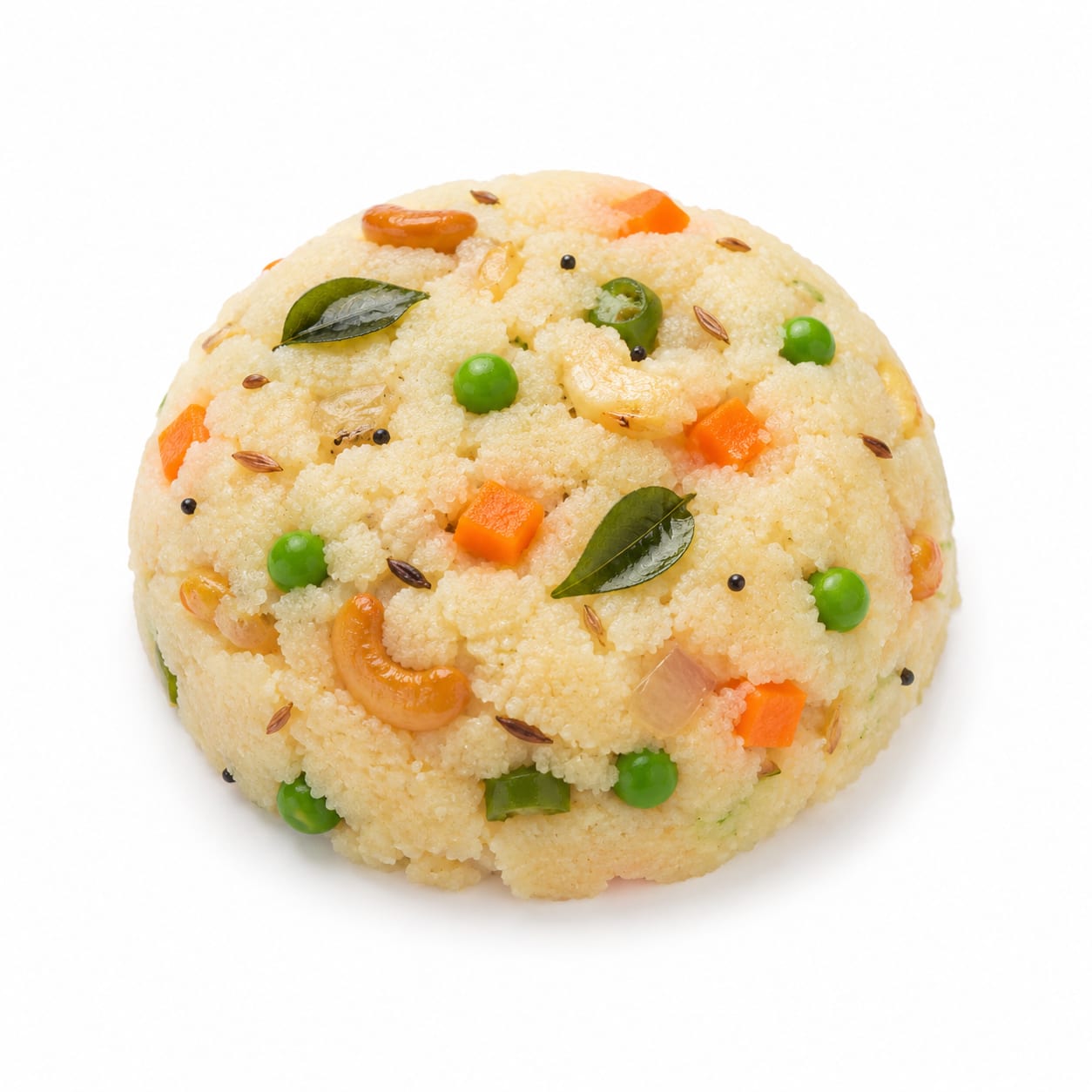
Grain Product
Semolina
A coarse, pale-yellow flour milled from durum wheat, best known as the primary ingredient in pasta.
Semolina is a coarse flour made from durum wheat, primarily used to make pasta, couscous, and certain breads and puddings.
refined high-gluten carbohydrate source
Typical serving · 100g
Common varieties · coarse semolina, fine semolina, whole wheat semolina, durum flour
Overall context score across nutrition, safety, and diet fit
The story
What makes it unique
Milled from the endosperm of durum wheat, semolina has a high carbohydrate content and moderate protein, specifically gluten, which provides elasticity for pasta making. It digests at a moderate-fast rate depending on preparation, offering rapid energy but lower satiety compared to whole grains due to the removal of bran and germ.
Varieties: coarse semolina · fine semolina · whole wheat semolina · durum flour
Per 100g
Nutrition breakdown
Macro balance and key metrics at a glance.
Energy
Density 3.60 kcal/g
Protein
Carbs
Fat
Fiber
Sugar
0.4 g
Sodium
1 mg
Potassium
131 mg
Glycemic index
60
Glycemic load
44
Water content
11.5%
Standout compounds
Nutrient highlights
Selenium
moderateSupports antioxidant defense and thyroid function.
Iron
moderateEssential for oxygen transport in the blood.
Protein
moderateProvides structure for pasta and supports muscle maintenance.
B Vitamins
moderateOften enriched with thiamin and folate to support energy metabolism.
Wellness map
Health scores & processing
NOVA processing scale
Refined · Whole food
Semolina is a processed culinary ingredient made by milling durum wheat and separating the endosperm from the bran and germ, resulting in a refined grain product.
Diet compatibility
- Weight loss
- Muscle gain
- Diabetes
- Gut health
- Low carb
- High protein
- Heart health
Relative standing
Food rankings
Qualitative ranks compared to similar whole foods.
- Satietymoderate
- Blood sugarpoor
- Nutrient densitymoderate
- Fitness fuelgood
- Processing qualitymoderate
Eat with confidence
Food safety profile
Semolina is generally safe, but as a conventional wheat product, it may carry pesticide residues. Organic options reduce this exposure. Proper storage prevents mold and mycotoxin development.
Evidence confidence 85%
- Pesticidesmoderate
- Antibioticslow
- Heavy metalslow
- Contaminationlow
Watch for
- pesticide residues
- mycotoxins
Safer choices
Organic semolina to minimize pesticide exposure.
Prep tips
Dry semolina does not require washing; boil thoroughly when cooking pasta or porridge to ensure food safety and digestibility.
Standard grain monitoring for pesticide residues and fungal toxins.
Deep dive
Health analysis
How this food may fit different goals and preparation choices.
Weight loss
High energy density and low fiber make it easy to overconsume calories, offering minimal satiety per serving compared to whole grains.
Blood sugar
Has a moderate to high glycemic index depending on cooking time. Digests quickly, causing rapid blood sugar elevations, especially when consumed as soft pasta.
Fitness & energy
Excellent source of quick-digesting carbohydrates ideal for replenishing glycogen stores after intense workouts or carb-loading before endurance events.
Gut health
Low fiber content provides minimal prebiotic benefits. The refined nature means it does not effectively support a diverse gut microbiome.
Processing quality
As a refined grain, it is stripped of the bran and germ, losing most naturally occurring vitamins, minerals, and healthy fats found in whole wheat.
Food safety
Generally safe from microbial contamination due to dry milling and cooking requirements. Conventional wheat farming often uses pesticides, making organic a consideration.
Common mistakes
Assuming semolina is a whole grain, or overcooking pasta made from it which significantly increases its glycemic index and blood sugar impact.
Best preparation
Cooking pasta al dente to slow digestion and lower the glycemic response, or pairing with high-fiber vegetables and healthy fats to stabilize blood sugar.
Practical guide
Best use cases
When and how this food fits real eating patterns.
Post-workout recovery
Provides fast-digesting carbohydrates to rapidly replenish muscle glycogen stores after intense exercise.
Homemade pasta making
Its high gluten strength and coarse texture create firm, chewy pasta that holds sauces well.
Carb-loading for athletes
A dense carbohydrate source for endurance athletes needing to maximize glycogen stores before an event.
Balance sheet
Pros & cons
Upsides
- Excellent texture and elasticity for pasta making
- High in quick-digesting carbohydrates for energy
- Contains moderate protein to support dough structure
- Good source of iron and selenium when enriched
- Low in fat and sugar naturally
Trade-offs
- High glycemic load can spike blood sugar
- Low in dietary fiber compared to whole grains
- Contains gluten, making it unsafe for celiacs
- Refined processing removes natural micronutrients
- Easy to overconsume due to low satiety
Fit check
Who is it for?
Great match
- post-workout recovery
- carb-loading athletes
- homemade pasta enthusiasts
Consider alternatives
- strict ketogenic diets
- blood sugar management
- gluten-free diets
- high-volume low-calorie eating
Side by side
How it compares
Open the full head-to-head analysis for nutrition, safety, and practical tradeoffs.
This food
Semolina
VS90% alike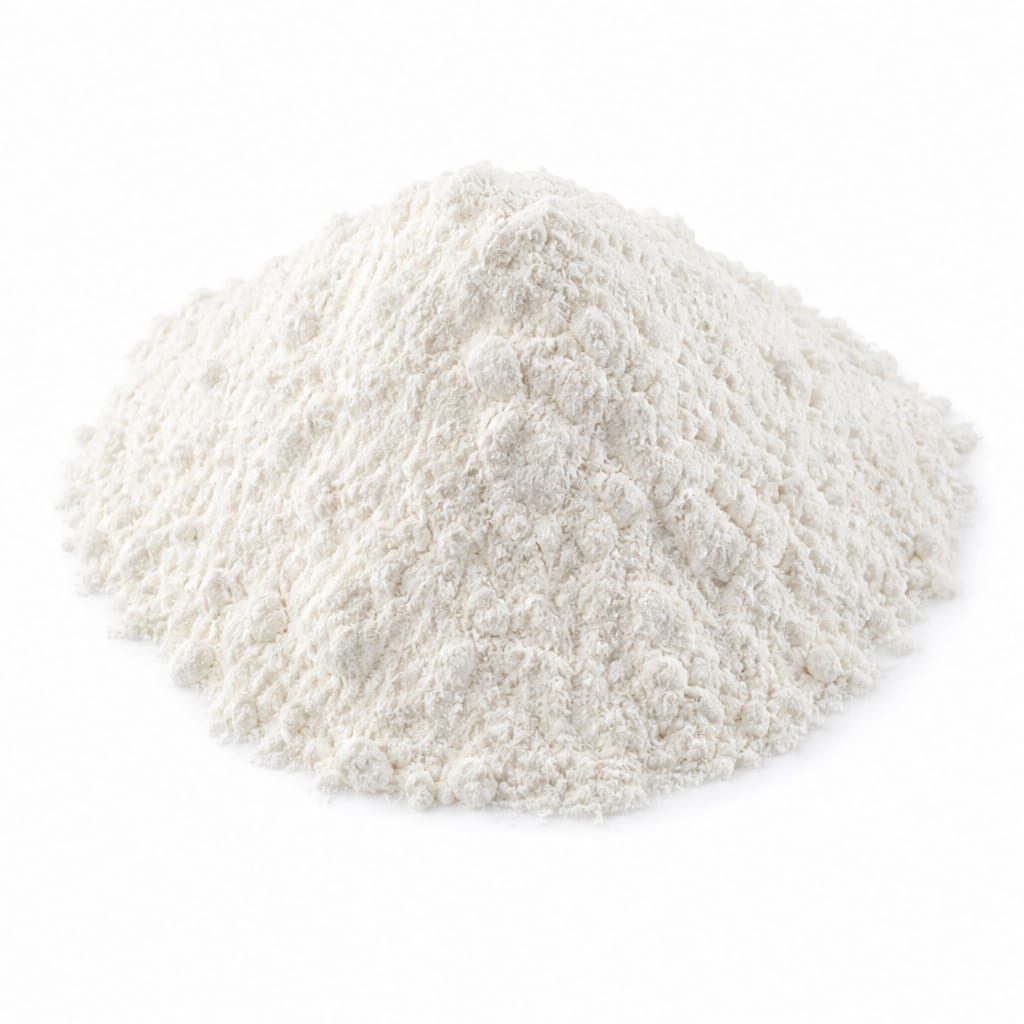
Compare with
All-Purpose Flour
Semolina is coarser and has higher protein and gluten strength, making it better for pasta, while all-purpose is finer and more versatile for baking.
Semolina is coarser and higher in protein than all-purpose flour, making it better for pasta, though both have similar blood sugar impacts.
This food
Semolina
VS85% alike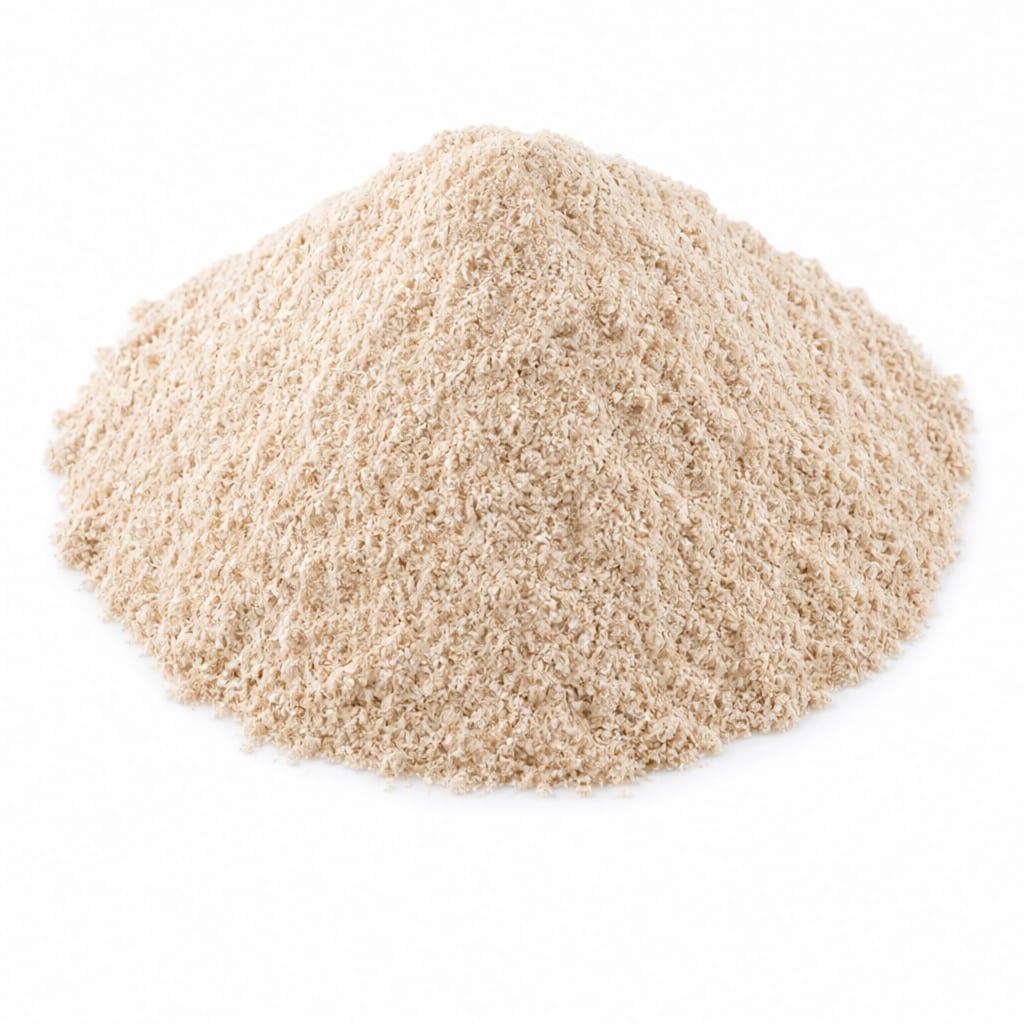
Compare with
Whole Wheat Flour
Whole wheat flour retains the bran and germ, offering significantly more fiber, vitamins, and minerals than refined semolina.
Whole wheat flour beats semolina for fiber and blood sugar control, while semolina provides quicker energy for workouts.
This food
Semolina
VS75% alike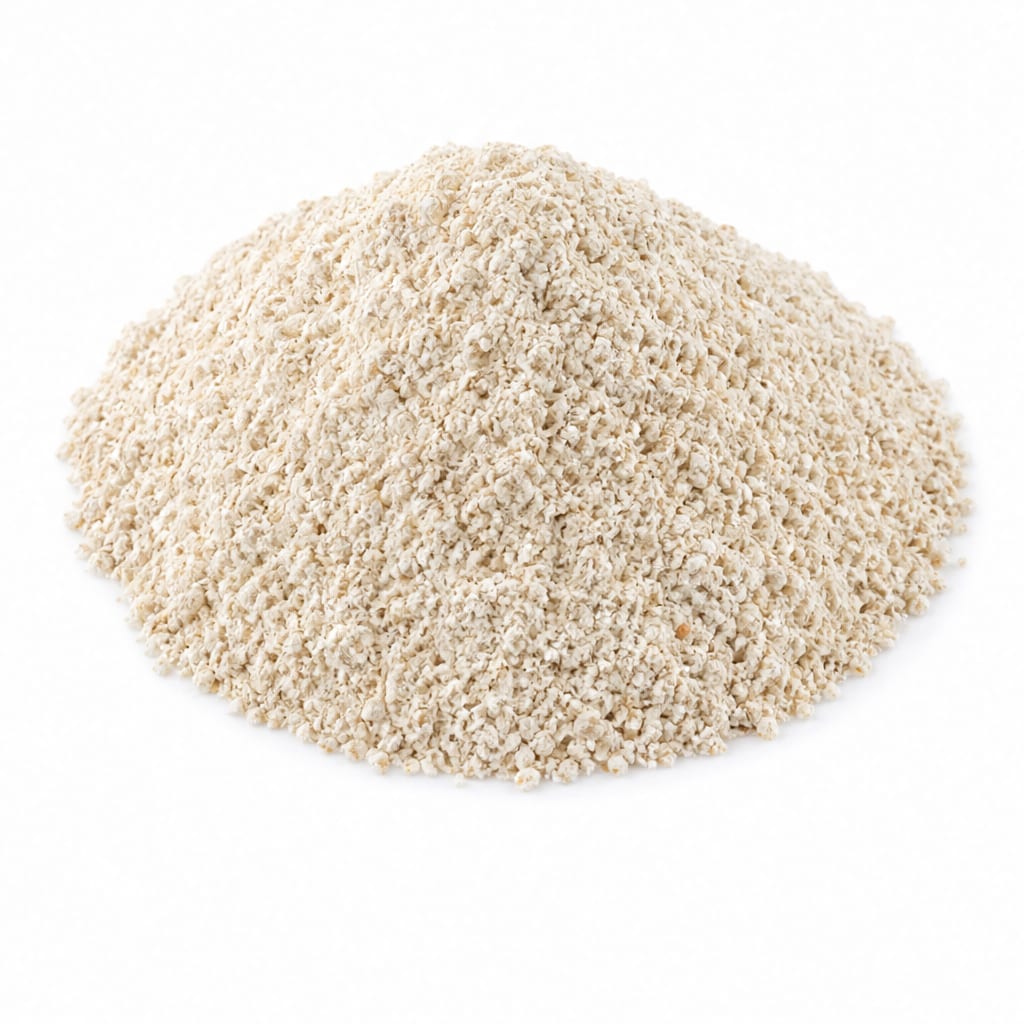
Compare with
Oat Flour
Oat flour is a whole grain with more fiber and healthy fats, while semolina is a refined grain with higher carbohydrate density and gluten strength.
Oat flour provides more fiber and better blood sugar stability, whereas semolina offers denser, faster-digesting carbs for energy.
This food
Semolina
VS70% alike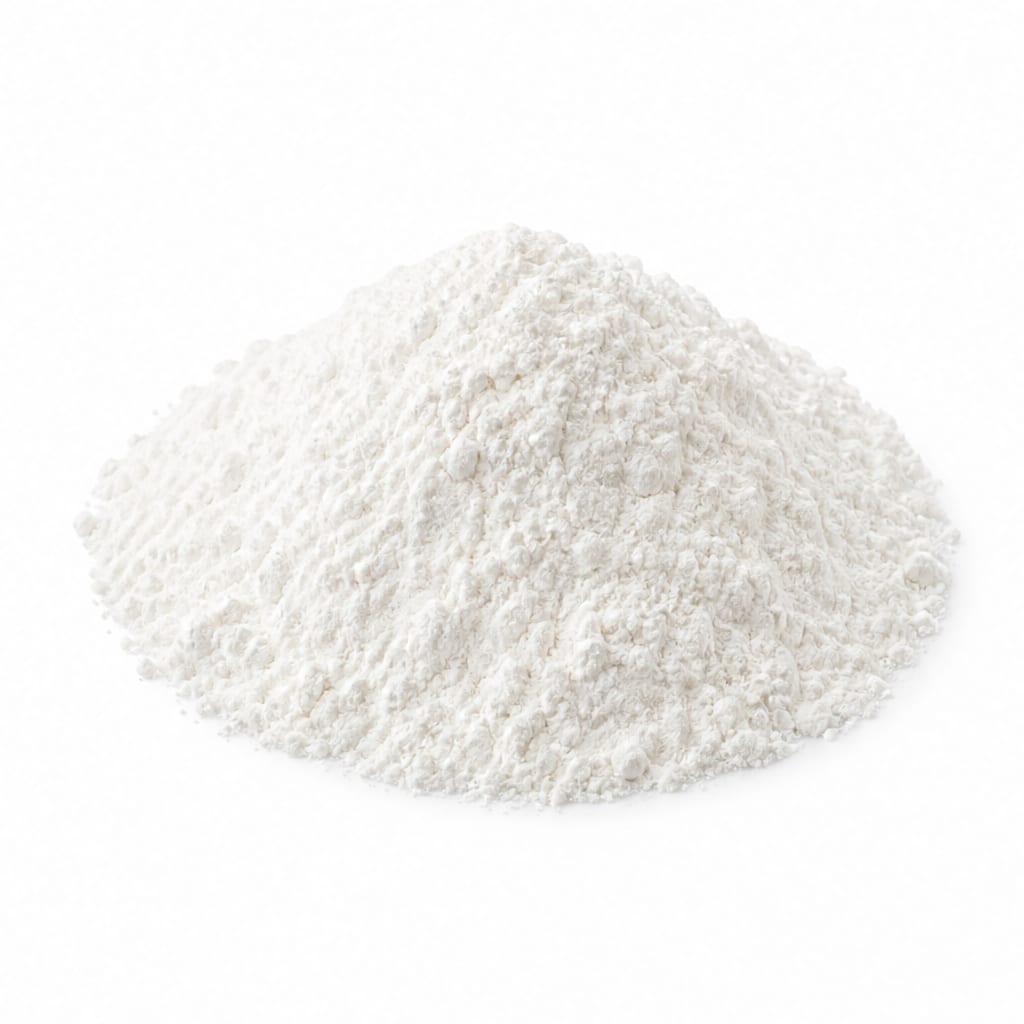
Compare with
Rice Flour
Rice flour is gluten-free but lower in protein, while semolina has high gluten and protein, making it superior for pasta texture.
Semolina has more protein and satiety than rice flour, but rice flour is gluten-free; both have a high glycemic impact.
This food
Semolina
VS50% alike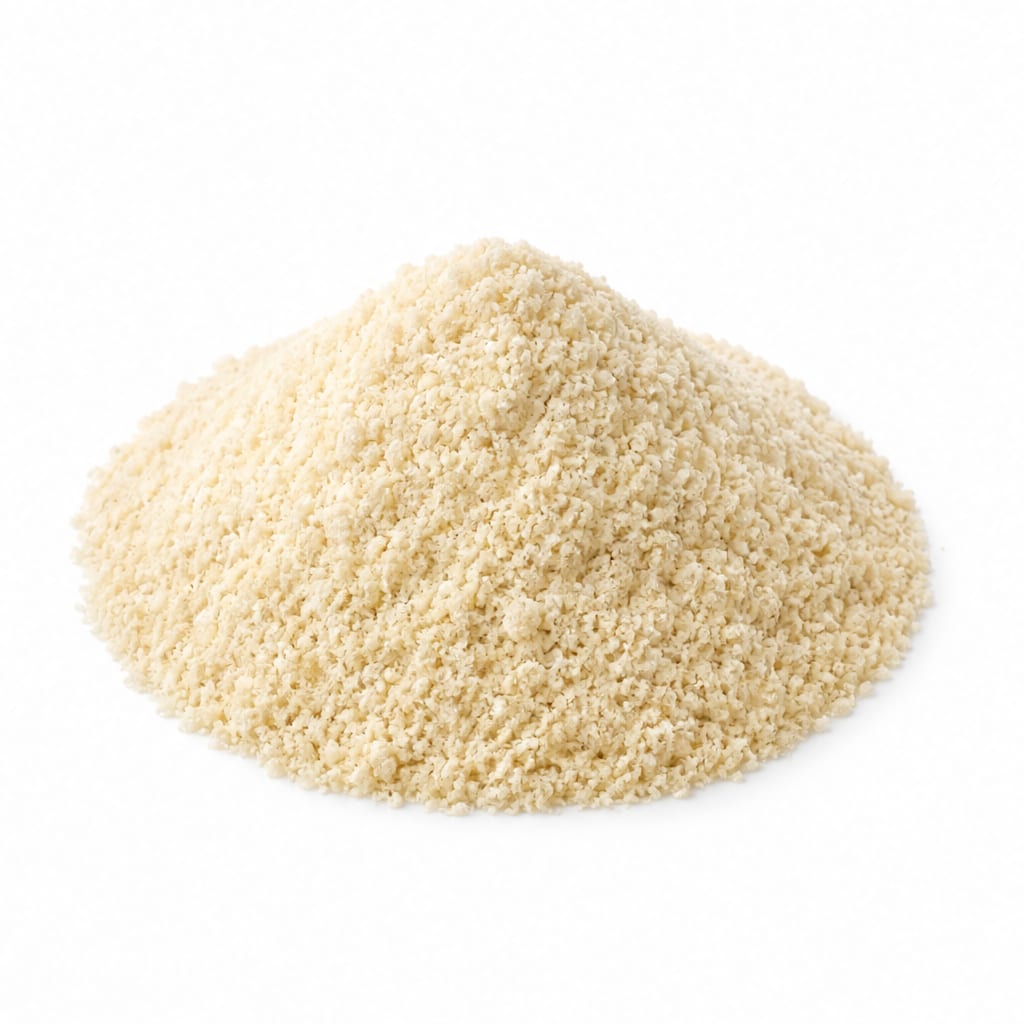
Compare with
Almond Flour
Almond flour is low-carb and high-fat, while semolina is high-carb and low-fat. Almond flour is far better for blood sugar and low-carb diets.
Almond flour is low-carb and keto-friendly, while semolina is a high-carb flour best for pre-workout energy and pasta making.
This food
Semolina
VS65% alike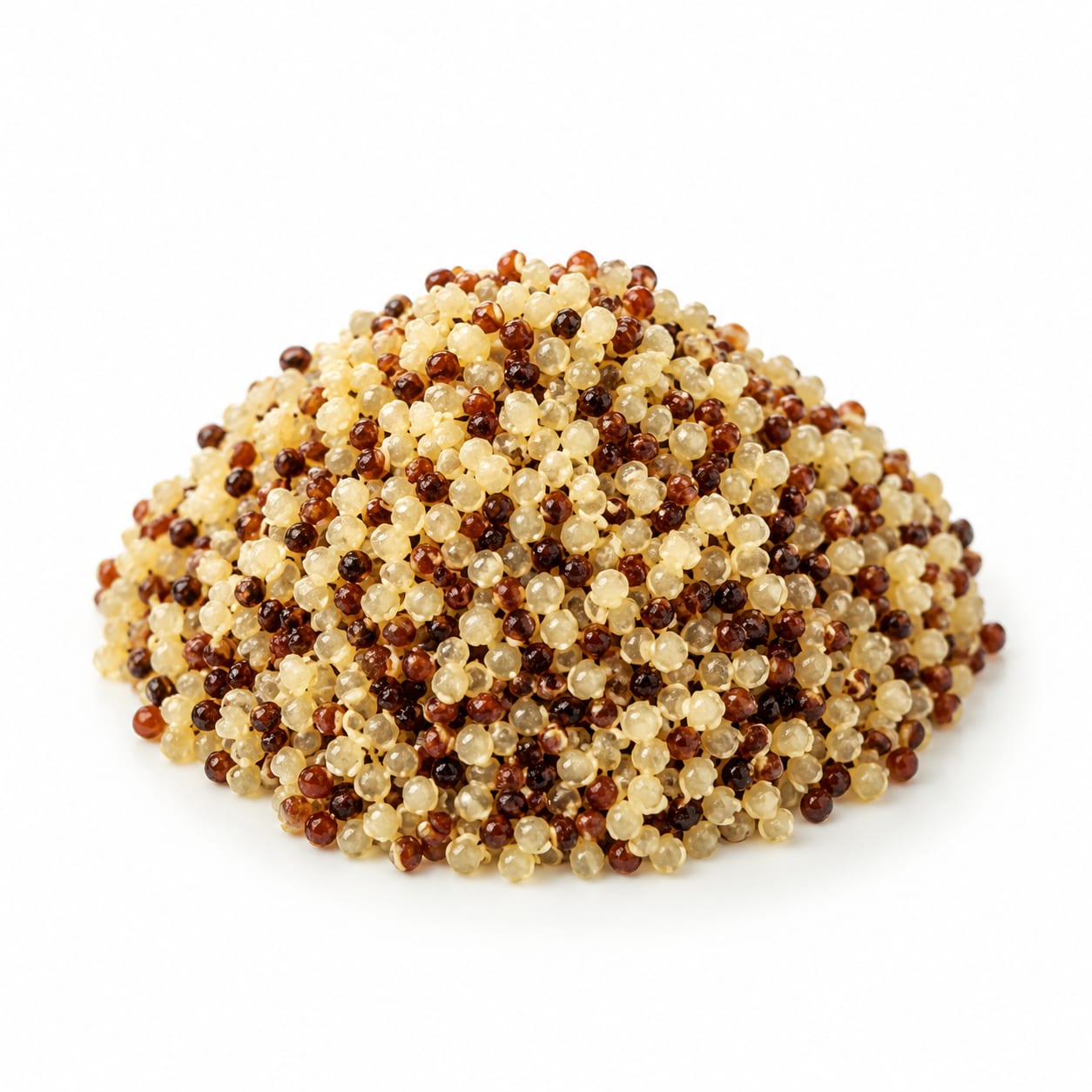
Compare with
Quinoa
Quinoa is a complete protein and whole grain with high fiber, whereas semolina is a refined grain lacking full amino acid profile and fiber.
Quinoa offers complete protein and more fiber for better blood sugar control, while semolina provides faster-digesting carbs for intense exercise.
This food
Semolina
VS95% alike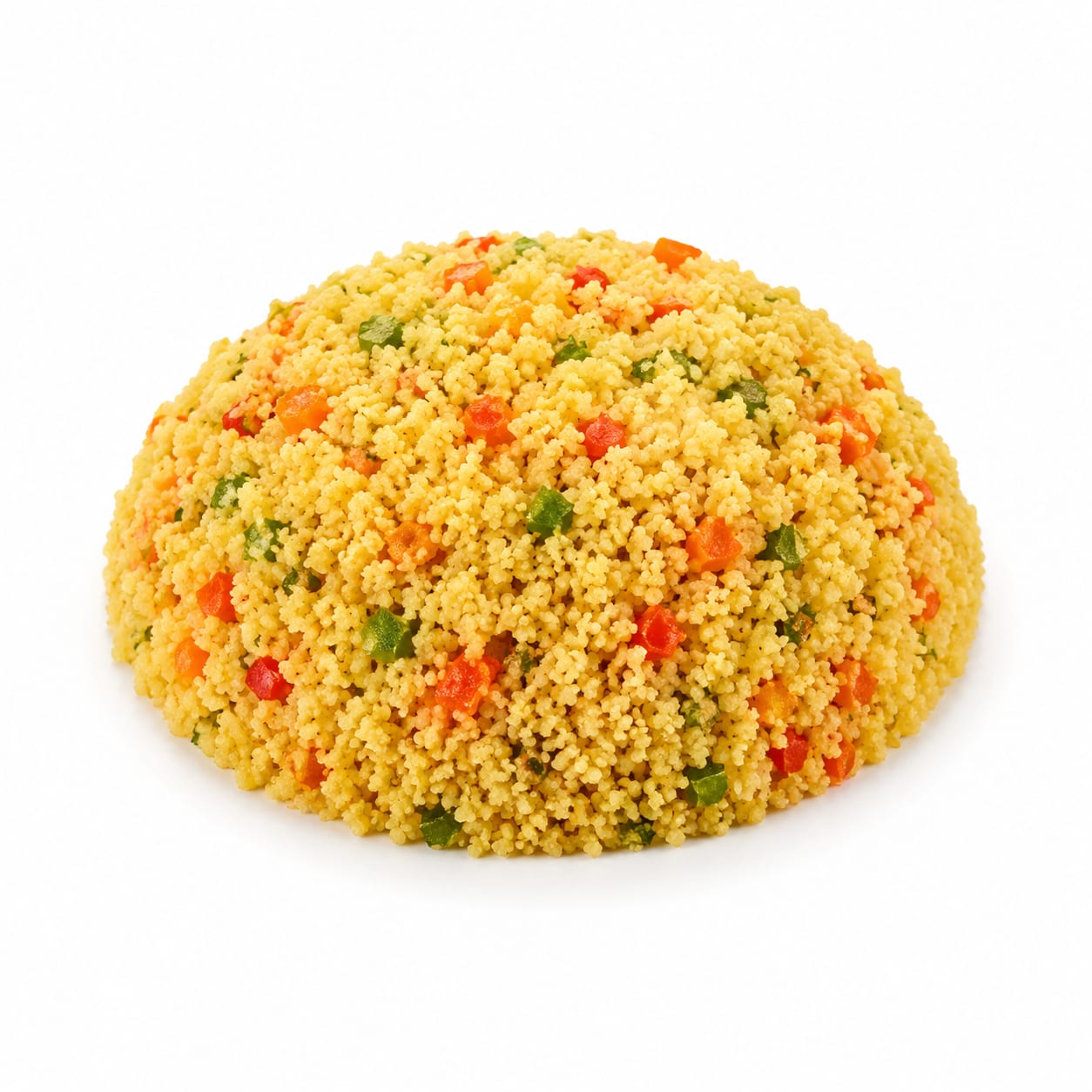
Compare with
Couscous
Traditional couscous is made from semolina and water, so their nutritional profiles are nearly identical, differing mainly in preparation time and texture.
Couscous is made from semolina, so they share the same nutritional value, but whole wheat couscous offers more fiber than regular semolina.
This food
Semolina
VS75% alike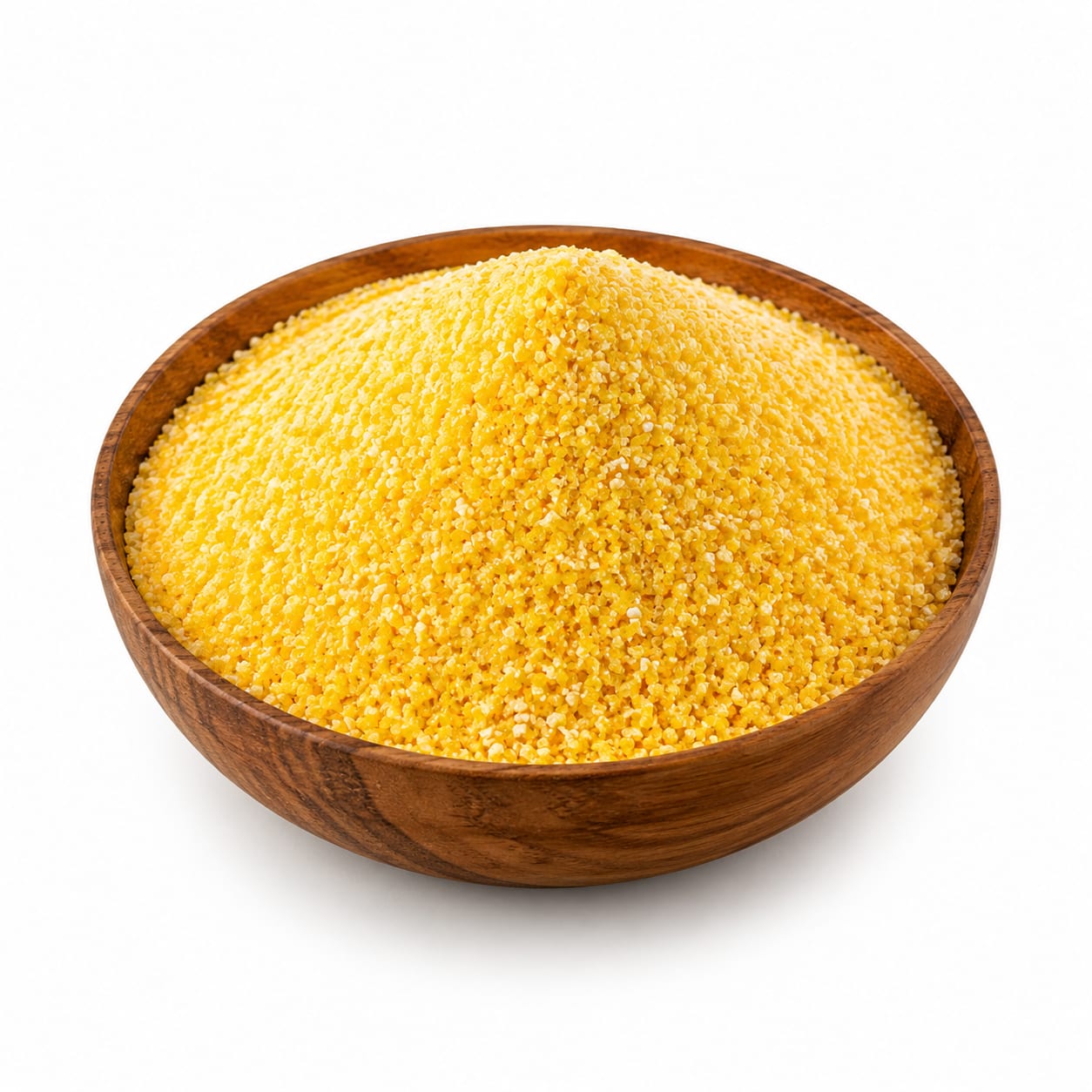
Compare with
Cornmeal
Cornmeal is naturally gluten-free and slightly higher in fiber, while semolina has more protein and gluten for elasticity.
Cornmeal is gluten-free and slightly higher in fiber, while semolina provides more protein and is better for pasta textures.
This food
Semolina
VS60% alike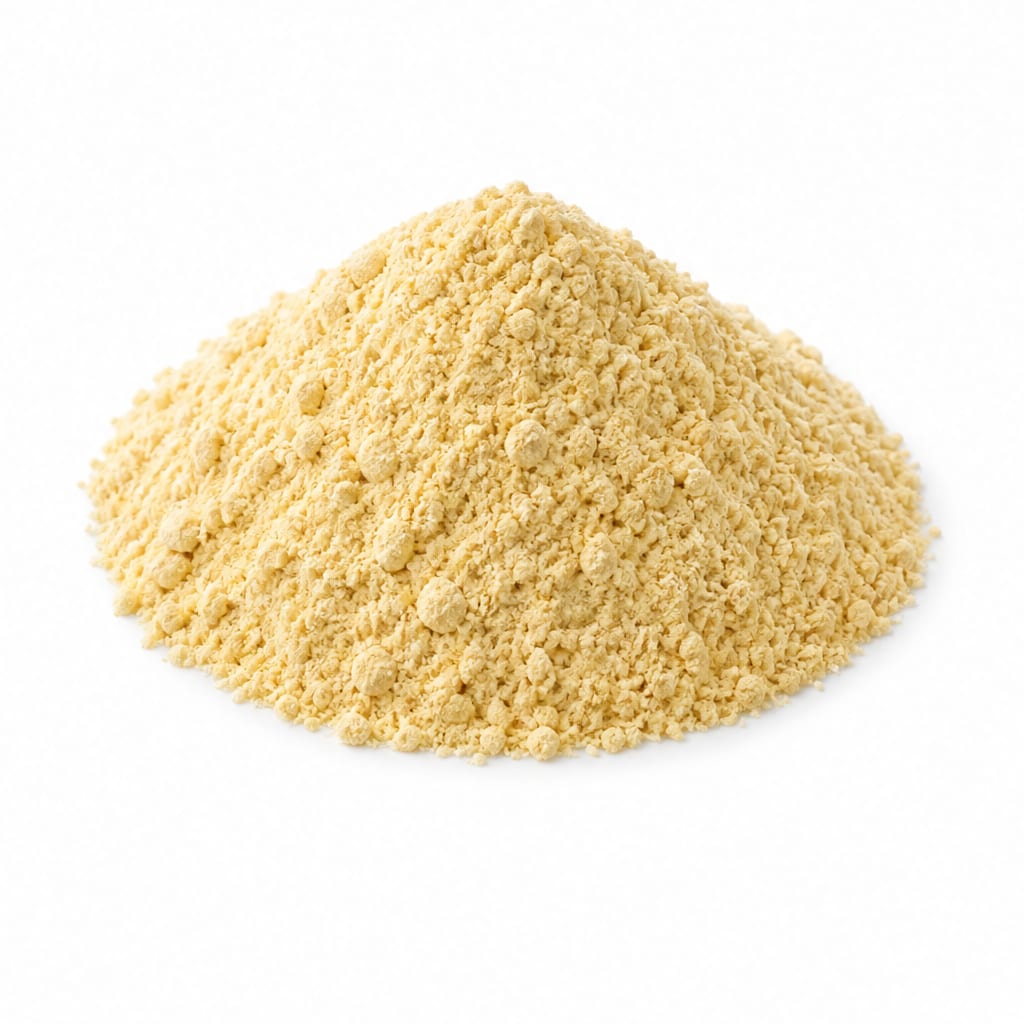
Compare with
Chickpea Flour
Chickpea flour is gluten-free, much higher in protein, and vastly higher in fiber, making it superior for blood sugar and satiety.
Chickpea flour beats semolina in protein, fiber, and blood sugar stability, making it a far better choice for weight loss and diabetics.
This food
Semolina
VS65% alike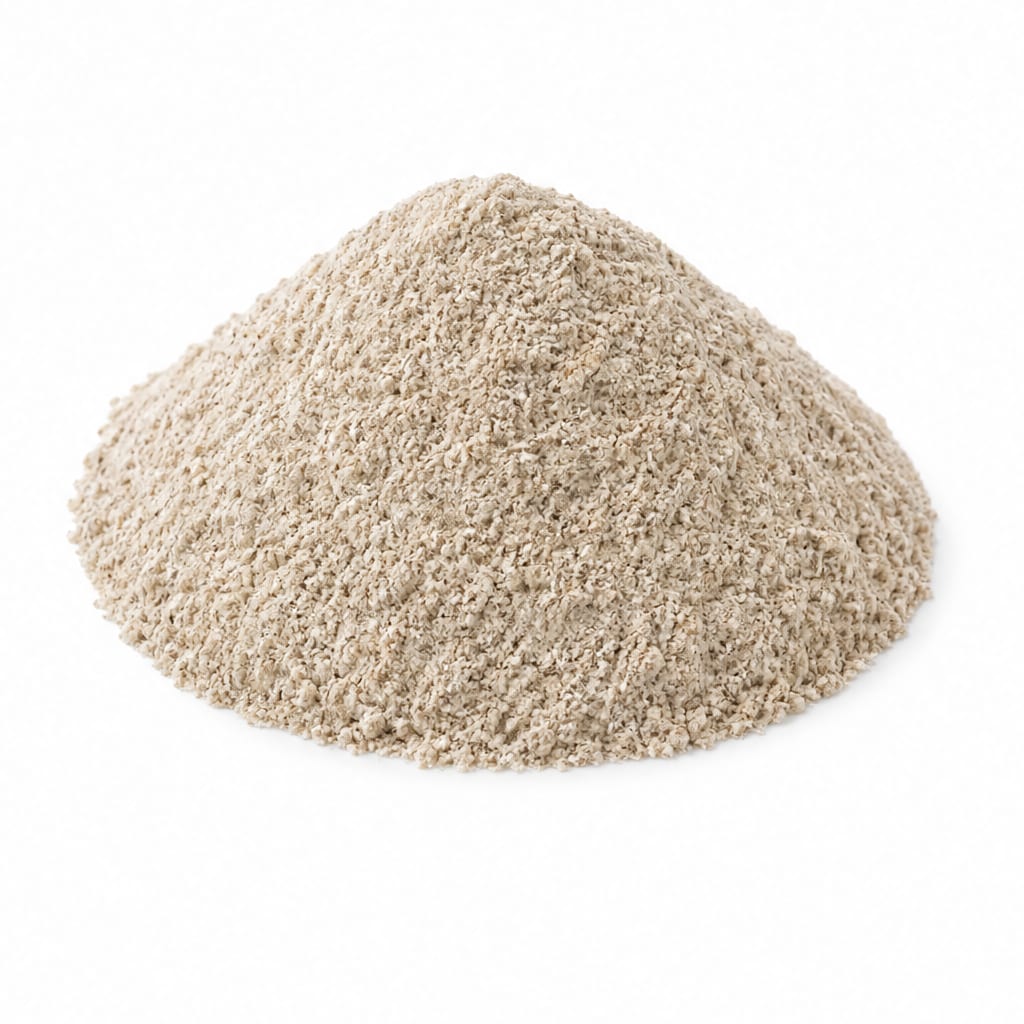
Compare with
Buckwheat Flour
Buckwheat is a gluten-free pseudocereal with more fiber and minerals, while semolina is a refined wheat product with high gluten.
Buckwheat flour is gluten-free and richer in fiber and minerals, while semolina provides faster carbs and gluten for traditional pasta elasticity.
Common questions
FAQ
Answers aligned with how people search for this food.
Is semolina good for weight loss?
Semolina is not ideal for weight loss. It is calorie-dense and low in fiber, which means it provides less satiety per calorie compared to whole grains, making it easier to overeat.
Is semolina healthier than regular flour?
Semolina is coarser and has slightly more protein and fiber than refined all-purpose flour, but both are refined grains. Whole wheat flour is a healthier choice due to its higher fiber and nutrient content.
Can diabetics eat semolina?
Diabetics should limit semolina intake. It has a moderate to high glycemic index, especially when cooked into soft pasta, which can cause rapid blood sugar spikes. Pairing it with protein and fiber can help moderate this effect.
What is semolina made of?
Semolina is made from durum wheat. It is specifically the coarsely milled endosperm of the durum wheat berry, which gives it a pale yellow color and a high gluten content.
Is semolina pasta better than regular pasta?
Most high-quality dried pasta is made from semolina. It holds its shape better than pasta made from regular refined flour due to its higher gluten strength, but nutritionally they are very similar refined carbohydrates.
Does semolina have gluten?
Yes, semolina has a high gluten content. It is derived from durum wheat, making it unsuitable for anyone with celiac disease or a gluten intolerance.
Is semolina a whole grain?
Traditional semolina is not a whole grain because the bran and germ are removed during milling. Whole wheat semolina is available and retains these nutritious parts of the grain.
Transparency
Data confidence
Estimated confidence for nutrition data, interpretation, safety notes, and comparisons.
Nutrition data
Health analysis
Food safety
Comparisons