
Nutrition comparison
Semolina vs Almond Flour: Which is Healthier?
Compare Semolina and Almond Flour for keto baking, gluten-free needs, and blood sugar management. Discover which flour is better for your diet.
Overall winner · Almond Flour
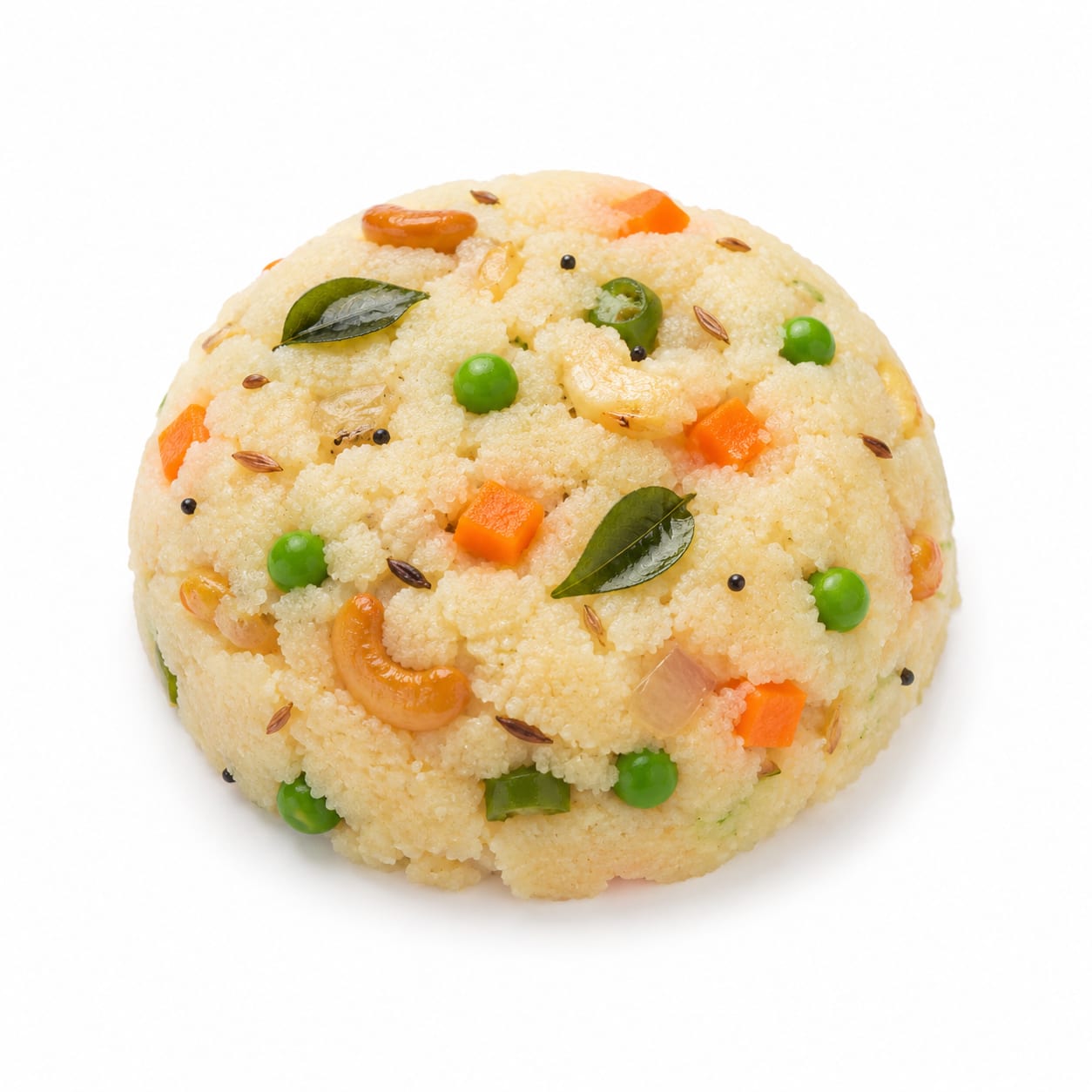
Semolina
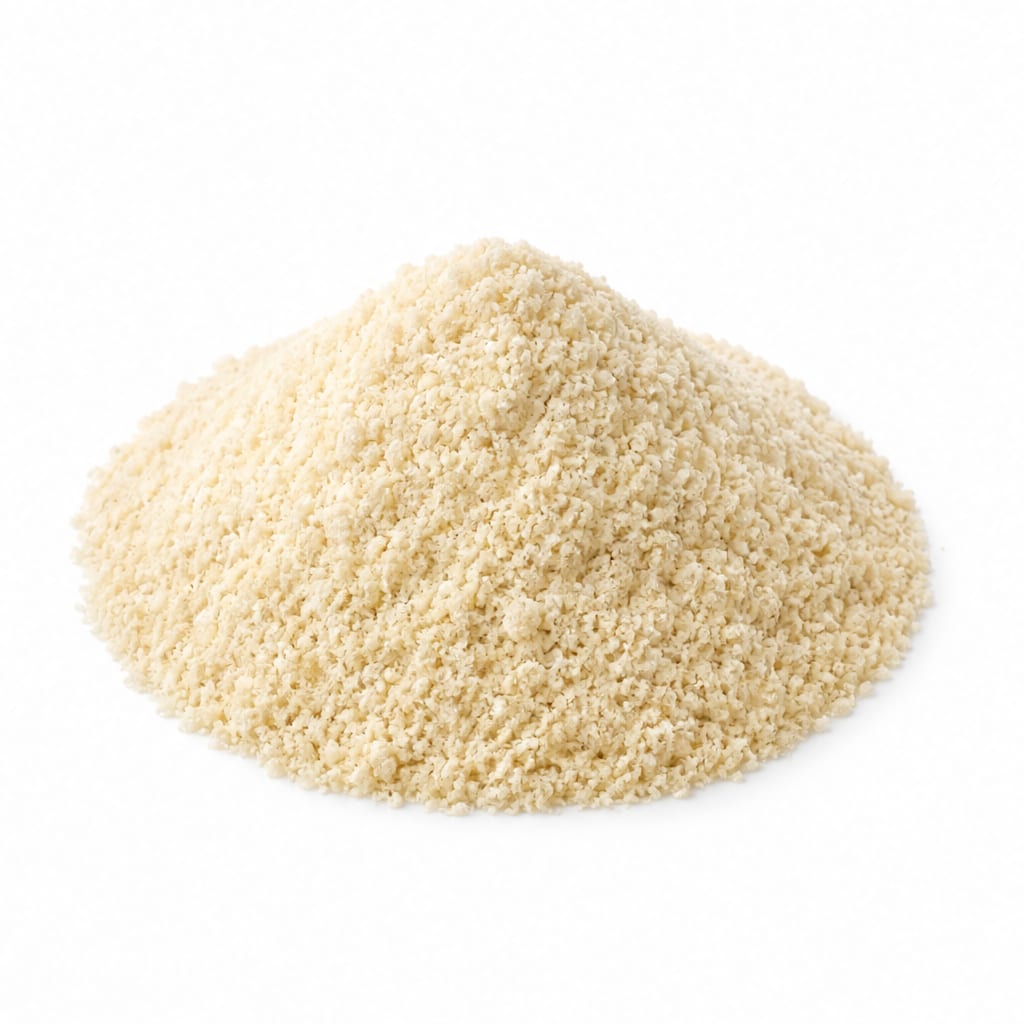
Almond Flour
Almond Flour offers far more nutrients and stabilizes blood sugar better, while Semolina provides classic texture for pasta at a lower calorie cost.
Almond Flour scores significantly higher due to its superior micronutrient profile and blood sugar benefits, though Semolina remains relevant for specific culinary and budget needs.
Almond Flour brings healthy fats and low carbs but at a high calorie price, whereas Semolina is lighter on calories but heavier on blood sugar spikes.
At a glance
Executive summary
Overall
Almond Flour
Healthier
Almond Flour
More practical
Semolina
Daily use
It depends
Key comparison lenses
Low-carb vs traditional baking
Almond Flour is a keto staple, while Semolina is a high-carb classic, making this the primary decision driver.
Gluten-free dietary needs
Almond Flour is naturally gluten-free, whereas Semolina contains gluten, directly impacting those with sensitivities.
Nutrient density comparison
Users often substitute flours to increase vitamin and mineral intake, where Almond Flour has a clear advantage.
Calorie density and weight management
Almond Flour is much more calorie-dense due to its fat content, which surprises many people tracking calories.
Best choice for
Semolina
- Traditional pasta makers
- Budget-conscious bakers
- Endurance athletes needing carbs
Almond Flour
- Keto and low-carb dieters
- People with celiac or gluten sensitivity
- Those seeking vitamin E and magnesium
Least suitable for
Semolina
- People with gluten intolerance
- Keto dieters
- Diabetics managing blood sugar
Almond Flour
- People with nut allergies
- Strict calorie counters
- Traditional Italian pasta purists
Deep comparison
Dimension by dimension
Each lens scores both foods and breaks down who each option suits.
- Dimension 1 · Priority 95Almond Flour
Blood Sugar Stability
Semolina · 30Almond Flour · 90Almond Flour keeps blood sugar steady, while Semolina can cause rapid spikes.
Tradeoff
You trade the quick energy of Semolina for the sustained, crash-free energy of Almond Flour.
Why it matters
Preventing blood sugar spikes reduces cravings and long-term diabetes risk.
Real-world impact
No afternoon energy crash after an Almond Flour meal, unlike a heavy Semolina pasta lunch.
Semolina
- Post-workout glycogen replenishment
- Quick energy before a run
Better for
- Sedentary lifestyles
- Insulin resistance
Worse for
Almond Flour
- Diabetics
- Keto dieters
- Steady afternoon energy
Better for
- Those who need immediate carbohydrate fuel
Worse for
- Dimension 2 · Priority 85Almond Flour
Nutrient Density
Semolina · 35Almond Flour · 90Almond Flour is packed with vitamin E, magnesium, and healthy fats, while Semolina is mostly starch with some protein.
Tradeoff
Semolina offers cheaper calories, but Almond Flour delivers far more nutritional value per bite.
Why it matters
Micronutrients support heart health, skin, and nerve function.
Real-world impact
Eating Almond Flour regularly helps meet your daily magnesium and vitamin E needs effortlessly.
Semolina
- Budget bulk cooking
Better for
- Reliance on empty carbs
Worse for
Almond Flour
- Heart health
- Skin health
- Filling nutrient gaps
Better for
- Strict low-fat diets
Worse for
- Dimension 3 · Priority 80Semolina
Calorie Density & Weight Management
Semolina · 70Almond Flour · 55Semolina is lower in calories per cup than Almond Flour, which is highly calorie-dense due to its fat content.
Tradeoff
Almond Flour is more filling but easier to overeat calorically, while Semolina is less filling but lighter on the daily calorie budget.
Why it matters
Portion control is crucial for weight loss, and high-fat flours can stealthily add calories.
Real-world impact
A single serving of Almond Flour baked goods can pack double the calories of a Semolina equivalent.
Semolina
- Low-fat diets
- Careful calorie tracking
Better for
- Quick hunger return
Worse for
Almond Flour
- Low-carb satiety
- Fat-adapted diets
Better for
- Easy accidental overconsumption
Worse for
- Dimension 4 · Priority 75It depends
Culinary Versatility & Texture
Semolina · 80Almond Flour · 75Semolina creates the unbeatable chew of traditional pasta, while Almond Flour excels in tender, moist baked goods.
Tradeoff
You cannot make authentic Italian pasta with Almond Flour, and Semolina fails at keto baking.
Why it matters
The right flour defines the success of the dish you are cooking.
Real-world impact
Using Semolina for pasta yields perfect texture; using it for gluten-free cookies yields a dry, crumbly mess.
Semolina
- Pasta making
- Traditional bread baking
Better for
- Celiac households
Worse for
Almond Flour
- Keto desserts
- Gluten-free baking
Better for
- Pasta lovers
Worse for
- Dimension 5 · Priority 90It depends
Digestive Tolerance & Allergens
Semolina · 50Almond Flour · 60Almond Flour is gluten-free but poses a tree-nut allergy risk, whereas Semolina contains gluten but is safe for nut allergies.
Tradeoff
Choosing between them often comes down to which allergen or sensitivity you need to avoid.
Why it matters
Food sensitivities and allergies directly impact daily comfort and safety.
Real-world impact
Semolina causes bloating for those with gluten sensitivity, while Almond Flour is dangerous for anyone with a tree nut allergy.
Semolina
- Nut-free households
- School bake sales
Better for
- Wheat allergies
- IBS triggered by gluten
Worse for
Almond Flour
- Celiac disease
- Gluten sensitivity
Better for
- Tree nut allergies
- School nut-free zones
Worse for
Timeline
Health impact over time
Short-term
Hours to days
Semolina
- Quick energy boost from carbohydrates
- Potential bloating if sensitive to gluten
Almond Flour
- Sustained energy without a sugar crash
- High satiety keeping you full for hours
Long-term
Months to years
Semolina
- Risk of insulin resistance if overconsumed without fiber
- Potential inflammatory effects from gluten in sensitive individuals
Almond Flour
- Improved heart health from monounsaturated fats
- Better blood sugar management over time
Risk profile
Safety & processing
Both are whole-food-derived flours with minimal processing, though Almond Flour requires blanching and grinding, while Semolina is simply milled durum wheat.
Semolina
Gluten intolerance / Celiac reaction
highContains gluten, which triggers severe autoimmune responses in those with celiac disease.
Almond Flour
Tree nut allergy
highCan cause life-threatening anaphylaxis in individuals with almond or tree nut allergies.
Oxidation of fats
mediumThe healthy fats in Almond Flour can go rancid if stored improperly or for too long.
Who wins for whom
Audience fit
Same foods, different winners depending on your goal.
children
SemolinaSemolina is a safe, mild, nut-free option that provides energy for growing kids, though Almond Flour is fine if there are no nut allergies.
daily consumption
Almond FlourAlmond Flour provides more consistent daily nutrition and blood sugar stability, assuming no nut allergies.
diabetes
Almond FlourAlmond Flour has minimal impact on blood sugar, making it vastly superior for glycemic control.
elderly
Almond FlourThe added fiber, magnesium, and vitamin E in Almond Flour support heart and bone health in aging adults.
muscle gain
SemolinaSemolina provides the fast-digesting carbs needed to replenish glycogen after heavy workouts, complementing a muscle-building diet.
weight loss
Almond FlourAlmond Flour's high fat and protein content increases satiety, making it easier to eat fewer calories overall despite its calorie density.
Your move
Decision guide
Choose Semolina
- You are making homemade pasta or couscous
- You need cheap, accessible carbohydrates for athletic fuel
- You are cooking for someone with a tree nut allergy
Choose Almond Flour
- You are on a keto, paleo, or low-carb diet
- You need gluten-free baking alternatives
- You want to increase your intake of healthy fats and vitamin E
Either works if
- You are baking and can blend the two for balanced texture and nutrition
- You want to rotate flours to diversify your nutrient intake
Avoid both if
- You have both celiac disease and a tree nut allergy
Final recommendation
Choose Almond Flour for everyday baking and blood sugar management, but keep Semolina on hand for authentic pasta nights and post-workout carb refueling.
Practical
Consumer tips
- 1
Store Almond Flour in the fridge or freezer to prevent the healthy fats from going rancid.
- 2
When substituting Almond Flour for Semolina in baking, use less of it and add an extra egg, as Almond Flour absorbs more moisture.
- 3
Look for 'blanched' Almond Flour for a finer texture in baked goods; unblanched includes the skins.
- 4
Toast Semolina lightly before cooking to bring out a nuttier, richer flavor in your dishes.