
Nutrition comparison
Semolina vs Whole Wheat Flour: Nutrition, Health Impact, and Best Uses Compared
Semolina or whole wheat flour? Compare fiber, protein, blood sugar impact, and culinary uses. Find out which flour is healthier for daily use and when each one excels.
Overall winner · Whole Wheat Flour

Semolina
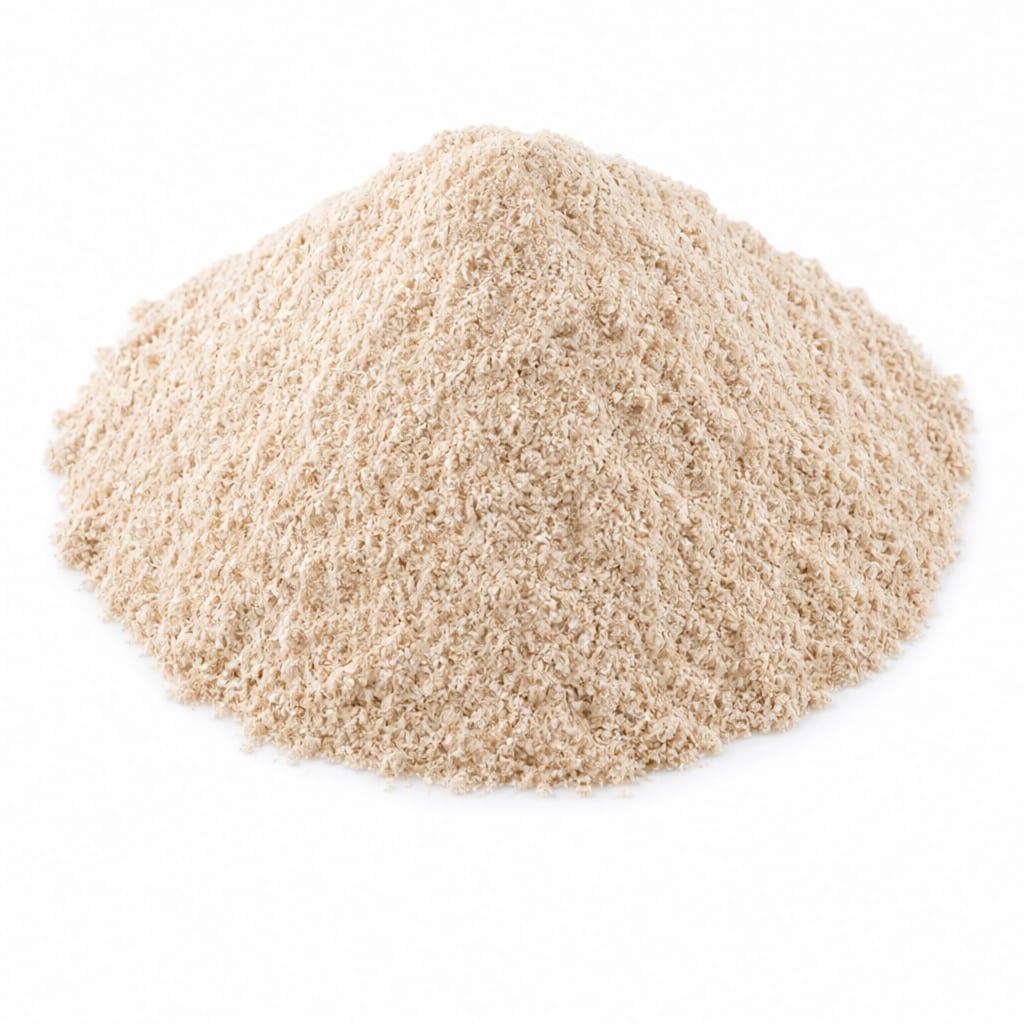
Whole Wheat Flour
Whole wheat flour delivers significantly more fiber, vitamins, and minerals per serving, making it the stronger everyday choice for most people.
Whole wheat flour scores notably higher due to its complete grain profile — retaining bran and germ means substantially more fiber, B vitamins, magnesium, and zinc. Semolina remains useful for specific culinary purposes but falls short as a daily staple because refining strips away the most health-protective components of the wheat kernel.
Semolina gives you smoother texture and slightly more protein for pasta-making, but you sacrifice the fiber and micronutrients that whole wheat flour keeps intact.
At a glance
Executive summary
Overall
Whole Wheat Flour
Healthier
Whole Wheat Flour
More practical
It depends
Daily use
Whole Wheat Flour
Key comparison lenses
refined vs whole grain nutrition
Semolina is milled from durum wheat with bran and germ removed, while whole wheat flour retains the entire grain, making nutrient density the core tradeoff
blood sugar and satiety impact
The fiber gap between these flours directly affects how steady your energy stays after eating
long-term health sustainability
Daily flour choice compounds over years, making fiber, micronutrients, and inflammatory potential critical
culinary purpose and baking performance
Each flour excels in different kitchens — semolina for pasta and texture, whole wheat for nutrient-dense baking
digestive tolerance and sensitivity
Some people find whole wheat harder to digest initially, while semolina's lower fiber can be gentler on sensitive stomachs
Best choice for
Semolina
- People making homemade pasta who need that signature chew and texture
- Those with digestive sensitivity to high-fiber foods who need a gentler option
- Anyone recovering from gastrointestinal issues requiring lower-fiber intake temporarily
- Endurance athletes wanting faster-digesting carbs before competition
Whole Wheat Flour
- Anyone prioritizing long-term heart and metabolic health
- People managing blood sugar or trying to stay full longer between meals
- Families wanting more nutrients in everyday baked goods
- Those seeking better digestive regularity through natural fiber
Least suitable for
Semolina
- People with diabetes or insulin resistance needing steady blood sugar
- Anyone trying to increase daily fiber intake meaningfully
- Those looking to maximize nutrient density per calorie consumed
Whole Wheat Flour
- People with acute digestive flare-ups who need low-fiber foods temporarily
- Those with wheat bran sensitivity or irritable bowel syndrome triggered by insoluble fiber
- Pasta purists who find whole wheat pasta texture unacceptable
Deep comparison
Dimension by dimension
Each lens scores both foods and breaks down who each option suits.
- Dimension 1 · Priority 95Whole Wheat Flour
Fiber and Digestive Health
Semolina · 25Whole Wheat Flour · 85Whole wheat flour contains roughly 3-4 times more fiber than semolina, making it far superior for digestion and gut health.
Tradeoff
Semolina's lower fiber content can be easier on a sensitive digestive system during flare-ups, but long-term you miss the gut-protective benefits of adequate fiber.
Why it matters
Most people already fall short on fiber. Choosing whole wheat flour can close that gap by several grams per serving, which adds up significantly over daily meals.
Real-world impact
Whole wheat baked goods help you stay regular and feel full longer. Semolina-based meals digest faster, potentially leaving you hungry sooner.
Semolina
- Short-term low-fiber diets after surgery or during IBS flare-ups
- Situations where you want lighter digestion without feeling weighed down
Better for
- Anyone struggling to meet daily fiber targets
- Those prone to constipation or sluggish digestion
Worse for
Whole Wheat Flour
- Daily digestive regularity and gut microbiome support
- Staying satisfied between meals without extra snacking
Better for
- Acute digestive episodes where insoluble fiber causes discomfort
- People transitioning too quickly from low-fiber diets without gradual adjustment
Worse for
- Dimension 2 · Priority 90Whole Wheat Flour
Blood Sugar Stability
Semolina · 35Whole Wheat Flour · 72Whole wheat flour causes a slower, steadier rise in blood sugar thanks to its fiber content. Semolina digests faster and can spike glucose more sharply.
Tradeoff
Semolina provides quicker energy availability, which athletes might want, but it comes at the cost of less stable blood sugar for everyday eaters.
Why it matters
Steady blood sugar means fewer energy crashes, reduced cravings, and better long-term metabolic health. This matters enormously for daily quality of life.
Real-world impact
A semolina pasta lunch might leave you reaching for a snack by 3pm. A whole wheat version keeps energy more even through the afternoon.
Semolina
- Pre-workout or pre-race meals where fast-available carbs are the goal
- Recovery situations needing quick glycogen replenishment
Better for
- Sedentary individuals who do not need rapid carbohydrate delivery
- Those with insulin resistance or metabolic syndrome
Worse for
Whole Wheat Flour
- Anyone monitoring blood sugar for diabetes or prediabetes
- Office workers wanting to avoid the afternoon energy crash
- People trying to reduce sugar cravings throughout the day
Better for
- During intense athletic events where slower digestion could cause discomfort
Worse for
- Dimension 3 · Priority 88Whole Wheat Flour
Micronutrient Density
Semolina · 38Whole Wheat Flour · 82Whole wheat flour retains the bran and germ where most vitamins and minerals live. Semolina loses these during refining, leaving significantly less nutritional value per calorie.
Tradeoff
You get more B vitamins, iron, magnesium, zinc, and selenium from whole wheat flour. Semolina sometimes has synthetic enrichment, but it does not match the natural whole-grain profile.
Why it matters
Micronutrients drive energy production, immune function, and bone health. Getting them from your flour choice is an effortless daily upgrade.
Real-world impact
Switching to whole wheat flour in your weekly baking can meaningfully improve your intake of magnesium and B vitamins without changing anything else about your diet.
Semolina
- Situations where enrichment provides adequate specific nutrients like folate or iron
- Recipes where the slight nutrient gap is offset by other nutrient-dense ingredients
Better for
- Those relying on flour-based foods as a significant calorie source who need nutrient density
- Anyone already marginal on magnesium, zinc, or B vitamin intake
Worse for
Whole Wheat Flour
- Getting a broad spectrum of naturally occurring vitamins and minerals
- Maximizing nutritional value in staple foods eaten daily
Better for
- People with mineral absorption concerns related to phytic acid, though soaking and fermenting mitigate this
Worse for
- Dimension 4 · Priority 70Semolina
Protein Content and Quality
Semolina · 72Whole Wheat Flour · 65Semolina has slightly more protein per serving, largely due to its concentrated endosperm content. The difference is modest but real.
Tradeoff
Semolina's protein advantage is small and comes without the fiber and micronutrients that accompany whole wheat's protein. Whole wheat protein comes packaged with more health benefits overall.
Why it matters
For pasta-making specifically, semolina's higher gluten protein creates the desirable firm, chewy texture. This is a culinary advantage more than a nutritional one.
Real-world impact
The protein difference between these flours is unlikely to matter nutritionally for most people. It matters far more for pasta texture and baking performance.
Semolina
- Traditional pasta-making where gluten strength creates the ideal al dente bite
- Recipes specifically benefiting from higher gluten content for structure
Better for
- Those who assume higher protein automatically means healthier — the fiber and micronutrient loss outweigh this small advantage
Worse for
Whole Wheat Flour
- Overall protein quality within a complete nutrient package
- Baking where moderate protein content still performs well
Better for
- Pasta enthusiasts who find whole wheat pasta too soft or crumbly
Worse for
- Dimension 5 · Priority 78It depends
Culinary Versatility and Enjoyment
Semolina · 75Whole Wheat Flour · 70Semolina excels at pasta and delivers a smooth, pleasant texture. Whole wheat flour works well in breads, muffins, and pancakes but can make baked goods denser.
Tradeoff
Semolina gives you that classic pasta experience but limited baking flexibility. Whole wheat flour is more versatile for baking but produces heavier results if you are not used to it.
Why it matters
Food has to be enjoyable for healthy choices to stick. If whole wheat pasta ruins your dinner experience, the nutritional advantage becomes academic.
Real-world impact
Many families find a 50/50 blend of whole wheat and white or semolina flour is the realistic sweet spot — better nutrition without sacrificing too much texture.
Semolina
- Making homemade pasta with authentic Italian texture
- Couscous and certain Mediterranean recipes where semolina is traditional
- Baking where a tender crumb is prioritized
Better for
- Anyone wanting one flour that handles all baking needs
- Whole-grain baking where you want maximum fiber in cookies or cakes
Worse for
Whole Wheat Flour
- Everyday bread, muffin, and pancake recipes where nutty flavor adds depth
- Recipes where denser texture is acceptable or even preferred
Better for
- Light, airy baked goods where whole wheat heaviness is undesirable
- Traditional pasta recipes where whole wheat alters the expected character
Worse for
- Dimension 6 · Priority 92Whole Wheat Flour
Long-Term Health Sustainability
Semolina · 40Whole Wheat Flour · 85Consistent whole grain consumption is linked to lower risk of heart disease, type 2 diabetes, and certain cancers. Semolina, as a refined grain, does not carry these protective benefits.
Tradeoff
Choosing semolina daily means missing the well-documented long-term health advantages of whole grains. The protective compounds in bran and germ accumulate over years of eating.
Why it matters
Flour is a staple you eat repeatedly. Small nutritional differences compound dramatically over decades, turning a daily choice into a meaningful health outcome.
Real-world impact
People who consistently choose whole grains over refined grains have measurably better health markers over time. This is one of the most evidence-backed nutrition decisions you can make.
Semolina
- Occasional use where the health impact of refined grain is negligible
- Balanced diets already rich in whole grains from other sources
Better for
- Daily consumption as a primary grain source without other whole grains in the diet
- People already eating mostly refined grains who need to shift their pattern
Worse for
Whole Wheat Flour
- Building a dietary pattern that protects against chronic disease long-term
- Anyone with family history of heart disease or diabetes
Better for
- Diets so focused on whole grains that they become rigid and joyless — balance matters
Worse for
Timeline
Health impact over time
Short-term
Hours to days
Semolina
- Provides quick-digesting energy suitable for pre-activity fueling
- Less likely to cause bloating or gas compared to high-fiber alternatives
- May lead to faster return of hunger after meals due to lower fiber content
Whole Wheat Flour
- Promotes steadier energy with less post-meal crash
- Supports immediate digestive regularity and satiety
- Can cause temporary bloating if your body is not accustomed to higher fiber intake
Long-term
Months to years
Semolina
- Regular consumption as a primary grain may contribute to higher chronic disease risk compared to whole grains
- Inadequate fiber intake over years can negatively affect gut microbiome diversity
- Enriched semolina provides some added nutrients but lacks the full protective spectrum of whole grains
Whole Wheat Flour
- Consistent intake associated with lower risk of cardiovascular disease and type 2 diabetes
- Supports a healthier gut microbiome through prebiotic fiber, with wide-ranging immune and metabolic benefits
- Phytic acid in whole wheat may slightly reduce mineral absorption, but this is rarely a problem in balanced diets
Risk profile
Safety & processing
Both flours are single-ingredient products with no artificial additives. The key difference is that semolina is refined — the bran and germ are removed during milling — while whole wheat flour retains all three parts of the wheat kernel. This makes whole wheat flour closer to the natural state of the grain and significantly more nutrient-complete.
Semolina
Enrichment additive exposure
lowSome semolina products are enriched with synthetic vitamins and iron. These are generally safe but are not equivalent to naturally occurring nutrients in whole grains.
Contaminant concentration in refined grains
lowRefining removes the bran, which can carry pesticide residues, but also removes protective compounds. Net risk is low for both flours when sourced from reputable producers.
Whole Wheat Flour
Phytic acid mineral interference
lowWhole wheat contains phytic acid that can bind to minerals like iron and zinc, slightly reducing absorption. This is rarely a clinical concern in varied diets and can be reduced by soaking or fermenting.
Potential pesticide residue in bran
lowThe bran layer can retain more pesticide residue than refined endosperm. Choosing organic whole wheat flour eliminates this concern entirely.
Who wins for whom
Audience fit
Same foods, different winners depending on your goal.
children
Whole Wheat FlourGrowing bodies benefit most from the complete nutrient profile of whole grains, though semolina pasta is fine as part of a varied diet that includes other whole grains.
daily consumption
Whole Wheat FlourAs a daily staple, whole wheat flour delivers more health-protective nutrients per serving and supports long-term disease prevention more effectively.
diabetes
Whole Wheat FlourThe fiber in whole wheat flour slows glucose absorption, leading to more stable blood sugar readings and reduced insulin demand over time.
elderly
Whole Wheat FlourOlder adults often need more fiber for digestive health and more B vitamins for cognitive and cardiovascular support, both of which whole wheat flour provides in greater amounts.
muscle gain
SemolinaSemolina offers slightly more protein and faster-digesting carbohydrates that can support glycogen replenishment after intense training sessions.
weight loss
Whole Wheat FlourWhole wheat flour's higher fiber content keeps you fuller for longer, naturally reducing overall calorie intake without conscious restriction.
Your move
Decision guide
Choose Semolina
- You are making homemade pasta and want that authentic chewy texture
- You have a temporary digestive condition requiring lower fiber intake
- You need fast-digesting carbs for athletic performance or recovery
- You already eat plenty of whole grains from other sources and want variety
Choose Whole Wheat Flour
- You want the most nutritious everyday flour for baking and cooking
- Blood sugar management or diabetes prevention is a priority
- You are trying to increase your daily fiber intake without supplements
- Long-term heart and metabolic health drives your food choices
Either works if
- You already eat a diverse diet rich in whole grains and simply want culinary variety
- You are mixing flours for a balanced approach to taste and nutrition
- Neither flour is a major calorie source in your overall diet
Avoid both if
- You have celiac disease or confirmed wheat allergy — both contain gluten and wheat proteins
- You are following a strict grain-free or paleo dietary approach
Final recommendation
Make whole wheat flour your default for daily baking and cooking. Keep semolina on hand specifically for pasta-making and recipes where its unique texture shines. If transitioning to whole wheat feels drastic, start by blending the two — even a 50/50 mix meaningfully improves nutrition over semolina alone. The best flour choice is the one you can sustain happily, and a gradual shift often sticks better than a sudden one.
Practical
Consumer tips
- 1
Store whole wheat flour in the refrigerator or freezer — the germ contains oils that can go rancid at room temperature, while semolina is more shelf-stable
- 2
If whole wheat baked goods feel too dense, try replacing only half the white flour with whole wheat in your existing recipes
- 3
Look for stone-ground whole wheat flour when possible — it retains more nutrients than conventionally milled versions
- 4
When buying semolina for pasta, choose durum wheat semolina specifically for the best texture and protein content
- 5
If you are new to whole wheat flour, white whole wheat flour offers a milder flavor and lighter texture while keeping all the nutritional benefits
- 6
Let whole wheat batter and dough rest for 15-30 minutes before cooking — this hydrates the bran and yields a more tender result