
Nutrition comparison
Semolina vs Couscous: Which Is Healthier and What Is the Real Difference?
Semolina and couscous are nearly identical nutritionally since couscous is made from semolina, but differences in processing, convenience, and blood sugar impact matter. Learn which to choose.
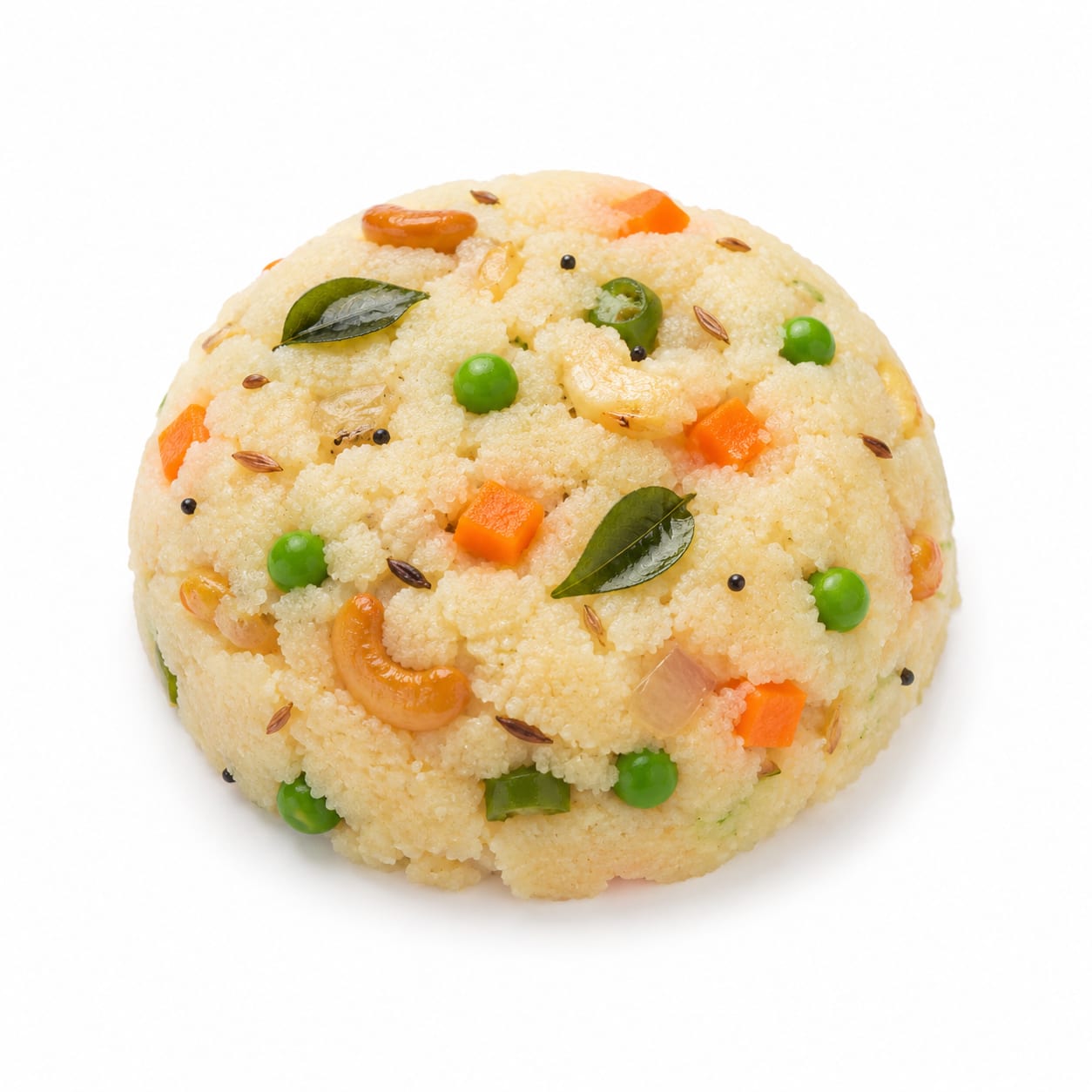
Semolina
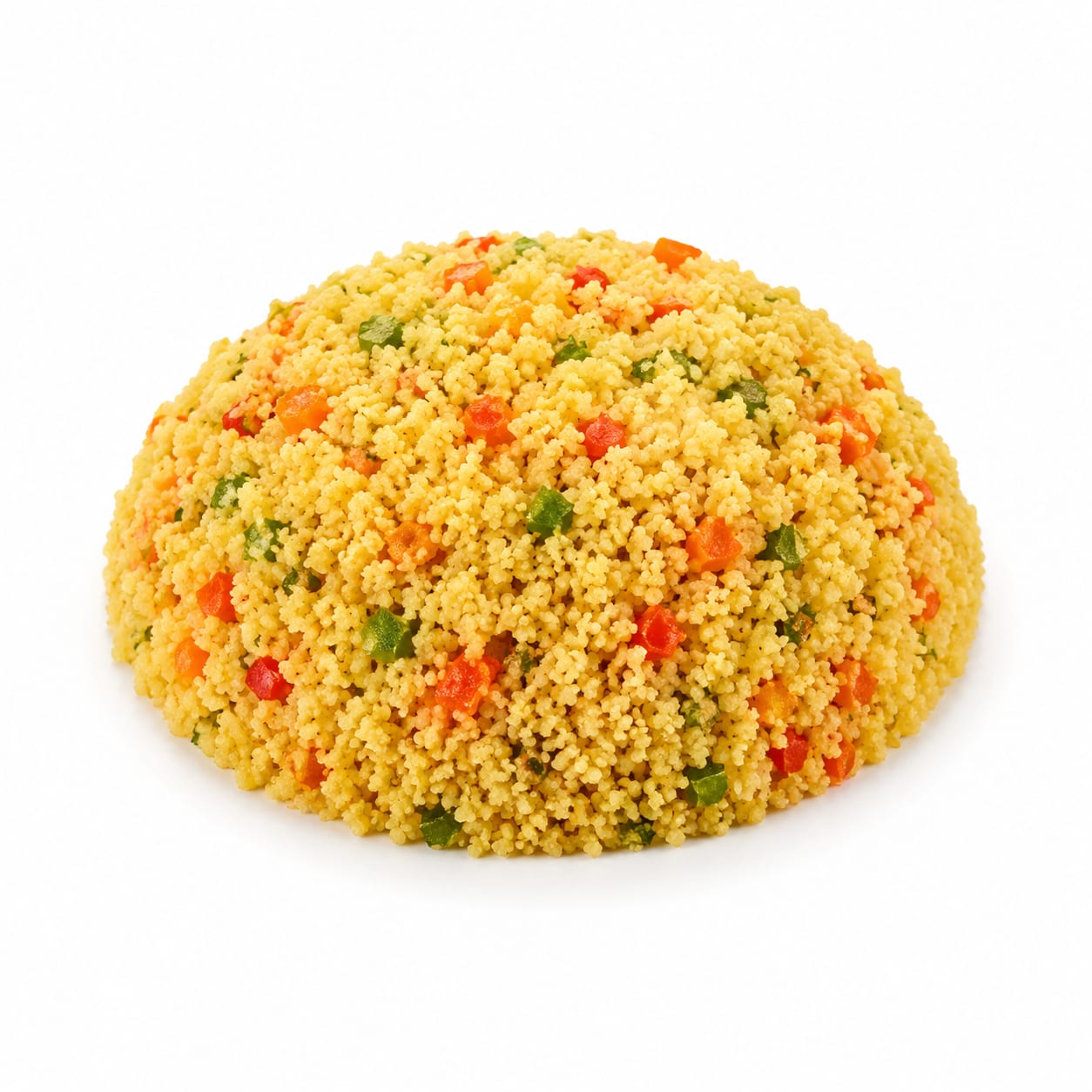
Couscous
Semolina and couscous are nearly identical nutritionally since couscous is made from semolina, but semolina wins on less processing and slightly better satiety, while couscous wins on convenience and speed
Semolina scores slightly higher due to less processing and marginally better satiety, but the nutritional gap is small because couscous is essentially pre-cooked semolina. The real difference is practical, not nutritional.
You are choosing between a more versatile, less processed ingredient and its pre-formed, faster-cooking derivative
At a glance
Executive summary
Overall
It depends
Healthier
Semolina
More practical
Couscous
Daily use
It depends
Key comparison lenses
understanding the ingredient vs product relationship
Couscous is literally made from semolina, so users are likely confused about whether there is any real nutritional difference or if one is just a more convenient form of the other
blood sugar and glycemic impact
Both are refined wheat products with high carbohydrate density, making glycemic response a primary health concern for most users
convenience vs nutritional integrity tradeoff
Couscous offers speed and ease while semolina offers more control and less processing, a classic real-world decision point
weight management and satiety
Refined carbohydrates are often scrutinized for hunger control and calorie density, both relevant here
gluten and digestive tolerance
Both contain gluten from durum wheat, but the different forms may affect digestion differently for sensitive individuals
Best choice for
Semolina
- People who want maximum control over what goes into their meal
- Home cooks making pasta or bread from scratch
- Anyone prioritizing less processed foods
- Those who find less processed grains more filling
Couscous
- Busy weeknight dinners needing a starch in 5 minutes
- Meal preppers who want quick batch cooking
- People new to cooking who want foolproof results
- Anyone who values convenience over marginal nutritional differences
Least suitable for
Semolina
- Anyone needing a quick side dish on a busy night
- People intimidated by cooking from raw ingredients
- Those seeking instant meal solutions
Couscous
- Strict whole-food advocates avoiding any processing
- People carefully managing blood sugar who want the slowest digesting form
- Anyone with semolina allergy since couscous is made from it
Deep comparison
Dimension by dimension
Each lens scores both foods and breaks down who each option suits.
- Dimension 1 · Priority 90Semolina
Processing and Naturalness
Semolina · 75Couscous · 55Semolina is simply milled durum wheat, while couscous undergoes additional rolling, steaming, and drying steps
Tradeoff
Couscous trades naturalness for convenience — the extra processing creates a product that rehydrates in minutes instead of requiring full cooking
Why it matters
Less processing generally preserves more of the grain's natural structure, which can affect how your body digests and responds to the carbohydrates
Real-world impact
Semolina feels closer to a whole ingredient you shape yourself; couscous feels more like a ready-made product you just rehydrate
Semolina
- Clean-eating advocates
- People who want to know exactly how their food was prepared
Better for
- Those unwilling to spend extra time cooking from scratch
Worse for
Couscous
- Anyone who needs dinner on the table in 10 minutes
- Students or busy parents with limited cooking time
Better for
- Minimalists who avoid multi-step processed grains
Worse for
- Dimension 2 · Priority 85Semolina
Blood Sugar Stability
Semolina · 52Couscous · 45Both are high-glycemic refined wheat products, but semolina's coarser texture and less processed form may digest slightly slower
Tradeoff
Neither is a great choice for blood sugar management, but semolina offers a marginal advantage that becomes meaningful only when combined with protein, fiber, and healthy fats
Why it matters
Refined wheat spikes blood sugar quickly, leading to energy crashes and increased hunger within hours
Real-world impact
A bowl of couscous on its own will likely leave you hungry again within 90 minutes; semolina pasta cooked al dente with sauce and vegetables buys you more time
Semolina
- Prediabetics choosing the lesser of two refined carb options
- Anyone pairing carbs with protein and fat for steadier energy
Better for
- Diabetics who need low-glycemic options entirely
Worse for
Couscous
- No one — couscous is slightly worse for blood sugar due to faster digestion
Better for
- Anyone monitoring blood sugar closely, as instant couscous digests very rapidly
Worse for
- Dimension 3 · Priority 80Couscous
Convenience and Speed
Semolina · 35Couscous · 90Couscous rehydrates in about 5 minutes with hot water, while semolina requires shaping and full cooking like pasta or porridge
Tradeoff
The convenience of couscous is genuinely hard to beat for weeknight cooking, but it limits you to one texture and form factor
Why it matters
When cooking feels like a chore, convenience determines whether you actually cook at home or order takeout instead
Real-world impact
Couscous is a weeknight hero — boil water, pour it over, cover, and eat. Semolina demands planning and active cooking time
Semolina
- Weekend cooks who enjoy the process of making fresh pasta
- Anyone who wants to control texture and shape precisely
Better for
- Anyone exhausted after a long workday
Worse for
Couscous
- Working parents with 20 minutes to get dinner done
- Meal preppers making grain bowls in bulk
- Campers and travelers needing lightweight quick-cooking food
Better for
- Cooks who find the fluffy pellet texture limiting
Worse for
- Dimension 4 · Priority 75Semolina
Satiety and Fullness
Semolina · 55Couscous · 45Semolina-based pasta cooked al dente provides a firmer bite and slower eating experience, while couscous's soft fluffy texture is easy to overeat quickly
Tradeoff
Couscous goes down fast and easy, which means you can consume a large calorie portion before your brain registers fullness
Why it matters
Foods that require more chewing and digest more slowly tend to keep you satisfied longer, reducing snacking between meals
Real-world impact
A cup of couscous vanishes in minutes and leaves you reaching for more; a plate of semolina pasta with the same calories feels like a proper meal
Semolina
- Portion-conscious eaters
- People prone to overeating refined carbs
Better for
- No significant downside for satiety
Worse for
Couscous
- Those with poor appetite who need easy-to-eat calories
- Elderly individuals who struggle with chewing firmer foods
Better for
- Emotional eaters who find soft carbs too easy to binge on
Worse for
- Dimension 5 · Priority 70Semolina
Versatility in Cooking
Semolina · 80Couscous · 50Semolina can become pasta, bread, porridge, gnocchi, or desserts, while couscous is essentially a finished product with limited transformation potential
Tradeoff
Couscous does one thing very well and quickly; semolina does many things but requires skill and time for each
Why it matters
Ingredient versatility matters for reducing food waste and keeping meals interesting without buying multiple products
Real-world impact
A bag of semolina in your pantry can become weekend pasta, weekday porridge, or homemade bread. Couscous is always just couscous
Semolina
- Adventurous home cooks
- Anyone trying to reduce pantry staples to multi-use ingredients
Better for
- Beginners overwhelmed by too many cooking options
Worse for
Couscous
- People happy with a reliable side dish they never change
- Those who prefer following simple recipes
Better for
- Creative cooks who get bored eating the same texture repeatedly
Worse for
- Dimension 6 · Priority 65Semolina
Nutritional Density
Semolina · 48Couscous · 42Both are refined wheat with similar calorie and macronutrient profiles, but semolina retains marginally more B vitamins and minerals due to less processing
Tradeoff
The nutritional difference is small enough that neither should be considered a significant source of micronutrients — both fall short of whole grains
Why it matters
Relying on either as a dietary staple without adding vegetables, proteins, and whole grains creates nutritional gaps over time
Real-world impact
Neither semolina nor couscous will meaningfully contribute to your vitamin and mineral needs — they are energy sources, not nutrient sources
Semolina
- Those counting every small nutritional advantage
Better for
- Anyone expecting significant micronutrient content from refined wheat
Worse for
Couscous
- No one — semolina has a slight edge here
Better for
- People who assume couscous is a whole grain with nutritional benefits
Worse for
Timeline
Health impact over time
Short-term
Hours to days
Semolina
- Provides quick energy from refined carbohydrates
- May cause moderate blood sugar spike depending on preparation method and pairings
- More filling when cooked as pasta due to firmer texture and slower eating pace
Couscous
- Causes rapid blood sugar spike due to pre-cooked, easily digestible form
- Quickly satisfying but short-lived fullness due to soft texture and fast gastric emptying
- Convenient energy source for immediate fuel needs like post-workout recovery
Long-term
Months to years
Semolina
- Regular consumption without whole grain diversity may contribute to insulin resistance over time
- Slightly better than couscous for metabolic health due to less processing and slower digestion
- Can support an active lifestyle when paired with protein, vegetables, and healthy fats
Couscous
- Frequent consumption as a dietary staple may accelerate blood sugar dysregulation compared to less processed alternatives
- Easy to overconsume regularly due to low satiety, potentially contributing to gradual weight gain
- Convenience may create dependency on quick refined carbs instead of exploring more nutritious whole grains
Risk profile
Safety & processing
Semolina is simply durum wheat that has been milled into coarse granules — a single mechanical step. Couscous starts as semolina but undergoes additional moistening, rolling into tiny spheres, steaming, and drying. Neither contains artificial additives, but couscous has notably more processing steps between the wheat kernel and your plate.
Semolina
Gluten exposure
highContains gluten from durum wheat; completely unsuitable for anyone with celiac disease or gluten sensitivity
Mycotoxin contamination
lowWheat products can occasionally harbor mycotoxins from fungal growth during storage; buying from reputable brands minimizes this risk
Couscous
Gluten exposure
highMade entirely from semolina wheat; equally unsuitable for celiacs or gluten-sensitive individuals
Cross-contamination in processing facilities
mediumPre-cooked couscous goes through more processing steps and facilities, slightly increasing the chance of cross-contamination with allergens compared to raw semolina flour
Who wins for whom
Audience fit
Same foods, different winners depending on your goal.
children
CouscousCouscous's soft, fluffy texture is easy for kids to eat and its mild flavor pairs well with familiar foods, plus the quick cooking time helps with unpredictable family schedules
daily consumption
It dependsNeither refined wheat product should be a daily staple replacing whole grains, but if choosing between them daily, semolina offers marginally better metabolic outcomes while couscous offers better practical sustainability
diabetes
SemolinaSemolina prepared as al dente pasta digests more slowly than instant couscous, creating a comparatively gentler blood sugar response, though neither is ideal for diabetic diets
elderly
CouscousThe soft texture requires minimal chewing effort and the quick preparation suits those with limited cooking stamina, though blood sugar concerns should be monitored
muscle gain
It dependsBoth provide similar carbohydrate content for glycogen replenishment; the choice should depend on what you pair them with and personal digestion preference around workouts
weight loss
SemolinaSemolina pasta cooked al dente with vegetables and protein creates a more satisfying meal that curbs overeating, while couscous's soft texture makes portion control harder
Your move
Decision guide
Choose Semolina
- You enjoy cooking and want control over texture and preparation
- Blood sugar management is a priority and you pair carbs with protein and fiber
- You want a multi-purpose pantry ingredient that can become pasta, bread, or porridge
- You prefer less processed foods even when the nutritional gap is small
Choose Couscous
- Weeknight speed matters more than marginal nutritional differences
- You want a foolproof side dish that never fails
- You are cooking for kids or elderly who prefer soft textures
- You meal prep grain bowls and need a quick base that reheats well
Either works if
- You are mixing either into a dish loaded with vegetables, lean protein, and healthy fats where the grain itself is a minor player
- Gluten is not a concern for you
- You are already eating plenty of whole grains and just want a refined carb treat occasionally
Avoid both if
- You have celiac disease, gluten sensitivity, or wheat allergy
- You are strictly managing blood sugar and need low-glycemic carbohydrate sources
- Your diet already relies heavily on refined grains and you need more whole grain diversity
Final recommendation
Think of this as choosing between flour and bread — semolina is the raw material and couscous is a pre-made product from that material. If cooking is a creative act you enjoy, semolina gives you more control and slightly better health outcomes. If cooking is a task you need to finish quickly, couscous delivers reliable results with minimal effort. The nutritional difference is real but small; the lifestyle difference is where the actual decision happens.
Practical
Consumer tips
- 1
Always pair either semolina or couscous with protein, healthy fats, and vegetables to slow digestion and stabilize blood sugar
- 2
Look for whole wheat couscous as a nutritionally superior alternative that keeps the convenience benefit
- 3
If choosing semolina, cook pasta al dente — the firmer texture slows digestion meaningfully compared to overcooked pasta
- 4
Couscous portion sizes are deceptive — a small dry measure expands significantly when rehydrated, so measure before cooking to avoid overeating
- 5
Store both in airtight containers in a cool, dry place; semolina flour can go rancid faster than couscous due to higher surface area exposure
- 6
Try toasting dry couscous in a bit of olive oil before adding water — it adds nutty flavor and may slightly slow the glycemic response
- 7
Consider alternating between semolina, couscous, and whole grains like quinoa or farro throughout the week for better nutritional diversity