
Nutrition comparison
Semolina vs Cornmeal: Which is Healthier?
Compare Semolina and Cornmeal to see which grain is better for your diet. Learn about protein, gluten, and blood sugar impacts to make the right choice.
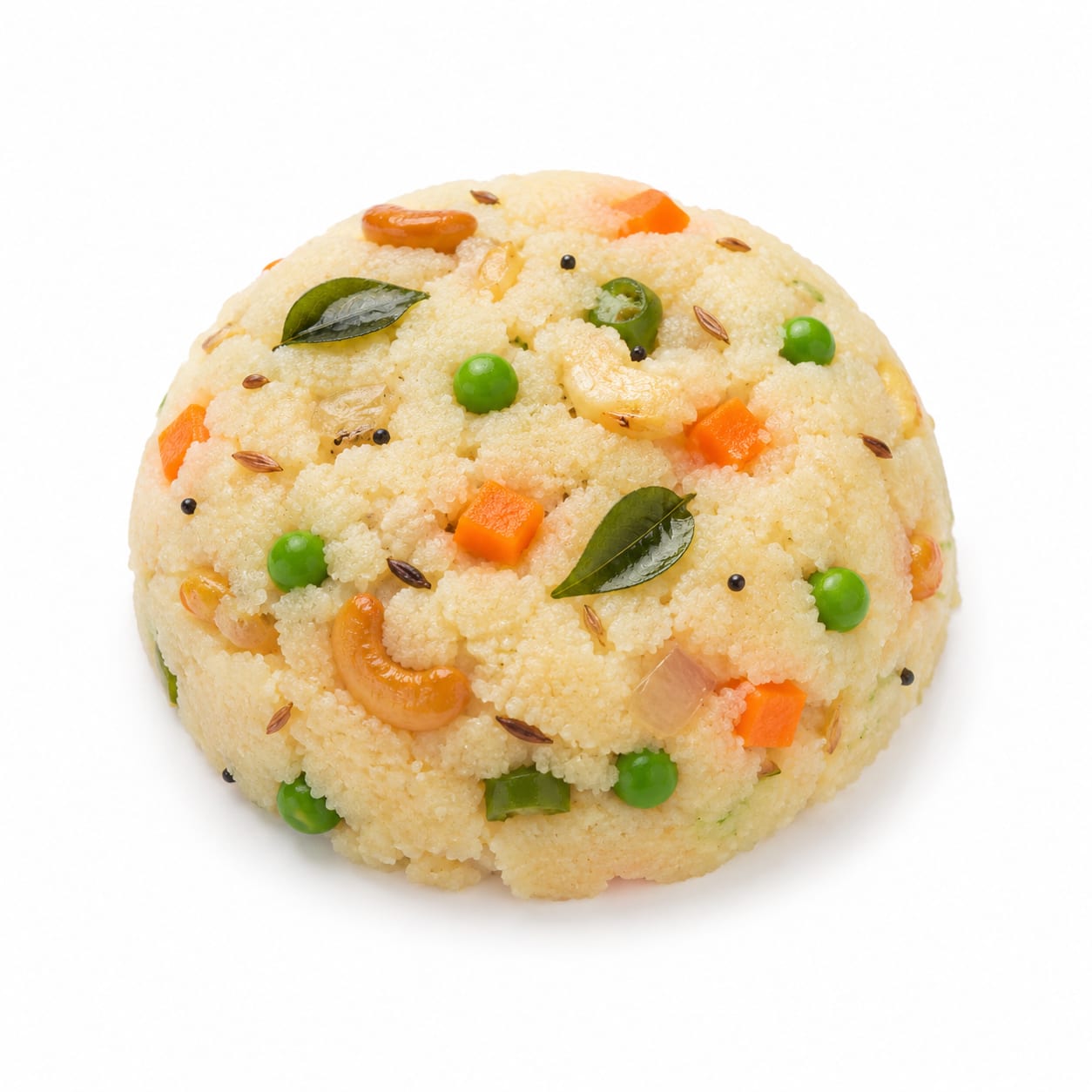
Semolina
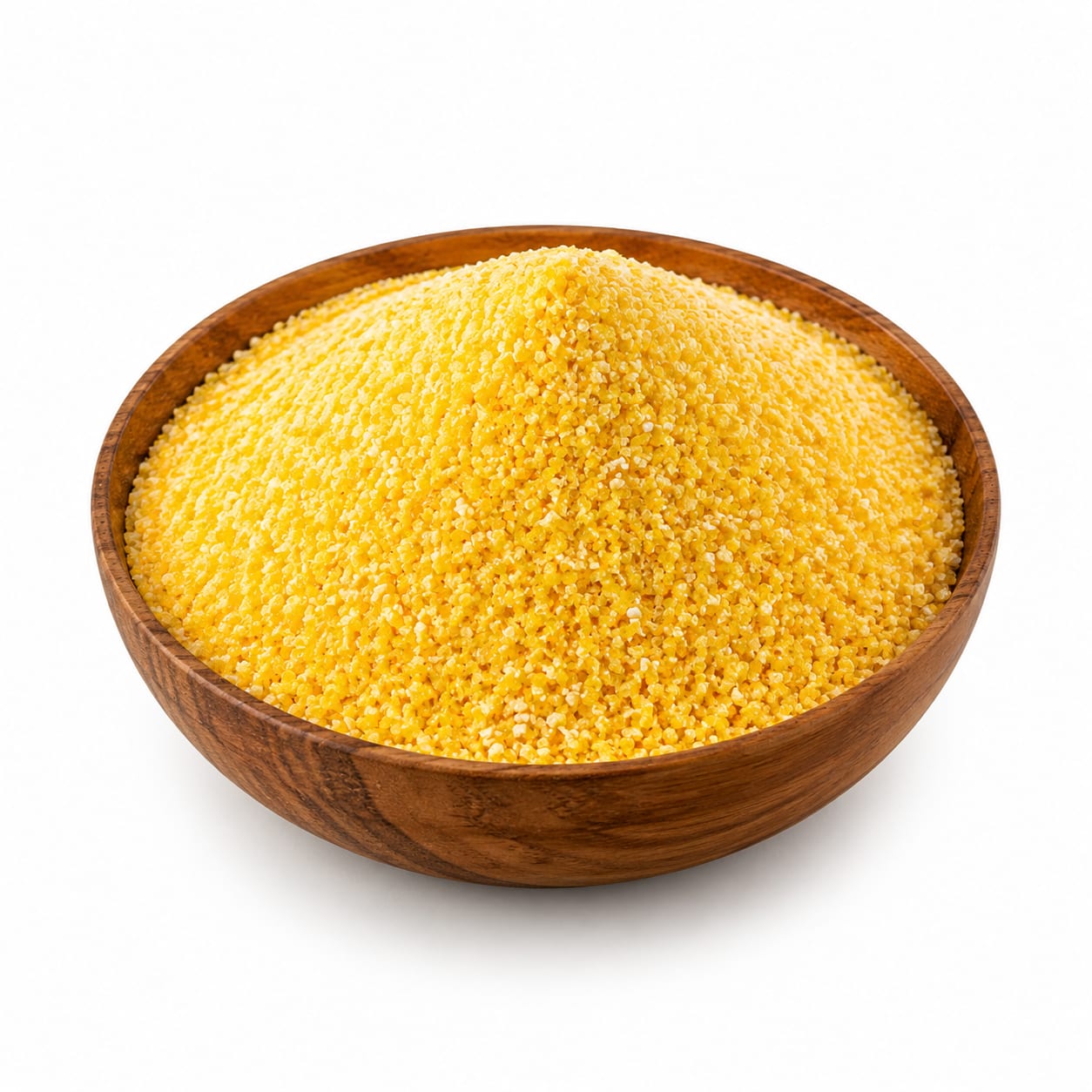
Cornmeal
Semolina delivers more protein and steadier energy, while Cornmeal is the essential choice for gluten-free diets and offers more fiber if whole-grain.
Semolina scores slightly higher due to its superior protein content and lower glycemic impact, but Cornmeal remains highly valuable for gluten-free and whole-grain fiber benefits.
You trade the higher protein and blood sugar stability of Semolina for the gluten-free safety and digestive ease of Cornmeal.
At a glance
Executive summary
Overall
It depends
Healthier
Semolina
More practical
It depends
Daily use
Semolina
Key comparison lenses
Gluten tolerance and dietary restrictions
Semolina contains gluten while Cornmeal is naturally gluten-free, a primary decision factor for many consumers.
Blood sugar management
These grains digest at different speeds, impacting energy crashes and hunger levels.
Protein and satiety needs
Semolina provides significantly more protein, which changes how filling a meal feels.
Culinary application and texture
Semolina creates chewy textures like pasta, while Cornmeal creates crumbly or creamy textures like polenta.
Best choice for
Semolina
- Athletes needing sustained energy
- People looking for high-protein carbs
- Home pasta makers
Cornmeal
- People with celiac disease or gluten sensitivity
- Those seeking high-fiber whole grains
- Fans of Southern-style or Latin American cooking
Least suitable for
Semolina
- People with celiac disease
- Those with non-celiac gluten sensitivity
Cornmeal
- Those needing high protein from carb sources
- People managing severe blood sugar spikes
Deep comparison
Dimension by dimension
Each lens scores both foods and breaks down who each option suits.
- Dimension 1 · Priority 90Semolina
Blood Sugar Stability
Semolina · 70Cornmeal · 55Semolina digests more slowly, giving you steadier energy without the sharp crash.
Tradeoff
Cornmeal can spike blood sugar faster, especially the degerminated variety.
Why it matters
Prevents that afternoon energy slump and keeps hunger at bay longer.
Real-world impact
You stay full longer after a semolina pasta lunch compared to a cornmeal-based dish.
Semolina
- Maintaining focus through long workdays
- Preventing late-afternoon sugar cravings
Better for
- Sedentary evenings where slower digestion might feel heavy
Worse for
Cornmeal
- Quick energy before a short intense activity
Better for
- Managing diabetes or insulin resistance
Worse for
- Dimension 2 · Priority 85Semolina
Protein & Satiety
Semolina · 80Cornmeal · 50Semolina is notably higher in protein, making meals significantly more filling.
Tradeoff
Cornmeal relies more on added fats or proteins to deliver the same satisfaction.
Why it matters
Higher protein carbs reduce the urge to snack between meals.
Real-world impact
A bowl of semolina pasta keeps you full for hours, while polenta might leave you hunting for a snack sooner.
Semolina
- Post-workout recovery meals
- Keeping satisfied on a calorie deficit
Better for
- Those strictly limiting protein intake
Worse for
Cornmeal
- Lighter meals that won't weigh you down
Better for
- Active individuals needing lasting fullness
Worse for
- Dimension 3 · Priority 95Cornmeal
Digestive Tolerance & Allergens
Semolina · 30Cornmeal · 90Cornmeal is naturally gluten-free, while Semolina contains high levels of gluten.
Tradeoff
Semolina is completely off-limits for anyone with gluten sensitivity, whereas Cornmeal is a safe haven.
Why it matters
Gluten causes severe inflammation and digestive distress for sensitive individuals.
Real-world impact
Cornmeal lets gluten-sensitive folks enjoy hearty carbs without the bloating or pain that semolina brings.
Semolina
- Building structural dough for baking
Better for
- Anyone with autoimmune reactions to wheat
Worse for
Cornmeal
- Those with celiac disease
- People with irritable bowel syndrome triggered by gluten
Better for
- Situations requiring chewy, elastic dough
Worse for
- Dimension 4 · Priority 75Cornmeal
Fiber & Gut Health
Semolina · 45Cornmeal · 75Whole-grain cornmeal provides more insoluble fiber to keep digestion moving smoothly.
Tradeoff
Refined semolina is lower in fiber unless you specifically seek out whole-wheat versions.
Why it matters
Fiber is crucial for regularity and feeding beneficial gut bacteria.
Real-world impact
Cornmeal-based dishes help prevent constipation better than standard refined semolina pasta.
Semolina
- Pre-meal energy where you want easy digestion
Better for
- Combating a sluggish digestive system
Worse for
Cornmeal
- Improving daily bowel regularity
- Supporting a healthy gut microbiome
Better for
- Those sensitive to high-fiber diets
Worse for
Timeline
Health impact over time
Short-term
Hours to days
Semolina
- Provides sustained, steady energy
- Highly filling due to dense protein content
Cornmeal
- Offers a quicker energy boost
- Gentle on the digestive tract for gluten-sensitive folks
Long-term
Months to years
Semolina
- Supports muscle maintenance from higher protein intake
- Risk of gluten-related inflammation for sensitive individuals
Cornmeal
- Supports digestive regularity through higher fiber
- Potential for blood sugar management issues if consumed in large quantities
Risk profile
Safety & processing
Both are simply milled grains with minimal processing, though degerminated cornmeal strips away the nutrient-rich germ to extend shelf life.
Semolina
Gluten toxicity
highDangerous for those with celiac disease or severe gluten intolerance, causing intestinal damage.
Cornmeal
Mycotoxin contamination
mediumCorn is susceptible to fungal toxins if not stored properly, which can be harmful over time.
Cross-contamination with gluten
mediumOften processed in facilities that handle wheat, posing a hidden risk for those with celiac disease.
Who wins for whom
Audience fit
Same foods, different winners depending on your goal.
children
It dependsSemolina offers more growth-supporting protein, but cornmeal is essential for gluten-free kids.
daily consumption
SemolinaBetter overall nutritional profile for everyday meals assuming gluten is well-tolerated.
diabetes
SemolinaLower glycemic index helps prevent severe blood sugar spikes compared to cornmeal.
elderly
CornmealEasier to digest for aging digestive systems, provided it is whole-grain for constipation relief.
muscle gain
SemolinaMore protein per serving supports muscle repair and growth alongside training.
weight loss
SemolinaHigher protein content keeps you fuller on fewer calories, reducing the urge to overeat.
Your move
Decision guide
Choose Semolina
- You want higher protein from your carbohydrate sources
- You need steady energy for long workdays or workouts
- You have no gluten sensitivity and love making fresh pasta
Choose Cornmeal
- You are strictly avoiding gluten
- You prefer the sweet, earthy flavor of corn
- You want to increase your daily fiber intake with whole-grain options
Either works if
- You need a versatile base for savory dishes
- You are looking for a comforting, hearty carb to round out a meal
Avoid both if
- You are on a strict low-carb or ketogenic diet
Final recommendation
Choose Semolina for better protein and blood sugar control, but switch to Cornmeal if you need a gluten-free lifestyle or prefer its distinct sweet, earthy flavor.
Practical
Consumer tips
- 1
Look for whole-grain cornmeal to maximize fiber and nutrient intake.
- 2
If buying cornmeal for a gluten-free diet, always check for a certified gluten-free label to avoid cross-contamination.
- 3
Semolina makes firmer, chewier pasta, while cornmeal creates softer, creamier textures like polenta.
- 4
Store both in airtight containers in a cool, dark place to prevent rancidity and pantry pests.