
Nutrition comparison
Semolina vs Oat Flour: Which Is Healthier for Daily Use?
Compare semolina and oat flour nutrition, glycemic impact, and health benefits. Discover which flour is better for blood sugar, heart health, weight loss, and baking.
Overall winner · Oat Flour

Semolina
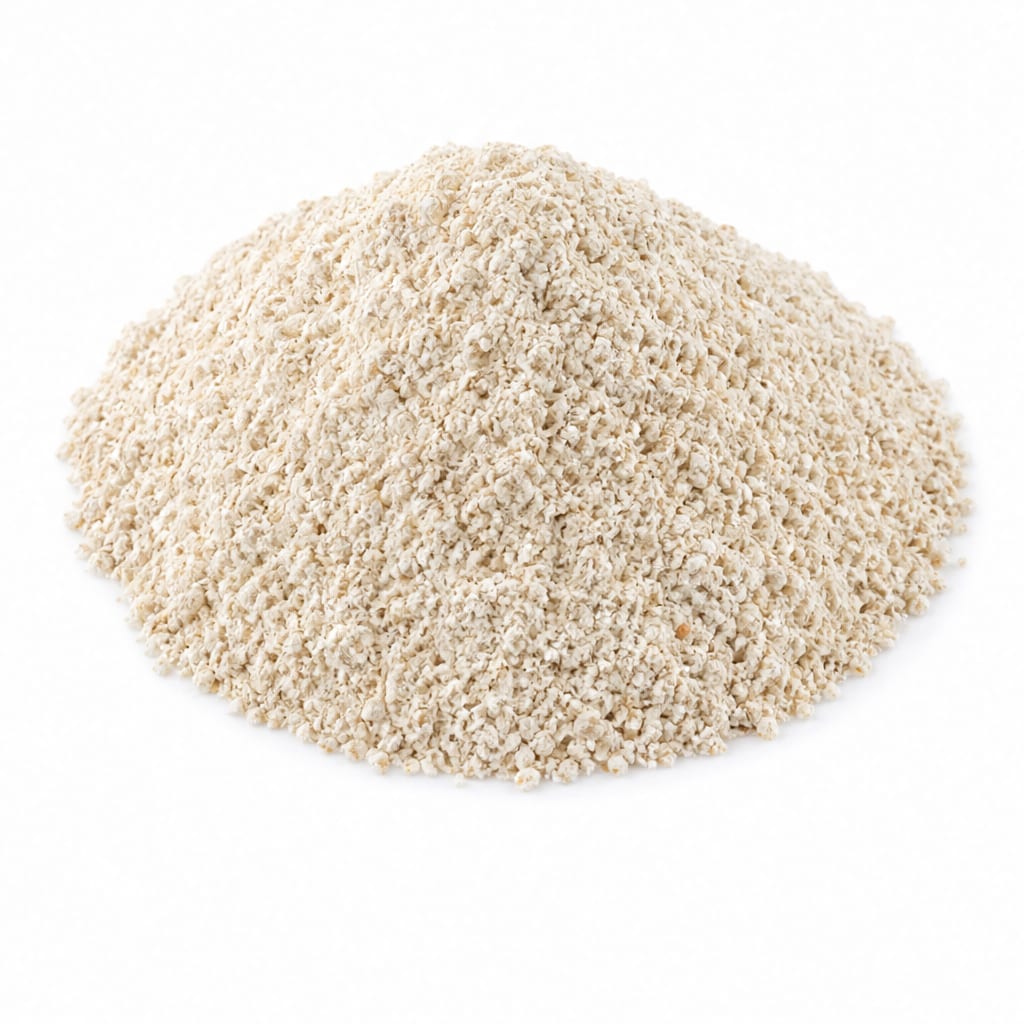
Oat Flour
Oat flour delivers more fiber, steadier energy, and heart-protective benefits, while semolina offers higher protein and superior pasta texture.
Oat flour scores significantly higher due to its fiber content, blood sugar benefits, and heart health advantages. Semolina remains relevant for its protein content and irreplaceable culinary role in pasta making, but falls short on most health dimensions that matter for daily consumption.
You trade the satisfying chew and protein of semolina for the blood sugar stability and cholesterol-lowering power of oat flour.
At a glance
Executive summary
Overall
Oat Flour
Healthier
Oat Flour
More practical
It depends
Daily use
Oat Flour
Key comparison lenses
blood sugar management and glycemic impact
Semolina is a refined wheat product with a high glycemic index, while oat flour provides beta-glucan fiber that actively slows glucose absorption
heart health and cholesterol management
Oat flour contains soluble fiber proven to lower LDL cholesterol, making this a critical differentiator for cardiovascular health
satiety and appetite control
Fiber content differences directly affect how full you feel after eating, which matters for weight management and snacking behavior
baking and culinary application differences
These flours behave very differently in the kitchen, and understanding their strengths helps users choose the right one for their recipe
gluten sensitivity and digestive tolerance
Both contain gluten-like proteins but from different sources, which matters for people with specific sensitivities
Best choice for
Semolina
- Making fresh pasta with authentic al dente texture
- Higher protein baking needs
- Traditional Mediterranean and Middle Eastern recipes
- Post-workout meals needing faster carb replenishment
Oat Flour
- Heart-healthy everyday baking
- Blood sugar management and diabetes prevention
- Weight loss and appetite control
- Morning meals that sustain energy without crashes
Least suitable for
Semolina
- Anyone managing diabetes or insulin resistance
- Low-glycemic diet plans
- People seeking to lower cholesterol
- Those prone to afternoon energy crashes
Oat Flour
- Making traditional pasta from scratch
- Recipes requiring strong gluten structure for chewiness
- Anyone with oat sensitivity or avenin reactivity
- Strict grain-free or paleo diets
Deep comparison
Dimension by dimension
Each lens scores both foods and breaks down who each option suits.
- Dimension 1 · Priority 95Oat Flour
Blood Sugar Stability
Semolina · 30Oat Flour · 82Semolina digests quickly and spikes blood sugar, while oat flour's beta-glucan fiber creates a slow, steady glucose release.
Tradeoff
Semolina gives you quick energy but risks a crash; oat flour keeps you level but won't fuel rapid recovery after intense exercise.
Why it matters
Blood sugar spikes trigger hunger, fatigue, and over time increase diabetes risk. Steady glucose means fewer cravings and more consistent energy.
Real-world impact
A semolina pancake breakfast may leave you hungry by 10 AM. An oat flour version keeps you satisfied until lunch.
Semolina
- Quick post-workout glycogen replenishment
- Endurance athletes needing fast carb availability
Better for
- Anyone with insulin resistance
- People who experience energy dips after carb-heavy meals
Worse for
Oat Flour
- Preventing mid-morning energy crashes
- Managing prediabetes or type 2 diabetes
- Reducing sugar cravings throughout the day
Better for
- Immediate post-exercise recovery where fast carbs are preferred
Worse for
- Dimension 2 · Priority 90Oat Flour
Heart Health and Cholesterol
Semolina · 35Oat Flour · 90Oat flour contains beta-glucan, a soluble fiber clinically proven to lower LDL cholesterol. Semolina offers no cardiovascular benefit.
Tradeoff
Choosing semolina means missing out on one of the most evidence-backed cholesterol-lowering foods available.
Why it matters
Heart disease remains the leading cause of death globally. Daily oat consumption can reduce LDL cholesterol by 5-10%.
Real-world impact
Swapping semolina for oat flour in daily baking is one of the easiest dietary changes that meaningfully impacts heart health over time.
Semolina
- No specific heart health advantage
Better for
- People with family history of heart disease
- Anyone with elevated cholesterol levels
Worse for
Oat Flour
- Lowering elevated LDL cholesterol
- Reducing cardiovascular disease risk long-term
- Supporting healthy blood pressure through magnesium content
Better for
- No meaningful heart health downside
Worse for
- Dimension 3 · Priority 85Oat Flour
Satiety and Fullness
Semolina · 40Oat Flour · 80Oat flour keeps you full longer thanks to its soluble fiber, which forms a gel in your gut and delays stomach emptying.
Tradeoff
Semolina dishes feel satisfying in the moment but digest quickly, leading to sooner hunger.
Why it matters
Feeling full prevents overeating and snacking. Foods that keep you satisfied make any eating pattern easier to sustain.
Real-world impact
An oat flour muffin at 8 AM holds you until noon. A semolina-based pastry might have you reaching for a snack by 10:30.
Semolina
- Situations where you want a lighter meal that won't feel heavy
Better for
- Emotional eaters who struggle with recurring hunger
- People trying to reduce portion sizes
Worse for
Oat Flour
- Weight loss diets where controlling hunger matters
- Busy days when you cannot snack between meals
- Reducing late-night eating urges
Better for
- Those who dislike the heavier, denser feeling of high-fiber foods
Worse for
- Dimension 4 · Priority 70Semolina
Protein Content
Semolina · 72Oat Flour · 58Semolina contains roughly 12-13g protein per 100g compared to oat flour's 10-11g, and its gluten proteins create stronger structure in cooking.
Tradeoff
Semolina gives you slightly more protein and better texture, but the difference is modest and not enough to be a primary protein source.
Why it matters
Protein supports muscle maintenance, satiety, and metabolic health. Even small differences add up over daily meals.
Real-world impact
For most people, the 2g protein difference per serving is negligible. But for pasta makers, semolina's gluten quality is irreplaceable.
Semolina
- Making pasta that holds its shape when cooked
- Vegetarians relying on grain protein as a contributor
- Recipes needing strong dough elasticity
Better for
- No meaningful protein downside compared to oat flour
Worse for
Oat Flour
- No protein advantage over semolina
Better for
- Lower protein may matter slightly for elderly or frail individuals
Worse for
- Dimension 5 · Priority 75Oat Flour
Nutrient Density
Semolina · 40Oat Flour · 78Oat flour retains more vitamins and minerals including manganese, magnesium, phosphorus, and zinc. Semolina is enriched but still less nutrient-rich overall.
Tradeoff
Semolina is often fortified with B vitamins and iron, but oat flour naturally contains a broader micronutrient profile.
Why it matters
Nutrient-dense foods reduce the need for supplementation and support overall health without extra calories.
Real-world impact
Regular oat flour use contributes meaningfully to your daily magnesium and manganese intake, both commonly underconsumed.
Semolina
- Iron needs, since enriched semolina provides added iron
Better for
- Those relying on whole foods rather than fortified products for nutrition
Worse for
Oat Flour
- Meeting daily magnesium requirements naturally
- Supporting bone health through manganese and phosphorus
- Getting B vitamins from whole grain sources rather than enrichment
Better for
- People who need the specific iron fortification that enriched semolina provides
Worse for
- Dimension 6 · Priority 70It depends
Culinary Versatility
Semolina · 65Oat Flour · 70Semolina excels at pasta and bread with chewy texture. Oat flour shines in cookies, muffins, pancakes, and anything where tenderness is preferred.
Tradeoff
Neither flour is truly versatile across all applications. Semolina fails in tender baking; oat flour fails in elastic doughs.
Why it matters
The best flour is the one that works for what you actually cook. Nutritional value means nothing if the dish fails.
Real-world impact
Trying to make pasta with oat flour gives you a gummy, falling-apart mess. Making pancakes with semolina gives you a dense, rubbery result.
Semolina
- Fresh pasta and couscous
- Crusty breads where chew is desired
- Coating for frying where crunch matters
Better for
- Tender cakes and pastries
- Quick breads and muffins
Worse for
Oat Flour
- Soft baked goods like muffins and cookies
- Pancakes and waffles with tender crumb
- Thickening smoothies and shakes
Better for
- Any recipe requiring stretchy, elastic dough
- Traditional pasta making
Worse for
- Dimension 7 · Priority 80Oat Flour
Digestive Health
Semolina · 35Oat Flour · 85Oat flour feeds beneficial gut bacteria through its soluble fiber and promotes regular bowel movements. Semolina provides minimal fiber for gut health.
Tradeoff
If your digestive system struggles with high fiber, semolina's lower residue may actually be easier to tolerate short-term.
Why it matters
Gut health affects immunity, mood, and chronic disease risk. Fiber is the primary fuel for a healthy microbiome.
Real-world impact
Regular oat flour consumption supports daily regularity and reduces bloating from poor gut motility. Semolina offers none of these benefits.
Semolina
- Acute digestive flare-ups when low-fiber foods are medically recommended
- Recovery from gastrointestinal surgery
Better for
- Anyone with chronic constipation
- Those not getting enough fiber from other sources
Worse for
Oat Flour
- Chronic constipation management
- Building a diverse, healthy gut microbiome
- Long-term digestive wellness
Better for
- People temporarily on low-fiber diets for medical reasons
Worse for
Timeline
Health impact over time
Short-term
Hours to days
Semolina
- Quick energy boost within 30-60 minutes of eating
- Potential blood sugar crash 1-2 hours later causing fatigue and hunger
- Heavier feeling in the stomach from gluten density
Oat Flour
- Sustained energy release over 2-3 hours without spikes or crashes
- Increased feeling of fullness that reduces between-meal snacking
- Gentle promotion of bowel regularity within hours of consumption
Long-term
Months to years
Semolina
- Regular high-glycemic consumption may increase type 2 diabetes risk over years
- No protective effect on cardiovascular health
- Possible contribution to chronic low-grade inflammation from refined grain intake
Oat Flour
- Measurable LDL cholesterol reduction with daily consumption over weeks to months
- Improved insulin sensitivity and lower diabetes risk with consistent intake
- Better gut microbiome diversity supporting immune function and mood
Risk profile
Safety & processing
Both flours are single-ingredient products with no additives. However, semolina is refined, meaning the bran and germ are removed from the wheat kernel. Oat flour is typically made from whole oats, retaining all parts of the grain. This makes oat flour closer to its natural state and more nutritionally complete.
Semolina
Gluten exposure for celiac individuals
highSemolina contains wheat gluten and is strictly unsafe for anyone with celiac disease or wheat allergy.
Glyphosate residue from conventional wheat farming
mediumConventionally grown wheat is often sprayed with glyphosate as a pre-harvest desiccant. Choosing organic semolina reduces this exposure.
Cross-contamination in processing facilities
lowWheat processing facilities may have trace contaminants, but this is rarely a concern for non-allergic consumers.
Oat Flour
Avenin sensitivity in some celiac patients
mediumOats contain avenin, a protein similar to gluten. Most celiac patients tolerate pure oats, but a minority react. Certified gluten-free oat flour minimizes cross-contamination risk.
Cross-contamination with wheat in processing
mediumMany oat processing facilities also handle wheat. Certified gluten-free oat flour is essential for those with celiac disease or wheat allergy.
Mycotoxin contamination from improper storage
lowOats are more susceptible to mold than wheat. Proper storage in cool, dry conditions and buying from reputable brands minimizes this risk.
Who wins for whom
Audience fit
Same foods, different winners depending on your goal.
children
Oat FlourOat flour provides steadier energy for growing kids, supports digestive regularity, and introduces beneficial fiber early in life. However, semolina pasta remains a practical way to get children to eat.
daily consumption
Oat FlourDaily oat flour consumption has cumulative health benefits for heart, gut, and blood sugar. Daily semolina lacks these protective effects and may contribute to glycemic burden over time.
diabetes
Oat FlourBeta-glucan fiber slows glucose absorption and improves insulin sensitivity, making oat flour clearly superior for blood sugar management.
elderly
Oat FlourOlder adults benefit most from oat flour's cholesterol-lowering effects, digestive support, and higher magnesium content for bone health.
muscle gain
SemolinaSemolina provides slightly more protein and faster-digesting carbs that can support post-workout glycogen replenishment and recovery meals.
weight loss
Oat FlourOat flour's higher fiber content keeps you full longer, reducing overall calorie intake naturally without relying on willpower alone.
Your move
Decision guide
Choose Semolina
- You are making fresh homemade pasta and need authentic texture
- You need faster carb absorption after intense athletic training
- You have no blood sugar concerns and prefer traditional recipes
- You are looking for a flour with stronger gluten for bread making
Choose Oat Flour
- You want to lower cholesterol or protect heart health proactively
- You experience energy crashes after carb-heavy meals
- You are managing prediabetes, diabetes, or insulin resistance
- You want more filling baked goods that reduce overeating
- You prioritize whole grain nutrition over refined grain convenience
Either works if
- You are rotating flours for dietary variety and both fit your health profile
- You are cooking for a family with mixed health needs and preferences
- You occasionally enjoy both without making either a daily staple
Avoid both if
- You have celiac disease, as both contain gluten-like proteins that may trigger reactions
- You are following a strict grain-free or paleo protocol
- You have severe wheat or oat allergies
Final recommendation
For most people eating flour-based foods regularly, oat flour is the healthier daily choice. Its fiber, blood sugar benefits, and heart protection outweigh semolina's modest protein advantage. Keep semolina for the occasional pasta night, but make oat flour your everyday baking staple. Your heart, gut, and energy levels will thank you.
Practical
Consumer tips
- 1
Look for certified gluten-free oat flour if you have celiac disease or wheat allergy, as cross-contamination is common in standard processing facilities
- 2
Store oat flour in the refrigerator or freezer to prevent rancidity, as the natural oils in whole oats go bad faster than refined semolina
- 3
Blend the two flours together in baking: semolina adds structure while oat flour adds nutrition and tenderness
- 4
Start by substituting oat flour for up to half the semolina in recipes, then adjust based on texture preferences
- 5
Choose organic versions of both flours to reduce glyphosate exposure from conventional grain farming
- 6
If making pasta is your priority, stick with semolina. No other flour replicates its unique chew and cooking resilience.
- 7
Add extra liquid when baking with oat flour, as its fiber absorbs more moisture than semolina