
Nutrition comparison
Semolina vs All-Purpose Flour: Which Is Healthier and When to Use Each
Compare semolina and all-purpose flour on protein, fiber, glycemic impact, and baking versatility. Learn which flour to choose for pasta, baking, and daily nutrition.
Overall winner · Semolina

Semolina
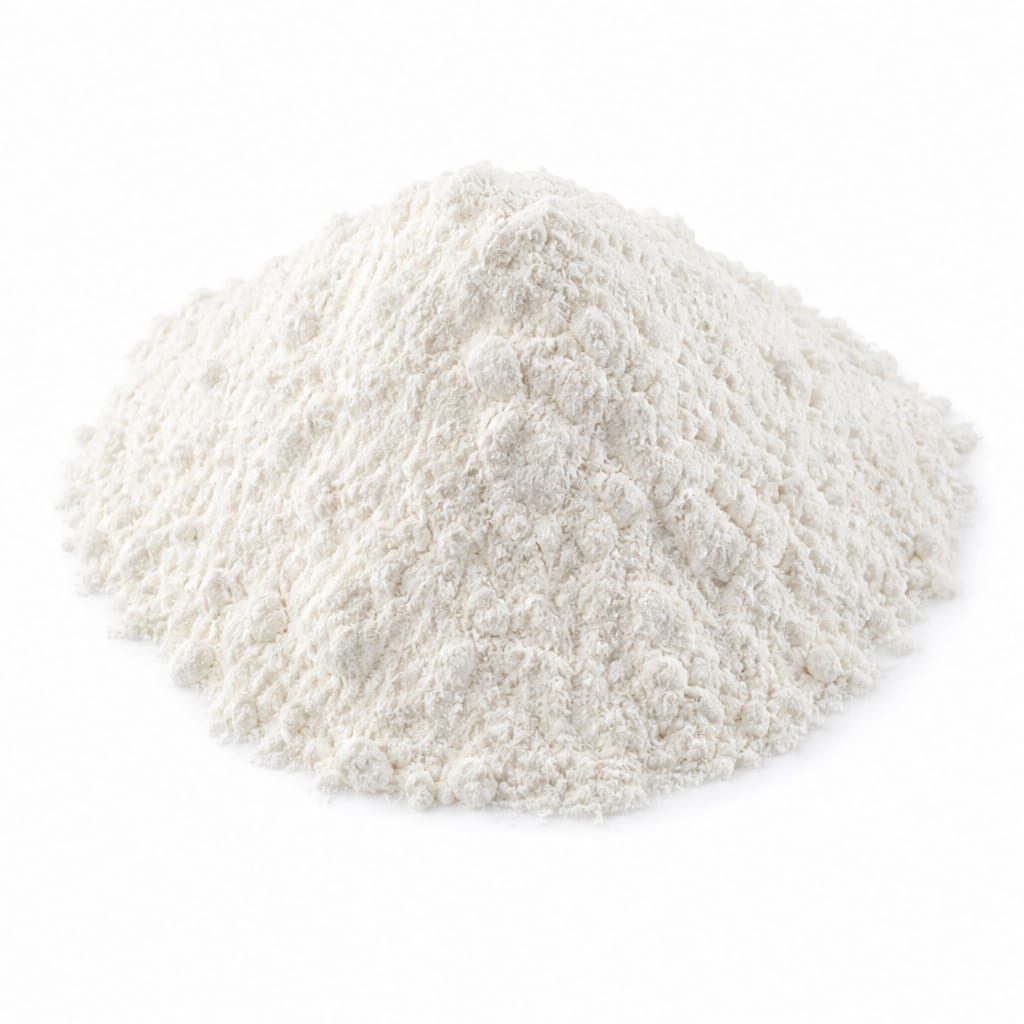
All-Purpose Flour
Semolina is the nutritionally stronger choice with more protein, fiber, and minerals, while all-purpose flour wins on versatility and convenience.
Semolina scores higher due to superior protein, fiber, and mineral content with less refinement. All-purpose flour scores lower nutritionally but remains the more practical kitchen staple.
You gain better satiety and steadier energy with semolina but sacrifice the baking flexibility that all-purpose flour provides.
At a glance
Executive summary
Overall
Semolina
Healthier
Semolina
More practical
All-Purpose Flour
Daily use
It depends
Key comparison lenses
nutritional superiority for baking and cooking
Users comparing these two are typically deciding which flour to use for healthier homemade meals
blood sugar and satiety differences
Semolina's coarser texture and higher protein affect how full you feel and how steadily energy releases
processing and refinement level
All-purpose flour is more refined, which matters to people avoiding ultra-processed staples
versatility and kitchen practicality
All-purpose flour works in nearly every recipe while semolina has a narrower sweet spot
Best choice for
Semolina
- Making homemade pasta with better protein content
- People wanting steadier energy from carbs
- Anyone trying to reduce ultra-refined grains
- Mediterranean and Middle Eastern cooking traditions
- Breakfast porridge with more staying power
All-Purpose Flour
- General baking where texture matters most
- Thickening sauces and gravies
- Households wanting one flour for everything
- Delicate pastries and cakes requiring fine texture
- Budget-conscious bulk baking
Least suitable for
Semolina
- Light fluffy cakes and tender pastries
- Recipes requiring a perfectly smooth batter
- Anyone needing a truly all-in-one pantry flour
- Roux and delicate sauce thickening
All-Purpose Flour
- Maximizing nutrition from staple carbs
- High-protein pasta making
- People prioritizing whole-food minimally processed diets
- Satiety-focused meal planning
Deep comparison
Dimension by dimension
Each lens scores both foods and breaks down who each option suits.
- Dimension 1 · Priority 92Semolina
protein_content_and_quality
Semolina · 75All-Purpose Flour · 58Semolina contains roughly 12-13g protein per 100g versus 10-11g in all-purpose flour, a meaningful difference when it is your carb staple.
Tradeoff
The protein gap narrows if you use enriched all-purpose flour, but semolina still retains its natural advantage.
Why it matters
More protein from your base carb means better satiety and less need to add protein sources to feel full.
Real-world impact
A bowl of semolina pasta keeps you satisfied longer than the same portion of regular flour pasta.
Semolina
- Post-workout meals where carb-protein balance matters
- Vegetarians getting protein from grain sources
- Anyone trying to stay full between meals
Better for
- Cannot replace dedicated protein sources like legumes or eggs
Worse for
All-Purpose Flour
- Recipes where protein content is irrelevant because you add plenty elsewhere
Better for
- Relies more heavily on added proteins to create a balanced meal
Worse for
- Dimension 2 · Priority 85Semolina
fiber_and_digestive_benefit
Semolina · 62All-Purpose Flour · 38Semolina retains more of the wheat bran, offering roughly 3-4g fiber per 100g compared to 2-3g in all-purpose flour.
Tradeoff
Neither is a high-fiber food, but semolina gives you a meaningful edge that adds up over daily consumption.
Why it matters
Even small fiber differences in staple foods compound over weeks and months of regular eating.
Real-world impact
Switching to semolina-based pasta or porridge can slightly improve digestion regularity compared to refined flour versions.
Semolina
- People with mild digestive sluggishness
- Anyone not hitting daily fiber targets from other sources
Better for
- Still not enough fiber to be considered a good fiber source on its own
Worse for
All-Purpose Flour
- Situations where low fiber is actually preferred, like sensitive stomach recovery
Better for
- Contributes almost nothing toward daily fiber needs
Worse for
- Dimension 3 · Priority 88Semolina
glycemic_impact_and_energy_stability
Semolina · 65All-Purpose Flour · 48Semolina has a lower glycemic index due to its coarser particle size and higher protein, leading to steadier blood sugar.
Tradeoff
The difference is real but moderate. Both are still refined grain products that spike sugar more than whole grains.
Why it matters
Steadier energy means fewer afternoon crashes and less craving for snacks between meals.
Real-world impact
Semolina porridge for breakfast gives you longer-lasting energy than pancakes made with all-purpose flour.
Semolina
- Morning meals where sustained energy matters
- Pre-exercise fueling
- People monitoring blood sugar trends
Better for
- Still a high-GI food compared to whole grains, oats, or legumes
Worse for
All-Purpose Flour
- Quick energy needs where rapid carb availability is the goal
Better for
- More likely to cause energy spikes followed by crashes
Worse for
- Dimension 4 · Priority 78Semolina
mineral_and_vitamin_density
Semolina · 70All-Purpose Flour · 55Semolina naturally contains more iron, magnesium, potassium, and B vitamins. All-purpose flour is often enriched but still loses some natural micronutrients.
Tradeoff
Enriched all-purpose flour has added folic acid and iron, but semolina retains a broader natural micronutrient profile.
Why it matters
Minerals from food are absorbed better than from supplements, making naturally richer sources more valuable.
Real-world impact
Regular semolina consumption contributes more meaningfully to daily iron and magnesium intake.
Semolina
- Women concerned about iron intake
- Anyone not taking a multivitamin
- Older adults needing more magnesium
Better for
- Not a replacement for varied vegetable and legume sources of minerals
Worse for
All-Purpose Flour
- Pregnant women specifically needing folic acid from enriched flour
Better for
- Relies on synthetic enrichment rather than natural nutrient retention
Worse for
- Dimension 5 · Priority 80All-Purpose Flour
versatility_and_kitchen_practicality
Semolina · 45All-Purpose Flour · 90All-purpose flour works in nearly every recipe. Semolina excels in pasta and porridge but struggles in delicate baking.
Tradeoff
You gain nutritional quality with semolina but lose the ability to use one flour for everything.
Why it matters
Practicality determines what people actually cook with daily, not what is theoretically optimal.
Real-world impact
Most households need all-purpose flour as a staple. Semolina is a specialty addition rather than a replacement.
Semolina
- Pasta enthusiasts making dough from scratch
- Traditional semolina cake and porridge recipes
Better for
- Cannot produce tender cakes or smooth batters
- Limited role beyond pasta and porridge
Worse for
All-Purpose Flour
- One-flour household that bakes everything
- Thickening sauces, making roux, coating fried foods
- Cookies, muffins, pancakes, bread all from one bag
Better for
- Nutritionally weaker in every category where it replaces semolina
Worse for
- Dimension 6 · Priority 75Semolina
processing_level_and_naturalness
Semolina · 60All-Purpose Flour · 40Semolina is less refined, retaining more of the wheat kernel. All-purpose flour has the bran and germ removed and is often bleached.
Tradeoff
Semolina is still a refined grain, just less aggressively processed. Neither qualifies as a whole grain.
Why it matters
Less processing generally means more natural nutrition and fewer industrial steps between field and plate.
Real-world impact
Choosing semolina is a moderate step toward less refined eating without fully committing to whole wheat.
Semolina
- People gradually transitioning away from refined grains
- Anyone avoiding bleached flour
Better for
- Still far from a whole food. Do not mistake it for whole wheat.
Worse for
All-Purpose Flour
- Those who prioritize consistent baking results over processing concerns
Better for
- Bleaching agents like benzoyl peroxide or chlorine gas are used in some brands
Worse for
Timeline
Health impact over time
Short-term
Hours to days
Semolina
- More filling meals with less urge to snack soon after eating
- Steadier energy without sharp sugar spikes
- Slightly heavier digestion if you are not used to coarser grains
All-Purpose Flour
- Quicker energy availability but faster return of hunger
- Smoother texture that is easier on sensitive stomachs
- Possible blood sugar dip 1-2 hours after eating
Long-term
Months to years
Semolina
- Better cumulative mineral intake especially iron and magnesium
- Modest improvement in blood sugar regulation over years
- Slightly lower risk of the issues associated with highly refined diets
All-Purpose Flour
- Convenience may increase overall home cooking frequency which is a health positive
- Reliance on enriched nutrients rather than natural sources
- Higher glycemic load contributes to metabolic strain over decades if used as primary carb
Risk profile
Safety & processing
Both are refined wheat products, but semolina undergoes less aggressive milling and is rarely bleached. All-purpose flour is more heavily processed and frequently treated with bleaching agents, making semolina the cleaner choice within this pair.
Semolina
Gluten exposure for celiacs
highSemolina is durum wheat and contains high gluten. Completely unsafe for anyone with celiac disease or gluten sensitivity.
Mycotoxin contamination
lowWheat products can carry trace mycotoxins from field storage. Proper sourcing and storage minimize this risk.
All-Purpose Flour
Bleaching chemical residues
mediumSome all-purpose flour is bleached with benzoyl peroxide or chlorine gas. Unbleached varieties avoid this concern.
Gluten exposure for celiacs
highContains gluten and is unsafe for anyone with celiac disease or wheat allergy.
Potassium bromate exposure
mediumSome commercial flours contain potassium bromate as a dough conditioner, a possible carcinogen banned in many countries. Check labels.
Who wins for whom
Audience fit
Same foods, different winners depending on your goal.
children
It dependsAll-purpose flour is more versatile for kid-friendly recipes like pancakes and muffins, but semolina porridge offers better nutrition for growing bodies.
daily consumption
It dependsSemolina is nutritionally superior but all-purpose flour is more practical. The best daily choice depends on whether you cook varied recipes or stick to pasta and porridge.
diabetes
SemolinaLower glycemic impact and more fiber make semolina the safer choice, though both require portion control and pairing with protein and fat.
elderly
SemolinaBetter mineral content supports bone health and the coarser texture aids digestion regularity, a common concern in older adults.
muscle gain
SemolinaSemolina provides more protein per serving and is a popular carb source among athletes for pre-workout energy with better amino acid contribution.
weight loss
SemolinaHigher protein and fiber in semolina create better satiety, helping you eat less overall without feeling deprived.
Your move
Decision guide
Choose Semolina
- You make homemade pasta regularly and want the best nutritional foundation
- You want steadier energy and fewer cravings from your carb staples
- You are trying to reduce ultra-refined grains without going fully whole wheat
- Mineral intake especially iron matters to you
- You enjoy semolina porridge or traditional Mediterranean recipes
Choose All-Purpose Flour
- You need one flour that handles every recipe in your kitchen
- You bake cakes, cookies, and pastries where texture is critical
- Budget is tight and you want maximum versatility per dollar
- You thicken sauces or make roux regularly
- You prefer unbleached all-purpose flour as a reasonable middle ground
Either works if
- You are making bread and can adjust hydration for either flour
- You pair your carbs with plenty of vegetables and protein anyway
- You rotate between both depending on the recipe
Avoid both if
- You have celiac disease or non-celiac gluten sensitivity
- You are following a grain-free or paleo-style approach
- You need low-carb options for ketogenic eating
Final recommendation
Keep both in your pantry if possible. Use semolina when nutrition matters most, like pasta and breakfast porridge. Use all-purpose flour for baking where texture and convenience are priorities. If you must choose one, semolina gives you more per gram nutritionally, but all-purpose flour gives you more cooking possibilities. Choose based on what you actually cook most often.
Practical
Consumer tips
- 1
Look for unbleached all-purpose flour to avoid bleaching chemical residues
- 2
Buy semolina in smaller quantities if you cook it infrequently, as it can go rancid faster due to higher fat content from retained germ
- 3
Semolina pasta at the store is often made with all-purpose flour anyway. Check ingredients if you want genuine durum semolina pasta
- 4
Try mixing semolina and all-purpose flour in bread recipes for a balance of nutrition and texture
- 5
Store both in airtight containers in a cool dark place to prevent oxidation and pest contamination
- 6
If switching to semolina porridge, add a pinch of salt and cinnamon to make it more satisfying without sugar