
Nutrition comparison
Semolina vs Chickpea Flour: Nutrition, Gluten, and Best Uses
Comparing semolina and chickpea flour? Discover which is better for blood sugar, gluten-free diets, and cooking, plus the nutritional tradeoffs.
Overall winner · Chickpea Flour
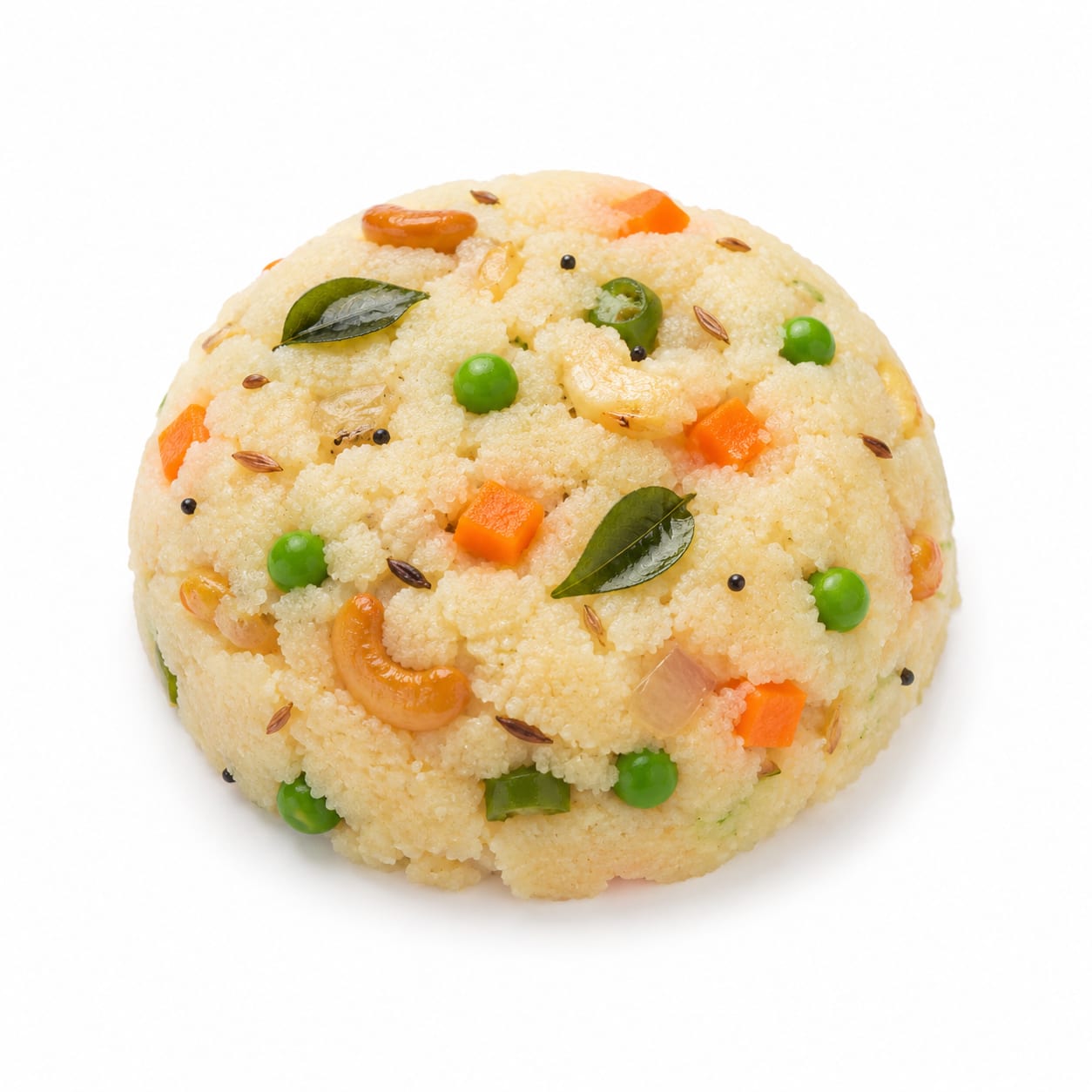
Semolina
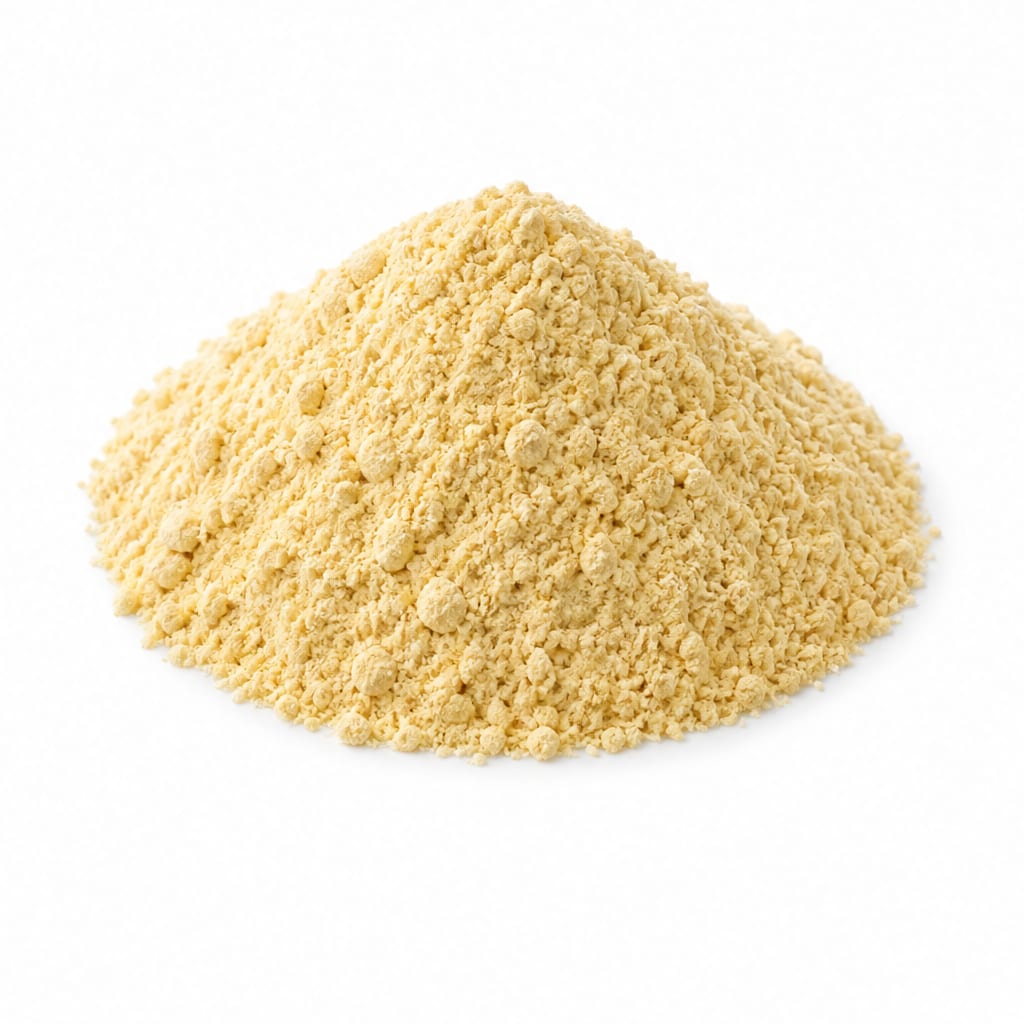
Chickpea Flour
Chickpea flour outperforms semolina for nutrition and blood sugar, but semolina remains the king of classic pasta texture.
Chickpea flour scores significantly higher due to its superior fiber, protein, and micronutrient profile, while semolina's refined nature lowers its health score.
You trade the light, familiar texture of semolina for the protein-packed, blood-sugar-friendly benefits of chickpea flour.
At a glance
Executive summary
Overall
Chickpea Flour
Healthier
Chickpea Flour
More practical
Semolina
Daily use
Chickpea Flour
Key comparison lenses
Blood sugar management
Semolina is a refined high-glycemic flour, while chickpea flour is low-glycemic and high in fiber, making this a critical differentiator.
Gluten sensitivity and celiac safety
Chickpea flour is naturally gluten-free, whereas semolina is made from durum wheat and contains high levels of gluten.
Satiety and protein intake
Chickpea flour offers significantly more protein and fiber, which drastically changes how full you feel after eating.
Culinary texture and application
Semolina provides a classic chewy texture for pasta, while chickpea flour yields a denser, earthier result.
Best choice for
Semolina
- People making traditional fresh pasta
- Those needing quick-digesting pre-workout carbs
- Anyone sensitive to high-FODMAP foods
Chickpea Flour
- People managing diabetes or insulin resistance
- Anyone eating gluten-free
- Vegetarians looking to boost protein intake
Least suitable for
Semolina
- People with celiac disease or gluten intolerance
- Those trying to stabilize blood sugar spikes
Chickpea Flour
- People with severe IBS reacting to FODMAPs
- Recipes requiring a light, fluffy texture
Deep comparison
Dimension by dimension
Each lens scores both foods and breaks down who each option suits.
- Dimension 1 · Priority 95Chickpea Flour
Blood Sugar Stability
Semolina · 30Chickpea Flour · 90Chickpea flour keeps blood sugar steady, while semolina causes rapid spikes.
Tradeoff
You give up the quick energy burst of semolina for the crash-free, steady energy of chickpea flour.
Why it matters
Steady blood sugar means fewer cravings and more consistent energy throughout the day.
Real-world impact
Eating semolina pasta can leave you hungry an hour later, whereas chickpea pasta keeps you full until your next meal.
Semolina
- Endurance athletes needing fast carbs mid-event
Better for
- Causing sugar crashes that lead to overeating
Worse for
Chickpea Flour
- Preventing the afternoon energy crash
- Managing diabetes naturally
Better for
- Providing rapid fuel during a hypoglycemic event
Worse for
- Dimension 2 · Priority 88Chickpea Flour
Satiety and Fullness
Semolina · 45Chickpea Flour · 88Chickpea flour is far more filling due to its high fiber and protein content.
Tradeoff
Semolina feels lighter in the stomach, but chickpea flour actually keeps you satisfied longer.
Why it matters
Staying full helps control portions and prevents mindless snacking.
Real-world impact
A chickpea flour lunch prevents the afternoon snack attack that often follows a semolina-based meal.
Semolina
- Eating right before a workout when you need a light stomach
Better for
- Leaving you hungry again shortly after eating
Worse for
Chickpea Flour
- Reducing overall daily calorie intake effortlessly
- Staying full during long workdays
Better for
- Feeling too heavy if you overeat
Worse for
- Dimension 3 · Priority 82It depends
Digestive Tolerance
Semolina · 60Chickpea Flour · 70Chickpea flour is safe for celiacs but can bother those sensitive to FODMAPs; semolina is easy to digest for most unless gluten is an issue.
Tradeoff
If you have celiac disease, semolina is off the table, but if you have IBS, chickpea flour might cause bloating.
Why it matters
Digestive comfort dictates whether a food can be a regular part of your diet.
Real-world impact
Choosing semolina when you have a gluten intolerance leads to immediate discomfort, while chickpea flour might cause gas if you eat too much too fast.
Semolina
- People with IBS on a low-FODMAP diet
Better for
- Triggering severe reactions in those with gluten allergies
Worse for
Chickpea Flour
- Anyone with celiac disease or gluten sensitivity
Better for
- Causing bloating for those unaccustomed to high fiber
Worse for
- Dimension 4 · Priority 78Semolina
Culinary Versatility and Texture
Semolina · 88Chickpea Flour · 60Semolina creates the classic light, chewy pasta and baked goods; chickpea flour is denser and has an earthy flavor that doesn't work everywhere.
Tradeoff
You sacrifice the neutral taste and perfect al dente bite of semolina for the denser, nuttier profile of chickpea flour.
Why it matters
Taste and texture determine whether you'll actually enjoy eating healthy alternatives.
Real-world impact
Semolina makes a silky noodle, while chickpea flour makes a hearty, rustic flatbread or a slightly grainy pasta.
Semolina
- Making authentic Italian pasta
- Baking light sandwich breads
Better for
- Making dense, heavy baked goods if over-mixed
Worse for
Chickpea Flour
- Creating gluten-free savory flatbreads like socca
- Adding moisture to veggie burgers
Better for
- Feeling too dry or crumbly in delicate pasta dishes
Worse for
- Dimension 5 · Priority 75Chickpea Flour
Protein Quality
Semolina · 40Chickpea Flour · 85Chickpea flour offers significantly more protein per serving, making it a better plant-based protein source.
Tradeoff
Semolina provides some protein but not enough to stand on its own, whereas chickpea flour pulls double duty as a carb and protein source.
Why it matters
Getting enough protein with your carbs slows digestion and supports muscle maintenance.
Real-world impact
Using chickpea flour in a recipe means you can eat a smaller portion and still hit your protein targets.
Semolina
- Providing a neutral base for adding animal proteins
Better for
- Relying on it as a primary protein source
Worse for
Chickpea Flour
- Building muscle on a plant-based diet
- Making vegetarian meals more satisfying
Better for
- Nothing significant, as its protein profile is highly beneficial
Worse for
Timeline
Health impact over time
Short-term
Hours to days
Semolina
- Quick energy burst
- Lighter feeling in the stomach
- Potential blood sugar crash within hours
Chickpea Flour
- Sustained energy without the crash
- Very filling, which reduces snacking
- Mild bloating if you aren't used to high fiber
Long-term
Months to years
Semolina
- Risk of weight gain and insulin resistance if eaten frequently without fiber
- Trigger for autoimmune responses in those with celiac
Chickpea Flour
- Better weight management due to high fiber
- Improved gut health and digestion
- Stable blood sugar reducing diabetes risk
Risk profile
Safety & processing
Both semolina and chickpea flour are simple, single-ingredient milled foods with no artificial additives.
Semolina
Gluten exposure
highSemolina contains gluten, which triggers severe autoimmune reactions in people with celiac disease and discomfort for those with gluten sensitivity.
Chickpea Flour
FODMAP intolerance
mediumChickpeas contain oligosaccharides that can cause gas and bloating in people with IBS or following a strict low-FODMAP diet.
Cross-contamination
mediumChickpea flour is often processed in facilities that handle wheat, so celiacs must verify it is certified gluten-free.
Who wins for whom
Audience fit
Same foods, different winners depending on your goal.
children
SemolinaSemolina has a milder taste and softer texture that kids usually prefer, and they typically don't need the high fiber content of chickpea flour.
daily consumption
Chickpea FlourChickpea flour provides more daily nutritional value, supporting gut health and stable energy better than refined semolina.
diabetes
Chickpea FlourChickpea flour has a low glycemic index and high fiber, preventing the dangerous blood sugar spikes caused by semolina.
elderly
It dependsChickpea flour helps with blood sugar and regularity, but semolina is easier to chew and digest if appetite is very low.
muscle gain
Chickpea FlourChickpea flour has double the protein of semolina, providing more amino acids to support muscle repair and growth.
weight loss
Chickpea FlourChickpea flour's high fiber and protein content keep you full on fewer calories, making it far easier to stick to a calorie deficit.
Your move
Decision guide
Choose Semolina
- You are making traditional Italian pasta and need that classic chew
- You want a neutral-tasting base for delicate sauces
- You need quick-digesting carbs before a workout
- You have IBS and are sensitive to high-FODMAP foods
Choose Chickpea Flour
- You are gluten-free or cooking for someone who is
- You want to stay full and avoid snacking between meals
- You are managing diabetes or insulin resistance
- You want to boost the protein content of a vegetarian meal
Either works if
- You are making a savory pancake or flatbread and can blend flavors
- You want a hearty carb base and will load it with vegetables either way
Avoid both if
- You are on a strict ketogenic or very low-carb diet
Final recommendation
Choose chickpea flour for everyday nutrition, blood sugar control, and gluten-free needs, but keep semolina on hand for traditional pasta nights when texture matters most.
Practical
Consumer tips
- 1
Blend semolina and chickpea flour together to get the texture of wheat with the protein boost of legumes.
- 2
Let chickpea flour batter rest for 30 minutes before cooking to hydrate the starches and reduce any bitter aftertaste.
- 3
Toast semolina in a dry pan before boiling it to bring out a deeper, nuttier flavor.