
Nutrition comparison
Semolina vs Rice Flour: Nutrition, Gluten, and Which to Choose
Compare semolina and rice flour on protein, blood sugar impact, gluten content, and cooking uses. Find which flour fits your diet, health goals, and recipes better.
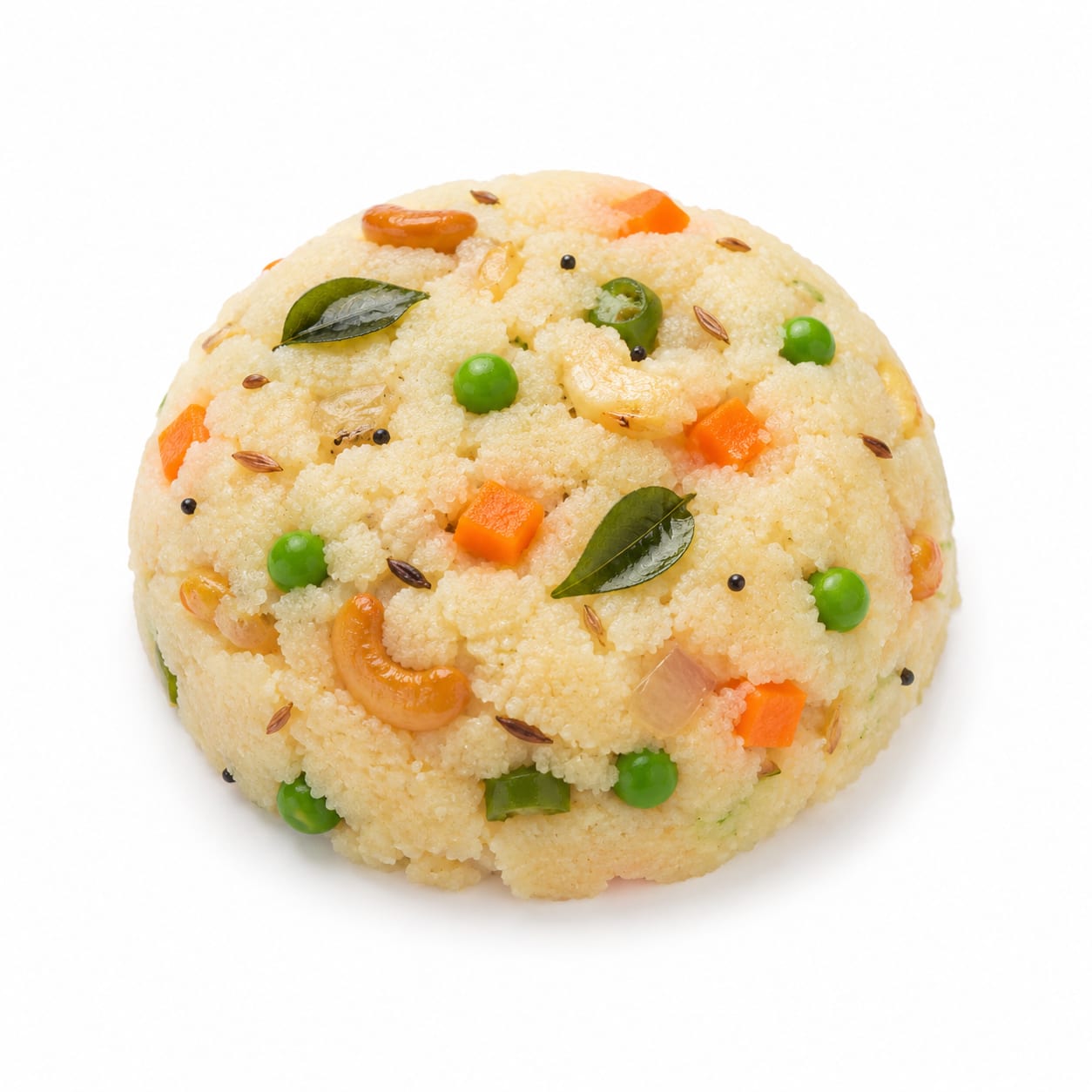
Semolina
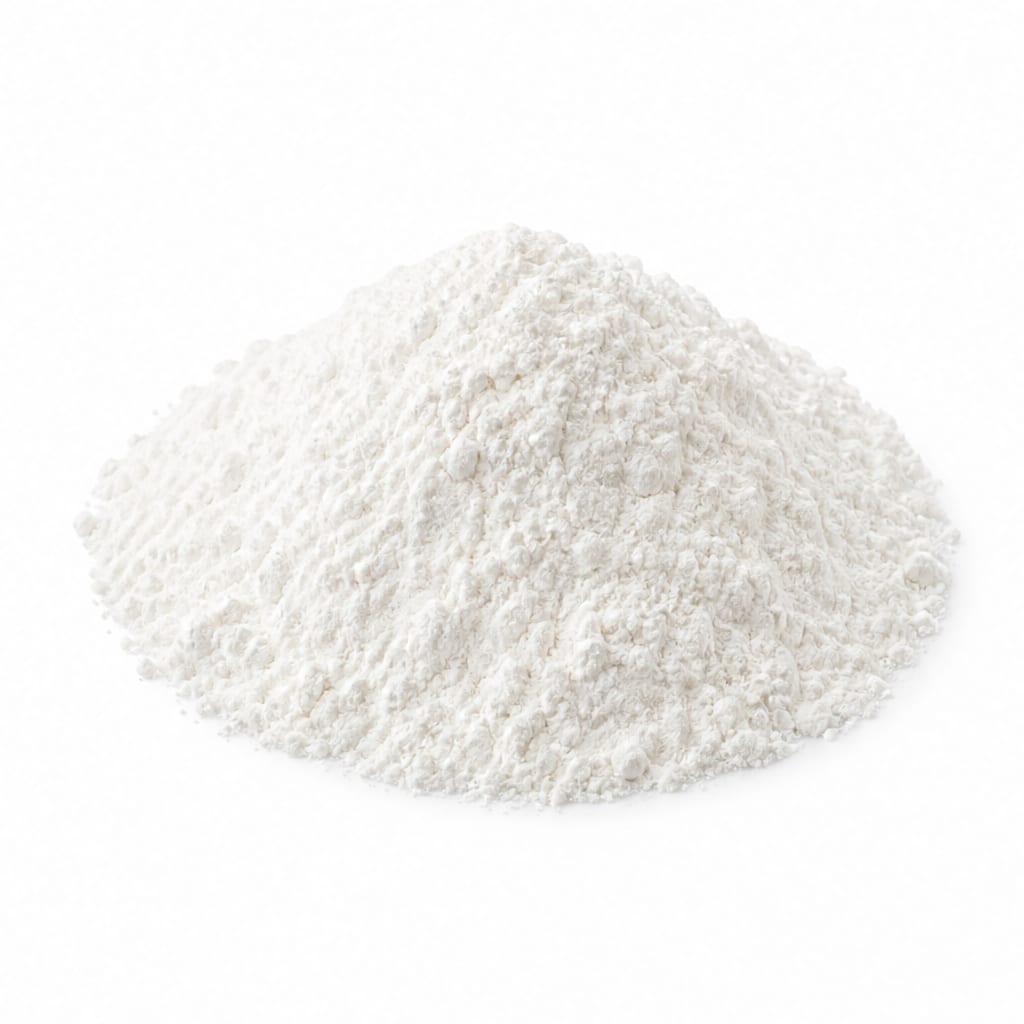
Rice Flour
Semolina is more nutritious and filling, but rice flour is essential for anyone avoiding gluten. Your choice hinges on gluten tolerance first, blood sugar concerns second.
Semolina scores higher on nutrition and satiety, but rice flour's gluten-free advantage is a dealbreaker for many users, making context everything. The moderate confidence reflects how personal health needs flip the ranking.
Semolina gives you more protein, fiber, and steadier energy — but locks out anyone with celiac or gluten sensitivity. Rice flour is safer for gluten-free diets but spikes blood sugar faster and leaves you hungrier sooner.
At a glance
Executive summary
Overall
It depends
Healthier
Semolina
More practical
Rice Flour
Daily use
It depends
Key comparison lenses
gluten tolerance and digestive compatibility
The single biggest differentiator: semolina contains gluten, rice flour is naturally gluten-free, making this a critical health decision point
blood sugar management
Both are refined grain products with significant glycemic impact, but differ meaningfully in how they affect blood sugar
baking and cooking substitution
Users frequently compare these as flour alternatives for pasta, baking, and thickening
nutrient density and protein quality
Semolina offers notably more protein and certain B vitamins, while rice flour is lower in overall nutrition
weight management and satiety
Protein and fiber differences affect how filling each option feels, impacting portion control
Best choice for
Semolina
- People without gluten issues seeking more protein and sustained energy
- Home pasta makers wanting authentic texture and bite
- Active individuals who need longer-lasting satiety from grains
- Anyone prioritizing nutrient density over allergen avoidance
Rice Flour
- People with celiac disease or gluten intolerance
- Those with wheat allergies or sensitivities
- Bakers needing a neutral-flavored thickener
- Anyone cooking for mixed dietary groups where gluten-free is required
Least suitable for
Semolina
- Anyone with celiac disease — even trace gluten causes damage
- People with non-celiac gluten sensitivity experiencing bloating or fatigue
- Households managing multiple food allergies where wheat is excluded
Rice Flour
- People managing diabetes or insulin resistance who need lower-glycemic options
- Those relying on grain-based meals for protein content
- Anyone finding that high-GI foods trigger cravings or energy crashes
Deep comparison
Dimension by dimension
Each lens scores both foods and breaks down who each option suits.
- Dimension 1 · Priority 90Semolina
Blood Sugar Stability
Semolina · 55Rice Flour · 35Semolina digests more slowly thanks to its protein and gluten matrix, giving a gentler blood sugar rise. Rice flour, especially white rice flour, hits your bloodstream fast.
Tradeoff
Neither is a low-glycemic champion, but semolina avoids the sharper spike-and-crash cycle that rice flour tends to produce.
Why it matters
If you get that shaky, hungry feeling 90 minutes after eating refined carbs, rice flour will likely make it worse. Semolina buys you more time before the crash.
Real-world impact
A rice flour-based meal can leave you reaching for a snack within two hours. Semolina-based pasta tends to carry you closer to three hours comfortably.
Semolina
- Sustained energy through afternoon meetings
- Pre-workout meals where you want lasting fuel, not a quick spike
- Anyone who gets irritable or lightheaded from blood sugar dips
Better for
- People who need rapid carb replenishment after intense exercise
Worse for
Rice Flour
- Post-workout when faster carbohydrate absorption is actually desired
- Small portions where glycemic load stays manageable
Better for
- Breakfast on its own — sets up a morning energy rollercoaster
- Late-night eating when blood sugar spikes disrupt sleep quality
- Anyone already struggling with insulin resistance
Worse for
- Dimension 2 · Priority 85Semolina
Protein and Satiety
Semolina · 68Rice Flour · 38Semolina contains roughly 12-13g protein per 100g versus rice flour's 5-6g. That difference makes semolina noticeably more filling per serving.
Tradeoff
You get nearly double the protein from semolina, which means smaller portions satisfy you more — but that protein comes with gluten.
Why it matters
Protein is what turns a carb-heavy meal into something that actually holds you. Rice flour-based dishes often need added protein sources to feel like a complete meal.
Real-world impact
A bowl of semolina pasta feels like dinner. A similar portion of rice flour noodles often feels like a starter — you'll want something else within the hour.
Semolina
- Main dishes where the grain carries the meal's satiety
- Vegetarians relying on grains for a meaningful protein contribution
- Portion control efforts — you naturally eat less when food is more filling
Better for
- Light summer meals where a heavy grain base feels wrong
Worse for
Rice Flour
- Light dishes where you deliberately want a less heavy base
- Desserts and sweets where protein content is irrelevant
Better for
- Anyone trying to reduce overall food intake without feeling deprived
- Meals where adding separate protein sources is inconvenient
Worse for
- Dimension 3 · Priority 95Rice Flour
Gluten and Digestive Tolerance
Semolina · 25Rice Flour · 95Rice flour is naturally gluten-free and widely tolerated. Semolina is pure wheat gluten territory — completely off-limits for celiac and problematic for many with sensitivity.
Tradeoff
This is non-negotiable: if gluten harms you, semolina is out regardless of its nutritional advantages. No amount of protein or fiber outweighs intestinal damage.
Why it matters
For roughly 1-2% of the population with celiac and up to 6% with non-celiac gluten sensitivity, this single factor overrides every other consideration.
Real-world impact
One serving of semolina can trigger days of symptoms in sensitive individuals. Rice flour lets them enjoy pasta, baked goods, and thickened sauces without fear.
Semolina
- People with no gluten sensitivity who can digest wheat comfortably
Better for
- Even small cross-contamination risks for highly sensitive individuals
- People who haven't been tested for celiac but experience wheat-related symptoms
Worse for
Rice Flour
- Celiac disease management — the only safe option of the two
- Non-celiac gluten sensitivity causing bloating, brain fog, or fatigue
- Households with mixed dietary needs where gluten-free is the safer default
- Anyone recovering from gut issues and temporarily eliminating gluten
Better for
- No real digestive downside unless you have a rare rice allergy
Worse for
- Dimension 4 · Priority 72Semolina
Nutrient Density
Semolina · 62Rice Flour · 42Semolina retains more B vitamins, iron, and magnesium from the wheat kernel. Rice flour, especially white rice flour, is nutritionally thinner.
Tradeoff
Semolina offers meaningfully more micronutrients per calorie, but both are refined grain products that fall short of whole grains. Neither is a nutritional powerhouse.
Why it matters
If grains are a significant part of your diet, the vitamin and mineral gap adds up over months. Semolina at least contributes something beyond empty calories.
Real-world impact
Regular semolina consumption modestly supports iron intake and B-vitamin status. Rice flour essentially contributes calories with minimal micronutrient upside.
Semolina
- Diets where refined grains are a staple and every nutrient contribution counts
- Women of childbearing age who benefit from extra iron
- Older adults who need B-vitamin support from everyday foods
Better for
- Anyone expecting significant nutrition from a refined grain — whole wheat is far better
Worse for
Rice Flour
- Brown rice flour specifically, which retains more nutrients than white rice flour
Better for
- Diets relying heavily on rice flour risk cumulative nutrient gaps
- Children who need micronutrient-dense foods for growth
Worse for
- Dimension 5 · Priority 68It depends
Culinary Versatility
Semolina · 70Rice Flour · 72Semolina excels at pasta and bread with its signature chew and structure. Rice flour shines in gluten-free baking, Asian noodles, and as a neutral thickener.
Tradeoff
Each flour has a distinct culinary personality. Semolina gives texture and bite; rice flour gives lightness and neutrality. Substituting one for the other rarely works well.
Why it matters
The wrong flour ruins a recipe. Semolina pasta has that satisfying al dente resistance — rice flour pasta often turns gummy or falls apart without additives.
Real-world impact
Homemade pasta practically demands semolina. Gluten-free baking practically demands rice flour. Using the wrong one leads to disappointing results and wasted ingredients.
Semolina
- Fresh pasta with authentic Italian texture
- Bread baking where gluten development creates structure
- Couscous and traditional Mediterranean dishes
Better for
- Delicate pastries where a lighter touch is needed
- Any recipe specifically developed for gluten-free diets
Worse for
Rice Flour
- Gluten-free baking blends as a neutral base flour
- Tempura and fried coatings for a light, crispy texture
- Thickening sauces and soups without clouding them
- Asian-style rice noodles and dumpling wrappers
Better for
- Yeast breads that need gluten for rise and structure
- Pasta where chew and bite matter to the eating experience
Worse for
Timeline
Health impact over time
Short-term
Hours to days
Semolina
- More sustained energy after meals due to slower digestion
- Potential bloating or discomfort in gluten-sensitive individuals within hours
- Greater fullness that reduces between-meal snacking urges
Rice Flour
- Faster energy spike followed by earlier hunger return
- Comfortable digestion for gluten-sensitive individuals
- Lighter stomach feel that some prefer, others find unsatisfying
Long-term
Months to years
Semolina
- Better micronutrient status from consistent B-vitamin and iron intake
- Risk of cumulative gut damage if undiagnosed celiac goes unrecognized
- More stable blood sugar patterns supporting metabolic health
Rice Flour
- Safe long-term option for gluten-free diets without compromise on variety
- Potential for blood sugar dysregulation if consumed frequently without protein pairing
- Possible nutrient gaps if rice flour displaces more nutritious whole grains
Risk profile
Safety & processing
Both are refined grain flours with similar processing levels. Semolina is coarsely milled durum wheat, rice flour is finely ground rice. Neither typically contains additives on its own, though commercial gluten-free rice flour blends often include gums and stabilizers that semolina doesn't need.
Semolina
Gluten-mediated intestinal damage
highFor celiac individuals, even small amounts of semolina cause autoimmune intestinal damage. This is not a sensitivity issue — it is disease-triggering.
Wheat allergen exposure
mediumWheat is a top-8 allergen. Reactions can range from hives to anaphylaxis in allergic individuals.
Cross-contamination in processing
lowSemolina production facilities process various wheat products. Not a concern for most, but relevant for highly sensitive individuals.
Rice Flour
Arsenic contamination
mediumRice naturally accumulates arsenic from soil and water. Rice flour concentrates this, and regular consumption can contribute to concerning exposure levels, particularly for children.
Blood sugar volatility
mediumHigh glycemic impact isn't acute toxicity, but frequent spikes contribute to insulin resistance over time — a real health risk with daily consumption.
Cross-contamination with gluten
lowMany rice flour products are processed in facilities that also handle wheat. Celiac patients must verify certified gluten-free status.
Who wins for whom
Audience fit
Same foods, different winners depending on your goal.
children
It dependsSemolina offers better nutrition for growth, but rice flour is essential for gluten-free children. Arsenic concerns in rice flour warrant moderation for young kids.
daily consumption
It dependsGluten-tolerant individuals benefit more from semolina daily. Those needing gluten-free have no real choice — rice flour wins by default, but should be rotated with other gluten-free grains.
diabetes
SemolinaLower glycemic impact and more fiber make semolina the better choice, though both require careful portioning and protein pairing.
elderly
It dependsSemolina supports B-vitamin and iron status important in aging, but rice flour is gentler for those with digestive issues or gluten sensitivity that develops with age.
muscle gain
SemolinaDouble the protein content supports muscle recovery better, and the slower-digesting carbs provide more sustained training fuel.
weight loss
SemolinaHigher protein and slower digestion make semolina more satiating per calorie, helping with portion control and reducing between-meal hunger.
Your move
Decision guide
Choose Semolina
- You have no gluten sensitivity and want the more nutritious, filling option
- Blood sugar management is a priority and you tolerate wheat well
- You make homemade pasta and want authentic texture
- Protein intake matters and you rely on grains to contribute
Choose Rice Flour
- You have celiac disease, gluten sensitivity, or a wheat allergy
- You cook for someone who is gluten-free and need a reliable base flour
- You need a neutral-tasting thickener that won't alter dish flavor
- You're making Asian-style noodles, tempura, or delicate gluten-free baked goods
Either works if
- Occasional use in recipes where nutritional differences are minimal
- You're mixing into a blend with other flours that dominate the nutritional profile
- Neither is a daily staple — you eat them sparingly alongside diverse whole grains
Avoid both if
- You're strictly limiting refined carbohydrates for metabolic health
- You need low-glycemic grain alternatives like quinoa, buckwheat, or oats
- You're seeking maximum nutrition from grain-based foods — whole grains outperform both significantly
Final recommendation
If gluten is not a concern, semolina is the clearly better choice — more protein, steadier energy, better nutrition. If you need gluten-free, rice flour is your friend, but pair it with protein and fiber-rich foods to compensate for what it lacks. Neither should be your only grain. Rotate with whole grains like quinoa, brown rice, or oats for a stronger nutritional foundation.
Practical
Consumer tips
- 1
If buying rice flour, look for brands tested for arsenic, especially if feeding children regularly
- 2
Brown rice flour retains more nutrients than white rice flour but still has arsenic concerns — moderate your intake
- 3
Semolina pasta cooked al dente has a lower glycemic impact than overcooked pasta — keep some bite in it
- 4
For gluten-free baking, rice flour works best blended with other flours like almond, tapioca, or millet rather than used alone
- 5
If you experience bloating, brain fog, or fatigue after wheat products, try eliminating semolina for two weeks before assuming it's fine
- 6
Store both flours in airtight containers — rice flour is especially prone to rancidity if it's brown rice flour