
Nutrition comparison
Semolina vs Buckwheat Flour: Which Is Healthier?
Compare semolina and buckwheat flour on nutrition, blood sugar impact, gluten content, and cooking uses. Find out which flour fits your health goals and recipes better.
Overall winner · Buckwheat Flour
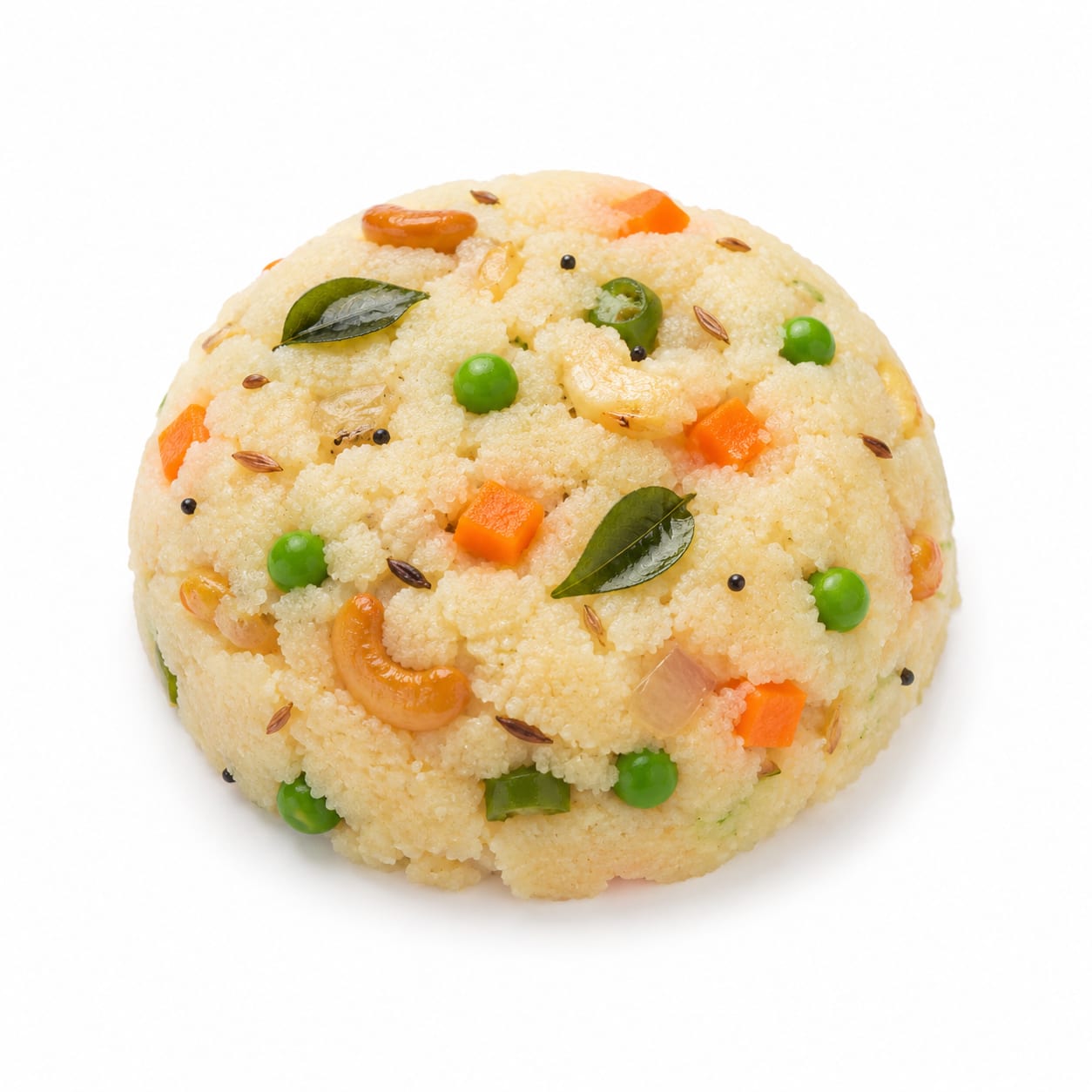
Semolina
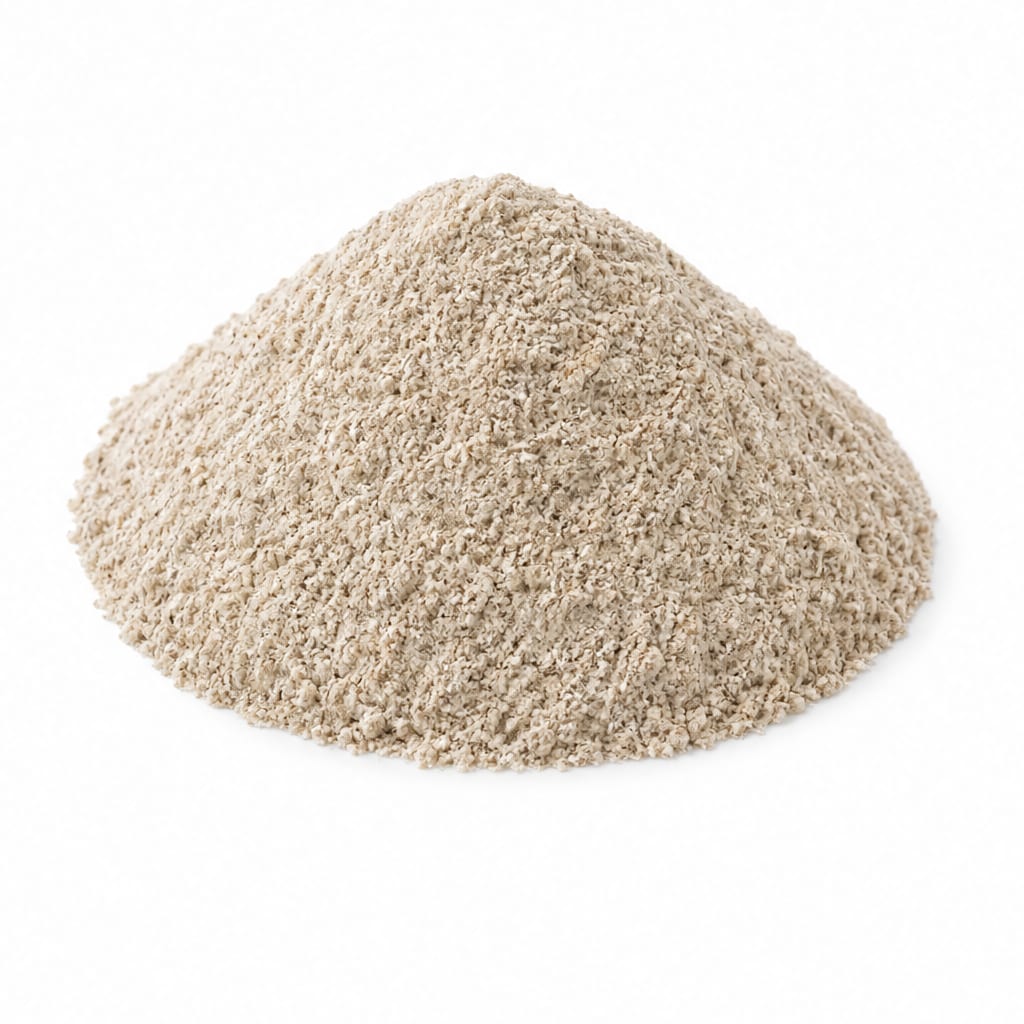
Buckwheat Flour
Buckwheat Flour delivers more fiber, steadier energy, and a superior micronutrient profile, while Semolina offers smoother texture and broader recipe familiarity.
Buckwheat Flour scores notably higher due to its fiber content, mineral density, antioxidant value, and gluten-free status. Semolina remains relevant for culinary applications but offers less nutritional advantage for daily health-focused eating.
Semolina gives you the classic pasta experience with gluten elasticity; Buckwheat Flour gives you better blood sugar control, more nutrients, and gluten-free eating at the cost of denser texture and earthier flavor.
At a glance
Executive summary
Overall
Buckwheat Flour
Healthier
Buckwheat Flour
More practical
Semolina
Daily use
Buckwheat Flour
Key comparison lenses
gluten tolerance and digestive compatibility
Semolina contains gluten; buckwheat is naturally gluten-free — this is the single most decisive factor for many consumers
blood sugar management
Both are carbohydrate-dense flours, but their glycemic impacts differ significantly due to fiber and starch composition
nutrient density and antioxidant value
Buckwheat offers rutin and minerals that semolina lacks, making this a key differentiator for health-conscious users
cooking versatility and texture preference
Semolina is the backbone of pasta and couscous; buckwheat flour behaves very differently in recipes
protein quality
Buckwheat provides a more complete amino acid profile, which matters for plant-based eaters
Best choice for
Semolina
- Traditional pasta and couscous recipes where texture matters most
- Those without gluten sensitivity who want familiar, mild flavor
- Baking that relies on gluten structure for rise and chew
- Athletes needing quick carbohydrate refueling after intense sessions
Buckwheat Flour
- Anyone avoiding gluten or with celiac disease
- People managing blood sugar or insulin resistance
- Those seeking more fiber and sustained fullness from grains
- Plant-based eaters wanting a more complete protein source
Least suitable for
Semolina
- People with celiac disease or gluten intolerance
- Those monitoring blood sugar closely
- Anyone seeking high-fiber carbohydrate sources
Buckwheat Flour
- Recipes requiring light, elastic dough texture
- Picky eaters sensitive to earthy or nutty flavors
- Those with buckwheat allergy (rare but possible)
Deep comparison
Dimension by dimension
Each lens scores both foods and breaks down who each option suits.
- Dimension 1 · Priority 92Buckwheat Flour
blood_sugar_stability
Semolina · 40Buckwheat Flour · 75Buckwheat Flour causes a slower, steadier rise in blood sugar. Semolina digests quickly, leading to sharper spikes and crashes.
Tradeoff
Semolina provides faster energy for immediate needs but sacrifices long-term metabolic steadiness.
Why it matters
Frequent blood sugar spikes drive cravings, fatigue, and over time increase diabetes risk.
Real-world impact
A buckwheat pancake keeps you full until lunch. A semolina-based breakfast may leave you reaching for a snack by 10 AM.
Semolina
- Quick post-workout carb replenishment
- Endurance athletes mid-event fueling
Better for
- Sedentary evenings when excess glucose gets stored as fat
- Anyone prone to sugar cravings after meals
Worse for
Buckwheat Flour
- Sustained energy through long workdays
- Pre-diabetes or diabetes management
- Avoiding afternoon energy crashes
Better for
- Situations requiring rapid carbohydrate availability during intense exercise
Worse for
- Dimension 2 · Priority 85Buckwheat Flour
nutrient_density
Semolina · 45Buckwheat Flour · 82Buckwheat Flour is rich in magnesium, copper, manganese, and the antioxidant rutin. Semolina provides B vitamins and iron but fewer protective compounds.
Tradeoff
Semolina is often enriched with synthetic vitamins, while buckwheat delivers nutrients naturally — but in smaller absolute quantities of some B vitamins.
Why it matters
Nutrient-dense foods reduce the need for supplementation and support long-term disease prevention.
Real-world impact
Regular buckwheat consumption supports vein health and circulation via rutin — something semolina simply cannot offer.
Semolina
- Folate and iron needs during pregnancy when enriched semolina is used
Better for
- Reliance on enrichment rather than whole-food nutrition
Worse for
Buckwheat Flour
- Cardiovascular protection through rutin and magnesium
- Bone health via manganese and magnesium
- Anti-inflammatory dietary patterns
Better for
- Those specifically needing high folate from enriched grain products
Worse for
- Dimension 3 · Priority 72Buckwheat Flour
protein_quality
Semolina · 50Buckwheat Flour · 74Buckwheat contains all essential amino acids, making it a rare complete plant protein. Semolina's protein is decent in quantity but less balanced.
Tradeoff
Neither is a high-protein food, but buckwheat's amino acid profile is more useful for the body per gram consumed.
Why it matters
Complete proteins support muscle maintenance and repair more efficiently, especially on plant-forward diets.
Real-world impact
A buckwheat bowl contributes meaningfully toward your daily amino acid needs. Semolina pasta needs pairing with legumes or cheese to fill the gaps.
Semolina
- When paired with complementary proteins in a mixed meal
Better for
- Plant-based eaters not combining with lysine-rich foods
Worse for
Buckwheat Flour
- Vegans and vegetarians needing complete protein sources
- Older adults preserving muscle mass with limited protein variety
Better for
- Those expecting high total protein volume from a single flour
Worse for
- Dimension 4 · Priority 80Buckwheat Flour
fiber_and_satiety
Semolina · 30Buckwheat Flour · 78Buckwheat Flour provides roughly 3-4 times more fiber than semolina, leading to noticeably greater fullness after eating.
Tradeoff
Higher fiber means buckwheat dishes are more filling but can feel heavier or denser, especially in baked goods.
Why it matters
Fiber controls appetite, supports gut health, and slows sugar absorption — all critical for weight management.
Real-world impact
A buckwheat crepe satisfies with one serving. Semolina pasta often requires larger portions to feel equally full.
Semolina
- Lighter meals where you want less digestive bulk
- Pre-competition meals for athletes avoiding heavy stomachs
Better for
- Overeating risk due to low satiety per calorie
- Constipation-prone individuals needing more fiber
Worse for
Buckwheat Flour
- Weight loss efforts relying on natural appetite control
- Gut microbiome support through prebiotic fiber
- Reducing between-meal snacking
Better for
- Sensitive digestive systems adjusting to sudden fiber increases
Worse for
- Dimension 5 · Priority 70Semolina
culinary_versatility_and_texture
Semolina · 82Buckwheat Flour · 55Semolina creates smooth, elastic doughs ideal for pasta and couscous. Buckwheat Flour produces denser, crumbly results that limit recipe range.
Tradeoff
Semolina's gluten gives structure and chew that buckwheat cannot replicate, but buckwheat's nutty flavor adds depth where semolina is neutral.
Why it matters
If a flour is frustrating to cook with, even its health benefits may not keep you using it.
Real-world impact
Homemade semolina pasta rolls out beautifully. Buckwheat pasta requires a practiced hand and often a binder.
Semolina
- Fresh pasta making with smooth, pliable dough
- Couscous and Middle Eastern recipes
- Breads requiring strong gluten development
Better for
- Gluten-free baking (impossible without major modification)
Worse for
Buckwheat Flour
- French galettes and Breton crepes
- Japanese soba noodles
- Pancakes and waffles with rustic texture
Better for
- Light, airy baked goods
- Recipes where neutral flavor is essential
Worse for
- Dimension 6 · Priority 95Buckwheat Flour
gluten_tolerance_and_digestive_compatibility
Semolina · 25Buckwheat Flour · 90Semolina contains significant gluten, making it unsuitable for celiac and many sensitive individuals. Buckwheat is naturally gluten-free and well-tolerated.
Tradeoff
Gluten gives semolina its desirable texture but excludes a meaningful portion of the population from eating it comfortably.
Why it matters
For those with gluten-related disorders, this is not a preference — it is a medical necessity.
Real-world impact
Someone with celiac disease can enjoy buckwheat crepes freely. Semolina pasta would damage their intestinal lining.
Semolina
- Those who digest gluten without any issues
Better for
- Anyone with diagnosed or suspected gluten sensitivity
- Autoimmune conditions exacerbated by gluten
Worse for
Buckwheat Flour
- Celiac disease and gluten intolerance
- Reducing overall gluten load in mixed diets
- Households with mixed dietary needs
Better for
- Rare individuals with buckwheat-specific allergy
Worse for
Timeline
Health impact over time
Short-term
Hours to days
Semolina
- Quick energy from rapidly digestible starches
- Possible bloating in gluten-sensitive individuals
- Less fullness per serving, potentially leading to overeating
Buckwheat Flour
- Steadier energy with less post-meal crash
- Greater satiety from fiber and protein
- Possible mild digestive adjustment if transitioning from low-fiber diet
Long-term
Months to years
Semolina
- Higher habitual glycemic load may increase metabolic syndrome risk
- Enriched versions help prevent B-vitamin deficiencies
- Gluten exposure is safe for most but harmful for susceptible individuals
Buckwheat Flour
- Rutin intake supports vascular health and may lower blood pressure over time
- Consistent fiber intake promotes gut microbiome diversity
- Magnesium and manganese contribute to bone density maintenance
Risk profile
Safety & processing
Both flours are single-ingredient products, but semolina is a refined product — the durum wheat endosperm stripped of bran and germ. Buckwheat Flour is typically whole-grain, retaining its nutrient-rich outer layers. This difference explains much of the nutritional gap between them.
Semolina
Gluten-mediated autoimmune reaction
highFor individuals with celiac disease, semolina triggers intestinal damage. Not a risk for the general population.
Cross-contamination with allergens in processing facilities
lowStandard grain processing risk; semolina is typically produced in wheat-dedicated facilities.
Buckwheat Flour
Buckwheat allergy
mediumRare but potentially severe allergic reaction, more commonly reported in East Asian populations. Can cause anaphylaxis in sensitive individuals.
Cross-contamination with gluten grains
mediumBuckwheat is often processed on shared equipment. Those with celiac should seek certified gluten-free buckwheat flour.
Who wins for whom
Audience fit
Same foods, different winners depending on your goal.
children
It dependsSemolina's mild flavor and smooth texture appeal to kids, but buckwheat offers better nutrition. Rotate both based on tolerance and preference.
daily consumption
Buckwheat FlourSuperior nutrient density, better blood sugar control, and gluten-free flexibility make buckwheat more sustainable as an everyday staple.
diabetes
Buckwheat FlourLower glycemic impact and higher fiber slow glucose absorption, making blood sugar management easier.
elderly
Buckwheat FlourMagnesium supports bone density, fiber prevents constipation, and rutin aids circulation — all common elderly health priorities.
muscle gain
SemolinaFaster-digesting carbohydrates support post-workout glycogen replenishment when quick refueling matters.
weight loss
Buckwheat FlourHigher fiber and protein per calorie create natural portion control and longer-lasting fullness.
Your move
Decision guide
Choose Semolina
- You make fresh pasta regularly and want authentic Italian texture
- You have no gluten issues and prefer mild, familiar flavors
- You need fast-digesting carbs for athletic performance
- You are cooking for picky eaters who resist earthy tastes
Choose Buckwheat Flour
- You are gluten-free or cooking for someone who is
- You want steadier energy and fewer cravings throughout the day
- You value nutrient density and antioxidant benefits in everyday meals
- You enjoy rustic, nutty flavors in crepes, pancakes, and soba noodles
Either works if
- You rotate flours for dietary diversity — both have legitimate culinary roles
- You are mixing flours to balance texture and nutrition in baking
Avoid both if
- You have a buckwheat allergy and celiac disease simultaneously — consult an allergist for safe starch alternatives
- You are strictly low-carb or ketogenic, as both are carbohydrate-dense
Final recommendation
For most health-conscious eaters, Buckwheat Flour is the stronger daily choice — more fiber, better blood sugar control, richer micronutrients, and gluten-free by nature. Keep Semolina on hand for the recipes where its texture truly shines, like fresh pasta, but let Buckwheat Flour carry the nutritional weight of your everyday cooking.
Practical
Consumer tips
- 1
If buying buckwheat flour for gluten-free needs, always look for a certified gluten-free label to avoid cross-contamination
- 2
Start with a 50/50 blend of buckwheat and semolina in pancakes or crepes to ease into the earthier flavor
- 3
Store buckwheat flour in the refrigerator — its higher fat content from the germ makes it spoil faster than semolina
- 4
Semolina pasta paired with legume-based sauces compensates for its lower fiber and incomplete protein
- 5
Dark buckwheat flour has more nutrients but a stronger flavor; light buckwheat flour is milder if you are just starting out
- 6
If making soba noodles at home, add a small amount of wheat flour unless you need gluten-free — it dramatically improves texture