
Nutrition comparison
Semolina vs Quinoa: Which Grain is Healthier?
Compare semolina and quinoa for protein, fiber, gluten, and blood sugar impact. Find out which grain is better for weight loss, muscle gain, and daily health.
Overall winner · Quinoa
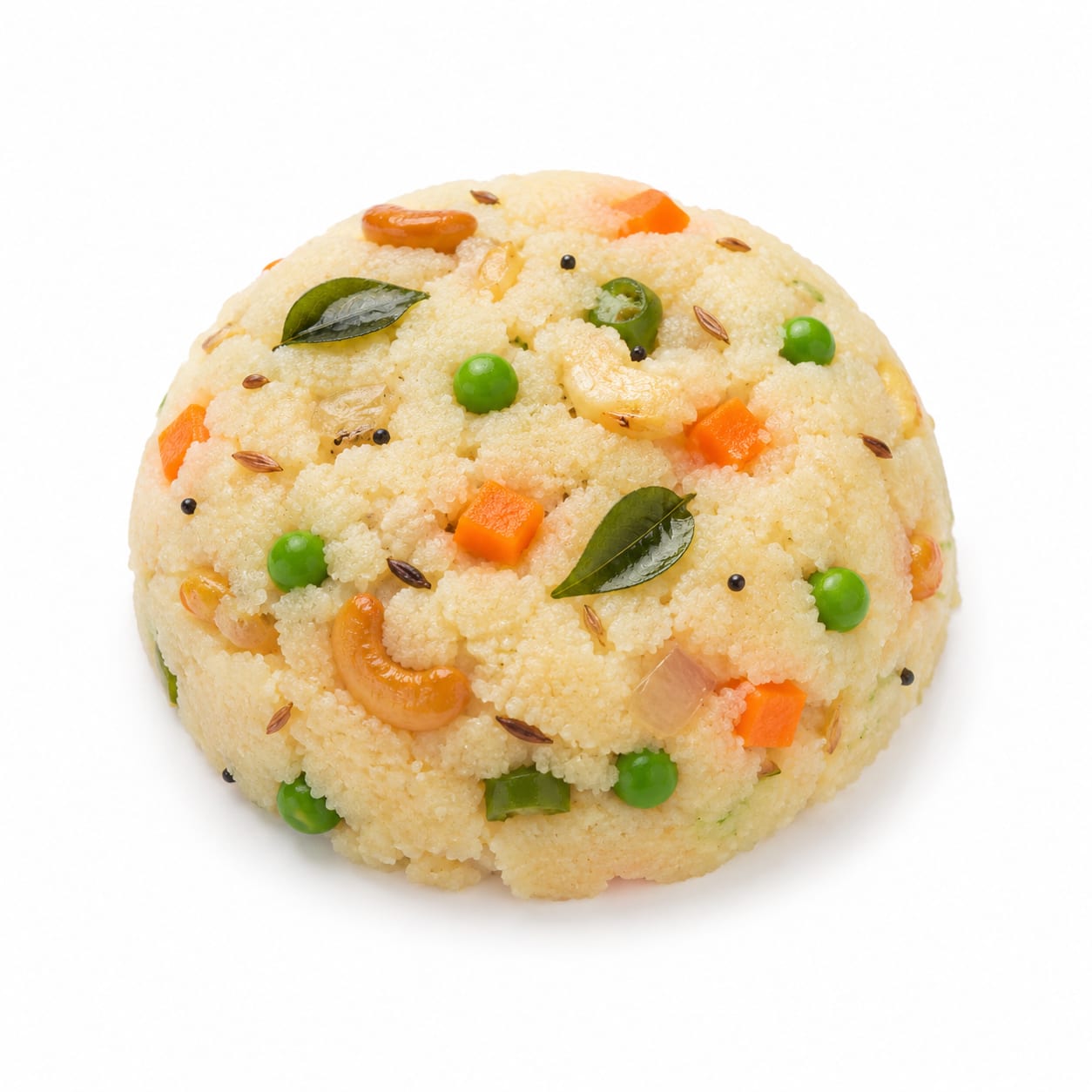
Semolina
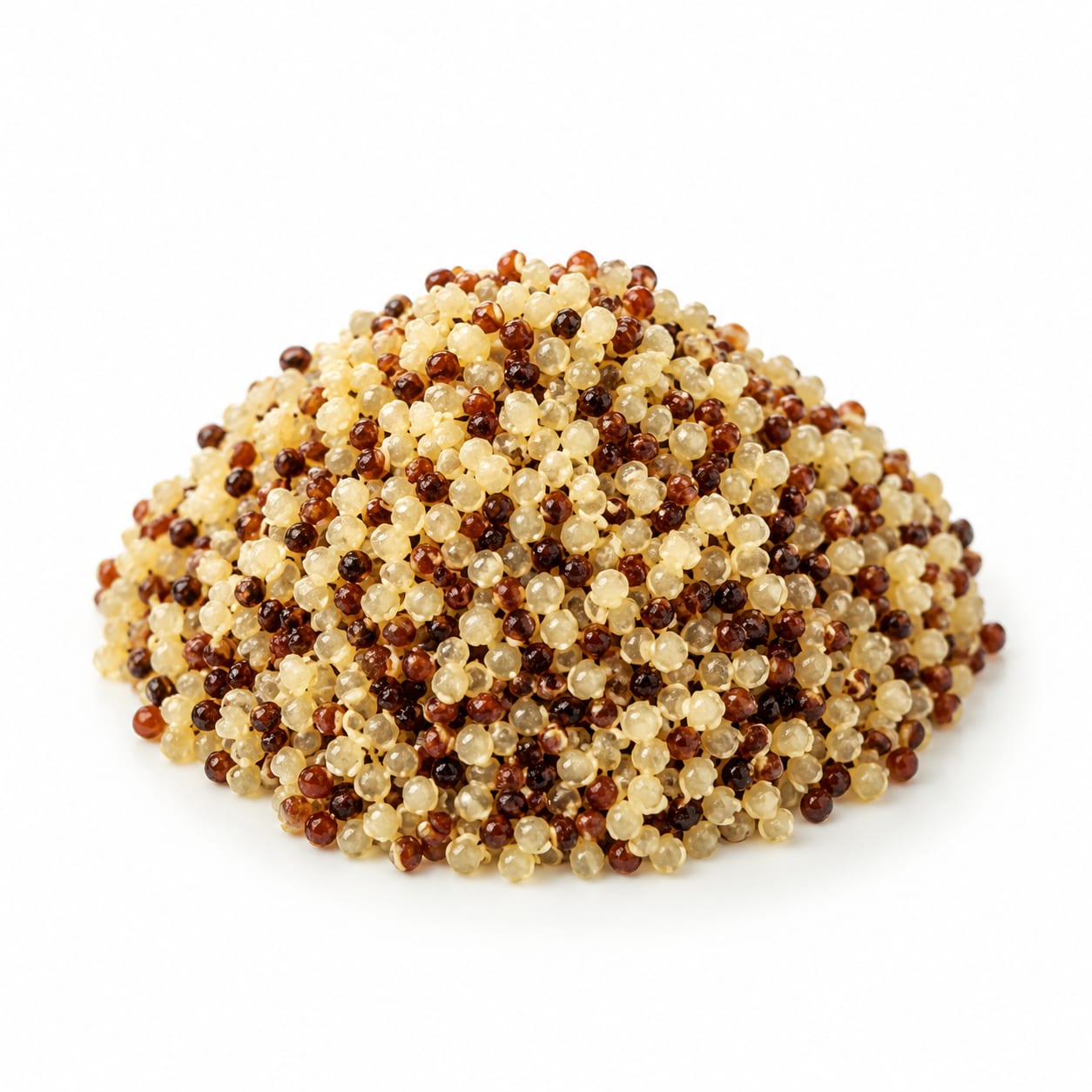
Quinoa
Quinoa outshines semolina for protein quality, fiber, and blood sugar control, but semolina remains the undisputed king for traditional pasta and baking.
Quinoa scores significantly higher due to its complete protein, superior fiber, and micronutrient density. Semolina is a reliable energy source but lacks the nutritional breadth of quinoa.
You trade the satisfying chew and culinary tradition of semolina for the nutritional density and gluten-free benefits of quinoa.
At a glance
Executive summary
Overall
Quinoa
Healthier
Quinoa
More practical
Semolina
Daily use
Quinoa
Key comparison lenses
Gluten sensitivity and digestive tolerance
Semolina contains gluten while quinoa is naturally gluten-free, making this a critical factor for many consumers.
Protein quality and completeness
Quinoa provides a complete protein with all essential amino acids, whereas semolina lacks lysine.
Blood sugar management
Quinoa's higher fiber content leads to steadier blood sugar compared to semolina's faster carb release.
Whole grain vs refined grain benefits
Quinoa is a whole seed with intact bran, while semolina is milled from durum wheat, stripping away some fiber and nutrients.
Best choice for
Semolina
- Traditional pasta makers
- Bakers needing high-gluten flour
- Budget-conscious households
- Athletes needing quick carb loading
Quinoa
- People with gluten intolerance
- Vegans seeking complete protein
- Those managing blood sugar
- Whole-food diet followers
Least suitable for
Semolina
- People with celiac disease or gluten sensitivity
- Low-carb dieters
- Those needing steady blood sugar
Quinoa
- Traditional Italian recipe purists
- Those on a tight budget
- People sensitive to saponins
Deep comparison
Dimension by dimension
Each lens scores both foods and breaks down who each option suits.
- Dimension 1 · Priority 90Quinoa
Nutritional Completeness
Semolina · 45Quinoa · 90Quinoa delivers a complete protein profile and richer micronutrients, while semolina falls short on lysine and certain vitamins unless enriched.
Tradeoff
Semolina offers faster energy from simpler carbs, but quinoa provides sustained nourishment and building blocks for muscle repair.
Why it matters
A complete protein supports tissue repair and immune function without needing food combining.
Real-world impact
Eating quinoa leaves you feeling more nourished and satisfied for longer, reducing the urge to snack between meals.
Semolina
- Quick energy replenishment after intense cardio
Better for
- Balanced meal without additional protein sources
Worse for
Quinoa
- Vegans needing all essential amino acids
- Pregnant women needing folate and iron
- People recovering from illness
Better for
- Immediate post-workout glycogen replenishment where rapid absorption is key
Worse for
- Dimension 2 · Priority 85Quinoa
Blood Sugar Stability
Semolina · 40Quinoa · 80Quinoa digests slowly thanks to its fiber and protein, keeping blood sugar steady. Semolina digests faster, causing sharper spikes.
Tradeoff
Semolina gives you a quicker energy hit, but you risk an afternoon crash. Quinoa offers a slower, steadier burn.
Why it matters
Frequent blood sugar spikes lead to energy crashes, cravings, and long-term metabolic strain.
Real-world impact
A quinoa bowl at lunch keeps you focused through the 3 PM slump, while a semolina pasta dish might leave you reaching for coffee.
Semolina
- Pre-marathon carb loading where rapid glycogen storage is desired
Better for
- People with prediabetes
- Those prone to energy crashes after meals
Worse for
Quinoa
- Managing diabetes or insulin resistance
- Avoiding afternoon energy crashes
- Controlling cravings
Better for
- Endurance athletes mid-race needing instant fuel
Worse for
- Dimension 3 · Priority 80Quinoa
Digestive Tolerance & Gut Health
Semolina · 35Quinoa · 85Quinoa is gluten-free and high in gut-friendly fiber. Semolina contains gluten and less fiber, making it problematic for sensitive individuals.
Tradeoff
Semolina is gentle for those without gluten issues, but quinoa is a lifeline for anyone with celiac or wheat sensitivity—though its saponins can bother some.
Why it matters
Gluten inflammation and low fiber intake can severely impact daily comfort and long-term gut health.
Real-world impact
Swapping semolina pasta for quinoa can eliminate bloating and brain fog for gluten-sensitive individuals.
Semolina
- Individuals with no gluten sensitivity who tolerate wheat well
Better for
- Anyone with wheat or gluten intolerance
- People prone to constipation
Worse for
Quinoa
- People with celiac disease or non-celiac gluten sensitivity
- Those needing more fiber to stay regular
Better for
- People who react to quinoa saponins if not rinsed properly
Worse for
- Dimension 4 · Priority 70Semolina
Culinary Versatility & Convenience
Semolina · 85Quinoa · 75Semolina is unmatched for making fresh pasta and baked goods, while quinoa excels in bowls and salads but fails at mimicking wheat textures.
Tradeoff
You gain nutritional superiority with quinoa, but lose the satisfying chew and structural integrity that semolina brings to Italian cooking.
Why it matters
Food needs to be enjoyable. If a dish relies on texture, the wrong grain ruins the experience.
Real-world impact
Making homemade pasta with quinoa flour is frustrating; semolina makes it effortless. But cooking a batch of quinoa for meal prep is faster than making pasta from scratch.
Semolina
- Making fresh pasta or couscous
- Baking crusty breads
- Creating traditional Italian dishes
Better for
- Quick no-cook or minimal-prep meals
Worse for
Quinoa
- Quick weeknight grain bowls
- Meal-prepping salads
- Gluten-free baking blends
Better for
- Recipes requiring high gluten development like pizza dough
Worse for
Timeline
Health impact over time
Short-term
Hours to days
Semolina
- Quick energy boost from easily digestible carbs
- Potential bloating if gluten-sensitive
- Satisfying mouthfeel from gluten structure
Quinoa
- Steady energy without the crash
- High satiety from protein and fiber
- Possible stomach upset if saponins aren't rinsed
Long-term
Months to years
Semolina
- Risk of chronic inflammation if gluten-sensitive
- Potential blood sugar management challenges with frequent consumption
- Iron and B-vitamin support if enriched
Quinoa
- Improved metabolic health from steady blood sugar
- Better digestive regularity from high fiber
- Supports muscle maintenance with complete protein
Risk profile
Safety & processing
Quinoa is a whole food eaten in its natural state, while semolina is a refined product of wheat milling that often requires enrichment to restore lost nutrients.
Semolina
Gluten-related inflammation
highFor individuals with celiac disease or gluten sensitivity, semolina triggers severe autoimmune or inflammatory responses.
Pesticide residues
mediumConventional wheat is often heavily treated with pesticides like glyphosate as a desiccant before harvest.
Quinoa
Saponin irritation
lowNatural coatings on quinoa can cause digestive upset and a bitter taste if not rinsed thoroughly before cooking.
Cross-contamination with gluten
mediumIf processed in facilities that also handle wheat, quinoa can pick up gluten traces, posing a risk for those with celiac.
Who wins for whom
Audience fit
Same foods, different winners depending on your goal.
children
It dependsSemolina is often more palatable and familiar to kids in pasta form, but quinoa offers superior nutrition for growth if they accept the texture.
daily consumption
QuinoaQuinoa's nutrient density and blood sugar stability make it a healthier staple for daily eating compared to semolina.
diabetes
QuinoaQuinoa's lower glycemic index and higher fiber prevent the sharp blood sugar spikes associated with semolina.
elderly
QuinoaQuinoa's higher fiber helps combat age-related constipation, and its complete protein helps prevent muscle loss in aging adults.
muscle gain
QuinoaQuinoa provides all essential amino acids necessary for muscle repair, whereas semolina lacks lysine and requires pairing with other proteins.
weight loss
QuinoaQuinoa's high protein and fiber keep you full longer, naturally reducing overall calorie intake compared to semolina's faster-digesting carbs.
Your move
Decision guide
Choose Semolina
- You are making homemade pasta or traditional Italian dishes
- You need a budget-friendly carbohydrate source
- You are carb-loading for an endurance event
- You have no gluten sensitivity and prefer the texture of wheat
Choose Quinoa
- You are gluten-free or have wheat sensitivities
- You want a complete protein source from a plant food
- You are focused on blood sugar management or weight loss
- You want a nutrient-dense base for meal prep bowls
Either works if
- You need a versatile carb base for a meal
- You are an active individual needing carbohydrates for energy
Avoid both if
- You are on a strict ketogenic or very low-carb diet
- You have severe sensitivities to both gluten and saponins
Final recommendation
Make quinoa your everyday grain for its nutritional benefits and blood sugar stability, but keep semolina on hand for the joy of traditional pasta making. If you are gluten-free, quinoa is your clear winner.
Practical
Consumer tips
- 1
Always rinse quinoa under cold water for 30 seconds to remove bitter saponins and prevent stomach upset.
- 2
Look for certified gluten-free quinoa if you have celiac disease to avoid cross-contamination risks.
- 3
When cooking semolina pasta, aim for al dente to slightly lower its glycemic impact compared to overcooked mushy pasta.
- 4
Toast dry quinoa in the pan for two minutes before adding water to bring out a nuttier, richer flavor.
- 5
If transitioning from semolina pasta to quinoa, start by mixing them in dishes to adjust your palate to the new texture.