
Fermented Vegetable
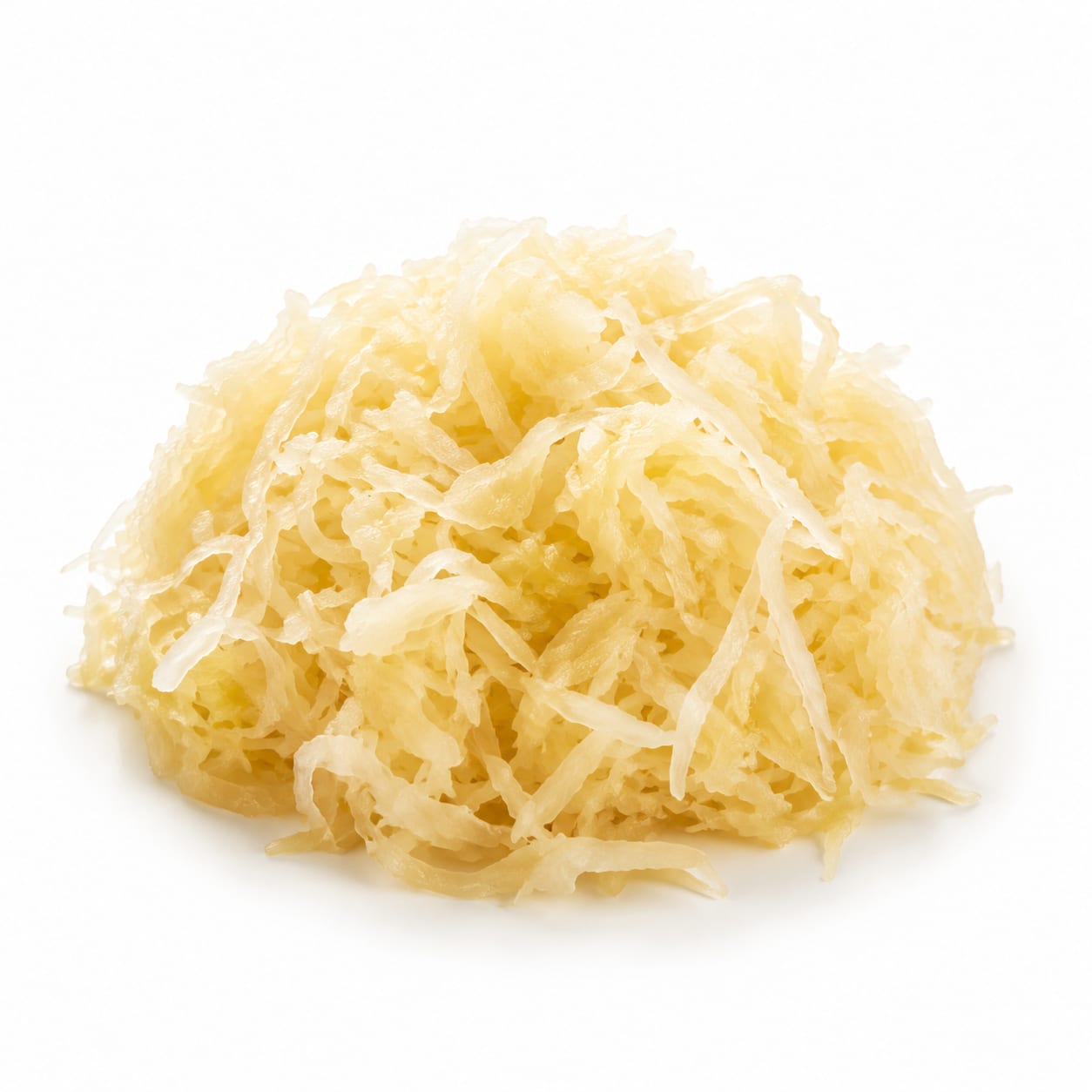
Sauerkraut
A low-calorie fermented cabbage rich in probiotics and fiber that supports digestive health.
Finely cut raw cabbage that has been fermented by various lactic acid bacteria, offering a distinct sour flavor and extended shelf life.
probiotic-rich low-calorie fermented vegetable
Typical serving · 70g
Common varieties · raw unpasteurized, canned shelf-stable, refrigerated jarred, bavarian (sweetened), with caraway seeds
Overall context score across nutrition, safety, and diet fit
At a glance
Quick facts
Simple indicators based on nutrition, processing, and diet fit.
The story
What makes it unique
Sauerkraut is produced via lactic acid fermentation, which breaks down cabbage sugars into lactic acid, preserving the vegetable and creating probiotics. It digests slowly due to high fiber and acidic content, promoting prolonged satiety. The macronutrient profile is extremely low in calories and fat, with moderate carbohydrates mostly derived from fiber. Processing is minimal, involving only shredding and salting, though commercial versions may undergo pasteurization which kills beneficial bacteria.
Varieties: raw unpasteurized · canned shelf-stable · refrigerated jarred · bavarian (sweetened) · with caraway seeds
Per 100g
Nutrition breakdown
Macro balance and key metrics at a glance.
Energy
Density 0.19 kcal/g
Protein
Carbs
Fat
Fiber
Sugar
1.8 g
Sodium
661 mg
Potassium
170 mg
Glycemic index
15
Glycemic load
1
Water content
92%
Standout compounds
Nutrient highlights
Probiotics
highSupports digestive health and gut microbiome diversity
Vitamin C
moderateAntioxidant that supports immune function and collagen synthesis
Vitamin K
moderateEssential for bone metabolism and blood clotting
Fiber
moderatePromotes digestive regularity and feeds beneficial gut bacteria
Wellness map
Health scores & processing
NOVA processing scale
minimally processed · Whole food
Traditional sauerkraut is a whole food fermented using only cabbage and salt, though some commercial versions add preservatives or undergo pasteurization.
Diet compatibility
- Weight loss
- Muscle gain
- Diabetes
- Gut health
- Low carb
- High protein
- Heart health
Relative standing
Food rankings
Qualitative ranks compared to similar whole foods.
- Satietygood
- Blood sugarexcellent
- Nutrient densitygood
- Fitness fuelmoderate
- Processing qualityexcellent
Eat with confidence
Food safety profile
Fermentation naturally prevents pathogenic bacterial growth. However, unpasteurized sauerkraut contains high histamine levels which can affect sensitive individuals, and sodium content is universally high due to the required salt curing process.
Evidence confidence 85%
- Pesticideslow
- Antibioticslow
- Heavy metalslow
- Contaminationlow
Watch for
- histamine
- excessive sodium
Safer choices
Refrigerated, unpasteurized sauerkraut with organic cabbage and no artificial preservatives.
Prep tips
Rinsing sauerkraut under cold water removes some sodium but also washes away beneficial probiotics and flavor.
Lack of standardized labeling for live and active probiotic cultures in shelf-stable varieties.
Deep dive
Health analysis
How this food may fit different goals and preparation choices.
Weight loss
Extremely low energy density and high fiber volume promote fullness without excess calories, making it an ideal weight loss condiment.
Blood sugar
Negligible impact on blood sugar due to low carbohydrate content and high fiber, which slows glucose absorption.
Fitness & energy
Not a primary energy source, but sodium content can help with electrolyte replenishment during prolonged sweating.
Gut health
Unpasteurized sauerkraut is a potent source of diverse probiotics and prebiotic fiber that nourish the gut microbiome.
Processing quality
Traditional fermentation is a natural preservation method that enhances nutrient bioavailability without synthetic additives.
Food safety
High sodium levels pose a risk for hypertension if consumed in large quantities. Histamine in fermented foods can trigger migraines in sensitive people.
Common mistakes
Buying shelf-stable pasteurized sauerkraut expecting probiotic benefits, or cooking it at high heat which destroys live cultures.
Best preparation
Eat raw and unpasteurized directly from the jar as a condiment or topping to preserve live probiotic cultures.
Practical guide
Best use cases
When and how this food fits real eating patterns.
Gut microbiome support
Eating a few tablespoons of raw unpasteurized sauerkraut daily introduces diverse lactic acid bacteria to the digestive tract.
Low-calorie flavor enhancer
Adds intense tangy flavor to sandwiches, salads, and bowls for almost zero calories compared to creamy condiments.
Keto diet condiment
Provides flavor and electrolytes (sodium) for those following a very low-carb ketogenic diet.
Hot dog and sausage topping
A traditional pairing that balances the richness of fatty meats with acidic crunch.
Balance sheet
Pros & cons
Upsides
- Rich in live probiotics if unpasteurized
- Very low in calories and carbohydrates
- High fiber content promotes fullness
- Contains bioavailable vitamin C and K
- Natural fermentation requires no additives
- Long shelf life even when raw
Trade-offs
- Very high in sodium
- Pasteurized versions lack probiotic benefits
- High histamine levels can trigger migraines or intolerances
- Can cause bloating or gas if consumed in large quantities
Fit check
Who is it for?
Great match
- gut microbiome support
- low-carb and keto diets
- low-calorie volume eating
- flavor enhancement without fat
Consider alternatives
- low-sodium diets
- histamine intolerance
- severe IBS flare-ups
- those seeking high protein
Side by side
How it compares
Open the full head-to-head analysis for nutrition, safety, and practical tradeoffs.
This food
Sauerkraut
VS90% alike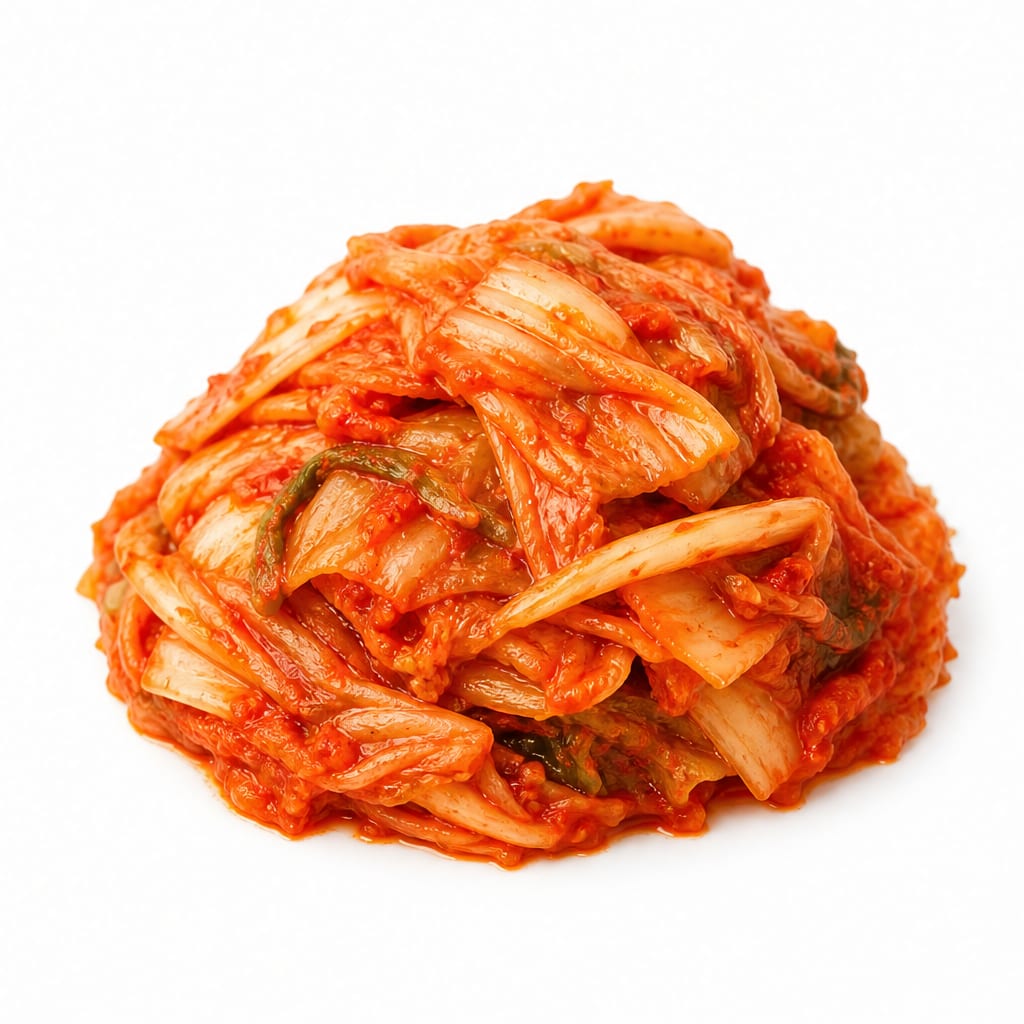
Compare with
Kimchi
Kimchi is spicier and more nutrient-dense due to added ingredients like chili and garlic, while sauerkraut is simpler, milder, and lower in calories.
Sauerkraut is lower in calories and simpler, while kimchi offers more vitamins from its mixed spices but is slightly higher in calories.
This food
Sauerkraut
VS85% alike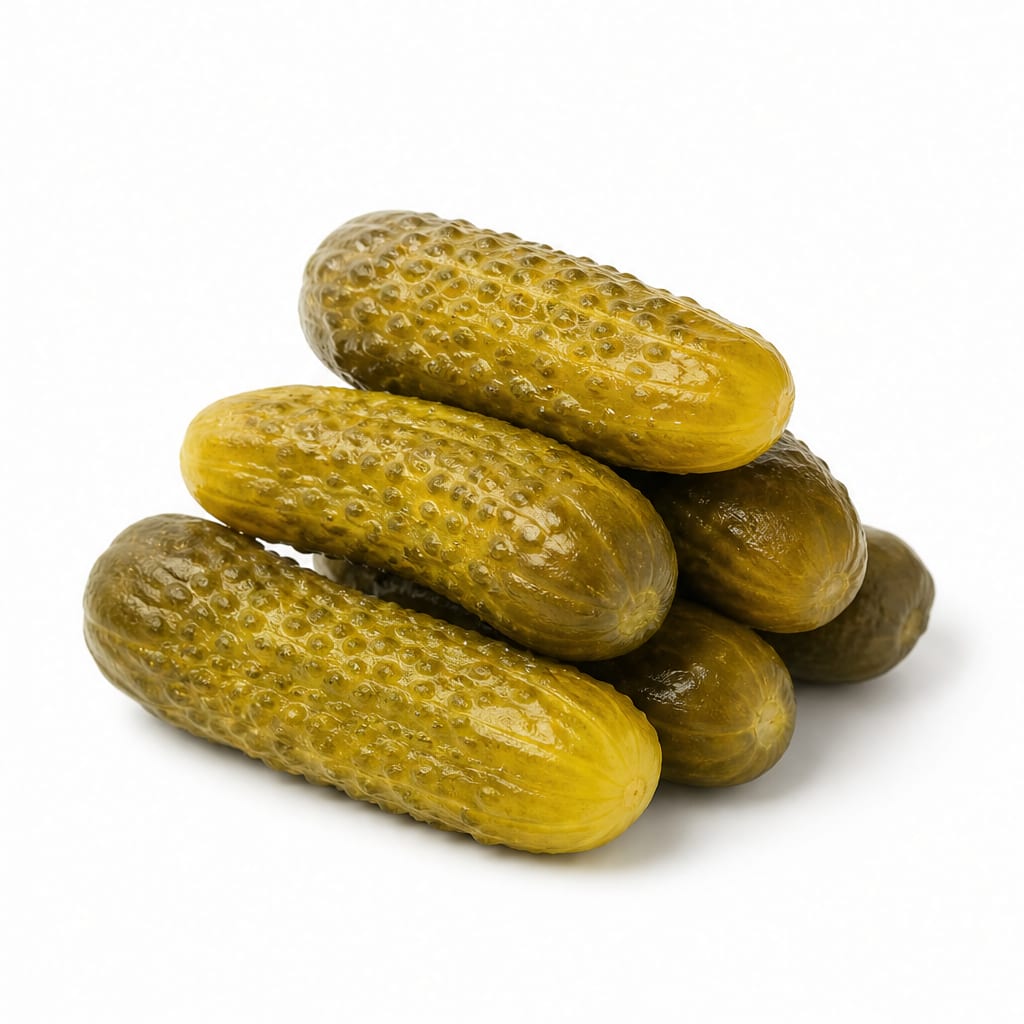
Compare with
Dill Pickles
Pickles are crunchier and have higher water content, while sauerkraut offers more fiber and vitamin K from the cabbage.
Sauerkraut provides more fiber and vitamin K than pickles, though both are low-calorie, high-sodium fermented sides.
This food
Sauerkraut
VS80% alike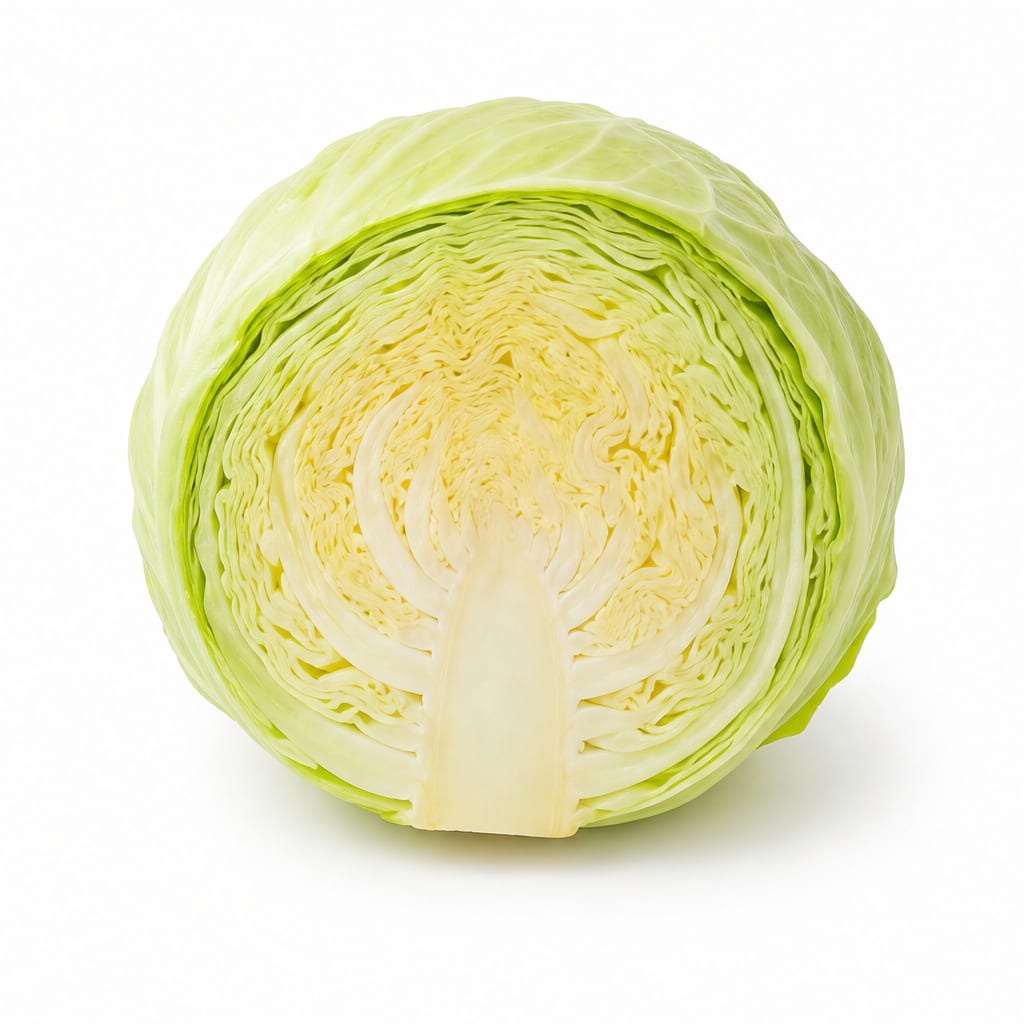
Compare with
Raw Cabbage
Fermentation adds probiotics and increases bioavailability of certain vitamins, but raw cabbage has no added sodium and more vitamin C.
Raw cabbage has zero added sodium and more vitamin C, while sauerkraut offers probiotics but comes with high salt content.
This food
Sauerkraut
VS70% alike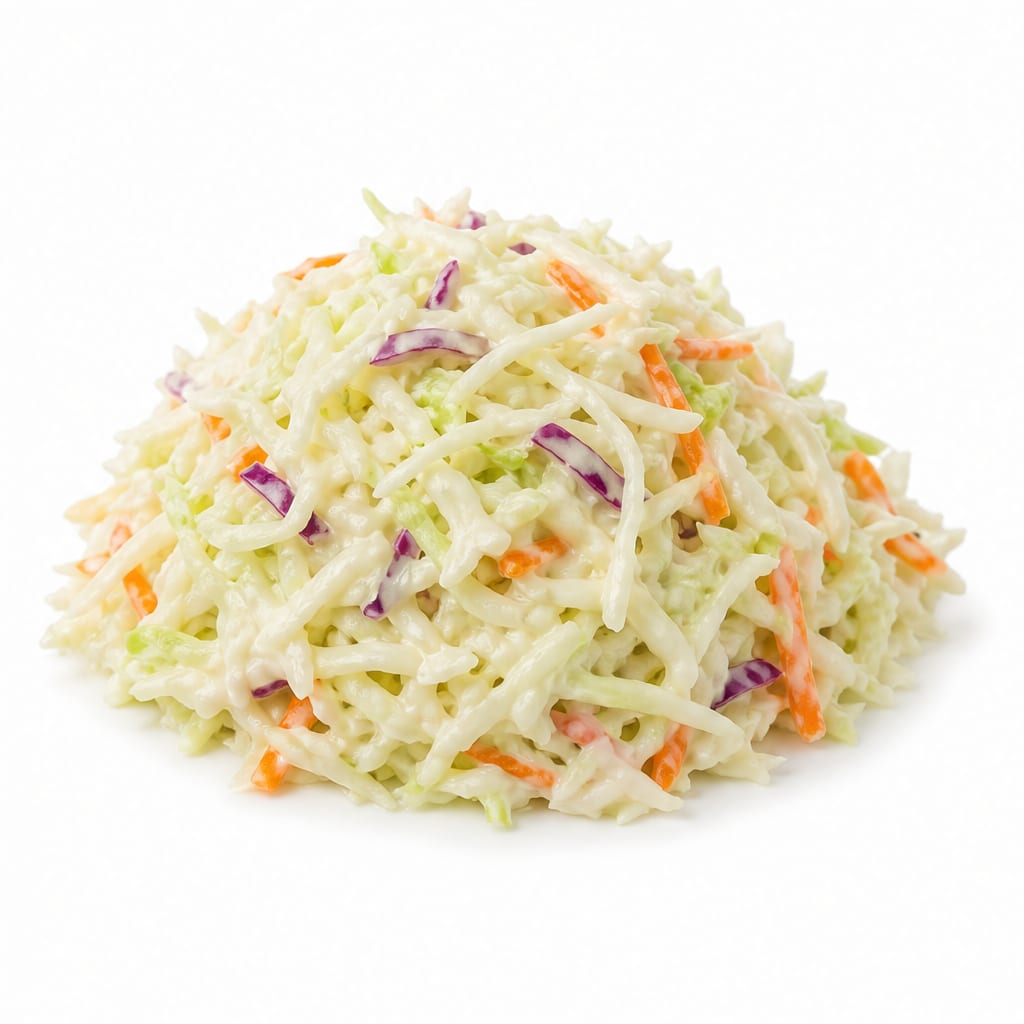
Compare with
Coleslaw
Coleslaw is typically dressed with high-calorie mayonnaise, making sauerkraut vastly superior for weight loss and heart health.
Sauerkraut is a low-calorie probiotic food, whereas creamy coleslaw is high in fat and calories due to its mayonnaise dressing.
This food
Sauerkraut
VS60% alike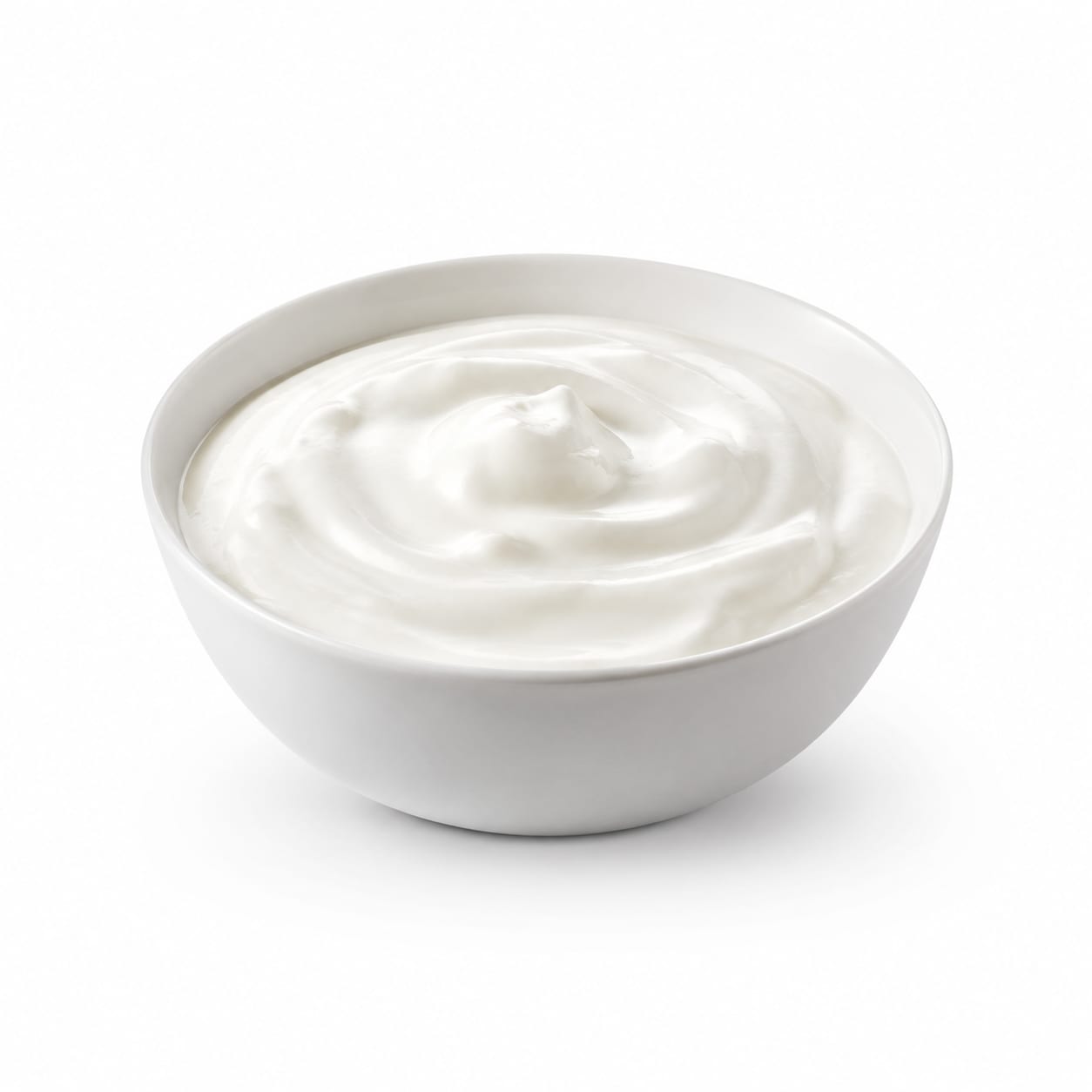
Compare with
Yogurt
Yogurt provides high protein and calcium, while sauerkraut is virtually fat-free, zero-sugar, and much lower in calories.
Yogurt offers more protein and satiety, while sauerkraut is lower in calories and carbs, making it better for strict weight loss.
This food
Sauerkraut
VS60% alike
Compare with
Kefir
Kefir is a drinkable dairy with more protein and a wider probiotic profile, while sauerkraut is a low-calorie, fiber-rich condiment.
Kefir provides liquid hydration and more protein, while sauerkraut adds fiber and crunch with zero sugar and fewer calories.
This food
Sauerkraut
VS55% alike
Compare with
Kombucha
Kombucha is a sugary tea drink that can vary in carb content, while sauerkraut is a zero-sugar, high-fiber food.
Sauerkraut contains no sugar and provides fiber, whereas kombucha can contain hidden sugars and lacks dietary fiber.
This food
Sauerkraut
VS50% alike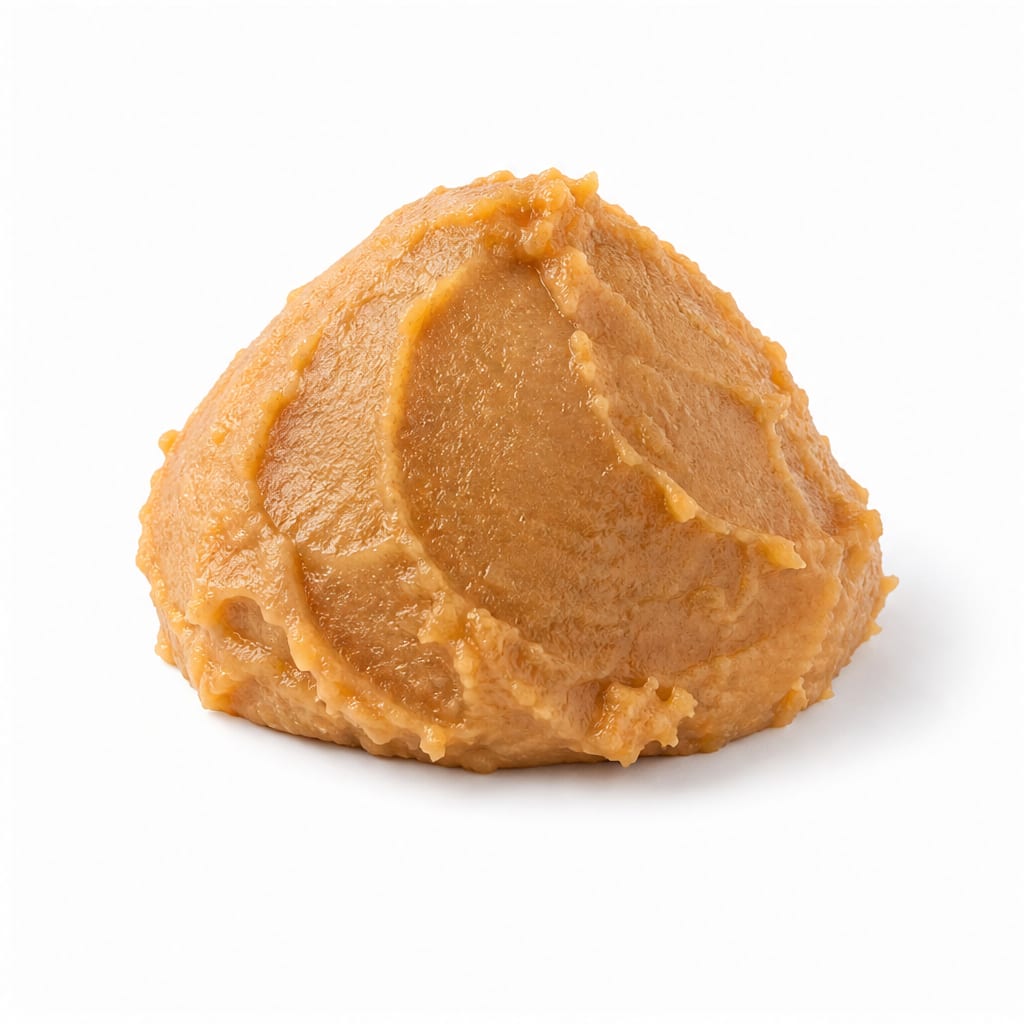
Compare with
Miso
Miso provides protein and is often used in soup, while sauerkraut offers fiber and crunch as a solid topping.
Miso offers more protein and umami flavor for soups, while sauerkraut is lower in calories and provides beneficial fiber.
This food
Sauerkraut
VS45% alike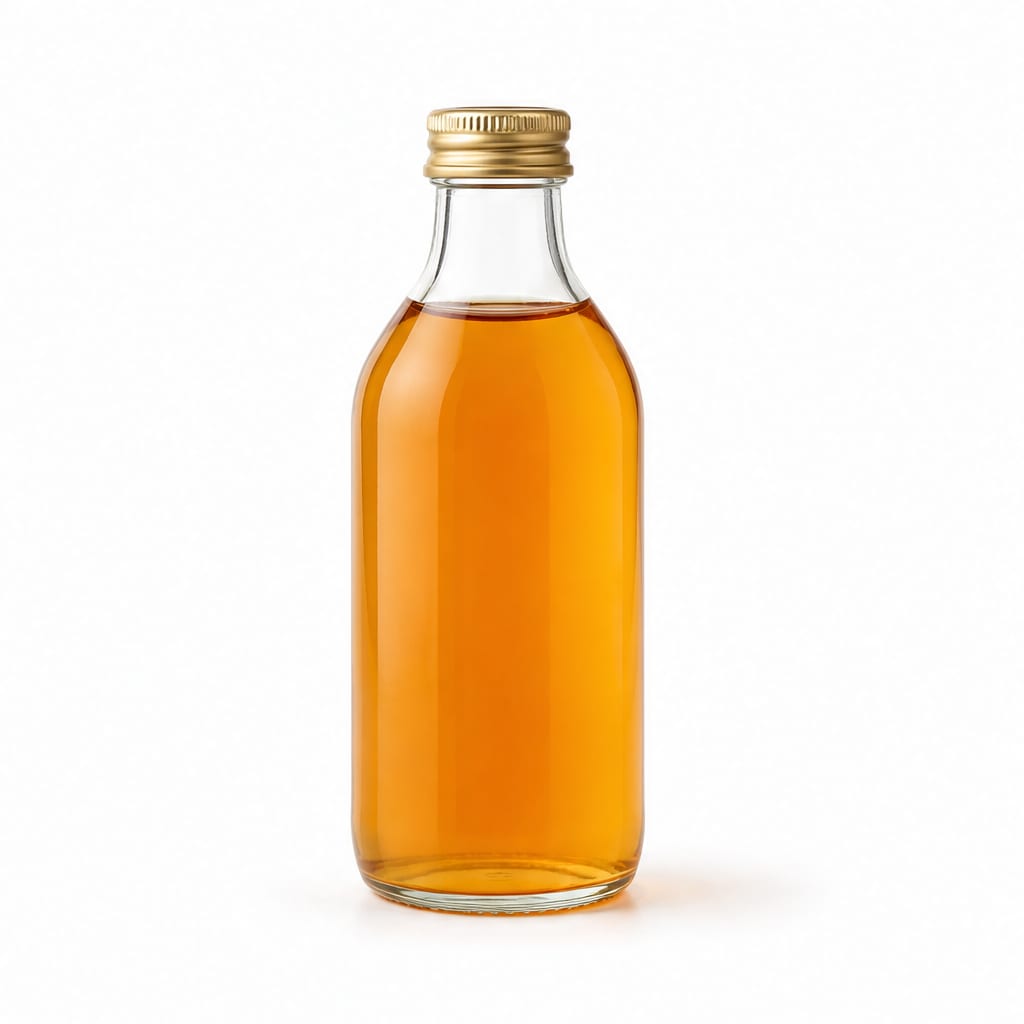
Compare with
Apple Cider Vinegar
ACV is a liquid acetic acid used in small doses, while sauerkraut is a food eaten in larger volumes providing fiber and probiotics.
Apple cider vinegar may edge out for blood sugar control in liquid form, but sauerkraut provides actual food volume, fiber, and probiotics.
This food
Sauerkraut
VS40% alike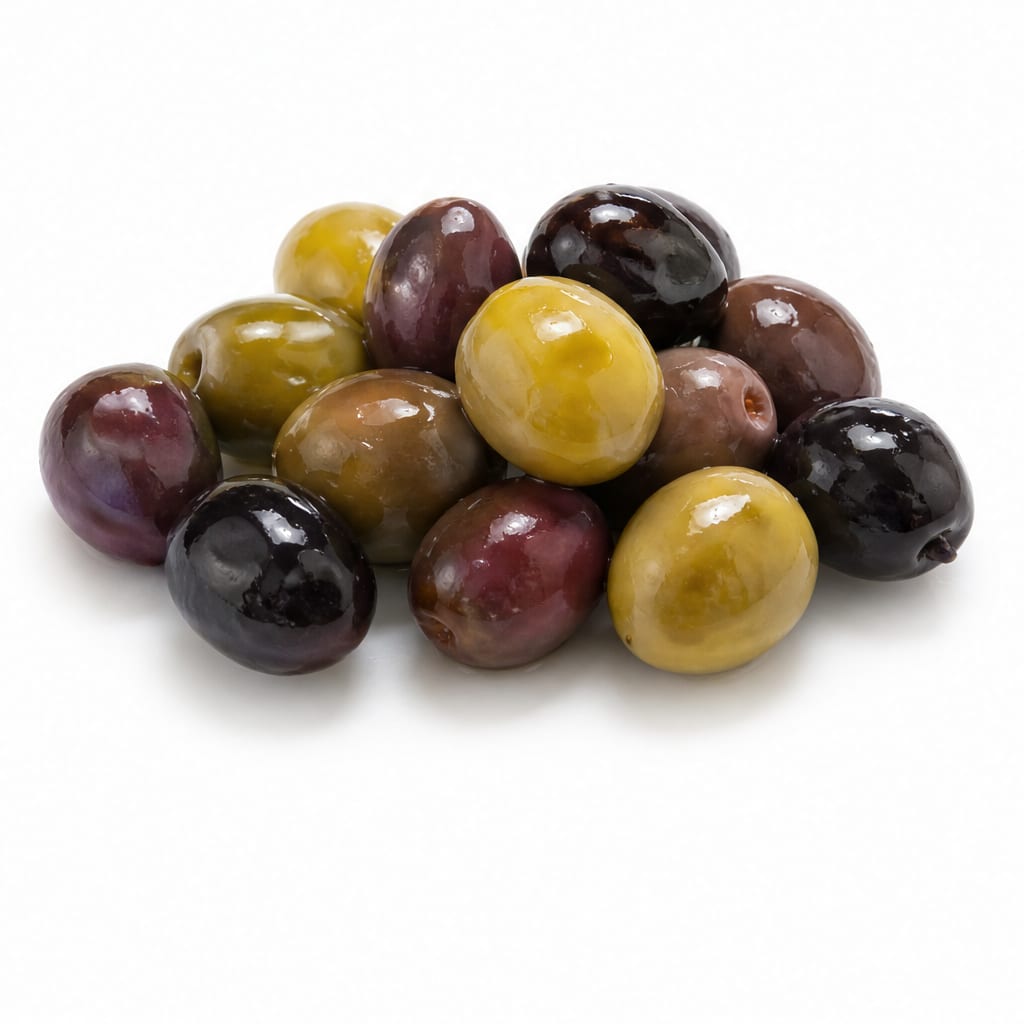
Compare with
Olives
Olives are high in healthy monounsaturated fats, while sauerkraut is fat-free and significantly lower in calories.
Olives provide healthy fats for heart health and satiety, while sauerkraut is a fat-free, low-calorie alternative with probiotics.
Common questions
FAQ
Answers aligned with how people search for this food.
Does store-bought sauerkraut have probiotics?
Only refrigerated, unpasteurized sauerkraut contains live probiotics. Canned or jarred shelf-stable sauerkraut is pasteurized, which kills the beneficial bacteria.
Is sauerkraut good for weight loss?
Yes. It is extremely low in calories and high in fiber, which helps you feel full. Just watch the sodium content if you are prone to water retention.
Can diabetics eat sauerkraut?
Yes. Sauerkraut has a very low glycemic index and load. The fiber slows digestion, preventing blood sugar spikes, making it a safe choice for diabetics.
Is sauerkraut keto?
Yes. With only about 1.4g of net carbs per serving, sauerkraut fits well into a ketogenic diet, provided the sodium fits your macro goals.
Should you rinse sauerkraut before eating?
Rinsing reduces sodium and tartness but also washes away some beneficial probiotics and lactic acid. If sodium is a concern, rinse lightly; if gut health is the goal, eat it unrinsed.
Can you cook sauerkraut?
You can cook it, but high heat will kill the live probiotics in unpasteurized sauerkraut. Add it at the end of cooking or eat it raw to preserve gut health benefits.
Why does sauerkraut upset my stomach?
Sauerkraut is high in histamine and fiber, and contains probiotics that can cause temporary bloating or gas if your gut is not used to fermented foods. Introduce it slowly.
How much sauerkraut should I eat daily for probiotics?
Eating 1 to 2 tablespoons of unpasteurized sauerkraut daily is enough to introduce beneficial bacteria without overwhelming your digestive system with sodium or fiber.
Transparency
Data confidence
Estimated confidence for nutrition data, interpretation, safety notes, and comparisons.
Nutrition data
Health analysis
Food safety
Comparisons