
Nutrition comparison
Sauerkraut vs Kimchi: Which Fermented Food Is Better for You?
Compare sauerkraut and kimchi on probiotics, sodium, anti-inflammatory benefits, and daily usability. Find out which fermented food fits your health goals and diet.
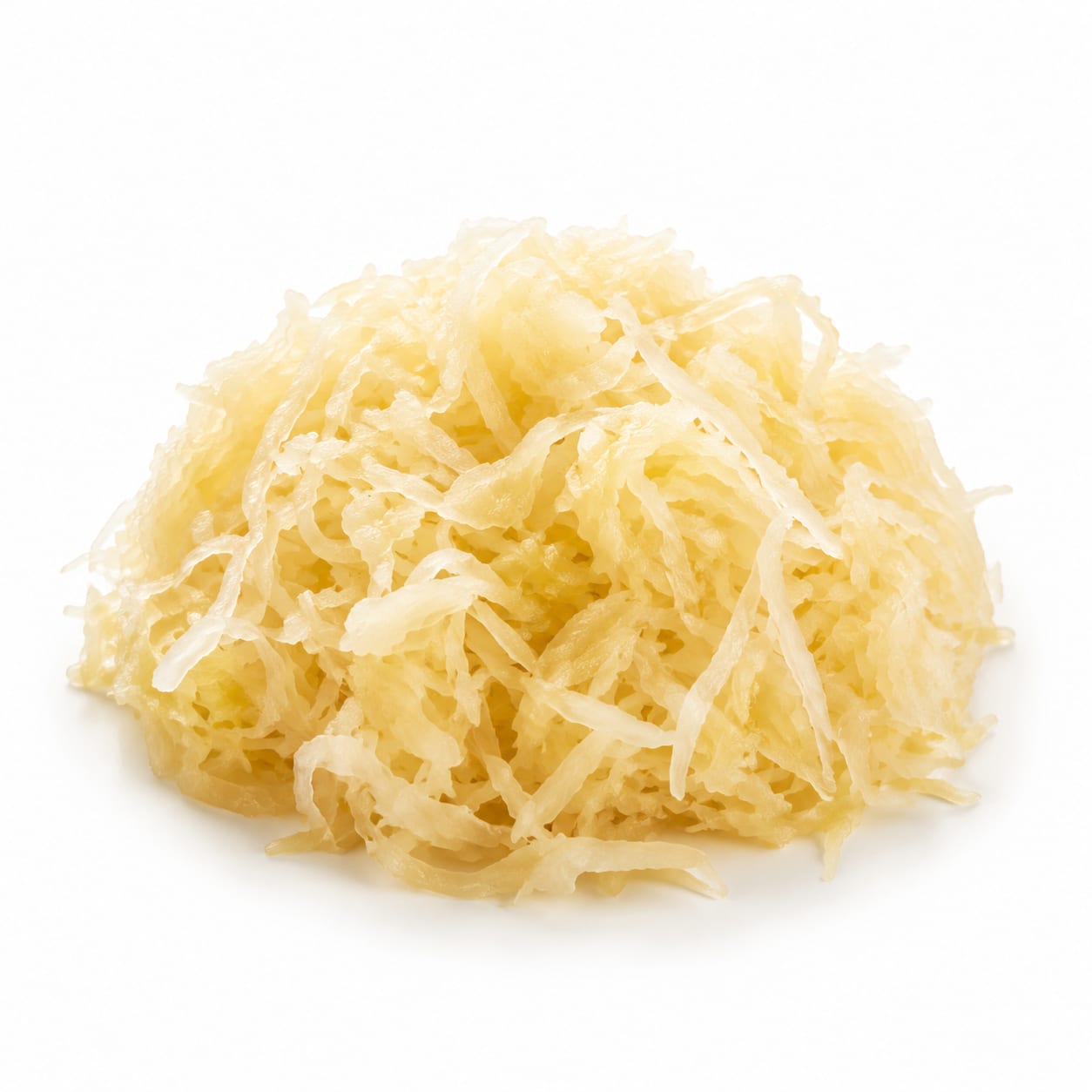
Sauerkraut
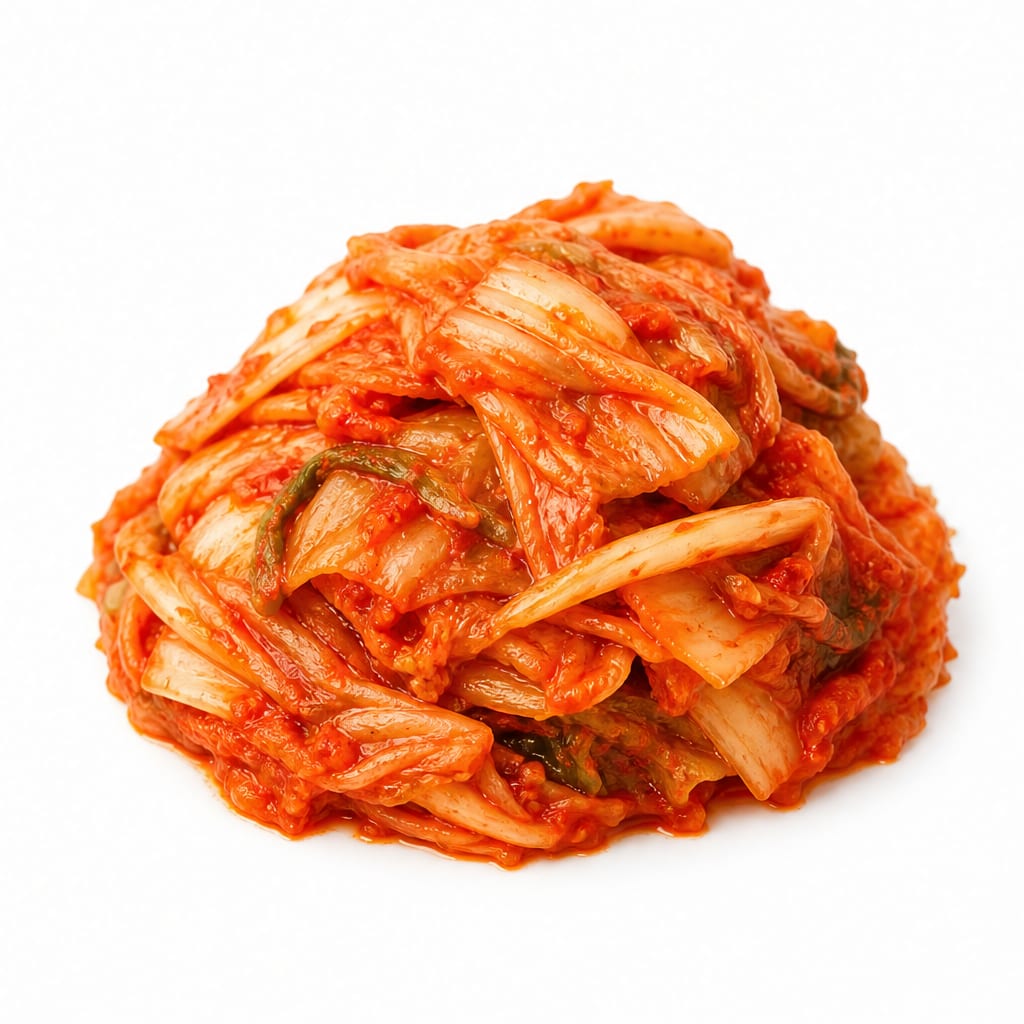
Kimchi
Kimchi offers more functional ingredients and broader nutrient diversity, but sauerkraut is simpler, safer for restrictive diets, and gentler on the stomach.
Kimchi edges ahead on functional nutrition and ingredient diversity, but sauerkraut's simplicity, lower sodium variability, and universal dietary compatibility keep it competitive. The gap is small because both deliver strong probiotic value.
Kimchi gives you more anti-inflammatory firepower and flavor complexity at the cost of higher sodium, potential allergens, and digestive intensity. Sauerkraut delivers clean probiotics with fewer compromises.
At a glance
Executive summary
Overall
It depends
Healthier
It depends
More practical
Sauerkraut
Daily use
Sauerkraut
Key comparison lenses
gut health and probiotic potency
Both are fermented foods primarily chosen for digestive and microbiome benefits
sodium load and blood pressure impact
Fermented foods are notoriously high in salt, a major concern for daily consumption
anti-inflammatory and immune benefits
Kimchi contains garlic, ginger, and chili which add functional anti-inflammatory compounds beyond fermentation
allergen and dietary restriction safety
Kimchi often contains fish sauce or shrimp paste, making it unsuitable for vegans and shellfish-allergic individuals
flavor versatility and meal integration
Sauerkraut is milder and easier to pair broadly, while kimchi's bold spice limits some pairings but enhances others
Best choice for
Sauerkraut
- People watching sodium intake
- Vegans and vegetarians
- Those with shellfish allergies
- Sensitive stomachs that struggle with spice
- Anyone wanting a mild, daily probiotic side
Kimchi
- People seeking maximum anti-inflammatory benefits
- Those who enjoy bold, spicy flavors
- Anyone wanting immune-boosting garlic and ginger
- Metabolic syndrome support
- Flavor-driven eaters who find bland food unsustainable
Least suitable for
Sauerkraut
- People bored by bland food who abandon healthy habits
- Those wanting diverse phytonutrient profiles
- Anyone seeking thermogenic or metabolism-stimulating effects
Kimchi
- People on low-sodium diets
- Vegans (unless specifically vegan kimchi)
- Those with shellfish or seafood allergies
- Anyone with acid reflux or GERD triggered by spice
Deep comparison
Dimension by dimension
Each lens scores both foods and breaks down who each option suits.
- Dimension 1 · Priority 95Kimchi
probiotic diversity and gut health
Sauerkraut · 75Kimchi · 85Kimchi's wider ingredient range creates a richer fermentation environment, typically supporting more diverse bacterial strains than sauerkraut's simpler cabbage-salt fermentation.
Tradeoff
Sauerkraut is more predictable and consistent in its probiotic output. Kimchi varies more by recipe, which can mean stronger or weaker batches.
Why it matters
Greater probiotic diversity correlates with better gut resilience, smoother digestion, and stronger immune signaling over time.
Real-world impact
Eating kimchi regularly may lead to less bloating and more regular bowel movements, especially if your diet lacks fermented variety. Sauerkraut still works well but may feel less transformative.
Sauerkraut
- Consistent, gentle probiotic support
- People who want predictable results without ingredient variability
Better for
- Less bacterial strain variety
- May not challenge or strengthen microbiome as aggressively
Worse for
Kimchi
- Maximum microbiome diversity
- People recovering from gut dysbiosis or antibiotic use
Better for
- Probiotic content varies significantly between brands and recipes
- Overconsumption can cause digestive upset in sensitive people
Worse for
- Dimension 2 · Priority 90Sauerkraut
sodium load and cardiovascular impact
Sauerkraut · 65Kimchi · 50Sauerkraut is generally lower in sodium than kimchi, which adds fish sauce, soy sauce, and salted shrimp during preparation.
Tradeoff
Both are high-sodium foods by nature. Sauerkraut is the lesser of two evils, but neither is truly low-sodium.
Why it matters
Regular high sodium intake raises blood pressure and strains cardiovascular health, especially for salt-sensitive individuals.
Real-world impact
A single serving of kimchi can deliver 400-700mg of sodium. If you eat it twice daily, you may hit half your sodium budget from condiments alone.
Sauerkraut
- Blood pressure management
- Easier to fit into a heart-healthy eating pattern
Better for
- Still too high in sodium to eat freely without tracking
Worse for
Kimchi
- No cardiovascular advantage — kimchi loses here
Better for
- Significantly higher sodium from fish sauce and seasoning blends
- Harder to moderate for hypertension patients
Worse for
- Dimension 3 · Priority 85Kimchi
anti-inflammatory and immune benefits
Sauerkraut · 60Kimchi · 88Kimchi contains garlic, ginger, chili flakes, and sometimes radish — all with documented anti-inflammatory and immune-modulating properties. Sauerkraut relies almost entirely on cabbage and fermentation byproducts.
Tradeoff
Kimchi's anti-inflammatory edge comes with digestive intensity. Garlic and chili can irritate sensitive stomachs or trigger reflux.
Why it matters
Chronic inflammation drives heart disease, joint pain, and metabolic dysfunction. Functional ingredients beyond fermentation add meaningful protection.
Real-world impact
Regular kimchi consumption has been linked to improved cholesterol markers and reduced inflammatory markers in Korean population studies. Sauerkraut lacks this evidence base.
Sauerkraut
- Gentle on inflamed or irritated digestive tracts
- Safe for people avoiding nightshades or alliums
Better for
- Minimal anti-inflammatory compounds beyond standard cabbage nutrients
- Less functional ingredient synergy
Worse for
Kimchi
- Cardiovascular inflammation support
- Immune resilience during cold and flu season
- Metabolic syndrome management
Better for
- Garlic and chili can worsen GERD, IBS, or gastritis
- Immune-boosting claims sometimes overstated based on limited human data
Worse for
- Dimension 4 · Priority 80Sauerkraut
allergen safety and dietary compatibility
Sauerkraut · 90Kimchi · 55Traditional sauerkraut contains only cabbage and salt. Kimchi frequently includes fish sauce, shrimp paste, or oyster sauce, creating allergen risks and excluding vegans.
Tradeoff
Vegan kimchi exists but is less common and often more expensive. Sauerkraut is naturally vegan and allergen-free without any special sourcing.
Why it matters
Shellfish allergies can be severe and life-threatening. Hidden seafood in condiments catches people off guard.
Real-world impact
A vegan ordering kimchi at a restaurant may unknowingly consume fish sauce. With sauerkraut, this concern almost never arises.
Sauerkraut
- Vegans and vegetarians
- Shellfish allergy sufferers
- Clean-label minimalists
Better for
- None significant for allergen concerns
Worse for
Kimchi
- No dietary compatibility advantage
Better for
- Hidden shellfish proteins in most traditional recipes
- Not inherently vegan or vegetarian
- Soy sauce may contain gluten in some varieties
Worse for
- Dimension 5 · Priority 75It depends
flavor versatility and meal integration
Sauerkraut · 72Kimchi · 78Sauerkraut's tangy mildness pairs with almost anything — sandwiches, salads, sausages, bowls. Kimchi's bold spice elevates some dishes but overwhelms others.
Tradeoff
Kimchi is more exciting but more polarizing. Sauerkraut is less thrilling but more adaptable.
Why it matters
The best healthy food is the one you actually enjoy eating consistently. Flavor fatigue kills dietary adherence.
Real-world impact
Sauerkraut on a turkey sandwich feels natural. Kimchi on the same sandwich would dominate every bite. But kimchi with rice and eggs is a satisfying meal that sauerkraut cannot replicate.
Sauerkraut
- Mild pairings like sandwiches, wraps, and salads
- Breakfast integration where spice feels wrong
- Feeding picky eaters or children
Better for
- Can feel monotonous over time
- Does not create the craveable flavor loops that sustain habits
Worse for
Kimchi
- Rice bowls, stir-fries, and noodle dishes
- Transforming plain meals into flavor experiences
- People who find healthy eating boring
Better for
- Overpowers delicate flavors
- Hard to use in breakfast or snack contexts
- Heat level limits portion flexibility
Worse for
- Dimension 6 · Priority 70Kimchi
nutrient density beyond fermentation
Sauerkraut · 62Kimchi · 80Kimchi delivers vitamin A from chili flakes, allicin from garlic, gingerols from ginger, and beta-carotene from napa cabbage. Sauerkraut provides vitamin C and vitamin K but less phytochemical variety.
Tradeoff
Kimchi's nutrient richness comes with more calories per serving, though both remain low-calorie foods overall.
Why it matters
Phytonutrient diversity matters for long-term disease prevention and cellular health beyond basic vitamin sufficiency.
Real-world impact
A kimchi serving gives you small doses of compounds linked to cancer prevention, pain reduction, and blood sugar regulation. Sauerkraut gives you solid vitamin C but fewer bonus compounds.
Sauerkraut
- Vitamin C and K in a simple, reliable package
- No added sugar or calorie-dense seasonings
Better for
- Narrower phytonutrient profile
- Fewer bioactive compounds beyond basic cabbage nutrition
Worse for
Kimchi
- Broader antioxidant spectrum
- Compounds with emerging evidence for metabolic and anti-cancer benefits
Better for
- Small amounts of added sugar in some recipes
- Nutrient density varies significantly by brand and recipe
Worse for
Timeline
Health impact over time
Short-term
Hours to days
Sauerkraut
- Mild digestive adjustment as gut adapts to probiotics
- Tangy flavor may increase saliva and stomach acid production, aiding digestion
- Quick bloating relief for some due to fermentation byproducts
Kimchi
- More noticeable digestive activation due to spice and garlic
- Possible heartburn or reflux in sensitive individuals
- Thermogenic warming effect from chili capsacin
Long-term
Months to years
Sauerkraut
- Steady gut microbiome support with consistent consumption
- Improved regularity and digestive comfort over weeks
- Sodium accumulation risk if eaten in large quantities daily
Kimchi
- Stronger anti-inflammatory and metabolic benefits with regular intake
- Potential blood pressure concerns from cumulative sodium load
- More robust immune resilience during seasonal illness periods
Risk profile
Safety & processing
Both are traditionally fermented with minimal processing. Sauerkraut typically uses only cabbage and salt. Kimchi adds natural seasonings like garlic, ginger, and chili. Store-bought versions of either may include preservatives like sodium benzoate, so always check labels. Neither is ultra-processed in their traditional form.
Sauerkraut
Histamine intolerance reaction
mediumFermented foods are high in histamine. People with histamine intolerance may experience headaches, hives, or digestive distress after eating sauerkraut.
Pathogen contamination in home-fermented batches
lowCommercially produced sauerkraut is very safe. Home fermentation without proper salt ratios or hygiene can theoretically allow harmful bacteria, though this is rare.
Kimchi
Shellfish allergen exposure
highTraditional kimchi contains salted shrimp or fish sauce. Shellfish allergies can be severe, and these ingredients are not always clearly labeled on restaurant menus.
Histamine intolerance reaction
mediumLike sauerkraut, kimchi is high in histamine and can trigger symptoms in sensitive individuals.
Excessive sodium intake
mediumKimchi's sodium content can reach 700mg per serving, posing risks for those with hypertension or salt sensitivity when consumed frequently.
Who wins for whom
Audience fit
Same foods, different winners depending on your goal.
children
SauerkrautSauerkraut's mild tangy flavor is more kid-accessible than kimchi's intense spice. No allergen concerns either.
daily consumption
SauerkrautSimpler ingredient list, lower sodium, and universal dietary compatibility make sauerkraut easier to sustain as a daily habit without accumulating risks.
diabetes
KimchiKimchi has stronger evidence for improving insulin sensitivity and glucose metabolism, likely due to combined effects of fermentation, capsaicin, and garlic compounds.
elderly
SauerkrautLower sodium, gentler digestion, and no allergen risks make sauerkraut safer for older adults managing blood pressure and medication interactions.
muscle gain
It dependsNeither food is relevant for muscle gain. Both are condiment-side portions with negligible protein. Choose based on what helps you eat your protein sources more enjoyably.
weight loss
It dependsBoth are extremely low in calories. Kimchi's capsaicin may slightly boost metabolism, but sauerkraut's lower sodium prevents water retention. The difference is minimal.
Your move
Decision guide
Choose Sauerkraut
- You have high blood pressure or are sodium-sensitive
- You are vegan, vegetarian, or have shellfish allergies
- You want a gentle daily probiotic without digestive drama
- You prefer mild flavors that blend into existing meals
- You are feeding children or cautious eaters
Choose Kimchi
- You want maximum anti-inflammatory and immune benefits
- You enjoy bold, spicy flavors and find bland food unsustainable
- You are focused on metabolic health and insulin sensitivity
- You eat Korean or East Asian meals regularly where kimchi fits naturally
- You have no sodium concerns and want the most functional fermented food
Either works if
- You simply want a probiotic fermented vegetable in your diet
- You are healthy with no major dietary restrictions
- You enjoy variety and want to rotate both throughout the week
Avoid both if
- You have severe histamine intolerance
- You are on a strict low-sodium diet and cannot accommodate any fermented salted foods
- You have compromised immune function and your doctor advised against unpasteurized fermented foods
Final recommendation
If you tolerate spice and have no shellfish concerns, kimchi delivers more health benefits per bite. But sauerkraut is the safer, simpler daily workhorse. The best approach for most people is rotating both — kimchi when you want flavor and functional intensity, sauerkraut when you need something gentle and reliable. Just watch your sodium across the rest of your day.
Practical
Consumer tips
- 1
Always check if store-bought kimchi is vegan unless you specifically want fish sauce. Labels often hide seafood ingredients under 'natural flavoring.'
- 2
Refrigerate both after opening. Live probiotics degrade at room temperature and shelf-stable versions are often pasteurized, killing the beneficial bacteria.
- 3
Start with small portions — two tablespoons per meal — and build up. Going all-in on fermented foods can cause temporary bloating and gas.
- 4
Rinse sauerkraut briefly under water if sodium is a concern. You lose some surface probiotics but reduce salt significantly.
- 5
Look for 'raw' or 'unpasteurized' on both products. Heat-treated versions still taste good but lack live cultures.
- 6
Make your own sauerkraut at home with just cabbage and salt. It is cheaper, safer than you think, and guarantees live probiotics.