
Nutrition comparison
Sauerkraut vs Dill Pickles: Probiotics, Sodium, and Health Comparison
Sauerkraut vs Dill Pickles: Discover which fermented favorite is better for gut health, lower in sodium, and best for your diet. Compare probiotics and nutrition.
Overall winner · Sauerkraut
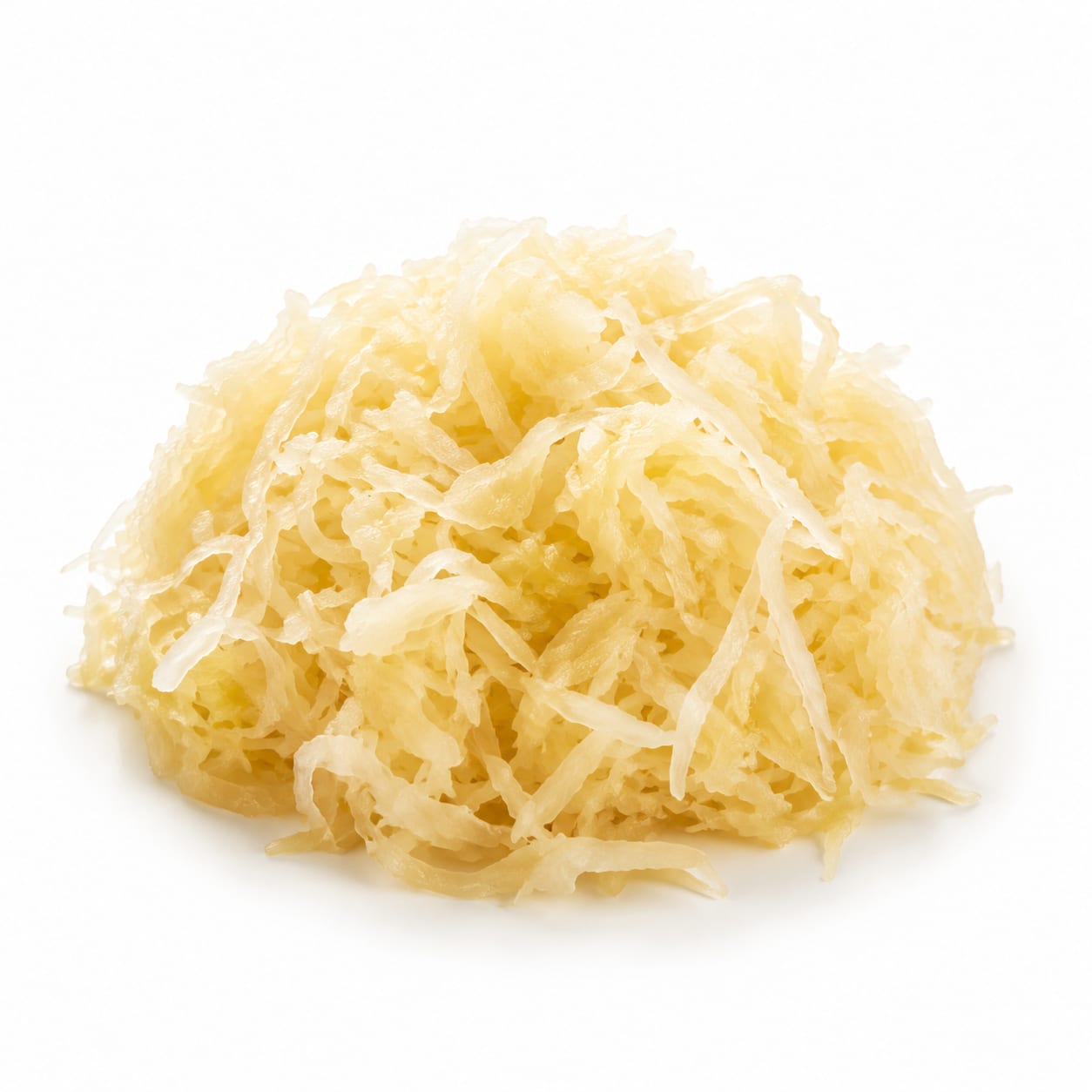
Sauerkraut
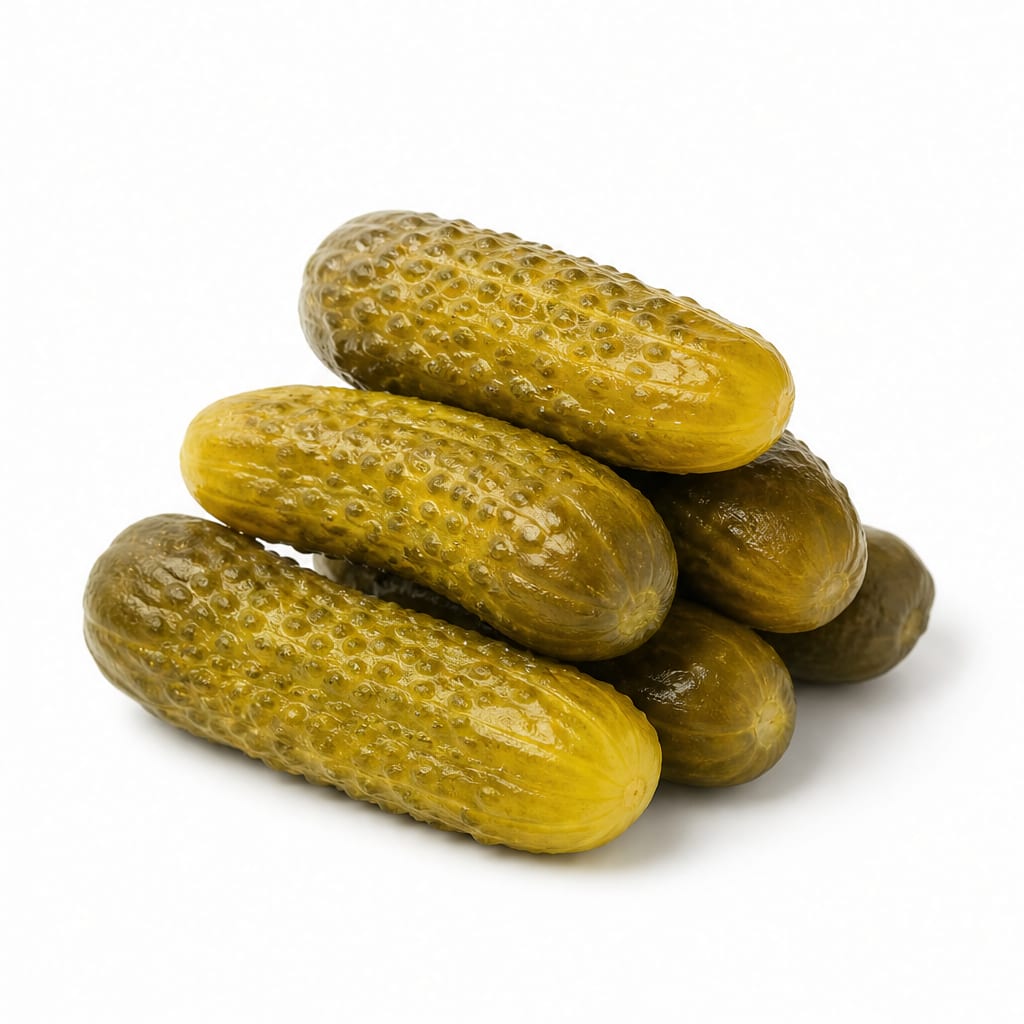
Dill Pickles
Sauerkraut provides superior gut health benefits and nutritional density, while Dill Pickles are a more convenient, crave-worthy snack that often lack live probiotics.
Sauerkraut scores higher due to its reliable probiotic content, higher fiber, and better vitamin profile. Dill Pickles score lower because most commercial versions are vinegar-preserved with no live cultures and fewer nutrients.
The probiotic richness and fiber of Sauerkraut versus the satisfying crunch and grab-and-go convenience of Dill Pickles.
At a glance
Executive summary
Overall
Sauerkraut
Healthier
Sauerkraut
More practical
Dill Pickles
Daily use
Sauerkraut
Key comparison lenses
Gut health and probiotic content
Both are fermented vegetables, but their probiotic viability and digestive benefits differ significantly based on preparation methods.
Sodium intake and blood pressure impact
Both are high-sodium foods, making salt load a primary concern for daily consumption.
Nutritional density and fiber
Cabbage offers different micronutrients and fiber profiles compared to cucumbers.
Snackability and convenience
Dill pickles are often eaten straight from the jar as a quick snack, while sauerkraut is typically a meal accompaniment.
Best choice for
Sauerkraut
- People focusing on gut health and digestion
- Those seeking a low-calorie fiber boost
- Anyone looking for a natural probiotic source
- Meals needing a tangy, savory condiment
Dill Pickles
- People craving a salty, crunchy snack
- Those wanting a zero-prep side for sandwiches
- Anyone needing a quick electrolyte boost after sweating
- Keto dieters looking for fat-free flavor
Least suitable for
Sauerkraut
- People on strict low-sodium diets
- Those with histamine intolerance
- Anyone who dislikes sour flavors
Dill Pickles
- People watching their blood pressure
- Those sensitive to vinegar or artificial dyes
- Anyone seeking significant nutritional value from their snacks
Deep comparison
Dimension by dimension
Each lens scores both foods and breaks down who each option suits.
- Dimension 1 · Priority 95Sauerkraut
Gut Health & Probiotics
Sauerkraut · 92Dill Pickles · 45Sauerkraut is a far more reliable source of live probiotics than Dill Pickles.
Tradeoff
You get active gut benefits from Sauerkraut, whereas most shelf-stable Dill Pickles are vinegar-brined and completely lack live cultures.
Why it matters
Live probiotics improve digestion, support immunity, and reduce bloating.
Real-world impact
Eating Sauerkraut regularly can lead to noticeably better digestion and less bloating, while Dill Pickles mostly just satisfy a salt craving.
Sauerkraut
- Improving gut flora diversity
- Reducing chronic bloating
- Supporting immune function
Better for
- Those with severe histamine intolerance
Worse for
Dill Pickles
- Quick sodium replenishment after intense exercise
Better for
- Anyone specifically seeking digestive probiotic benefits
Worse for
- Dimension 2 · Priority 85Sauerkraut
Nutritional Density
Sauerkraut · 78Dill Pickles · 40Sauerkraut delivers more fiber, Vitamin C, and Vitamin K per bite.
Tradeoff
Sauerkraut brings actual micronutrients and roughage to your plate, while Dill Pickles are mostly water and salt with minimal vitamins.
Why it matters
Higher fiber keeps you full longer and stabilizes blood sugar, which water-heavy pickles cannot do.
Real-world impact
A serving of Sauerkraut actually contributes to your daily vegetable and fiber goals, whereas a pickle is essentially a flavored zero-calorie snack.
Sauerkraut
- Increasing daily fiber intake
- Boosting Vitamin C and K levels
- Feeling more satisfied after a meal
Better for
- Those who want a completely calorie-free condiment
Worse for
Dill Pickles
- Keeping calorie counts strictly at zero
Better for
- Anyone relying on snacks for subtle nutritional gains
Worse for
- Dimension 3 · Priority 90It depends
Sodium Load
Sauerkraut · 35Dill Pickles · 30Both are heavily salted, but Dill Pickles are easier to overconsume.
Tradeoff
Sauerkraut has high sodium per serving, but you usually eat less of it. Dill Pickles are incredibly easy to eat by the jar, skyrocketing your salt intake.
Why it matters
Excessive sodium spikes blood pressure and causes water retention.
Real-world impact
Eating three pickles in one sitting can easily deliver over 1500mg of sodium, while a standard Sauerkraut garnish is less likely to push you over your daily limit.
Sauerkraut
- Portion control due to strong flavor
Better for
- Adding hidden salt to already salty meals like hot dogs
Worse for
Dill Pickles
- Post-workout electrolyte replenishment
Better for
- Mindless snacking leading to blood pressure spikes
Worse for
- Dimension 4 · Priority 75Dill Pickles
Snackability & Convenience
Sauerkraut · 45Dill Pickles · 90Dill Pickles are a ready-to-eat, handheld snack; Sauerkraut is a messy condiment.
Tradeoff
Pickles offer instant, crunchy satisfaction with zero prep, while Sauerkraut requires a plate and pairs best with other foods.
Why it matters
Convenience often dictates what you actually reach for when hungry.
Real-world impact
When you need a salty crunch at 3 PM, grabbing a pickle from the fridge is effortless. Eating Sauerkraut straight from the bag is far less appealing to most.
Sauerkraut
- Adding bulk and flavor to light meals
Better for
- Quick, mess-free snacking
Worse for
Dill Pickles
- Curbing afternoon hunger instantly
- Eating on the go
- Satisfying crunchy, salty cravings
Better for
- Building a balanced, filling meal
Worse for
Timeline
Health impact over time
Short-term
Hours to days
Sauerkraut
- May reduce bloating due to probiotics
- Can cause temporary water retention from sodium
- Might trigger slight acid reflux if eaten in large amounts
Dill Pickles
- Provides a rapid electrolyte boost after sweating
- Intense salt hit can trigger thirst and water retention
- Vinegar can help blunt blood sugar spikes from carbs
Long-term
Months to years
Sauerkraut
- Improved gut microbiome diversity
- Better digestive regularity from fiber
- Risk of elevated blood pressure if sodium is not managed
Dill Pickles
- Potential for higher blood pressure if consumed excessively
- Minimal impact on gut flora if eating vinegar-brined varieties
- Possible dental enamel wear from acidic vinegar
Risk profile
Safety & processing
Traditional Sauerkraut relies solely on cabbage and salt for fermentation. Commercial Dill Pickles often contain vinegar, preservatives, and sometimes artificial colors like Yellow 5 to maintain an unnatural bright green hue.
Sauerkraut
Histamine intolerance
mediumFermented foods are high in histamine, which can trigger headaches or digestive upset in sensitive individuals.
Sodium overload
mediumA single cup can contain nearly 40% of the daily sodium limit, posing a risk for those with hypertension.
Dill Pickles
Artificial additives
mediumMany commercial brands use Yellow 5 and sodium benzoate, which can cause allergic reactions or hyperactivity in sensitive people.
Extreme sodium density
highIt is very easy to consume multiple pickles in one sitting, quickly exceeding safe daily sodium limits and straining the cardiovascular system.
Who wins for whom
Audience fit
Same foods, different winners depending on your goal.
children
Dill PicklesKids are far more likely to enjoy the crunchy, mild taste of a Dill Pickle as a snack, whereas Sauerkraut's sour, tangy flavor is usually an acquired taste.
daily consumption
SauerkrautSmall daily amounts of Sauerkraut provide consistent probiotic and fiber benefits, while daily Dill Pickles can too easily push sodium intake into dangerous territory.
diabetes
SauerkrautSauerkraut contains fiber to slow glucose absorption and live cultures that may improve insulin sensitivity, while Dill Pickles offer no fiber benefit.
elderly
SauerkrautThe probiotics and fiber in Sauerkraut support the digestive regularity and gut health that often decline with age, provided their blood pressure is managed.
muscle gain
It dependsNeither is a significant protein source, but Dill Pickles can help with post-workout cramping due to their high sodium and electrolyte content.
weight loss
SauerkrautSauerkraut provides fiber that creates a feeling of fullness, whereas Dill Pickles are easy to overeat due to their addictive crunch and lack of satiating fiber.
Your move
Decision guide
Choose Sauerkraut
- You want to improve your gut health and digestion
- You need a low-calorie way to add flavor and fiber to meals
- You are looking for a natural source of Vitamins C and K
- You enjoy tangy, fermented flavors as a meal garnish
Choose Dill Pickles
- You are craving a salty, crunchy, zero-calorie snack
- You need a quick electrolyte fix after a heavy workout
- You want a fuss-free side for your sandwiches and burgers
- You dislike the texture of fermented cabbage but love vinegar tang
Either works if
- You are on a low-carb or keto diet and need flavor without sugar
- You are trying to add more fermented or acidic foods to aid digestion
- You are strictly monitoring your blood pressure and need to limit sodium
Avoid both if
- You are on a strict low-sodium diet for heart or kidney conditions
- You have severe histamine intolerance
- You struggle with acid reflux triggered by vinegar or fermented foods
Final recommendation
Sauerkraut is the healthier choice for daily use due to its probiotic power and fiber, but Dill Pickles win when you need a convenient, satisfying crunch. If choosing Dill Pickles, opt for refrigerated, naturally fermented brands to get the gut benefits of Sauerkraut in a crunchier package.
Practical
Consumer tips
- 1
Look for Sauerkraut in the refrigerated section; shelf-stable jars are pasteurized and lack live probiotics.
- 2
If buying Dill Pickles for gut health, check the label for 'naturally fermented' and avoid vinegar as the primary ingredient.
- 3
Rinse Sauerkraut lightly under cold water if the sodium or sour taste is too intense, though this will wash away some probiotics.
- 4
Avoid Dill Pickles with Yellow 5 or artificial preservatives; the ingredient list should just be cucumbers, water, salt, dill, and garlic.
- 5
Keep both foods away from dirty utensils to prevent cross-contamination and mold growth in the jar.