
Nutrition comparison
Kefir vs Sauerkraut: Which Probiotic Food Is Better for You?
Compare kefir and sauerkraut for probiotics, protein, sodium, and gut health. Learn which fermented food fits your diet, health goals, and daily routine better.
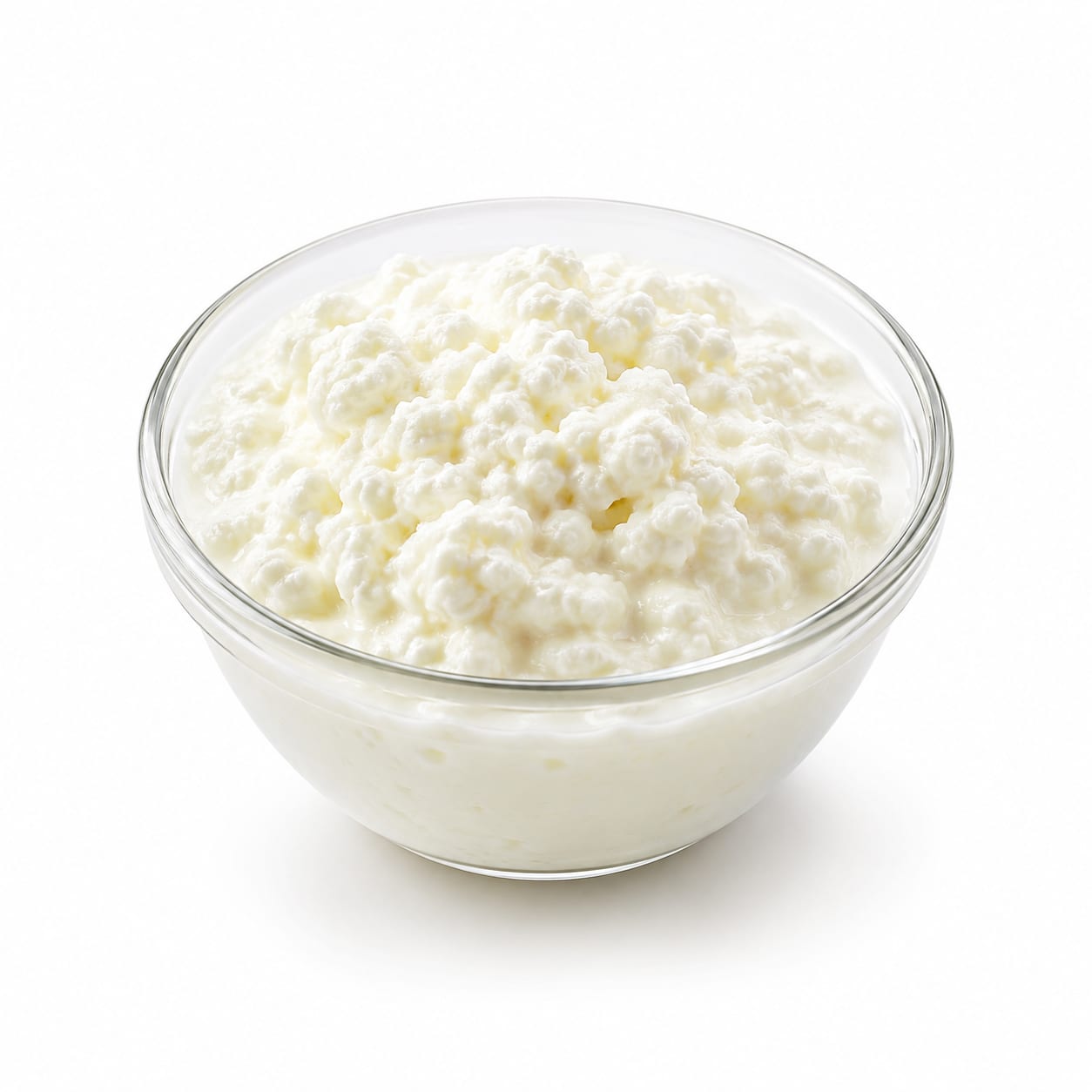
Kefir
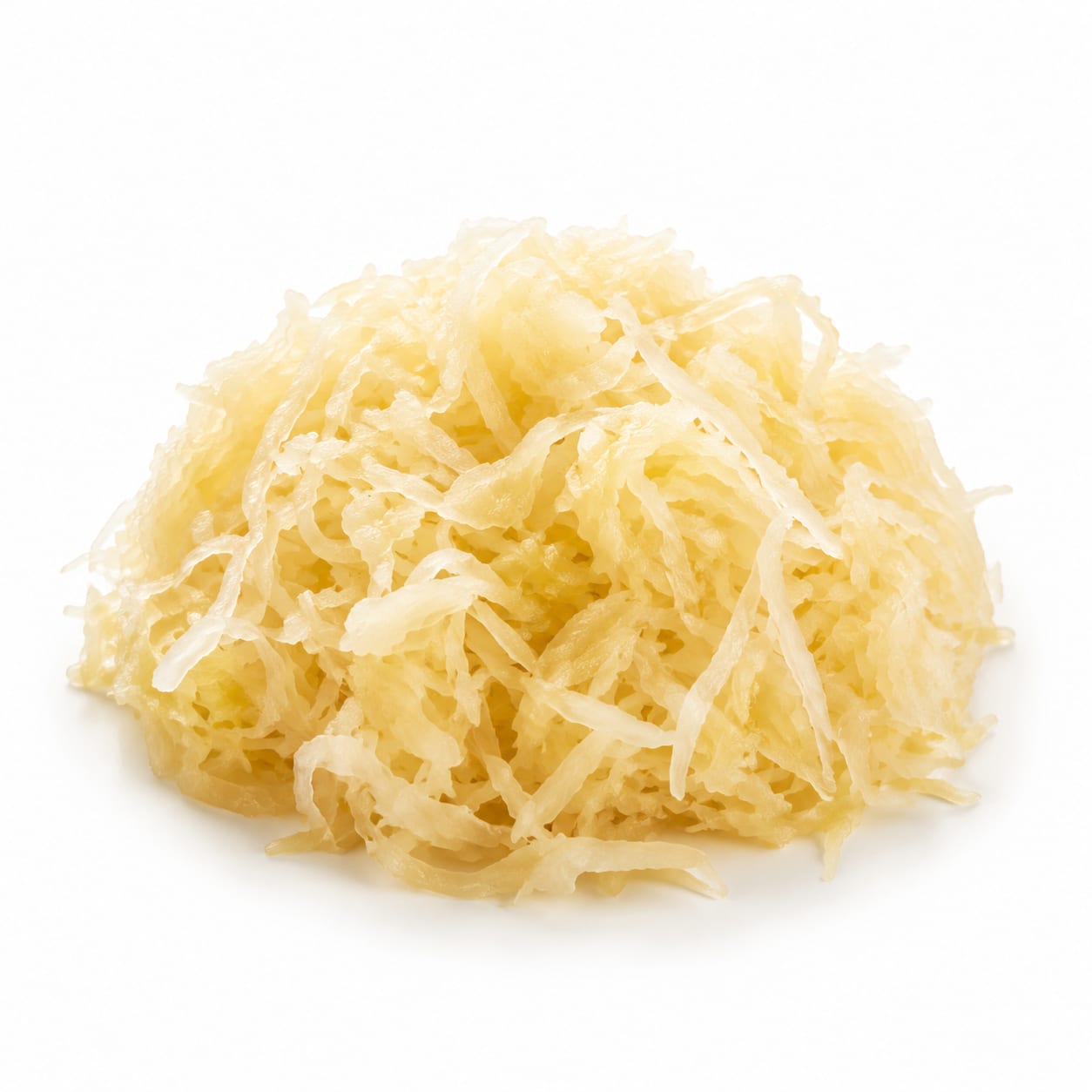
Sauerkraut
Kefir wins on protein, calcium, and satiety. Sauerkraut wins on calories, fiber, and dietary inclusivity. Both are probiotic powerhouses serving different needs.
Kefir scores higher due to superior macronutrient balance and broader everyday utility. Sauerkraut loses ground on sodium load and limited protein, but remains excellent for low-calorie gut support.
Kefir gives you a filling, nutrient-dense drink with dairy protein and calcium. Sauerkraut gives you a nearly calorie-free fiber-rich condiment—but with a heavy sodium load.
At a glance
Executive summary
Overall
It depends
Healthier
It depends
More practical
Kefir
Daily use
Kefir
Key comparison lenses
Gut health and probiotic potency
Both are fermented foods prized for probiotics, so users want to know which delivers more digestive benefit
Dairy vs plant-based compatibility
Kefir is dairy-based while sauerkraut is plant-based, a major deciding factor for lactose-intolerant or vegan users
Sodium and blood pressure concerns
Sauerkraut is very high in sodium from fermentation salt, a critical health tradeoff
Nutritional completeness as a food
Kefir offers protein and calcium while sauerkraut offers fiber and vitamin C, making them nutritionally complementary
Daily habit sustainability
Users want to know which is easier to consume regularly without downsides accumulating
Best choice for
Kefir
- People wanting probiotics plus protein in one step
- Those needing more calcium for bone health
- Anyone seeking a filling, drinkable snack
- Post-workout recovery with gut benefits
- People who tolerate dairy well
Sauerkraut
- Vegans and dairy-avoidant individuals
- Those watching calorie intake closely
- People wanting fiber alongside probiotics
- Anyone needing vitamin C and K2 boost
- Those who prefer adding probiotics as a condiment to meals
Least suitable for
Kefir
- Lactose-intolerant individuals (though kefir is lower in lactose than milk)
- Vegans
- People avoiding dairy for inflammatory concerns
- Those watching saturated fat intake
Sauerkraut
- People on low-sodium diets or with hypertension
- Those sensitive to high salt intake
- Anyone seeking a protein source
- People who find fermented cabbage flavors unappealing daily
Deep comparison
Dimension by dimension
Each lens scores both foods and breaks down who each option suits.
- Dimension 1 · Priority 95Kefir
Probiotic Diversity and Potency
Kefir · 88Sauerkraut · 80Kefir contains both bacteria and beneficial yeast strains, offering broader microbial diversity than sauerkraut's primarily bacterial profile.
Tradeoff
Sauerkraut still delivers strong probiotic counts, but kefir's yeast component adds unique gut benefits sauerkraut cannot match.
Why it matters
Greater strain diversity may support more aspects of digestion, immune function, and gut lining integrity.
Real-world impact
If your gut needs serious rehabilitation after antibiotics, kefir's broader spectrum may get you back to normal faster.
Kefir
- Post-antibiotic gut recovery
- Broader strain exposure for resilient microbiome
Better for
- Dairy-sensitive individuals who experience bloating from kefir
Worse for
Sauerkraut
- People who cannot consume dairy but still want meaningful probiotic intake
Better for
- Those wanting the most diverse probiotic exposure possible
Worse for
- Dimension 2 · Priority 85Kefir
Protein and Satiety
Kefir · 82Sauerkraut · 18Kefir provides 8-11g of protein per cup while sauerkraut offers less than 1.5g per serving, making kefir far more filling.
Tradeoff
Sauerkraut is essentially a condiment nutritionally, while kefir functions as a mini-meal or substantial snack.
Why it matters
Protein keeps you full and stabilizes blood sugar. A probiotic food that also satisfies hunger is easier to sustain as a daily habit.
Real-world impact
A cup of kefir at 3pm tides you over until dinner. Sauerkraut on its own leaves you reaching for another snack within the hour.
Kefir
- Between-meal hunger control
- Replacing a less nutritious snack with something gut-healthy
Better for
- Those wanting a zero-probability-of-fullness addition to meals
Worse for
Sauerkraut
- Adding flavor and probiotics to an already protein-rich meal
Better for
- Anyone relying on it as a standalone snack
Worse for
- Dimension 3 · Priority 82Kefir
Sodium Load
Kefir · 75Sauerkraut · 25Sauerkraut can contain 400-900mg sodium per serving, while kefir typically has 90-130mg. This is sauerkraut's biggest health compromise.
Tradeoff
The salt is necessary for sauerkraut fermentation, so you cannot avoid it without switching to a vinegar-based version that loses probiotic benefits.
Why it matters
High sodium intake raises blood pressure and strains cardiovascular health over time, especially for salt-sensitive individuals.
Real-world impact
Eating sauerkraut daily could easily push you over recommended sodium limits without careful tracking of the rest of your diet.
Kefir
- People with hypertension or sodium sensitivity
- Those who already eat processed foods regularly
Better for
- Those needing extra electrolytes after intense exercise
Worse for
Sauerkraut
- Athletes losing significant sodium through sweat who need replenishment
Better for
- Anyone monitoring blood pressure
- Older adults more sensitive to sodium
Worse for
- Dimension 4 · Priority 78Sauerkraut
Caloric Efficiency
Kefir · 55Sauerkraut · 92Sauerkraut delivers probiotics and fiber at roughly 15-27 calories per cup, while kefir runs 100-150 calories per cup.
Tradeoff
Kefir's calories come with protein and calcium, making them nutrient-dense. Sauerkraut's calories are nearly free but nutritionally narrow.
Why it matters
For strict calorie counters, sauerkraut offers gut benefits with almost no caloric cost, making it easier to fit into any eating plan.
Real-world impact
You can pile sauerkraut on a salad without thinking about calories. With kefir, you need to account for it as part of your daily intake.
Kefir
- Those who want calories that also deliver protein and satiety
Better for
- Very low-calorie diet phases
Worse for
Sauerkraut
- Calorie-restricted diets
- People who want probiotics without any caloric impact
Better for
- Those needing energy density from their food choices
Worse for
- Dimension 5 · Priority 80Sauerkraut
Dietary Inclusivity
Kefir · 40Sauerkraut · 90Sauerkraut is vegan, paleo-friendly, and lactose-free. Kefir excludes anyone avoiding dairy, though it is lower in lactose than milk.
Tradeoff
Kefir's dairy base limits its audience but provides nutrients hard to get from plant foods. Sauerkraut is universally accessible but nutritionally lighter.
Why it matters
Dairy avoidance is common for ethical, digestive, or inflammatory reasons. A probiotic food that works for everyone is practically valuable.
Real-world impact
At a dinner party, sauerkraut works as a gut-healthy side for every guest. Kefir requires checking for dairy intolerance first.
Kefir
- People who specifically want dairy-based nutrition
Better for
- Anyone with dairy restrictions
Worse for
Sauerkraut
- Vegans and plant-based eaters
- Lactose-intolerant individuals
- Those with dairy allergy or sensitivity
Better for
- Those who have no dietary restrictions and want maximum nutrition per serving
Worse for
- Dimension 6 · Priority 72Kefir
Bone Health Support
Kefir · 90Sauerkraut · 35Kefir provides significant calcium, phosphorus, and vitamin D (if fortified), directly supporting bone density. Sauerkraut offers vitamin K2 but little calcium.
Tradeoff
Sauerkraut's vitamin K2 helps direct calcium to bones rather than arteries, but without much calcium to work with. Kefir supplies both the calcium and some K2.
Why it matters
Bone health requires multiple nutrients working together. Kefir delivers more of them in one package.
Real-world impact
A daily kefir habit meaningfully contributes to your calcium needs. Sauerkraut supports bone health indirectly but cannot replace calcium-rich foods.
Kefir
- Older adults at risk for osteoporosis
- Anyone not meeting calcium needs through other foods
Better for
- People getting sufficient calcium from other sources
Worse for
Sauerkraut
- Those already getting plenty of calcium who want K2 to optimize bone metabolism
Better for
- Those relying on it as a primary bone-support food
Worse for
- Dimension 7 · Priority 70Sauerkraut
Fiber and Digestive Regularity
Kefir · 30Sauerkraut · 82Sauerkraut provides 4-6g of fiber per cup from cabbage, while kefir has essentially zero fiber.
Tradeoff
Kefir supports gut health through probiotics alone. Sauerkraut combines probiotics with prebiotic fiber that feeds beneficial bacteria.
Why it matters
Fiber feeds gut bacteria, promotes regular bowel movements, and helps control blood sugar. A probiotic food that also delivers fiber is more complete for digestive health.
Real-world impact
Sauerkraut on your plate helps keep you regular in a way kefir alone cannot. For constipation-prone individuals, this matters daily.
Kefir
- Those who get plenty of fiber from other sources
Better for
- Those relying on kefir as their sole gut health intervention
Worse for
Sauerkraut
- People needing digestive regularity support
- Anyone wanting prebiotics alongside probiotics
Better for
- People already consuming high-fiber diets who do not need more
Worse for
Timeline
Health impact over time
Short-term
Hours to days
Kefir
- Quick probiotic infusion that may reduce bloating within days
- Protein provides immediate satiety, reducing between-meal snacking
- May cause temporary gas or bloating in dairy-sensitive individuals
Sauerkraut
- Immediate fiber boost that can improve bowel regularity within a day
- High sodium may cause water retention and mild bloating
- Tangy fermented flavor can stimulate digestion and appetite
Long-term
Months to years
Kefir
- Consistent calcium and protein intake supports bone density and muscle maintenance
- Regular probiotic exposure may strengthen immune resilience over months
- Dairy consumption may be pro-inflammatory for some individuals over time
Sauerkraut
- Sustained fiber intake supports colon health and may reduce digestive disease risk
- Chronic high sodium intake could elevate blood pressure if not managed
- Vitamin K2 from fermentation may improve cardiovascular and bone outcomes long-term
Risk profile
Safety & processing
Both are traditionally fermented whole foods with minimal processing. Store-bought versions may contain added sugar (kefir) or preservatives (sauerkraut), so reading labels matters for both.
Kefir
Dairy contamination and spoilage
mediumKefir is a dairy product that can spoil if not refrigerated properly. Always check expiration dates and smell before consuming.
Lactose intolerance reactions
mediumThough kefir has less lactose than milk, sensitive individuals may still experience discomfort. Start with small amounts.
Sauerkraut
Excessive sodium intake
highA single serving can contain a third or more of your daily sodium limit. This is the most clinically significant risk for regular consumers.
Histamine intolerance reactions
mediumFermented foods are high in histamine. Some individuals experience headaches, hives, or digestive distress from histamine-rich foods.
Who wins for whom
Audience fit
Same foods, different winners depending on your goal.
children
KefirKefir is more palatable for kids, provides calcium for growing bones, and is easier to drink than convincing a child to eat fermented cabbage.
daily consumption
KefirKefir's lower sodium and higher nutrient density make it safer and more beneficial as a daily habit, while sauerkraut's sodium accumulates quickly with regular use.
diabetes
SauerkrautSauerkraut has virtually no sugar and provides fiber that slows glucose absorption. Some kefir brands add sugar, so check labels carefully.
elderly
KefirOlder adults benefit most from kefir's calcium, protein, and bone-supporting nutrients, while sauerkraut's sodium poses greater blood pressure risks in this group.
muscle gain
KefirKefir provides actual protein that supports muscle repair, while sauerkraut contributes negligible protein.
weight loss
SauerkrautSauerkraut's near-zero calories make it easy to add gut benefits without impacting your calorie budget, though its sodium warrants monitoring.
Your move
Decision guide
Choose Kefir
- You want probiotics plus protein and calcium in one convenient drink
- You are not dairy-avoidant and want maximum nutritional return per serving
- You need a filling snack that also supports gut health
- Bone health is a priority for you
- You prefer something drinkable over something you add to meals
Choose Sauerkraut
- You are vegan, lactose-intolerant, or avoiding dairy for any reason
- You want probiotics with minimal calorie impact
- You need more fiber in your diet alongside gut support
- You enjoy tangy, fermented flavors as a meal accent
- You are an athlete who needs sodium replenishment
Either works if
- You simply want more fermented foods in your life for gut health
- You have no dietary restrictions and can rotate both for probiotic diversity
- You are building a gut-friendly meal plan and want variety
Avoid both if
- You have severe histamine intolerance, as both are high-histamine fermented foods
- You are on a strict low-sodium, low-dairy, and low-fiber diet simultaneously
Final recommendation
The smartest approach is rotating both. Use kefir as your morning or afternoon probiotic protein boost, and add sauerkraut to meals a few times a week for fiber and strain diversity. This gives you the broadest probiotic exposure, complementary nutrients, and prevents sodium from accumulating too high. If you must pick one, kefir is the more complete daily food, while sauerkraut is the better low-calorie, dairy-free option.
Practical
Consumer tips
- 1
Choose unsweetened kefir to avoid added sugar that feeds harmful gut bacteria
- 2
Look for sauerkraut in the refrigerated section with 'live cultures' on the label—shelf-stable jars are often pasteurized and probiotic-dead
- 3
Rinse sauerkraut briefly if sodium is a concern, though this reduces some probiotic content
- 4
Start with small portions of either food if you are new to fermented foods to avoid digestive upset
- 5
Water kefir is a good dairy-free alternative if you want kefir-style probiotics without milk
- 6
Make sauerkraut at home to control sodium levels and guarantee live cultures