
Nutrition comparison
Sauerkraut vs Miso: Nutrition, Probiotics, and Health Comparison
Compare Sauerkraut vs Miso for gut health, sodium, and weight loss. Discover which fermented food is better for your diet and daily use.
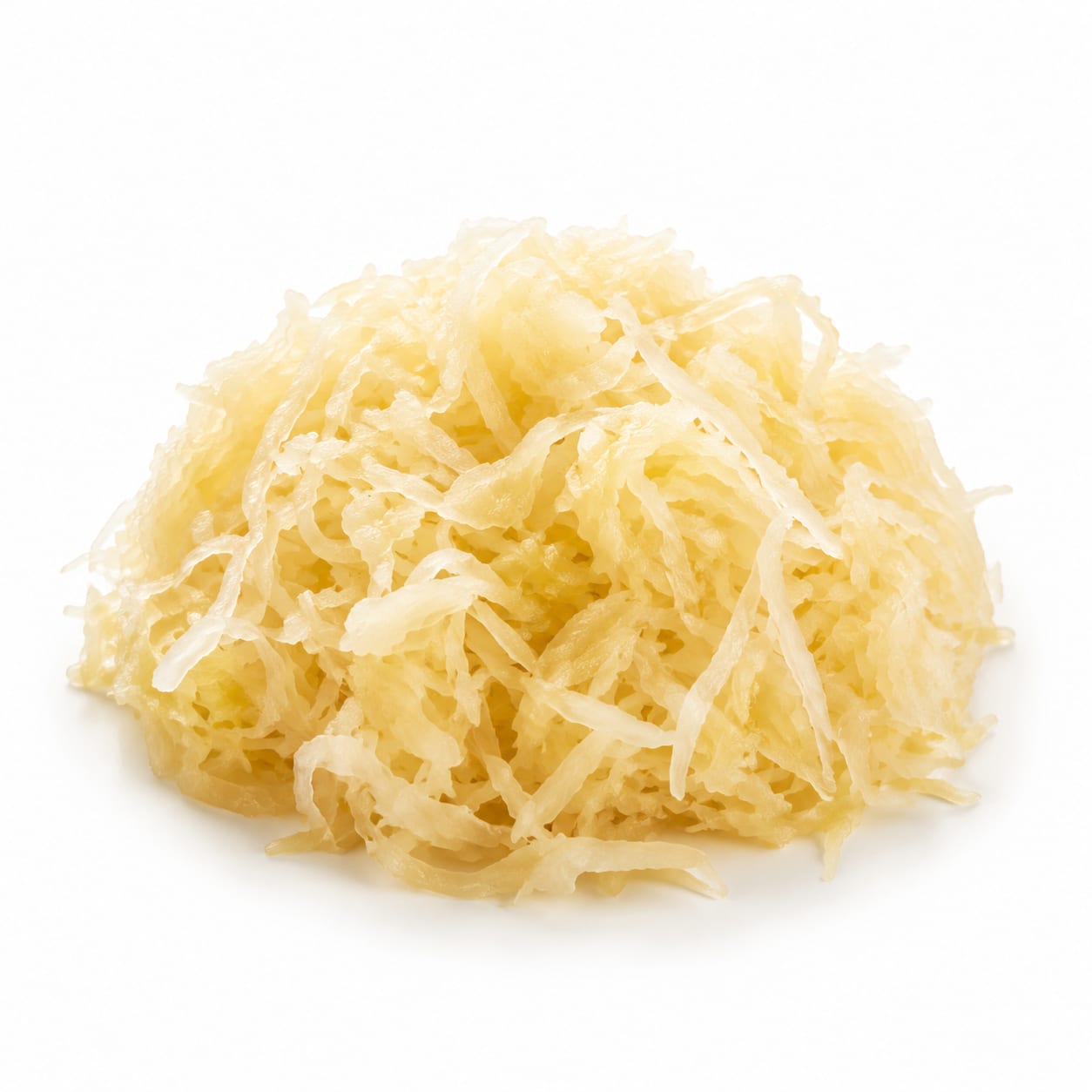
Sauerkraut
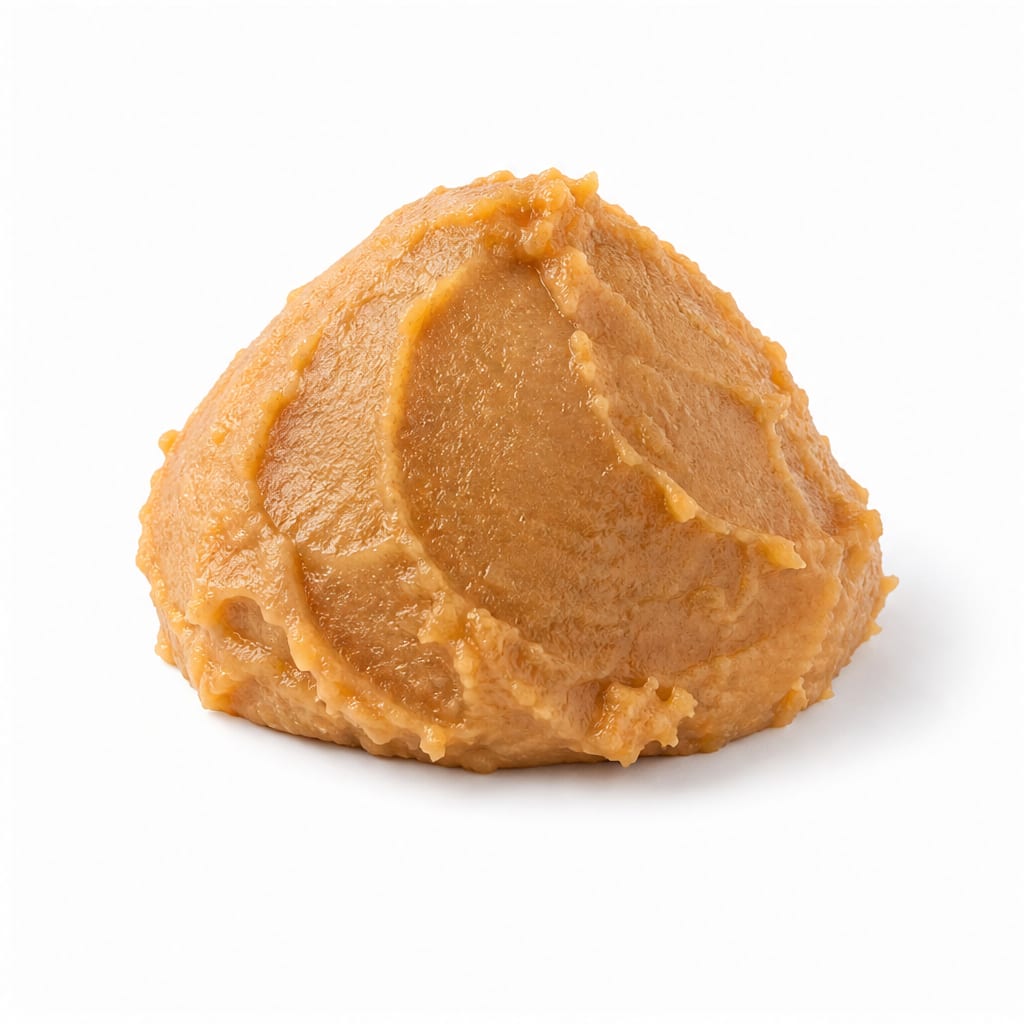
Miso
Sauerkraut is the low-calorie fiber powerhouse, while Miso offers more protein and savory umami depth, but both demand caution due to high sodium.
Sauerkraut edges ahead slightly for weight management and fiber, but Miso's protein and isoflavones make it nutritionally dense, resulting in a near tie depending on dietary goals.
Low-calorie fiber from Sauerkraut versus protein-rich umami flavor from Miso, with sodium being the shared downside.
At a glance
Executive summary
Overall
It depends
Healthier
It depends
More practical
Miso
Daily use
It depends
Key comparison lenses
Gut health and probiotic potency
Both are renowned fermented foods, often chosen specifically for digestive and microbiome benefits.
Sodium load and blood pressure impact
Fermentation requires salt, making both foods surprisingly high in sodium, which is a critical health tradeoff.
Weight management and calorie density
Sauerkraut is a low-calorie volume food, while Miso is a concentrated paste, leading to very different eating behaviors.
Nutritional depth beyond fermentation
Sauerkraut offers fiber and vitamin C, while Miso provides protein and soy isoflavones, creating distinct health profiles.
Best choice for
Sauerkraut
- Low-calorie diets where volume eating helps
- Fiber supplementation for digestive regularity
- Those avoiding soy or seeking a crunchy condiment
Miso
- Plant-based diets needing a protein boost
- Soothing warm meals like soup for digestive comfort
- Adding deep umami flavor to cooking
Least suitable for
Sauerkraut
- People strictly limiting sodium who eat large portions
- Those seeking significant protein intake
- Individuals sensitive to cruciferous vegetables
Miso
- People with soy allergies or sensitivities
- Those wanting a low-calorie, high-volume food
- Individuals prone to overeating savory flavors
Deep comparison
Dimension by dimension
Each lens scores both foods and breaks down who each option suits.
- Dimension 1 · Priority 95It depends
Gut Health and Probiotics
Sauerkraut · 85Miso · 88Both are fermented and probiotic-rich, but Miso offers a broader amino acid profile alongside gut benefits.
Tradeoff
Sauerkraut provides more fiber to feed gut bacteria, while Miso provides a wider range of bioactive compounds from soy.
Why it matters
A healthy gut needs both probiotics and prebiotics to thrive.
Real-world impact
Sauerkraut adds crunch and fiber to meals; Miso makes a comforting, gut-soothing broth.
Sauerkraut
- Providing prebiotic fiber to feed beneficial bacteria
- Adding low-calorie volume to meals
Better for
- Lacking the protein building blocks found in soy fermentation
- Causing bloating if eaten in massive amounts
Worse for
Miso
- Delivering a diverse range of probiotic strains
- Offering a soothing, easily digestible warm broth
Better for
- Causing digestive issues for those with soy intolerance
- Offering zero dietary fiber to support bowel regularity
Worse for
- Dimension 2 · Priority 90Miso
Sodium Load
Sauerkraut · 40Miso · 50Both are high-sodium foods, but because Miso is intensely flavored, you typically use less of it per serving.
Tradeoff
Sauerkraut is easier to overeat in large portions due to its low calorie count, which can sneak in excess sodium.
Why it matters
High sodium intake raises blood pressure and causes water retention.
Real-world impact
Eating a whole cup of Sauerkraut can deliver half your daily sodium, while a tablespoon of Miso in soup is more naturally portion-controlled.
Sauerkraut
- Situations where you can easily rinse the food before eating
- Meals where you want a salty crunch without adding extra salt to the dish
Better for
- Risk of accidental overconsumption because it feels light
- High sodium per volume ratio
Worse for
Miso
- Portion control due to intense concentration
- Replacing salt in recipes with a more flavorful alternative
Better for
- Sodium adds up quickly if used as a marinade or glaze
- Difficult to rinse to reduce salt content
Worse for
- Dimension 3 · Priority 85Sauerkraut
Calorie Density and Weight Management
Sauerkraut · 92Miso · 65Sauerkraut is extremely low in calories and high in volume, making it excellent for weight loss.
Tradeoff
Miso is more calorie-dense and less voluminous, so it will not fill you up the same way.
Why it matters
Volume eating helps control hunger without counting calories.
Real-world impact
You can pile Sauerkraut on a salad for satisfying bulk; Miso is just a flavoring agent that leaves you hungry if eaten alone.
Sauerkraut
- Volume eating and feeling physically full
- Low-carb and low-calorie diet plans
Better for
- Lacking healthy fats or proteins to sustain fullness long-term
Worse for
Miso
- Adding satisfying richness to light meals
- Making a low-calorie soup base feel indulgent
Better for
- Easy to overconsume calories if using large amounts in dressings or glazes
- Does not provide physical bulk to stretch the stomach
Worse for
- Dimension 4 · Priority 80Miso
Nutrient Profile
Sauerkraut · 70Miso · 85Sauerkraut brings Vitamin C and K, while Miso delivers protein, manganese, and beneficial soy isoflavones.
Tradeoff
Sauerkraut lacks protein, whereas Miso offers a decent plant-based protein punch in a small serving.
Why it matters
Protein and micronutrients are essential for muscle maintenance and hormonal balance.
Real-world impact
Miso soup can be a light protein boost after a workout; Sauerkraut is mostly fiber and vitamins.
Sauerkraut
- Boosting Vitamin C and immune support
- Getting significant Vitamin K for bone health
Better for
- Very low in protein and healthy fats
- Minimal caloric energy provided
Worse for
Miso
- Getting a quick hit of plant-based protein
- Benefiting from soy isoflavones for heart and hormone health
Better for
- Higher in calories and carbohydrates per serving
- Lacks the raw fiber content of cabbage
Worse for
Timeline
Health impact over time
Short-term
Hours to days
Sauerkraut
- Quick probiotic dose from Sauerkraut
- Bloating if eaten in large amounts due to fiber
- Immediate sodium hit
Miso
- Soothing warm Miso broth for the stomach
- Quick umami satisfaction and craving relief
- Can cause thirst from sodium
Long-term
Months to years
Sauerkraut
- Improved digestion from Sauerkraut's fiber
- Better immune support from Vitamin C
- Risk of high blood pressure if overconsumed
Miso
- Potential cardiovascular benefits from Miso's isoflavones
- Sustained gut microbiome support
- Risk of hypertension if sodium isn't managed
Risk profile
Safety & processing
Both are traditional fermented foods made from whole ingredients—cabbage and salt for Sauerkraut, soybeans and koji for Miso—keeping them highly natural.
Sauerkraut
Histamine intolerance
mediumFermented foods like Sauerkraut are high in histamine, which can trigger headaches or digestive issues in sensitive individuals.
Foodborne illness from improper home fermentation
lowCommercially produced Sauerkraut is very safe, but home-fermented batches carry a slight risk if hygiene is poor.
Miso
Soy allergy
highMiso is made from soy, a common allergen that can cause severe reactions in sensitive individuals.
Histamine intolerance
mediumLike Sauerkraut, Miso is high in histamine due to long fermentation.
Who wins for whom
Audience fit
Same foods, different winners depending on your goal.
children
It dependsSauerkraut avoids soy allergen concerns, but both are very high in sodium for young kids.
daily consumption
It dependsBoth can be consumed daily in small amounts for probiotics, but sodium intake must be monitored regardless of which you choose.
diabetes
SauerkrautSauerkraut has minimal impact on blood sugar and adds fiber, whereas Miso has slightly more carbohydrates.
elderly
MisoMiso is easier to consume as a warm broth, which is comforting for aging digestive systems and provides bone-supporting isoflavones.
muscle gain
MisoMiso contains plant-based protein from soy, which supports muscle maintenance better than Sauerkraut.
weight loss
SauerkrautSauerkraut is extremely low in calories and high in volume, making it easier to feel full without overeating.
Your move
Decision guide
Choose Sauerkraut
- You want a low-calorie, crunchy topping like Sauerkraut
- You need more fiber in your diet
- You are avoiding soy
Choose Miso
- You want a warming, savory broth like Miso
- You need a plant-based protein boost
- You are looking for soy isoflavones
Either works if
- You want to improve gut health with probiotics
- You are monitoring sodium intake and can adjust the rest of your diet
Avoid both if
- You are on a strict low-sodium diet
- You have severe histamine intolerance
Final recommendation
Let your meal dictate the choice—use Sauerkraut for a crunchy, low-calorie side and Miso for a comforting, protein-rich broth, but watch your portions to keep sodium in check.
Practical
Consumer tips
- 1
Rinse Sauerkraut lightly if you want to reduce sodium without losing all the probiotics.
- 2
Choose unpasteurized versions of both Sauerkraut and Miso to ensure live active cultures.
- 3
Add Miso to warm, not boiling, water to preserve the probiotics.
- 4
Mix Sauerkraut into salads or avocado toast for a tangy crunch.