
Nutrition comparison
Sauerkraut vs Apple Cider Vinegar: Which Is Better for Gut Health and Blood Sugar?
Compare sauerkraut and apple cider vinegar for probiotics, blood sugar control, weight loss, and daily use. Learn which fermented option fits your health goals and when to use both.
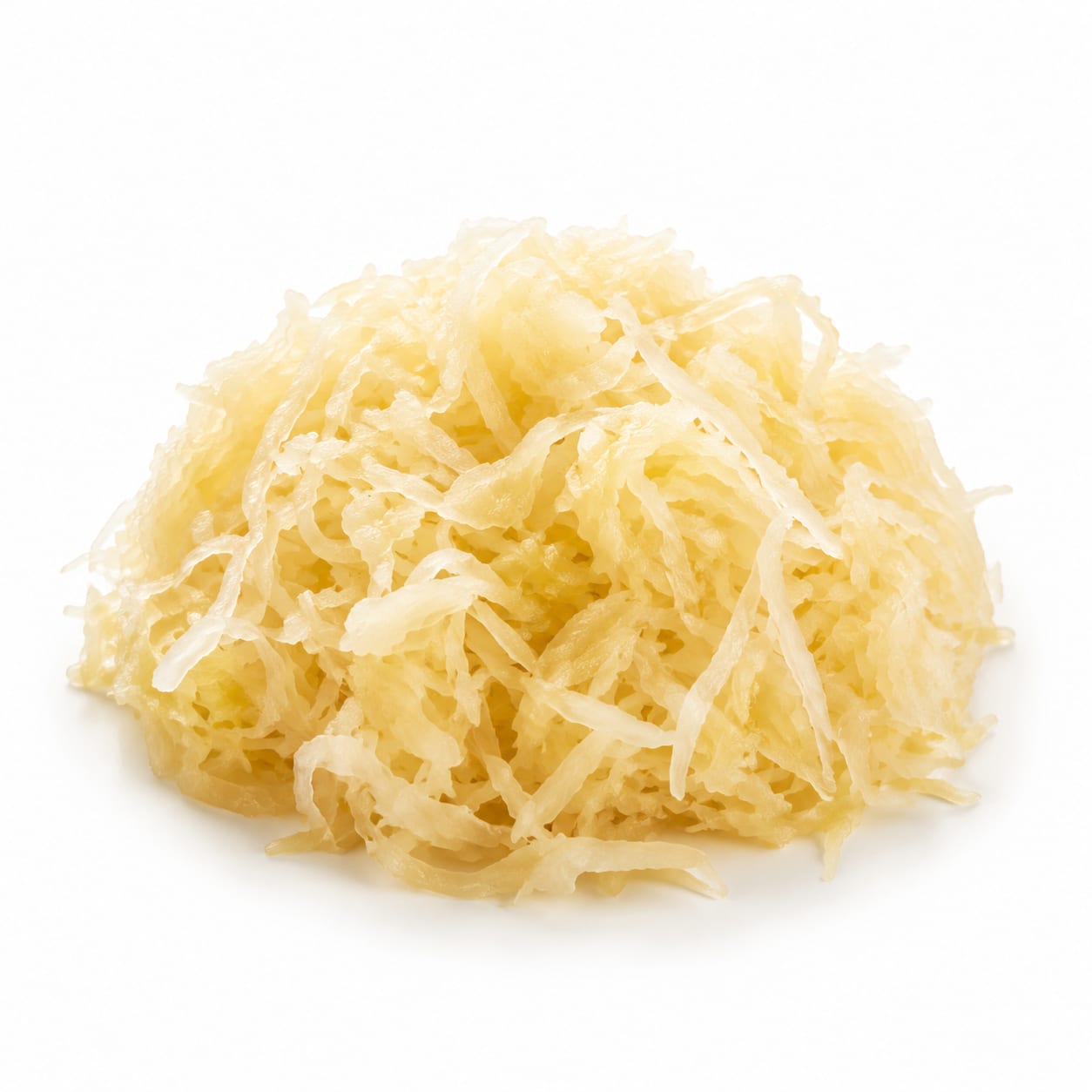
Sauerkraut
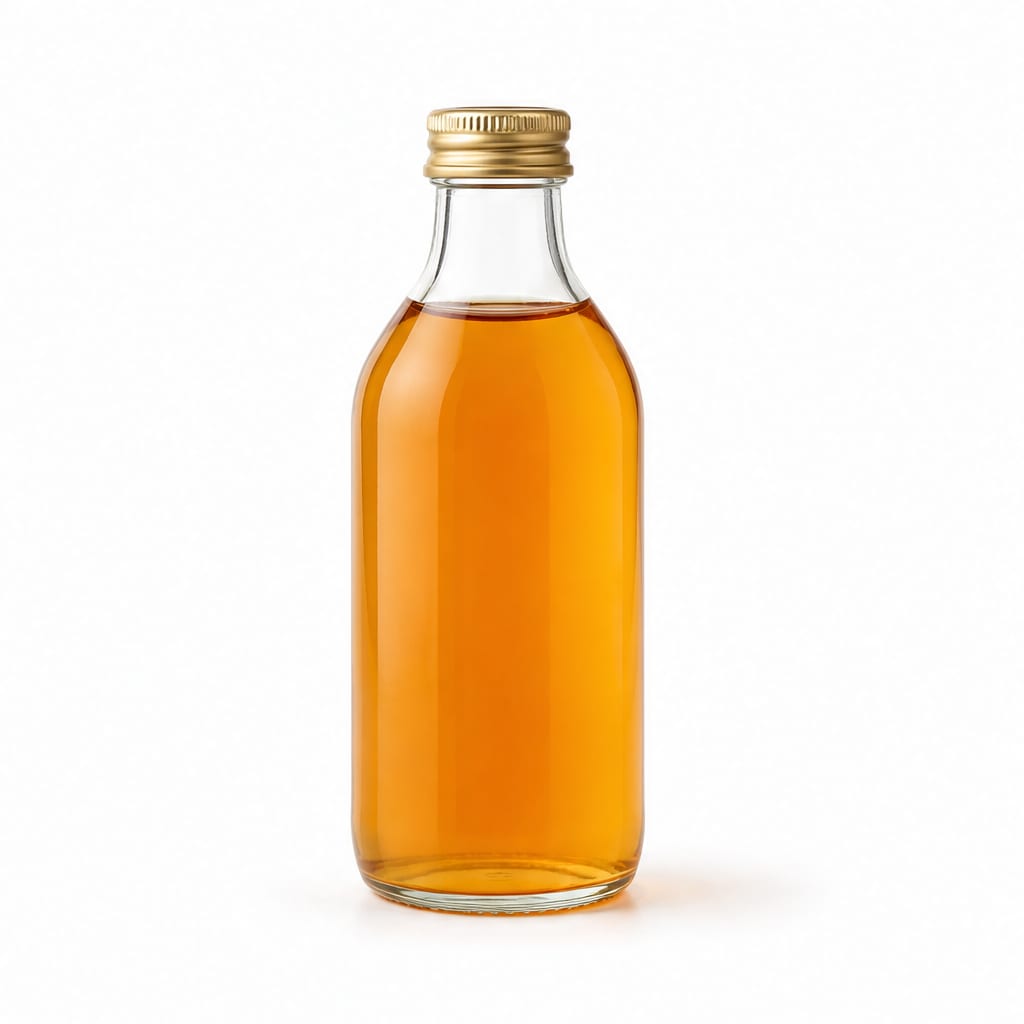
Apple Cider Vinegar
Sauerkraut is a nutrient-dense food with fiber and live probiotics; Apple Cider Vinegar is a concentrated tonic with stronger blood sugar evidence but minimal nutrition.
Sauerkraut scores higher because it delivers actual nutrition alongside probiotic benefits. Apple Cider Vinegar is effective for specific uses but offers almost no macronutrients, fiber, or vitamins. The gap reflects the difference between a whole food and a concentrated tonic.
Sauerkraut gives you real food with fiber, vitamins, and satiety but adds sodium. Apple Cider Vinegar gives you a low-calorie, sodium-free blood sugar tool but almost zero nutrition.
At a glance
Executive summary
Overall
It depends
Healthier
Sauerkraut
More practical
Apple Cider Vinegar
Daily use
Sauerkraut
Key comparison lenses
gut health and probiotics
Both are fermented products popular for digestive health, but deliver probiotics and gut benefits through fundamentally different mechanisms
blood sugar management
Apple Cider Vinegar has strong clinical evidence for blood sugar control, while sauerkraut offers fiber-based glycemic benefits
daily supplementation vs whole food
Users typically choose between these as daily gut health rituals — one is a food you eat, the other is a tonic you drink
sodium and mineral balance
Sauerkraut carries a significant sodium load that ACV avoids entirely, a critical tradeoff for many users
weight management support
Both are commonly used for appetite control and weight loss, but through different pathways
Best choice for
Sauerkraut
- People wanting a filling, fiber-rich probiotic food
- Anyone needing more vitamin C and K in their diet
- Those who struggle with constipation or sluggish digestion
- Low-sodium dieters looking for a fermented option they can portion-control
- Meal builders wanting a tangy side that actually nourishes
Apple Cider Vinegar
- People focused on blood sugar control after carb-heavy meals
- Anyone watching sodium intake strictly
- Those wanting a zero-calorie digestive aid before eating
- People who dislike fermented vegetables but want gut benefits
- Convenience-focused users who prefer a quick morning ritual
Least suitable for
Sauerkraut
- People on strict low-sodium diets for hypertension
- Anyone with histamine intolerance or sensitivity
- Those who dislike sour or fermented flavors
- People seeking a zero-calorie supplement option
Apple Cider Vinegar
- Anyone with acid reflux, GERD, or esophageal sensitivity
- People with tooth enamel erosion concerns
- Those expecting meaningful nutrition from their supplements
- Anyone who finds the taste unbearable without heavy dilution
Deep comparison
Dimension by dimension
Each lens scores both foods and breaks down who each option suits.
- Dimension 1 · Priority 95Sauerkraut
probiotic_and_gut_health
Sauerkraut · 88Apple Cider Vinegar · 55Sauerkraut delivers live cultures in a food matrix that feeds them. Most Apple Cider Vinegar is pasteurized and contains minimal viable probiotics.
Tradeoff
Sauerkraut provides both probiotics and prebiotic fiber. Apple Cider Vinegar may support gut health through acidity and acetic acid but rarely contains live organisms unless unpasteurized and unfiltered.
Why it matters
A healthy gut needs both beneficial bacteria and the fiber that feeds them. Sauerkraut covers both bases; Apple Cider Vinegar covers neither reliably.
Real-world impact
Eating sauerkraut with a meal is like sending reinforcements with supplies. Drinking Apple Cider Vinegar is more like sending a scout — helpful but limited.
Sauerkraut
- Rebuilding gut flora after antibiotics
- Supporting regular bowel movements
- Feeding existing beneficial bacteria with prebiotic fiber
Better for
- Those with histamine intolerance who react to fermented foods
Worse for
Apple Cider Vinegar
- Stimulating stomach acid before meals
- Quick digestive comfort after overeating
Better for
- Anyone expecting meaningful probiotic supplementation from vinegar alone
Worse for
- Dimension 2 · Priority 85Apple Cider Vinegar
blood_sugar_control
Sauerkraut · 60Apple Cider Vinegar · 86Apple Cider Vinegar has strong clinical evidence for reducing post-meal blood sugar spikes. Sauerkraut helps moderately through fiber content.
Tradeoff
Apple Cider Vinegar directly blunts glucose spikes through acetic acid. Sauerkraut slows glucose absorption indirectly through fiber but less powerfully.
Why it matters
For prediabetics or anyone eating carb-heavy meals, Apple Cider Vinegar taken before eating can reduce blood sugar spikes by 20-30% in studies.
Real-world impact
A tablespoon of Apple Cider Vinegar before a pasta dinner can meaningfully reduce the energy crash that follows. Sauerkraut as a side helps, but less dramatically.
Sauerkraut
- Sustained blood sugar support throughout the day from fiber
- Pairing with meals as a food rather than a supplement
Better for
- Anyone needing rapid, targeted blood sugar intervention
Worse for
Apple Cider Vinegar
- Targeted pre-meal blood sugar intervention
- Quick action before high-carb meals
- People who want measurable glycemic impact without eating extra food
Better for
- Those who forget to take it before meals and need all-day support
Worse for
- Dimension 3 · Priority 80Sauerkraut
nutrient_density
Sauerkraut · 78Apple Cider Vinegar · 15Sauerkraut provides vitamin C, vitamin K, fiber, and minerals. Apple Cider Vinegar is essentially zero-nutrition beyond trace acetic acid and minimal potassium.
Tradeoff
Sauerkraut is a genuine food contributing to daily nutrient needs. Apple Cider Vinegar is a functional supplement, not a nutrient source.
Why it matters
If you are trying to get more nutrition from every bite, sauerkraut contributes meaningfully. Apple Cider Vinegar contributes almost nothing nutritionally.
Real-world impact
A half-cup of sauerkraut covers roughly 35% of daily vitamin C needs and provides 4g of fiber. Apple Cider Vinegar gives you zero of both.
Sauerkraut
- Boosting vitamin C intake naturally
- Increasing daily fiber consumption
- Adding vitamin K2 for bone and heart health
Better for
- Those counting every calorie who want zero-calorie options
Worse for
Apple Cider Vinegar
- Zero-calorie flavor enhancement without nutritional commitment
Better for
- Anyone relying on it as a significant nutrient source
Worse for
- Dimension 4 · Priority 75Apple Cider Vinegar
sodium_and_mineral_balance
Sauerkraut · 35Apple Cider Vinegar · 90Sauerkraut is sodium-dense due to the fermentation brine. Apple Cider Vinegar is virtually sodium-free.
Tradeoff
Sauerkraut's sodium can be a dealbreaker for hypertensive users. Apple Cider Vinegar avoids this entirely but provides almost no minerals.
Why it matters
A single serving of sauerkraut can contain 400-900mg of sodium. For someone limiting sodium to 1500mg daily, that is a significant portion of their budget.
Real-world impact
If you have high blood pressure, eating sauerkraut daily requires careful portion control. Apple Cider Vinegar adds no sodium concern at all.
Sauerkraut
- Athletes who lose sodium through sweat and need replenishment
- People with low blood pressure who benefit from salt intake
Better for
- People on sodium-restricted diets for heart or kidney conditions
Worse for
Apple Cider Vinegar
- Anyone with hypertension or sodium-sensitive conditions
- Those already eating processed foods high in sodium
Better for
- Endurance athletes who actually need electrolyte replenishment
Worse for
- Dimension 5 · Priority 70Sauerkraut
satiety_and_weight_management
Sauerkraut · 72Apple Cider Vinegar · 58Sauerkraut provides physical fullness from fiber and volume. Apple Cider Vinegar may suppress appetite mildly through acetic acid but has no bulk.
Tradeoff
Sauerkraut fills you up as an actual food. Apple Cider Vinegar might reduce appetite slightly but leaves your stomach empty.
Why it matters
For sustainable weight management, foods that physically fill you up tend to outperform supplements that merely suppress appetite temporarily.
Real-world impact
Adding sauerkraut to a meal makes it more satisfying and harder to overeat. Drinking Apple Cider Vinegar before a meal might help you eat slightly less, but the effect is modest.
Sauerkraut
- Reducing overall calorie intake through genuine fullness
- Replacing higher-calorie side dishes with a low-calorie fermented food
Better for
- Those who find fermented food increases their appetite for other foods
Worse for
Apple Cider Vinegar
- Quick appetite dampening before meals without adding calories
- People who cannot add food volume to their diet plan
Better for
- Emotional eaters who need physical fullness, not just appetite signals
Worse for
- Dimension 6 · Priority 65Apple Cider Vinegar
convenience_and_ease_of_use
Sauerkraut · 50Apple Cider Vinegar · 82Apple Cider Vinegar is a quick morning shot or meal-time rinse. Sauerkraut requires refrigeration, portioning, and pairing with meals.
Tradeoff
Apple Cider Vinegar takes 10 seconds. Sauerkraut requires planning, storage, and a plate.
Why it matters
The best health habit is the one you actually maintain. Apple Cider Vinegar's simplicity makes daily use far more likely for busy people.
Real-world impact
A bottle of Apple Cider Vinegar sits on the counter ready instantly. Sauerkraut needs fridge space, a fork, and something to eat it with.
Sauerkraut
- People who already cook and prepare meals regularly
- Those who enjoy building meals around fermented sides
Better for
- People who eat most meals away from home
Worse for
Apple Cider Vinegar
- Busy mornings when you have 30 seconds, not 10 minutes
- Travel or office use where refrigeration is unavailable
- Anyone building a simple daily ritual they will not skip
Better for
- Those who find the taste so unpleasant they skip doses
Worse for
- Dimension 7 · Priority 70It depends
digestive_tolerance_and_acidity
Sauerkraut · 65Apple Cider Vinegar · 55Both are acidic, but Apple Cider Vinegar is far more concentrated and risks tooth enamel and esophageal irritation. Sauerkraut is gentler but can bother histamine-sensitive individuals.
Tradeoff
Apple Cider Vinegar's acidity is both its mechanism and its risk. Sauerkraut's fermentation is beneficial for most but problematic for histamine-sensitive people.
Why it matters
Long-term daily use of undiluted Apple Cider Vinegar can damage tooth enamel and irritate the esophagus. Sauerkraut is gentler on teeth but can trigger histamine reactions.
Real-world impact
Sipping Apple Cider Vinegar through a straw and rinsing afterward is essential. Sauerkraut rarely causes acute damage but watch for headaches or flushing if histamine-sensitive.
Sauerkraut
- People with sensitive teeth or enamel concerns
- Those who want a gentler acidic food rather than a concentrated shot
Better for
- Anyone with confirmed histamine intolerance or mast cell issues
Worse for
Apple Cider Vinegar
- People with histamine intolerance who react to fermented foods
- Those who tolerate acidity well and want a quick digestive stimulant
Better for
- People with GERD, acid reflux, or esophageal erosion
- Anyone with thin tooth enamel or dental sensitivity
Worse for
Timeline
Health impact over time
Short-term
Hours to days
Sauerkraut
- Improved digestion after meals due to fiber and beneficial bacteria
- Possible bloating or gas when first introducing fermented food
- Mild blood sugar stabilization from fiber content
- Quick sodium hit that may cause thirst
Apple Cider Vinegar
- Reduced post-meal blood sugar spike when taken before eating
- Temporary appetite suppression from acetic acid
- Possible heartburn or throat irritation if taken undiluted
- Immediate sour taste that can trigger salivary and gastric juices
Long-term
Months to years
Sauerkraut
- Improved gut microbiome diversity from regular probiotic intake
- Better bowel regularity from consistent fiber consumption
- Risk of elevated blood pressure if sodium intake is not managed
- Potential histamine accumulation issues for sensitive individuals
Apple Cider Vinegar
- Measurably better glycemic control with consistent pre-meal use
- Possible tooth enamel erosion with prolonged undiluted use
- Minimal nutritional contribution since calories and nutrients are negligible
- Sustained appetite regulation support when used as a daily habit
Risk profile
Safety & processing
Both are traditional fermented products with minimal processing. However, shelf-stable canned sauerkraut is often pasteurized, killing probiotics. Raw, refrigerated sauerkraut retains live cultures. Similarly, filtered Apple Cider Vinegar loses the beneficial 'mother.' Choose unpasteurized sauerkraut and unfiltered Apple Cider Vinegar with the mother for maximum benefit.
Sauerkraut
High sodium content
mediumA single serving can contain 400-900mg sodium. Daily consumption without portion control can push sodium intake above recommended limits, raising blood pressure over time.
Histamine reactivity
mediumFermented foods are histamine-rich. People with histamine intolerance may experience headaches, flushing, hives, or digestive distress after eating sauerkraut.
Pasteurization eliminating probiotics
lowCanned, shelf-stable sauerkraut is heat-treated, killing beneficial bacteria. Only raw, refrigerated sauerkraut retains live probiotics.
Apple Cider Vinegar
Tooth enamel erosion
highUndiluted Apple Cider Vinegar is highly acidic and can permanently damage tooth enamel with repeated exposure. Always dilute and use a straw.
Esophageal irritation and burns
highDrinking undiluted vinegar can burn the throat and esophagus. Cases of esophageal injury from vinegar shots are documented in medical literature.
Drug interactions with potassium levels
mediumApple Cider Vinegar can lower potassium levels, potentially interacting with diuretics, insulin, and heart medications. Consult a doctor if on these drugs.
Who wins for whom
Audience fit
Same foods, different winners depending on your goal.
children
SauerkrautSauerkraut is a real food that can be introduced in small portions. Apple Cider Vinegar's acidity poses dental and throat risks for children and is harder to dose safely.
daily consumption
SauerkrautSauerkraut contributes actual nutrition daily and is easier to incorporate safely long-term. Apple Cider Vinegar requires careful dilution and dental precautions that many people eventually neglect.
diabetes
Apple Cider VinegarApple Cider Vinegar has the strongest clinical evidence for reducing post-meal glucose spikes, making it the more targeted tool for blood sugar management.
elderly
SauerkrautOlder adults benefit more from sauerkraut's fiber for constipation, vitamin K for bone health, and probiotic support. Apple Cider Vinegar's potassium-lowering effect can be risky for those on multiple medications.
muscle gain
SauerkrautNeither is directly muscle-building, but sauerkraut at least provides vitamin C for collagen synthesis and recovery. Apple Cider Vinegar offers nothing for muscle repair.
weight loss
It dependsSauerkraut provides filling fiber that reduces overeating at meals. Apple Cider Vinegar may blunt appetite and blood sugar spikes with zero calories. Choose sauerkraut for satiety, Apple Cider Vinegar for a zero-calorie supplement approach.
Your move
Decision guide
Choose Sauerkraut
- You want a real food that nourishes while supporting gut health
- You need more fiber, vitamin C, or vitamin K in your diet
- You enjoy fermented flavors and can manage sodium portions
- You struggle with constipation and want a food-based solution
- You are building meals around nutrient-dense sides
Choose Apple Cider Vinegar
- Blood sugar control is your primary health concern
- You need a zero-calorie, zero-sodium digestive aid
- You want a quick daily ritual that takes seconds, not meal planning
- You dislike fermented vegetables but still want gut health support
- You are already eating high-sodium foods and cannot afford more
Either works if
- You want to support digestion and gut health through fermentation
- You are open to experimenting with traditional fermented remedies
- You have no sodium restrictions or acid sensitivity issues
Avoid both if
- You have severe histamine intolerance that reacts to all fermented products
- You are on medications that interact with high-acid or high-potassium foods without medical guidance
- You have active GERD or esophageal damage that worsens with any acidic intake
Final recommendation
Use both for different purposes. Eat sauerkraut as a nutrient-dense probiotic food with meals, and take diluted Apple Cider Vinegar before carb-heavy meals for blood sugar support. If you must pick one, sauerkraut gives you more total health value per serving — but watch the sodium.
Practical
Consumer tips
- 1
Buy raw, refrigerated sauerkraut — canned versions are pasteurized and probiotic-dead
- 2
Choose Apple Cider Vinegar that is unfiltered, unpasteurized, and contains the mother for maximum benefit
- 3
Always dilute Apple Cider Vinegar in at least 8 ounces of water and drink through a straw to protect tooth enamel
- 4
Rinse your mouth with plain water after drinking Apple Cider Vinegar — never brush immediately as enamel is softened
- 5
Start with 1-2 tablespoons of sauerkraut daily and increase gradually to avoid bloating
- 6
Rinse sauerkraut briefly if you need to reduce sodium content before eating
- 7
Take Apple Cider Vinegar 15-20 minutes before a meal for best blood sugar results
- 8
Do not take Apple Cider Vinegar at bedtime — lying down increases reflux risk