
Nutrition comparison
Sauerkraut vs Coleslaw: Which Cabbage Side Is Actually Healthier?
Sauerkraut delivers probiotics and minimal calories while Coleslaw offers creamy comfort at a higher calorie cost. Compare nutrition, gut health benefits, and which to choose for your goals.
Overall winner · Sauerkraut
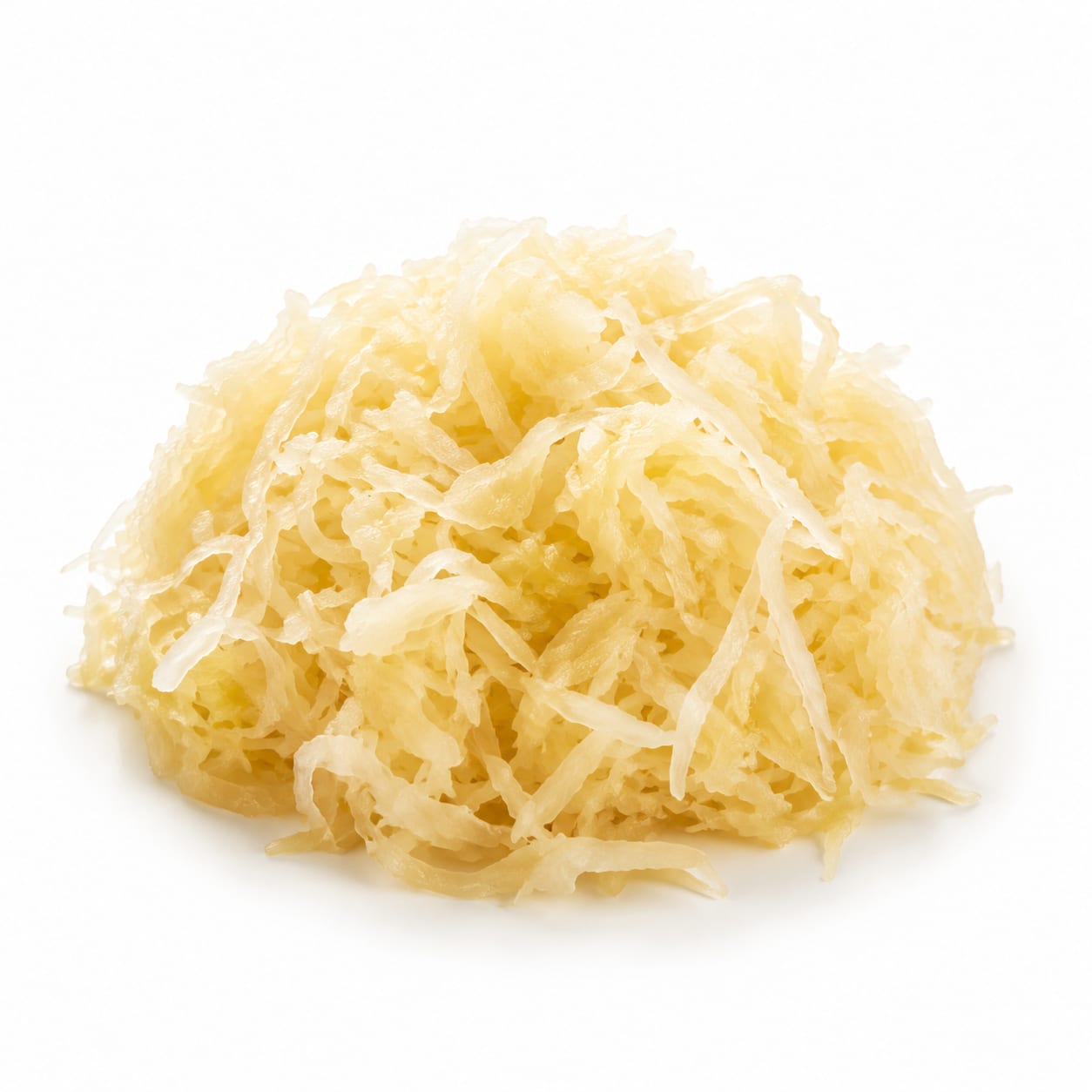
Sauerkraut
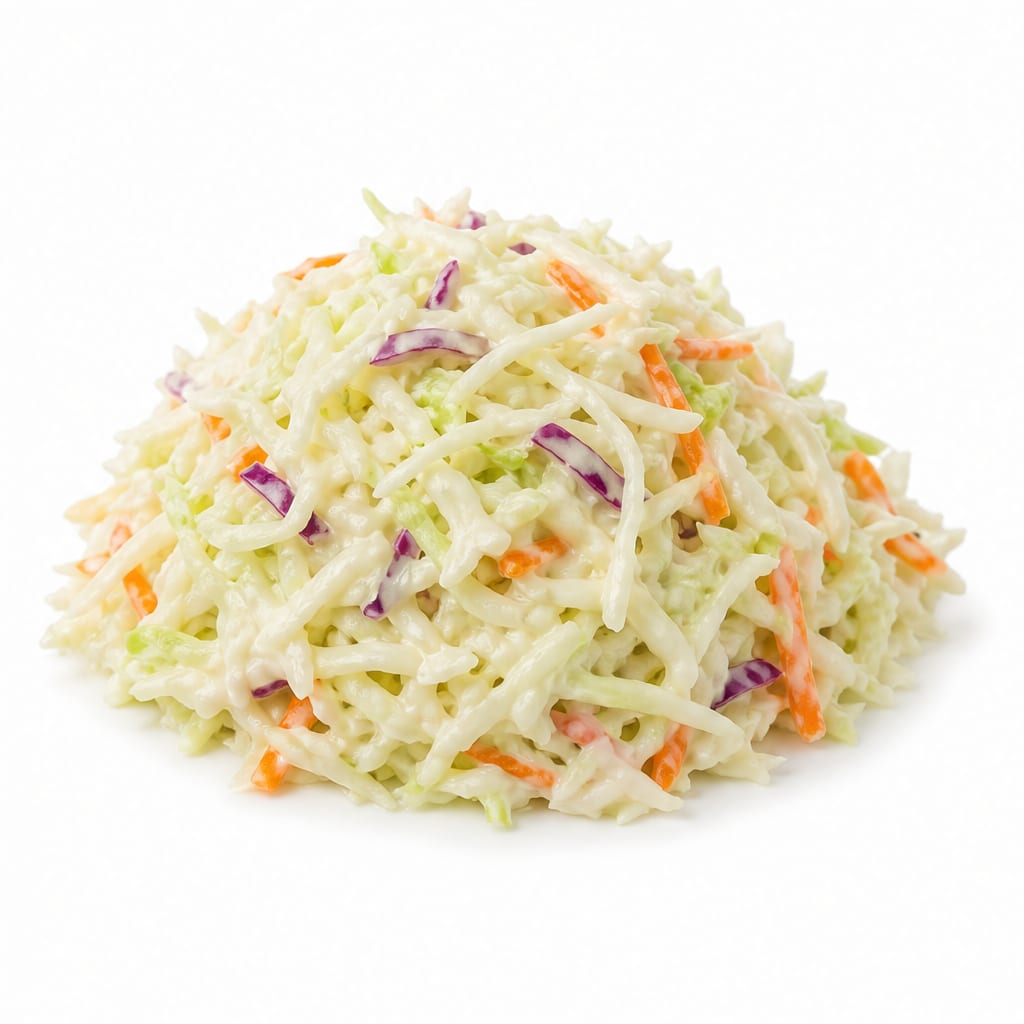
Coleslaw
Sauerkraut dominates for gut health and low-calorie eating, while Coleslaw wins on creaminess and crowd appeal
Sauerkraut scores significantly higher due to probiotic benefits, minimal calories, and cleaner ingredient profile. Coleslaw loses ground on calorie density, added fats, and lack of fermentation benefits, though it remains a more universally appealing option.
Probiotics and minimal calories versus richer flavor and broader palatability
At a glance
Executive summary
Overall
Sauerkraut
Healthier
Sauerkraut
More practical
Coleslaw
Daily use
Sauerkraut
Key comparison lenses
gut health and probiotics
Sauerkraut is a fermented food rich in probiotics, while Coleslaw offers none — this is the defining difference
calorie and weight management
Coleslaw's mayo-based dressing dramatically increases calories compared to Sauerkraut's near-zero fat content
sodium concerns
Both foods can be sodium-heavy, but Sauerkraut's fermentation salt load is a legitimate health consideration
digestive tolerance
Fermented cabbage digests differently than raw cabbage with heavy dressing, affecting sensitive stomachs
meal pairing and versatility
Users often choose between these as side dishes for BBQs, sandwiches, or weeknight dinners
Best choice for
Sauerkraut
- People prioritizing gut health and digestion
- Anyone tracking calories or trying to lose weight
- Those seeking probiotic-rich foods without supplements
- Low-carb and keto dieters avoiding hidden sugars
Coleslaw
- Families needing a crowd-pleasing side dish
- People who find tangy fermented flavors unappealing
- Those wanting a creamy, satisfying accompaniment to grilled meats
- Potlucks and social gatherings where familiarity matters
Least suitable for
Sauerkraut
- People on strict sodium-restricted diets
- Those who dislike sour or fermented flavors
- Individuals with histamine intolerance
Coleslaw
- Anyone counting calories or managing weight
- People avoiding dairy or eggs (mayo-based versions)
- Those with fat digestion issues or gallbladder concerns
Deep comparison
Dimension by dimension
Each lens scores both foods and breaks down who each option suits.
- Dimension 1 · Priority 95Sauerkraut
gut_health_and_microbiome
Sauerkraut · 94Coleslaw · 25Sauerkraut is a probiotic powerhouse; Coleslaw provides zero fermented benefits
Tradeoff
You gain beneficial bacteria with Sauerkraut but sacrifice the creamy texture many find more enjoyable
Why it matters
A healthy gut microbiome affects immunity, mood, and digestion — fermented foods are one of the easiest ways to support it
Real-world impact
Regular Sauerkraut eaters often notice less bloating and more regular digestion within weeks
Sauerkraut
- IBS sufferers seeking natural symptom relief
- Anyone recovering from antibiotics
- People wanting to reduce supplement dependency
Better for
- Those with histamine intolerance who react to fermented foods
Worse for
Coleslaw
- Not applicable — Coleslaw offers no gut microbiome advantage
Better for
- Anyone specifically seeking digestive health improvements
Worse for
- Dimension 2 · Priority 88Sauerkraut
calorie_density_and_weight_management
Sauerkraut · 92Coleslaw · 35Sauerkraut has roughly 15-20 calories per cup; Coleslaw can hit 200+ calories for the same portion
Tradeoff
Sauerkraut lets you eat freely without calorie anxiety, while Coleslaw can quietly become a calorie bomb
Why it matters
Side dishes often fly under the radar but can make or break a calorie deficit
Real-world impact
A heaping scoop of Coleslaw at a BBQ can equal the calories of a small burger — Sauerkraut adds almost nothing to your daily total
Sauerkraut
- Consistent calorie counters
- Anyone trying to lose weight without feeling deprived of volume
Better for
- Those who need calorie-dense foods to maintain weight
Worse for
Coleslaw
- Underweight individuals needing easy calories
- Athletes in bulking phases
Better for
- Anyone unaware that their 'healthy cabbage side' is actually calorie-dense
Worse for
- Dimension 3 · Priority 82It depends
sodium_load
Sauerkraut · 30Coleslaw · 40Both are sodium concerns, but Sauerkraut often packs more salt per serving due to fermentation requirements
Tradeoff
Sauerkraut's probiotics come with a sodium cost; Coleslaw's sodium varies wildly by recipe but is often lower
Why it matters
High sodium intake directly impacts blood pressure and cardiovascular risk over time
Real-world impact
A single cup of Sauerkraut can contain 600-900mg sodium — roughly a third of your daily limit
Sauerkraut
- Active sweaters who lose more sodium through exercise
Better for
- Hypertension patients on strict sodium limits
- Older adults more sensitive to salt's blood pressure effects
Worse for
Coleslaw
- Those who make homemade Coleslaw with light dressing and controlled salt
Better for
- People eating restaurant or store-bought Coleslaw with hidden sodium in dressings
Worse for
- Dimension 4 · Priority 72Coleslaw
flavor_and_palatability
Sauerkraut · 50Coleslaw · 82Coleslaw's creamy, slightly sweet profile appeals to most palates; Sauerkraut's sour tang is polarizing
Tradeoff
Broader enjoyment versus acquired taste — Sauerkraut takes getting used to, Coleslaw rarely does
Why it matters
The healthiest food only works if you actually eat it consistently
Real-world impact
Kids and picky eaters almost always prefer Coleslaw; Sauerkraut lovers often had cultural exposure growing up
Sauerkraut
- Fans of bold, tangy, sour flavors
- Those who enjoy pairing acidic foods with rich meats
Better for
- Supertasters who find fermented flavors overwhelming
Worse for
Coleslaw
- Families with children
- Anyone serving food to diverse tastes at gatherings
Better for
- People who find creamy dressings heavy or cloying in warm weather
Worse for
- Dimension 5 · Priority 78Sauerkraut
ingredient_quality_and_processing
Sauerkraut · 85Coleslaw · 45Traditional Sauerkraut is just cabbage and salt; Coleslaw typically requires mayo, sugar, and preservatives
Tradeoff
Simpler ingredients and living fermentation versus convenience and shelf-stability
Why it matters
Fewer ingredients generally means fewer surprises for your body and more predictable health outcomes
Real-world impact
Store-bought Coleslaw often contains stabilizers and added sugars you would never add at home
Sauerkraut
- Clean-eating advocates
- Anyone avoiding emulsifiers and preservatives
Better for
- Buyers of shelf-stable canned Sauerkraut, which is pasteurized and probiotic-dead
Worse for
Coleslaw
- Those making homemade Coleslaw with quality ingredients
Better for
- Anyone relying on grocery store deli Coleslaw regularly
Worse for
- Dimension 6 · Priority 75Sauerkraut
blood_sugar_stability
Sauerkraut · 88Coleslaw · 42Sauerkraut has virtually no sugar and minimal carbs; Coleslaw often contains added sugars in the dressing
Tradeoff
Steady blood sugar versus the satisfying sweet-cream balance that makes Coleslaw appealing
Why it matters
Hidden sugars in condiments and sides are a major source of blood sugar spikes most people never notice
Real-world impact
That 'healthy cabbage side' can spike your blood sugar if it's sweet Coleslaw, leaving you hungry an hour later
Sauerkraut
- Diabetics and pre-diabetics
- Anyone trying to reduce sugar cravings
Better for
- Those who need quick carbs post-workout
Worse for
Coleslaw
- Not applicable for blood sugar management
Better for
- Insulin-resistant individuals unaware of hidden sugars in creamy dressings
Worse for
Timeline
Health impact over time
Short-term
Hours to days
Sauerkraut
- May cause temporary bloating or gas as gut bacteria adjust to probiotics
- Noticeable improvement in digestion within days for some people
- Thirst from higher sodium content
Coleslaw
- Quick satiety from fat content, but possible sluggishness after large portions
- Potential blood sugar dip within 1-2 hours if dressing is sugar-sweetened
- Heavy feeling in stomach due to mayo-based richness
Long-term
Months to years
Sauerkraut
- Stronger gut microbiome diversity with regular consumption
- Better immune resilience linked to probiotic intake
- Possible blood pressure concerns if sodium intake from other sources is not managed
Coleslaw
- Gradual weight gain if eaten frequently as a calorie-dense side
- Potential inflammatory effects from industrial seed oils in commercial mayo
- Minimal gut health benefits compared to fermented alternatives
Risk profile
Safety & processing
Traditional Sauerkraut undergoes natural lacto-fermentation with just cabbage and salt — one of the oldest food preservation methods. Coleslaw's dressing typically introduces processed oils, added sugars, and sometimes preservatives or stabilizers, especially in store-bought versions.
Sauerkraut
Histamine reactivity
mediumFermented foods accumulate histamine, which can trigger headaches or allergic-type responses in sensitive individuals
Pathogen contamination in home fermentation
lowImproperly fermented Sauerkraut can harbor harmful bacteria, though this is rare with adequate salt and anaerobic conditions
Coleslaw
Mayo-based spoilage at room temperature
highColeslaw with mayonnaise becomes a food safety hazard after 2 hours outside refrigeration, especially at outdoor events
Commercial preservative exposure
mediumStore-bought Coleslaw often contains potassium sorbate, sodium benzoate, or other preservatives to extend shelf life
Who wins for whom
Audience fit
Same foods, different winners depending on your goal.
children
ColeslawMost children accept Coleslaw's mild creaminess far more readily than Sauerkraut's intense sourness
daily consumption
SauerkrautSauerkraut's low calorie and probiotic profile supports daily use; Coleslaw's calorie density makes it better as an occasional side
diabetes
SauerkrautSauerkraut has negligible sugar and carbs; Coleslaw's added sugars and refined carbs in dressing are problematic
elderly
SauerkrautSauerkraut's probiotics support the aging gut microbiome and immune function, though sodium should be monitored
muscle gain
It dependsNeither food is protein-rich; Coleslaw's extra calories can support bulking, but Sauerkraut's low-cal profile suits cutting phases
weight loss
SauerkrautSauerkraut provides volume and flavor at a fraction of Coleslaw's calorie cost
Your move
Decision guide
Choose Sauerkraut
- You want gut health benefits without taking probiotic supplements
- You are watching your weight and need a flavorful low-calorie side
- You enjoy or want to develop a taste for tangy, fermented flavors
- You eat plenty of rich main dishes and need a light, acidic counterbalance
Choose Coleslaw
- You are hosting a BBQ or gathering and need a universally liked side
- You find fermented foods unappealing and simply will not eat Sauerkraut consistently
- You need calorie-dense sides to support weight gain or athletic performance
- You are making it from scratch with healthy ingredients like Greek yogurt dressing
Either works if
- You want a cabbage-based side dish and are flexible on preparation style
- You are building a balanced plate and can accommodate either flavor profile
Avoid both if
- You have a cabbage allergy or cruciferous vegetable sensitivity
- You are on an extremely strict sodium-restricted diet and cannot accommodate either option's salt content
Final recommendation
Make Sauerkraut your everyday side for its probiotic and calorie advantages. Save Coleslaw for social occasions or when you specifically crave its creamy comfort. If you dislike Sauerkraut's tang, try mixing a small amount into Coleslaw — you get some probiotic benefit with a more familiar flavor.
Practical
Consumer tips
- 1
Buy Sauerkraut from the refrigerated section, not canned — pasteurization kills the probiotics you are eating it for
- 2
Rinse Sauerkraut briefly under cold water to reduce sodium by 30-40% without losing all flavor
- 3
Make Coleslaw with Greek yogurt instead of mayo to cut calories by more than half while adding protein
- 4
If transitioning to Sauerkraut, start with two tablespoons as a condiment rather than a full side dish — your palate and gut both need time to adjust
- 5
Check Sauerkraut labels for vinegar — authentic fermented versions use only cabbage and salt, while shortcuts use vinegar for fake tang
- 6
Add shredded carrots or apple to homemade Sauerkraut for a milder, slightly sweet flavor that eases the sourness