
Nutrition comparison
Sauerkraut vs Kombucha: Which Fermented Food Is Actually Better for Your Gut?
Sauerkraut delivers more probiotics, fiber, and vitamins at a fraction of the cost of kombucha. But its high sodium is a real concern. Compare the tradeoffs and find out which fermented food fits your health goals.
Overall winner · Sauerkraut
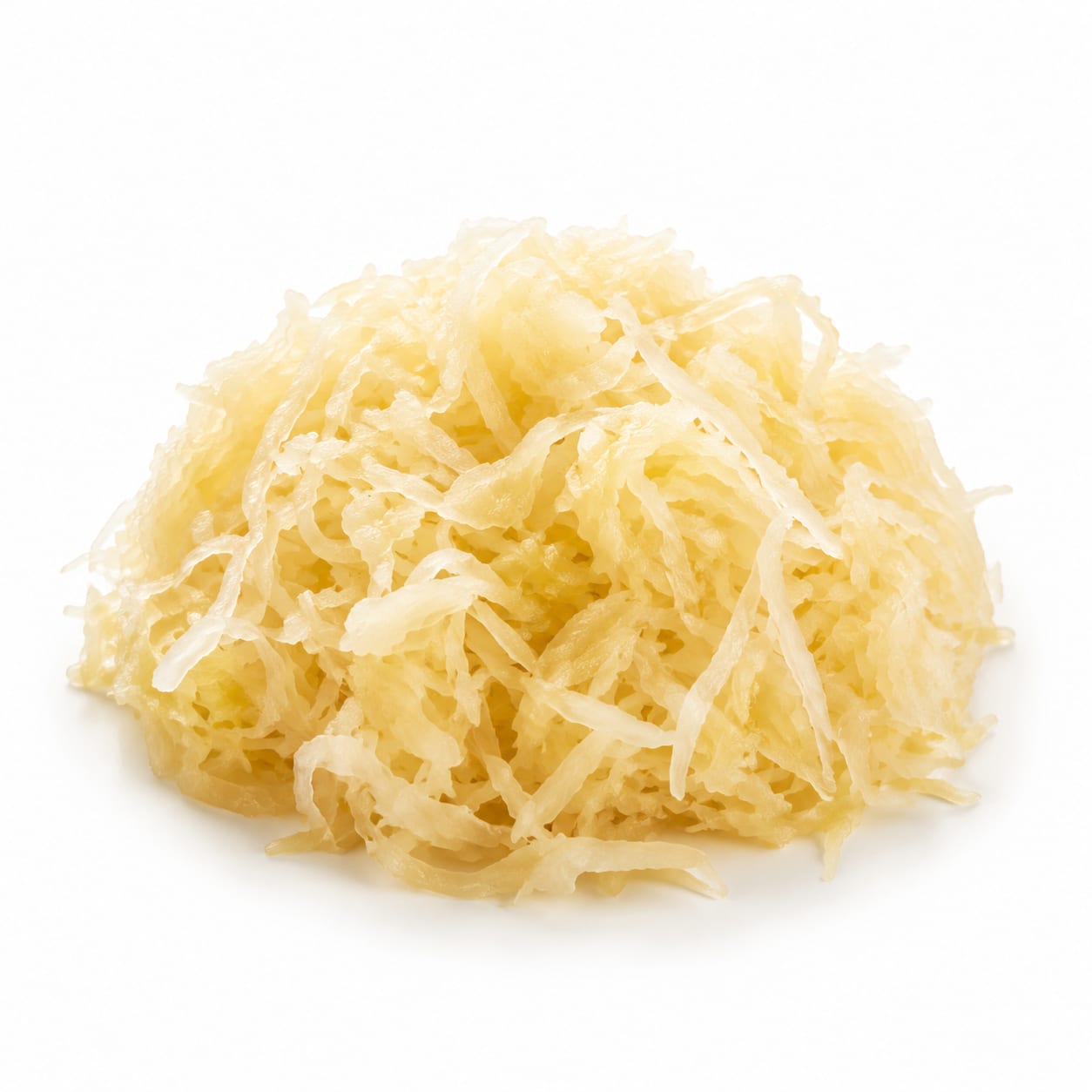
Sauerkraut

Kombucha
Sauerkraut delivers more probiotics, fiber, and vitamins at a fraction of the cost, but its high sodium is a real concern. Kombucha is easier to sip and feels more refreshing, but offers less nutritional substance per serving.
Sauerkraut scores notably higher due to its superior fiber, vitamin content, probiotic density, and dramatically lower cost. Kombucha loses ground on nutritional substance, sugar content variability, and price per serving. The gap would narrow if comparing only unpasteurized, low-sugar kombucha against high-sodium sauerkraut.
Sauerkraut gives you a nutrient-dense probiotic food with fiber and vitamins but costs you sodium. Kombucha gives you a convenient, refreshing probiotic drink but costs you money and often adds sugar without much nutritional substance.
At a glance
Executive summary
Overall
Sauerkraut
Healthier
Sauerkraut
More practical
Kombucha
Daily use
Sauerkraut
Key comparison lenses
probiotic effectiveness and gut health
Both are fermented foods primarily consumed for gut benefits, so probiotic delivery is the core question
sodium vs sugar tradeoff
Sauerkraut carries a significant sodium load while kombucha often contains added sugars — the primary nutritional tension between these two
daily habit sustainability
Users typically want to know which fermented food is easier to incorporate consistently for long-term gut benefits
safety and contamination risk
Home-brewed kombucha carries real contamination risks; sauerkraut has histamine concerns that many overlook
cost and accessibility
Kombucha is notably expensive as a daily habit while sauerkraut is one of the cheapest fermented foods available
Best choice for
Sauerkraut
- People seeking maximum probiotic and nutritional benefit per dollar
- Anyone needing more fiber and vitamin C in their diet
- Those watching blood sugar or avoiding added sugars
- Budget-conscious consumers wanting a sustainable daily fermented food
Kombucha
- People who find sauerkraut unpalatable or hard to eat regularly
- Those wanting a refreshing probiotic beverage rather than a food
- Anyone needing a convenient on-the-go option
- People looking for a lighter, less sodium-heavy fermented option
Least suitable for
Sauerkraut
- People on sodium-restricted diets or with hypertension
- Those with histamine intolerance
- Anyone who dislikes sour or fermented flavors in food form
Kombucha
- People with candida or yeast overgrowth concerns
- Those avoiding even trace alcohol
- Diabetics concerned about added sugars in commercial brands
- Anyone on a tight grocery budget
Deep comparison
Dimension by dimension
Each lens scores both foods and breaks down who each option suits.
- Dimension 1 · Priority 95Sauerkraut
probiotic delivery and gut health
Sauerkraut · 85Kombucha · 65Sauerkraut typically delivers more diverse and abundant live cultures per serving, especially when raw and unpasteurized. Kombucha's probiotic content varies wildly by brand and is often reduced by pasteurization.
Tradeoff
Sauerkraut's probiotics come with fiber that feeds gut bacteria, while kombucha's probiotics come in a more easily consumed liquid form that may not survive shelf storage as well.
Why it matters
The whole point of eating fermented foods is getting live beneficial bacteria. If the probiotics are dead by consumption, you're just eating an expensive condiment or drinking flavored tea.
Real-world impact
A few forkfuls of raw sauerkraut with dinner consistently seeds your gut with diverse lactobacillus strains. A store-bought kombucha may or may not have meaningful live cultures depending on how it was processed and stored.
Sauerkraut
- Consistent probiotic dosing per serving
- Fiber acts as a prebiotic to feed the bacteria already in your gut
- More strain diversity in traditionally fermented versions
Better for
- Heat-pasteurized shelf-stable versions contain zero live probiotics
- Must be refrigerated and raw to deliver on the probiotic promise
Worse for
Kombucha
- Easier to consume for people who dislike fermented food textures
- Some organic acids in kombucha may support digestion independently of probiotics
Better for
- Many commercial brands are pasteurized, killing the very probiotics people are paying for
- Probiotic counts are rarely disclosed and highly inconsistent between batches
Worse for
- Dimension 2 · Priority 90It depends
sodium vs sugar burden
Sauerkraut · 55Kombucha · 60Sauerkraut's sodium load is substantial — a single serving can have 400-900mg. Kombucha's sugar varies from 2g to 20g per bottle depending on the brand. Neither is neutral.
Tradeoff
You're choosing between a sodium hit that affects blood pressure and a sugar hit that affects blood glucose and cravings. The lesser evil depends entirely on your personal health priorities.
Why it matters
For people with hypertension, sauerkraut's sodium is a dealbreaker. For people managing blood sugar or weight, kombucha's sugar can be a hidden saboteur.
Real-world impact
Eating sauerkraut daily could push your sodium intake well above recommended limits without careful tracking. Drinking kombucha daily could add 100+ calories of sugar you don't notice because it tastes tangy rather than sweet.
Sauerkraut
- No added sugar — the fermentation consumes the cabbage's natural sugars
- Zero effect on blood glucose
Better for
- A single cup can contain over a third of your daily sodium limit
- Very difficult to fit into a low-sodium diet without rinsing, which also removes probiotics
Worse for
Kombucha
- Lower sodium by a huge margin
- Some of the sugar is consumed during fermentation, reducing the final amount
Better for
- Commercial brands often add sugar after fermentation for taste
- Even 8-12g of sugar per bottle adds up when consumed daily
Worse for
- Dimension 3 · Priority 80Sauerkraut
nutritional substance beyond fermentation
Sauerkraut · 82Kombucha · 35Sauerkraut provides real fiber, vitamin C, vitamin K2, and minerals. Kombucha provides trace organic acids and tea antioxidants but essentially zero fiber, minimal vitamins, and negligible protein.
Tradeoff
Sauerkraut is a food that happens to be fermented. Kombucha is a fermented beverage with very little nutritional footprint beyond its fermentation byproducts.
Why it matters
If you're spending money on a daily health habit, you want it to deliver more than one benefit. Sauerkraut pulls double duty as a vegetable serving and a probiotic. Kombucha is mostly a probiotic delivery vehicle with little else.
Real-world impact
Adding sauerkraut to your plate means you're also getting closer to your daily fiber and vegetable goals. Adding kombucha means you're getting a drink that doesn't move the needle on any nutritional target beyond gut health.
Sauerkraut
- Provides 4-6g of fiber per cup, supporting digestion and satiety
- Contains meaningful vitamin C and vitamin K2
- Counts as a vegetable serving
Better for
- Rinsing to reduce sodium also washes away some water-soluble vitamins
Worse for
Kombucha
- Tea-derived antioxidants like catechins survive fermentation in some brands
- Organic acids may support liver function independently
Better for
- Essentially zero fiber, zero protein, minimal vitamins
- Does not replace any food group or nutritional need
Worse for
- Dimension 4 · Priority 75Sauerkraut
cost and daily sustainability
Sauerkraut · 90Kombucha · 40Sauerkraut is one of the cheapest fermented foods available. Kombucha is one of the most expensive ways to get probiotics, often $3-5 per bottle.
Tradeoff
Sauerkraut costs pennies per serving and can even be made at home for nearly free. Kombucha's daily cost adds up to $90-150/month, making it one of the least sustainable health habits financially.
Why it matters
The best health habit is the one you can maintain. If cost forces you to stop, the benefits disappear. Kombucha's price makes daily consumption unrealistic for most budgets.
Real-world impact
A jar of sauerkraut lasts weeks and costs $4-6. Drinking one kombucha daily costs over $100/month. That's the difference between a sustainable habit and a luxury that gets cut when budgets tighten.
Sauerkraut
- Jar of sauerkraut costs $4-6 and provides 15-20 servings
- Home fermentation costs almost nothing — just cabbage and salt
- Easy to maintain as a daily habit indefinitely
Better for
- Requires refrigeration and some meal planning to use consistently
Worse for
Kombucha
- No preparation needed — grab and go
- Widely available in convenience stores and cafes
Better for
- $3-5 per bottle makes daily use financially unsustainable for most people
- Home brewing requires equipment, time, and carries contamination risk
Worse for
- Dimension 5 · Priority 70It depends
digestive tolerance and sensitivity
Sauerkraut · 55Kombucha · 60Both can cause digestive upset in sensitive individuals, but for different reasons. Sauerkraut's histamine and fiber can irritate some people. Kombucha's acidity, carbonation, and trace alcohol can bother others.
Tradeoff
Sauerkraut is worse for histamine-sensitive people and those new to high-fiber diets. Kombucha is worse for people with acid reflux, yeast sensitivities, or IBS triggered by carbonation.
Why it matters
A probiotic food that causes bloating or discomfort defeats its own purpose. Tolerance is highly individual between these two.
Real-world impact
Some people feel amazing adding sauerkraut to meals. Others get bloated and headachy from histamine. Some find kombucha soothing after meals. Others get acid reflux from the carbonation and vinegar notes.
Sauerkraut
- Fiber helps regulate bowel movements for most people
- No carbonation to trigger reflux or bloating
Better for
- High histamine content triggers headaches and reactions in sensitive people
- Large servings can cause significant gas and bloating when first introduced
Worse for
Kombucha
- Lower fiber makes it gentler for people with SIBO or fiber sensitivity
- Small serving sizes are easier to tolerate initially
Better for
- Carbonation aggravates acid reflux and IBS in many people
- Trace alcohol and yeast can trigger reactions in sensitive individuals
Worse for
Timeline
Health impact over time
Short-term
Hours to days
Sauerkraut
- Can cause temporary bloating and gas when first introduced due to high fiber and probiotic content
- May trigger histamine reactions like headaches or nasal congestion in sensitive people
- Sodium can cause temporary water retention and thirst
- Often improves bowel regularity within days of consistent use
Kombucha
- Can cause mild digestive upset or loose stools when first introduced
- Carbonation may trigger bloating or acid reflux shortly after consumption
- Trace caffeine provides a subtle energy lift some people notice
- Sugar content may cause a brief energy crash in sugar-sensitive individuals
Long-term
Months to years
Sauerkraut
- Consistent probiotic intake supports gut microbiome diversity and immune function
- High sodium intake may contribute to elevated blood pressure if not managed
- Regular fiber intake supports colorectal health and cholesterol management
- Vitamin K2 from fermentation supports bone and cardiovascular health over time
Kombucha
- Daily probiotic exposure may support digestive and immune health if live cultures survive
- Added sugar from commercial brands contributes to metabolic burden over time
- Organic acids may support liver health and gentle detoxification pathways
- Cost often makes long-term daily consumption unsustainable
Risk profile
Safety & processing
Traditional sauerkraut is just cabbage and salt — one of the simplest fermented foods possible. Kombucha starts simply but commercial versions often add juices, sweeteners, flavorings, and sometimes preservatives. Shelf-stable versions of both are pasteurized, which kills the probiotics that motivated the purchase in the first place.
Sauerkraut
Histamine toxicity
mediumFermented foods accumulate histamine. People with histamine intolerance can experience headaches, hives, or digestive distress. This is underappreciated and often misattributed.
Pathogenic contamination in home fermentation
lowProperly made sauerkraut is very safe due to its high acidity and salt content. Contamination is rare but possible with improper technique.
Excessive sodium intake
mediumNot a contamination risk per se, but regular consumption without portion awareness can push sodium well above safe limits, especially for those with hypertension.
Kombucha
Harmful contamination in home brewing
highHome-brewed kombucha carries real risk of harmful bacteria, mold, and even anthrax-like organisms if the SCOBY becomes contaminated. This is the most significant safety difference between the two foods.
Alcohol content variability
mediumKombucha naturally contains trace alcohol (0.5% or more). Over-fermentation or improper storage can push this higher, which matters for pregnant women, recovering alcoholics, and children.
Acid erosion of tooth enamel
lowRegular consumption of acidic kombucha can contribute to enamel erosion over time, especially if sipped slowly throughout the day.
Who wins for whom
Audience fit
Same foods, different winners depending on your goal.
children
SauerkrautSmall amounts of sauerkraut as a condiment are safe and introduce beneficial bacteria. Kombucha's trace alcohol, caffeine, and variable sugar make it less appropriate for kids.
daily consumption
SauerkrautLower cost, more stable probiotic delivery, and better nutritional profile make sauerkraut more sustainable as a daily habit. Kombucha works as an occasional treat but is too expensive and variable for reliable daily use.
diabetes
SauerkrautSauerkraut has essentially zero impact on blood sugar. Kombucha's sugar content varies and can cause glucose spikes, making it riskier for blood sugar management.
elderly
SauerkrautSauerkraut's fiber supports regularity, vitamin K2 supports bone health, and probiotics support immunity — all critical for older adults. Sodium must be monitored, but the nutritional benefits are substantial.
muscle gain
It dependsNeither is directly useful for muscle gain. Sauerkraut's sodium may help with hydration during intense training. Kombucha's trace carbs could offer a tiny energy lift pre-workout. Both are irrelevant as muscle-building foods.
weight loss
SauerkrautSauerkraut provides fiber that increases satiety and contains virtually no sugar. Kombucha's liquid calories from sugar can add up without providing fullness.
Your move
Decision guide
Choose Sauerkraut
- You want the most nutritional and probiotic value per dollar spent
- You're not on a sodium-restricted diet and can manage portion sizes
- You want a fermented food that also counts as a vegetable serving
- You're willing to eat it as part of a meal rather than drink it separately
- You don't have histamine intolerance
Choose Kombucha
- You genuinely dislike sauerkraut's taste or texture and won't eat it consistently
- You want something refreshing and drinkable rather than a food addition
- You're choosing a low-sodium option due to blood pressure concerns
- You can afford premium unpasteurized brands and verify their probiotic content
- You want an occasional probiotic boost rather than a daily staple
Either works if
- You're simply trying to add some fermented foods to your diet and will eat whichever you enjoy more
- You have no specific sodium, sugar, or histamine constraints
- You're rotating through various fermented foods for microbiome diversity
Avoid both if
- You have severe histamine intolerance — both are high-histamine foods
- You're immunocompromised and concerned about live culture intake without medical guidance
- You're looking for a concentrated probiotic supplement rather than a food — both deliver variable and modest amounts compared to clinical probiotic strains
Final recommendation
Eat sauerkraut as your daily fermented food if you can tolerate the sodium and taste. It delivers more probiotics, fiber, and vitamins at a fraction of the cost. Keep kombucha as an occasional refreshing drink, not your primary probiotic strategy. If you choose kombucha regularly, select unpasteurized, low-sugar brands and treat it as a supplement to — not a replacement for — fermented foods with real nutritional substance.
Practical
Consumer tips
- 1
Always buy sauerkraut from the refrigerated section — shelf-stable jars are pasteurized and contain no live probiotics
- 2
Rinsing sauerkraut reduces sodium by roughly 40% but also removes some probiotics and vitamins — a worthwhile tradeoff if sodium is a concern
- 3
For kombucha, check the sugar content on the label — it ranges from 2g to 20g per bottle, and the difference matters enormously
- 4
Start with small servings of either food — 1-2 tablespoons of sauerkraut or 4oz of kombucha — and increase gradually to avoid digestive upset
- 5
If you drink kombucha for probiotics, look for brands that specifically state 'unpasteurized' and 'live cultures' on the label
- 6
Making sauerkraut at home requires only cabbage, salt, and a jar — it's one of the easiest and cheapest ferments to produce yourself
- 7
Home-brewing kombucha is riskier than home fermenting sauerkraut and requires more careful hygiene and monitoring
- 8
If you have histamine issues, both foods may trigger symptoms — consider lacto-fermented options with shorter fermentation times instead