
Nutrition comparison
Sauerkraut vs Raw Cabbage: Probiotics vs Vitamin C and Sodium Tradeoffs
Compare sauerkraut and raw cabbage on probiotics, sodium, vitamin C, digestion, and daily usability. Learn which is better for gut health, blood pressure, and weight loss.
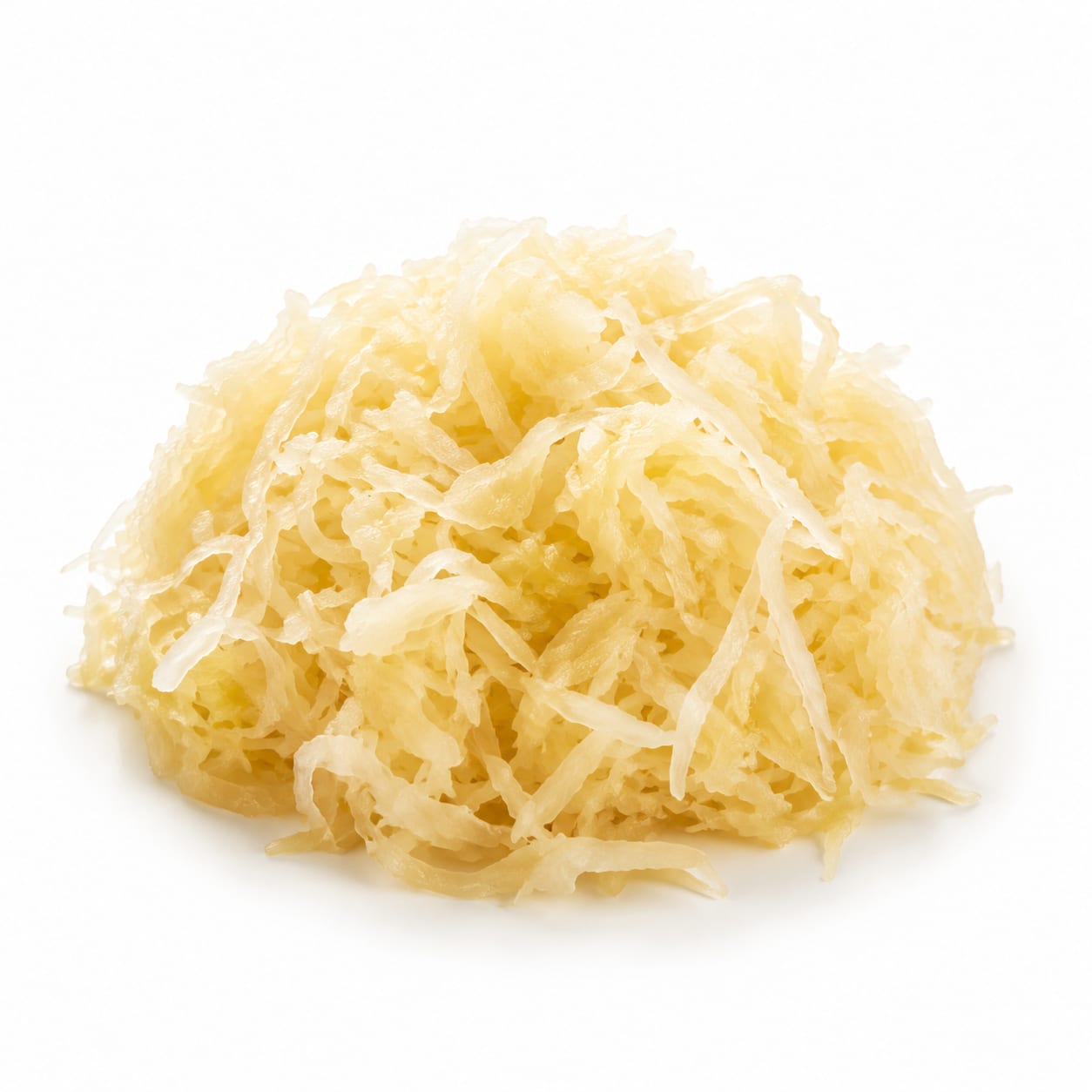
Sauerkraut
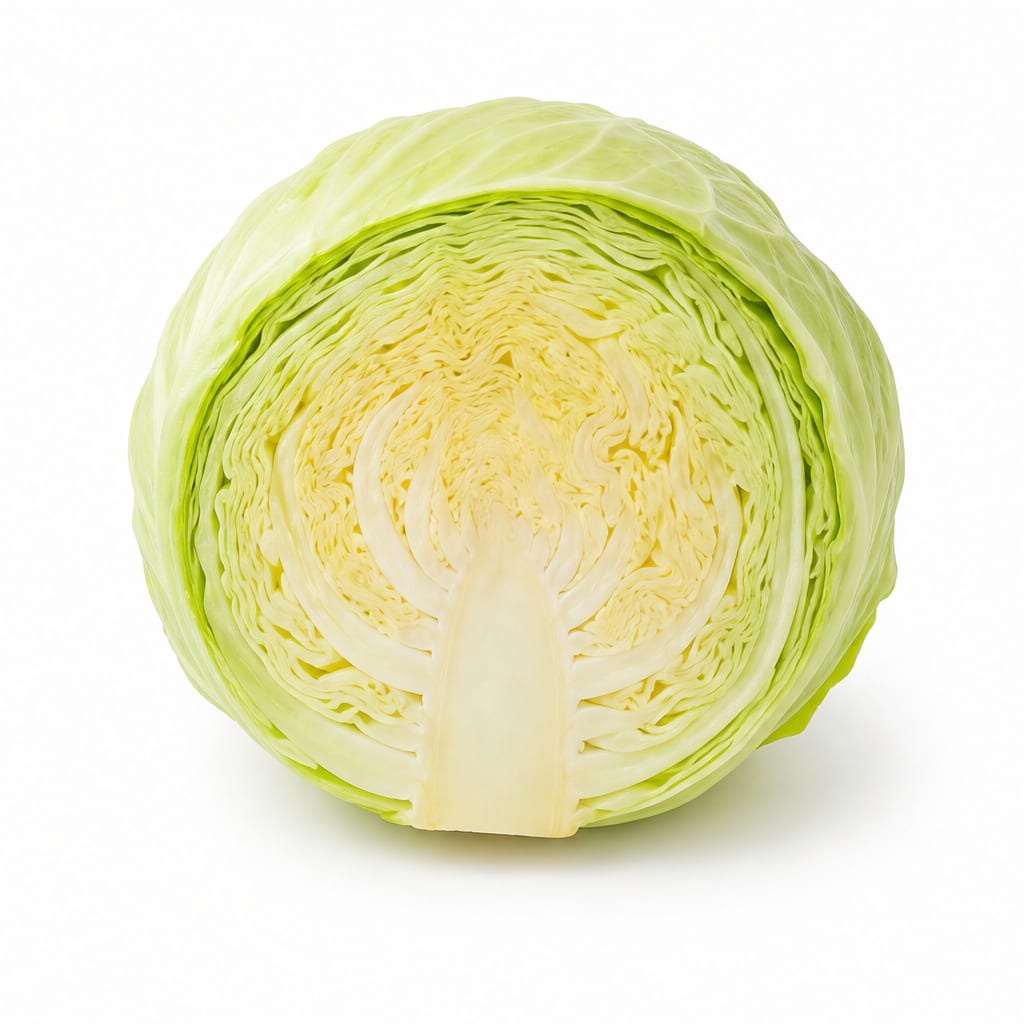
Raw Cabbage
Sauerkraut delivers probiotics and easier digestion at the cost of high sodium; raw cabbage offers more vitamin C and zero salt but no gut bacteria benefits.
Raw cabbage edges ahead slightly due to zero sodium and higher vitamin C, but sauerkraut's probiotic advantage makes it genuinely valuable. The close scores reflect that both are healthy choices with different strengths.
Probiotics and digestibility versus sodium load and vitamin C content.
At a glance
Executive summary
Overall
It depends
Healthier
It depends
More practical
Raw Cabbage
Daily use
Raw Cabbage
Key comparison lenses
gut health probiotics
Sauerkraut's fermentation creates live probiotics that raw cabbage completely lacks, making this the defining difference between the two
sodium concern
Sauerkraut requires significant salt for fermentation, creating a major tradeoff for blood pressure and heart health
vitamin preservation vs bioavailability
Raw cabbage has more vitamin C intact, but sauerkraut's fermentation can make certain nutrients easier to absorb
digestive tolerance
Fermentation pre-digests some fibers and compounds, making sauerkraut gentler on sensitive stomachs
naturalness and processing
Raw cabbage is the whole unprocessed food; sauerkraut involves transformation through salt and bacterial action
Best choice for
Sauerkraut
- People seeking probiotic benefits for gut health
- Those with mild digestive sensitivity who find raw vegetables harsh
- Anyone wanting a tangy flavor accent that also supports microbiome diversity
- Individuals on low-sugar diets looking for fermented food options
Raw Cabbage
- People monitoring sodium intake or with high blood pressure
- Anyone maximizing daily vitamin C from whole foods
- Meal preppers wanting a versatile crunchy base for salads and slaws
- Families seeking affordable fresh produce with minimal processing
Least suitable for
Sauerkraut
- People on strict low-sodium diets
- Those with histamine intolerance who react to fermented foods
- Anyone prone to bloating from high-salt foods
Raw Cabbage
- People with significant IBS or raw vegetable intolerance
- Those specifically seeking probiotic food sources
- Anyone wanting a shelf-stable option without refrigeration
Deep comparison
Dimension by dimension
Each lens scores both foods and breaks down who each option suits.
- Dimension 1 · Priority 95Sauerkraut
gut_health_and_microbiome
Sauerkraut · 92Raw Cabbage · 35Sauerkraut is a potent probiotic food; raw cabbage feeds existing gut bacteria with fiber but introduces no new beneficial strains.
Tradeoff
You gain live Lactobacillus cultures with sauerkraut but lose some fiber integrity and add sodium.
Why it matters
A diverse microbiome influences digestion, immunity, mood, and inflammation. Fermented foods are one of the few practical ways to introduce new bacterial strains through diet.
Real-world impact
Eating sauerkraut regularly can reduce bloating, improve regularity, and support immune resilience in ways raw cabbage alone cannot match.
Sauerkraut
- Rebuilding gut bacteria after antibiotics
- Managing mild constipation through improved motility
- Supporting immune function during cold season
Better for
- Those with SIBO who may worsen with added bacteria
- People with histamine intolerance
Worse for
Raw Cabbage
- Providing prebiotic fiber that feeds beneficial bacteria already present
- Avoiding histamine reactions triggered by fermented foods
Better for
- Anyone needing probiotic replenishment after illness or medication
Worse for
- Dimension 2 · Priority 85Raw Cabbage
sodium_and_heart_health
Sauerkraut · 30Raw Cabbage · 95Raw cabbage has virtually no sodium; sauerkraut can contain 400-900mg per cup, which is a significant portion of daily limits.
Tradeoff
The salt that enables fermentation and preservation becomes a cardiovascular compromise.
Why it matters
Excess sodium raises blood pressure and strains the heart. For anyone watching salt, sauerkraut's sodium load is a real concern, not a minor footnote.
Real-world impact
A single serving of sauerkraut can deliver nearly a third of the recommended daily sodium limit, making portion control essential.
Sauerkraut
- Endurance athletes who need sodium replenishment after heavy sweating
Better for
- People with heart failure or kidney disease managing fluid retention
- Anyone already exceeding daily sodium goals
Worse for
Raw Cabbage
- Anyone with hypertension or salt-sensitive blood pressure
- People following DASH diet principles
- Older adults more vulnerable to sodium's effects on blood pressure
Better for
- Dimension 3 · Priority 80Raw Cabbage
vitamin_and_nutrient_density
Sauerkraut · 62Raw Cabbage · 85Raw cabbage retains more vitamin C and certain phytonutrients; sauerkraut loses some vitamins during fermentation but gains bioavailability of others.
Tradeoff
Total vitamin content favors raw cabbage, but sauerkraut's fermented nutrients may absorb more efficiently.
Why it matters
Vitamin C is heat and time sensitive. Fermentation degrades a significant portion, though sauerkraut still retains some. Raw cabbage delivers it fresh and intact.
Real-world impact
If you rely on cabbage as a vitamin C source, eating it raw is meaningfully better. If you eat other vitamin C rich foods, sauerkraut's loss matters less.
Sauerkraut
- Situations where iron absorption matters, as fermentation increases mineral bioavailability
- People getting vitamin C from other sources who want complementary nutrients
Better for
- Those counting on cabbage as a primary vitamin C source
Worse for
Raw Cabbage
- Maximizing daily vitamin C intake from affordable whole foods
- Preserving glucosinolates that may have cancer-protective properties
- Getting the full spectrum of cabbage's antioxidants intact
Better for
- Situations where mineral absorption is the priority over raw vitamin content
Worse for
- Dimension 4 · Priority 75Sauerkraut
digestive_comfort
Sauerkraut · 80Raw Cabbage · 55Fermentation pre-breaks down tough fibers and compounds, making sauerkraut easier to digest than raw cabbage for many people.
Tradeoff
Easier digestion comes at the cost of sodium and some lost nutrients.
Why it matters
Raw cruciferous vegetables can cause gas, bloating, and discomfort, especially for people with sensitive digestion. Sauerkraut's pre-digested state is genuinely gentler.
Real-world impact
Someone who feels bloated after a raw cabbage salad may tolerate sauerkraut comfortably as a side dish.
Sauerkraut
- People with IBS who struggle with raw cruciferous vegetables
- Older adults with reduced digestive enzyme production
- Anyone transitioning to eating more vegetables who finds raw produce harsh
Better for
- People with histamine sensitivity who experience symptoms from fermented foods
Worse for
Raw Cabbage
- People with robust digestion who enjoy raw vegetables without issues
- Those who want the full mechanical fiber benefit for satiety and bowel regularity
Better for
- Those with significant raw food intolerance or active IBS flares
Worse for
- Dimension 5 · Priority 60Raw Cabbage
practicality_and_versatility
Sauerkraut · 65Raw Cabbage · 80Raw cabbage is more versatile in cooking and meal prep; sauerkraut is shelf-stable but limited to condiment-style use.
Tradeoff
Sauerkraut is ready to eat and stores for months, but raw cabbage adapts to dozens of dishes and cuisines.
Why it matters
A food you can cook ten ways gets eaten more often than one you only use as a side. Versatility drives consistency.
Real-world impact
Raw cabbage can become slaw, stir-fry, soup, wraps, and braised dishes. Sauerkraut is mostly a topping or side, which limits how often you reach for it.
Sauerkraut
- Quick meals where you want a flavorful side with zero cooking
- Camping or travel where refrigeration is limited
Better for
- Anyone bored by eating the same condiment daily
Worse for
Raw Cabbage
- Meal prepping for the week with multiple recipe options
- Families needing one ingredient that works across different dishes
- Budget-conscious shoppers wanting maximum culinary flexibility
Better for
- Situations with limited cooking facilities or time
Worse for
Timeline
Health impact over time
Short-term
Hours to days
Sauerkraut
- May reduce bloating and improve bowel movements within days due to probiotics
- Can cause temporary gas as gut bacteria adjust to new strains
- Sodium may cause noticeable water retention or thirst after large portions
Raw Cabbage
- Can cause gas and bloating from raw cruciferous fiber, especially in unaccustomed eaters
- Provides quick hydration and vitamin C with minimal caloric load
- May feel very filling due to intact fiber and water volume
Long-term
Months to years
Sauerkraut
- Regular probiotic intake supports immune resilience and digestive consistency
- Chronic high sodium intake from frequent large portions may elevate blood pressure over time
- Diverse microbiome from fermented foods correlates with lower inflammation markers
Raw Cabbage
- Consistent cruciferous vegetable intake associated with lower cancer risk, particularly colorectal
- Long-term low sodium intake supports cardiovascular health
- High fiber intake promotes sustained bowel regularity and healthy cholesterol levels
Risk profile
Safety & processing
Both are minimally processed. Traditional sauerkraut uses only cabbage and salt, relying on natural fermentation. Raw cabbage is unprocessed entirely. The main concern is that some store-bought sauerkraut is pasteurized, which kills probiotics, or contains preservatives like sodium benzoate. Always check labels for live cultures and minimal ingredients.
Sauerkraut
Histamine accumulation
mediumFermented foods accumulate histamine over time. People with histamine intolerance may experience headaches, hives, or digestive distress.
Pathogen growth in home fermentation
lowImproperly fermented sauerkraut can harbor harmful bacteria if salt concentration or temperature is wrong. Commercial products are generally safe.
Excessive sodium
mediumHigh sodium intake contributes to hypertension and cardiovascular strain, especially with regular large portions.
Raw Cabbage
Goitrogen exposure
lowRaw cruciferous vegetables contain goitrogens that can interfere with thyroid function when consumed in very large amounts, particularly in iodine-deficient individuals.
Pesticide residue
lowConventional cabbage can retain pesticide residue on outer leaves. Removing outer leaves and washing reduces exposure significantly.
Foodborne illness from contaminated produce
lowLike all raw produce, cabbage can carry bacteria from soil or handling. Thorough washing mitigates this.
Who wins for whom
Audience fit
Same foods, different winners depending on your goal.
children
Raw CabbageRaw cabbage is milder in flavor and free of high sodium, making it more appropriate for developing palates and smaller bodies sensitive to salt.
daily consumption
Raw CabbageRaw cabbage can be eaten daily without sodium concerns and offers more consistent vitamin C intake. Sauerkraut is best as a few-times-per-week condiment due to salt content.
diabetes
Raw CabbageBoth have minimal impact on blood sugar, but raw cabbage's zero sodium is preferable since diabetics often have concurrent cardiovascular concerns.
elderly
It dependsSauerkraut's probiotics and easier digestion benefit older adults, but its sodium content is risky for those with blood pressure or kidney issues. Raw cabbage's crunch may be difficult for those with dental problems.
muscle gain
It dependsNeither is a protein source. Raw cabbage offers more vitamin C for collagen and recovery; sauerkraut's probiotics may improve nutrient absorption overall.
weight loss
Raw CabbageRaw cabbage has fewer calories per serving, zero sodium, and more intact fiber for fullness without water retention from salt.
Your move
Decision guide
Choose Sauerkraut
- You want to improve gut health and microbiome diversity
- You tolerate fermented foods well and do not have histamine issues
- You eat plenty of fresh produce already and want to add probiotic variety
- You find raw vegetables harsh on your digestion
- You are an athlete or active person who can handle the extra sodium
Choose Raw Cabbage
- You are watching your blood pressure or sodium intake
- You want maximum vitamin C and antioxidant content from cabbage
- You need a versatile vegetable for cooking throughout the week
- You are sensitive to fermented foods or histamine
- You eat sauerkraut already but want a lower-salt everyday option
Either works if
- You want more cruciferous vegetables in your diet regardless of form
- You have no specific sodium or digestive concerns
- You enjoy both and can rotate them based on the meal
Avoid both if
- You are on a strict low-FODMAP diet during elimination phase, as both can trigger symptoms
- You have a confirmed cabbage allergy, which is rare but possible
Final recommendation
Eat both strategically. Use raw cabbage as your everyday vegetable base for salads, slaws, and cooking. Add a small serving of sauerkraut a few times per week as a probiotic condiment. This way you get the vitamin C, fiber, and versatility of raw cabbage plus the gut health benefits of fermentation without overloading on sodium. The best approach is not choosing one, but using each for its unique strength.
Practical
Consumer tips
- 1
Look for sauerkraut in the refrigerated section with 'live cultures' or 'raw unpasteurized' on the label. Shelf-stable jars are usually pasteurized and probiotic-dead.
- 2
Rinse sauerkraut briefly under water if you want to reduce sodium by roughly 30%, though you will lose some probiotics on the surface.
- 3
A single quarter-cup serving of sauerkraut is enough for probiotic benefits. You do not need large portions.
- 4
Remove the outer leaves of raw cabbage to reduce pesticide exposure, and wash thoroughly before eating.
- 5
If raw cabbage causes bloating, try massaging shredded cabbage with salt and lemon for 10 minutes. This begins breaking it down similarly to a light fermentation.
- 6
Red cabbage offers more antioxidants than green, so consider it as a nutrient-dense alternative to either option.