
Nutrition comparison
Sauerkraut vs Yogurt: Which Probiotic Food Is Better for You?
Compare Sauerkraut and Yogurt for probiotics, protein, calcium, fiber, and gut health. Learn which fermented food fits your diet and when to choose each.
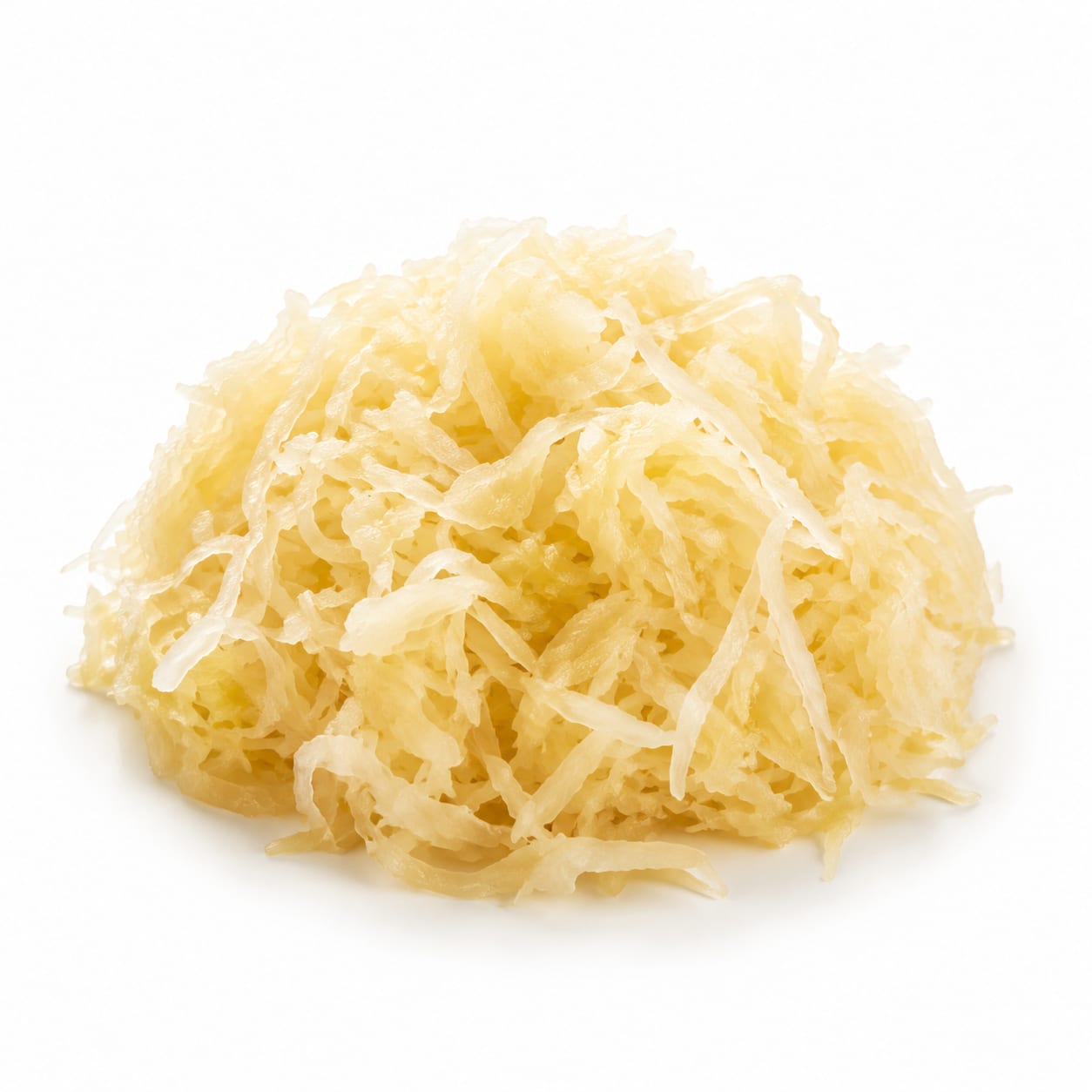
Sauerkraut
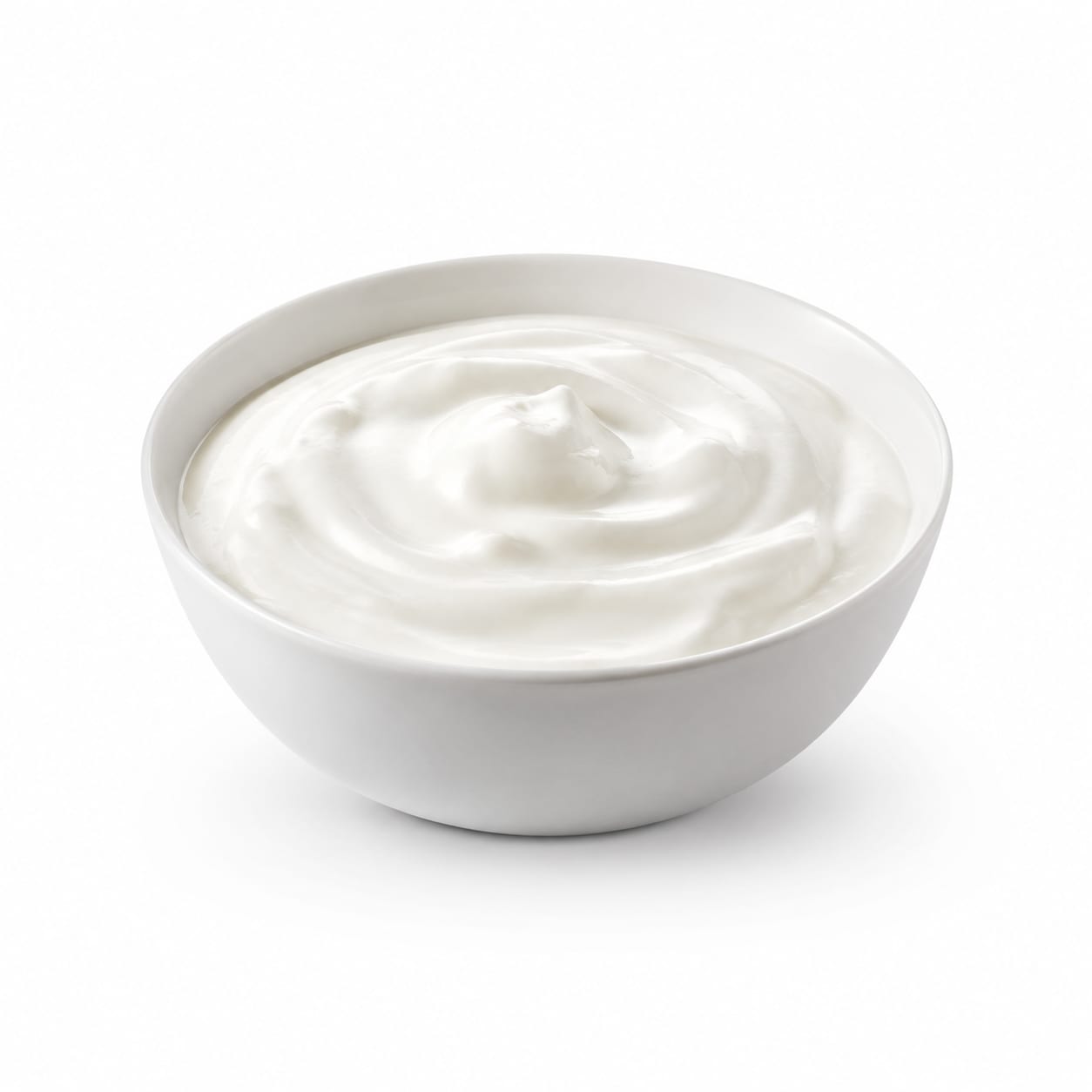
Yogurt
Sauerkraut and Yogurt are both probiotic powerhouses serving completely different nutritional roles—Sauerkraut is a low-calorie fiber condiment, Yogurt is a protein-rich mini-meal.
Yogurt scores slightly higher due to its protein, calcium, and versatility as a standalone food. Sauerkraut is excellent as a condiment but its high sodium and near-zero protein limit its role as a dietary staple.
Sauerkraut gives you more fiber and diverse probiotics without dairy, but Yogurt delivers protein and calcium that Sauerkraut simply cannot match.
At a glance
Executive summary
Overall
It depends
Healthier
It depends
More practical
Yogurt
Daily use
Yogurt
Key comparison lenses
gut health and probiotics
Both are fermented foods prized for probiotics, making probiotic diversity and gut impact the central question
dairy tolerance and digestive comfort
Sauerkraut is dairy-free while Yogurt contains lactose, a common digestive concern for many adults
sodium vs sugar tradeoff
Sauerkraut carries a sodium load while flavored Yogurt often carries added sugar, creating a key health tradeoff
protein and satiety
Yogurt provides substantial protein while Sauerkraut offers almost none, affecting fullness and meal planning
bone health and minerals
Yogurt is a top calcium source while Sauerkraut provides vitamin K2, both critical for bone density
Best choice for
Sauerkraut
- Dairy-free or lactose-intolerant individuals
- People seeking low-calorie flavor enhancement
- Those needing more fiber in their diet
- Anyone watching blood sugar closely
- People wanting diverse probiotic strains beyond lactobacillus
Yogurt
- People needing more protein throughout the day
- Those concerned about bone density and calcium intake
- Anyone wanting a quick satisfying snack or mini-meal
- People looking for post-workout recovery nutrition
- Those who find fermented vegetables too sour or salty
Least suitable for
Sauerkraut
- People on low-sodium diets for blood pressure management
- Anyone needing protein to stay full between meals
- Those who dislike sour or intensely salty flavors
- People with histamine intolerance
Yogurt
- People with dairy allergies or severe lactose intolerance
- Those avoiding animal products entirely
- People sensitive to even moderate sugar if buying flavored varieties
- Anyone with casein sensitivity
Deep comparison
Dimension by dimension
Each lens scores both foods and breaks down who each option suits.
- Dimension 1 · Priority 95Sauerkraut
probiotic_diversity_and_gut_health
Sauerkraut · 88Yogurt · 80Sauerkraut offers a wider range of probiotic strains including Leuconostoc and Weissella species that Yogurt typically lacks.
Tradeoff
Sauerkraut has more strain diversity but Yogurt's probiotics are better studied for specific outcomes like diarrhea prevention and immune markers.
Why it matters
A more diverse gut microbiome is linked to better digestion, stronger immunity, and even improved mood.
Real-world impact
Adding Sauerkraut to your plate introduces bacterial variety your gut rarely sees from dairy ferments alone.
Sauerkraut
- Microbiome diversity seekers
- People already eating Yogurt who want different strains
Better for
- People with histamine intolerance who react to fermented foods
Worse for
Yogurt
- Those recovering from antibiotic-associated diarrhea
- People wanting clinically-validated probiotic outcomes
Better for
- Those whose gut issues worsen with dairy
Worse for
- Dimension 2 · Priority 85Yogurt
protein_and_satiety
Sauerkraut · 15Yogurt · 85Yogurt provides 10-17g of protein per cup while Sauerkraut offers less than 1g per serving.
Tradeoff
Sauerkraut is extremely low in calories but will not keep you full. Yogurt costs more calories but actually satisfies hunger.
Why it matters
Protein is the most satiating macronutrient and critical for maintaining muscle, especially as you age.
Real-world impact
A cup of Greek Yogurt at 3pm can prevent the evening snack binge. Sauerkraut on its own cannot do that.
Sauerkraut
- People strictly counting calories who want flavor without energy density
Better for
- People using it as a standalone snack who will still feel hungry
Worse for
Yogurt
- Anyone needing to stay full for 3-4 hours between meals
- Older adults at risk of muscle loss
- Post-workout recovery
Better for
- Those who overeat because Yogurt feels like a treat rather than fuel
Worse for
- Dimension 3 · Priority 80It depends
sodium_vs_sugar_balance
Sauerkraut · 55Yogurt · 60Sauerkraut can pack 400-900mg sodium per serving while flavored Yogurt can contain 15-25g added sugar.
Tradeoff
You are choosing between a sodium hit and a sugar hit unless you pick plain Yogurt or low-sodium Sauerkraut.
Why it matters
Excess sodium raises blood pressure. Excess sugar drives insulin resistance and cravings. Both matter.
Real-world impact
If you have hypertension, Sauerkraut's salt load is a real concern. If you buy sweetened Yogurt, the sugar spike will crash your energy within an hour.
Sauerkraut
- People who carefully portion Sauerkraut as a condiment rather than eating large amounts
- Those who naturally eat low-sodium diets otherwise
Better for
- Salt-sensitive individuals
- People eating multiple high-sodium foods daily
Worse for
Yogurt
- People who choose plain unsweetened Yogurt and add their own fruit
- Those monitoring blood pressure closely
Better for
- Anyone buying fruit-on-the-bottom or flavored Yogurt regularly
Worse for
- Dimension 4 · Priority 75Yogurt
mineral_density_and_bone_support
Sauerkraut · 50Yogurt · 88Yogurt delivers 300-400mg calcium per cup plus bioavailable phosphorus. Sauerkraut provides vitamin K2 which helps direct calcium to bones.
Tradeoff
Yogurt gives you the calcium building blocks. Sauerkraut gives you the traffic director telling calcium where to go. Both are valuable but Yogurt covers the bigger nutritional gap.
Why it matters
Most adults under-consume calcium. Vitamin K2 is important but harder to measure and typically sufficient if you eat varied fermented foods.
Real-world impact
A daily Yogurt habit can meaningfully close your calcium gap. Sauerkraut's K2 contribution is a bonus, not a replacement.
Sauerkraut
- People already getting plenty of calcium from other sources who want the K2 advantage
Better for
- Those relying on it as a primary bone-support food
Worse for
Yogurt
- Women over 50 concerned about osteoporosis
- Anyone who does not consume dairy elsewhere
- Teens building peak bone mass
Better for
- People who cannot absorb dairy calcium well due to lactose issues
Worse for
- Dimension 5 · Priority 70Sauerkraut
fiber_and_digestive_regularity
Sauerkraut · 82Yogurt · 30Sauerkraut provides 3-4g fiber per cup from cabbage. Yogurt contains essentially zero fiber unless additives are included.
Tradeoff
Sauerkraut feeds your gut bacteria from both the probiotic and prebiotic angle. Yogurt only brings the probiotics.
Why it matters
Fiber feeds beneficial gut bacteria, supports regular bowel movements, and helps control blood sugar.
Real-world impact
Sauerkraut on your sausage actually helps digest that meal better. Yogurt alone will not move things through your system the same way.
Sauerkraut
- People struggling with constipation or irregularity
- Those eating low-fiber diets who need easy fiber sources
Better for
- Those on low-FODMAP diets during elimination phases
Worse for
Yogurt
- People with IBS who cannot tolerate fibrous vegetables
Better for
- Anyone expecting Yogurt to help with constipation on its own
Worse for
- Dimension 6 · Priority 65Yogurt
convenience_and_versatility
Sauerkraut · 55Yogurt · 85Yogurt works as breakfast, snack, smoothie base, marinade, or dessert. Sauerkraut is primarily a side or topping.
Tradeoff
Sauerkraut is shelf-stable and lasts months in the fridge. Yogurt expires faster but needs no preparation.
Why it matters
The food you actually eat consistently beats the food that sits in your fridge. Convenience drives adherence.
Real-world impact
Grabbing a Yogurt from the fridge takes 5 seconds. Eating Sauerkraut requires pairing it with something else to feel like a complete eating experience.
Sauerkraut
- Meal preppers who want a long-lasting condiment always ready
- People who enjoy cooking and building flavor layers
Better for
- People who find it too sour to eat regularly
Worse for
Yogurt
- Busy people who need grab-and-go nutrition
- Anyone wanting a no-prep breakfast or snack
- Parents packing school lunches
Better for
- Those without reliable refrigeration
Worse for
Timeline
Health impact over time
Short-term
Hours to days
Sauerkraut
- Immediate probiotic boost supporting digestion
- Potential bloating if you eat a large portion quickly due to fiber and fermentation
- Sodium may cause temporary water retention
- Sour tang can stimulate appetite and saliva production
Yogurt
- Quick protein satisfaction that steadies hunger for hours
- Lactose may cause gas or bloating in sensitive individuals
- Flavored varieties can trigger a sugar rush and crash within 90 minutes
- Cooling and soothing on the stomach for most people
Long-term
Months to years
Sauerkraut
- Improved microbiome diversity with regular consumption
- Vitamin K2 supports proper calcium deposition in bones rather than arteries
- Excess sodium intake could contribute to elevated blood pressure if portions are large
- Fiber contributes to reduced colon cancer risk over decades
Yogurt
- Consistent calcium intake protects bone mineral density long-term
- Protein supports muscle preservation especially after age 40
- Dairy consumption is associated with lower type 2 diabetes risk in multiple studies
- Sweetened Yogurt daily could contribute to insulin resistance and weight gain
Risk profile
Safety & processing
Traditional Sauerkraut is just cabbage and salt fermented naturally. Yogurt is also minimally processed at its core but commercial varieties often contain thickeners, sweeteners, and flavorings that push it toward a more processed product.
Sauerkraut
High sodium load
mediumA single serving can contain 20-40% of daily sodium limits. People with hypertension should portion carefully.
Histamine accumulation
mediumFermented foods are histamine-rich. People with histamine intolerance may experience headaches, hives, or digestive distress.
Improper home fermentation
lowHome-fermented Sauerkraut carries a small botulism risk if not prepared with adequate salt concentration and anaerobic conditions.
Yogurt
Lactose intolerance reactions
mediumApproximately 65% of the global population has some lactose malabsorption. Yogurt is better tolerated than milk but still problematic for many.
Added sugars in commercial varieties
highMany flavored Yogurts contain 15-25g of added sugar per serving, essentially turning a health food into dessert.
Dairy allergy
highTrue milk protein allergy affects roughly 2-3% of children and can cause serious reactions. This is distinct from lactose intolerance.
Who wins for whom
Audience fit
Same foods, different winners depending on your goal.
children
YogurtMost children accept Yogurt readily and benefit from its calcium and protein. Sauerkraut's intense sour and salty flavor makes it a hard sell for most kids.
daily consumption
YogurtYogurt works as a daily staple across multiple eating occasions. Sauerkraut is best as a few-times-per-week condiment to avoid excessive sodium.
diabetes
SauerkrautSauerkraut has almost zero impact on blood sugar. Even plain Yogurt contains lactose sugars, and flavored varieties are genuinely problematic for glucose control.
elderly
YogurtOlder adults need protein and calcium more than ever to prevent sarcopenia and osteoporosis. Yogurt delivers both in an easy-to-eat form.
muscle gain
YogurtYogurt provides meaningful protein per serving while Sauerkraut contributes virtually none. For muscle building, protein is non-negotiable.
weight loss
It dependsSauerkraut is lower in calories but will not keep you full. Plain Yogurt has more calories but its protein prevents overeating later. Choose based on whether you need volume or satiety.
Your move
Decision guide
Choose Sauerkraut
- You are dairy-free or lactose intolerant
- You want to diversify your probiotic strains beyond dairy ferments
- You need more fiber and digestive regularity
- You enjoy bold sour flavors as a meal accent
- You are monitoring blood sugar closely
Choose Yogurt
- You need more protein to stay full and maintain muscle
- You want a convenient grab-and-go food that requires no preparation
- Bone health and calcium intake are priorities
- You want something children will actually eat
- You need a versatile base for smoothies, breakfasts, or snacks
Either works if
- You want daily probiotic support from whole food sources
- You are building a gut-friendly eating pattern
- You enjoy fermented foods and want variety in your diet
Avoid both if
- You have severe histamine intolerance and react to all fermented foods
- You are on a strict low-sodium and low-sugar diet simultaneously and cannot find clean versions of either
Final recommendation
Eat both if you can. Yogurt covers your protein and calcium needs. Sauerkraut covers your fiber and probiotic diversity. Together they complement each other beautifully. If you must pick one, Yogurt is the more complete daily staple, but adding Sauerkraut a few times per week gives your gut something dairy ferments alone cannot provide.
Practical
Consumer tips
- 1
Choose plain unsweetened Yogurt and add fresh fruit or a drizzle of honey yourself to control sugar
- 2
Look for Sauerkraut in the refrigerated section with live cultures—shelf-stable jars are often pasteurized and probiotic-dead
- 3
Rinse Sauerkraut briefly under water if the sodium is too high, though you will lose some probiotics on the surface
- 4
Pair Sauerkraut with protein-rich foods like sausage or eggs to make it a more satisfying meal component
- 5
Check Yogurt labels for live active cultures—some commercial products are heat-treated after fermentation, killing the probiotics
- 6
Start with small portions of Sauerkraut if you are new to fermented foods to avoid bloating
- 7
Full-fat Yogurt keeps you fuller longer and has more stable blood sugar impact than fat-free versions loaded with sugar