
Nutrition comparison
Sauerkraut vs Olives: Probiotics, Sodium, and Health Comparison
Compare sauerkraut vs olives for gut health, healthy fats, sodium, and weight loss. Discover which fermented food is the better choice for your diet.
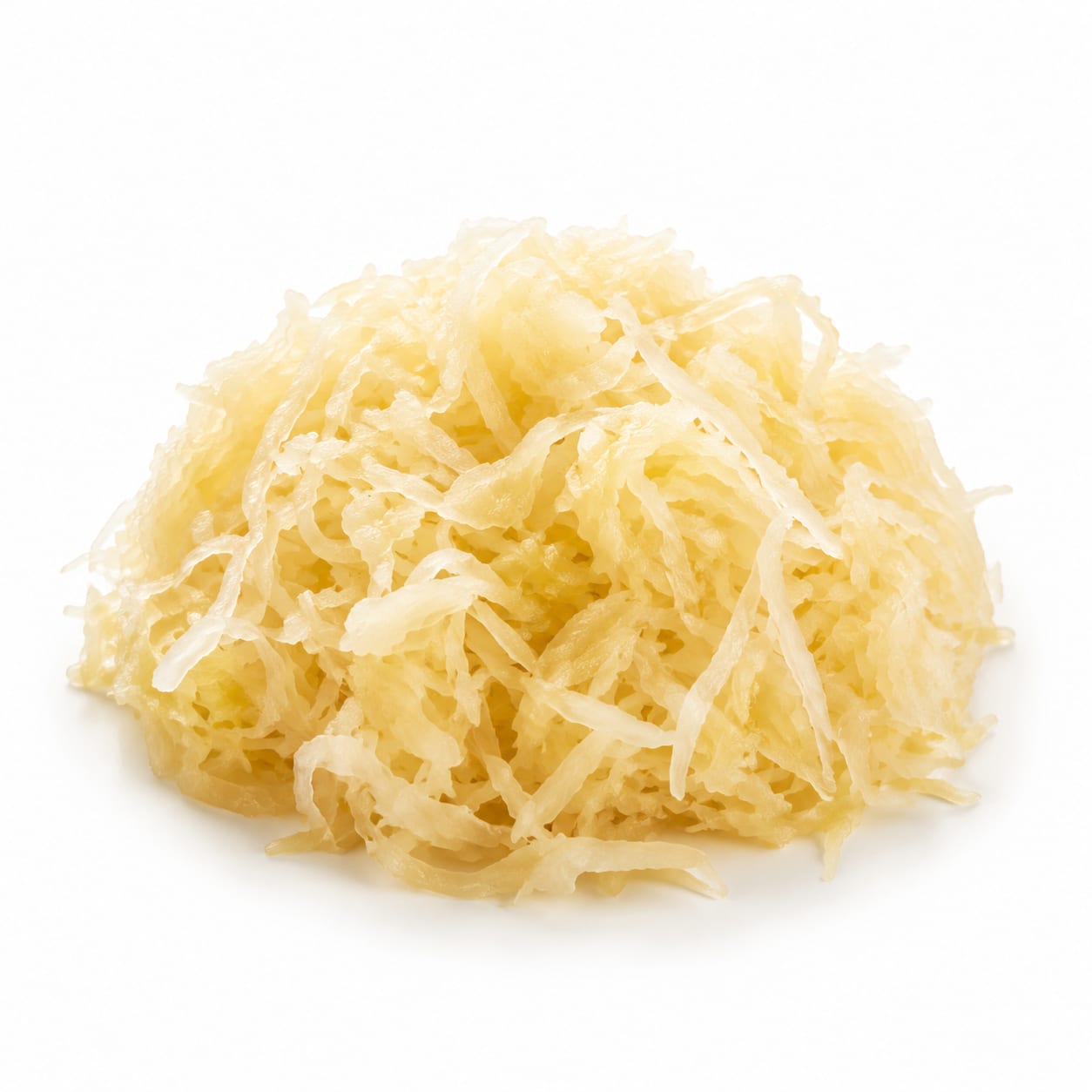
Sauerkraut
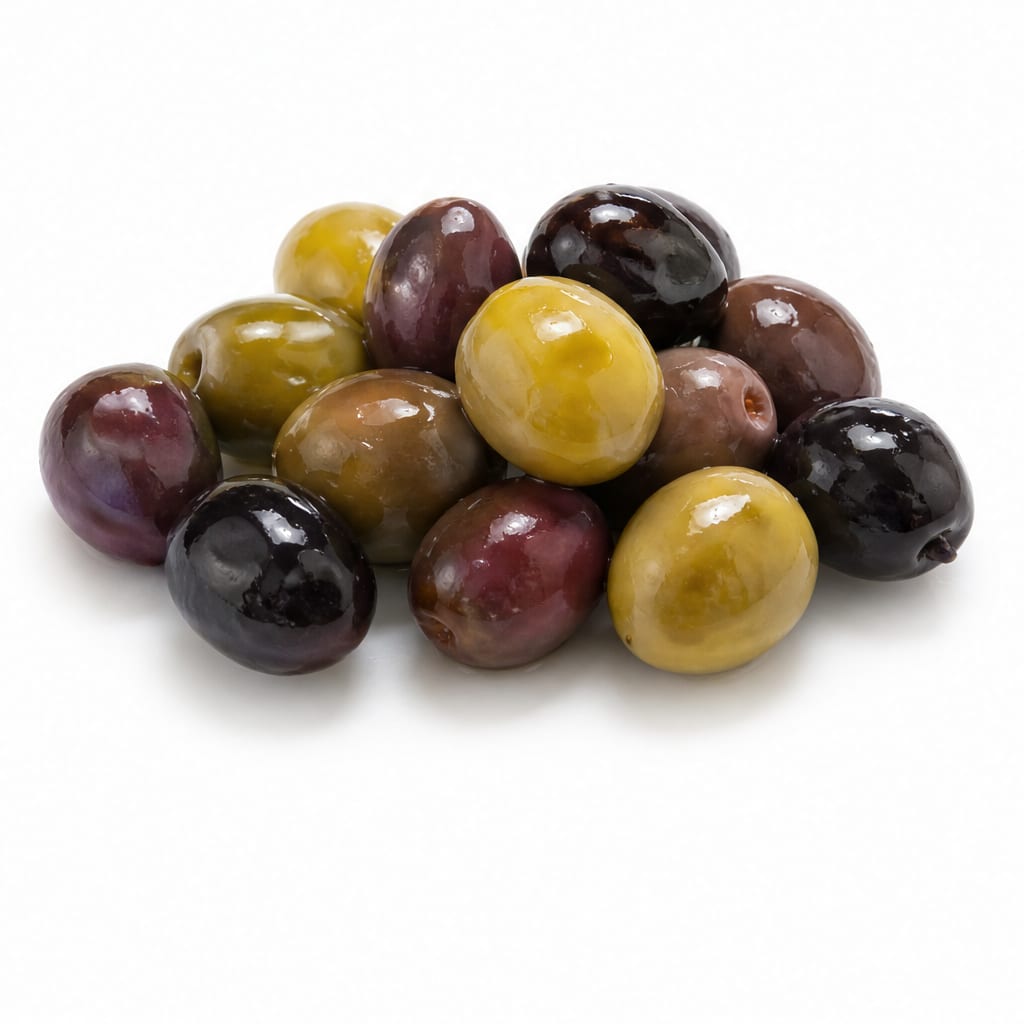
Olives
Sauerkraut is the low-calorie probiotic champion, while olives deliver heart-healthy fats and antioxidants.
Sauerkraut edges ahead slightly for gut health and low calorie density, but olives compete closely with heart-healthy fats. The near-tie reflects their different nutritional strengths.
Gut-friendly fiber and live cultures versus anti-inflammatory monounsaturated fats, with both carrying a heavy sodium load.
At a glance
Executive summary
Overall
It depends
Healthier
It depends
More practical
Olives
Daily use
It depends
Key comparison lenses
Gut health and probiotics
Both are fermented, but sauerkraut is renowned for live cultures that support digestion
Sodium intake and blood pressure
Both are brined and heavily salted, making sodium the biggest shared concern
Healthy fat consumption
Olives are a top source of monounsaturated fats, while sauerkraut is essentially fat-free
Low-calorie snacking and weight management
Sauerkraut offers massive volume for minimal calories, whereas olives are calorie-dense
Best choice for
Sauerkraut
- Boosting gut flora and relieving bloating
- Adding bulk to meals without adding calories
- Supporting regularity and digestive transit
Olives
- Supporting cardiovascular health
- Adding satisfying richness to salads and snacks
- Reducing inflammation through healthy fats
Least suitable for
Sauerkraut
- People strictly monitoring sodium for hypertension
- Those with severe histamine intolerance
Olives
- People trying to limit calorie density
- Those on a strict low-fat diet
Deep comparison
Dimension by dimension
Each lens scores both foods and breaks down who each option suits.
- Dimension 1 · Priority 95Sauerkraut
Gut Health and Probiotics
Sauerkraut · 95Olives · 60Sauerkraut is a probiotic powerhouse when unpasteurized, while olives offer fewer live cultures.
Tradeoff
You get significantly more digestive support from sauerkraut, but miss out on the healthy fats olives provide.
Why it matters
A healthy gut microbiome improves digestion, immunity, and even mood.
Real-world impact
Eating sauerkraut regularly can reduce bloating and improve regularity, acting like a natural digestive aid.
Sauerkraut
- Restoring gut bacteria after antibiotics
- Relieving occasional constipation
Better for
- Triggering histamine reactions in sensitive individuals
Worse for
Olives
- Providing gentle fermentation without high fiber
Better for
- Delivering minimal prebiotic fiber to feed existing gut bugs
Worse for
- Dimension 2 · Priority 90Olives
Healthy Fats and Cardiovascular Benefit
Sauerkraut · 10Olives · 92Olives are packed with oleic acid, a monounsaturated fat that lowers inflammation, while sauerkraut is virtually fat-free.
Tradeoff
Choosing olives gives you heart-protective fats, but adds significant calories compared to sauerkraut.
Why it matters
Monounsaturated fats are strongly linked to reduced heart disease risk and better cholesterol levels.
Real-world impact
Adding olives to your diet can help keep blood vessels flexible and reduce LDL cholesterol over time.
Sauerkraut
- Keeping total dietary fat extremely low
Better for
- Providing zero healthy fats for hormone synthesis
Worse for
Olives
- Supporting heart health and lowering inflammation
- Improving absorption of fat-soluble vitamins from meals
Better for
- Contributing to weight gain if portion control is ignored
Worse for
- Dimension 3 · Priority 88It depends
Sodium and Blood Pressure Impact
Sauerkraut · 40Olives · 45Both are brined and sodium-heavy, making them risky for blood pressure if eaten in large amounts.
Tradeoff
Sauerkraut has slightly less sodium per typical serving, but both require careful portioning for salt-sensitive individuals.
Why it matters
Excess sodium drives up blood pressure and increases stroke risk.
Real-world impact
Eating either food by the handful can easily push you over your daily sodium limit, leaving you thirsty and bloated.
Sauerkraut
- Slightly lower sodium per cup compared to an equivalent volume of olives
Better for
- Tempting to eat large volumes, drastically increasing sodium load
Worse for
Olives
- Easier to eat just a few as a garnish, naturally limiting sodium intake
Better for
- Sodium adds up quickly since each olive packs a concentrated salty hit
Worse for
- Dimension 4 · Priority 82Sauerkraut
Calorie Density and Weight Management
Sauerkraut · 92Olives · 55Sauerkraut offers massive volume for almost no calories, while olives are calorie-dense and easy to overeat.
Tradeoff
Sauerkraut fills you up without the caloric cost, whereas olives provide satisfying richness that requires strict portion control.
Why it matters
Volume eating helps control hunger without tracking calories meticulously.
Real-world impact
You can pile sauerkraut on a sandwich or salad for crunch and flavor without guilt, but a handful of olives can equal a small meal in calories.
Sauerkraut
- Adding bulk to meals for steady satiety
- Snacking freely without calorie counting
Better for
- Feeling hungry soon after if eaten alone due to lack of fat and protein
Worse for
Olives
- Providing quick, dense energy for active days
Better for
- Slipping into mindless overeating during afternoon snacking
Worse for
- Dimension 5 · Priority 75Olives
Antioxidants and Micronutrients
Sauerkraut · 60Olives · 85Olives deliver vitamin E and unique polyphenols, while sauerkraut offers vitamin C and K but less antioxidant diversity.
Tradeoff
Olives protect cells from oxidative stress better, while sauerkraut supports immunity and bone health.
Why it matters
Antioxidants defend against cellular aging and chronic disease.
Real-world impact
Regular olive consumption supports skin health and fights cellular wear and tear, while sauerkraut helps patch up your daily vitamin C needs.
Sauerkraut
- Boosting vitamin C intake for immune support
Better for
- Losing much of its vitamin C during shelf-stable pasteurization
Worse for
Olives
- Protecting skin and cells with vitamin E
- Reducing oxidative stress through unique polyphenols
Better for
- Offering minimal vitamin C or K
Worse for
Timeline
Health impact over time
Short-term
Hours to days
Sauerkraut
- Can reduce bloating and improve digestion quickly
- May cause thirst due to high sodium content
Olives
- Provides quick, satisfying energy from healthy fats
- Can trigger salt cravings if eaten as a snack
Long-term
Months to years
Sauerkraut
- Supports a diverse and resilient gut microbiome
- May help maintain healthy blood pressure if sodium is managed elsewhere
Olives
- Lowers cardiovascular disease risk through oleic acid
- Reduces chronic inflammation when replacing processed snacks
Risk profile
Safety & processing
Sauerkraut is typically just cabbage and salt, making it very clean. Olives require curing and sometimes use chemical color fixatives like ferrous gluconate, especially canned black olives.
Sauerkraut
Histamine intolerance
mediumFermented foods are high in histamine, which can trigger headaches or digestive upset in sensitive people.
Pathogen growth in homemade versions
lowImproperly fermented sauerkraut can harbor harmful bacteria, though commercial versions are very safe.
Olives
Acrylamide exposure
mediumCanned black olives contain acrylamide, a potential carcinogen formed during the oxidation process.
Pesticide residue
lowConventional olives may carry pesticide residue on the skin, though washing and processing remove most of it.
Who wins for whom
Audience fit
Same foods, different winners depending on your goal.
children
OlivesOlives are an easy, mild-flavored finger food that kids often accept better than sour fermented cabbage.
daily consumption
It dependsBoth can be eaten daily in small amounts, but sodium content means neither should be consumed in large volumes daily.
diabetes
SauerkrautSauerkraut has minimal impact on blood sugar and offers fiber, while olives are also low-carb but more calorie-dense.
elderly
SauerkrautSauerkraut aids digestion and regularity, which is a common concern for older adults, while providing easily chewable nutrients.
muscle gain
OlivesOlives provide calorie-dense healthy fats that help meet high caloric needs needed for bulking.
weight loss
SauerkrautSauerkraut provides high volume and fiber for very few calories, making it easier to stay in a deficit.
Your move
Decision guide
Choose Sauerkraut
- You want to improve digestion and gut health
- You need a low-calorie way to add flavor and bulk to meals
- You are focusing on immune support through vitamin C
Choose Olives
- You want to boost heart health with healthy fats
- You need a satisfying, energy-dense snack for active days
- You are looking to reduce inflammation through your diet
Either works if
- You are on a low-carb or keto diet and need salty, flavorful sides
- You want to replace processed, artificial snacks with whole-food options
Avoid both if
- You are on a strict low-sodium diet for kidney disease or severe hypertension
Final recommendation
Keep both in your fridge for different roles: use sauerkraut to top proteins and fill out meals cheaply, and keep olives on hand for heart-healthy fats and richer snacking. Just watch your portions, as the sodium adds up fast either way.
Practical
Consumer tips
- 1
Rinse sauerkraut lightly under water to reduce sodium without losing all the probiotic benefits.
- 2
Always choose raw, unpasteurized sauerkraut from the refrigerated section for live cultures; shelf-stable jars are heat-treated.
- 3
Opt for green olives or jarred kalamata over canned black olives to avoid acrylamide and artificial color fixatives.
- 4
Treat both foods as garnishes or condiments rather than main dishes to keep sodium intake in check.