
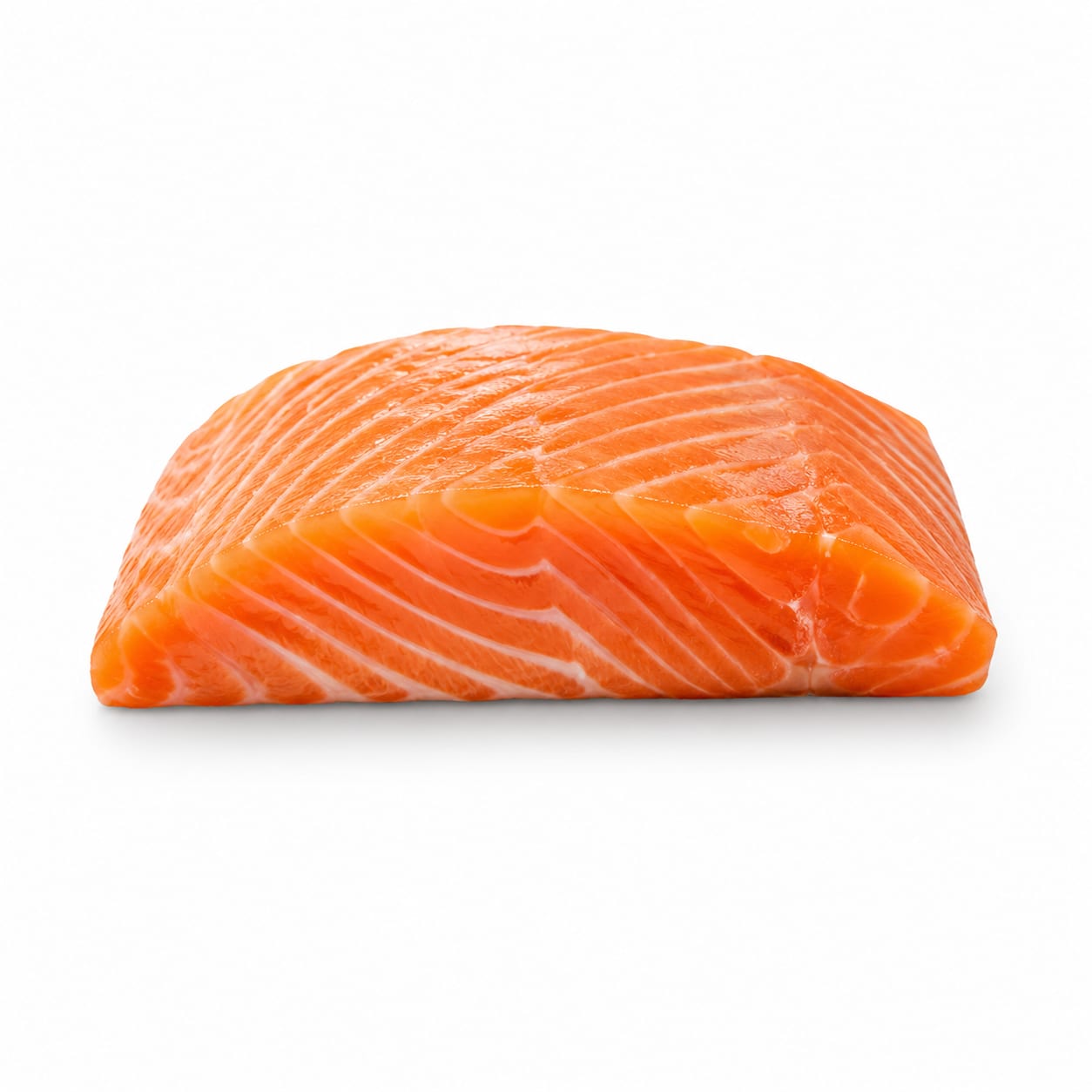
Fatty Fish
Salmon
A nutrient-dense fatty fish rich in omega-3s and high-quality protein.
Nutrient-dense fatty fish prized for its high omega-3 content, protein, and distinct flavor, widely consumed for its health benefits.
omega-3 rich protein source
Typical serving · 100g
Common varieties · Atlantic, Sockeye, Coho, Pink, Chinook +1 more
Overall context score across nutrition, safety, and diet fit
At a glance
Quick facts
Simple indicators based on nutrition, processing, and diet fit.
The story
What makes it unique
Salmon is a high-quality protein source with moderate digestion speed and high satiety. Its macronutrient profile is dominated by protein and healthy fats, specifically long-chain omega-3s, with zero carbohydrates. As a minimally processed whole food, it provides essential fat-soluble micronutrients like vitamin D and astaxanthin.
Varieties: Atlantic · Sockeye · Coho · Pink · Chinook · Chum
Per 100g
Nutrition breakdown
Macro balance and key metrics at a glance.
Energy
Density 2.08 kcal/g
Protein
Carbs
Fat
Fiber
Sugar
0 g
Sodium
59 mg
Potassium
363 mg
Glycemic index
0
Glycemic load
0
Water content
68%
Standout compounds
Nutrient highlights
Omega-3 Fatty Acids (EPA/DHA)
highReduces inflammation and supports heart and brain health
Vitamin D
highSupports bone health and immune function
Vitamin B12
highEssential for nerve function and red blood cell formation
Selenium
highProtects against oxidative stress and supports thyroid function
Astaxanthin
moderatePowerful antioxidant that reduces cellular damage
Wellness map
Health scores & processing
NOVA processing scale
unprocessed or minimally processed · Whole food
Raw or plain frozen salmon is a whole, unprocessed food. Smoked or canned varieties undergo minimal processing but remain recognizable as the original food.
Diet compatibility
- Weight loss
- Muscle gain
- Diabetes
- Gut health
- Low carb
- High protein
- Heart health
Relative standing
Food rankings
Qualitative ranks compared to similar whole foods.
- Satietyexcellent
- Blood sugarexcellent
- Nutrient densityexcellent
- Fitness fuelexcellent
- Processing qualityexcellent
Eat with confidence
Food safety profile
Wild-caught salmon generally has lower contaminant and antibiotic exposure than farmed salmon. Raw consumption carries a risk of parasites and listeria requiring proper freezing or cooking.
Evidence confidence 90%
- Pesticideslow
- Antibioticsmoderate
- Heavy metalsmoderate
- Contaminationmoderate
Watch for
- PCBs
- Dioxins
- Methylmercury
- Listeria
Safer choices
Wild-caught Alaskan salmon
Prep tips
Cook to an internal temperature of 145°F (63°C) to eliminate parasites and bacteria. Freeze raw fish for 7 days at -4°F (-20°C) for sushi-grade safety.
Farmed salmon may contain antibiotic residues and higher levels of persistent organic pollutants compared to wild-caught.
Deep dive
Health analysis
How this food may fit different goals and preparation choices.
Weight loss
High protein and fat content promotes strong satiety, though its caloric density requires portion awareness for aggressive calorie deficits.
Blood sugar
Zero carbohydrates result in no glycemic impact, making it ideal for blood sugar stabilization and insulin sensitivity.
Fitness & energy
Excellent for muscle repair and recovery due to a complete amino acid profile and anti-inflammatory omega-3s.
Gut health
While lacking fiber, its anti-inflammatory fats support gut lining integrity and microbiome health by reducing inflammation.
Processing quality
Whole, unprocessed protein source with minimal additives in its raw or frozen form.
Food safety
Risk of contaminants like PCBs and mercury is higher in farmed varieties; wild-caught generally offers a cleaner safety profile.
Common mistakes
Overcooking which dries out the fish and degrades omega-3s; assuming all salmon is equally nutritious regardless of sourcing.
Best preparation
Baking, poaching, or grilling at moderate temperatures preserves omega-3 integrity better than high-heat deep frying.
Practical guide
Best use cases
When and how this food fits real eating patterns.
post-workout muscle recovery
Provides complete protein for muscle repair and omega-3s to reduce exercise-induced inflammation.
heart-healthy dinner
Regular consumption supports cardiovascular health by improving lipid profiles and reducing arterial plaque buildup.
low-carb high-protein meal
Zero carbohydrates and high fat content make it ideal for ketogenic and low-carb dietary patterns.
Balance sheet
Pros & cons
Upsides
- Extremely rich in anti-inflammatory omega-3 fatty acids
- High-quality complete protein supports muscle synthesis
- Excellent source of vitamin D and B12
- Zero carbohydrates will not spike blood sugar
- High satiety helps control appetite
Trade-offs
- Can be expensive compared to other protein sources
- Farmed salmon may contain antibiotics and higher contaminants
- Risk of heavy metals and PCBs with frequent consumption of large species
- Requires proper cooking to mitigate parasite and bacteria risk
Fit check
Who is it for?
Great match
- heart health optimization
- post-workout recovery
- low-carb and keto diets
- anti-inflammatory diets
Consider alternatives
- strict low-fat diets
- budget-conscious meal prep
- vegans and vegetarians
Side by side
How it compares
Open the full head-to-head analysis for nutrition, safety, and practical tradeoffs.
This food
Salmon
VS90% alike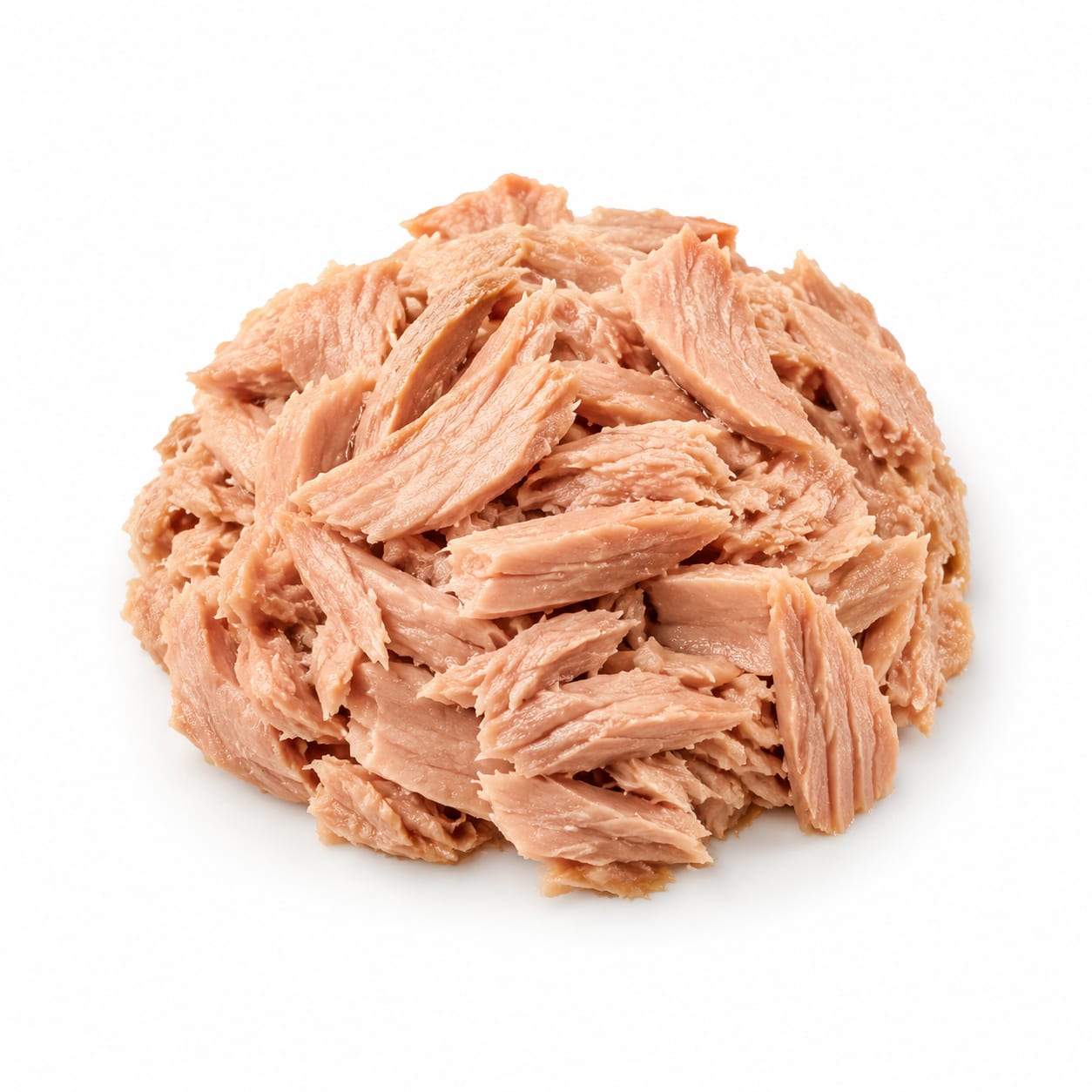
Compare with
Tuna
Tuna is leaner with fewer calories, but salmon provides more omega-3 fats and vitamin D.
Salmon offers more omega-3s and healthy fats for satiety, while tuna is lower in calories and fat for leaner diets.
This food
Salmon
VS85% alike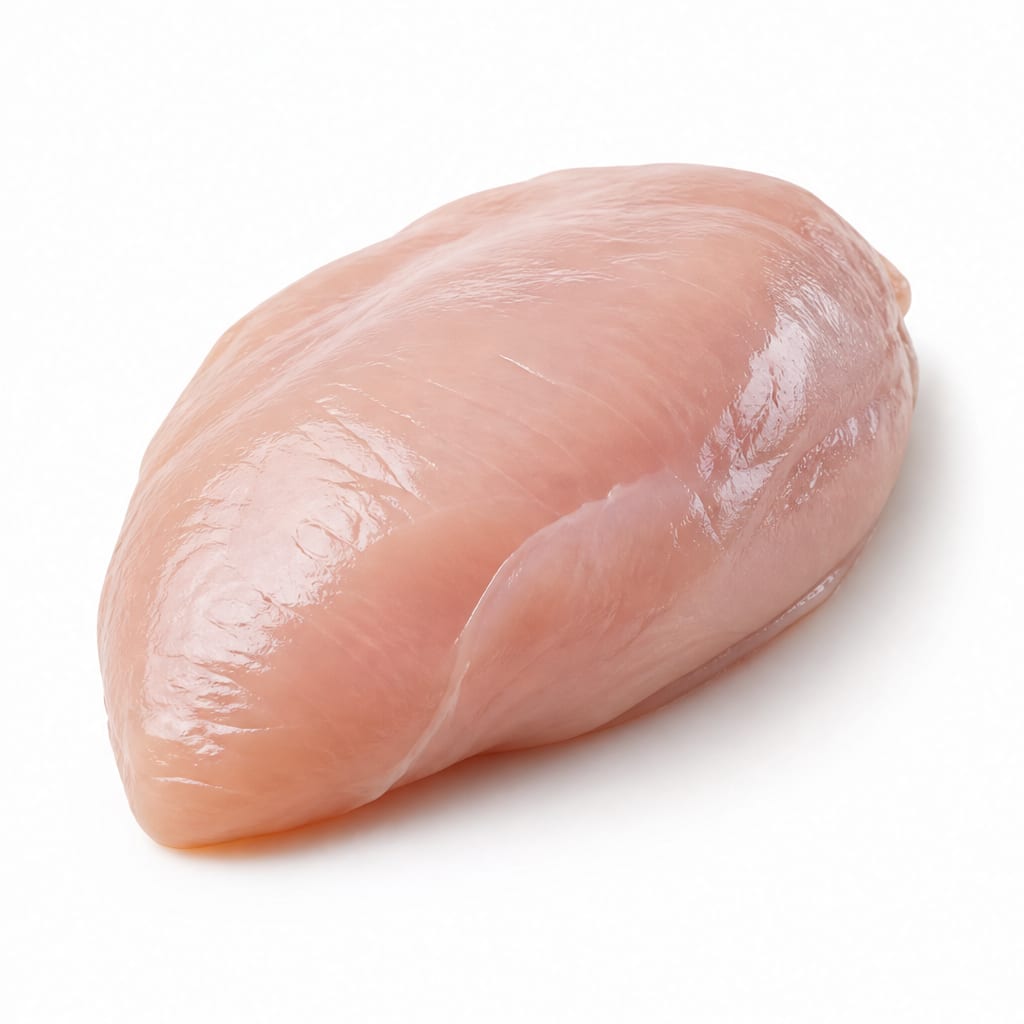
Compare with
Chicken Breast
Chicken breast is lower in calories and fat, but salmon provides essential omega-3s and vitamin D.
Chicken breast is better for low-calorie diets, but salmon wins for heart health and omega-3 intake.
This food
Salmon
VS80% alike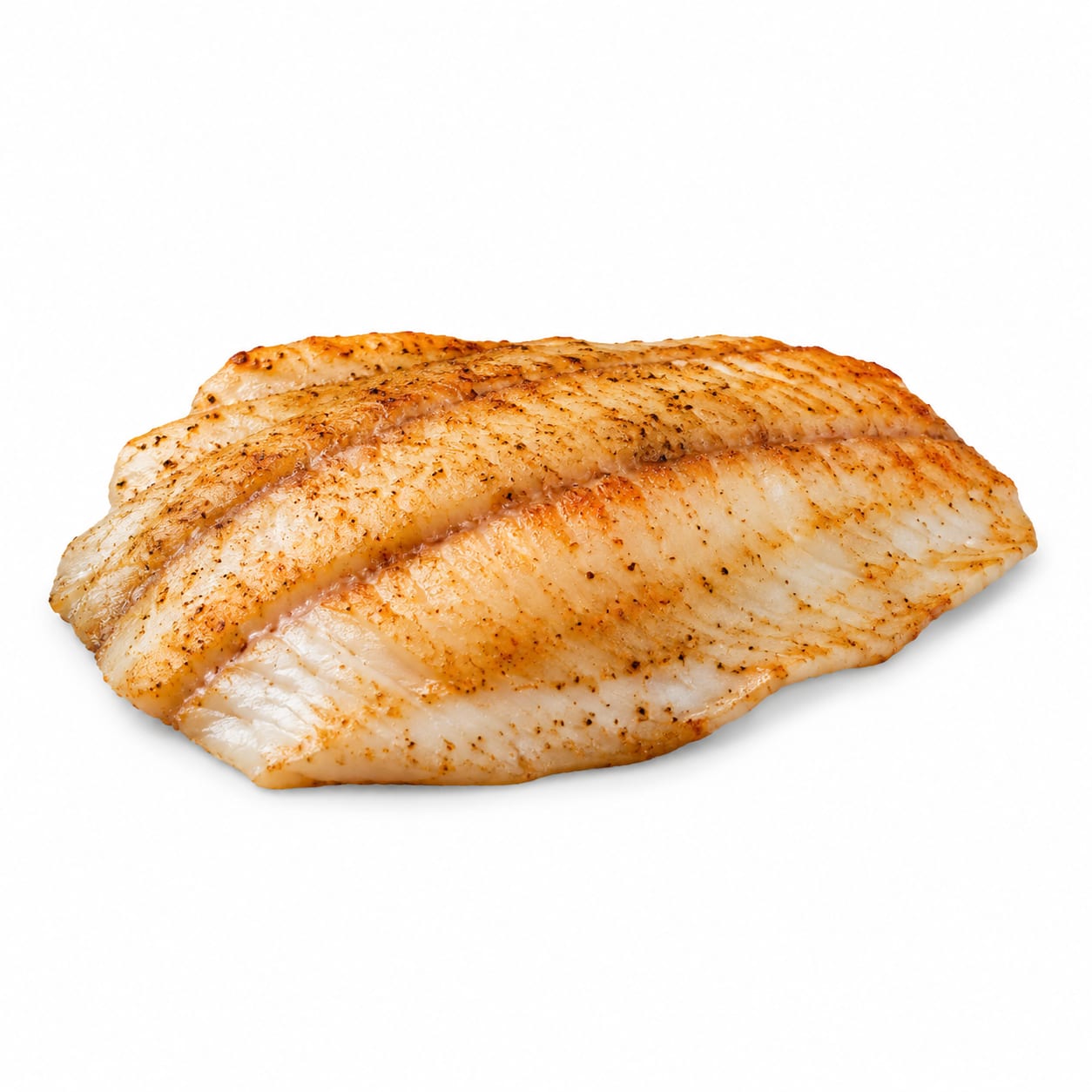
Compare with
Tilapia
Tilapia is leaner and cheaper, but salmon is far superior in omega-3s and micronutrients.
Salmon is vastly superior in omega-3s and nutrients, while tilapia is a leaner, budget-friendly protein.
This food
Salmon
VS88% alike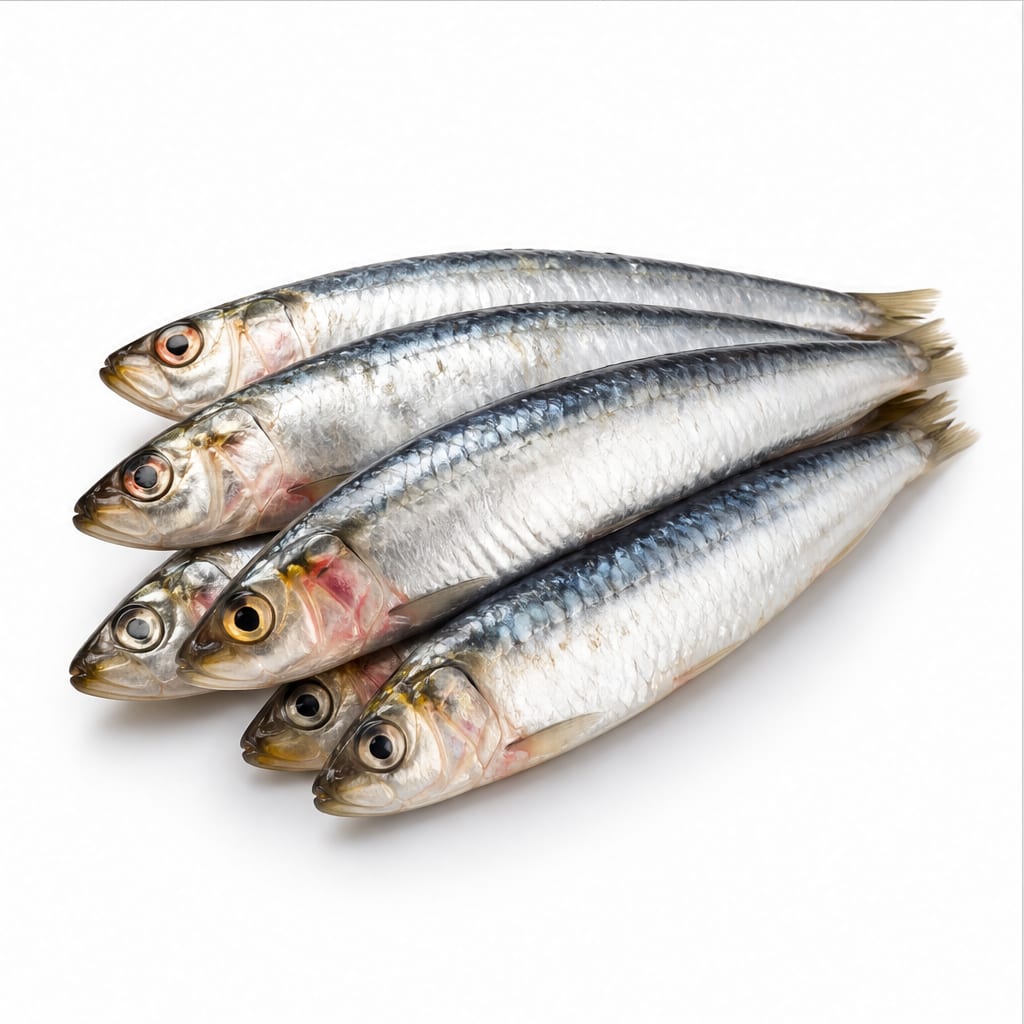
Compare with
Sardines
Sardines offer similar omega-3s with more calcium if eaten with bones, but salmon is more versatile.
Both are omega-3 powerhouses, but sardines provide more calcium while salmon offers a milder flavor and larger portions.
This food
Salmon
VS92% alike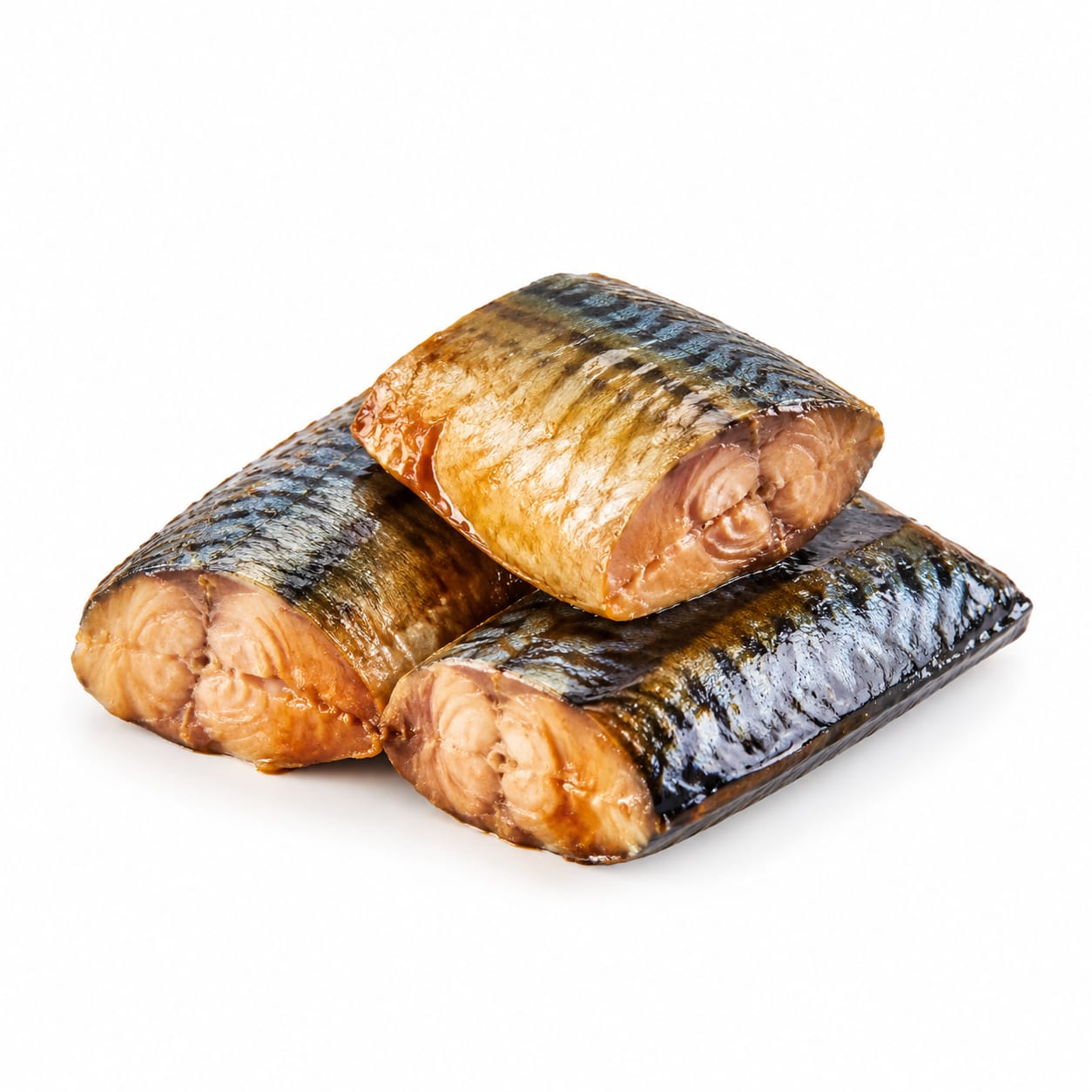
Compare with
Mackerel
Mackerel has slightly more omega-3s but also higher calories and mercury risk depending on the species.
Mackerel provides slightly more omega-3s per gram, but salmon is lower in calories and heavy metal risk.
This food
Salmon
VS75% alike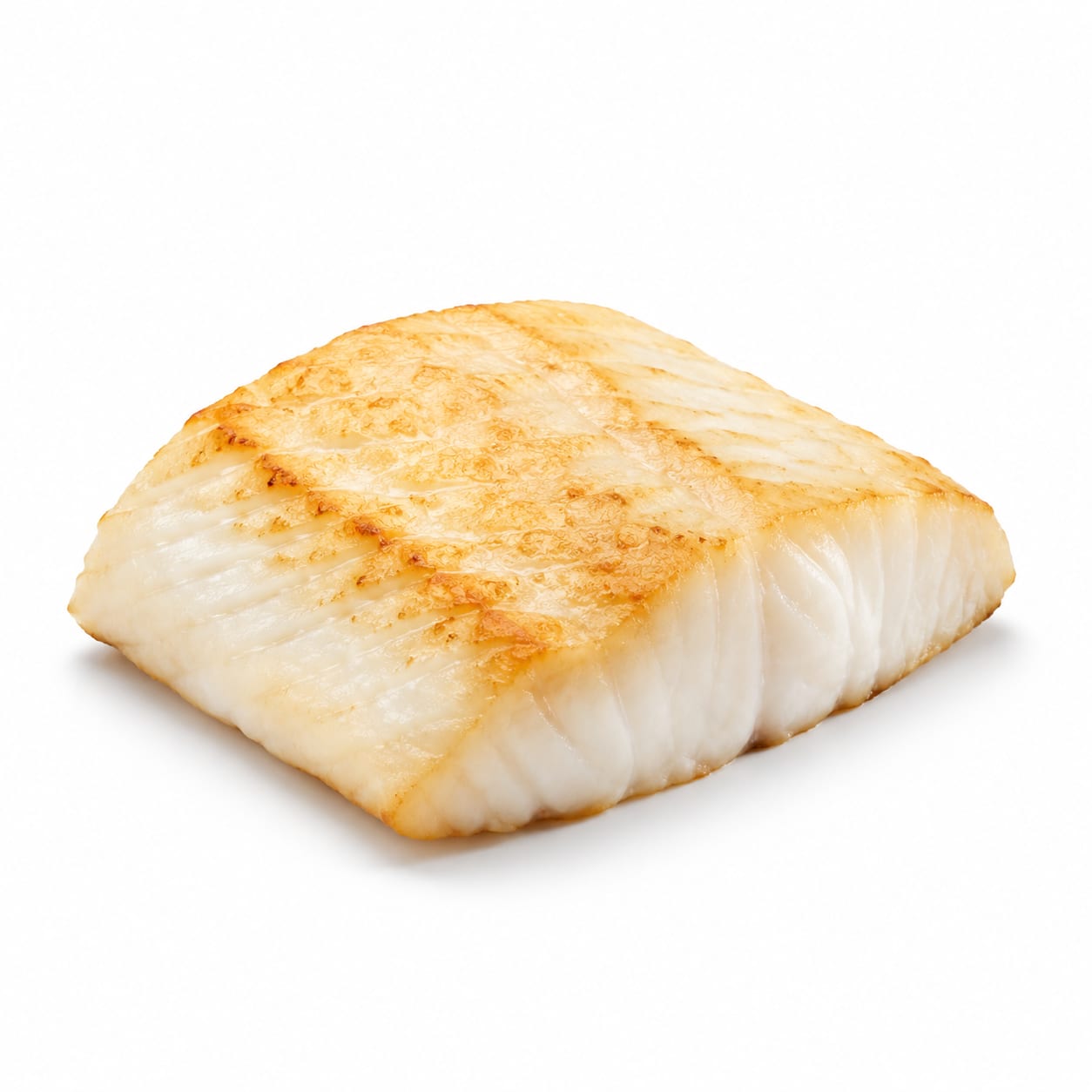
Compare with
Cod
Cod is a very low-calorie lean fish, while salmon is a high-fat nutrient-dense fish.
Cod is ideal for low-calorie diets, whereas salmon provides essential fats and vitamin D for overall health.
This food
Salmon
VS78% alike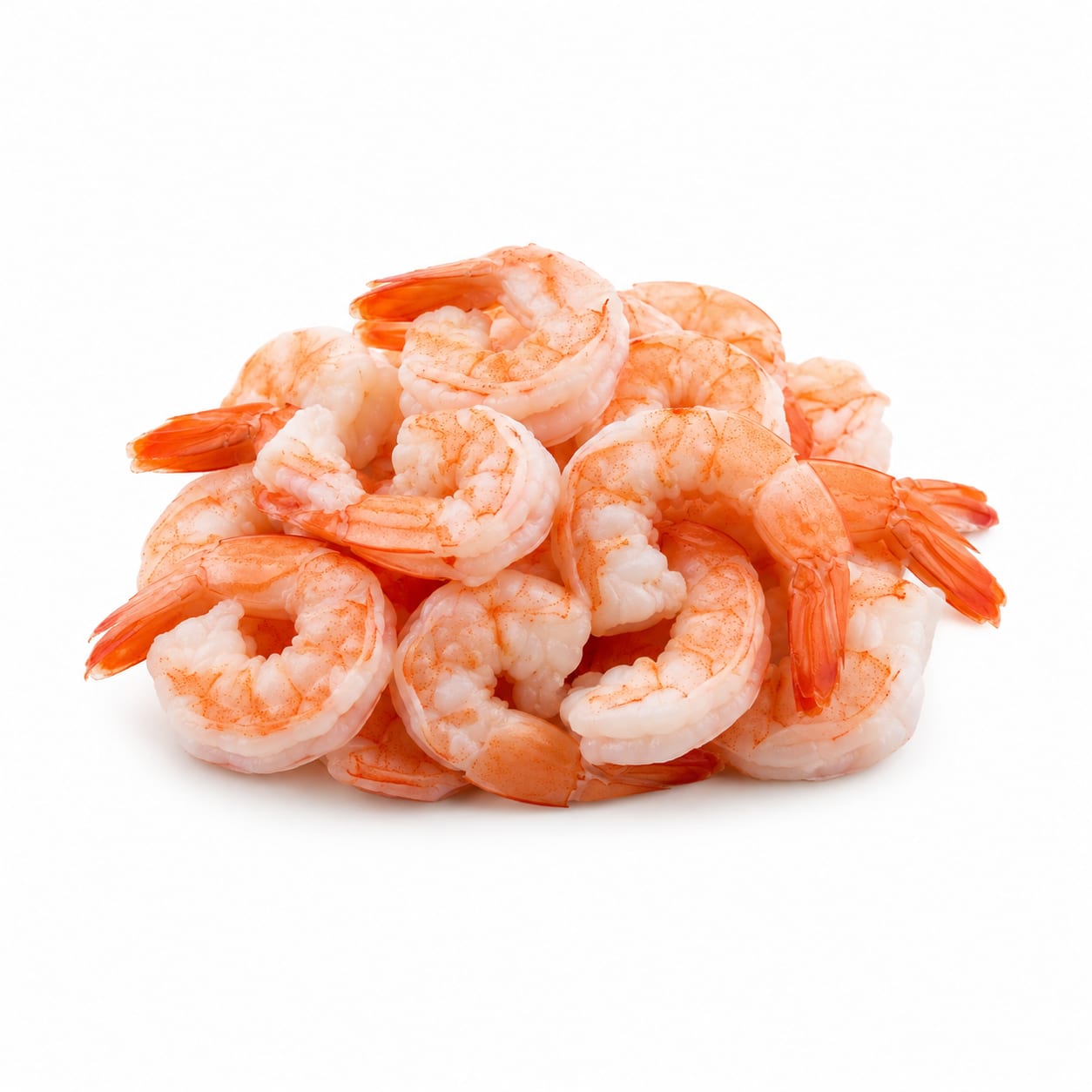
Compare with
Shrimp
Shrimp is very low in calories and fat, while salmon provides omega-3s and higher satiety.
Shrimp is lower in calories for strict dieting, but salmon offers more omega-3s and keeps you full longer.
This food
Salmon
VS95% alike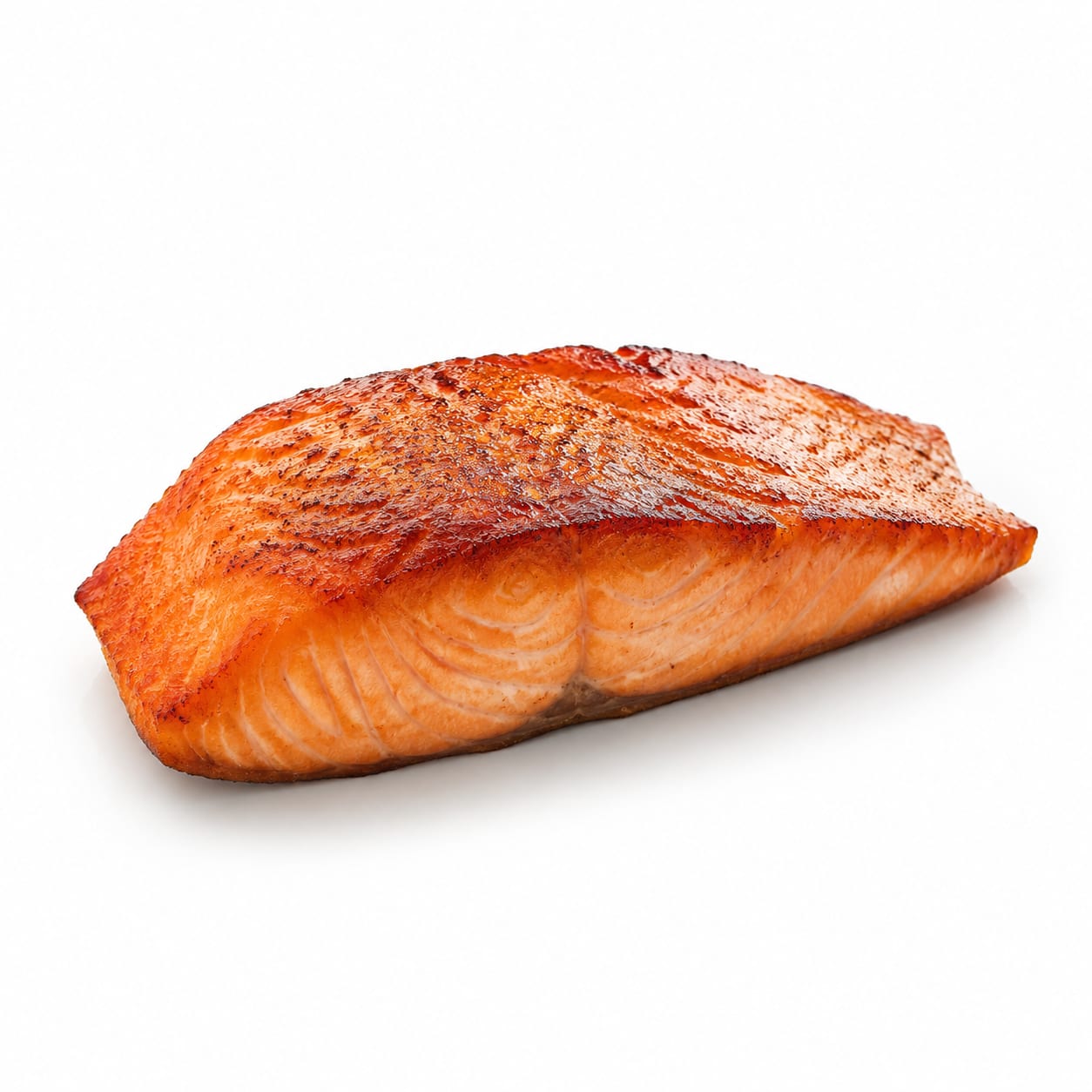
Compare with
Trout
Trout is nutritionally very similar to salmon, though salmon typically has slightly more vitamin D and omega-3s.
Both are excellent omega-3 sources, but salmon generally edges out trout in vitamin D and omega-3 concentration.
This food
Salmon
VS70% alike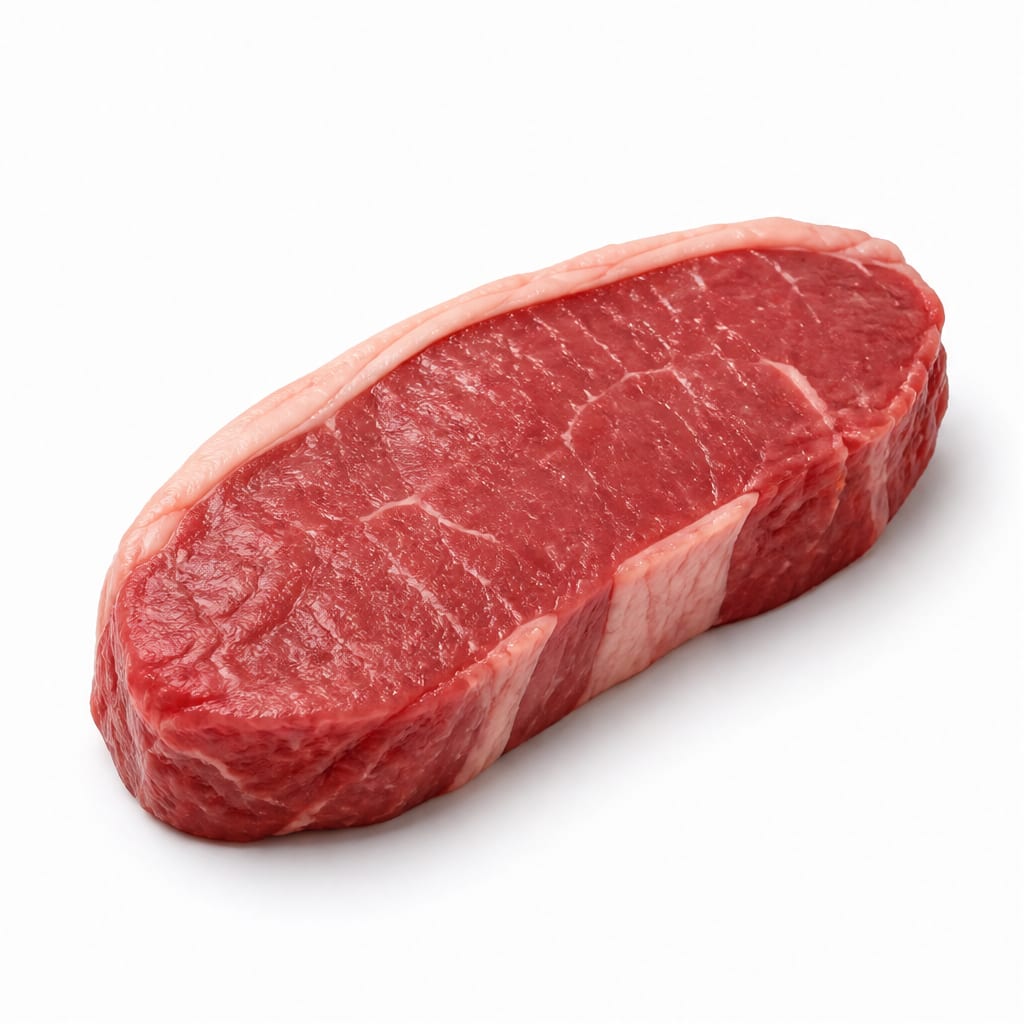
Compare with
Beef Sirloin
Beef provides more iron and B12, but salmon offers heart-healthy omega-3s with less saturated fat.
Salmon provides heart-healthy omega-3s with less saturated fat, while beef sirloin offers higher iron and zinc.
This food
Salmon
VS82% alike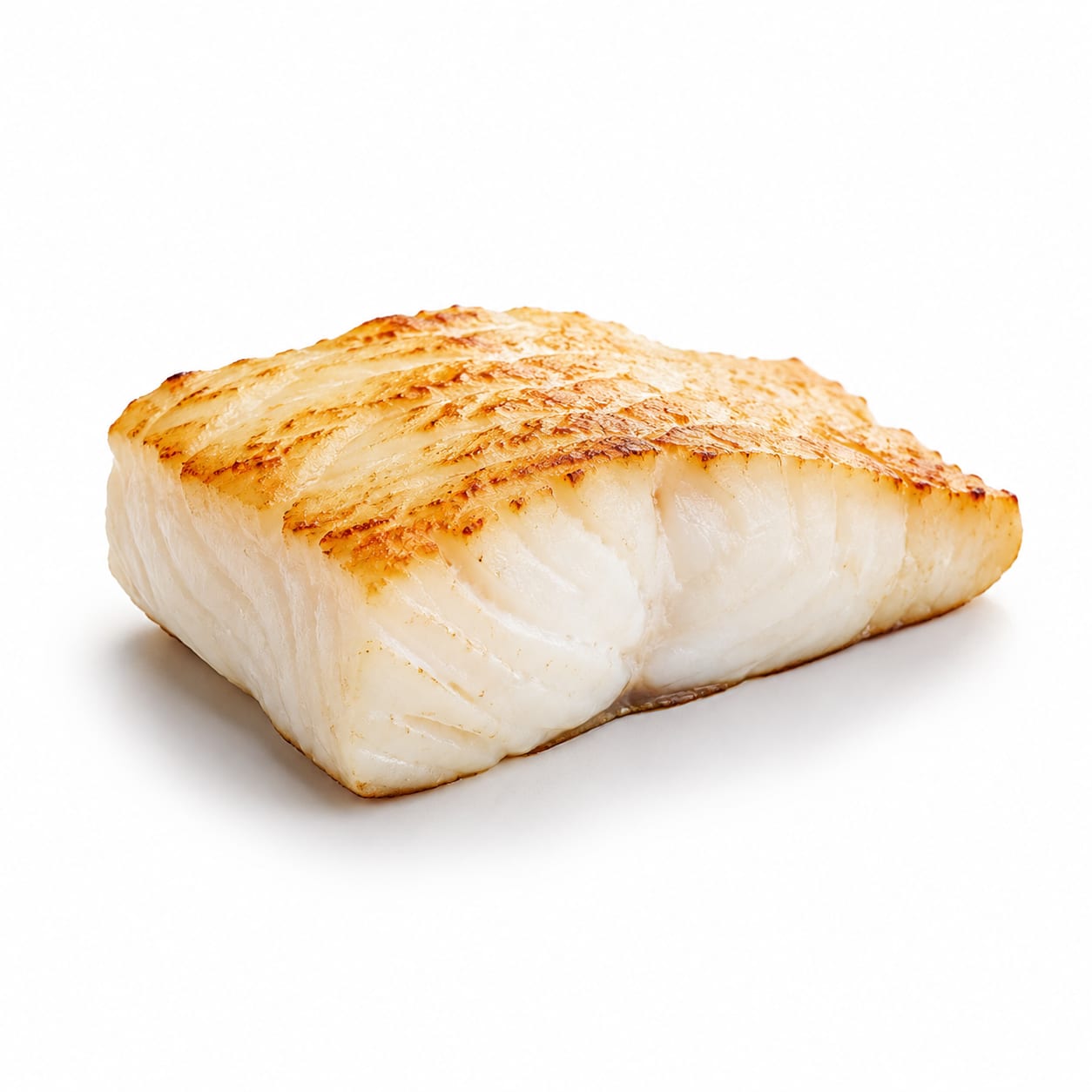
Compare with
Halibut
Halibut is a leaner white fish, while salmon is a fatty fish with vastly more omega-3s and vitamin D.
Halibut is a lean protein choice, but salmon delivers significantly more omega-3 fatty acids and vitamin D.
Common questions
FAQ
Answers aligned with how people search for this food.
Is salmon good for weight loss?
Yes, salmon is good for weight loss because its high protein and healthy fat content increase satiety, helping you feel full longer and reducing overall calorie intake.
Which is better: wild or farmed salmon?
Wild salmon is generally considered healthier due to lower contaminant levels, fewer antibiotics, and a better omega-3 to omega-6 ratio. Farmed salmon is higher in total omega-3s and calories but contains more saturated fat and pollutants.
Can diabetics eat salmon?
Yes, salmon is an excellent choice for diabetics. It contains zero carbohydrates, will not spike blood sugar, and its omega-3s help improve insulin sensitivity and reduce inflammation.
Does salmon have mercury?
Salmon contains mercury, but it is relatively low compared to large predatory fish like swordfish or king mackerel. Wild-caught salmon typically has lower mercury levels than farmed salmon.
Is salmon skin healthy to eat?
Yes, salmon skin is healthy and contains high concentrations of omega-3 fatty acids and astaxanthin. However, it can also concentrate environmental pollutants, so sourcing high-quality or wild-caught salmon is recommended if eating the skin.
How often should you eat salmon?
The FDA recommends eating 2 to 3 servings of fish like salmon per week to obtain sufficient omega-3 fatty acids while managing potential mercury exposure.
What is the healthiest way to cook salmon?
Baking, poaching, and grilling are the healthiest ways to cook salmon. These methods preserve the omega-3 fats without adding excess calories from oil or degrading the nutrients through high-heat charring.
Is canned salmon healthy?
Yes, canned salmon is highly nutritious and a cost-effective way to get omega-3s, protein, and calcium if eaten with the soft bones. It is usually wild-caught and has a long shelf life.
Is smoked salmon good for you?
Smoked salmon retains omega-3s and protein but is very high in sodium. It should be consumed in moderation, especially by those managing blood pressure.
Why is salmon pink?
Wild salmon get their pink color from eating krill and shrimp that contain astaxanthin, a powerful antioxidant. Farmed salmon are fed synthetic astaxanthin to replicate this color.
Transparency
Data confidence
Estimated confidence for nutrition data, interpretation, safety notes, and comparisons.
Nutrition data
Health analysis
Food safety
Comparisons