
Nutrition comparison
Salmon vs Sardines: Which Is Healthier for Omega-3s, Mercury, and Daily Use?
Compare salmon and sardines on omega-3 content, mercury safety, protein, cost, and taste. Find out which fish is better for your health goals and budget.
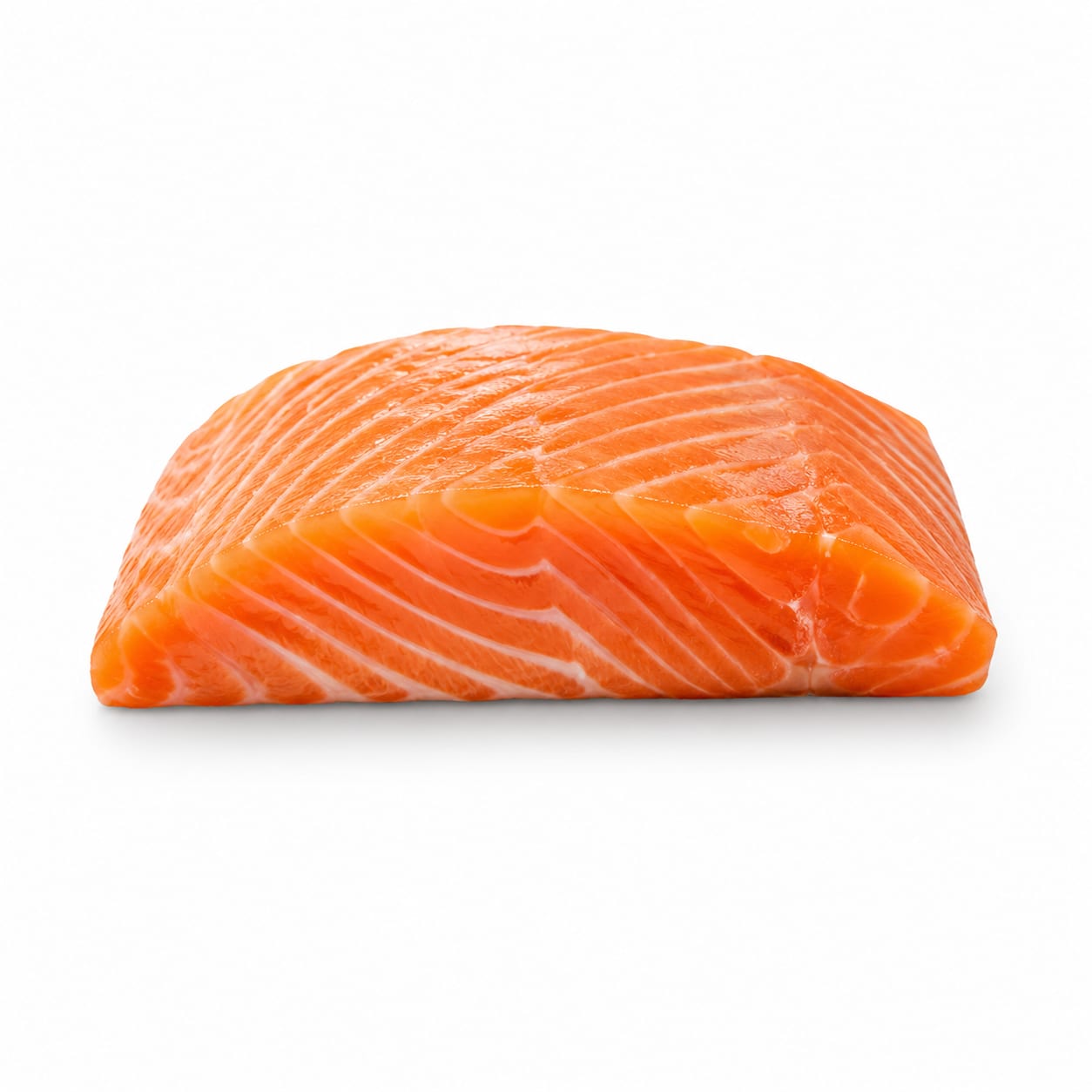
Salmon
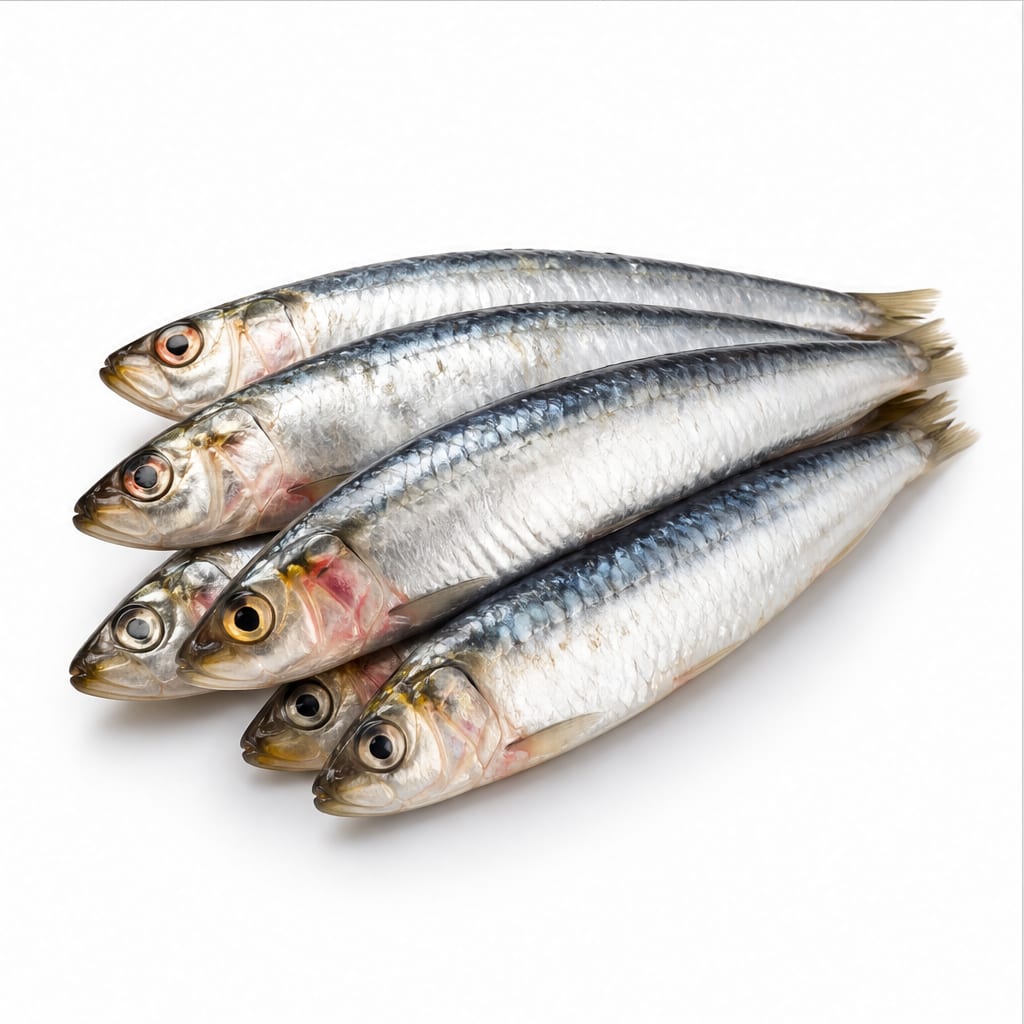
Sardines
Salmon wins on taste and protein; sardines win on safety, cost, and calcium. Both are omega-3 powerhouses.
Sardines edge ahead due to superior safety profile, affordability, and calcium content. Salmon scores well on protein and palatability but loses points for higher mercury risk and cost barriers to daily consumption.
Salmon offers a more enjoyable eating experience with higher protein, but sardines deliver similar omega-3s at a fraction of the cost with far less mercury risk.
At a glance
Executive summary
Overall
It depends
Healthier
Sardines
More practical
Sardines
Daily use
Sardines
Key comparison lenses
omega-3 optimization
Both are top omega-3 sources, but users want to know which delivers more EPA/DHA per serving and per dollar
mercury and contaminant safety
Sardines are low on the food chain with minimal mercury, while salmon varies by species and farming method
budget-friendly nutrition
Sardines are dramatically cheaper, making them relevant for cost-conscious omega-3 seekers
everyday eating sustainability
Users wonder if they can eat these daily and which is easier to stick with long-term
taste and meal versatility
Salmon is a dinner centerpiece; sardines are a polarizing flavor that limits recipe options
environmental impact
Sardines are more sustainable as a small forage fish, while farmed salmon has ecological tradeoffs
Best choice for
Salmon
- People who prioritize meal enjoyment and culinary versatility
- Those seeking higher protein per serving for muscle maintenance
- Diners wanting a impressive main course for entertaining
- Anyone put off by strong fish flavors
Sardines
- Budget-conscious omega-3 seekers
- Pregnant women needing low-mercury fish
- People wanting bone-building calcium from whole-food sources
- Those who eat fish daily and need a safe, affordable staple
Least suitable for
Salmon
- Tight grocery budgets requiring daily fish consumption
- Those highly concerned about mercury with frequent fish intake
- People avoiding farmed fish who cannot afford wild salmon
Sardines
- Picky eaters or anyone sensitive to strong fish flavors
- Those wanting a visually appealing dinner centerpiece
- People who struggle with texture issues around small bones
Deep comparison
Dimension by dimension
Each lens scores both foods and breaks down who each option suits.
- Dimension 1 · Priority 95Sardines
omega-3 density
Salmon · 85Sardines · 92Sardines pack more omega-3s per ounce than most salmon, especially EPA and DHA combined.
Tradeoff
Salmon provides plenty of omega-3s too, but you pay more for slightly less per serving.
Why it matters
Omega-3s are the main reason people eat these fish. Getting more per bite and per dollar matters for consistency.
Real-world impact
A single can of sardines can meet your daily omega-3 needs for under $2. Salmon does the same but at 3-5x the cost.
Salmon
- Still an excellent omega-3 source with proven heart benefits
Better for
- Farmed salmon may have less omega-3 than wild due to feed differences
Worse for
Sardines
- More EPA/DHA per calorie and per dollar spent
- Consistent omega-3 content regardless of preparation
Better for
- Canned sardines lose some omega-3 if packed in water and drained
Worse for
- Dimension 2 · Priority 90Sardines
mercury and contaminant safety
Salmon · 65Sardines · 95Sardines are among the lowest-mercury fish available. Salmon is moderate, with farmed varieties carrying additional contaminant concerns.
Tradeoff
Salmon is safe in moderation but not ideal for daily consumption long-term. Sardines can be eaten daily without mercury worry.
Why it matters
Mercury accumulates over time. Frequent fish eaters need to think about this seriously.
Real-world impact
Eat salmon 2-3 times weekly and you are fine. Eat it daily and mercury becomes a real concern. Sardines have no such limit.
Salmon
- Wild salmon has lower contaminant levels than farmed
Better for
- Farmed salmon may contain PCBs and dioxins from feed
- Larger fish higher on the food chain accumulate more mercury
Worse for
Sardines
- Near-bottom feeders with minimal mercury bioaccumulation
- Safe for pregnant women and children at any reasonable frequency
Better for
- Minimal concern here; sardines are a benchmark low-mercury fish
Worse for
- Dimension 3 · Priority 80Salmon
protein content and quality
Salmon · 90Sardines · 75Salmon delivers significantly more protein per serving, making it more satiating and better for muscle maintenance.
Tradeoff
Sardines provide decent protein but less per meal. You would need a larger portion to match salmon's protein hit.
Why it matters
Protein drives fullness, muscle retention, and metabolic health. This matters especially for active people and older adults.
Real-world impact
A 6oz salmon fillet gives you ~34g protein. A typical can of sardines gives ~23g. That gap affects how full you feel after eating.
Salmon
- Higher protein per serving supports satiety and muscle
- More versatile as a protein-centric main dish
Better for
- No significant downside on protein
Worse for
Sardines
- Protein quality is still excellent with all essential amino acids
Better for
- Less protein per serving means less meal satisfaction for big eaters
Worse for
- Dimension 4 · Priority 78Sardines
bone health and micronutrients
Salmon · 60Sardines · 93Sardines eaten with soft bones provide a rare whole-food calcium source, plus high vitamin D and B12.
Tradeoff
Salmon has great micronutrients too, but lacks the calcium advantage unless you eat the bones, which most people do not.
Why it matters
Most adults do not get enough calcium or vitamin D. Sardines solve both problems in one food.
Real-world impact
One can of sardines with bones provides roughly 30-35% of your daily calcium needs. That is rare for an animal protein.
Salmon
- Excellent vitamin D and B12 content
- Good selenium source
Better for
- Bones are typically removed, eliminating the calcium benefit
Worse for
Sardines
- Calcium from edible bones in a highly absorbable form
- One of the few natural food sources combining calcium and vitamin D together
- High in selenium and B12, matching or exceeding salmon
Better for
- Some people find the soft bones off-putting even though they are safe to eat
Worse for
- Dimension 5 · Priority 85Sardines
affordability and value
Salmon · 40Sardines · 95Sardines are one of the cheapest sources of high-quality omega-3s on the planet. Salmon is a luxury protein by comparison.
Tradeoff
Salmon costs 4-8x more per serving. For daily omega-3 intake, sardines make it sustainable on any budget.
Why it matters
The best food for you is the one you can actually afford to eat consistently.
Real-world impact
Canned sardines cost $1-3 per serving. Fresh salmon runs $6-15+. Over a year of eating fish twice weekly, that is a $500-1000+ difference.
Salmon
- Canned salmon exists as a middle-ground option at lower cost
Better for
- Wild salmon is prohibitively expensive for many households
- Farmed salmon is cheaper but carries health and ethical tradeoffs
Worse for
Sardines
- Canned sardines are shelf-stable, cheap, and available everywhere
- No quality compromise for the price — still premium nutrition
Better for
- Minimal downside on value; sardines are a nutritional bargain
Worse for
- Dimension 6 · Priority 75Salmon
taste and culinary versatility
Salmon · 92Sardines · 55Salmon is a universally loved protein that works in countless recipes. Sardines have a strong, polarizing flavor that limits their use.
Tradeoff
If you enjoy sardines, they are convenient and nutritious. If you do not, no nutritional profile can overcome the aversion.
Why it matters
People do not sustain eating habits they dislike. Taste is a legitimate health factor.
Real-world impact
Salmon can be grilled, baked, poached, served raw, or flaked into salads. Sardines work in a handful of preparations and are hard to disguise.
Salmon
- Mild flavor appeals to nearly everyone including kids
- Works as a main dish, in pasta, on salads, or as sushi
- Easy to season and pair with diverse cuisines
Better for
- Requires cooking skill to prepare well
- Overcooked salmon becomes dry and unappealing
Worse for
Sardines
- Convenient straight from the can with no cooking required
- Works well on toast, in pasta, or with Mediterranean flavors
Better for
- Strong fishy flavor many people never acquire
- Limited recipe versatility compared to salmon
- Visual appearance can be off-putting to some eaters
Worse for
- Dimension 7 · Priority 70Sardines
environmental sustainability
Salmon · 55Sardines · 85Sardines are a low-impact forage fish that reproduce quickly. Salmon farming has significant ecological problems, and wild stocks face pressure.
Tradeoff
Choosing wild salmon helps avoid farming issues but puts pressure on wild populations. Sardines are the clearer eco-choice.
Why it matters
Sustainability affects whether these foods will exist for future consumption and their broader environmental footprint.
Real-world impact
Farmed salmon requires 2-3 pounds of wild fish as feed per pound produced. Sardines are caught and eaten directly, making them far more resource-efficient.
Salmon
- Some well-managed wild salmon fisheries are MSC certified sustainable
Better for
- Salmon farming pollutes local waters and spreads disease to wild fish
- High feed-to-food conversion ratio
Worse for
Sardines
- Low on the food chain with fast reproduction rates
- Minimal feed input since they are caught wild
- Lower carbon footprint per serving of omega-3s
Better for
- Overfishing of sardine populations has caused collapses in some regions historically
Worse for
Timeline
Health impact over time
Short-term
Hours to days
Salmon
- High protein provides lasting fullness after meals
- Omega-3s may reduce post-meal inflammation markers
- Rich, satisfying eating experience that feels like a real meal
Sardines
- Quick no-cook protein option when time is short
- Omega-3s support steady mood and focus throughout the day
- Calcium from bones contributes to daily intake immediately
Long-term
Months to years
Salmon
- Regular consumption supports heart health and reduces cardiovascular risk
- Consistent omega-3 intake benefits brain aging and cognitive preservation
- Farmed salmon consumed frequently may increase exposure to persistent organic pollutants
Sardines
- Daily consumption is safe from a mercury standpoint, enabling consistent omega-3 intake
- Calcium and vitamin D together support bone density as you age
- Low contaminant profile makes this a sustainable long-term dietary staple
Risk profile
Safety & processing
Fresh or frozen salmon is essentially unprocessed. Canned sardines undergo cooking and canning with added salt or oil, making them more processed but still a whole food at core. Check labels for sodium content and oil type in canned sardines.
Salmon
mercury exposure
mediumModerate mercury levels make daily consumption inadvisable, especially for pregnant women. Limit to 2-3 servings per week.
farmed salmon contaminants
mediumPCBs and dioxins can be higher in farmed salmon due to concentrated feed. Choose wild when possible.
parasites in raw salmon
lowSushi-grade salmon must be previously frozen to kill parasites. Never eat raw salmon not designated sushi-grade.
Sardines
sodium in canned varieties
mediumCanned sardines often contain 300-500mg sodium per serving. Look for low-sodium or no-salt-added options.
purine content
lowSardines are high in purines, which can trigger gout flares in susceptible individuals.
BPA from can linings
lowSome cans still use BPA linings. Choose BPA-free canned sardines when available.
Who wins for whom
Audience fit
Same foods, different winners depending on your goal.
children
SalmonMild flavor and familiar texture make salmon far more likely to be accepted by kids. Sardines are a tough sell for most children.
daily consumption
SardinesLow mercury, affordable, shelf-stable, and nutrient-dense. Sardines are built for daily eating without safety concerns breaking the bank.
diabetes
SardinesBoth are excellent low-carb choices, but sardines' consistent omega-3 content and lower contaminant risk with frequent consumption give them the edge for daily metabolic support.
elderly
SardinesThe calcium from soft bones supports bone density, and the low mercury profile is safer for aging bodies that clear toxins more slowly. No cooking required is also practical.
muscle gain
SalmonSalmon provides more protein per serving, which is the primary driver of muscle protein synthesis. The larger portion size also supports caloric needs for growth.
weight loss
SardinesSardines provide high satiety per calorie with excellent protein and omega-3s at a lower calorie cost. The strong flavor also naturally limits overeating.
Your move
Decision guide
Choose Salmon
- You want a delicious main course that feels like a proper meal
- You are focused on maximizing protein intake per serving
- You are cooking for others who may not appreciate strong fish flavors
- You can afford wild salmon and eat fish 2-3 times per week
Choose Sardines
- You want the most cost-effective omega-3 source available
- You eat fish frequently and need a low-mercury daily option
- You want calcium from a whole-food source rather than supplements
- You need a no-cook protein that is always ready in your pantry
Either works if
- You simply want more omega-3s in your diet from whole-food sources
- You are looking for high-quality protein that is not red meat or poultry
- You want to reduce inflammation through better fat intake
Avoid both if
- You have a fish allergy — this is non-negotiable
- You have severe gout and are purine-sensitive, especially with sardines
- You are on a very low-sodium diet and cannot find low-sodium canned sardines
Final recommendation
Eat both. Use salmon 1-2 times weekly as a satisfying dinner, and keep sardines as your daily omega-3 insurance policy. This gives you the pleasure of salmon with the safety and affordability of sardines. If budget forces a choice, sardines deliver more health value per dollar by a wide margin.
Practical
Consumer tips
- 1
Choose wild salmon over farmed when budget allows — fewer contaminants and better omega-3 profile
- 2
Look for sardines packed in olive oil or water, not soybean oil, to avoid excess omega-6 fats
- 3
Check canned sardine labels for sodium; some brands offer no-salt-added versions
- 4
Buy BPA-free canned sardines when available to reduce endocrine disruptor exposure
- 5
If new to sardines, start with boneless skinless varieties before working up to whole fish
- 6
Freeze fresh salmon if not eating within 1-2 days to preserve omega-3 content
- 7
Mash sardines into pasta sauce or on toast with mustard to make the flavor more approachable
- 8
Canned pink salmon is a budget middle ground — cheaper than fresh, milder than sardines